













Champagne is more than just bubbles and celebrations—it is a marvel of chemistry, history, and artistry. While most wines are bottled and released relatively quickly, Champagne often undergoes an extended period of aging, particularly on its lees—the residual yeast sediment left after fermentation. This practice is not a mere tradition or marketing ploy; it fundamentally transforms the wine’s aroma, texture, and aging potential. But why does Champagne age better on lees than in bottle alone? The answer lies in the intricate interplay of chemistry, microbiology, and wine physics.
Understanding Champagne and Its Aging Process
To appreciate the importance of lees, we first need to understand what Champagne is and how it differs from still wines. Champagne is a sparkling wine produced primarily in the Champagne region of France. Unlike ordinary wines, it undergoes a secondary fermentation in the bottle, a process that creates the signature bubbles. This method, known as the Méthode Champenoise, introduces additional layers of complexity to the wine, both physically and chemically.
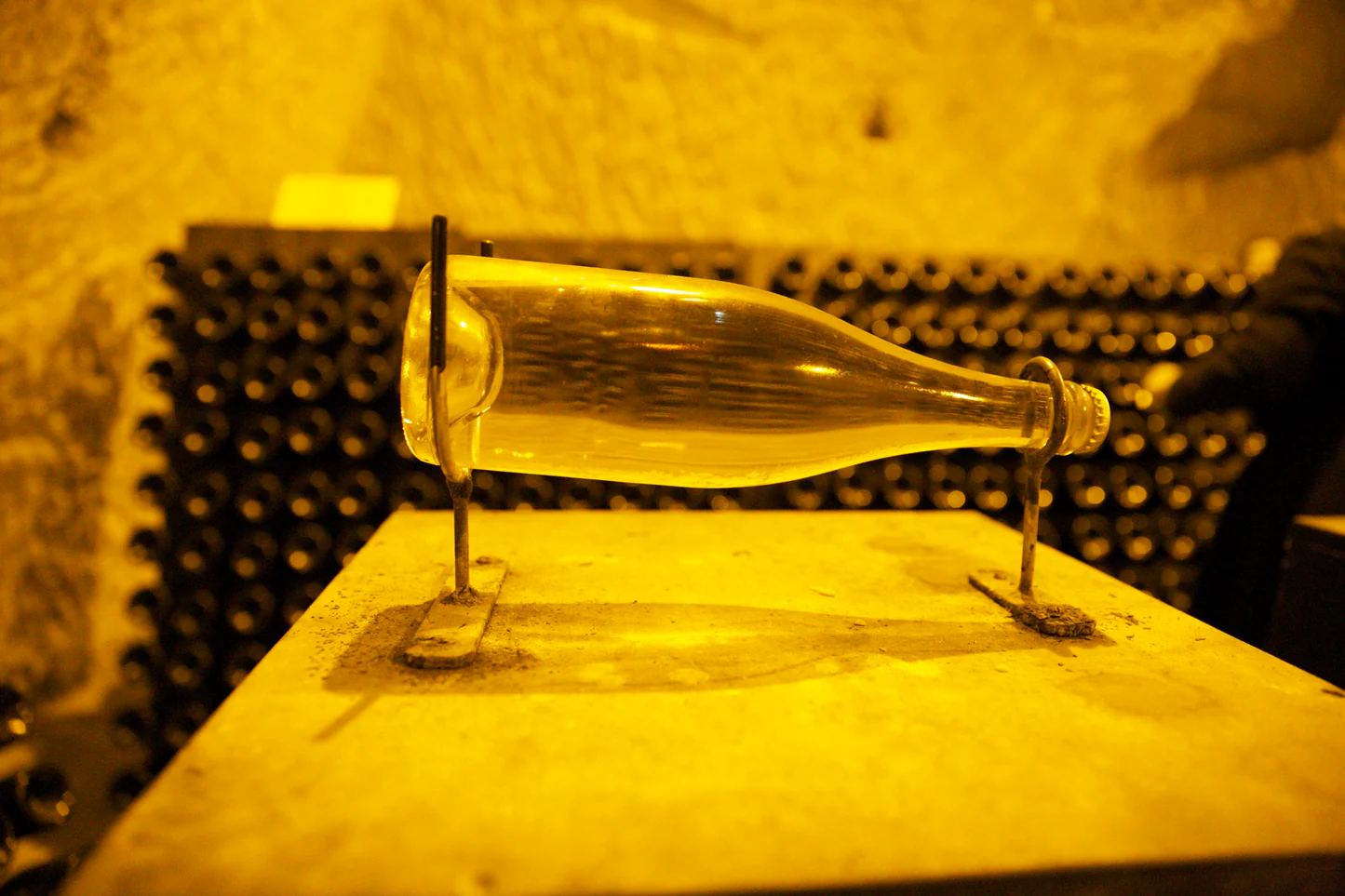
After the secondary fermentation, the wine remains in contact with lees, which are essentially dead yeast cells and other microscopic particles. This contact can last for several years, depending on the desired style and quality of the final product. During this time, Champagne undergoes a process called autolysis, where the yeast cells break down and release compounds that profoundly affect the wine’s flavor, aroma, and texture. Aging Champagne without lees—even in the same bottle—is a completely different experience. Without this biological interaction, the wine loses a vital source of complexity and structure.
What Are Lees?
Lees are the natural sediment of dead yeast cells, grape solids, and other microscopic particles left behind after fermentation. In Champagne production, these cells are not immediately removed; instead, they are allowed to remain in the bottle for extended periods. This sediment is rich in proteins, polysaccharides, amino acids, and other compounds that interact with the wine in fascinating ways.
From a chemical perspective, lees contain mannoproteins and glucans, two types of molecules that contribute significantly to mouthfeel and stability. Mannoproteins, for instance, bind with tannins and other phenolic compounds, softening their impact and creating a more harmonious structure. Glucans can influence the wine’s viscosity, giving Champagne that luxurious, creamy texture that differentiates it from younger or non-aged sparkling wines.
Autolysis: The Science Behind Lees Aging
The most crucial phenomenon in lees aging is autolysis, a process in which the yeast cells gradually break down. This breakdown releases a variety of compounds, including amino acids, nucleotides, and polysaccharides. These compounds interact with the wine in multiple ways:
- Flavor Enhancement: Autolysis produces a rich palette of flavors often described as bready, toasty, nutty, or even slightly umami. These flavors are subtle but critical, elevating Champagne from a simple sparkling wine to a complex sensory experience.
- Texture Development: Yeast-derived polysaccharides contribute to the mouthfeel, making Champagne feel creamier and fuller. This is especially important in high-quality vintages, where texture can be as defining as aroma or flavor.
- Chemical Stability: Compounds released during autolysis act as natural antioxidants, slowing down the wine’s oxidation. This stability is one reason why Champagne aged on lees can last for decades, while wine aged without lees often matures more quickly and loses vibrancy.
- Integration of Acidity and Effervescence: Champagne is characterized by high acidity and lively bubbles. Lees aging helps integrate these elements, smoothing the perception of acidity while preserving the wine’s sparkling structure.
Differences Between Aging on Lees and Aging Alone
Now that we understand what happens during lees aging, it is important to contrast this with what happens when Champagne ages without lees. When wine is bottled and stored without yeast sediment:
- The wine is more exposed to oxidation, which can prematurely dull flavors.
- The mouthfeel remains thinner, lacking the creaminess provided by autolyzed yeast.
- The complexity of aroma development is significantly reduced. While fruit notes may persist, the subtle nutty, brioche, or biscuit-like nuances are absent.
- The aging potential is shorter, meaning the wine may peak earlier and decline faster.
In short, Champagne in bottle alone is still sparkling wine, but it lacks the depth, refinement, and longevity that lees aging provides.
The Role of Yeast Strains
Not all yeast is created equal. In Champagne production, specific strains of Saccharomyces cerevisiae are chosen for their ability to survive secondary fermentation and contribute positively to autolysis. These strains differ in:
- Survivability under high alcohol and pressure conditions.
- Autolysis speed, which influences how quickly flavors develop.
- Aroma compound production, which can enhance floral, citrus, or toasty notes.
The choice of yeast is therefore not arbitrary; it is a key factor in determining the final style and aging profile of Champagne. Wines aged on lees using robust yeast strains often develop more pronounced complexity and a longer shelf life.
Chemical Compounds Produced During Lees Aging
Lees aging generates a broad spectrum of chemical compounds that directly impact the sensory experience of Champagne. Some of the most important include:
- Amino acids: These contribute to flavor development, particularly savory or umami notes.
- Nucleotides: These enhance mouthfeel and interact synergistically with other taste compounds.
- Polysaccharides: These increase viscosity and creaminess.
- Glutathione: A natural antioxidant that protects against premature oxidation.
- Volatile sulfur compounds: In small amounts, these can enhance aromatic complexity, adding subtle nuances of toast or roasted nuts.
The interplay of these compounds is what makes aged Champagne taste more layered, rich, and rounded compared to a wine of similar age that has not been in contact with lees.
Time: How Long Is Optimal?
The duration of lees aging is a topic of both art and science. Regulations for Champagne stipulate minimum aging times—15 months for non-vintage and three years for vintage—but many producers exceed these durations. Some prestige cuvées may rest on lees for over a decade before disgorgement.
- Short lees aging (15–24 months): Enhances freshness and subtle yeast-derived complexity.
- Medium lees aging (3–5 years): Produces noticeable brioche, toast, and nutty flavors, with a creamier texture.
- Extended lees aging (5–10+ years): Results in profound depth, richness, and longevity, often associated with top-tier vintage Champagnes.
Interestingly, excessive lees aging is not inherently harmful, but it requires precise conditions. Too much contact in the wrong environment can result in off-flavors or overly dominant yeast notes.
The Role of Bottle Pressure
Bottle pressure is another factor in why Champagne ages differently on lees. The CO₂ produced during secondary fermentation not only creates bubbles but also modifies the chemical environment. High pressure affects solubility, gas exchange, and oxidation kinetics, all of which interact with lees autolysis. Champagne in bottle under pressure develops flavor compounds differently than wine stored without carbonation or lees.
Microbial Contributions Beyond Yeast
While dead yeast cells dominate lees composition, other microorganisms can play minor but influential roles. Certain bacteria may survive in low populations, contributing to acid balance or subtle flavor modifications. However, the process is carefully controlled to prevent spoilage. The delicate balance of microbiology is another reason why aging on lees is superior to simply letting a sparkling wine sit undisturbed.
The Art of Remuage and Disgorgement
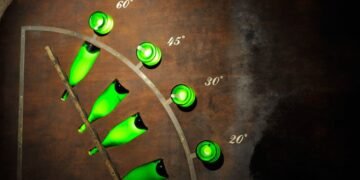
Lees aging is not the end of the story. Once the desired maturation is achieved, Champagne undergoes remuage, the process of gradually moving the bottle to collect lees in the neck, followed by disgorgement, the removal of sediment. This step preserves the flavors and texture developed during autolysis while producing a visually clear wine. Importantly, the complexity gained from lees remains in the wine even after the yeast sediment is removed.
Comparing Styles: Non-Vintage vs. Vintage Champagne
- Non-Vintage Champagne: Typically aged 15–36 months on lees. The emphasis is on consistent house style, freshness, and moderate complexity.
- Vintage Champagne: Aged 3–10+ years on lees. This extended contact with yeast develops profound richness, structure, and a higher potential for long-term aging.
Even within a single producer, differences in lees aging can create remarkable diversity in aroma and texture, demonstrating the nuanced art and science behind Champagne production.
Flavor Perception and Consumer Experience
The effects of lees aging are not just theoretical—they are immediately perceivable to the palate. Wines aged on lees tend to:
- Display a creamier mousse, the texture of bubbles feels more refined.
- Exhibit layers of flavor, from citrus and apple to toast, nuts, and even hints of honey or caramel in older vintages.
- Possess a balanced acidity, integrated into a rounded, structured profile.
- Retain aging potential, allowing the wine to evolve gracefully over years or decades.
Without lees, Champagne may be bright and crisp, but it lacks the layered sophistication and mouthfeel that enthusiasts prize.
Global Practices and Influence
Though Champagne is the benchmark, the principle of aging on lees has influenced sparkling wine production worldwide. Cava in Spain, traditional-method sparkling wines in Italy, and English sparkling wines all utilize extended lees contact to enhance complexity. However, the unique terroir, grape varieties, and yeast strains in Champagne create flavors and aging profiles that are difficult to replicate elsewhere.
Conclusion: Lees Are More Than Sediment
Aging Champagne on lees is not a mere procedural choice; it is a transformative process. Through autolysis, chemical interactions, and careful microbial management, the lees impart flavor, texture, stability, and aging potential that cannot be achieved by aging in bottle alone. From the first delicate bubble to the lingering finish, the influence of yeast sediment is omnipresent, shaping Champagne into the sophisticated, nuanced, and celebratory wine we know today.
Understanding the science and artistry behind lees aging elevates the appreciation of Champagne beyond its sparkle. Each sip tells a story of microbiology, chemistry, and centuries of refined technique—a story that would be incomplete without the humble yet powerful sediment of dead yeast.