



















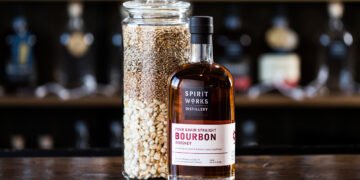







Whiskey, in its essence, is an alchemy of time, patience, and place. While the recipe may remain constant—corn, barley, rye, water, yeast, and oak barrels—the final sip can tell a story not only of craftsmanship but also of climate. Yes, climate. That often invisible factor—sunlight, temperature, humidity, rainfall, and even the soil’s microbe communities—has the power to rewrite a whiskey recipe without changing a single grain. Understanding this dynamic is essential for enthusiasts, distillers, and curious minds alike. Let’s explore the intricate ways climate affects whiskey and why the same recipe can taste dramatically different across years, regions, and even barrels.
1. The Foundation: Water, Grain, and Yeast
Whiskey begins with three main characters: water, grain, and yeast. These seemingly simple ingredients are surprisingly sensitive to environmental conditions.
Water: More than H₂O
Water is whiskey’s silent partner. Its mineral content—calcium, magnesium, iron, and sulfates—shapes fermentation and flavor. But climate can indirectly alter water quality. Warmer regions accelerate evaporation in rivers and wells, concentrating minerals. Heavy rainfall dilutes these minerals. Seasonal swings can make the same spring water taste subtly different, which in turn changes how the yeast metabolizes sugars. Even small variations in pH can influence the sweetness, acidity, and mouthfeel of the final spirit.
Grain: Sunshine, Soil, and Temperature
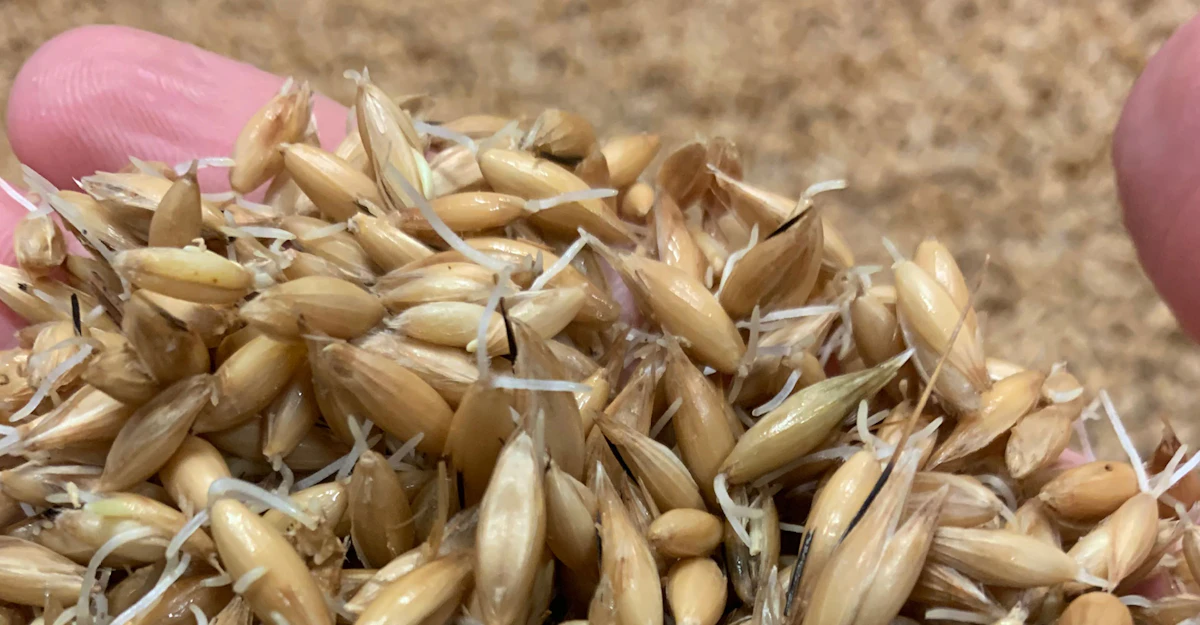
Grain is climate’s canvas. Corn, barley, and rye respond to heat, rainfall, and sunlight with shifts in starch content, protein levels, and enzyme activity. A barley field under a hot, dry summer produces grains with higher sugar concentration but lower protein, ideal for sweeter, lighter whiskey. Conversely, cooler, wetter summers yield more robust, grainy flavors with earthy undertones. Rye is notorious for its sensitivity; small changes in growth conditions can transform a peppery rye whiskey into one with floral or even herbal notes. Distillers often describe this as the “grain’s voice,” and climate is the conductor.
Yeast: Microbial Sensitivity
Yeast is not only alive—it’s highly opinionated. While distillers select strains for consistency, the ambient environment influences fermentation kinetics. Temperature shifts can change yeast metabolism, producing more esters in warm years (fruity aromas) or more fusel alcohols in cooler seasons (spicy, robust notes). Even microbial communities in the air, sometimes unique to a distillery’s climate, subtly imprint the whiskey. Think of it as terroir for microbes—an often overlooked but essential contributor to flavor.
2. Fermentation: Climate in Motion
Fermentation is where climate begins to leave visible fingerprints. Yeast consumes sugars and produces alcohol, esters, and acids. Temperature and humidity dictate how fast this process occurs and what byproducts dominate.
- Warm and humid climates accelerate fermentation, often producing bright, fruity notes.
- Cool climates slow fermentation, enhancing malt, cereal, and woody flavors.
- Dry climates can reduce microbial competition, giving yeast strains more expressive freedom.
For example, a Tennessee whiskey in a hot, humid summer may ferment faster, producing vibrant esters that interact differently with oak barrels. The same recipe in a cooler region might yield a subtler, more restrained spirit.
3. The Aging Paradox: Climate’s Fingerprint on Wood
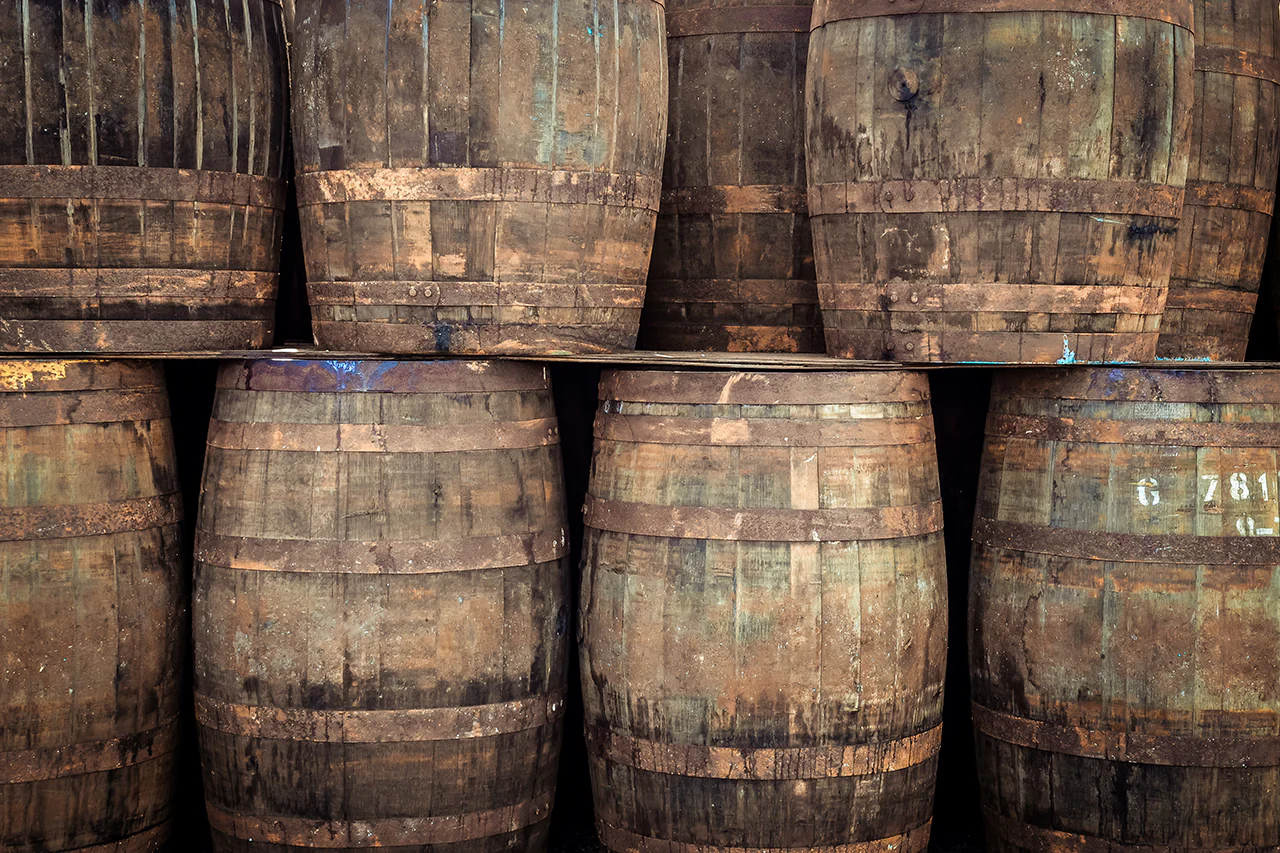
Aging in oak barrels is where climate’s influence is most dramatic. Whiskey doesn’t just sit passively in barrels; it dances with wood, air, and temperature. The interplay between expansion and contraction during seasonal changes is key.
Temperature Swings
Temperature drives barrel breathing. In warmer climates, barrels expand, pulling whiskey deep into the oak and extracting more vanillin, tannins, and lignin compounds. In cooler climates, the spirit absorbs more slowly, emphasizing subtle grain and malt notes rather than wood spice.
- Hot regions: Rich, bold, high-vanilla, caramel-forward whiskey.
- Cool regions: Softer, lighter, with nuanced cereal and floral tones.
Humidity and Angel’s Share
Humidity controls evaporation. Low-humidity areas lose more water than alcohol, increasing ABV over time. High-humidity regions lose more alcohol, softening the whiskey. Climate thus directly dictates how long a barrel should age and at what proof it should be bottled.
- Dry climates: Stronger, more concentrated whiskey.
- Humid climates: Softer, rounder, sometimes fruitier.
Seasonal Variation: The Double Effect
Seasonal shifts amplify the flavor story. A distillery in Kentucky experiences hot summers and cold winters, creating vigorous barrel breathing and a layered maturation profile. Meanwhile, a coastal Scottish distillery may age whiskey at steady temperatures with minimal fluctuations, resulting in gentle wood influence and greater focus on the grain’s character.
4. The Terroir Effect: Beyond Ingredients
Much like wine, whiskey carries terroir—the unique combination of soil, air, water, and local climate. It’s why two distilleries using the exact same mash bill produce different flavor profiles. Terroir in whiskey manifests through:
- Local Microflora: Wild yeast and bacteria from the surrounding environment can subtly influence fermentation.
- Soil Minerals: Grains absorb minerals, which impact fermentation chemistry.
- Air Quality: Coastal air, mountain breezes, and urban pollutants can affect barrel aging and spirit oxidation.
Whiskey drinkers often sense these differences even if they can’t articulate them. One sip may feel briny and sharp, another soft and honeyed—all from climate, not recipe.
5. Climate Change: A New Challenge for Distillers
Modern distillers face unprecedented challenges. Climate change introduces variability that threatens recipe consistency.
- Heat Waves: Accelerate fermentation and barrel maturation, potentially shortening aging cycles and altering flavor balance.
- Droughts: Reduce water availability, concentrating minerals, and stressing crops.
- Unexpected Rainfall: Dilutes water sources, reducing fermentation efficiency and altering taste.
- Shifts in Grain Yields: Warmer temperatures may change starch content, forcing distillers to adjust mashing or fermentation.
Some distilleries are responding with precision agriculture, adaptive fermentation technology, and new barrel management techniques. The goal: preserve tradition while accommodating a changing climate.
6. Case Study: Kentucky vs. Scotland
Consider the contrast between Kentucky bourbon and Scotch whisky:
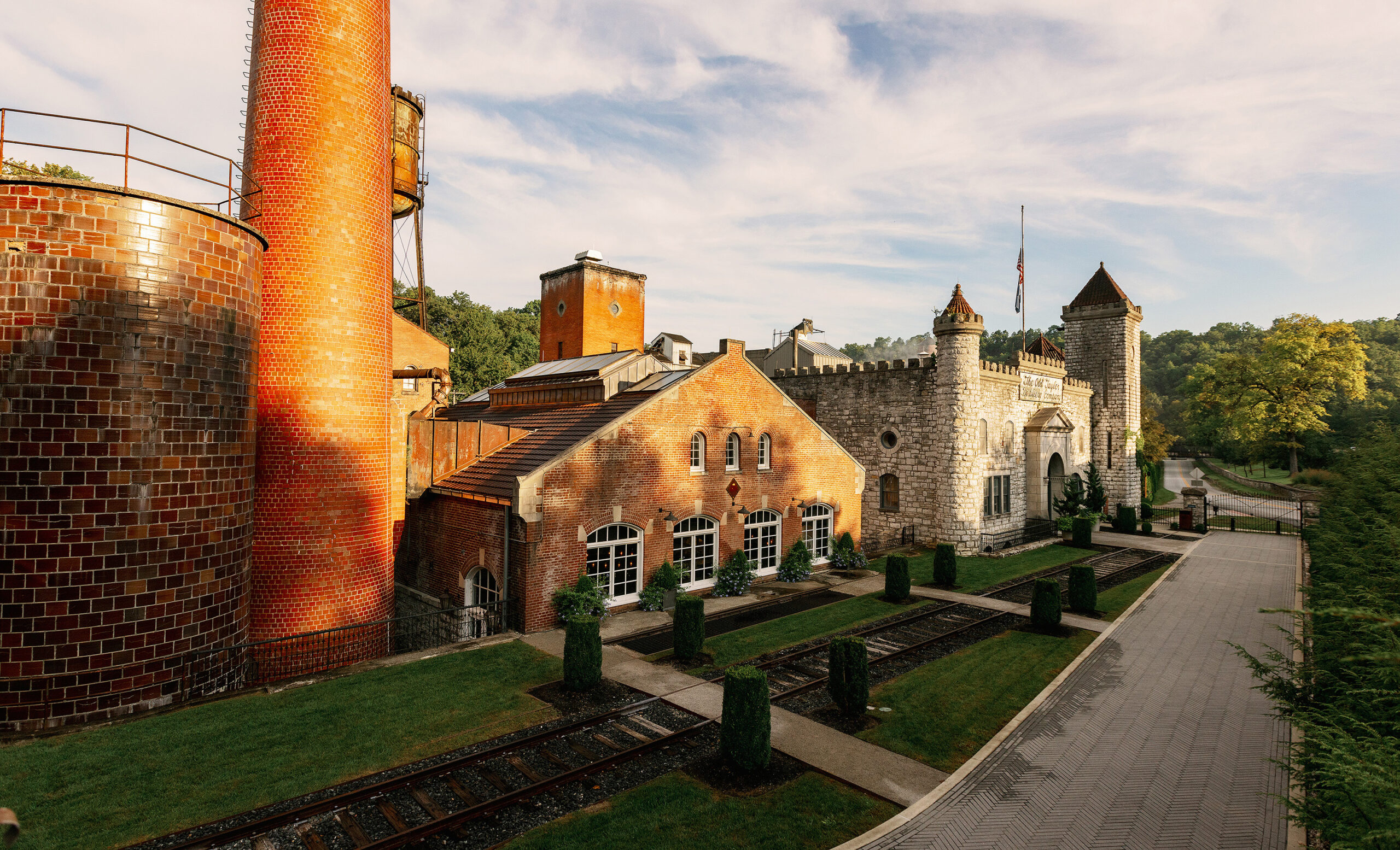
- Kentucky Bourbon: Hot summers and cold winters create aggressive barrel breathing, producing caramel, vanilla, and rich wood flavors. Corn’s sweetness is enhanced by the high temperatures and humidity. Even within Kentucky, microclimates in the Bluegrass region create subtle taste variations.
- Scotch Whisky: Coastal and temperate climates yield a gentler maturation. Barley grown in cooler regions maintains higher protein, producing malty, nutty flavors. Ocean air imparts a saline, briny edge, particularly in island distilleries.
This comparison highlights how the same base ingredients and recipe yield radically different spirits due to climate.
7. The Subtle Art of Climate Adaptation
Whiskey makers do not fight climate—they adapt to it. Understanding local environmental factors allows for intentional flavor modulation.
Adjusting Barrel Placement
Barrel warehouses, or rickhouses, are carefully positioned. Top floors in hot climates may produce stronger, more intense spirits; lower floors in cooler, humid areas yield softer, delicate profiles. Some distilleries even rotate barrels to balance climate effects.
Fine-Tuning Proof and Aging
Distillers may slightly adjust the distillation proof to compensate for seasonal variations in water content or grain sugar. Similarly, barrel age may be extended or shortened based on ambient climate conditions, ensuring consistency in taste despite environmental changes.
Grain Sourcing and Blending
To maintain signature flavor, distillers may blend grains from different regions or harvest times. This practice compensates for climate-driven variations in starch content and moisture, keeping the spirit’s profile true to its heritage.
8. Whiskey as a Mirror of Its Time
Each bottle is a climate snapshot. A 10-year-old bourbon from a drought year will taste different than one from a wet, cool period, even though the recipe hasn’t changed. Whiskey enthusiasts learn to appreciate these subtleties:
- Notes of honey, vanilla, and caramel may dominate in hot, dry years.
- Floral, cereal, and malt-forward profiles may appear in cooler, wetter years.
- Unexpected fruity esters may arise during unusually hot fermentations.
This variability is not a flaw—it’s a feature. Whiskey, like nature, evolves with its environment.
9. Innovation Meets Tradition
The interaction of climate and whiskey has sparked innovation without abandoning tradition:
- Temperature-Controlled Warehouses: Some distillers manage seasonal extremes digitally to maintain consistent aging profiles.
- Alternative Wood Treatments: Climate-driven shifts in oak absorption have inspired new charring and finishing techniques.
- Climate-Aware Mash Bills: Grain selection is increasingly guided by expected environmental conditions, allowing for predictable flavor outcomes.
Yet, even with technology, climate’s subtle touch remains inescapable. Master distillers often describe it as “listening to the weather” rather than controlling it—a delicate balance between art and science.
10. Savoring the Climate Story
Next time you sip whiskey, consider more than its mash bill or barrel type. Taste the summer sun and winter frost, the rainfall and drought, the breeze across distant grain fields. Whiskey is not only a product of recipe—it is a narrative of climate, captured in liquid amber. Appreciating these nuances enhances the tasting experience, turning every sip into a lesson in geography, meteorology, and biology.
11. Conclusion: Climate, the Invisible Master Distiller
Climate is the unsung hero of whiskey’s character. It can subtly or dramatically rewrite a recipe’s outcome without a single grain changing. From grain development to fermentation kinetics, from water composition to barrel aging, every environmental variable leaves its fingerprint. Climate transforms a recipe into a living story, ensuring that whiskey remains not only a craft but also a chronicle of the land and time from which it came.
In the end, the magic of whiskey is not just in following a recipe—it’s in embracing the unpredictable dialogue between nature and craftsmanship, barrel and breeze, heat and humidity. That’s why the same recipe in different climates is never truly the same. It’s a reminder that in whiskey, as in life, context is everything.