














SipsavorLife
  • Home
  • Wine
    The History and Culture of Wine: From Ancient Traditions to Modern Lifestyle

    Wine, Health, and Lifestyle: Balancing Pleasure, Well-Being, and Culture

    The History and Culture of Wine: From Ancient Traditions to Modern Lifestyle

    Global Wine Market Trends and Collecting: Economics, Culture, and Investment

    The History and Culture of Wine: From Ancient Traditions to Modern Lifestyle

    The Art of Wine Tasting: A Journey Through Senses and Culture

    The History and Culture of Wine: From Ancient Traditions to Modern Lifestyle

    The Art and Science of Winemaking: From Vineyard to Glass

    The History and Culture of Wine: From Ancient Traditions to Modern Lifestyle

    The History and Culture of Wine: From Ancient Traditions to Modern Lifestyle

    The World of Wine: A Deep Dive into Taste, Terroir, and Tradition

    The World of Wine: A Deep Dive into Taste, Terroir, and Tradition

  • Whiskey
    Can Beer Be an Effective Ingredient in Culinary Cooking?

    Can Beer Be an Effective Ingredient in Culinary Cooking?

    Second Fermentation in Champagne: Is It Really That Crucial?

    Second Fermentation in Champagne: Is It Really That Crucial?

    How Do Different Grains Impact the Flavor Profile of Distilled Spirits?

    How Do Different Grains Impact the Flavor Profile of Distilled Spirits?

    How Do Whiskey Master Blenders Create Perfection?

    How Do Whiskey Master Blenders Create Perfection?

    Wine Pairings: Can They Change the Flavor Profile of a Dish?

    Wine Pairings: Can They Change the Flavor Profile of a Dish?

    Beer the Ultimate Beverage for Pairing with Spicy Food?

    Beer the Ultimate Beverage for Pairing with Spicy Food?

  • Beer
    The World of Beer — A Deep Dive into Craft, Culture, and Evolution

    Mastering Beer Tasting — From Casual Drinker to Connoisseur

    The World of Beer — A Deep Dive into Craft, Culture, and Evolution

    The Business of Beer — Global Markets, Brand Power, and the Economics Behind the Brew

    The World of Beer — A Deep Dive into Craft, Culture, and Evolution

    The Science of Beer — Chemistry, Biology, and the Invisible Forces Behind Flavor

    The World of Beer — A Deep Dive into Craft, Culture, and Evolution

    Craft Beer Culture — A Lifestyle, A Movement, A New Way of Experiencing the World

    The World of Beer — A Deep Dive into Craft, Culture, and Evolution

    The World of Beer — A Deep Dive into Craft, Culture, and Evolution

    Beer History and Cultural Evolution: From Ancient Grains to Modern Brews

    Beer Trends and Future Innovations: Shaping the Next Era of Brewing

  • Grain Spirits
    The Origins of Grain Spirits: Power, Society, and the Birth of Distilled Alcohol

    The Future of Grain Spirits: Reinvention in an Age of Change

    The Origins of Grain Spirits: Power, Society, and the Birth of Distilled Alcohol

    The Psychology of Grain Spirits: Identity, Control, and the Language of Power

    The Origins of Grain Spirits: Power, Society, and the Birth of Distilled Alcohol

    A World in a Glass: Mapping Grain Spirits Across Cultures and Continents

    The Origins of Grain Spirits: Power, Society, and the Birth of Distilled Alcohol

    From Grain to Glass: The Complete Process of Making Grain Spirits

    The Origins of Grain Spirits: Power, Society, and the Birth of Distilled Alcohol

    The Origins of Grain Spirits: Power, Society, and the Birth of Distilled Alcohol

    How Do Different Grains Impact the Flavor Profile of Distilled Spirits?

    How Do Different Grains Impact the Flavor Profile of Distilled Spirits?

  • Champagne
    Champagne — The Ultimate Symbol of Elegance, Celebration, and Craft

    The Art of Champagne Tasting — A Refined Guide to Elegance, Precision, and Sensory Mastery

    Champagne — The Ultimate Symbol of Elegance, Celebration, and Craft

    The Business of Champagne — Luxury Strategy, Brand Power, and the Economics of Prestige

    Champagne — The Ultimate Symbol of Elegance, Celebration, and Craft

    The Science of Champagne — Bubbles, Pressure, and the Precision Behind Elegance

    Champagne — The Ultimate Symbol of Elegance, Celebration, and Craft

    Champagne Lifestyle — Luxury, Ritual, and the Art of Celebration

    Champagne — The Ultimate Symbol of Elegance, Celebration, and Craft

    Champagne — The Ultimate Symbol of Elegance, Celebration, and Craft

    Champagne: The Drink of Celebration and Power

    The Future of Champagne: Sustainability, Innovation, and the Redefinition of Luxury

  • ALL
    Can Beer Be an Effective Ingredient in Culinary Cooking?

    Can Beer Be an Effective Ingredient in Culinary Cooking?

    Second Fermentation in Champagne: Is It Really That Crucial?

    Second Fermentation in Champagne: Is It Really That Crucial?

    How Do Different Grains Impact the Flavor Profile of Distilled Spirits?

    How Do Different Grains Impact the Flavor Profile of Distilled Spirits?

    How Do Whiskey Master Blenders Create Perfection?

    How Do Whiskey Master Blenders Create Perfection?

    Wine Pairings: Can They Change the Flavor Profile of a Dish?

    Wine Pairings: Can They Change the Flavor Profile of a Dish?

    Beer the Ultimate Beverage for Pairing with Spicy Food?

    Beer the Ultimate Beverage for Pairing with Spicy Food?

SipsavorLife
  • Home
  • Wine
    The History and Culture of Wine: From Ancient Traditions to Modern Lifestyle

    Wine, Health, and Lifestyle: Balancing Pleasure, Well-Being, and Culture

    The History and Culture of Wine: From Ancient Traditions to Modern Lifestyle

    Global Wine Market Trends and Collecting: Economics, Culture, and Investment

    The History and Culture of Wine: From Ancient Traditions to Modern Lifestyle

    The Art of Wine Tasting: A Journey Through Senses and Culture

    The History and Culture of Wine: From Ancient Traditions to Modern Lifestyle

    The Art and Science of Winemaking: From Vineyard to Glass

    The History and Culture of Wine: From Ancient Traditions to Modern Lifestyle

    The History and Culture of Wine: From Ancient Traditions to Modern Lifestyle

    The World of Wine: A Deep Dive into Taste, Terroir, and Tradition

    The World of Wine: A Deep Dive into Taste, Terroir, and Tradition

  • Whiskey
    Can Beer Be an Effective Ingredient in Culinary Cooking?

    Can Beer Be an Effective Ingredient in Culinary Cooking?

    Second Fermentation in Champagne: Is It Really That Crucial?

    Second Fermentation in Champagne: Is It Really That Crucial?

    How Do Different Grains Impact the Flavor Profile of Distilled Spirits?

    How Do Different Grains Impact the Flavor Profile of Distilled Spirits?

    How Do Whiskey Master Blenders Create Perfection?

    How Do Whiskey Master Blenders Create Perfection?

    Wine Pairings: Can They Change the Flavor Profile of a Dish?

    Wine Pairings: Can They Change the Flavor Profile of a Dish?

    Beer the Ultimate Beverage for Pairing with Spicy Food?

    Beer the Ultimate Beverage for Pairing with Spicy Food?

  • Beer
    The World of Beer — A Deep Dive into Craft, Culture, and Evolution

    Mastering Beer Tasting — From Casual Drinker to Connoisseur

    The World of Beer — A Deep Dive into Craft, Culture, and Evolution

    The Business of Beer — Global Markets, Brand Power, and the Economics Behind the Brew

    The World of Beer — A Deep Dive into Craft, Culture, and Evolution

    The Science of Beer — Chemistry, Biology, and the Invisible Forces Behind Flavor

    The World of Beer — A Deep Dive into Craft, Culture, and Evolution

    Craft Beer Culture — A Lifestyle, A Movement, A New Way of Experiencing the World

    The World of Beer — A Deep Dive into Craft, Culture, and Evolution

    The World of Beer — A Deep Dive into Craft, Culture, and Evolution

    Beer History and Cultural Evolution: From Ancient Grains to Modern Brews

    Beer Trends and Future Innovations: Shaping the Next Era of Brewing

  • Grain Spirits
    The Origins of Grain Spirits: Power, Society, and the Birth of Distilled Alcohol

    The Future of Grain Spirits: Reinvention in an Age of Change

    The Origins of Grain Spirits: Power, Society, and the Birth of Distilled Alcohol

    The Psychology of Grain Spirits: Identity, Control, and the Language of Power

    The Origins of Grain Spirits: Power, Society, and the Birth of Distilled Alcohol

    A World in a Glass: Mapping Grain Spirits Across Cultures and Continents

    The Origins of Grain Spirits: Power, Society, and the Birth of Distilled Alcohol

    From Grain to Glass: The Complete Process of Making Grain Spirits

    The Origins of Grain Spirits: Power, Society, and the Birth of Distilled Alcohol

    The Origins of Grain Spirits: Power, Society, and the Birth of Distilled Alcohol

    How Do Different Grains Impact the Flavor Profile of Distilled Spirits?

    How Do Different Grains Impact the Flavor Profile of Distilled Spirits?

  • Champagne
    Champagne — The Ultimate Symbol of Elegance, Celebration, and Craft

    The Art of Champagne Tasting — A Refined Guide to Elegance, Precision, and Sensory Mastery

    Champagne — The Ultimate Symbol of Elegance, Celebration, and Craft

    The Business of Champagne — Luxury Strategy, Brand Power, and the Economics of Prestige

    Champagne — The Ultimate Symbol of Elegance, Celebration, and Craft

    The Science of Champagne — Bubbles, Pressure, and the Precision Behind Elegance

    Champagne — The Ultimate Symbol of Elegance, Celebration, and Craft

    Champagne Lifestyle — Luxury, Ritual, and the Art of Celebration

    Champagne — The Ultimate Symbol of Elegance, Celebration, and Craft

    Champagne — The Ultimate Symbol of Elegance, Celebration, and Craft

    Champagne: The Drink of Celebration and Power

    The Future of Champagne: Sustainability, Innovation, and the Redefinition of Luxury

  • ALL
    Can Beer Be an Effective Ingredient in Culinary Cooking?

    Can Beer Be an Effective Ingredient in Culinary Cooking?

    Second Fermentation in Champagne: Is It Really That Crucial?

    Second Fermentation in Champagne: Is It Really That Crucial?

    How Do Different Grains Impact the Flavor Profile of Distilled Spirits?

    How Do Different Grains Impact the Flavor Profile of Distilled Spirits?

    How Do Whiskey Master Blenders Create Perfection?

    How Do Whiskey Master Blenders Create Perfection?

    Wine Pairings: Can They Change the Flavor Profile of a Dish?

    Wine Pairings: Can They Change the Flavor Profile of a Dish?

    Beer the Ultimate Beverage for Pairing with Spicy Food?

    Beer the Ultimate Beverage for Pairing with Spicy Food?

SipsavorLife
No Result
View All Result
Home ALL

The Elegance and Flavor of Asian Rice Wine: How Has It Become an Integral Part of Various Cultures?

July 2, 2025
in ALL, Grain Spirits
The Elegance and Flavor of Asian Rice Wine: How Has It Become an Integral Part of Various Cultures?

Asian rice wine is an alcoholic beverage that has been a fundamental part of Eastern culinary and cultural traditions for centuries. Unlike Western wines made primarily from grapes, rice wine is crafted through the fermentation of rice (or rice-based ingredients) and has a long history of use across China, Japan, Korea, Thailand, and many other Asian countries. These beverages—whether it’s Sake from Japan, Huangjiu from China, or Makgeolli from Korea—have woven themselves into the fabric of local societies, serving both as ritualistic drinks and as daily staples for celebration and spiritual purposes.

In this article, we will explore how rice wine varies in flavor, production, and cultural significance across Asia. We will delve into how this versatile spirit, despite its common base ingredient, has evolved into distinctly regional products, and how it has become an inseparable part of the cultural identity of several Asian nations.


1. Rice Wine in Asia: An Ancient Tradition Rooted in Culture

Rice wine’s origins trace back thousands of years. Each country has adapted the method of production to its unique agricultural and cultural environment, and over time, rice wine has developed into diverse styles that represent the culinary history of the region.

The Origins of Rice Wine

The production of rice wine likely dates back to ancient China, where early fermenters used rice, barley, and other grains for brewing. By 2000 BCE, rice fermentation was widespread across East Asia, and the spirit started taking on an essential role in religious rituals, ceremonies, and festivals.

  • Ancient China: The Chinese were the first to develop Huangjiu, a traditional rice wine that is still produced in various regions of China today. This early rice wine played a role in ancestor worship, royal ceremonies, and festive events, with some varieties made for the imperial court.
  • Japan: In Japan, Sake (often incorrectly referred to as “rice wine” in the West) has a history that can be traced back to at least the 8th century, with its origins tied to Shinto practices, where it was offered to deities in religious rituals.
  • Korea: Makgeolli, a traditional Korean rice wine, dates back over 1,000 years. Like other rice wines in Asia, it was historically used in religious ceremonies and festivals to honor spirits and gods.

As rice cultivation spread across the Asian continent, so did the knowledge of rice wine production. It became an integral part of rituals and cultural celebrations, and its significance goes beyond mere consumption—it was seen as a way to bring people together, connect with the divine, and even secure good harvests.


2. The Production Process: How Rice Wine is Made

Rice wine, despite sharing a similar base ingredient, varies widely in production methods. The process of turning rice into a fermented alcoholic beverage requires careful fermentation, which is shaped by each country’s cultural preferences and local ingredients.

Common Ingredients and Techniques

  • Rice: Rice is the main ingredient in all Asian rice wines, with different types of rice used depending on the region. For example, in Japan, short-grain rice is used for sake, while in China and Korea, both short-grain and long-grain rice are utilized. The choice of rice affects the flavor, clarity, and mouthfeel of the final product.
  • Yeast and Koji: One of the defining elements of Asian rice wine is the use of koji mold (Aspergillus oryzae), which is used to convert starches in the rice into sugars. This is a critical step in brewing, especially for Sake and Huangjiu, where the koji enzyme activates the fermentation process. In Korea’s Makgeolli, the fermentation is initiated by a type of natural yeast called nuruk.
  • Water: The water used in rice wine production plays an essential role in determining the final taste. For instance, the quality of soft water is prized in the making of sake in Japan, as it enhances the smoothness and delicate flavor.

The Steps of Production

The basic steps of rice wine production are quite similar across Asian varieties, though regional differences exist:

  1. Polishing the Rice: In many cases, the rice is polished to remove the outer layer, leaving the starchy core for fermentation. The level of rice polishing affects the flavor and clarity of the rice wine—sake, for example, has a different flavor profile based on how much the rice is polished.
  2. Steaming the Rice: The rice is steamed to make it soft and ready for fermentation. Steaming prevents the rice from becoming too sticky, which can inhibit the fermentation process.
  3. Fermentation: The rice is mixed with koji mold and yeast, which convert the starches in the rice into sugars and, eventually, alcohol. This fermentation process can last anywhere from a few days to several months, depending on the style of rice wine being made.
  4. Pressing and Filtering: Once fermentation is complete, the mixture is pressed to separate the liquid from the solid rice remains. The liquid is then filtered to remove any residual particles.
  5. Aging: Depending on the type of rice wine, the final product may be aged for several months to develop its flavors, or it may be bottled and consumed fresh.
3. The Distinct Varieties of Asian Rice Wine

While rice wine might seem like a singular category, the many countries and regions of Asia each have developed their unique varieties of the drink. Let’s explore the most famous types of Asian rice wine and how they differ in flavor, alcohol content, and cultural importance.

Sake (Japan): The Spirit of the Rising Sun

Sake is perhaps the most well-known of all rice wines. It’s an essential part of Japanese culture, enjoyed during everything from weddings to New Year’s celebrations.

  • Flavor Profile: Sake has a delicate, smooth flavor with hints of fruity sweetness and a clean finish. It ranges from dry to sweet, with a subtle umami quality. Some sake can have flavors of apple, pear, or even melon, depending on the brewing process.
  • Alcohol Content: Sake typically has an alcohol content of about 15%-20%.
  • Cultural Significance: Sake is often served in ceremonial settings, such as during Shinto rituals or weddings, and it is also enjoyed with Japanese cuisine.

Huangjiu (China): The Ancient Wine of the Middle Kingdom

Huangjiu, or yellow wine, is a traditional Chinese rice wine that dates back more than 2,000 years.

  • Flavor Profile: Huangjiu is often sweet and mellow, with notes of caramel, honey, and nutty undertones. Some varieties can be more dry or savory depending on the region. The aging process contributes to its deep and complex flavor.
  • Alcohol Content: The alcohol content of Huangjiu ranges from 10%-20%, though stronger versions exist.
  • Cultural Significance: Huangjiu is consumed during festivals, banquets, and family gatherings. It is often used as an offering during ancestor worship and plays an important role in Chinese medicine, where it’s believed to promote health and longevity.

Makgeolli (Korea): The Traditional Korean Drink

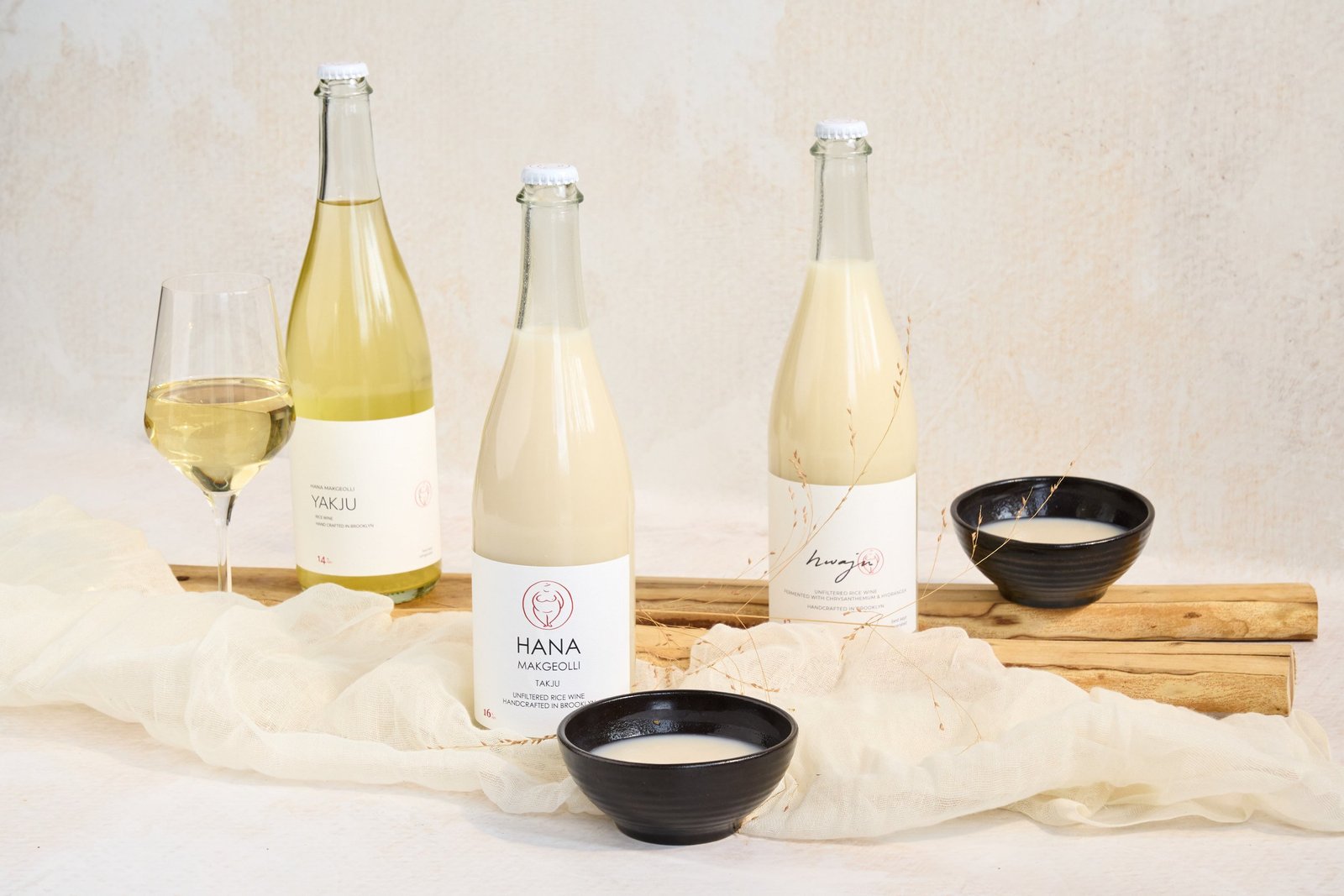
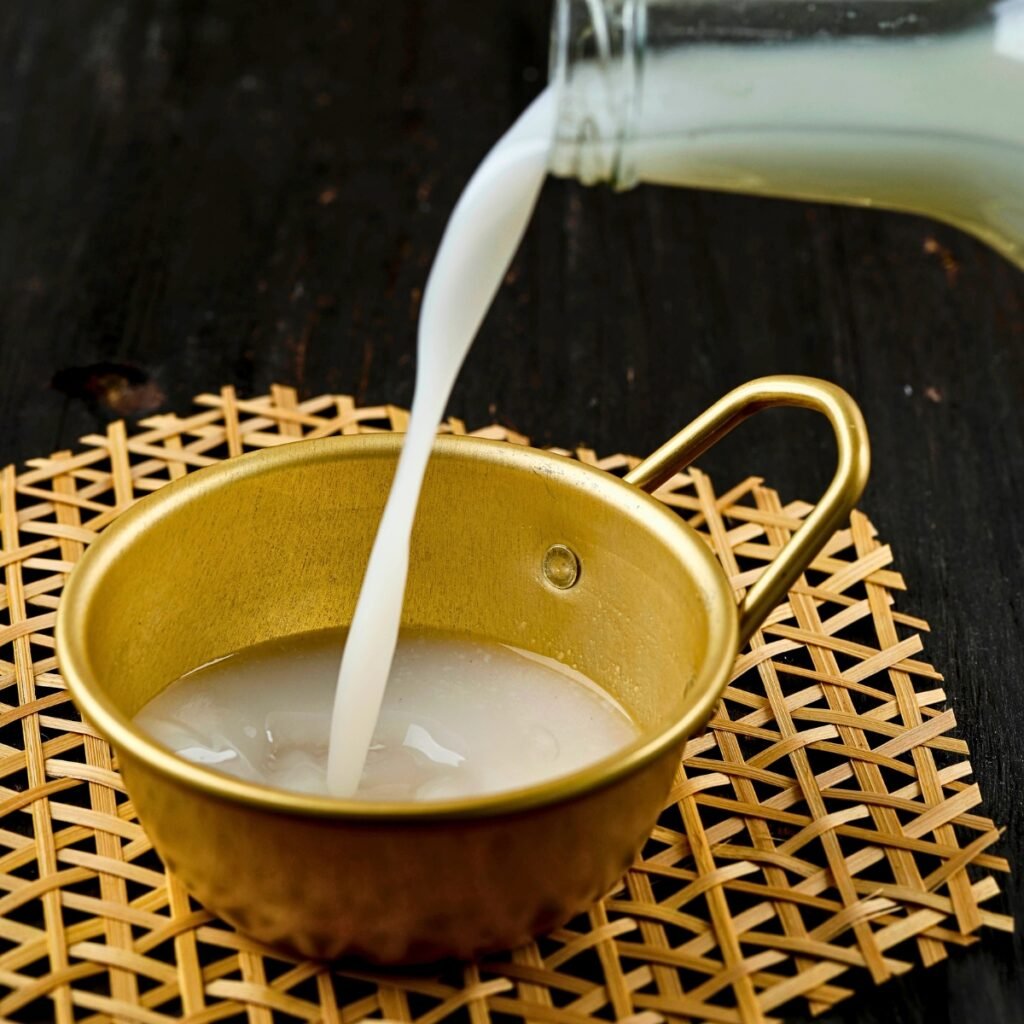
Makgeolli is Korea’s milky, unfiltered rice wine, often enjoyed in Korean households and during special occasions.

  • Flavor Profile: Makgeolli has a sweet, slightly tangy, and creamy texture, with a mild fermentation taste. It often carries flavors of rice, fermented barley, and sometimes even tropical fruits.
  • Alcohol Content: Typically, Makgeolli has an alcohol content of around 6%-8%.
  • Cultural Significance: Makgeolli is often shared in ceremonial toasts and is also associated with Korean folklore and historical customs. It is a symbol of hospitality, health, and celebration.

Other Varieties:

  • Taojiao (China): A sweeter and fruity rice wine typically served warm.
  • Cheongju (Korea): A clear rice wine used in traditional Korean ceremonies and offered to ancestors during rituals.
  • Bokbunja (Korea): Made from black raspberries and rice, known for its unique berry flavor.

4. Rice Wine and its Role in Asian Culture

Social and Ritualistic Importance

In many Asian cultures, rice wine transcends its role as a simple beverage. It is deeply embedded in social customs, religious rites, and family traditions. From New Year’s celebrations to wedding ceremonies, rice wine plays an integral role in expressing respect for ancestors, gods, and family.

  • Ritualistic Uses: In Japan, sake is used to purify spaces and people during religious rituals. In China, huangjiu is often offered at ancestral shrines, and in Korea, makgeolli is a traditional drink during Korean shamanistic rituals.
  • Social Connection: Rice wine is often shared among family members and friends in ceremonial settings, bringing people closer together and symbolizing unity and harmony.

Conclusion: Rice Wine as a Cultural Treasure

Rice wine’s evolution into various forms across Asia showcases its cultural significance, deep history, and unique production methods. Despite its simple ingredients, rice wine plays an outsized role in unifying cultures, celebrating life, and connecting with spirituality. From Japan’s refined sake to Korea’s rustic makgeolli and China’s ancient huangjiu, each variety offers a glimpse into the soul of the country that produces it.

Ultimately, rice wine’s elegance and flavor embody the enduring cultural heritage of Asia, making it not just a drink but a reflection of the region’s artistic craftsmanship, culinary traditions, and spiritual beliefs.

Tags: CultureFamous brand winegrain spiritsHealthHistoryInnovationluxurymarkettaste
ShareTweetShare

Related Posts

The Origins of Grain Spirits: Power, Society, and the Birth of Distilled Alcohol
Grain Spirits

The Future of Grain Spirits: Reinvention in an Age of Change

March 30, 2026
The Origins of Grain Spirits: Power, Society, and the Birth of Distilled Alcohol
Grain Spirits

The Psychology of Grain Spirits: Identity, Control, and the Language of Power

March 30, 2026
The Origins of Grain Spirits: Power, Society, and the Birth of Distilled Alcohol
Grain Spirits

A World in a Glass: Mapping Grain Spirits Across Cultures and Continents

March 30, 2026
The Origins of Grain Spirits: Power, Society, and the Birth of Distilled Alcohol
Grain Spirits

From Grain to Glass: The Complete Process of Making Grain Spirits

March 30, 2026
The Origins of Grain Spirits: Power, Society, and the Birth of Distilled Alcohol
Grain Spirits

The Origins of Grain Spirits: Power, Society, and the Birth of Distilled Alcohol

March 30, 2026
Can Beer Be an Effective Ingredient in Culinary Cooking?
ALL

Can Beer Be an Effective Ingredient in Culinary Cooking?

January 22, 2026
Leave Comment
  • Trending
  • Comments
  • Latest
Role of Terroir in Champagne Production

Role of Terroir in Champagne Production

January 19, 2026
Champagne Can Be Aged in Wood?

Champagne Can Be Aged in Wood?

January 18, 2026
Is Organic Wine Healthier Than Conventional Wine?

Is Organic Wine Healthier Than Conventional Wine?

January 20, 2026
Why Do Some Champagnes Use a High Proportion of Pinot Meunier?

Why Do Some Champagnes Use a High Proportion of Pinot Meunier?

January 20, 2026
The Timeless Elegance of Wine: A Journey Through History and Culture

The Timeless Elegance of Wine: A Journey Through History and Culture

Why Is Château Lafite Rothschild the Pinnacle of Fine Wine?

Why Is Château Lafite Rothschild the Pinnacle of Fine Wine?

How Did Château Lafite Rothschild Become a Global Icon of Luxury?

How Did Château Lafite Rothschild Become a Global Icon of Luxury?

What Makes Chateau Lafite Rothschild the Pinnacle of Bordeaux Wines?

What Makes Chateau Lafite Rothschild the Pinnacle of Bordeaux Wines?

Champagne — The Ultimate Symbol of Elegance, Celebration, and Craft

The Art of Champagne Tasting — A Refined Guide to Elegance, Precision, and Sensory Mastery

April 15, 2026
Champagne — The Ultimate Symbol of Elegance, Celebration, and Craft

The Business of Champagne — Luxury Strategy, Brand Power, and the Economics of Prestige

April 15, 2026
Champagne — The Ultimate Symbol of Elegance, Celebration, and Craft

The Science of Champagne — Bubbles, Pressure, and the Precision Behind Elegance

April 15, 2026
Champagne — The Ultimate Symbol of Elegance, Celebration, and Craft

Champagne Lifestyle — Luxury, Ritual, and the Art of Celebration

April 15, 2026
SipsavorLife

Welcome to our comprehensive beverage guide, where you can explore the fascinating world of alcoholic drinks. From exquisite wines and rich whiskeys to refreshing beers and sparkling champagnes, we provide insights, tips, and recommendations for enthusiasts and casual drinkers alike. Discover your next favorite libation with us!

© 2025 sipsavorlife.com. contacts:sipsavorlife-35376@gmail.com

No Result
View All Result
  • Home
  • Wine
  • Whiskey
  • Beer
  • Grain Spirits
  • Champagne
  • ALL

© 2025 sipsavorlife.com. contacts:sipsavorlife-35376@gmail.com

Welcome Back!

Login to your account below

Forgotten Password?

Retrieve your password

Please enter your username or email address to reset your password.

Log In