






























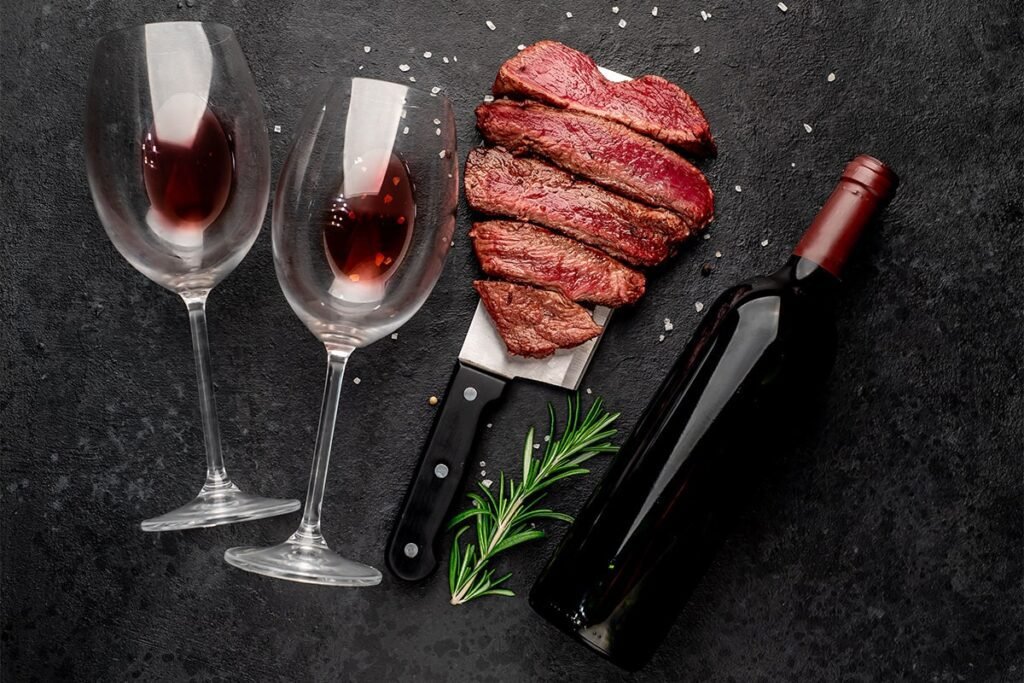
Tannins are one of the most important components in wine that significantly influence its flavor, mouthfeel, and aging potential. Although often associated with bitterness or astringency, tannins play a complex role in the sensory experience of wine, from enhancing its structure to contributing to its longevity. This article will explore the role of tannins in wine, focusing on how they shape the taste, mouthfeel, and aging potential, the differences between red and white wine tannins, and how to pair tannin-rich wines with food to enhance the overall experience.
Understanding Tannins in Wine
Tannins are a type of polyphenol found in grape skins, seeds, and stems, and they are extracted during the winemaking process, particularly during maceration and fermentation. Tannins are naturally occurring compounds that belong to a class of molecules called flavonoids. These compounds are responsible for many of the wine’s characteristic qualities, including its bitterness, astringency, and overall texture.
The role of tannins in wine is multifaceted. They contribute to the wine’s structural backbone, affecting its mouthfeel and texture. Tannins also interact with proteins in the mouth, creating a sensation of dryness and puckering that can be either enjoyable or overpowering, depending on the wine and its balance. In addition to flavor, tannins play a significant role in the aging potential of a wine, allowing it to mature gracefully over time.
The Role of Tannins in Taste, Mouthfeel, and Aging Potential
Taste
While tannins themselves are not directly responsible for specific flavors like fruit or spice, they influence how these flavors are perceived. In wines that are rich in tannins, such as red wines, tannins can amplify certain flavor notes while muting others. The bitterness of tannins often combines with the fruitiness of a wine, creating a balanced complexity. For example, in wines like Cabernet Sauvignon or Syrah, the bold tannins complement the deep, dark fruit flavors, creating a harmonious blend of bitterness and sweetness.
Tannins also interact with other wine components like acids and sugars. In wines with high acidity, tannins can create a sharper, more pronounced sensation of dryness and astringency. This is particularly evident in younger wines that have not yet mellowed with age. On the other hand, wines with a higher sugar content may soften the perceived harshness of tannins, making them feel smoother and rounder on the palate.
Mouthfeel
Mouthfeel refers to the tactile sensations that a wine creates in the mouth, and tannins are a key element in shaping this experience. Wines with high tannin levels tend to have a fuller, more robust mouthfeel, with a dry, puckering sensation. This sensation occurs because tannins bind to proteins in the saliva and the tissues of the mouth, resulting in a feeling of dryness.
The mouthfeel of a wine can vary depending on the intensity of its tannins. A wine with moderate tannins might create a smooth, velvety texture, while one with high tannins might feel more grippy or textured. In the case of wines like Barolo or Nebbiolo, tannins play a significant role in providing structure and complexity, making the wine feel substantial and long-lasting in the mouth.
Aging Potential
Tannins are a crucial factor in a wine’s aging potential. Wines with higher levels of tannins, particularly red wines, tend to age better over time because tannins act as natural preservatives. They help protect the wine from oxidation and deterioration, allowing the wine to evolve and develop more complex flavors as it matures.
As a wine ages, its tannins soften and integrate with the other components, resulting in a more harmonious and balanced wine. In young wines, tannins can be quite harsh and astringent, but with age, they mellow out, and the wine’s overall texture becomes smoother and more refined. This is why wines like Bordeaux, Cabernet Sauvignon, and Sangiovese, which have high tannin levels, can be cellared for years to develop their full potential.
The Difference Between Red and White Wine Tannins
One of the most significant differences between red and white wines lies in the presence and extraction of tannins. Tannins are primarily found in the skins, seeds, and stems of grapes, which are predominantly used in red winemaking. In contrast, white wines are typically made by fermenting the juice without the skins, leading to lower levels of tannins.
Tannins in Red Wines
Red wines are characterized by their higher tannin content, which is a result of the winemaking process. During fermentation, the skins of red grapes are in contact with the juice, allowing tannins to be extracted into the wine. The longer the skin contact, the more tannins are extracted. Red wines such as Cabernet Sauvignon, Merlot, Syrah, and Malbec are known for their rich, full-bodied profiles and robust tannins.
The tannins in red wines contribute to their structure, texture, and aging potential. They can also balance the fruitiness of the wine and provide a sense of depth and complexity. Red wines with high tannin levels tend to pair well with hearty foods, such as red meats, grilled dishes, and rich sauces, as the tannins help to cut through the fat and enhance the overall flavor experience.
Tannins in White Wines
White wines, on the other hand, typically have much lower tannin content. This is because the winemaking process involves pressing the grapes and separating the juice from the skins before fermentation. As a result, white wines lack the robust tannic structure that is found in red wines.
However, some white wines, particularly those that undergo skin contact (also known as “orange wines”), can exhibit tannins. These tannins are usually more subtle and less astringent than those found in red wines. White wines that undergo oak aging, such as Chardonnay, can also pick up some tannin characteristics from the barrels. Oak-aged white wines often have a rounder mouthfeel and a more complex flavor profile, with hints of vanilla, spice, and nuts.
Pairing Tannin-Rich Wines with Food
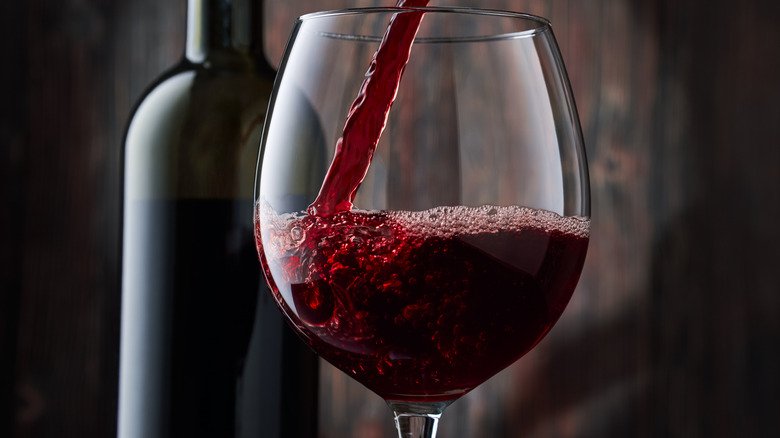
Pairing wine with food is an art that takes into account the interaction of flavors and textures. When it comes to tannin-rich wines, the key is balancing the wine’s structure with the flavors and textures of the food. Tannins can be particularly effective in pairing with dishes that have a high fat content, as the astringency of the wine helps to cleanse the palate and cut through the richness of the food.
Red Meat
Tannin-rich red wines like Cabernet Sauvignon, Syrah, and Malbec are excellent choices for pairing with red meats, such as steak, lamb, and venison. The bold flavors and tannic structure of these wines complement the savory, umami flavors of the meat, while the tannins help to neutralize the richness and fat.
Grilled and Roasted Dishes
Grilled meats, such as barbecued ribs or roasted pork, pair wonderfully with tannin-rich wines. The smoky, charred flavors from the grill harmonize with the deep, complex flavors of red wines like Zinfandel, Tempranillo, and Syrah. The tannins help to enhance the grilled flavors and provide a refreshing contrast to the richness of the meat.
Cheese
Tannin-rich wines are also an excellent match for a variety of cheeses. Hard cheeses like aged cheddar, gouda, and Parmigiano-Reggiano have a firm texture and strong flavors that can stand up to the tannins in red wines. The fat in the cheese softens the astringency of the tannins, creating a balanced and harmonious pairing.
Dark Chocolate
For a decadent pairing, tannin-rich wines such as Cabernet Sauvignon or Syrah can complement the bitterness and richness of dark chocolate. The tannins in the wine echo the bitterness of the chocolate, creating a satisfying contrast and a delightful balance of flavors.
Conclusion: The Impact of Tannins on Wine’s Profile
Tannins play a crucial role in shaping the flavor, mouthfeel, and aging potential of wine. While often associated with bitterness or astringency, tannins are essential for providing structure, balance, and complexity in both red and white wines. The different types of tannins found in red and white wines create distinct experiences for the palate, with red wines offering bold, structured flavors and white wines offering more subtle tannic characteristics.
Understanding how tannins affect wine can elevate your enjoyment and appreciation of this complex beverage. By pairing tannin-rich wines with the right foods, you can enhance the tasting experience and discover the incredible depth of flavor that tannins bring to the table.










