










SipsavorLife
  • Home
  • Wine
    Wine Pairings: Can They Change the Flavor Profile of a Dish?

    Wine Pairings: Can They Change the Flavor Profile of a Dish?

    How Do Wine Glasses Influence the Tasting Experience?

    How Do Wine Glasses Influence the Tasting Experience?

    Is Organic Wine Healthier Than Conventional Wine?

    Is Organic Wine Healthier Than Conventional Wine?

    Why Do Some Wines Taste Better from Specific Vintages?

    Why Do Some Wines Taste Better from Specific Vintages?

    Wine Tasting: Can It Truly Be an Art Form?

    Wine Tasting: Can It Truly Be an Art Form?

    What Does Terroir Actually Mean for Your Wine?

    What Does Terroir Actually Mean for Your Wine?

  • Whiskey
    Can Beer Be an Effective Ingredient in Culinary Cooking?

    Can Beer Be an Effective Ingredient in Culinary Cooking?

    Second Fermentation in Champagne: Is It Really That Crucial?

    Second Fermentation in Champagne: Is It Really That Crucial?

    How Do Different Grains Impact the Flavor Profile of Distilled Spirits?

    How Do Different Grains Impact the Flavor Profile of Distilled Spirits?

    How Do Whiskey Master Blenders Create Perfection?

    How Do Whiskey Master Blenders Create Perfection?

    Wine Pairings: Can They Change the Flavor Profile of a Dish?

    Wine Pairings: Can They Change the Flavor Profile of a Dish?

    Beer the Ultimate Beverage for Pairing with Spicy Food?

    Beer the Ultimate Beverage for Pairing with Spicy Food?

  • Beer
    Can Beer Be an Effective Ingredient in Culinary Cooking?

    Can Beer Be an Effective Ingredient in Culinary Cooking?

    Beer the Ultimate Beverage for Pairing with Spicy Food?

    Beer the Ultimate Beverage for Pairing with Spicy Food?

    How Did Ancient Civilizations Brew Beer Without Modern Technology?

    How Did Ancient Civilizations Brew Beer Without Modern Technology?

    Is It Possible to Brew a Beer with No Alcohol and No Compromise on Taste?

    Is It Possible to Brew a Beer with No Alcohol and No Compromise on Taste?

    Why Does Beer Taste Different at High Altitudes?

    Why Does Beer Taste Different at High Altitudes?

    Is Hops the Secret Ingredient Behind Beer’s Bold Flavor?

    Is Hops the Secret Ingredient Behind Beer’s Bold Flavor?

  • Grain Spirits
    How Do Different Grains Impact the Flavor Profile of Distilled Spirits?

    How Do Different Grains Impact the Flavor Profile of Distilled Spirits?

    Grain Spirits the Unsung Heroes of Modern Mixology

    Grain Spirits the Unsung Heroes of Modern Mixology

    What Makes Grain-Based Whiskey So Different from Its Peated Cousins?

    What Makes Grain-Based Whiskey So Different from Its Peated Cousins?

    Grain Spirits: Could They Be the Next Big Trend in Craft Cocktails?

    Grain Spirits: Could They Be the Next Big Trend in Craft Cocktails?

    Why Are Grain Spirits Often Overlooked in the World of Fine Liquor?

    Why Are Grain Spirits Often Overlooked in the World of Fine Liquor?

    Is There a Secret Art to Distilling Grain Spirits?

    Is There a Secret Art to Distilling Grain Spirits?

  • Champagne
    Second Fermentation in Champagne: Is It Really That Crucial?

    Second Fermentation in Champagne: Is It Really That Crucial?

    The Science Behind the ‘Bubble Size’ in Champagne

    The Science Behind the ‘Bubble Size’ in Champagne

    Why Do Some Champagnes Use a High Proportion of Pinot Meunier?

    Why Do Some Champagnes Use a High Proportion of Pinot Meunier?

    Role of Terroir in Champagne Production

    Role of Terroir in Champagne Production

    Champagne Can Be Aged in Wood?

    Champagne Can Be Aged in Wood?

    Is There a Difference Between Blanc de Blancs and Blanc de Noirs Champagne?

    Is There a Difference Between Blanc de Blancs and Blanc de Noirs Champagne?

  • ALL
    Can Beer Be an Effective Ingredient in Culinary Cooking?

    Can Beer Be an Effective Ingredient in Culinary Cooking?

    Second Fermentation in Champagne: Is It Really That Crucial?

    Second Fermentation in Champagne: Is It Really That Crucial?

    How Do Different Grains Impact the Flavor Profile of Distilled Spirits?

    How Do Different Grains Impact the Flavor Profile of Distilled Spirits?

    How Do Whiskey Master Blenders Create Perfection?

    How Do Whiskey Master Blenders Create Perfection?

    Wine Pairings: Can They Change the Flavor Profile of a Dish?

    Wine Pairings: Can They Change the Flavor Profile of a Dish?

    Beer the Ultimate Beverage for Pairing with Spicy Food?

    Beer the Ultimate Beverage for Pairing with Spicy Food?

SipsavorLife
  • Home
  • Wine
    Wine Pairings: Can They Change the Flavor Profile of a Dish?

    Wine Pairings: Can They Change the Flavor Profile of a Dish?

    How Do Wine Glasses Influence the Tasting Experience?

    How Do Wine Glasses Influence the Tasting Experience?

    Is Organic Wine Healthier Than Conventional Wine?

    Is Organic Wine Healthier Than Conventional Wine?

    Why Do Some Wines Taste Better from Specific Vintages?

    Why Do Some Wines Taste Better from Specific Vintages?

    Wine Tasting: Can It Truly Be an Art Form?

    Wine Tasting: Can It Truly Be an Art Form?

    What Does Terroir Actually Mean for Your Wine?

    What Does Terroir Actually Mean for Your Wine?

  • Whiskey
    Can Beer Be an Effective Ingredient in Culinary Cooking?

    Can Beer Be an Effective Ingredient in Culinary Cooking?

    Second Fermentation in Champagne: Is It Really That Crucial?

    Second Fermentation in Champagne: Is It Really That Crucial?

    How Do Different Grains Impact the Flavor Profile of Distilled Spirits?

    How Do Different Grains Impact the Flavor Profile of Distilled Spirits?

    How Do Whiskey Master Blenders Create Perfection?

    How Do Whiskey Master Blenders Create Perfection?

    Wine Pairings: Can They Change the Flavor Profile of a Dish?

    Wine Pairings: Can They Change the Flavor Profile of a Dish?

    Beer the Ultimate Beverage for Pairing with Spicy Food?

    Beer the Ultimate Beverage for Pairing with Spicy Food?

  • Beer
    Can Beer Be an Effective Ingredient in Culinary Cooking?

    Can Beer Be an Effective Ingredient in Culinary Cooking?

    Beer the Ultimate Beverage for Pairing with Spicy Food?

    Beer the Ultimate Beverage for Pairing with Spicy Food?

    How Did Ancient Civilizations Brew Beer Without Modern Technology?

    How Did Ancient Civilizations Brew Beer Without Modern Technology?

    Is It Possible to Brew a Beer with No Alcohol and No Compromise on Taste?

    Is It Possible to Brew a Beer with No Alcohol and No Compromise on Taste?

    Why Does Beer Taste Different at High Altitudes?

    Why Does Beer Taste Different at High Altitudes?

    Is Hops the Secret Ingredient Behind Beer’s Bold Flavor?

    Is Hops the Secret Ingredient Behind Beer’s Bold Flavor?

  • Grain Spirits
    How Do Different Grains Impact the Flavor Profile of Distilled Spirits?

    How Do Different Grains Impact the Flavor Profile of Distilled Spirits?

    Grain Spirits the Unsung Heroes of Modern Mixology

    Grain Spirits the Unsung Heroes of Modern Mixology

    What Makes Grain-Based Whiskey So Different from Its Peated Cousins?

    What Makes Grain-Based Whiskey So Different from Its Peated Cousins?

    Grain Spirits: Could They Be the Next Big Trend in Craft Cocktails?

    Grain Spirits: Could They Be the Next Big Trend in Craft Cocktails?

    Why Are Grain Spirits Often Overlooked in the World of Fine Liquor?

    Why Are Grain Spirits Often Overlooked in the World of Fine Liquor?

    Is There a Secret Art to Distilling Grain Spirits?

    Is There a Secret Art to Distilling Grain Spirits?

  • Champagne
    Second Fermentation in Champagne: Is It Really That Crucial?

    Second Fermentation in Champagne: Is It Really That Crucial?

    The Science Behind the ‘Bubble Size’ in Champagne

    The Science Behind the ‘Bubble Size’ in Champagne

    Why Do Some Champagnes Use a High Proportion of Pinot Meunier?

    Why Do Some Champagnes Use a High Proportion of Pinot Meunier?

    Role of Terroir in Champagne Production

    Role of Terroir in Champagne Production

    Champagne Can Be Aged in Wood?

    Champagne Can Be Aged in Wood?

    Is There a Difference Between Blanc de Blancs and Blanc de Noirs Champagne?

    Is There a Difference Between Blanc de Blancs and Blanc de Noirs Champagne?

  • ALL
    Can Beer Be an Effective Ingredient in Culinary Cooking?

    Can Beer Be an Effective Ingredient in Culinary Cooking?

    Second Fermentation in Champagne: Is It Really That Crucial?

    Second Fermentation in Champagne: Is It Really That Crucial?

    How Do Different Grains Impact the Flavor Profile of Distilled Spirits?

    How Do Different Grains Impact the Flavor Profile of Distilled Spirits?

    How Do Whiskey Master Blenders Create Perfection?

    How Do Whiskey Master Blenders Create Perfection?

    Wine Pairings: Can They Change the Flavor Profile of a Dish?

    Wine Pairings: Can They Change the Flavor Profile of a Dish?

    Beer the Ultimate Beverage for Pairing with Spicy Food?

    Beer the Ultimate Beverage for Pairing with Spicy Food?

SipsavorLife
No Result
View All Result
Home ALL

How Do Terroir and Climate Shape the Taste of Wine?

March 29, 2025
in ALL, Wine
How Do Terroir and Climate Shape the Taste of Wine?

Wine is not just a beverage; it’s a reflection of the land from which it originates. Every bottle of wine tells a unique story shaped by its terroir—the combination of soil, climate, topography, and other environmental factors. Terroir is what gives wines from different regions their distinct flavors and characteristics, even if the same grape variety is used. Understanding how terroir and climate interact to shape wine can elevate one’s appreciation of wine and its diverse expressions across the world. This article explores how soil, weather, and geography influence the taste of wine and provides examples from different regions to illustrate these concepts.

1. What is Terroir?

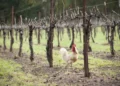
The term “terroir” is often used in wine circles to describe the environmental factors that affect the growth of the grapevine and the resulting flavor profile of the wine. It’s a French term that encompasses the soil, climate, topography, and even the traditions and practices of the winemaker. Terroir is a combination of natural elements that are difficult to replicate, making wines from specific regions unique.

Several elements contribute to terroir, including:

  • Soil Composition: The type of soil where the grapevine is planted affects water retention, mineral content, and drainage. Soils can be sandy, clay, limestone, gravelly, or volcanic, each contributing different qualities to the wine’s taste.
  • Climate: Climate refers to the long-term weather patterns of a region, including temperature, rainfall, sunlight, and humidity. Climate affects grape ripening, sugar levels, acidity, and the overall balance of the wine.
  • Topography: The elevation, slope, and orientation of the vineyard influence the exposure to sunlight, wind, and rainfall, all of which play a role in the ripening of the grapes.
  • Microclimates: Smaller, localized climates within a vineyard or region can be significantly different from the general climate. These microclimates can impact grape development and ripening, creating variations in flavor profiles even within the same region.

2. The Role of Soil in Shaping Wine Flavors

The soil in which grapevines are planted has a profound effect on the wine’s taste. Soil composition affects how well the vines drain water, absorb nutrients, and how the roots interact with the environment. Different soils also impart unique flavors and textures to wine.

Types of Soil and Their Influence

  • Limestone: Limestone-rich soils are often associated with producing wines with high acidity, freshness, and minerality. The mineral notes in the wine can be subtle, but they give the wine a clean, crisp finish. Burgundy, France, is known for its limestone soils, producing world-class Pinot Noir and Chardonnay wines with a distinct minerality.
  • Clay: Clay soils tend to retain moisture and heat, which allows grapevines to thrive in warmer climates. Wines made from grapes grown in clay-rich soils often have a fuller body and more roundness. Bordeaux, France, with its clay-based soils, produces some of the world’s most famous red wines, such as Cabernet Sauvignon and Merlot.
  • Gravel: Gravel soils offer excellent drainage, preventing waterlogging and helping vines to develop deep root systems. This is ideal for red wine varieties that require warm temperatures to ripen. The left bank of Bordeaux, with its gravel soils, is home to some of the most prestigious Cabernet Sauvignon-based wines.
  • Volcanic: Volcanic soils, rich in minerals and nutrients, are often associated with wines that have a distinctive, mineral-driven profile. These wines can have complex aromas and flavors. The island of Sicily, for example, produces Etna wines from volcanic soils that have bright acidity, minerality, and a distinct smoky quality.

How Soil Affects Grape Growth

Soil plays an essential role in regulating the vine’s access to water and nutrients. Soil with good drainage allows the roots to grow deep and develop a stronger structure, while heavy, clay-rich soils may cause the vines to absorb too much water, diluting the concentration of flavors. Soil type also influences the nutrient profile of the grapes, contributing to the final flavor. For example, high levels of potassium in the soil can result in a wine with a softer mouthfeel, while a higher concentration of calcium can lead to wines with more acidity and structure.

3. Climate and Its Influence on Wine

Climate is one of the most important factors in determining the flavor profile of a wine. The long-term weather patterns in a given region significantly affect the grapevine’s growth cycle and grape ripening. The timing of harvest is also influenced by the climate, as ripeness levels determine sugar content, acidity, and tannin development.

Cool-Climate Wines

Cool-climate regions, such as the Pacific Northwest of the United States, Burgundy, and New Zealand, typically experience longer growing seasons with cooler temperatures. These regions produce wines with higher acidity, more delicate aromas, and subtle fruit flavors. Grapes grown in these climates struggle to ripen fully, which results in lower sugar levels, higher acidity, and more tannic structure.

For example:

  • Pinot Noir from Burgundy: Burgundy’s cool climate helps preserve the natural acidity of Pinot Noir, leading to wines with bright red fruit flavors, earthy notes, and a certain elegance.
  • Sauvignon Blanc from Sancerre: In the Loire Valley, cooler temperatures help produce Sauvignon Blanc wines that are crisp, mineral-driven, and often have herbal or grassy aromas.

Warm-Climate Wines

In contrast, warm-climate regions like California, Australia, and Spain experience hotter temperatures that encourage earlier ripening. Grapes in warmer climates tend to have higher sugar content, leading to wines with higher alcohol levels and bolder, more intense fruit flavors. These wines often have a rounder mouthfeel and a richer, more full-bodied profile.

For example:

  • Cabernet Sauvignon from Napa Valley: Napa’s warm climate helps Cabernet Sauvignon grapes ripen to full maturity, producing wines with deep, dark fruit flavors such as black cherry and blackberry, along with higher tannin content and a full-bodied structure.
  • Syrah from Barossa Valley: The hot temperatures of Barossa Valley in Australia produce rich, fruit-forward Syrah wines with bold flavors of blackberry, plum, and spice.

Mediterranean Climates

Mediterranean climates, characterized by hot, dry summers and mild, wet winters, provide the ideal conditions for growing heat-loving grape varieties such as Grenache, Tempranillo, and Sangiovese. These regions produce wines with moderate acidity, ripe fruit flavors, and a certain warmth and richness.

For example:

  • Sangiovese from Tuscany: Tuscany’s Mediterranean climate helps Sangiovese grapes ripen fully, giving wines with bright cherry and red fruit flavors, along with earthy and savory notes.
  • Tempranillo from Rioja: Rioja’s combination of Mediterranean climate and varied elevations produces wines with balanced acidity, flavors of ripe plum, tobacco, and leather, and smooth tannins.
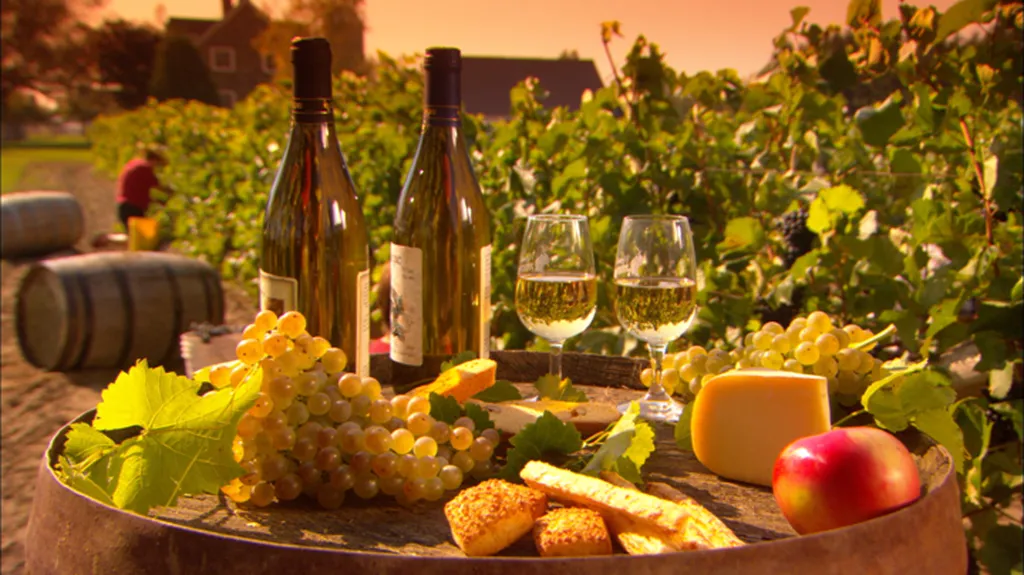
4. Topography and Microclimates

Topography refers to the elevation, slope, and orientation of a vineyard, which can significantly influence a wine’s characteristics. The slope of a vineyard determines its exposure to sunlight, while the altitude can affect the temperature and weather patterns.

Elevation and Sun Exposure

Higher elevations are often cooler, with more significant diurnal temperature fluctuations (the difference between daytime and nighttime temperatures). This helps preserve acidity in the grapes while allowing them to develop complex aromas and flavors. Regions like the high-altitude vineyards of Argentina’s Mendoza produce Malbec wines that are fruit-forward yet maintain a balanced acidity.

Microclimates and Their Effects

Microclimates are smaller, localized variations in climate within a region or vineyard. A microclimate can be influenced by factors such as proximity to bodies of water, valleys, hills, and winds. For instance, vineyards near lakes may benefit from the moderating effects of water, keeping temperatures more stable and extending the growing season. On the other hand, vineyards exposed to winds might produce grapes with thicker skins, leading to wines with more tannins and structure.

For example:

  • Vineyards on the shores of Lake Geneva: The cooling effects of the lake’s breeze help preserve the acidity in the grapes, producing fresh, crisp wines, such as those made from Chasselas.
  • Vineyards in the Napa Valley: Napa’s combination of valley floors and mountain vineyards creates microclimates where some areas receive more sunlight, producing fruit-forward wines, while higher elevations result in cooler, more acidic wines.

5. Terroir and Wine Styles: Regional Variations

Each wine region offers a distinct expression of terroir. The combination of soil, climate, and topography produces unique characteristics that distinguish wines from different places, even when made from the same grape variety.

Examples of Terroir in Different Wine Regions

  • Bordeaux, France: Bordeaux is known for its diverse terroirs, with gravel, clay, and limestone soils. The region produces a wide range of wines, from light, fresh whites in Pessac-Léognan to full-bodied reds in the Médoc, with a characteristic minerality and structure.
  • Chablis, France: The cool climate and limestone-rich soils of Chablis produce Chardonnay wines with high acidity, flinty minerality, and citrus notes.
  • Napa Valley, USA: Napa’s warm climate and varied soils produce a range of wines, with Cabernet Sauvignon from the valley floor offering intense fruit flavors, while those grown on the hillsides are more structured with higher acidity.
  • Tuscany, Italy: The combination of Mediterranean climate, clay, and limestone soils in Tuscany produces Sangiovese wines that are fresh yet full-bodied, with bright red fruit and earthy characteristics.

Conclusion

Terroir and climate are fundamental in shaping the character and taste of wine. From the soil in which the vines are planted to the climate and topography of the region, every element plays a role in creating the unique flavors found in wines. By understanding these influences, wine enthusiasts can better appreciate the diversity of wines from around the world, recognizing how each region’s terroir imparts its distinct fingerprint on every bottle.

Tags: climategrapevine growthsoilterroirwine flavorswine regions
ShareTweetShare

Related Posts

Can Beer Be an Effective Ingredient in Culinary Cooking?
ALL

Can Beer Be an Effective Ingredient in Culinary Cooking?

January 22, 2026
Second Fermentation in Champagne: Is It Really That Crucial?
ALL

Second Fermentation in Champagne: Is It Really That Crucial?

January 22, 2026
How Do Different Grains Impact the Flavor Profile of Distilled Spirits?
ALL

How Do Different Grains Impact the Flavor Profile of Distilled Spirits?

January 22, 2026
How Do Whiskey Master Blenders Create Perfection?
ALL

How Do Whiskey Master Blenders Create Perfection?

January 22, 2026
Wine Pairings: Can They Change the Flavor Profile of a Dish?
ALL

Wine Pairings: Can They Change the Flavor Profile of a Dish?

January 22, 2026
Beer the Ultimate Beverage for Pairing with Spicy Food?
ALL

Beer the Ultimate Beverage for Pairing with Spicy Food?

January 21, 2026
Leave Comment
  • Trending
  • Comments
  • Latest
What Hidden Craftsmanship Lies Behind a Bottle of Quality Grain Spirits?

What Hidden Craftsmanship Lies Behind a Bottle of Quality Grain Spirits?

July 3, 2025
How Is Champagne Made? The Secrets Behind the Sparkle

How Is Champagne Made? The Secrets Behind the Sparkle

April 15, 2025
Grain Spirits vs. Traditional Distilled Spirits: Which One Suits Your Taste?

Grain Spirits vs. Traditional Distilled Spirits: Which One Suits Your Taste?

July 3, 2025
Champagne Bubbles: How Do They Perfectly Convey Celebration, Joy, and Luxury?

Champagne Bubbles: How Do They Perfectly Convey Celebration, Joy, and Luxury?

July 2, 2025
The Timeless Elegance of Wine: A Journey Through History and Culture

The Timeless Elegance of Wine: A Journey Through History and Culture

Why Is Château Lafite Rothschild the Pinnacle of Fine Wine?

Why Is Château Lafite Rothschild the Pinnacle of Fine Wine?

How Did Château Lafite Rothschild Become a Global Icon of Luxury?

How Did Château Lafite Rothschild Become a Global Icon of Luxury?

What Makes Chateau Lafite Rothschild the Pinnacle of Bordeaux Wines?

What Makes Chateau Lafite Rothschild the Pinnacle of Bordeaux Wines?

Can Beer Be an Effective Ingredient in Culinary Cooking?

Can Beer Be an Effective Ingredient in Culinary Cooking?

January 22, 2026
Second Fermentation in Champagne: Is It Really That Crucial?

Second Fermentation in Champagne: Is It Really That Crucial?

January 22, 2026
How Do Different Grains Impact the Flavor Profile of Distilled Spirits?

How Do Different Grains Impact the Flavor Profile of Distilled Spirits?

January 22, 2026
How Do Whiskey Master Blenders Create Perfection?

How Do Whiskey Master Blenders Create Perfection?

January 22, 2026
SipsavorLife

Welcome to our comprehensive beverage guide, where you can explore the fascinating world of alcoholic drinks. From exquisite wines and rich whiskeys to refreshing beers and sparkling champagnes, we provide insights, tips, and recommendations for enthusiasts and casual drinkers alike. Discover your next favorite libation with us!

© 2025 sipsavorlife.com. contacts:sipsavorlife-35376@gmail.com

No Result
View All Result
  • Home
  • Wine
  • Whiskey
  • Beer
  • Grain Spirits
  • Champagne
  • ALL

© 2025 sipsavorlife.com. contacts:sipsavorlife-35376@gmail.com

Welcome Back!

Login to your account below

Forgotten Password?

Retrieve your password

Please enter your username or email address to reset your password.

Log In