



SipsavorLife
  • Home
  • Wine
    Wine Pairings: Can They Change the Flavor Profile of a Dish?

    Wine Pairings: Can They Change the Flavor Profile of a Dish?

    How Do Wine Glasses Influence the Tasting Experience?

    How Do Wine Glasses Influence the Tasting Experience?

    Is Organic Wine Healthier Than Conventional Wine?

    Is Organic Wine Healthier Than Conventional Wine?

    Why Do Some Wines Taste Better from Specific Vintages?

    Why Do Some Wines Taste Better from Specific Vintages?

    Wine Tasting: Can It Truly Be an Art Form?

    Wine Tasting: Can It Truly Be an Art Form?

    What Does Terroir Actually Mean for Your Wine?

    What Does Terroir Actually Mean for Your Wine?

  • Whiskey
    Can Beer Be an Effective Ingredient in Culinary Cooking?

    Can Beer Be an Effective Ingredient in Culinary Cooking?

    Second Fermentation in Champagne: Is It Really That Crucial?

    Second Fermentation in Champagne: Is It Really That Crucial?

    How Do Different Grains Impact the Flavor Profile of Distilled Spirits?

    How Do Different Grains Impact the Flavor Profile of Distilled Spirits?

    How Do Whiskey Master Blenders Create Perfection?

    How Do Whiskey Master Blenders Create Perfection?

    Wine Pairings: Can They Change the Flavor Profile of a Dish?

    Wine Pairings: Can They Change the Flavor Profile of a Dish?

    Beer the Ultimate Beverage for Pairing with Spicy Food?

    Beer the Ultimate Beverage for Pairing with Spicy Food?

  • Beer
    Can Beer Be an Effective Ingredient in Culinary Cooking?

    Can Beer Be an Effective Ingredient in Culinary Cooking?

    Beer the Ultimate Beverage for Pairing with Spicy Food?

    Beer the Ultimate Beverage for Pairing with Spicy Food?

    How Did Ancient Civilizations Brew Beer Without Modern Technology?

    How Did Ancient Civilizations Brew Beer Without Modern Technology?

    Is It Possible to Brew a Beer with No Alcohol and No Compromise on Taste?

    Is It Possible to Brew a Beer with No Alcohol and No Compromise on Taste?

    Why Does Beer Taste Different at High Altitudes?

    Why Does Beer Taste Different at High Altitudes?

    Is Hops the Secret Ingredient Behind Beer’s Bold Flavor?

    Is Hops the Secret Ingredient Behind Beer’s Bold Flavor?

  • Grain Spirits
    How Do Different Grains Impact the Flavor Profile of Distilled Spirits?

    How Do Different Grains Impact the Flavor Profile of Distilled Spirits?

    Grain Spirits the Unsung Heroes of Modern Mixology

    Grain Spirits the Unsung Heroes of Modern Mixology

    What Makes Grain-Based Whiskey So Different from Its Peated Cousins?

    What Makes Grain-Based Whiskey So Different from Its Peated Cousins?

    Grain Spirits: Could They Be the Next Big Trend in Craft Cocktails?

    Grain Spirits: Could They Be the Next Big Trend in Craft Cocktails?

    Why Are Grain Spirits Often Overlooked in the World of Fine Liquor?

    Why Are Grain Spirits Often Overlooked in the World of Fine Liquor?

    Is There a Secret Art to Distilling Grain Spirits?

    Is There a Secret Art to Distilling Grain Spirits?

  • Champagne
    Second Fermentation in Champagne: Is It Really That Crucial?

    Second Fermentation in Champagne: Is It Really That Crucial?

    The Science Behind the ‘Bubble Size’ in Champagne

    The Science Behind the ‘Bubble Size’ in Champagne

    Why Do Some Champagnes Use a High Proportion of Pinot Meunier?

    Why Do Some Champagnes Use a High Proportion of Pinot Meunier?

    Role of Terroir in Champagne Production

    Role of Terroir in Champagne Production

    Champagne Can Be Aged in Wood?

    Champagne Can Be Aged in Wood?

    Is There a Difference Between Blanc de Blancs and Blanc de Noirs Champagne?

    Is There a Difference Between Blanc de Blancs and Blanc de Noirs Champagne?

  • ALL
    Can Beer Be an Effective Ingredient in Culinary Cooking?

    Can Beer Be an Effective Ingredient in Culinary Cooking?

    Second Fermentation in Champagne: Is It Really That Crucial?

    Second Fermentation in Champagne: Is It Really That Crucial?

    How Do Different Grains Impact the Flavor Profile of Distilled Spirits?

    How Do Different Grains Impact the Flavor Profile of Distilled Spirits?

    How Do Whiskey Master Blenders Create Perfection?

    How Do Whiskey Master Blenders Create Perfection?

    Wine Pairings: Can They Change the Flavor Profile of a Dish?

    Wine Pairings: Can They Change the Flavor Profile of a Dish?

    Beer the Ultimate Beverage for Pairing with Spicy Food?

    Beer the Ultimate Beverage for Pairing with Spicy Food?

SipsavorLife
  • Home
  • Wine
    Wine Pairings: Can They Change the Flavor Profile of a Dish?

    Wine Pairings: Can They Change the Flavor Profile of a Dish?

    How Do Wine Glasses Influence the Tasting Experience?

    How Do Wine Glasses Influence the Tasting Experience?

    Is Organic Wine Healthier Than Conventional Wine?

    Is Organic Wine Healthier Than Conventional Wine?

    Why Do Some Wines Taste Better from Specific Vintages?

    Why Do Some Wines Taste Better from Specific Vintages?

    Wine Tasting: Can It Truly Be an Art Form?

    Wine Tasting: Can It Truly Be an Art Form?

    What Does Terroir Actually Mean for Your Wine?

    What Does Terroir Actually Mean for Your Wine?

  • Whiskey
    Can Beer Be an Effective Ingredient in Culinary Cooking?

    Can Beer Be an Effective Ingredient in Culinary Cooking?

    Second Fermentation in Champagne: Is It Really That Crucial?

    Second Fermentation in Champagne: Is It Really That Crucial?

    How Do Different Grains Impact the Flavor Profile of Distilled Spirits?

    How Do Different Grains Impact the Flavor Profile of Distilled Spirits?

    How Do Whiskey Master Blenders Create Perfection?

    How Do Whiskey Master Blenders Create Perfection?

    Wine Pairings: Can They Change the Flavor Profile of a Dish?

    Wine Pairings: Can They Change the Flavor Profile of a Dish?

    Beer the Ultimate Beverage for Pairing with Spicy Food?

    Beer the Ultimate Beverage for Pairing with Spicy Food?

  • Beer
    Can Beer Be an Effective Ingredient in Culinary Cooking?

    Can Beer Be an Effective Ingredient in Culinary Cooking?

    Beer the Ultimate Beverage for Pairing with Spicy Food?

    Beer the Ultimate Beverage for Pairing with Spicy Food?

    How Did Ancient Civilizations Brew Beer Without Modern Technology?

    How Did Ancient Civilizations Brew Beer Without Modern Technology?

    Is It Possible to Brew a Beer with No Alcohol and No Compromise on Taste?

    Is It Possible to Brew a Beer with No Alcohol and No Compromise on Taste?

    Why Does Beer Taste Different at High Altitudes?

    Why Does Beer Taste Different at High Altitudes?

    Is Hops the Secret Ingredient Behind Beer’s Bold Flavor?

    Is Hops the Secret Ingredient Behind Beer’s Bold Flavor?

  • Grain Spirits
    How Do Different Grains Impact the Flavor Profile of Distilled Spirits?

    How Do Different Grains Impact the Flavor Profile of Distilled Spirits?

    Grain Spirits the Unsung Heroes of Modern Mixology

    Grain Spirits the Unsung Heroes of Modern Mixology

    What Makes Grain-Based Whiskey So Different from Its Peated Cousins?

    What Makes Grain-Based Whiskey So Different from Its Peated Cousins?

    Grain Spirits: Could They Be the Next Big Trend in Craft Cocktails?

    Grain Spirits: Could They Be the Next Big Trend in Craft Cocktails?

    Why Are Grain Spirits Often Overlooked in the World of Fine Liquor?

    Why Are Grain Spirits Often Overlooked in the World of Fine Liquor?

    Is There a Secret Art to Distilling Grain Spirits?

    Is There a Secret Art to Distilling Grain Spirits?

  • Champagne
    Second Fermentation in Champagne: Is It Really That Crucial?

    Second Fermentation in Champagne: Is It Really That Crucial?

    The Science Behind the ‘Bubble Size’ in Champagne

    The Science Behind the ‘Bubble Size’ in Champagne

    Why Do Some Champagnes Use a High Proportion of Pinot Meunier?

    Why Do Some Champagnes Use a High Proportion of Pinot Meunier?

    Role of Terroir in Champagne Production

    Role of Terroir in Champagne Production

    Champagne Can Be Aged in Wood?

    Champagne Can Be Aged in Wood?

    Is There a Difference Between Blanc de Blancs and Blanc de Noirs Champagne?

    Is There a Difference Between Blanc de Blancs and Blanc de Noirs Champagne?

  • ALL
    Can Beer Be an Effective Ingredient in Culinary Cooking?

    Can Beer Be an Effective Ingredient in Culinary Cooking?

    Second Fermentation in Champagne: Is It Really That Crucial?

    Second Fermentation in Champagne: Is It Really That Crucial?

    How Do Different Grains Impact the Flavor Profile of Distilled Spirits?

    How Do Different Grains Impact the Flavor Profile of Distilled Spirits?

    How Do Whiskey Master Blenders Create Perfection?

    How Do Whiskey Master Blenders Create Perfection?

    Wine Pairings: Can They Change the Flavor Profile of a Dish?

    Wine Pairings: Can They Change the Flavor Profile of a Dish?

    Beer the Ultimate Beverage for Pairing with Spicy Food?

    Beer the Ultimate Beverage for Pairing with Spicy Food?

SipsavorLife
No Result
View All Result
Home ALL

How Can You Tell a Good Champagne from a Bad One?

April 1, 2025
in ALL, Champagne
How Can You Tell a Good Champagne from a Bad One?

Champagne is often synonymous with luxury, celebration, and elegance. Whether you’re purchasing a bottle for a special occasion or simply indulging in the sparkling experience, choosing the right Champagne can be overwhelming given the variety of options available on the market. However, understanding the key factors that define the quality of Champagne will help you differentiate between a good Champagne and a bad one. From its appearance to its aroma and taste, there are certain telltale signs to look for when evaluating Champagne.

In this article, we will explore how to evaluate Champagne by focusing on its appearance, aroma, and taste, and we will provide tips on what to look for when purchasing Champagne to ensure you get the best bottle for your needs. Whether you’re a connoisseur or a beginner, this guide will help you refine your palate and make more informed choices when buying Champagne.

1. Champagne’s Appearance: A Reflection of Quality

The first impression of any Champagne begins with its appearance. Champagne is a visual experience that excites the eyes before it touches the palate. Evaluating the appearance of Champagne can reveal a lot about its quality. Here’s how to assess it properly.

Bubble Quality

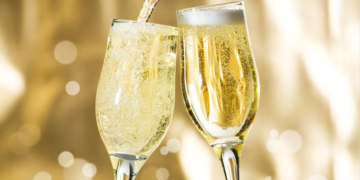
One of the most distinctive features of Champagne is its effervescence, which is the result of carbon dioxide trapped during the second fermentation process. Good Champagne should have fine, persistent bubbles that rise steadily to the surface in the glass. The bubbles should be small, not large or coarse, as fine bubbles are a hallmark of well-made Champagne.

  • Good Champagne: The bubbles are tiny, numerous, and persist for a long time. They should form a steady stream and rise gently to the top, creating a delicate mousse (foam).
  • Bad Champagne: If the bubbles are large, sparse, or disappear quickly, the Champagne may be of lower quality or has not been properly aged.

Color and Clarity

The color of Champagne can vary depending on the grape varieties used (such as Chardonnay, Pinot Noir, or Pinot Meunier) and whether the Champagne is a Blanc de Blancs (made from Chardonnay), Blanc de Noirs (made from Pinot Noir or Pinot Meunier), or a Rosé Champagne.

  • Good Champagne: It should be clear and vibrant, with a pale yellow or golden hue, depending on the age and grape composition. The clarity indicates that the Champagne has undergone proper filtration and that the wine is well-balanced. For rosé Champagne, look for a delicate pink or salmon color without any murkiness.
  • Bad Champagne: A cloudy or dull appearance can indicate poor filtration, improper handling, or age-related deterioration. This is a sign of low-quality Champagne or one that has been improperly stored.

Legs of the Champagne

When you swirl the Champagne in the glass, observe the legs or the streaks that form on the side of the glass. The legs are a visual indicator of the wine’s alcohol content and glycerin levels, which contribute to the wine’s texture and mouthfeel.

  • Good Champagne: The legs will form evenly and move slowly down the glass. This indicates that the Champagne has a balanced level of alcohol and glycerin, resulting in a smooth, refined texture.
  • Bad Champagne: If the legs are streaky or disappear quickly, it may indicate a lack of balance or a lower-quality Champagne.

2. Champagne’s Aroma: The Nose Knows

The aroma of Champagne is a key component of its overall experience. Champagne’s nose (the bouquet of aromas that emanate from the glass) offers a wealth of information about the wine’s complexity and aging process. Evaluating the aroma is essential in determining Champagne’s quality.

Freshness and Complexity

Good Champagne should have a complex bouquet that combines both fruity and yeasty aromas. Depending on the grape variety and age, you may encounter scents such as citrus, green apple, stone fruit, and hints of brioche, almond, or even honey from the aging process.

  • Good Champagne: The aroma should be fresh and lively, with layers of fruit, floral, and toasty notes. The wine should have a well-integrated nose that is neither overly pungent nor overly muted.
  • Bad Champagne: A flat or overly vinegary aroma can indicate oxidation or poor storage. If the Champagne smells of sulfur (often likened to rotten eggs) or wet cardboard, it may be a sign of improper handling or contamination.

Aromas from Aging

Champagne undergoes aging, which enhances its flavor complexity. The lees (yeast sediment) left after fermentation contribute to the Champagne’s development, imparting flavors such as toast, butter, or hazelnuts.

  • Good Champagne: A well-aged Champagne will often exhibit subtle bready, toasty, or nutty aromas. These aromas are typically balanced with the fresh fruitiness and floral notes, creating a harmonious bouquet.
  • Bad Champagne: Champagne that has not been aged properly or is too young may lack these complex aromas, resulting in a simpler, more one-dimensional nose.

Cork Taint or Off-Aromas

A Champagne’s cork can sometimes spoil the wine, leading to undesirable aromas. This phenomenon is known as cork taint and can make a Champagne smell like musty dampness or wet cardboard. If you encounter this smell, it’s a sign that the Champagne has been compromised.

  • Good Champagne: Should have clean and pleasant aromas without any off-putting mustiness or moldy smells.
  • Bad Champagne: A musty or moldy smell is an indicator that the Champagne may have been improperly stored or that the cork has failed, leading to the degradation of the wine.
3. Champagne’s Taste: The Ultimate Test

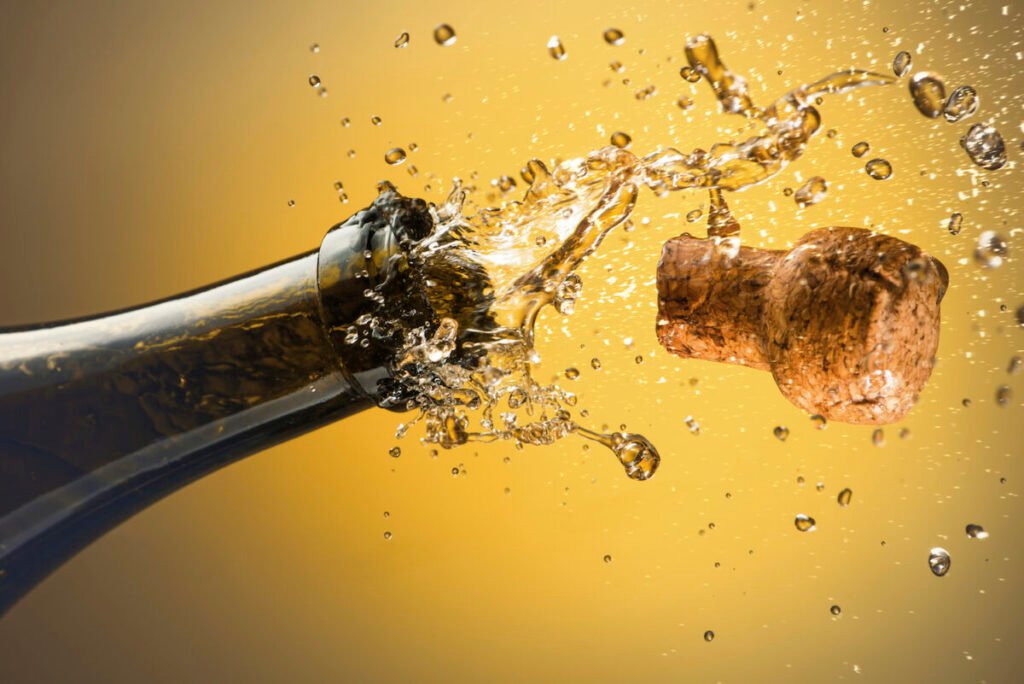
The taste of Champagne is the final, and perhaps most important, factor in determining its quality. Champagne is a delicate balance of acidity, sweetness, effervescence, and flavor complexity. The way it feels on the palate—its texture, flavor profile, and finish—can reveal a lot about its craftsmanship.

Balance and Harmony

A good Champagne should have a harmonious balance between acidity (which provides freshness), fruitiness (often citrus or apple flavors), and yeasty or bready notes (from the aging process). The wine should not taste overly acidic, sweet, or flat.

  • Good Champagne: The Champagne should feel balanced on the palate. The acidity should be refreshing but not overpowering, the fruit flavors should be lively but not overwhelming, and the toasty or nutty notes from aging should be well-integrated. The overall flavor profile should be smooth and elegant, without one element dominating the others.
  • Bad Champagne: If the Champagne tastes too sweet or too sour, or if it feels flat and lacks acidity, it may indicate poor craftsmanship. If there is an unpleasant bitterness or overly harsh finish, the Champagne may have been made with lower-quality grapes or may have been improperly handled during production or storage.

Mouthfeel and Texture

The mouthfeel of Champagne refers to the texture or body of the wine as it moves across the palate. A good Champagne should have a smooth, silky mouthfeel with fine bubbles that don’t feel too aggressive or coarse. The Champagne should feel refreshing and not overly heavy.

  • Good Champagne: The bubbles should feel soft and delicate, contributing to a light, refreshing mouthfeel. The wine should be crisp, clean, and smooth, without any harsh or unpleasant aftertastes.
  • Bad Champagne: A wine that feels too thin, overly harsh, or lacks the refinement in its effervescence is likely of lower quality. Coarse or overly aggressive bubbles can indicate poor production methods.

Finish and Length

The finish refers to the lingering flavors that remain on the palate after swallowing. High-quality Champagne should have a long finish, where the flavors continue to evolve and persist after the wine has been consumed.

  • Good Champagne: The finish should be elegant, leaving behind a clean, refreshing sensation. The flavors should linger pleasantly, with notes of fruit, toast, or minerality.
  • Bad Champagne: A short or unpleasant finish with a lack of complexity or a bitter aftertaste suggests a poorly made Champagne that doesn’t offer a lasting or enjoyable experience.

4. What to Look for When Purchasing Champagne

When purchasing Champagne, whether in-store or online, there are several important factors to consider to ensure you select a high-quality bottle.

Brand Reputation

Champagne houses with established reputations for quality are often a safe bet. Grand Marques, like Moët & Chandon, Veuve Clicquot, Krug, and Dom Pérignon, have years of expertise and a track record of producing exceptional Champagne. Smaller producers, known as grower Champagne houses, may also offer high-quality, unique bottles that are worth exploring.

Age of the Champagne

Consider the age of the Champagne you’re purchasing. Vintage Champagne, as discussed, is made from grapes harvested in a single year and is typically aged longer. Non-vintage Champagne, on the other hand, is meant for more immediate consumption but should still show signs of quality aging.

Storage Conditions

Champagne should be stored in a cool, dark place, away from direct light and temperature fluctuations. If buying from a shop, ensure that the store’s inventory is stored properly, as Champagne that has been exposed to heat or light can deteriorate quickly.

Conclusion

Telling a good Champagne from a bad one requires a keen eye and palate. By evaluating its appearance, aroma, and taste, you can quickly assess whether the Champagne is of high quality. Look for fine bubbles, a complex bouquet, and a balanced, harmonious taste with a lingering finish. When purchasing Champagne, prioritize reputable producers, consider the age of the bottle, and ensure proper storage conditions to guarantee a great Champagne experience.

Tags: Champagne QualityChampagne tasting tipsHow to Choose Champagne
ShareTweetShare

Related Posts

Can Beer Be an Effective Ingredient in Culinary Cooking?
ALL

Can Beer Be an Effective Ingredient in Culinary Cooking?

January 22, 2026
Second Fermentation in Champagne: Is It Really That Crucial?
ALL

Second Fermentation in Champagne: Is It Really That Crucial?

January 22, 2026
How Do Different Grains Impact the Flavor Profile of Distilled Spirits?
ALL

How Do Different Grains Impact the Flavor Profile of Distilled Spirits?

January 22, 2026
How Do Whiskey Master Blenders Create Perfection?
ALL

How Do Whiskey Master Blenders Create Perfection?

January 22, 2026
Wine Pairings: Can They Change the Flavor Profile of a Dish?
ALL

Wine Pairings: Can They Change the Flavor Profile of a Dish?

January 22, 2026
Beer the Ultimate Beverage for Pairing with Spicy Food?
ALL

Beer the Ultimate Beverage for Pairing with Spicy Food?

January 21, 2026
Leave Comment
  • Trending
  • Comments
  • Latest
Role of Terroir in Champagne Production

Role of Terroir in Champagne Production

January 19, 2026
What Hidden Craftsmanship Lies Behind a Bottle of Quality Grain Spirits?

What Hidden Craftsmanship Lies Behind a Bottle of Quality Grain Spirits?

July 3, 2025
Champagne Can Be Aged in Wood?

Champagne Can Be Aged in Wood?

January 18, 2026
Is Organic Wine Healthier Than Conventional Wine?

Is Organic Wine Healthier Than Conventional Wine?

January 20, 2026
The Timeless Elegance of Wine: A Journey Through History and Culture

The Timeless Elegance of Wine: A Journey Through History and Culture

Why Is Château Lafite Rothschild the Pinnacle of Fine Wine?

Why Is Château Lafite Rothschild the Pinnacle of Fine Wine?

How Did Château Lafite Rothschild Become a Global Icon of Luxury?

How Did Château Lafite Rothschild Become a Global Icon of Luxury?

What Makes Chateau Lafite Rothschild the Pinnacle of Bordeaux Wines?

What Makes Chateau Lafite Rothschild the Pinnacle of Bordeaux Wines?

Can Beer Be an Effective Ingredient in Culinary Cooking?

Can Beer Be an Effective Ingredient in Culinary Cooking?

January 22, 2026
Second Fermentation in Champagne: Is It Really That Crucial?

Second Fermentation in Champagne: Is It Really That Crucial?

January 22, 2026
How Do Different Grains Impact the Flavor Profile of Distilled Spirits?

How Do Different Grains Impact the Flavor Profile of Distilled Spirits?

January 22, 2026
How Do Whiskey Master Blenders Create Perfection?

How Do Whiskey Master Blenders Create Perfection?

January 22, 2026
SipsavorLife

Welcome to our comprehensive beverage guide, where you can explore the fascinating world of alcoholic drinks. From exquisite wines and rich whiskeys to refreshing beers and sparkling champagnes, we provide insights, tips, and recommendations for enthusiasts and casual drinkers alike. Discover your next favorite libation with us!

© 2025 sipsavorlife.com. contacts:sipsavorlife-35376@gmail.com

No Result
View All Result
  • Home
  • Wine
  • Whiskey
  • Beer
  • Grain Spirits
  • Champagne
  • ALL

© 2025 sipsavorlife.com. contacts:sipsavorlife-35376@gmail.com

Welcome Back!

Login to your account below

Forgotten Password?

Retrieve your password

Please enter your username or email address to reset your password.

Log In