






























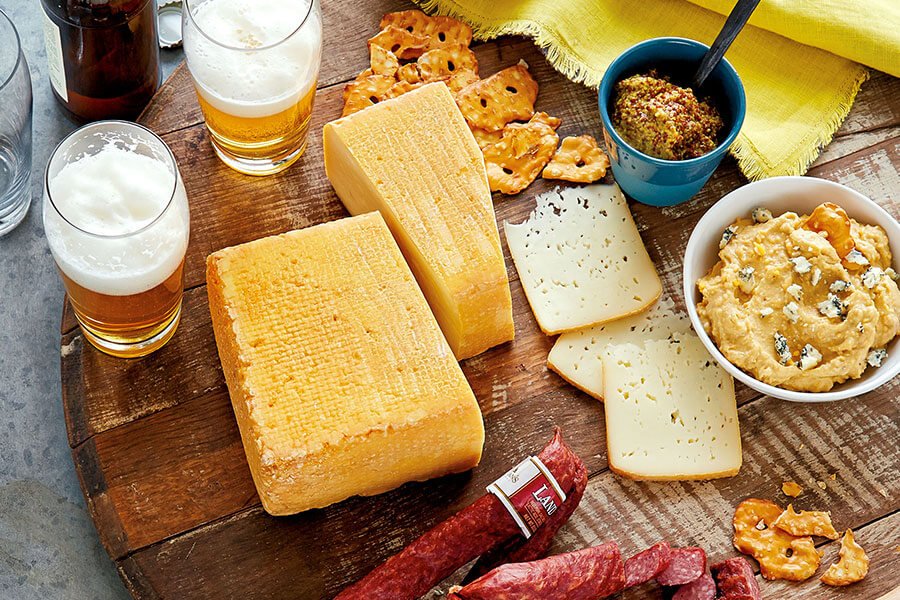
Beer and cheese are two of the most iconic food items in many cultures, and pairing them together can elevate your culinary experience. Whether you’re hosting a gathering, creating a tasting board, or simply indulging in a relaxing evening, the right beer and cheese pairing can create a harmonious balance of flavors that delights the palate. The key to a successful pairing is understanding the characteristics of both beer and cheese and how they interact with each other.
Why Pairing Beer with Cheese Enhances the Flavor Experience
The art of pairing beer with cheese is all about enhancing and complementing the flavors of both. Both beer and cheese have complex flavor profiles, and when paired correctly, they can bring out the best in each other. Beer is typically more carbonated than wine, which allows it to cleanse the palate between bites, offering a refreshing contrast to the richness of cheese. The carbonation and effervescence of beer help cut through the fatty texture of cheese, making each bite feel light and balanced.
Moreover, beer is made with hops, malt, and yeast, which provide a diverse range of flavor notes, such as bitterness, sweetness, maltiness, and floral qualities. Cheese, on the other hand, has its own distinct flavors influenced by factors like milk type, aging process, and bacteria or molds used in production. When these flavor profiles are carefully matched, they enhance the overall tasting experience by providing both contrast and harmony in every bite.
Best Beer Types for Different Cheeses
The world of cheese is vast, with a wide array of textures, flavors, and intensities. Similarly, beer comes in many styles, each with its own unique taste and aroma. When choosing a beer to pair with cheese, it’s important to consider the flavor characteristics of both. Here’s a breakdown of some of the best beer types for different cheeses.
1. Soft Cheeses (Brie, Camembert, Goat Cheese)
Soft cheeses like Brie and Camembert have creamy, delicate flavors with a slight tang. These cheeses pair well with beers that are light and refreshing, offering a nice contrast without overpowering their subtle flavors.
Best Beer Pairings:
- Wheat Beer: The light, fruity flavors of wheat beer, such as Hefeweizen, complement the creaminess of Brie and Camembert. The beer’s slight citrus notes and smooth mouthfeel enhance the cheese’s texture.
- Pilsner: A crisp and clean Pilsner has a refreshing bite that cuts through the richness of soft cheeses, while its light bitterness balances the mild tanginess of goat cheese.
- Saison: The fruity, spicy flavors of a Saison bring out the creamy notes of goat cheese, while also adding complexity to the pairing.
2. Hard Cheeses (Cheddar, Gruyère, Manchego)
Hard cheeses tend to have more intense, nutty, and savory flavors. To match these bold cheeses, you’ll want beers that can hold their own and complement their rich profiles.
Best Beer Pairings:
- India Pale Ale (IPA): The hop-forward bitterness and citrusy flavors of an IPA work well with the sharpness of Cheddar and the nutty profile of Gruyère. The bitterness of the beer contrasts with the saltiness and richness of the cheese.
- Amber Ale: The malt-forward sweetness of an Amber Ale pairs wonderfully with the savory flavors of hard cheeses like Manchego. The beer’s caramel and toasty notes blend seamlessly with the cheese’s nutty richness.
- Brown Ale: Brown Ale’s deep, malty flavor enhances the umami of aged Cheddar and the richness of Gruyère. Its subtle caramel and nutty undertones complement the hard cheeses without overwhelming them.
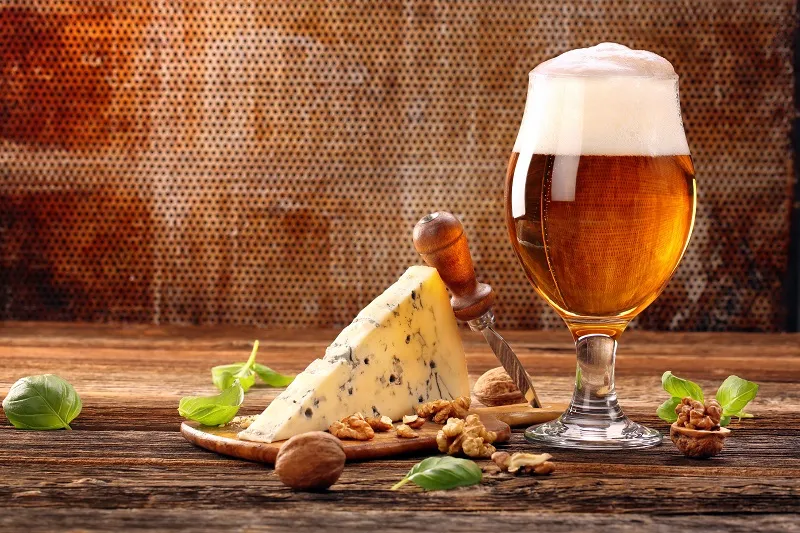
3. Blue Cheeses (Roquefort, Gorgonzola, Stilton)
Blue cheeses are often sharp, tangy, and pungent, with strong flavors that demand a beer that can stand up to them. The goal is to find a beer that balances the intensity of the cheese while also enhancing its unique characteristics.
Best Beer Pairings:
- Porter: A rich and roasty Porter pairs beautifully with blue cheeses, as the beer’s deep chocolate and coffee flavors provide a nice contrast to the sharpness of the cheese. The beer’s smooth body complements the creaminess of the cheese, creating a balanced pairing.
- Stout: A robust Stout, such as a dry stout or imperial stout, has a strong malt profile that pairs well with the strong, pungent flavors of blue cheese. The roasted bitterness of the Stout helps cut through the richness of the cheese, while the beer’s body adds depth.
- Barleywine: The high alcohol content and fruity, malty sweetness of a Barleywine provide a strong contrast to the intense flavors of blue cheese, creating a harmonious pairing that balances the saltiness and tang of the cheese.
4. Washed-Rind Cheeses (Munster, Limburger, Epoisses)
Washed-rind cheeses are known for their strong aroma and funky, earthy flavors. These cheeses benefit from beers with enough complexity and character to complement their intensity.
Best Beer Pairings:
- Belgian Dubbel: The malty sweetness and dark fruit notes of a Belgian Dubbel match the earthy flavors of washed-rind cheeses. The beer’s rich body complements the creamy texture of the cheese, while its fruity notes provide a balance to the funkiness.
- Belgian Tripel: A Belgian Tripel has a higher alcohol content and a spicy, fruity profile that works well with the robust flavors of washed-rind cheeses. The beer’s carbonation and refreshing finish cleanse the palate between bites.
- Saison: The earthy, peppery flavors of a Saison are a natural complement to the savory and tangy notes of washed-rind cheeses. The beer’s dryness helps cut through the richness of the cheese, providing a balanced and refreshing pairing.
5. Fresh Cheeses (Ricotta, Fresh Mozzarella)
Fresh cheeses like Ricotta and Mozzarella are mild, creamy, and delicate, making them perfect candidates for light and crisp beers that won’t overwhelm their subtle flavors.
Best Beer Pairings:
- Pale Ale: A light Pale Ale with a mild hop bitterness works well with fresh cheeses. The beer’s light malt profile complements the creamy texture of the cheese without overpowering it.
- Hefeweizen: The banana and clove flavors of a Hefeweizen pair nicely with fresh Mozzarella, as the beer’s fruitiness enhances the creaminess of the cheese while adding a touch of spice.
- Cerveza or Mexican Lager: The clean, crisp flavors of a Mexican Lager provide a refreshing contrast to fresh cheeses. The beer’s light malt and slightly bitter finish work well with the mild flavors of fresh Mozzarella and Ricotta.
6. Aged Cheeses (Comté, Asiago, Parmesan)
Aged cheeses are often rich, complex, and full of depth. They have intense flavors that pair beautifully with beers that can hold their own and add additional layers of flavor.
Best Beer Pairings:
- Bock: The malty sweetness and smooth body of a Bock complement the sharp, nutty flavors of aged cheeses like Comté and Parmesan. The beer’s caramel notes blend well with the cheese’s savory characteristics.
- Imperial Stout: An Imperial Stout with its bold malt profile and higher alcohol content is a great match for aged cheeses. The beer’s dark chocolate, coffee, and roasted flavors create a robust contrast to the cheese’s intensity.
- Saison: A Saison with its earthy, spicy flavors enhances the complexity of aged cheeses, providing a balance between the beer’s dryness and the richness of the cheese.
Tips for Pairing Beer and Cheese
When pairing beer and cheese, consider the following tips to help you create the perfect pairing:
- Balance Intensity: Match the intensity of the beer with the strength of the cheese. For example, stronger cheeses like blue cheese or aged Cheddar pair well with more robust beers, while lighter cheeses like goat cheese or fresh Mozzarella work best with lighter beers.
- Complement or Contrast: You can either complement the flavors of the cheese with the beer or create contrast. A complementary pairing highlights similar flavor notes, while a contrasting pairing offers balance by introducing different flavors.
- Experiment: Don’t be afraid to experiment and try new combinations. Everyone’s palate is different, and the best way to find your perfect pairing is through trial and error.
- Temperature Matters: Serve both beer and cheese at the appropriate temperature. Beer is typically best served slightly chilled, while most cheeses should be brought to room temperature before serving to allow their full flavors to shine.
Conclusion
Pairing beer with cheese is an enjoyable way to explore new flavors and textures. Whether you’re savoring the creamy richness of Brie, the sharp tang of blue cheese, or the nutty complexity of aged Cheddar, there’s a beer style that will complement and elevate the experience. By understanding the basic principles of beer and cheese pairings, you can create a tasting experience that enhances both the beer and the cheese, making every bite and sip a delightful discovery.










