






























SipsavorLife
  • Home
  • Wine
    Red Wine — The Liquid Expression of Land, Time, and Human Intention

    The Future of Red Wine — Climate Change, Technology, and the Evolution of Taste

    Red Wine — The Liquid Expression of Land, Time, and Human Intention

    Red Wine and Human Culture — Rituals, Status, and the Psychology of Drinking

    Red Wine — The Liquid Expression of Land, Time, and Human Intention

    A Journey Through the World of Red Wine — Bordeaux, Tuscany, Napa, and Beyond

    Red Wine — The Liquid Expression of Land, Time, and Human Intention

    The Chemistry of Red Wine — Tannins, Acids, Phenolics, and Molecular Evolution

    Red Wine — The Liquid Expression of Land, Time, and Human Intention

    Red Wine — The Liquid Expression of Land, Time, and Human Intention

    Wine as Culture, Craft, and Time — Understanding the Soul of the World’s Most Enduring Drink

    The Changing Map of Wine — Global Industry, Emerging Regions, and the Future of a Timeless Craft

  • Whiskey
    Can Beer Be an Effective Ingredient in Culinary Cooking?

    Can Beer Be an Effective Ingredient in Culinary Cooking?

    Second Fermentation in Champagne: Is It Really That Crucial?

    Second Fermentation in Champagne: Is It Really That Crucial?

    How Do Different Grains Impact the Flavor Profile of Distilled Spirits?

    How Do Different Grains Impact the Flavor Profile of Distilled Spirits?

    How Do Whiskey Master Blenders Create Perfection?

    How Do Whiskey Master Blenders Create Perfection?

    Wine Pairings: Can They Change the Flavor Profile of a Dish?

    Wine Pairings: Can They Change the Flavor Profile of a Dish?

    Beer the Ultimate Beverage for Pairing with Spicy Food?

    Beer the Ultimate Beverage for Pairing with Spicy Food?

  • Beer
    Beer and the Human Story — A Journey Through Time, Taste, and Civilization

    Inside the Modern Beer Industry — Craft, Corporations, and the Battle for the Future

    Beer and the Human Story — A Journey Through Time, Taste, and Civilization

    The Evolution of Beer Styles — How Taste Changed Across Centuries

    Beer and the Human Story — A Journey Through Time, Taste, and Civilization

    Inside the Brewery — A Walk Through the Living Heart of Beer

    Beer and the Human Story — A Journey Through Time, Taste, and Civilization

    The Anatomy of Beer — Deconstructing Flavor, Structure, and Brewing Logic

    Beer and the Human Story — A Journey Through Time, Taste, and Civilization

    Beer and the Human Story — A Journey Through Time, Taste, and Civilization

    The World of Beer — A Deep Dive into Craft, Culture, and Evolution

    Mastering Beer Tasting — From Casual Drinker to Connoisseur

  • Grain Spirits
    Grain Spirits and the Industrial Birth of Neutral Alcohol

    The Future of Grain Spirits — AI Distillation, Sustainability, and the Post-Flavor Alcohol Industry

    Grain Spirits and the Industrial Birth of Neutral Alcohol

    Grain Spirits and Vodka Culture — Purity, Ritual, and the Social Psychology of Neutral Alcohol

    Grain Spirits and the Industrial Birth of Neutral Alcohol

    Inside a Grain Spirit Distillery — Continuous Flow, Steel Columns, and the Engineering of Neutrality

    Grain Spirits and the Industrial Birth of Neutral Alcohol

    The Global Map of Grain Spirits — How Different Cultures Define Purity in Alcohol

    Grain Spirits and the Industrial Birth of Neutral Alcohol

    Grain Spirits and the Industrial Birth of Neutral Alcohol

    The Origins of Grain Spirits: Power, Society, and the Birth of Distilled Alcohol

    The Future of Grain Spirits: Reinvention in an Age of Change

  • Champagne
    The Future of Champagne — Climate Change, Innovation, and the Evolution of Sparkling Wine

    The Future of Champagne — Climate Change, Innovation, and the Evolution of Sparkling Wine

    Champagne — The Accidental Invention That Became the Language of Celebration

    Champagne and Luxury — Branding, Scarcity, and the Global Economy of Celebration

    Champagne — The Accidental Invention That Became the Language of Celebration

    Inside a Champagne House — From Vineyard to Cellar, A Journey Through Time and Craft

    Champagne — The Accidental Invention That Became the Language of Celebration

    The Science of Bubbles — Pressure, Carbonation, and the Physics of Champagne

    Champagne — The Accidental Invention That Became the Language of Celebration

    Champagne — The Accidental Invention That Became the Language of Celebration

    Champagne — The Ultimate Symbol of Elegance, Celebration, and Craft

    The Art of Champagne Tasting — A Refined Guide to Elegance, Precision, and Sensory Mastery

  • ALL
    Can Beer Be an Effective Ingredient in Culinary Cooking?

    Can Beer Be an Effective Ingredient in Culinary Cooking?

    Second Fermentation in Champagne: Is It Really That Crucial?

    Second Fermentation in Champagne: Is It Really That Crucial?

    How Do Different Grains Impact the Flavor Profile of Distilled Spirits?

    How Do Different Grains Impact the Flavor Profile of Distilled Spirits?

    How Do Whiskey Master Blenders Create Perfection?

    How Do Whiskey Master Blenders Create Perfection?

    Wine Pairings: Can They Change the Flavor Profile of a Dish?

    Wine Pairings: Can They Change the Flavor Profile of a Dish?

    Beer the Ultimate Beverage for Pairing with Spicy Food?

    Beer the Ultimate Beverage for Pairing with Spicy Food?

SipsavorLife
  • Home
  • Wine
    Red Wine — The Liquid Expression of Land, Time, and Human Intention

    The Future of Red Wine — Climate Change, Technology, and the Evolution of Taste

    Red Wine — The Liquid Expression of Land, Time, and Human Intention

    Red Wine and Human Culture — Rituals, Status, and the Psychology of Drinking

    Red Wine — The Liquid Expression of Land, Time, and Human Intention

    A Journey Through the World of Red Wine — Bordeaux, Tuscany, Napa, and Beyond

    Red Wine — The Liquid Expression of Land, Time, and Human Intention

    The Chemistry of Red Wine — Tannins, Acids, Phenolics, and Molecular Evolution

    Red Wine — The Liquid Expression of Land, Time, and Human Intention

    Red Wine — The Liquid Expression of Land, Time, and Human Intention

    Wine as Culture, Craft, and Time — Understanding the Soul of the World’s Most Enduring Drink

    The Changing Map of Wine — Global Industry, Emerging Regions, and the Future of a Timeless Craft

  • Whiskey
    Can Beer Be an Effective Ingredient in Culinary Cooking?

    Can Beer Be an Effective Ingredient in Culinary Cooking?

    Second Fermentation in Champagne: Is It Really That Crucial?

    Second Fermentation in Champagne: Is It Really That Crucial?

    How Do Different Grains Impact the Flavor Profile of Distilled Spirits?

    How Do Different Grains Impact the Flavor Profile of Distilled Spirits?

    How Do Whiskey Master Blenders Create Perfection?

    How Do Whiskey Master Blenders Create Perfection?

    Wine Pairings: Can They Change the Flavor Profile of a Dish?

    Wine Pairings: Can They Change the Flavor Profile of a Dish?

    Beer the Ultimate Beverage for Pairing with Spicy Food?

    Beer the Ultimate Beverage for Pairing with Spicy Food?

  • Beer
    Beer and the Human Story — A Journey Through Time, Taste, and Civilization

    Inside the Modern Beer Industry — Craft, Corporations, and the Battle for the Future

    Beer and the Human Story — A Journey Through Time, Taste, and Civilization

    The Evolution of Beer Styles — How Taste Changed Across Centuries

    Beer and the Human Story — A Journey Through Time, Taste, and Civilization

    Inside the Brewery — A Walk Through the Living Heart of Beer

    Beer and the Human Story — A Journey Through Time, Taste, and Civilization

    The Anatomy of Beer — Deconstructing Flavor, Structure, and Brewing Logic

    Beer and the Human Story — A Journey Through Time, Taste, and Civilization

    Beer and the Human Story — A Journey Through Time, Taste, and Civilization

    The World of Beer — A Deep Dive into Craft, Culture, and Evolution

    Mastering Beer Tasting — From Casual Drinker to Connoisseur

  • Grain Spirits
    Grain Spirits and the Industrial Birth of Neutral Alcohol

    The Future of Grain Spirits — AI Distillation, Sustainability, and the Post-Flavor Alcohol Industry

    Grain Spirits and the Industrial Birth of Neutral Alcohol

    Grain Spirits and Vodka Culture — Purity, Ritual, and the Social Psychology of Neutral Alcohol

    Grain Spirits and the Industrial Birth of Neutral Alcohol

    Inside a Grain Spirit Distillery — Continuous Flow, Steel Columns, and the Engineering of Neutrality

    Grain Spirits and the Industrial Birth of Neutral Alcohol

    The Global Map of Grain Spirits — How Different Cultures Define Purity in Alcohol

    Grain Spirits and the Industrial Birth of Neutral Alcohol

    Grain Spirits and the Industrial Birth of Neutral Alcohol

    The Origins of Grain Spirits: Power, Society, and the Birth of Distilled Alcohol

    The Future of Grain Spirits: Reinvention in an Age of Change

  • Champagne
    The Future of Champagne — Climate Change, Innovation, and the Evolution of Sparkling Wine

    The Future of Champagne — Climate Change, Innovation, and the Evolution of Sparkling Wine

    Champagne — The Accidental Invention That Became the Language of Celebration

    Champagne and Luxury — Branding, Scarcity, and the Global Economy of Celebration

    Champagne — The Accidental Invention That Became the Language of Celebration

    Inside a Champagne House — From Vineyard to Cellar, A Journey Through Time and Craft

    Champagne — The Accidental Invention That Became the Language of Celebration

    The Science of Bubbles — Pressure, Carbonation, and the Physics of Champagne

    Champagne — The Accidental Invention That Became the Language of Celebration

    Champagne — The Accidental Invention That Became the Language of Celebration

    Champagne — The Ultimate Symbol of Elegance, Celebration, and Craft

    The Art of Champagne Tasting — A Refined Guide to Elegance, Precision, and Sensory Mastery

  • ALL
    Can Beer Be an Effective Ingredient in Culinary Cooking?

    Can Beer Be an Effective Ingredient in Culinary Cooking?

    Second Fermentation in Champagne: Is It Really That Crucial?

    Second Fermentation in Champagne: Is It Really That Crucial?

    How Do Different Grains Impact the Flavor Profile of Distilled Spirits?

    How Do Different Grains Impact the Flavor Profile of Distilled Spirits?

    How Do Whiskey Master Blenders Create Perfection?

    How Do Whiskey Master Blenders Create Perfection?

    Wine Pairings: Can They Change the Flavor Profile of a Dish?

    Wine Pairings: Can They Change the Flavor Profile of a Dish?

    Beer the Ultimate Beverage for Pairing with Spicy Food?

    Beer the Ultimate Beverage for Pairing with Spicy Food?

SipsavorLife
No Result
View All Result
Home ALL

Why Is Rye Whisky Suddenly the Hottest Trend in Grain Spirits?

February 26, 2025
in ALL, Grain Spirits
Why Is Rye Whisky Suddenly the Hottest Trend in Grain Spirits?

Rye whisky, once overshadowed by bourbon and other popular spirits, is enjoying a dramatic resurgence in the world of grain spirits. Over the past few years, rye whisky has become a favorite among both seasoned whisky enthusiasts and newcomers to the spirit, thanks to its distinctive flavor profile and rich history. From its spicy kick to its complex aroma, rye whisky offers a unique experience that’s capturing the attention of connoisseurs and casual drinkers alike. In this article, we will explore the flavor profile of rye whisky, its historical significance in distilling, and why it is currently making such a strong comeback in the spirits industry.

Understanding Rye Whisky’s Flavor Profile

Rye whisky is known for its bold, spicy flavor that distinguishes it from other types of whisky like bourbon or Scotch. The primary ingredient in rye whisky, as the name suggests, is rye grain, and it’s this grain that gives the whisky its characteristic taste.

1. The Spiciness of Rye
One of the most defining features of rye whisky is its spicy flavor. Rye imparts a sharp, peppery note to the whisky, often described as having hints of cinnamon, clove, and even anise. This spiciness creates a flavor profile that is more intense than the sweeter, smoother notes often associated with corn-based bourbons. Rye whisky is also known for its dry finish, which makes it an excellent choice for those who prefer a whisky that isn’t overly sweet.

2. Fruity and Floral Notes
In addition to its spiciness, rye whisky often carries complex fruity and floral notes. Many rye whiskies have flavors of dried fruits such as apricot, cherry, and raisin, which add layers of depth and richness to the overall experience. Some expressions may even have subtle floral undertones, such as lavender or rose, that enhance the whisky’s complexity.

3. Bold and Full-bodied
Rye whisky tends to be fuller-bodied and more robust than lighter spirits like vodka or gin. Its rich texture gives it a satisfying mouthfeel that lingers on the palate. The combination of spice, fruit, and a strong backbone of rye character makes rye whisky a spirit that stands out in cocktails or when enjoyed neat.

The Historical Significance of Rye in Distilling

Rye whisky has deep roots in the history of American distilling, particularly in the United States. In fact, rye was one of the first grains used in whisky production when the first American distillers began crafting spirits. While rye whisky was once the dominant style of whisky in America, it fell out of favor with the rise of bourbon in the late 19th century. However, rye whisky’s history is rich and essential to understanding the evolution of American spirits.

1. Early American Distilling
Rye was one of the most accessible grains for early American settlers, particularly in regions like Pennsylvania and Maryland, where rye grew plentifully. Distillers began using rye as the base for their whiskies, creating a spirit with a bold and spicy character that was unlike anything else available at the time. The popularity of rye whisky spread quickly, becoming the drink of choice for many Americans during the 18th and 19th centuries.

2. Prohibition’s Impact on Rye Whisky
Like many American spirits, rye whisky suffered greatly during Prohibition, when the production and sale of alcoholic beverages were banned in the United States. The industry was forced to go underground, and many distilleries ceased to exist. Bourbon, on the other hand, was able to gain a foothold due to its association with Kentucky and its use of corn, which was more readily available. After Prohibition ended, rye whisky never regained its former popularity, and it was overshadowed by bourbon, which became the iconic American whisky.

3. The Revival of Rye Whisky
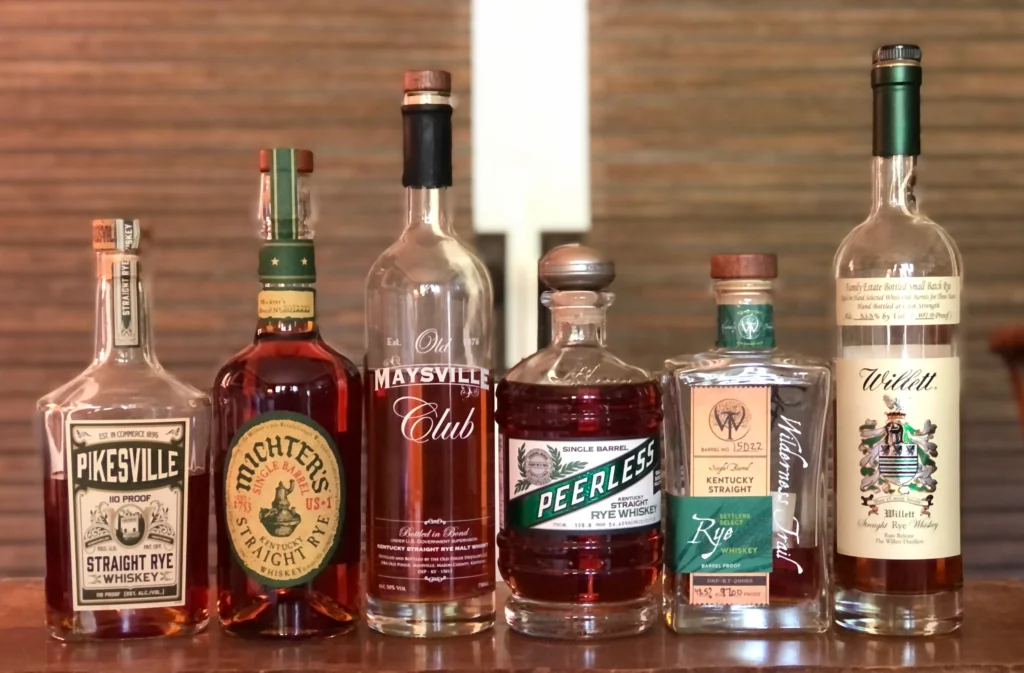
In recent years, however, rye whisky has experienced a revival. As whisky enthusiasts became more interested in exploring different styles and flavors, rye whisky began to gain traction again. Modern distillers have embraced rye’s rich history and unique flavor profile, bringing new and exciting expressions of rye whisky to market. As a result, rye whisky has found its place in the hearts of consumers who appreciate its complexity and boldness.
Why Rye Whisky Is Gaining Attention from Enthusiasts

Rye whisky’s resurgence is no accident. There are several factors contributing to its rising popularity among whisky enthusiasts, from changing tastes to an increasing interest in craft spirits. Let’s explore why rye whisky is so appealing to today’s discerning drinkers.

1. The Appeal of Craft and Authenticity
In the age of craft distilling and artisanal products, consumers are more interested in spirits that have a rich heritage and unique production methods. Rye whisky fits this mold perfectly. Many craft distilleries are returning to traditional techniques, using locally sourced rye and aging their whisky in a variety of cask types to create distinctive expressions. Rye whisky’s long history and strong cultural ties make it an appealing choice for those who appreciate authenticity and craftsmanship in their spirits.

2. The Desire for Bold, Complex Flavors
Whisky drinkers today are increasingly looking for more complex and adventurous flavors in their spirits. Rye whisky offers an exciting contrast to the sweeter, smoother flavors of bourbon, with its spicy kick, rich texture, and fruity notes. This bold flavor profile appeals to those who want a whisky with character and depth—something that can stand on its own or serve as the backbone for creative cocktails. The spice of rye whisky also makes it an excellent choice for mixing, particularly in classic cocktails like the Manhattan or Old Fashioned, where its intensity shines through.

3. The Growth of Whisky Culture
The rise in whisky culture over the past two decades has contributed to the growing interest in all types of whisky, including rye. Whisky tastings, festivals, and whisky clubs have provided enthusiasts with opportunities to explore different styles, including rye whisky. As more people experiment with rye, they discover its unique flavor profile and develop a deeper appreciation for it. The educational aspect of whisky culture has also made consumers more curious about rye’s history and production, fueling its popularity even further.

4. The Popularity of Classic Cocktails
Rye whisky is a key ingredient in several classic cocktails, such as the Manhattan, the Old Fashioned, and the Sazerac. With the resurgence of interest in craft cocktails and the resurgence of speakeasy-style bars, rye whisky has become a go-to spirit for bartenders and cocktail aficionados alike. Its versatility in cocktails, combined with its spicy, bold flavor, makes it an essential part of the modern cocktail scene.

Conclusion

Rye whisky’s recent surge in popularity is a testament to the spirit’s enduring appeal and its ability to offer something unique to whisky drinkers. From its spicy, bold flavor profile to its rich history in American distilling, rye whisky is a versatile and exciting choice for those seeking complexity and character in their glass. With the rise of craft distilling and an increasing interest in unique flavors, rye whisky is once again taking center stage in the world of grain spirits. Whether enjoyed neat, on the rocks, or in a classic cocktail, rye whisky is undoubtedly one of the hottest trends in the spirits industry today.


Tags: grain spiritsrye whiskeyrye whiskywhisky revival
ShareTweetShare

Related Posts

Grain Spirits and the Industrial Birth of Neutral Alcohol
Grain Spirits

The Future of Grain Spirits — AI Distillation, Sustainability, and the Post-Flavor Alcohol Industry

April 21, 2026
Grain Spirits and the Industrial Birth of Neutral Alcohol
Grain Spirits

Grain Spirits and Vodka Culture — Purity, Ritual, and the Social Psychology of Neutral Alcohol

April 21, 2026
Grain Spirits and the Industrial Birth of Neutral Alcohol
Grain Spirits

Inside a Grain Spirit Distillery — Continuous Flow, Steel Columns, and the Engineering of Neutrality

April 21, 2026
Grain Spirits and the Industrial Birth of Neutral Alcohol
Grain Spirits

The Global Map of Grain Spirits — How Different Cultures Define Purity in Alcohol

April 21, 2026
Grain Spirits and the Industrial Birth of Neutral Alcohol
Grain Spirits

Grain Spirits and the Industrial Birth of Neutral Alcohol

April 21, 2026
The Origins of Grain Spirits: Power, Society, and the Birth of Distilled Alcohol
Grain Spirits

The Future of Grain Spirits: Reinvention in an Age of Change

March 30, 2026
Leave Comment
  • Trending
  • Comments
  • Latest
Role of Terroir in Champagne Production

Role of Terroir in Champagne Production

January 19, 2026
Champagne Can Be Aged in Wood?

Champagne Can Be Aged in Wood?

January 18, 2026
Is Organic Wine Healthier Than Conventional Wine?

Is Organic Wine Healthier Than Conventional Wine?

January 20, 2026
Why Do Some Champagnes Use a High Proportion of Pinot Meunier?

Why Do Some Champagnes Use a High Proportion of Pinot Meunier?

January 20, 2026
The Timeless Elegance of Wine: A Journey Through History and Culture

The Timeless Elegance of Wine: A Journey Through History and Culture

Why Is Château Lafite Rothschild the Pinnacle of Fine Wine?

Why Is Château Lafite Rothschild the Pinnacle of Fine Wine?

How Did Château Lafite Rothschild Become a Global Icon of Luxury?

How Did Château Lafite Rothschild Become a Global Icon of Luxury?

What Makes Chateau Lafite Rothschild the Pinnacle of Bordeaux Wines?

What Makes Chateau Lafite Rothschild the Pinnacle of Bordeaux Wines?

Red Wine — The Liquid Expression of Land, Time, and Human Intention

The Future of Red Wine — Climate Change, Technology, and the Evolution of Taste

April 22, 2026
Red Wine — The Liquid Expression of Land, Time, and Human Intention

Red Wine and Human Culture — Rituals, Status, and the Psychology of Drinking

April 22, 2026
Red Wine — The Liquid Expression of Land, Time, and Human Intention

A Journey Through the World of Red Wine — Bordeaux, Tuscany, Napa, and Beyond

April 22, 2026
Red Wine — The Liquid Expression of Land, Time, and Human Intention

The Chemistry of Red Wine — Tannins, Acids, Phenolics, and Molecular Evolution

April 22, 2026
SipsavorLife

Welcome to our comprehensive beverage guide, where you can explore the fascinating world of alcoholic drinks. From exquisite wines and rich whiskeys to refreshing beers and sparkling champagnes, we provide insights, tips, and recommendations for enthusiasts and casual drinkers alike. Discover your next favorite libation with us!

© 2025 sipsavorlife.com. contacts:sipsavorlife-35376@gmail.com

No Result
View All Result
  • Home
  • Wine
  • Whiskey
  • Beer
  • Grain Spirits
  • Champagne
  • ALL

© 2025 sipsavorlife.com. contacts:sipsavorlife-35376@gmail.com

Welcome Back!

Login to your account below

Forgotten Password?

Retrieve your password

Please enter your username or email address to reset your password.

Log In





