

























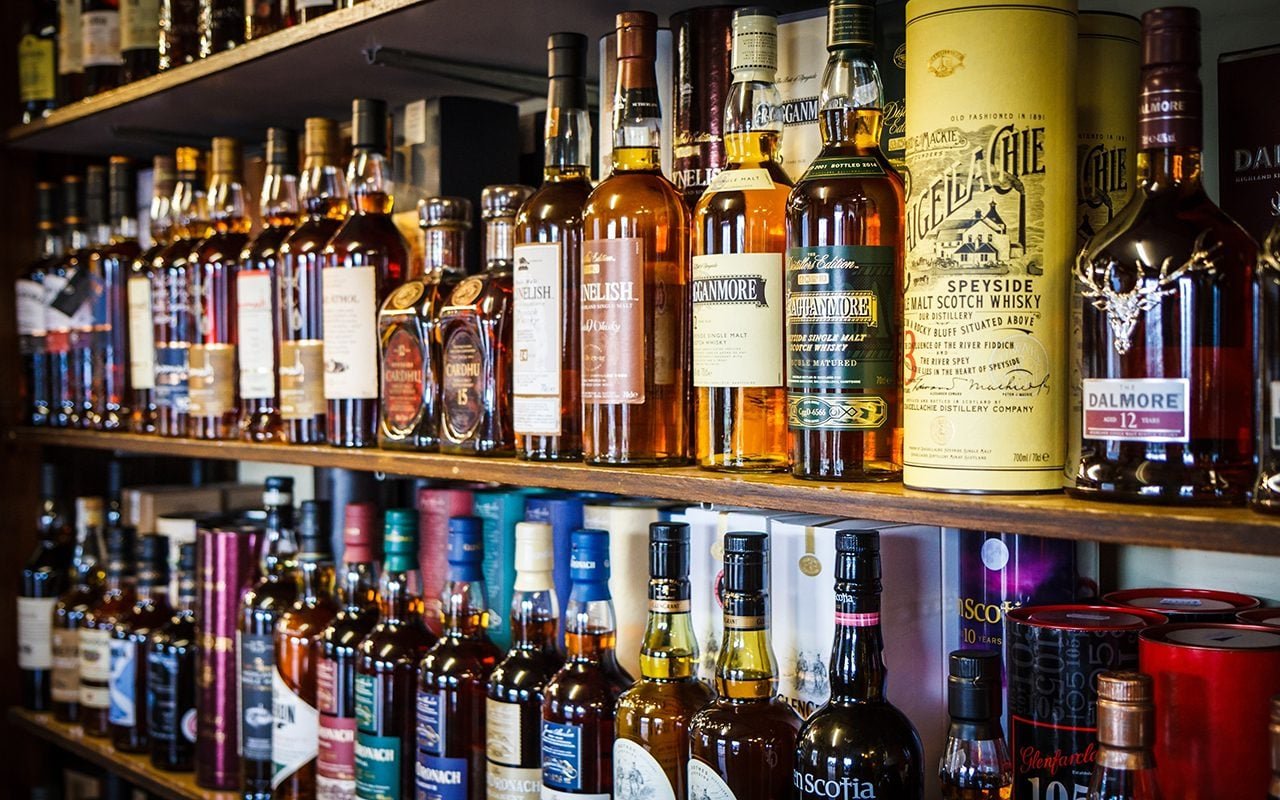
Whisky has always been a spirit shaped by time. Traditionally, that meant slow aging in oak barrels, generational knowledge passed through distilleries, and regional identities preserved over centuries. But today, whisky stands at the intersection of tradition and transformation.
The future of whisky is being shaped by forces far beyond the distillery: climate change, shifting consumer behavior, technological innovation, and globalization. These forces are not replacing tradition—they are redefining how it is interpreted and sustained.
This final article explores where whisky is heading, examining the trends, challenges, and innovations that will define its next chapter.
1. Climate Change and Its Impact on Whisky Production
Climate change is one of the most significant challenges facing the whisky industry.
Regions like Scotland, historically known for cool and stable climates, are experiencing:
- Rising temperatures
- Changing rainfall patterns
- Increased weather volatility
Impact on Barley
Barley quality is highly sensitive to climate conditions. Changes can affect:
- Sugar content
- Yield consistency
- Flavor development
Impact on Aging
Warmer temperatures accelerate maturation, altering:
- Interaction between spirit and wood
- Evaporation rates (“angel’s share”)
While faster aging may seem beneficial, it can disrupt the balance that defines traditional whisky profiles.
2. Sustainability as a Strategic Priority
Sustainability is no longer optional—it is central to the future of whisky.
Energy and Emissions
Distilleries are investing in:
- Renewable energy sources
- Carbon-neutral production
- Energy-efficient equipment
Water Management
Whisky production requires large amounts of water. Producers are focusing on:
- Conservation
- Recycling systems
- Responsible sourcing
Waste Reduction
Byproducts such as spent grain are being repurposed into:
- Animal feed
- Bioenergy
- Food products
Sustainability is becoming a key factor in both production and brand perception.
3. Innovation in Aging Techniques
Traditional whisky aging takes years, sometimes decades. Modern producers are exploring ways to innovate without compromising quality.
Accelerated Aging
Techniques include:
- Controlled temperature environments
- Increased surface contact with wood
- Experimental barrel designs
While controversial, these methods aim to:
- Reduce production time
- Increase efficiency
Alternative Wood Types
Beyond traditional oak, distillers are experimenting with:
- Different oak species
- Previously used barrels (wine, sherry, rum)
- Custom toasting and charring levels
These innovations expand flavor possibilities.
4. Technology and Data-Driven Distilling
Technology is transforming whisky production.
Smart Distilleries
Advanced systems monitor:
- Fermentation conditions
- Distillation parameters
- Aging environments
Artificial Intelligence
AI is being used for:
- Flavor prediction
- Quality control
- Consumer preference analysis
Technology enhances precision while allowing for more experimentation.
5. The Rise of New Whisky Regions
Whisky is no longer dominated solely by traditional regions.
Emerging producers in:
- India
- Taiwan
- Australia
Are gaining international recognition.
These regions offer:
- Unique climates
- Innovative techniques
- Distinct flavor profiles
Global diversity is expanding the definition of whisky.
6. Premiumization and Luxury Markets
The whisky industry is experiencing strong growth in premium and ultra-premium segments.
Consumers are increasingly seeking:
- Aged expressions
- Limited releases
- High-quality craftsmanship
Rare bottles have become:
- Collectible assets
- Investment opportunities
Luxury whisky is no longer niche—it is a major market force.
7. Changing Consumer Demographics
The whisky audience is evolving.
Younger Consumers
- More open to experimentation
- Less bound by tradition
- Interested in storytelling and brand values
Greater Diversity
The industry is becoming more inclusive, with:
- Broader representation
- New cultural influences
- Expanded marketing approaches
These shifts are reshaping how whisky is positioned and consumed.
8. The Influence of Craft Distilling
Small, independent distilleries are playing an increasingly important role.
They focus on:
- Innovation
- Local ingredients
- Unique production methods
Craft distillers often:
- Experiment more freely
- Challenge industry norms
- Create niche products
This movement mirrors the earlier craft revolution seen in beer.
9. Transparency and Traceability
Modern consumers demand more information about what they drink.
They want to know:
- Ingredient sourcing
- Production methods
- Aging details
Producers are responding with:
- Detailed labeling
- Open communication
- Authentic storytelling
Transparency builds trust and brand loyalty.
10. Digital Transformation and Direct Engagement
Digital platforms are reshaping the whisky market.
E-commerce
- Direct-to-consumer sales
- Global accessibility
Online Communities
- Reviews and ratings
- Virtual tastings
- Educational content
Digital engagement makes whisky more interactive and accessible.
11. Competition from Other Spirits
Whisky faces competition from:
- Craft gin
- Premium tequila
- Rum innovation
These categories offer:
- Fresh flavor experiences
- Faster production cycles
- Strong marketing appeal
Whisky must continue evolving to remain competitive.
12. The Balance Between Tradition and Innovation
One of the central tensions in whisky’s future is balance.
Producers must:
- Preserve heritage
- Embrace innovation
- Adapt to new conditions
Too much change risks losing identity. Too little risks stagnation.
13. Regulatory Evolution
Whisky regulations are strict, but may evolve over time.
Potential changes include:
- New definitions of aging
- Acceptance of alternative techniques
- Expansion of recognized regions
Regulation will play a key role in shaping the industry’s future.
14. Experience-Driven Consumption
The future of whisky is not just about the product—it’s about the experience.
Consumers are seeking:
- Distillery visits
- Interactive tastings
- Story-driven brands
Whisky is becoming part of a broader lifestyle experience.
15. A More Connected Whisky World
Globalization is connecting whisky cultures.
Producers collaborate across regions, share techniques, and influence each other’s styles.
This leads to:
- Hybrid expressions
- Cross-cultural innovation
- Greater diversity
The whisky world is becoming more interconnected than ever.
Conclusion: A Spirit in Transition
The future of whisky is dynamic, shaped by forces that extend far beyond the distillery. Climate change, technology, consumer behavior, and globalization are all redefining what whisky can be.
Yet, despite these changes, whisky’s core identity remains rooted in time, craftsmanship, and transformation.
The challenge—and opportunity—for the industry is to evolve without losing its essence. To innovate without abandoning tradition. To meet the demands of the future while honoring the legacy of the past.
Whisky has always been a spirit shaped by change. And as it moves forward, it will continue to adapt, expand, and redefine itself—one barrel, one innovation, and one generation at a time.