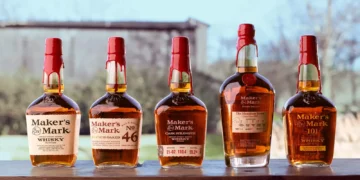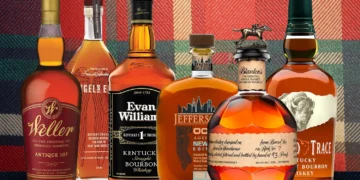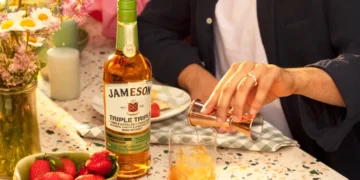














Whisky is not just something you drink—it is something you experience. Across the world, whisky has evolved into a cultural symbol that extends far beyond the liquid itself. It encompasses rituals, social behaviors, aesthetics, personal identity, and even philosophy.
From quiet contemplation with a single dram to lively gatherings in urban whisky bars, whisky culture is remarkably diverse. It bridges tradition and modernity, craftsmanship and lifestyle, individuality and community.
This article explores whisky culture in depth: how people drink whisky, how they interpret it, and how it has become embedded in contemporary lifestyles around the globe.
1. The Ritual of Pouring and Drinking Whisky
Unlike many beverages, whisky often comes with intentional rituals.
A typical experience might include:
- Selecting the bottle carefully
- Pouring a measured amount into a glass
- Observing the color
- Swirling gently
- Inhaling the aroma before tasting
These actions slow down the moment, encouraging mindfulness.
The ritual itself transforms whisky from consumption into appreciation.
2. The Whisky Glass: Form Meets Function
The choice of glass significantly influences the tasting experience.
Common types include:
- Tumbler (Old Fashioned Glass)
Wide and sturdy, often used for casual drinking or cocktails - Tulip-shaped glass (Glencairn style)
Narrow opening concentrates aromas, ideal for tasting
The shape affects:
- Aroma concentration
- Evaporation of alcohol
- Overall sensory perception
Serious enthusiasts often favor glasses designed specifically for nosing.
3. Neat, With Water, or On the Rocks?
One of the most debated aspects of whisky culture is how it should be consumed.
Neat
- Whisky served without dilution
- Offers the purest expression of flavor
With Water
- A few drops can open up aromas
- Reduces alcohol intensity
- Enhances complexity
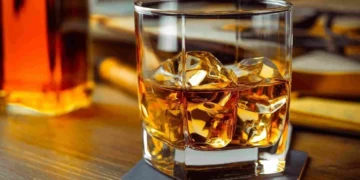
On the Rocks
- Ice cools and dilutes the whisky
- Creates a smoother, more refreshing experience
There is no universally “correct” method—preference is personal.
4. The Art of Tasting Whisky
Whisky tasting is a structured sensory process.
Visual Examination
- Color indicates aging and cask influence
Nosing
- Identifying aromas (fruit, spice, smoke, wood)
Palate
- Flavor development on the tongue
Finish
- Aftertaste and its duration
This process transforms drinking into analysis, engaging multiple senses.
5. Flavor Language and Interpretation
Describing whisky is an art in itself.
Common descriptors include:
- Fruity (apple, citrus, dried fruit)
- Spicy (pepper, cinnamon)
- Smoky (peat, ash)
- Sweet (vanilla, caramel)
Tasting notes are subjective, influenced by:
- Memory
- Culture
- Personal experience
Two people can taste the same whisky and describe it completely differently.
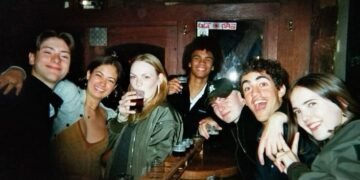
6. Whisky and Social Interaction
Whisky often plays a role in social bonding.
It is:
- Shared among friends
- Used in business settings
- Central to tasting events
Unlike fast-consumption drinks, whisky encourages:
- Conversation
- Reflection
- Connection
It creates space for interaction rather than distraction.
7. Whisky Bars and Modern Urban Culture
Whisky bars have become important cultural spaces.
They offer:
- Curated selections
- Expert guidance
- Atmospheric environments
In cities like Tokyo and New York City, whisky bars blend tradition with modern design, attracting both enthusiasts and newcomers.
8. Collecting Whisky: Passion and Investment
Whisky collecting has grown significantly in recent years.
Collectors seek:
- Rare bottles
- Limited editions
- Vintage releases
Motivations include:
- Personal enjoyment
- Cultural appreciation
- Financial investment
Some bottles have become highly valuable, turning whisky into a collectible asset.
9. Whisky as Personal Identity
Preferences in whisky often reflect personal identity.
Choices may signal:
- Taste sophistication
- Cultural awareness
- Lifestyle preferences
For some, whisky becomes part of self-expression—similar to fashion or music.
10. The Role of Tradition
Whisky culture is deeply rooted in tradition.
In Scotland and Ireland, whisky is tied to:
- Heritage
- Local pride
- Generational knowledge
Traditional methods and rituals continue to shape how whisky is perceived and consumed.
11. Modern Influences and Changing Norms
While tradition remains important, whisky culture is evolving.
Changes include:
- Younger audiences entering the market
- More diverse consumer demographics
- New drinking styles and preferences
Whisky is no longer confined to a single image or audience.
12. Whisky and Food Pairing
Pairing whisky with food is becoming increasingly popular.
Examples include:
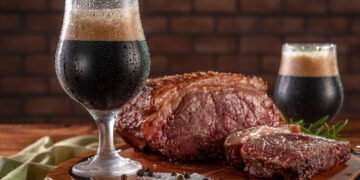
- Smoky whisky with grilled meats
- Sweet bourbon with desserts
- Light whisky with seafood
Pairing enhances both the drink and the meal, creating a richer experience.
13. Events, Tastings, and Festivals
Whisky culture is celebrated through events.
These include:
- Tasting sessions
- Distillery tours
- International whisky festivals
Such events provide:
- Education
- Community
- Exposure to new styles
They play a key role in expanding whisky appreciation.
14. Digital Communities and Influence
Online platforms have transformed whisky culture.
Enthusiasts now:
- Share reviews
- Discuss tasting notes
- Discover new releases
Digital communities make whisky more accessible and interactive.
15. The Philosophy of Whisky Appreciation
At its core, whisky culture is about appreciation.
It encourages:
- Slowing down
- Paying attention to detail
- Valuing craftsmanship
In a fast-paced world, whisky offers a moment of pause.
Conclusion: More Than a Drink
Whisky culture extends far beyond the glass. It is a blend of ritual, community, identity, and experience. It bridges past and present, connecting traditional craftsmanship with modern lifestyles.
Whether enjoyed alone in quiet reflection or shared among friends, whisky carries meaning. It invites exploration, conversation, and appreciation.
And as whisky continues to evolve globally, its culture will grow with it—becoming more diverse, more inclusive, and more dynamic.
But at its heart, one thing remains unchanged: whisky is not just something to drink. It is something to experience.