Whisky is a global language spoken with distinct regional accents. While the core principles of whisky-making remain consistent—grain, fermentation, distillation, and aging—the expression of these elements varies dramatically across different parts of the world. Geography, climate, cultural philosophy, and regulation all shape how whisky is made and how it tastes.
Understanding global whisky styles is essential for appreciating the diversity within this category. From the smoky coasts of Scotland to the oak-rich warehouses of Kentucky, from the precision-driven distilleries of Japan to emerging whisky regions across Asia and beyond, each style tells a unique story.
This article explores the major whisky styles around the world, examining what defines them and how they differ.
1. Scotch Whisky: Tradition and Regional Identity
Scotch whisky is one of the most influential whisky categories in the world, governed by strict regulations and deeply tied to geography.
Key Characteristics
- Must be produced and aged in Scotland
- Aged for a minimum of three years
- Typically made from malted barley or grain blends
Major Scotch Regions
Each region produces distinct flavor profiles:
Speyside
- Fruity, elegant, balanced
- Notes of apple, honey, vanilla
Highlands
- Diverse styles
- From light floral to rich and spicy
Islay
- Heavily peated
- Smoky, medicinal, maritime
Lowlands
- Light, delicate, approachable
Campbeltown
- Briny, complex, slightly oily
Single Malt vs Blended Scotch
- Single Malt: Made from malted barley at one distillery
- Blended Scotch: Combination of multiple malt and grain whiskies
Blended Scotch dominates global sales, while single malts are prized for individuality.
2. Irish Whiskey: Smoothness and Approachability
Irish whiskey has experienced a major revival in recent decades.
Key Traits
- Often triple-distilled
- Smooth, light, and approachable
- Less emphasis on peat
Produced in Ireland, Irish whiskey tends to focus on balance and drinkability.
Styles of Irish Whiskey
- Single Malt: 100% malted barley
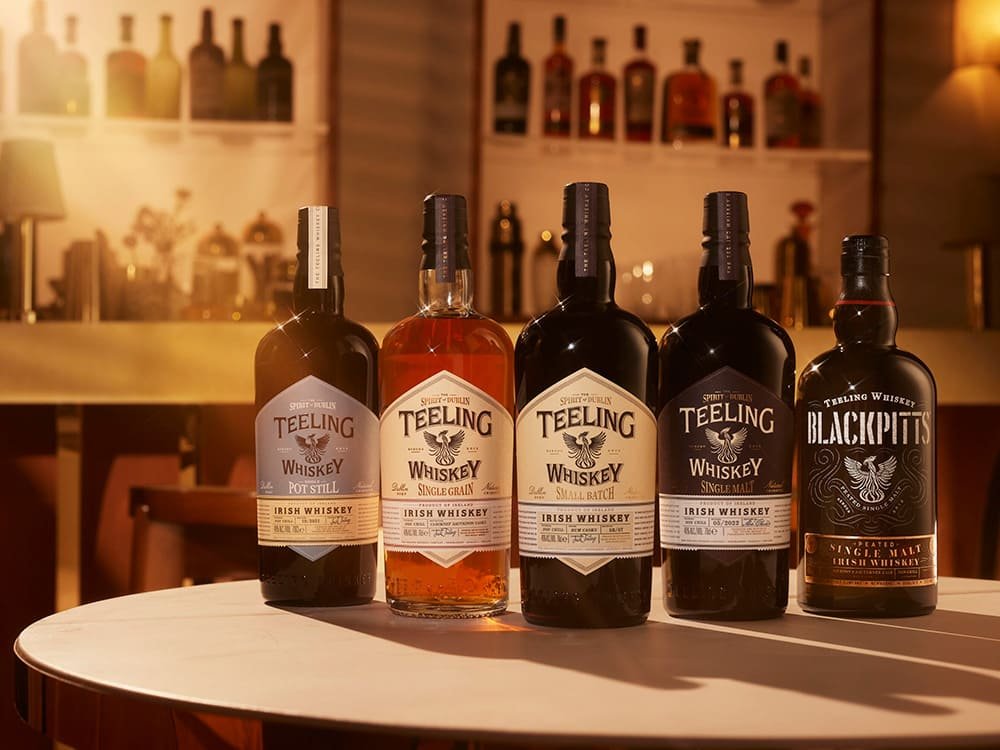
- Single Pot Still: Unique to Ireland, using both malted and unmalted barley
- Blended: Combination of different types
Irish whiskey is often recommended for beginners due to its smooth profile.
3. American Whiskey: Boldness and Regulation
American whiskey is defined by clear legal standards and bold flavor profiles.
Bourbon
Primarily produced in Kentucky.
Requirements:
- At least 51% corn
- Aged in new charred oak barrels
- Distilled to specific proof levels
Flavor profile:
- Sweet
- Notes of vanilla, caramel, oak
Bourbon is rich, full-bodied, and widely popular.
Rye Whiskey
- At least 51% rye grain
- Spicier and drier than bourbon
Flavor profile:
- Peppery
- Herbal
- More aggressive
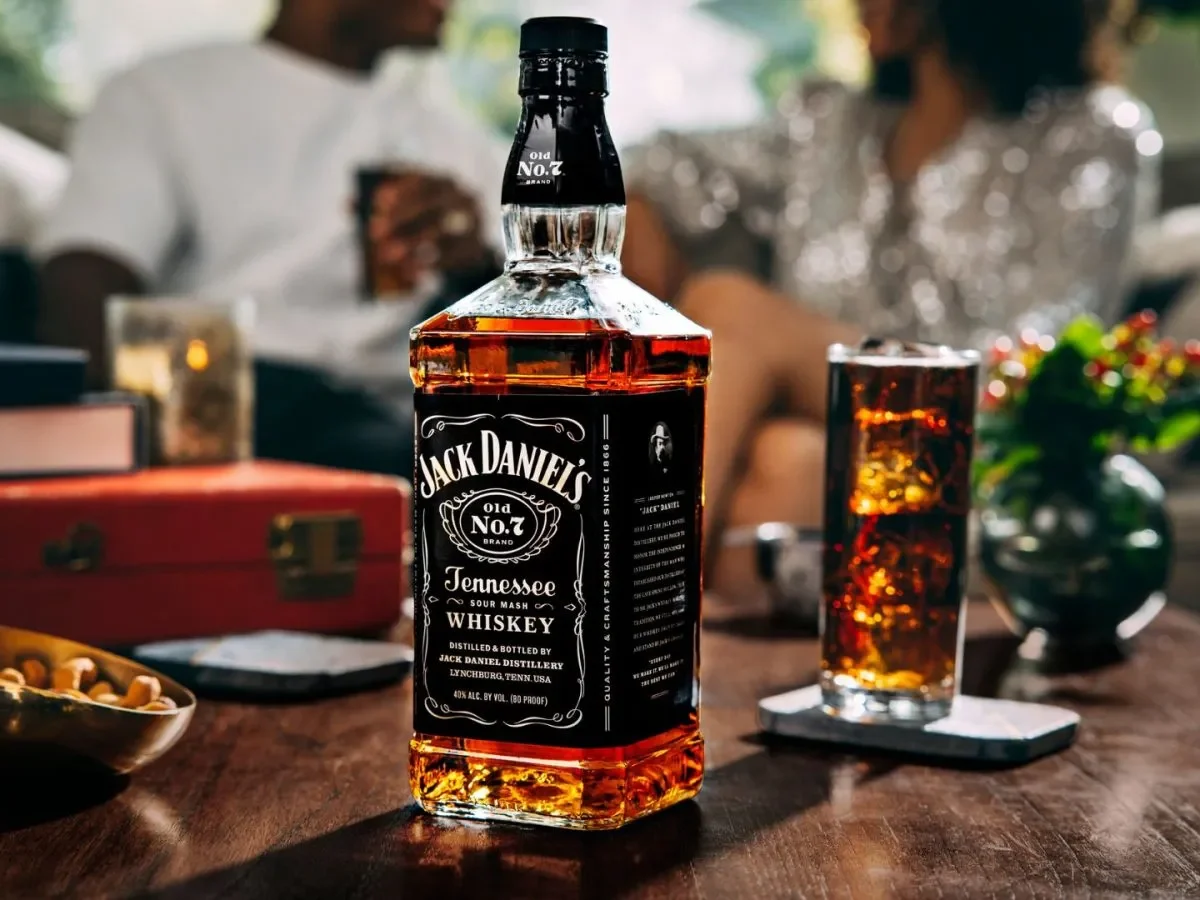
Tennessee Whiskey
A subcategory of American whiskey, filtered through charcoal before aging.
This process creates:
- Smoothness
- Subtle sweetness
4. Japanese Whisky: Precision and Balance
Japanese whisky is often inspired by Scotch, but has developed its own identity.
Produced in Japan, it emphasizes:
- Precision
- Harmony
- Subtlety
Characteristics
- Clean, refined flavors
- Balanced profiles
- Attention to detail
Japanese distillers often produce a wide variety of styles within a single company, reducing reliance on external blending.
5. Canadian Whisky: Lightness and Versatility
Canadian whisky is known for its smooth and approachable nature.
Produced in Canada, it typically features:
- Light body
- Mild sweetness
- Blended composition
Rye is often used, but the term “rye whisky” in Canada does not necessarily indicate high rye content.
6. Emerging Whisky Regions
Whisky is no longer limited to traditional regions.
India
One of the largest whisky markets in the world.
Characteristics:
- Rapid aging due to warm climate
- Bold, intense flavors
Taiwan
A rising star in whisky production.
Features:
- Tropical aging conditions
- Fast maturation
- Rich, fruit-forward profiles
Australia and Europe
New distilleries are experimenting with:
- Local grains
- Unique climates
- Innovative techniques
7. Climate and Its Impact on Style
Climate plays a major role in whisky development.
- Cool climates → slower aging, subtle complexity
- Warm climates → faster aging, stronger wood influence
This is why whiskies from different regions taste so distinct.
8. The Influence of Wood and Aging Practices
Different regions favor different barrel types:
- Scotch: often uses ex-bourbon or sherry casks
- Bourbon: new charred oak
- Japanese: variety of casks, including rare woods
Wood choice significantly shapes flavor.
9. Cultural Philosophy Behind Styles
Each whisky-producing region reflects a cultural mindset:
- Scotland: tradition and heritage
- Ireland: accessibility and smoothness
- United States: boldness and innovation
- Japan: precision and harmony
These philosophies influence both production and perception.
10. Globalization and Hybrid Styles
Modern whisky is increasingly global.
Distillers now:
- Share techniques
- Source barrels internationally
- Experiment with cross-style production
This has led to hybrid whiskies that blur traditional boundaries.
11. Consumer Preferences and Style Popularity
Different markets favor different styles:
- Asia: growing demand for premium and aged whisky
- United States: strong bourbon culture
- Europe: appreciation for traditional Scotch
Global demand continues to shape production trends.
12. The Role of Regulation
Regulations define what can legally be called a specific whisky.
Examples:
- Scotch must be made in Scotland
- Bourbon must meet strict grain and aging requirements
These rules protect authenticity but also limit flexibility.
13. Single Cask and Limited Editions
Premium whisky markets emphasize uniqueness.
Single cask releases offer:
- One-of-a-kind flavor
- Limited availability
- High collectibility
These products appeal to enthusiasts and collectors.
14. Whisky as a Global Identity
Whisky has become a cultural symbol worldwide.
It represents:
- Craftsmanship
- Heritage
- Personal taste
Different styles allow individuals to express preferences and identity.
15. A World of Diversity
The diversity of whisky styles is one of its greatest strengths.
From smoky to sweet, light to intense, traditional to experimental, whisky offers a spectrum of experiences unmatched by most spirits.
Conclusion: One Spirit, Many Voices
Whisky is a global category defined by diversity. Each region contributes its own interpretation, shaped by environment, tradition, and innovation.
Understanding these styles transforms whisky from a simple drink into a journey—one that crosses continents, cultures, and philosophies.
Whether you prefer the smoky intensity of Scotch, the sweetness of bourbon, the smoothness of Irish whiskey, or the precision of Japanese whisky, each glass offers a different perspective.
And as new regions continue to emerge, the story of whisky is expanding—becoming richer, more complex, and more interconnected than ever before.