











Opening Insight: Why Champagne Feels Different
There is something undeniably different about Champagne. People don’t open it randomly on a Tuesday afternoon (at least, not usually). It is reserved, anticipated, almost ceremonial. Even before the first sip, Champagne carries meaning.
But why?
Why does Champagne feel more special than other drinks—even other sparkling wines? Why does its presence immediately elevate a moment? And why are people willing to pay a premium for it, even when blind taste tests sometimes show minimal differences?
The answer lies not in the liquid itself, but in the psychology surrounding it. Champagne is one of the clearest examples of how consumption is driven not just by function or flavor, but by emotion, identity, and social signaling.
This article explores the deeper psychological forces that make Champagne one of the most powerful symbols in modern consumer culture.
Part I — Champagne as a Symbol, Not a Product
1. From Utility to Meaning
Most products begin with a functional purpose. Champagne did not stay there.
- It is not the most efficient alcoholic drink
- It is not the cheapest
- It is not the easiest to produce
Yet it dominates moments of celebration.
Why? Because Champagne has transitioned from utility → symbolism.
It represents:
- Achievement
- Joy
- Transition
- Success
When people buy Champagne, they are not just buying a beverage—they are buying a moment.
2. The Power of Association
Over time, Champagne has been consistently linked to:
- Weddings
- Promotions
- Luxury travel
- High-status environments
These repeated associations create a psychological shortcut:
Champagne = something important is happening
This is known as associative conditioning, and it is incredibly powerful.
Part II — Luxury Psychology: Why Expensive Feels Better
1. Price as a Signal
In luxury markets, price is not just a barrier—it is a signal.
Higher price communicates:
- Quality
- Exclusivity
- Status
Champagne benefits from this dynamic. Its cost reinforces its perception as something special.
2. The Expectation Effect
Research shows that when people believe something is expensive, they often perceive it as better—even if it is identical.
This is called the expectation effect.
With Champagne:
- Elegant packaging
- Cultural reputation
- High price
All combine to enhance the experience before tasting even begins.
Part III — Ritual and Emotional Amplification
1. The Ritual of Opening
Champagne is not consumed passively—it is performed.
- The cork pop
- The rising bubbles
- The careful pouring
These elements create anticipation and excitement.
Rituals amplify emotional experiences. They make moments feel more significant and memorable.
2. Marking Transitions
Humans use rituals to mark change:
- End of a year
- Beginning of a marriage
- Completion of a goal
Champagne has become a tool for these transitions.
It signals:
“This moment matters.”
Part IV — Social Status and Signaling
1. Visible Consumption
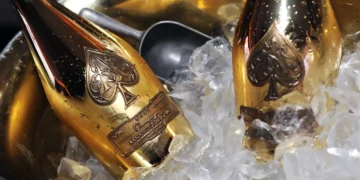
Champagne is a highly visible product.
- Distinctive bottle shape
- Recognizable labels
- Public consumption settings
This makes it ideal for status signaling.
2. The Language of Luxury
Ordering or serving Champagne can communicate:
- Financial capability
- Cultural knowledge
- Social confidence
Even without words, it sends a message.
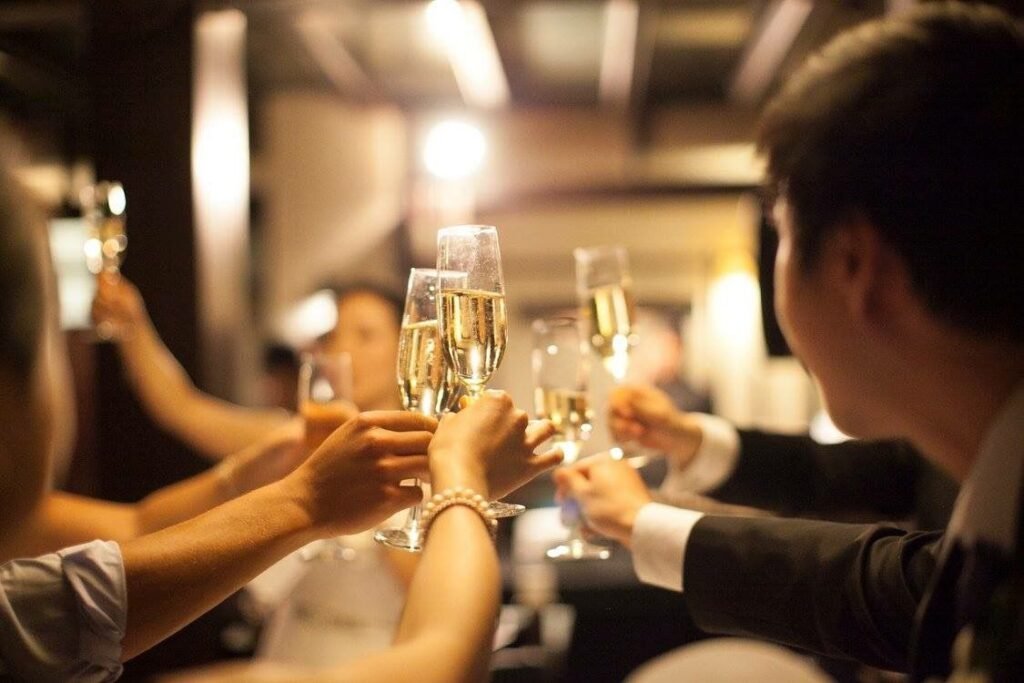
3. Group Dynamics
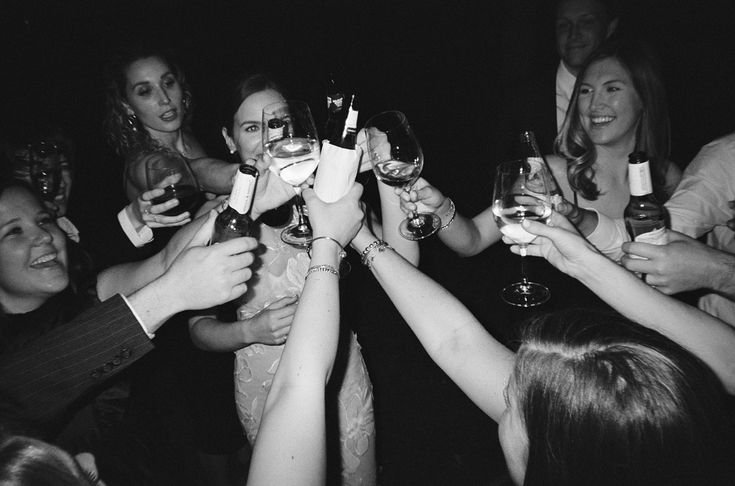
In social settings, Champagne often functions as a shared symbol:
- Buying a bottle for the table
- Celebrating collectively
- Creating a group identity
It reinforces belonging while also signaling status.
Part V — Emotional Consumption in the Modern Era
1. From Need to Feeling
Modern consumers are driven less by necessity and more by emotion.
Champagne fits perfectly into this shift:
- It is rarely needed
- It is deeply desired
People use it to create feelings:
- Happiness
- Pride
- Celebration
2. The “Reward Yourself” Culture
In today’s fast-paced world, small rewards have become important.
Champagne represents:
- A break from routine
- A self-acknowledged achievement
- A moment of indulgence
It is a form of emotional self-regulation.
Part VI — Social Media and the Reinvention of Champagne
1. Visual Luxury
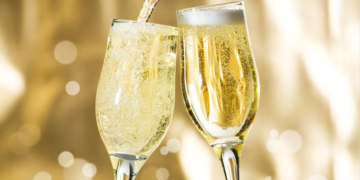
Champagne is highly photogenic:
- Golden color
- Elegant glassware
- Association with beautiful environments
It fits perfectly into social media culture.
2. Curated Identity
Posting Champagne is not just about the drink—it is about identity.
It communicates:
- Lifestyle
- Taste
- Success
Champagne becomes part of personal branding.
Part VII — The Paradox of Accessibility
1. Luxury That Is Reachable
Unlike yachts or luxury cars, Champagne is relatively accessible.
- It is expensive, but not unattainable
- It allows people to “touch” luxury
This makes it psychologically powerful.
2. Occasional Indulgence
Because it is not consumed daily, Champagne retains its special status.
Scarcity—whether real or self-imposed—enhances value.
Part VIII — Changing Attitudes: A New Generation
1. Less Formal, More Personal
Younger consumers are redefining Champagne:
- Less tied to tradition
- More integrated into lifestyle
- Used in new contexts
2. Meaning Over Status
While status still matters, there is a shift toward:
- Authentic experiences
- Personal milestones
- Emotional significance
Champagne remains relevant by adapting its meaning.
Part IX — The Dual Nature of Champagne
Champagne operates on two psychological levels:
| Functional | Symbolic |
|---|---|
| Sparkling wine | Celebration |
| Alcoholic drink | Success marker |
| Product | Experience |
Its power comes from combining both.
Conclusion: The Real Reason We Love Champagne
Champagne is not the most practical drink, nor the most necessary.
But it may be one of the most meaningful.
Its value lies in what it represents:
- Achievement
- Joy
- Connection
- Aspiration
It transforms ordinary moments into memorable ones, not because of its ingredients, but because of its meaning.
And in a world where experiences matter more than ever, that meaning is everything.
Because when we open Champagne, we are not just celebrating the moment.
We are creating it.