














SipsavorLife
  • Home
  • Wine
    Wine Pairings: Can They Change the Flavor Profile of a Dish?

    Wine Pairings: Can They Change the Flavor Profile of a Dish?

    How Do Wine Glasses Influence the Tasting Experience?

    How Do Wine Glasses Influence the Tasting Experience?

    Is Organic Wine Healthier Than Conventional Wine?

    Is Organic Wine Healthier Than Conventional Wine?

    Why Do Some Wines Taste Better from Specific Vintages?

    Why Do Some Wines Taste Better from Specific Vintages?

    Wine Tasting: Can It Truly Be an Art Form?

    Wine Tasting: Can It Truly Be an Art Form?

    What Does Terroir Actually Mean for Your Wine?

    What Does Terroir Actually Mean for Your Wine?

  • Whiskey
    Can Beer Be an Effective Ingredient in Culinary Cooking?

    Can Beer Be an Effective Ingredient in Culinary Cooking?

    Second Fermentation in Champagne: Is It Really That Crucial?

    Second Fermentation in Champagne: Is It Really That Crucial?

    How Do Different Grains Impact the Flavor Profile of Distilled Spirits?

    How Do Different Grains Impact the Flavor Profile of Distilled Spirits?

    How Do Whiskey Master Blenders Create Perfection?

    How Do Whiskey Master Blenders Create Perfection?

    Wine Pairings: Can They Change the Flavor Profile of a Dish?

    Wine Pairings: Can They Change the Flavor Profile of a Dish?

    Beer the Ultimate Beverage for Pairing with Spicy Food?

    Beer the Ultimate Beverage for Pairing with Spicy Food?

  • Beer
    Can Beer Be an Effective Ingredient in Culinary Cooking?

    Can Beer Be an Effective Ingredient in Culinary Cooking?

    Beer the Ultimate Beverage for Pairing with Spicy Food?

    Beer the Ultimate Beverage for Pairing with Spicy Food?

    How Did Ancient Civilizations Brew Beer Without Modern Technology?

    How Did Ancient Civilizations Brew Beer Without Modern Technology?

    Is It Possible to Brew a Beer with No Alcohol and No Compromise on Taste?

    Is It Possible to Brew a Beer with No Alcohol and No Compromise on Taste?

    Why Does Beer Taste Different at High Altitudes?

    Why Does Beer Taste Different at High Altitudes?

    Is Hops the Secret Ingredient Behind Beer’s Bold Flavor?

    Is Hops the Secret Ingredient Behind Beer’s Bold Flavor?

  • Grain Spirits
    How Do Different Grains Impact the Flavor Profile of Distilled Spirits?

    How Do Different Grains Impact the Flavor Profile of Distilled Spirits?

    Grain Spirits the Unsung Heroes of Modern Mixology

    Grain Spirits the Unsung Heroes of Modern Mixology

    What Makes Grain-Based Whiskey So Different from Its Peated Cousins?

    What Makes Grain-Based Whiskey So Different from Its Peated Cousins?

    Grain Spirits: Could They Be the Next Big Trend in Craft Cocktails?

    Grain Spirits: Could They Be the Next Big Trend in Craft Cocktails?

    Why Are Grain Spirits Often Overlooked in the World of Fine Liquor?

    Why Are Grain Spirits Often Overlooked in the World of Fine Liquor?

    Is There a Secret Art to Distilling Grain Spirits?

    Is There a Secret Art to Distilling Grain Spirits?

  • Champagne
    Second Fermentation in Champagne: Is It Really That Crucial?

    Second Fermentation in Champagne: Is It Really That Crucial?

    The Science Behind the ‘Bubble Size’ in Champagne

    The Science Behind the ‘Bubble Size’ in Champagne

    Why Do Some Champagnes Use a High Proportion of Pinot Meunier?

    Why Do Some Champagnes Use a High Proportion of Pinot Meunier?

    Role of Terroir in Champagne Production

    Role of Terroir in Champagne Production

    Champagne Can Be Aged in Wood?

    Champagne Can Be Aged in Wood?

    Is There a Difference Between Blanc de Blancs and Blanc de Noirs Champagne?

    Is There a Difference Between Blanc de Blancs and Blanc de Noirs Champagne?

  • ALL
    Can Beer Be an Effective Ingredient in Culinary Cooking?

    Can Beer Be an Effective Ingredient in Culinary Cooking?

    Second Fermentation in Champagne: Is It Really That Crucial?

    Second Fermentation in Champagne: Is It Really That Crucial?

    How Do Different Grains Impact the Flavor Profile of Distilled Spirits?

    How Do Different Grains Impact the Flavor Profile of Distilled Spirits?

    How Do Whiskey Master Blenders Create Perfection?

    How Do Whiskey Master Blenders Create Perfection?

    Wine Pairings: Can They Change the Flavor Profile of a Dish?

    Wine Pairings: Can They Change the Flavor Profile of a Dish?

    Beer the Ultimate Beverage for Pairing with Spicy Food?

    Beer the Ultimate Beverage for Pairing with Spicy Food?

SipsavorLife
  • Home
  • Wine
    Wine Pairings: Can They Change the Flavor Profile of a Dish?

    Wine Pairings: Can They Change the Flavor Profile of a Dish?

    How Do Wine Glasses Influence the Tasting Experience?

    How Do Wine Glasses Influence the Tasting Experience?

    Is Organic Wine Healthier Than Conventional Wine?

    Is Organic Wine Healthier Than Conventional Wine?

    Why Do Some Wines Taste Better from Specific Vintages?

    Why Do Some Wines Taste Better from Specific Vintages?

    Wine Tasting: Can It Truly Be an Art Form?

    Wine Tasting: Can It Truly Be an Art Form?

    What Does Terroir Actually Mean for Your Wine?

    What Does Terroir Actually Mean for Your Wine?

  • Whiskey
    Can Beer Be an Effective Ingredient in Culinary Cooking?

    Can Beer Be an Effective Ingredient in Culinary Cooking?

    Second Fermentation in Champagne: Is It Really That Crucial?

    Second Fermentation in Champagne: Is It Really That Crucial?

    How Do Different Grains Impact the Flavor Profile of Distilled Spirits?

    How Do Different Grains Impact the Flavor Profile of Distilled Spirits?

    How Do Whiskey Master Blenders Create Perfection?

    How Do Whiskey Master Blenders Create Perfection?

    Wine Pairings: Can They Change the Flavor Profile of a Dish?

    Wine Pairings: Can They Change the Flavor Profile of a Dish?

    Beer the Ultimate Beverage for Pairing with Spicy Food?

    Beer the Ultimate Beverage for Pairing with Spicy Food?

  • Beer
    Can Beer Be an Effective Ingredient in Culinary Cooking?

    Can Beer Be an Effective Ingredient in Culinary Cooking?

    Beer the Ultimate Beverage for Pairing with Spicy Food?

    Beer the Ultimate Beverage for Pairing with Spicy Food?

    How Did Ancient Civilizations Brew Beer Without Modern Technology?

    How Did Ancient Civilizations Brew Beer Without Modern Technology?

    Is It Possible to Brew a Beer with No Alcohol and No Compromise on Taste?

    Is It Possible to Brew a Beer with No Alcohol and No Compromise on Taste?

    Why Does Beer Taste Different at High Altitudes?

    Why Does Beer Taste Different at High Altitudes?

    Is Hops the Secret Ingredient Behind Beer’s Bold Flavor?

    Is Hops the Secret Ingredient Behind Beer’s Bold Flavor?

  • Grain Spirits
    How Do Different Grains Impact the Flavor Profile of Distilled Spirits?

    How Do Different Grains Impact the Flavor Profile of Distilled Spirits?

    Grain Spirits the Unsung Heroes of Modern Mixology

    Grain Spirits the Unsung Heroes of Modern Mixology

    What Makes Grain-Based Whiskey So Different from Its Peated Cousins?

    What Makes Grain-Based Whiskey So Different from Its Peated Cousins?

    Grain Spirits: Could They Be the Next Big Trend in Craft Cocktails?

    Grain Spirits: Could They Be the Next Big Trend in Craft Cocktails?

    Why Are Grain Spirits Often Overlooked in the World of Fine Liquor?

    Why Are Grain Spirits Often Overlooked in the World of Fine Liquor?

    Is There a Secret Art to Distilling Grain Spirits?

    Is There a Secret Art to Distilling Grain Spirits?

  • Champagne
    Second Fermentation in Champagne: Is It Really That Crucial?

    Second Fermentation in Champagne: Is It Really That Crucial?

    The Science Behind the ‘Bubble Size’ in Champagne

    The Science Behind the ‘Bubble Size’ in Champagne

    Why Do Some Champagnes Use a High Proportion of Pinot Meunier?

    Why Do Some Champagnes Use a High Proportion of Pinot Meunier?

    Role of Terroir in Champagne Production

    Role of Terroir in Champagne Production

    Champagne Can Be Aged in Wood?

    Champagne Can Be Aged in Wood?

    Is There a Difference Between Blanc de Blancs and Blanc de Noirs Champagne?

    Is There a Difference Between Blanc de Blancs and Blanc de Noirs Champagne?

  • ALL
    Can Beer Be an Effective Ingredient in Culinary Cooking?

    Can Beer Be an Effective Ingredient in Culinary Cooking?

    Second Fermentation in Champagne: Is It Really That Crucial?

    Second Fermentation in Champagne: Is It Really That Crucial?

    How Do Different Grains Impact the Flavor Profile of Distilled Spirits?

    How Do Different Grains Impact the Flavor Profile of Distilled Spirits?

    How Do Whiskey Master Blenders Create Perfection?

    How Do Whiskey Master Blenders Create Perfection?

    Wine Pairings: Can They Change the Flavor Profile of a Dish?

    Wine Pairings: Can They Change the Flavor Profile of a Dish?

    Beer the Ultimate Beverage for Pairing with Spicy Food?

    Beer the Ultimate Beverage for Pairing with Spicy Food?

SipsavorLife
No Result
View All Result
Home ALL

Can Grain Selection Predict Mouthfeel Before Distillation?

January 11, 2026
in ALL, Grain Spirits
Can Grain Selection Predict Mouthfeel Before Distillation?

When considering the complexity of spirits—especially whiskey—many enthusiasts focus on flavor, aroma, and finish. However, there is another essential characteristic that is equally important yet often overlooked: mouthfeel. The sensation a drink creates in the mouth, from its texture to its viscosity, can dramatically influence the drinking experience. But can grain selection, one of the earliest decisions in spirit production, give distillers a clue about the mouthfeel before the distillation process even begins? The answer is complex, but the link between grain type and mouthfeel is undeniably fascinating.

Understanding Mouthfeel in Spirits

Before delving into the nuances of grain selection, let’s first define what we mean by mouthfeel. Mouthfeel is the tactile sensation we experience in the mouth when we consume a liquid. It’s the weight, texture, smoothness, and richness of the spirit, which is distinct from flavor. Where flavor refers to the aromatic and taste qualities we perceive (such as sweetness, bitterness, or spice), mouthfeel is about the physicality of the drink. For spirits like whiskey, bourbon, and even gin, mouthfeel can be a defining feature that elevates the drinking experience.

Mouthfeel can range from light and silky to thick and velvety. It can be described using terms like oily, creamy, or astringent. This sensation is influenced by several factors, including the alcohol content, the distillation process, and crucially, the raw ingredients used in the spirit’s production. The grains that are chosen to form the base of the spirit are pivotal in determining how it feels when it hits the tongue.

The Role of Grain in Distilling

The grain is the first link in the chain of whiskey and other grain-based spirits. It’s the source of starches that, through fermentation, are converted into alcohol. In addition to fermentable sugars, grains also contribute to the final flavor profile and mouthfeel. This is why distillers are so particular about their choice of grain. Common grains used in distilling include barley, rye, corn, wheat, and oats—each of which brings its own unique set of characteristics to the finished spirit.

  • Barley: Often associated with Scotch whisky, barley is known for producing a light, dry mouthfeel. It can sometimes impart a nutty or biscuit-like texture, particularly in malt whiskies. Barley tends to create a more delicate mouthfeel compared to some of the other grains, making it ideal for spirits where smoothness and elegance are prioritized.
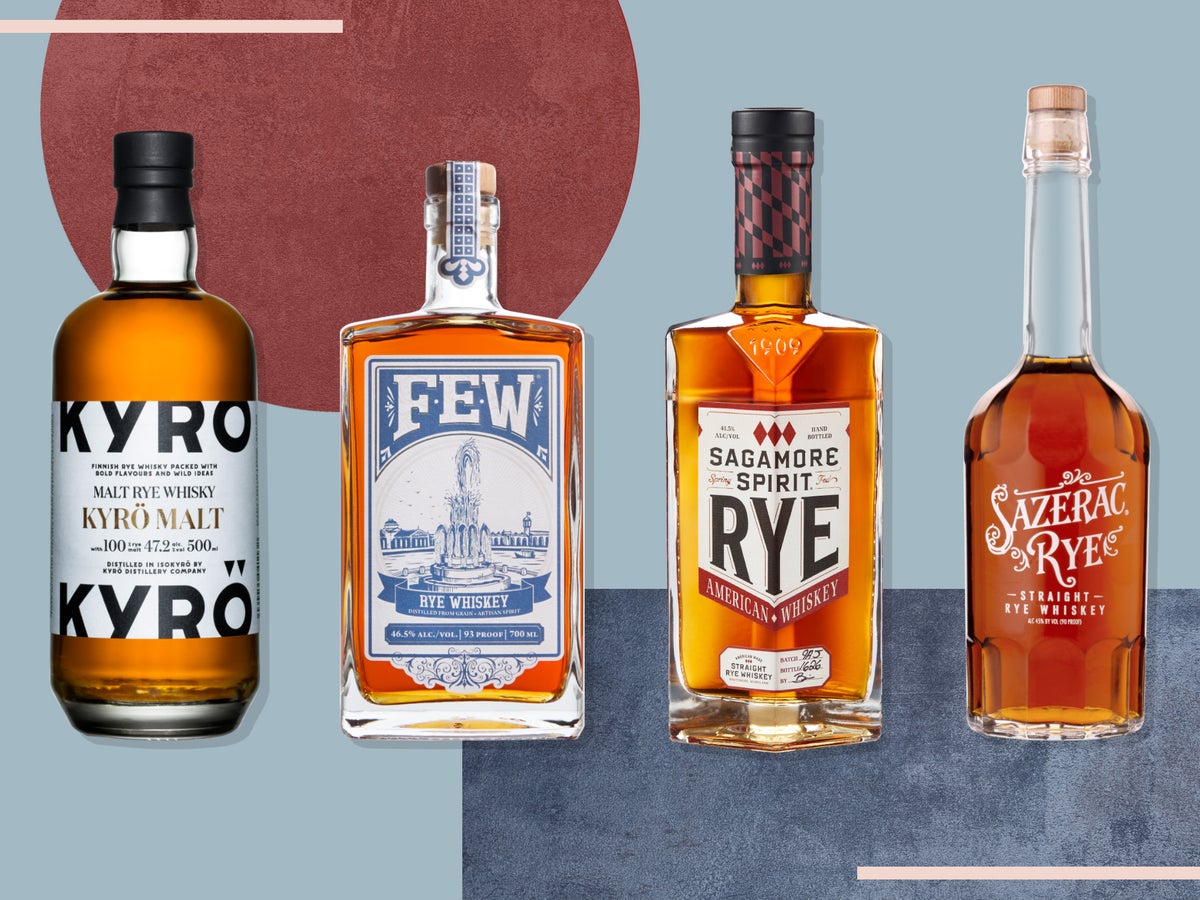
  • Rye: Rye is more robust and spicier, and this spiciness translates into a mouthfeel that can be somewhat drying or even slightly astringent. Rye-based spirits, like rye whiskey, often have a thicker, more textured sensation that can be felt across the tongue.
  • Corn: Known for its sweetness, corn is the base for bourbon and other American whiskies. Corn imparts a creamy, sometimes syrupy mouthfeel that is rich and soft. The higher the proportion of corn, the more likely the resulting spirit will have a rounded, full-bodied texture.
  • Wheat: Wheat, often used in wheat whiskey or as a secondary grain in bourbon, contributes a smoother, softer mouthfeel. It tends to create a silkier texture, sometimes with a delicate sweetness that coats the palate without overwhelming it.
  • Oats: Less commonly used, oats are prized for their contribution to a creamy mouthfeel. The beta-glucans in oats are known for their ability to enhance the viscosity of liquids, giving them a smoother, fuller texture that can be quite luxurious.
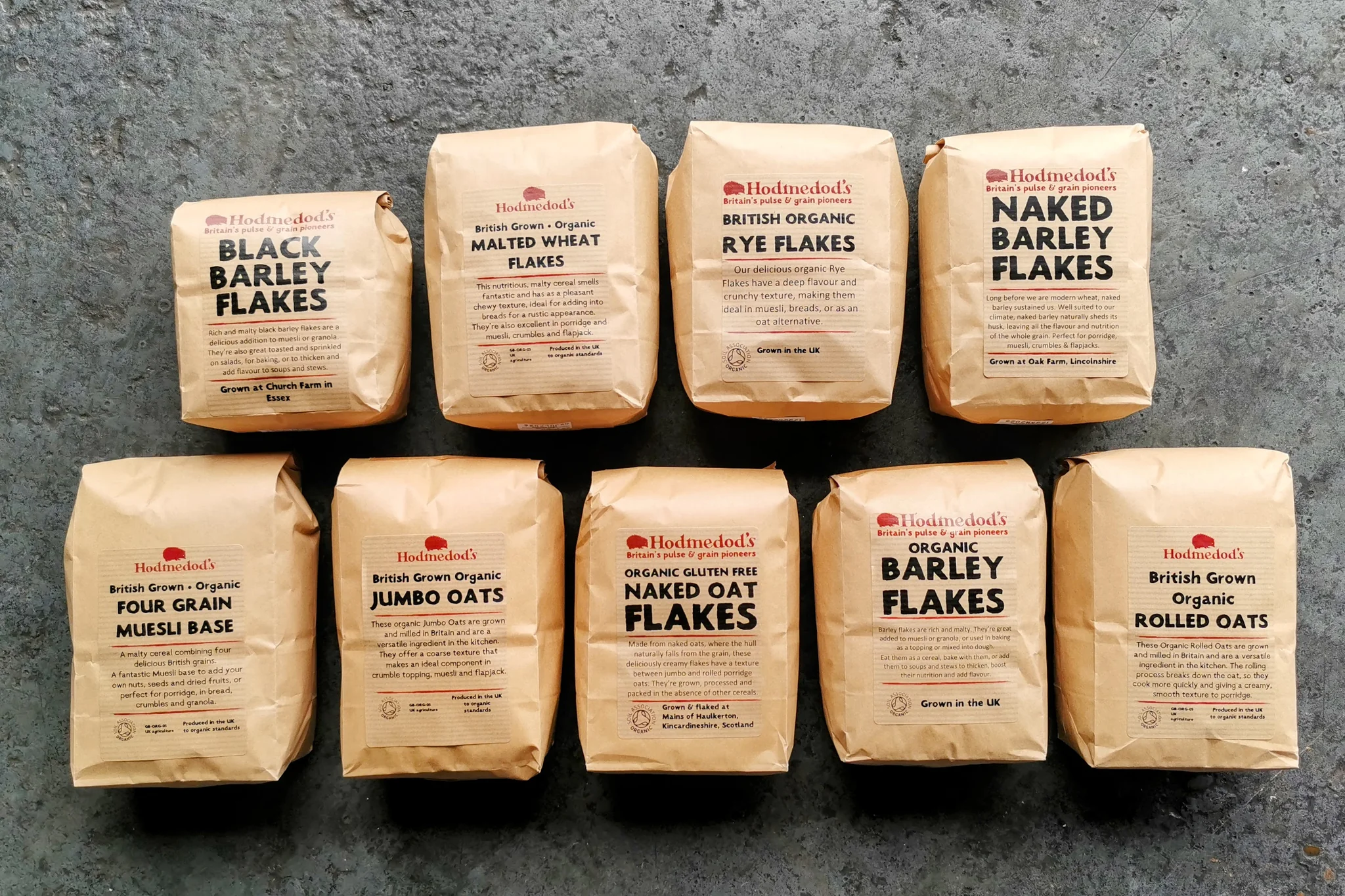
Maryam Jafri: Mouthfeel | What's On | Gasworks

The Connection Between Grains and Mouthfeel

Now, can the choice of grain predict mouthfeel before distillation? The answer hinges on understanding how each grain’s composition influences the mouthfeel. Grains vary in terms of their starch content, proteins, lipids, and even how they break down during fermentation. For example, grains high in beta-glucans, like oats, tend to produce thicker, creamier spirits. On the other hand, grains like rye, which are rich in certain tannins, can result in a more drying, astringent mouthfeel.

Before distillation begins, a distiller can anticipate some of these effects based on their knowledge of the grain’s properties. For example, using a high proportion of corn in a mash bill is likely to produce a whiskey with a soft, round mouthfeel, while a rye-forward recipe will lead to a more textured, spicier result. Of course, this is only one piece of the puzzle, as the fermentation, distillation, and aging processes all play significant roles in shaping the final mouthfeel.

Fermentation and Its Role

Once the grains are selected and mashed, fermentation kicks off the transformation of sugars into alcohol. During fermentation, yeast breaks down the sugars into alcohol and carbon dioxide, but it also produces a range of by-products, such as esters, phenols, and organic acids. These by-products can influence the mouthfeel of the spirit. For example, certain phenols might add a smoky or medicinal quality, while some esters can lend a fruity or floral note.

Grains that are higher in proteins (such as wheat) can lead to more haze or turbidity during fermentation. This can, in turn, impact mouthfeel, giving the spirit a cloudier, heavier texture, which may carry over after distillation. On the other hand, grains lower in protein tend to produce a cleaner, lighter mouthfeel.

Distillation: The Great Equalizer?

While grain selection plays a significant role in shaping mouthfeel, distillation is where the magic truly happens. Distillation concentrates the alcohol and removes certain undesirable elements. During this process, distillers have the chance to refine the spirit’s mouthfeel. For example, high-proof distillation can lead to a thinner, sharper mouthfeel, while a more careful cut can result in a smoother, more luxurious texture.
Best rye whiskey brands to drink in 2022 | The Independent

Furthermore, the type of still used can also affect mouthfeel. Pot stills, which are traditional in many whiskey distilleries, often produce a fuller-bodied spirit with a more complex mouthfeel due to the slower distillation process. In contrast, column stills, often used for mass-produced spirits, tend to create lighter, more neutral spirits that may not have the same texture or viscosity.

Aging and Mouthfeel

Though grain selection plays a significant role, it is the aging process that often amplifies or alters the mouthfeel. The interaction between the spirit and the wood—particularly oak—during aging can lead to significant changes in texture. For example, bourbon aged in new charred oak barrels can take on a rich, creamy mouthfeel with a subtle oaky texture. The long exposure to wood can also allow compounds like lignin and tannins to interact with the alcohol, giving the final product a fuller, rounder mouthfeel.

However, it’s important to note that the mouthfeel of a spirit can evolve over time. Some whiskies might feel thin and sharp when young, only to develop a rich, velvety texture as they age. On the other hand, excessive aging can lead to a spirit feeling overly tannic or even drying, losing some of the softness that was originally present.

Can We Predict Mouthfeel?

Given the complexity of the distillation process, it’s difficult to make precise predictions about mouthfeel based on grain selection alone. However, experienced distillers can certainly make educated guesses. They know that using more corn in a mash bill will likely lead to a smoother, fuller-bodied whiskey, while a higher proportion of rye will create a spicier, more textured experience. The grain is just the starting point; the fermentation and distillation processes, along with aging, will ultimately determine how the mouthfeel develops.

In a sense, grain selection does provide a rough forecast of the mouthfeel, but the final result will always depend on the craftsmanship involved in every stage of production. So while the grain selection can give you an indication of the texture to come, it’s not a guarantee.

Conclusion

Grain selection certainly has the potential to influence the mouthfeel of a spirit, even before distillation begins. Whether it’s the creamy softness of corn or the dry, spicy texture of rye, the grains that are chosen have a direct impact on how the final product feels in the mouth. However, mouthfeel is not determined solely by grain; it’s a complex interaction of many factors, including fermentation, distillation, and aging.

While we can predict with some degree of accuracy the potential mouthfeel based on grain selection, it’s important to remember that the process of distillation—and particularly the artistry of the distiller—shapes the final experience in ways that grain alone cannot. The grain is the foundation, but it’s the skill of the distiller that creates the masterpiece.


Tags: grain spiritswhiskeywhiskey production
ShareTweetShare

Related Posts

Can Beer Be an Effective Ingredient in Culinary Cooking?
ALL

Can Beer Be an Effective Ingredient in Culinary Cooking?

January 22, 2026
Second Fermentation in Champagne: Is It Really That Crucial?
ALL

Second Fermentation in Champagne: Is It Really That Crucial?

January 22, 2026
How Do Different Grains Impact the Flavor Profile of Distilled Spirits?
ALL

How Do Different Grains Impact the Flavor Profile of Distilled Spirits?

January 22, 2026
How Do Whiskey Master Blenders Create Perfection?
ALL

How Do Whiskey Master Blenders Create Perfection?

January 22, 2026
Wine Pairings: Can They Change the Flavor Profile of a Dish?
ALL

Wine Pairings: Can They Change the Flavor Profile of a Dish?

January 22, 2026
Beer the Ultimate Beverage for Pairing with Spicy Food?
ALL

Beer the Ultimate Beverage for Pairing with Spicy Food?

January 21, 2026
Leave Comment
  • Trending
  • Comments
  • Latest
Role of Terroir in Champagne Production

Role of Terroir in Champagne Production

January 19, 2026
What Hidden Craftsmanship Lies Behind a Bottle of Quality Grain Spirits?

What Hidden Craftsmanship Lies Behind a Bottle of Quality Grain Spirits?

July 3, 2025
Champagne Can Be Aged in Wood?

Champagne Can Be Aged in Wood?

January 18, 2026
Is Organic Wine Healthier Than Conventional Wine?

Is Organic Wine Healthier Than Conventional Wine?

January 20, 2026
The Timeless Elegance of Wine: A Journey Through History and Culture

The Timeless Elegance of Wine: A Journey Through History and Culture

Why Is Château Lafite Rothschild the Pinnacle of Fine Wine?

Why Is Château Lafite Rothschild the Pinnacle of Fine Wine?

How Did Château Lafite Rothschild Become a Global Icon of Luxury?

How Did Château Lafite Rothschild Become a Global Icon of Luxury?

What Makes Chateau Lafite Rothschild the Pinnacle of Bordeaux Wines?

What Makes Chateau Lafite Rothschild the Pinnacle of Bordeaux Wines?

Can Beer Be an Effective Ingredient in Culinary Cooking?

Can Beer Be an Effective Ingredient in Culinary Cooking?

January 22, 2026
Second Fermentation in Champagne: Is It Really That Crucial?

Second Fermentation in Champagne: Is It Really That Crucial?

January 22, 2026
How Do Different Grains Impact the Flavor Profile of Distilled Spirits?

How Do Different Grains Impact the Flavor Profile of Distilled Spirits?

January 22, 2026
How Do Whiskey Master Blenders Create Perfection?

How Do Whiskey Master Blenders Create Perfection?

January 22, 2026
SipsavorLife

Welcome to our comprehensive beverage guide, where you can explore the fascinating world of alcoholic drinks. From exquisite wines and rich whiskeys to refreshing beers and sparkling champagnes, we provide insights, tips, and recommendations for enthusiasts and casual drinkers alike. Discover your next favorite libation with us!

© 2025 sipsavorlife.com. contacts:sipsavorlife-35376@gmail.com

No Result
View All Result
  • Home
  • Wine
  • Whiskey
  • Beer
  • Grain Spirits
  • Champagne
  • ALL

© 2025 sipsavorlife.com. contacts:sipsavorlife-35376@gmail.com

Welcome Back!

Login to your account below

Forgotten Password?

Retrieve your password

Please enter your username or email address to reset your password.

Log In