













In the world of winemaking, many enthusiasts often debate the age-old question: What is the most significant factor in determining the final flavor of a wine? While terroir, grape variety, and climate certainly play critical roles, there’s an often-overlooked ingredient that can have a tremendous impact on a wine’s taste and complexity. That ingredient is yeast. Specifically, the strain of yeast used during fermentation can sometimes shape a wine’s flavor profile in ways that are more profound than the grape variety itself.
The Unsung Hero: Yeast and Fermentation
Yeast is a microorganism that naturally exists on the skins of grapes and in the surrounding environment. During fermentation, yeast consumes the sugars in grape juice and produces alcohol, carbon dioxide, and a host of flavor compounds. However, not all yeasts are created equal. Different strains of yeast can create vastly different flavor profiles, even from the same grape variety, which has led to the notion that yeast can, in some cases, shape the flavor of a wine more than the grape itself.
Wild Yeasts vs. Cultured Yeasts: A Choice That Matters
In winemaking, there are two main types of yeast that can be used for fermentation: wild yeasts and cultured yeasts.
- Wild yeasts are naturally occurring microorganisms that are found on the skins of grapes, in the vineyard, and in the winery. These yeasts bring an element of unpredictability and complexity to the wine, as they often result in unique fermentation profiles. Wild yeast fermentation can lead to the development of funky, earthy, or even savory notes in the wine. Some winemakers embrace this “wild” character, as it can add layers of complexity and individuality to the wine.
- Cultured yeasts, on the other hand, are carefully selected and commercially available strains. These yeasts are often more predictable, ensuring that fermentation proceeds smoothly without unwanted flavors or aromas. Winemakers can choose specific strains of cultured yeast that are known to enhance particular flavor profiles or characteristics in the wine, such as promoting fruity, floral, or spicy aromas. While cultured yeasts tend to be more controlled, they still have a significant impact on the final taste of the wine.
The Role of Yeast in Flavor Development
Yeast doesn’t just produce alcohol during fermentation; it also contributes to the formation of a wide variety of flavor compounds. These compounds can include:
- Esters: These are fruity, floral, or sometimes spicy aromas that can add complexity and lift to a wine’s nose.
- Phenolic compounds: These can impart earthy, smoky, or herbal notes to the wine.
- Higher alcohols: These contribute to the perception of warmth and can add complexity to the mouthfeel of the wine.
- Volatile acids: These can provide tangy or sour notes that can add freshness to the wine.
The specific combination of these compounds depends largely on the yeast strain used during fermentation. Different strains can lead to wines with vastly different aromatic profiles, even if the grapes themselves are the same.

A Case Study: Chardonnay and Yeast Strains
Chardonnay is a grape variety that has been widely adopted around the world, and it is a perfect example of how yeast strains can shape a wine’s flavor more than the grape itself. Chardonnay is known for its adaptability, and its flavor can vary dramatically depending on the yeast strain used for fermentation.
For example, Saccharomyces cerevisiae, one of the most commonly used cultured yeasts, can result in a clean and crisp Chardonnay with bright citrus and green apple flavors. On the other hand, wild yeast fermentations might produce a more complex, textured Chardonnay with subtle hints of honey, brioche, and even a touch of smokiness.
Some winemakers intentionally use a specific strain of yeast to push a Chardonnay in a particular direction. For example, yeast strains that promote diacetyl production can enhance the buttery, creamy characteristics that are often associated with traditional styles of Chardonnay, especially those from regions like Burgundy or California’s Napa Valley. Conversely, using a yeast strain that promotes ester production might emphasize the grape’s fruity aromas, resulting in a wine that is fresh, lively, and aromatic.
In this way, yeast can enhance or even overshadow the inherent characteristics of the grape itself.
Yeast and Its Influence on Other Wines
The impact of yeast is not limited to just Chardonnay. In fact, virtually all wines are affected to some degree by the yeast used during fermentation. Let’s take a look at a few examples of other wines where yeast plays a pivotal role in shaping the flavor.
Pinot Noir: The Subtle Art of Yeast Selection
Pinot Noir is another grape variety that is highly sensitive to yeast strains. This thin-skinned, delicate grape variety is known for producing wines that are complex, elegant, and nuanced. In the case of Pinot Noir, wild yeasts can create wines with additional depth, introducing notes of earth, forest floor, and even mushroom, alongside the grape’s natural cherry and raspberry flavors.
However, if a winemaker prefers a cleaner, more controlled fermentation, they may opt for a cultured yeast strain. Certain strains of cultured yeast can promote the development of red fruit aromas, such as strawberry or raspberry, while also enhancing the wine’s structure and mouthfeel.
Riesling: Yeast and Terroir Expression

Riesling, a grape known for its bright acidity and floral notes, also exhibits significant variation in flavor based on yeast choice. When fermented with wild yeasts, Riesling can develop more aromatic complexity, often picking up additional floral and herbal notes that enhance its signature lime, peach, and apricot aromas. Conversely, cultured yeasts may highlight the grape’s inherent fruitiness and crispness, leading to a fresher, more straightforward style of Riesling.
Some producers may even choose a specific yeast strain to bring out the influence of the terroir, allowing the minerality and regional characteristics to come to the forefront. In this way, yeast selection can either highlight or obscure the natural qualities of the grape, providing winemakers with another tool to shape the final product.
Sparkling Wines: Yeast as the Driving Force of Complexity
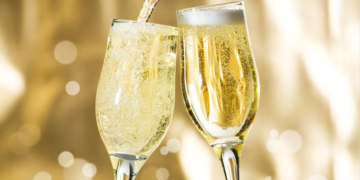
In the world of sparkling wine, yeast plays an even more critical role. During the production of sparkling wines, particularly those made using the traditional method (such as Champagne), yeast is responsible for both primary fermentation and secondary fermentation in the bottle.
The second fermentation creates carbon dioxide, which is responsible for the bubbles, but it also produces a wide range of complex flavors. This process, known as autolysis, occurs when dead yeast cells break down and release compounds into the wine. The length of time that the wine spends “on lees” (the dead yeast cells) can significantly impact the final flavor profile. Longer aging on the lees results in wines with more developed, yeasty, and biscuity flavors, adding complexity and richness to the wine.
For example, Champagne made with Saccharomyces bayanus, a yeast strain specifically used for sparkling wines, will have a different mouthfeel and complexity compared to wines fermented with wild yeasts. The yeasts used in sparkling wine production are not only critical for creating bubbles but also for adding layers of flavor that can make or break the wine.
The Future of Yeast in Wine Production
The role of yeast in winemaking is not just a historical or traditional aspect; it’s also an area of great innovation. With advances in biotechnology, winemakers now have access to an ever-growing array of yeast strains, each capable of producing unique flavors and aromas. Some winemakers are experimenting with genetically modified yeasts, while others are looking to the future of wild yeast cultivation to unlock even more possibilities.
In the future, we may see a more customized approach to yeast selection, where winemakers can tailor yeast strains to create wines that express their vision of the perfect balance between grape and yeast. With the growing interest in natural wines, the exploration of wild yeast fermentations continues to be an exciting frontier for innovative winemaking.
Conclusion
In the end, it’s clear that yeast is more than just a fermentation agent in the winemaking process. While the grape variety is undoubtedly important, the strain of yeast used during fermentation can often shape a wine’s flavor profile in ways that are just as, if not more, significant. Whether it’s through the unpredictable complexities of wild yeasts or the controlled characteristics of cultured yeasts, yeast is a true artist behind the scenes, sculpting the final product into a wine that can tell a unique and unforgettable story.