


























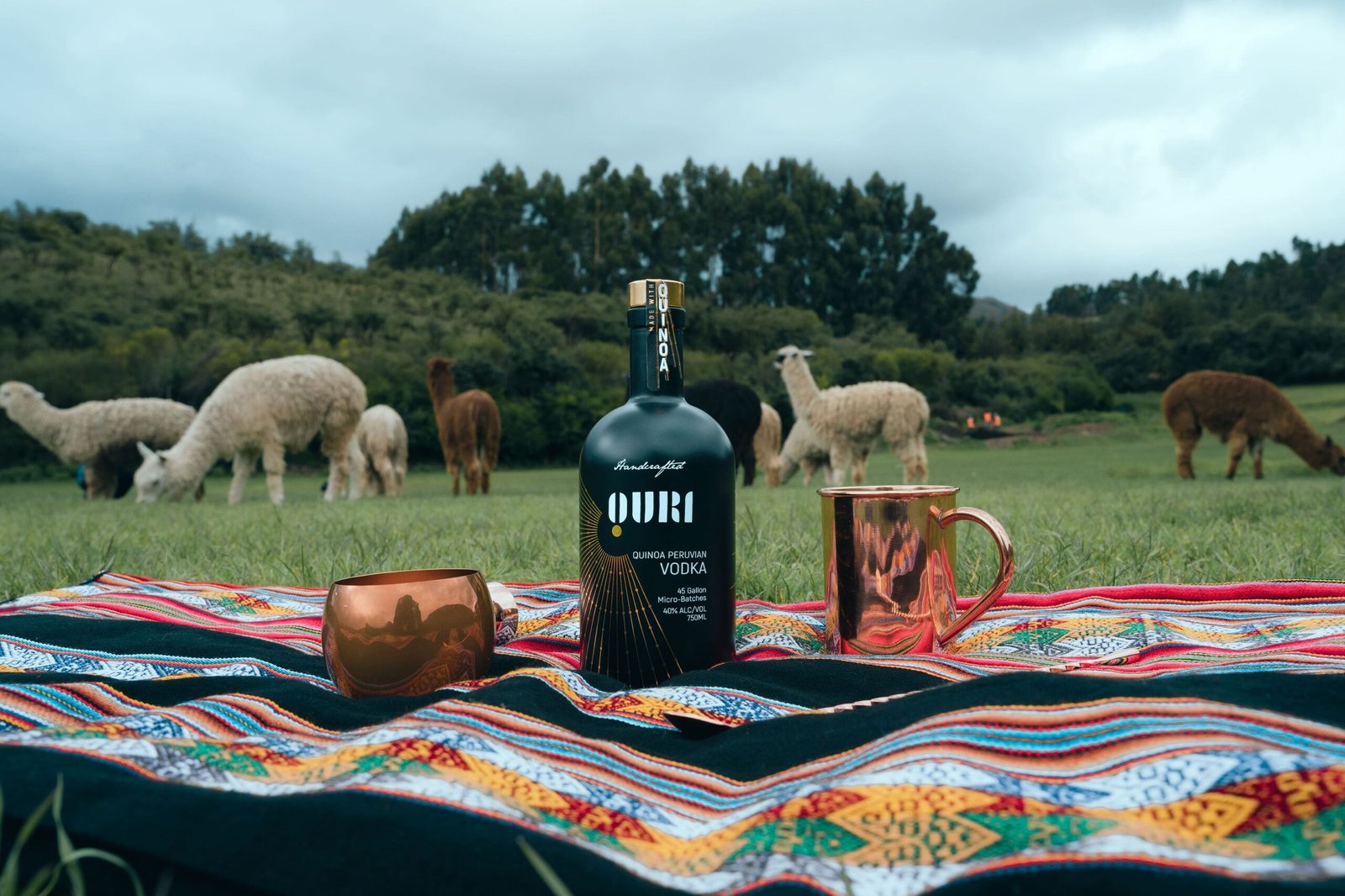
The world of spirits and grain-based beverages is rooted in centuries of tradition. Distillers have spent generations perfecting the art of transforming grains into whiskey, vodka, gin, and other iconic drinks. But in recent years, there has been a bold shift in the industry. A growing number of distillers are moving away from conventional grain choices, breaking long-established rules, and experimenting with new ingredients. The results? Exciting, innovative spirits that offer unexpected flavors, aromas, and textures. But what happens when distillers break traditional grain rules? Let’s explore this fascinating world of disruption in grain-based distilling.
Breaking Tradition: The Grain Debate
Traditionally, grains such as barley, rye, corn, and wheat have been the cornerstones of whiskey and other distilled spirits. These grains are chosen for their ability to ferment and convert into alcohol efficiently. They also carry the specific characteristics that define a particular spirit. For instance, bourbon is typically made from at least 51% corn, which imparts a sweet, rich flavor, while rye whiskey tends to be spicier and more robust.
But in the 21st century, distillers are thinking outside the box. They are challenging the grain traditions that have been in place for centuries. Buckwheat, quinoa, oats, and even sorghum are gaining traction as new grains for distilling. This shift raises an important question: What happens when these distillers move away from traditional grains?
1. Flavor Exploration: The Biggest Impact
The most immediate and obvious consequence of breaking grain rules is the impact on flavor. Grains like buckwheat or quinoa bring unique profiles to the table that traditional grains cannot replicate. Buckwheat, for instance, has a nutty, earthy flavor that carries through into the distillate. Quinoa, often associated with being a health food, imparts a slightly grassy and sweet profile that is hard to find in any mainstream whiskey or vodka.
When distillers switch to non-traditional grains, they open the door to a broader spectrum of flavor. For example, quinoa-based vodka can have a distinct sweetness, while buckwheat whiskey might display a more herbal, savory note. This means that the spirits market is no longer confined to a limited set of flavor profiles—distillers can explore flavors that were previously unavailable in grain-based spirits.
2. Texture and Mouthfeel: The Unsung Heroes
Grain affects more than just flavor—it also plays a pivotal role in the texture and mouthfeel of a spirit. Grain affects how smooth, creamy, or even oily a distilled beverage feels on the palate. Traditional grains like barley and corn contribute to the creamy, velvety textures often found in whiskeys and vodkas. However, when distillers experiment with non-traditional grains, they can alter the texture dramatically.
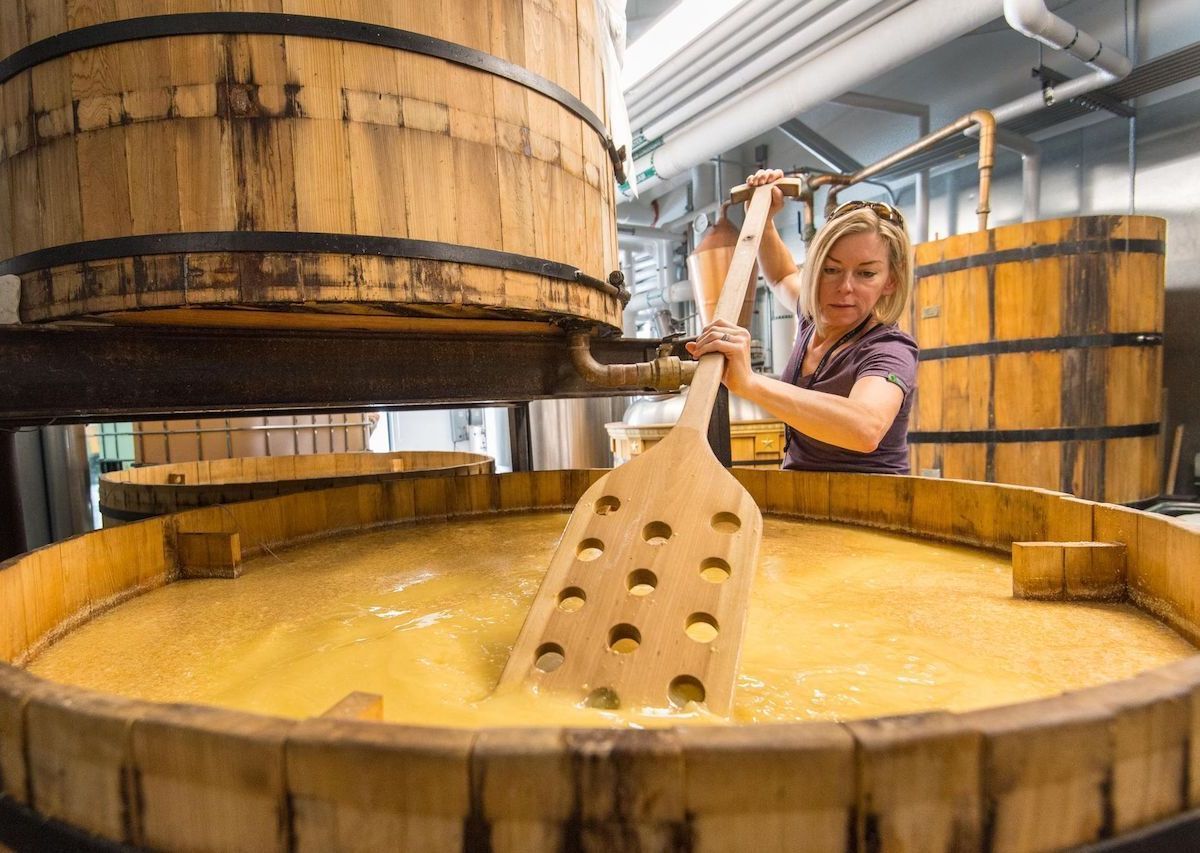
Oats, for instance, are known for creating a smoother, silkier texture in spirits. This is why some distilleries are now using oats to craft exceptionally smooth whiskeys and gins. Other grains like millet or spelt can add a level of complexity to mouthfeel, enhancing the drinking experience.
Some distillers have even blended multiple non-traditional grains to achieve a unique combination of flavor and texture. The possibilities here are endless, with the right grain combinations providing more body, weight, or silkiness to the spirit.
3. Sustainability: The Green Revolution in Distilling
With increasing concerns over environmental sustainability, many distillers are also turning to alternative grains to reduce their ecological footprint. Traditional grains, especially those grown on large monoculture farms, often require heavy use of pesticides and fertilizers, leading to soil degradation and water depletion. On the other hand, certain non-traditional grains, like spelt or sorghum, require fewer resources and are more resistant to pests.
These grains also have the added benefit of being able to thrive in various climates, making them a more adaptable choice for distillers in regions where traditional grains might be harder to grow due to changing weather patterns or soil quality. By embracing these grains, distillers are not only diversifying their products but also contributing to a more sustainable future for the industry.
4. Innovation in Craft Distilling
The craft distilling movement has been at the forefront of this grain disruption. Craft distillers are known for their willingness to experiment with both traditional and non-traditional methods of production. Some craft distilleries focus on local grains—wheat from nearby farms, rye from regional producers—while others take it a step further, incorporating grains like spelt, millet, or even indigenous grains that have a cultural significance.
This drive for innovation has led to a wide variety of spirits entering the market. For instance, you might find a craft gin made from locally sourced rye, spelt whiskey aged in unconventional barrels, or a vodka distilled from a unique blend of oats and quinoa. In the world of craft distilling, there are no rules—only an endless array of possibilities.
5. A Return to Ancient Grains: The Revival of Forgotten Ingredients

Some distillers are looking to the past to break the grain rules of today. Ancient grains like teff, farro, and amaranth, which have been used for thousands of years in various cultures, are making a comeback in the world of distilling. These grains were once staples in many societies but fell out of favor as modern agricultural practices focused on more commercially viable grains.
Reviving ancient grains not only offers a unique flavor profile but also taps into the growing trend of “ancient foods” that emphasize nutrition, sustainability, and history. Distillers using ancient grains are telling a story about their heritage, and as consumers become more interested in authenticity, this trend is likely to continue growing.
6. The Consumer Experience: What Does It Mean for the Drinker?
For the consumer, the rise of non-traditional grains in spirits means more choices. More variety means a richer experience—people can now choose a vodka that speaks to them personally, whether they’re looking for a light, citrusy profile or a rich, earthy one. Similarly, whiskey enthusiasts can try different expressions that offer unexpected flavors and complexities.
Moreover, as distillers push the boundaries of what’s possible with grains, they are also rethinking the aging and maturation processes. The grain used can influence how the spirit interacts with wood or other maturation elements, adding yet another layer of intrigue for consumers.
As consumers become more discerning and adventurous, they are seeking new and exciting ways to experience old spirits. Non-traditional grains are an exciting frontier in the spirits world, and their impact on flavor and texture is sure to keep things fresh for years to come.
7. Breaking the Mold: Cultural and Regional Influence
The shift towards non-traditional grains isn’t just about flavor—it’s about culture and identity too. For example, in regions where ancient grains were once a staple, distillers are now using them to celebrate local traditions. In South America, distilleries have begun experimenting with native grains like quinoa and sorghum to produce distinct spirits that reflect the agricultural history of the region.
Similarly, in Europe, distillers are exploring the use of heirloom grains that have been passed down through generations. These grains have unique histories and are often tied to specific geographic locations. In doing so, distillers are not just creating a drink but telling a story—a story of place, time, and people.
Conclusion: A Brave New World for Distilling
When distillers break traditional grain rules, the impact is far-reaching. From flavor and texture to sustainability and cultural influence, the use of non-traditional grains offers a wealth of new possibilities in the world of spirits. It encourages experimentation, challenges old paradigms, and introduces new flavors that excite the palate. While the core principles of distillation remain unchanged, the grain itself is no longer confined to tradition.
For both distillers and consumers, this new wave of innovation presents an exciting opportunity to push boundaries, discover new tastes, and celebrate the diverse world of grains. The future of distilling is limitless, and by embracing new grains and processes, distillers are rewriting the rules of the game—one sip at a time.