














SipsavorLife
  • Home
  • Wine
    Wine as a Cultural Artifact: History, Identity, and the Evolution of Taste

    The Art and Science of Wine & Food Pairing: How to Create Perfect Matches Every Time

    Wine as a Cultural Artifact: History, Identity, and the Evolution of Taste

    A Complete Guide to Wine Styles and Grape Varieties: From Cabernet Sauvignon to Riesling

    Wine as a Cultural Artifact: History, Identity, and the Evolution of Taste

    The Global Wine Industry: Economics, Markets, and the Future of Consumption

    Wine as a Cultural Artifact: History, Identity, and the Evolution of Taste

    The Science of Wine Tasting: How Chemistry, Biology, and Perception Shape Flavor

    Wine as a Cultural Artifact: History, Identity, and the Evolution of Taste

    Wine as a Cultural Artifact: History, Identity, and the Evolution of Taste

    Red Wine — The Liquid Expression of Land, Time, and Human Intention

    The Future of Red Wine — Climate Change, Technology, and the Evolution of Taste

  • Whiskey
    Can Beer Be an Effective Ingredient in Culinary Cooking?

    Can Beer Be an Effective Ingredient in Culinary Cooking?

    Second Fermentation in Champagne: Is It Really That Crucial?

    Second Fermentation in Champagne: Is It Really That Crucial?

    How Do Different Grains Impact the Flavor Profile of Distilled Spirits?

    How Do Different Grains Impact the Flavor Profile of Distilled Spirits?

    How Do Whiskey Master Blenders Create Perfection?

    How Do Whiskey Master Blenders Create Perfection?

    Wine Pairings: Can They Change the Flavor Profile of a Dish?

    Wine Pairings: Can They Change the Flavor Profile of a Dish?

    Beer the Ultimate Beverage for Pairing with Spicy Food?

    Beer the Ultimate Beverage for Pairing with Spicy Food?

  • Beer
    Beer as a Cultural and Social Force: From Ancient Brew to Modern Identity

    The Art of Beer & Food Pairing: Unlocking Flavor Through Balance, Contrast, and Texture

    Beer as a Cultural and Social Force: From Ancient Brew to Modern Identity

    A Complete Guide to Beer Styles: From Lager to Stout, Understanding Flavor, Body, and Character

    Beer as a Cultural and Social Force: From Ancient Brew to Modern Identity

    The Global Beer Industry: Craft Revolution, Market Forces, and the Future of Brewing

    Beer as a Cultural and Social Force: From Ancient Brew to Modern Identity

    The Science of Beer: Brewing Process, Ingredients, and the Chemistry of Flavor

    Beer as a Cultural and Social Force: From Ancient Brew to Modern Identity

    Beer as a Cultural and Social Force: From Ancient Brew to Modern Identity

    The Evolution of Beer — From Ancient Brews to the Craft Revolution

    The Future of Beer — Innovation, Sustainability, and Emerging Trends

  • Grain Spirits
    Grain Spirits Explained — The Foundation of Global Distillation

    The Future of Grain Spirits — Technology, Sustainability, and the Next Era of Distillation

    Grain Spirits Explained — The Foundation of Global Distillation

    Grain Spirits Around the World — Vodka, Whisky Bases, and Industrial Applications

    Grain Spirits Explained — The Foundation of Global Distillation

    Distillation Systems — Pot Still vs Column Still, and the Balance Between Efficiency and Flavor

    Grain Spirits Explained — The Foundation of Global Distillation

    Grain Selection and Fermentation Science — How Raw Ingredients Shape Grain Spirits

    Grain Spirits Explained — The Foundation of Global Distillation

    Grain Spirits Explained — The Foundation of Global Distillation

    Grain Spirits and the Industrial Birth of Neutral Alcohol

    The Future of Grain Spirits — AI Distillation, Sustainability, and the Post-Flavor Alcohol Industry

  • Champagne
    The History of Champagne — From Accidental Sparkle to Global Luxury

    The Future of Champagne — Climate Change, Innovation, and Industry Evolution

    The History of Champagne — From Accidental Sparkle to Global Luxury

    The Culture of Champagne — Luxury, Celebration, and Global Influence

    The History of Champagne — From Accidental Sparkle to Global Luxury

    Champagne Styles Explained — Brut, Rosé, Vintage, and Beyond

    The History of Champagne — From Accidental Sparkle to Global Luxury

    The Craft of Champagne — Terroir, Grapes, and the Méthode Traditionnelle

    The History of Champagne — From Accidental Sparkle to Global Luxury

    The History of Champagne — From Accidental Sparkle to Global Luxury

    The Future of Champagne — Climate Change, Innovation, and the Evolution of Sparkling Wine

    The Future of Champagne — Climate Change, Innovation, and the Evolution of Sparkling Wine

  • ALL
    Can Beer Be an Effective Ingredient in Culinary Cooking?

    Can Beer Be an Effective Ingredient in Culinary Cooking?

    Second Fermentation in Champagne: Is It Really That Crucial?

    Second Fermentation in Champagne: Is It Really That Crucial?

    How Do Different Grains Impact the Flavor Profile of Distilled Spirits?

    How Do Different Grains Impact the Flavor Profile of Distilled Spirits?

    How Do Whiskey Master Blenders Create Perfection?

    How Do Whiskey Master Blenders Create Perfection?

    Wine Pairings: Can They Change the Flavor Profile of a Dish?

    Wine Pairings: Can They Change the Flavor Profile of a Dish?

    Beer the Ultimate Beverage for Pairing with Spicy Food?

    Beer the Ultimate Beverage for Pairing with Spicy Food?

SipsavorLife
  • Home
  • Wine
    Wine as a Cultural Artifact: History, Identity, and the Evolution of Taste

    The Art and Science of Wine & Food Pairing: How to Create Perfect Matches Every Time

    Wine as a Cultural Artifact: History, Identity, and the Evolution of Taste

    A Complete Guide to Wine Styles and Grape Varieties: From Cabernet Sauvignon to Riesling

    Wine as a Cultural Artifact: History, Identity, and the Evolution of Taste

    The Global Wine Industry: Economics, Markets, and the Future of Consumption

    Wine as a Cultural Artifact: History, Identity, and the Evolution of Taste

    The Science of Wine Tasting: How Chemistry, Biology, and Perception Shape Flavor

    Wine as a Cultural Artifact: History, Identity, and the Evolution of Taste

    Wine as a Cultural Artifact: History, Identity, and the Evolution of Taste

    Red Wine — The Liquid Expression of Land, Time, and Human Intention

    The Future of Red Wine — Climate Change, Technology, and the Evolution of Taste

  • Whiskey
    Can Beer Be an Effective Ingredient in Culinary Cooking?

    Can Beer Be an Effective Ingredient in Culinary Cooking?

    Second Fermentation in Champagne: Is It Really That Crucial?

    Second Fermentation in Champagne: Is It Really That Crucial?

    How Do Different Grains Impact the Flavor Profile of Distilled Spirits?

    How Do Different Grains Impact the Flavor Profile of Distilled Spirits?

    How Do Whiskey Master Blenders Create Perfection?

    How Do Whiskey Master Blenders Create Perfection?

    Wine Pairings: Can They Change the Flavor Profile of a Dish?

    Wine Pairings: Can They Change the Flavor Profile of a Dish?

    Beer the Ultimate Beverage for Pairing with Spicy Food?

    Beer the Ultimate Beverage for Pairing with Spicy Food?

  • Beer
    Beer as a Cultural and Social Force: From Ancient Brew to Modern Identity

    The Art of Beer & Food Pairing: Unlocking Flavor Through Balance, Contrast, and Texture

    Beer as a Cultural and Social Force: From Ancient Brew to Modern Identity

    A Complete Guide to Beer Styles: From Lager to Stout, Understanding Flavor, Body, and Character

    Beer as a Cultural and Social Force: From Ancient Brew to Modern Identity

    The Global Beer Industry: Craft Revolution, Market Forces, and the Future of Brewing

    Beer as a Cultural and Social Force: From Ancient Brew to Modern Identity

    The Science of Beer: Brewing Process, Ingredients, and the Chemistry of Flavor

    Beer as a Cultural and Social Force: From Ancient Brew to Modern Identity

    Beer as a Cultural and Social Force: From Ancient Brew to Modern Identity

    The Evolution of Beer — From Ancient Brews to the Craft Revolution

    The Future of Beer — Innovation, Sustainability, and Emerging Trends

  • Grain Spirits
    Grain Spirits Explained — The Foundation of Global Distillation

    The Future of Grain Spirits — Technology, Sustainability, and the Next Era of Distillation

    Grain Spirits Explained — The Foundation of Global Distillation

    Grain Spirits Around the World — Vodka, Whisky Bases, and Industrial Applications

    Grain Spirits Explained — The Foundation of Global Distillation

    Distillation Systems — Pot Still vs Column Still, and the Balance Between Efficiency and Flavor

    Grain Spirits Explained — The Foundation of Global Distillation

    Grain Selection and Fermentation Science — How Raw Ingredients Shape Grain Spirits

    Grain Spirits Explained — The Foundation of Global Distillation

    Grain Spirits Explained — The Foundation of Global Distillation

    Grain Spirits and the Industrial Birth of Neutral Alcohol

    The Future of Grain Spirits — AI Distillation, Sustainability, and the Post-Flavor Alcohol Industry

  • Champagne
    The History of Champagne — From Accidental Sparkle to Global Luxury

    The Future of Champagne — Climate Change, Innovation, and Industry Evolution

    The History of Champagne — From Accidental Sparkle to Global Luxury

    The Culture of Champagne — Luxury, Celebration, and Global Influence

    The History of Champagne — From Accidental Sparkle to Global Luxury

    Champagne Styles Explained — Brut, Rosé, Vintage, and Beyond

    The History of Champagne — From Accidental Sparkle to Global Luxury

    The Craft of Champagne — Terroir, Grapes, and the Méthode Traditionnelle

    The History of Champagne — From Accidental Sparkle to Global Luxury

    The History of Champagne — From Accidental Sparkle to Global Luxury

    The Future of Champagne — Climate Change, Innovation, and the Evolution of Sparkling Wine

    The Future of Champagne — Climate Change, Innovation, and the Evolution of Sparkling Wine

  • ALL
    Can Beer Be an Effective Ingredient in Culinary Cooking?

    Can Beer Be an Effective Ingredient in Culinary Cooking?

    Second Fermentation in Champagne: Is It Really That Crucial?

    Second Fermentation in Champagne: Is It Really That Crucial?

    How Do Different Grains Impact the Flavor Profile of Distilled Spirits?

    How Do Different Grains Impact the Flavor Profile of Distilled Spirits?

    How Do Whiskey Master Blenders Create Perfection?

    How Do Whiskey Master Blenders Create Perfection?

    Wine Pairings: Can They Change the Flavor Profile of a Dish?

    Wine Pairings: Can They Change the Flavor Profile of a Dish?

    Beer the Ultimate Beverage for Pairing with Spicy Food?

    Beer the Ultimate Beverage for Pairing with Spicy Food?

SipsavorLife
No Result
View All Result
Home ALL

How Has Heineken Become a Global Leader in Beer Marketing and Positioning?

January 11, 2025
in ALL, Beer
How Has Heineken Become a Global Leader in Beer Marketing and Positioning?

Introduction

Heineken, one of the world’s most recognizable beer brands, has achieved international success not only due to its quality beer but also because of its exceptional marketing and strategic brand positioning. Founded in 1864 in Amsterdam, Heineken has evolved into a global powerhouse, with its distinctive green bottle and red star logo becoming synonymous with quality, refreshment, and social enjoyment.

While the brewing process and ingredients are undoubtedly crucial to Heineken’s success, it is the brand’s marketing and positioning strategies that have allowed it to build a global presence, expand its market share, and maintain relevance across diverse consumer segments. The company has employed innovative marketing campaigns, brand-building strategies, and positioning techniques to cultivate an image of sophistication, global appeal, and accessibility.

In this article, we will explore how Heineken has become a global leader in beer marketing and positioning, focusing on its advertising strategies, global market positioning, consumer targeting, and its ability to adapt to shifting consumer trends. We will also examine the brand’s use of partnerships, sponsorships, and digital marketing, and how these efforts have contributed to its position as one of the most recognizable beer brands in the world.


1. Heineken’s Brand Evolution: Crafting a Global Identity

Heineken’s journey to becoming a global icon in the beer industry is one that spans over 150 years. The company’s strategic marketing has played a crucial role in shaping its identity, helping it evolve from a local Dutch brewery to an international brand with a commanding presence in over 190 countries.

a. Foundation and Early Years:

The company was founded by Gerard Adriaan Heineken in 1864, and early marketing efforts focused on establishing the brewery’s reputation for quality. Heineken’s success began with its commitment to using premium ingredients and modern brewing techniques. Its first marketing strategies in the 19th century focused on local branding in Amsterdam, emphasizing the quality and taste of its beer.

b. The Rise of the Green Bottle and Red Star:

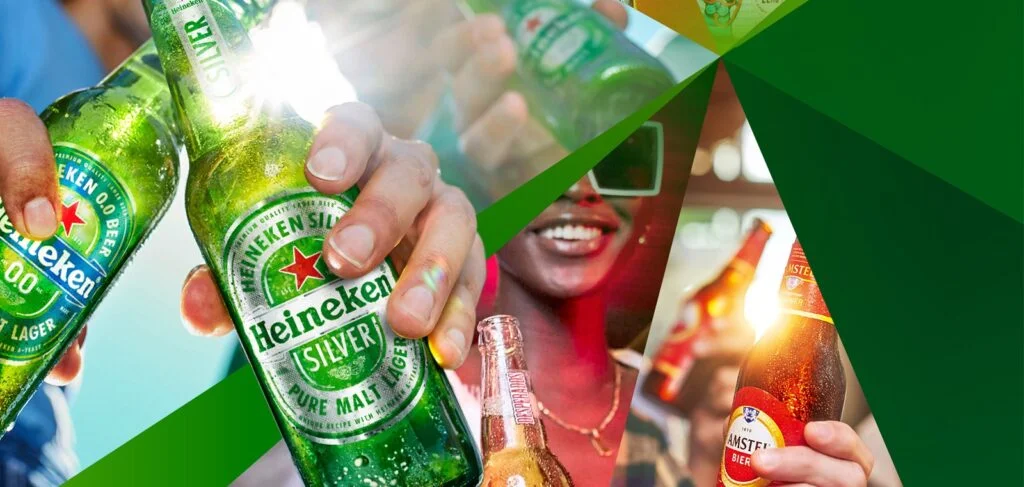
Heineken’s distinctive green bottle and red star became key elements of its branding in the 20th century. These visual symbols helped solidify Heineken’s identity and differentiate it from other beers. The green bottle not only became a symbol of the brand’s premium quality but also stood out in a sea of pale bottles in the beer market.

c. Expanding Internationally:

By the 1950s, Heineken began expanding its distribution beyond the Netherlands, and its international strategy was born. The brand started to emphasize its status as a premium lager, positioning itself as a sophisticated choice for beer drinkers. Through a combination of consistent branding, high-quality products, and strategic marketing efforts, Heineken became one of the most recognized beer brands in the world.


2. Heineken’s Brand Positioning: Premium Beer for the Global Market

Heineken’s marketing and positioning strategies have consistently focused on portraying the brand as a premium product that appeals to a wide demographic, from young professionals to casual beer drinkers. But how has Heineken managed to position itself as a premium beer in a crowded market? The answer lies in its ability to balance sophistication with accessibility, ensuring that its beer remains appealing to both discerning beer connoisseurs and casual drinkers alike.

a. The Premium Branding Strategy:

Heineken has always emphasized its quality and consistency, positioning itself as a premium beer. The brand’s marketing messages consistently highlight the purity of its ingredients, its unique brewing process, and the heritage behind its long-standing reputation. By doing so, Heineken manages to differentiate itself from other mass-market beers, creating a perception of exclusivity while still being widely available.

b. Global Appeal:

Heineken’s ability to maintain a global presence while still retaining its premium image is central to its success. Heineken has created a brand identity that is easily recognizable across cultures, appealing to a broad audience without being tied to a specific region. Its logo, color scheme, and packaging are universally recognizable, reinforcing the brand’s global nature. Heineken markets itself as an international symbol of celebration, community, and social enjoyment, helping it resonate with beer drinkers from all walks of life.

c. Adapting to Regional Markets:

While Heineken has maintained a consistent global identity, it has also tailored its marketing strategies to appeal to specific regional markets. In markets like the United States, for example, Heineken’s marketing emphasizes its heritage and quality, while in emerging markets like China or India, Heineken’s advertising focuses on aspirational lifestyle messages and global connectivity. The company adapts its positioning to align with local consumer values and trends, while maintaining a consistent global message.


3. Heineken’s Marketing Strategy: Advertising, Sponsorships, and Campaigns

Heineken’s marketing strategies have included a blend of traditional advertising, digital campaigns, and sponsorships. The company has continually innovated in its marketing approach, using a variety of channels and formats to connect with its diverse consumer base.

a. Iconic Advertising Campaigns:

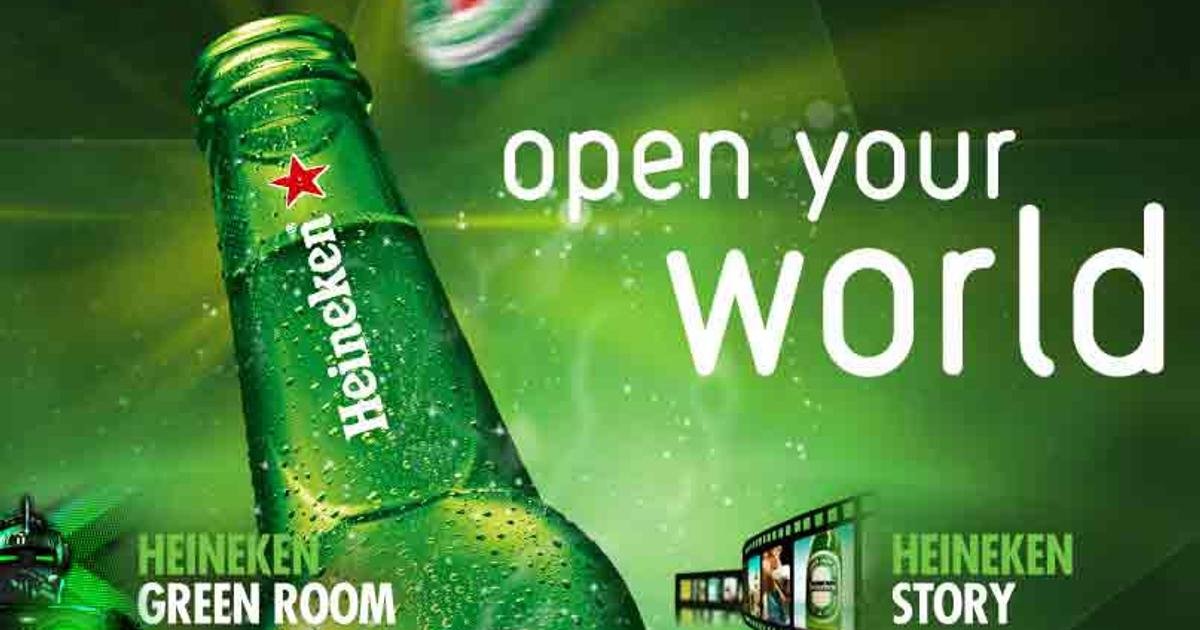
Heineken’s advertising campaigns are some of the most memorable in the beer industry. Notable campaigns like “Heineken: Open Your World” and “Heineken: The Entrance” emphasize sophistication, international appeal, and moments of celebration. These ads often feature aspirational themes, exotic locations, and cosmopolitan characters, reinforcing Heineken’s premium positioning.

b. The Role of Humor:

One of Heineken’s signature marketing tactics has been the use of humor in its advertisements. Humorous campaigns like the “Heineken: The Date” ad or the popular “Heineken 0.0: The Best Kept Secret” ads incorporate playful elements to appeal to a wide audience, making Heineken not just a beer choice but also a fun and approachable brand.

c. Sponsorships and Partnerships:

Heineken’s global visibility is also enhanced by its strategic partnerships and sponsorships. For years, Heineken has sponsored major global events, including the UEFA Champions League, Formula 1, and music festivals like Coachella. These high-profile sponsorships elevate the brand’s image, associating it with premium sports and entertainment, which attracts a more affluent and aspirational audience.

Heineken’s involvement in major events allows the brand to engage with consumers in a fun and memorable way. For example, its sponsorship of the UEFA Champions League aligns the brand with top-tier soccer, emphasizing its connection to an international, elite lifestyle.

d. Social Media and Digital Marketing:

In recent years, Heineken has expanded its digital marketing efforts to reach younger, tech-savvy consumers. Heineken has embraced platforms like Instagram, YouTube, and Twitter, creating engaging, shareable content that reinforces its fun, global, and premium brand values. Heineken’s digital campaigns often highlight its sponsorships, product innovations, and commitment to sustainability, effectively integrating its offline and online brand strategies.

4. Heineken’s Strategic Positioning in Emerging Markets

While Heineken is deeply entrenched in developed markets like Europe and North America, it has also been making significant strides in emerging markets. In countries like China, India, and Brazil, Heineken has worked to establish its presence and grow its market share.

a. Targeting Aspirational Consumers:

In emerging markets, Heineken focuses on attracting young, aspirational consumers who associate the brand with a premium, international lifestyle. Heineken’s marketing strategies in these regions emphasize global connectivity, socializing with friends, and celebrating success. This message resonates well with young professionals who aspire to a cosmopolitan lifestyle.

b. Local Partnerships:

Heineken has also forged partnerships with local distributors and businesses to expand its footprint in emerging markets. The company adapts its marketing efforts to suit local tastes and preferences while staying true to its premium global image.


5. Heineken’s Sustainability and Corporate Social Responsibility (CSR)

As part of its marketing and brand positioning strategy, Heineken has made significant efforts in the area of sustainability. The company’s CSR initiatives are not only an ethical choice but also a smart marketing tactic. Many consumers today are looking for brands that align with their values, and Heineken’s sustainability efforts play a role in attracting environmentally-conscious consumers.

a. Sustainability Goals:

Heineken has committed to reducing its environmental impact by focusing on water conservation, renewable energy, and waste reduction. The brand has set ambitious goals to reduce its carbon footprint, improve water efficiency, and promote sustainable packaging. These efforts are heavily integrated into Heineken’s marketing messages, appealing to eco-conscious consumers.

b. Social Responsibility:

In addition to environmental sustainability, Heineken has also taken steps to address social responsibility. This includes campaigns like “Enjoy Heineken Responsibly” and initiatives to promote responsible drinking. Heineken’s emphasis on responsible consumption reinforces its premium positioning and commitment to consumer well-being.


6. Conclusion: How Has Heineken Become a Global Leader in Beer Marketing and Positioning?

Heineken’s rise to prominence is a testament to the power of effective marketing and strategic brand positioning. From its premium branding to its innovative advertising campaigns, global sponsorships, and community engagement, Heineken has expertly crafted a brand identity that resonates with consumers around the world. Through a combination of traditional and modern marketing techniques, Heineken has maintained its status as a global leader in the beer industry.

As the brand continues to evolve, it is likely that Heineken will adapt its marketing strategies to new trends, consumer behaviors, and technological advancements. However, one thing remains clear: Heineken has established itself as a brand that stands for quality, celebration, and global connectivity, and its marketing and positioning have played a significant role in making it one of the most successful beer brands in history.

.
Tags: beerCultureHealthHistoryInnovationmarketpositioning
ShareTweetShare

Related Posts

Beer as a Cultural and Social Force: From Ancient Brew to Modern Identity
Beer

The Art of Beer & Food Pairing: Unlocking Flavor Through Balance, Contrast, and Texture

April 26, 2026
Beer as a Cultural and Social Force: From Ancient Brew to Modern Identity
Beer

A Complete Guide to Beer Styles: From Lager to Stout, Understanding Flavor, Body, and Character

April 26, 2026
Beer as a Cultural and Social Force: From Ancient Brew to Modern Identity
Beer

The Global Beer Industry: Craft Revolution, Market Forces, and the Future of Brewing

April 26, 2026
Beer as a Cultural and Social Force: From Ancient Brew to Modern Identity
Beer

The Science of Beer: Brewing Process, Ingredients, and the Chemistry of Flavor

April 26, 2026
Beer as a Cultural and Social Force: From Ancient Brew to Modern Identity
Beer

Beer as a Cultural and Social Force: From Ancient Brew to Modern Identity

April 26, 2026
The Evolution of Beer — From Ancient Brews to the Craft Revolution
Beer

The Future of Beer — Innovation, Sustainability, and Emerging Trends

April 23, 2026
Leave Comment
  • Trending
  • Comments
  • Latest
Role of Terroir in Champagne Production

Role of Terroir in Champagne Production

January 19, 2026
Champagne Can Be Aged in Wood?

Champagne Can Be Aged in Wood?

January 18, 2026
Is Organic Wine Healthier Than Conventional Wine?

Is Organic Wine Healthier Than Conventional Wine?

January 20, 2026
Why Do Some Champagnes Use a High Proportion of Pinot Meunier?

Why Do Some Champagnes Use a High Proportion of Pinot Meunier?

January 20, 2026
The Timeless Elegance of Wine: A Journey Through History and Culture

The Timeless Elegance of Wine: A Journey Through History and Culture

Why Is Château Lafite Rothschild the Pinnacle of Fine Wine?

Why Is Château Lafite Rothschild the Pinnacle of Fine Wine?

How Did Château Lafite Rothschild Become a Global Icon of Luxury?

How Did Château Lafite Rothschild Become a Global Icon of Luxury?

What Makes Chateau Lafite Rothschild the Pinnacle of Bordeaux Wines?

What Makes Chateau Lafite Rothschild the Pinnacle of Bordeaux Wines?

Beer as a Cultural and Social Force: From Ancient Brew to Modern Identity

The Art of Beer & Food Pairing: Unlocking Flavor Through Balance, Contrast, and Texture

April 26, 2026
Beer as a Cultural and Social Force: From Ancient Brew to Modern Identity

A Complete Guide to Beer Styles: From Lager to Stout, Understanding Flavor, Body, and Character

April 26, 2026
Beer as a Cultural and Social Force: From Ancient Brew to Modern Identity

The Global Beer Industry: Craft Revolution, Market Forces, and the Future of Brewing

April 26, 2026
Beer as a Cultural and Social Force: From Ancient Brew to Modern Identity

The Science of Beer: Brewing Process, Ingredients, and the Chemistry of Flavor

April 26, 2026
SipsavorLife

Welcome to our comprehensive beverage guide, where you can explore the fascinating world of alcoholic drinks. From exquisite wines and rich whiskeys to refreshing beers and sparkling champagnes, we provide insights, tips, and recommendations for enthusiasts and casual drinkers alike. Discover your next favorite libation with us!

© 2025 sipsavorlife.com. contacts:sipsavorlife-35376@gmail.com

No Result
View All Result
  • Home
  • Wine
  • Whiskey
  • Beer
  • Grain Spirits
  • Champagne
  • ALL

© 2025 sipsavorlife.com. contacts:sipsavorlife-35376@gmail.com

Welcome Back!

Login to your account below

Forgotten Password?

Retrieve your password

Please enter your username or email address to reset your password.

Log In