











SipsavorLife
  • Home
  • Wine
    The History, Culture, and Global Influence of Humanity’s Most Celebrated Beverage

    The Wine Revolution: How Modern Winemaking Transformed a Global Industry

    The History, Culture, and Global Influence of Humanity’s Most Celebrated Beverage

    Wine Styles of the World: A Complete Guide to Red, White, Rosé, Sparkling, and Fortified Wines

    The History, Culture, and Global Influence of Humanity’s Most Celebrated Beverage

    The Global Wine Industry: Markets, Trade, Tourism, and Economic Impact

    The History, Culture, and Global Influence of Humanity’s Most Celebrated Beverage

    The Science of Wine: Grapes, Fermentation, and Flavor Development

    The History, Culture, and Global Influence of Humanity’s Most Celebrated Beverage

    The History, Culture, and Global Influence of Humanity’s Most Celebrated Beverage

    The Cultural History of Wine: From Ancient Rituals to Modern Luxury

    The Psychology of Wine: Why Humans Associate Wine with Emotion, Memory, and Identity

  • Whiskey
    Can Beer Be an Effective Ingredient in Culinary Cooking?

    Can Beer Be an Effective Ingredient in Culinary Cooking?

    Second Fermentation in Champagne: Is It Really That Crucial?

    Second Fermentation in Champagne: Is It Really That Crucial?

    How Do Different Grains Impact the Flavor Profile of Distilled Spirits?

    How Do Different Grains Impact the Flavor Profile of Distilled Spirits?

    How Do Whiskey Master Blenders Create Perfection?

    How Do Whiskey Master Blenders Create Perfection?

    Wine Pairings: Can They Change the Flavor Profile of a Dish?

    Wine Pairings: Can They Change the Flavor Profile of a Dish?

    Beer the Ultimate Beverage for Pairing with Spicy Food?

    Beer the Ultimate Beverage for Pairing with Spicy Food?

  • Beer
    Malt Beer: Why Does Its Sweet Malty Aroma Always Bring Endless Satisfaction?

    The Craft Beer Revolution: How Independent Breweries Changed the World of Beer

    Beer: The World’s Oldest and Most Influential Beverage

    Beer Styles of the World: A Complete Guide to Lager, Ale, Stout, IPA, and Beyond

    Beer: The World’s Oldest and Most Influential Beverage

    The Global Beer Industry: Markets, Brands, and Economic Impact

    Beer: The World’s Oldest and Most Influential Beverage

    The Science of Beer: Ingredients, Fermentation, and Flavor

    Beer: The World’s Oldest and Most Influential Beverage

    Beer: The World’s Oldest and Most Influential Beverage

    Beer as a Cultural and Social Force: From Ancient Brew to Modern Identity

    Women in Brewing: The Untold History and Modern Transformation of Beer Culture

  • Grain Spirits
    Grain Spirits: The Origins, Science, and Global Evolution of Distilled Grain Alcohol

    Bourbon: America’s Native Grain Spirit and the Global Story of Corn, Oak, Fire, and Time

    Grain Spirits: The Origins, Science, and Global Evolution of Distilled Grain Alcohol

    Gin: Botanicals, History, Cocktail Culture, and the Artistic Evolution of the World’s Most Aromatic Grain Spirit

    Grain Spirits: The Origins, Science, and Global Evolution of Distilled Grain Alcohol

    Vodka: The Global Rise of the World’s Most Versatile Grain Spirit

    Grain Spirits: The Origins, Science, and Global Evolution of Distilled Grain Alcohol

    Whiskey and the Soul of Grain Spirits: History, Craftsmanship, Culture, and the Global Rise of the World’s Most Iconic Distilled Grain Beverage

    Grain Spirits: The Origins, Science, and Global Evolution of Distilled Grain Alcohol

    Grain Spirits: The Origins, Science, and Global Evolution of Distilled Grain Alcohol

    Grain Spirits Explained — The Foundation of Global Distillation

    The Future of Grain Spirits — Technology, Sustainability, and the Next Era of Distillation

  • Champagne
    Champagne: The Sparkling Wine That Changed Global Celebration Culture

    Dom Pérignon, Cristal, Krug, and Beyond: The World’s Most Famous Champagne Houses and Their Legacy

    Champagne Beyond Celebration: The History, Craftsmanship, and Global Influence of the World’s Most Iconic Sparkling Wine

    The Future of Champagne: Climate Change, Innovation, Sustainability, and the Next Era of Sparkling Wine

    Champagne Beyond Celebration: The History, Craftsmanship, and Global Influence of the World’s Most Iconic Sparkling Wine

    Champagne and Luxury Culture: How Sparkling Wine Became a Global Symbol of Wealth, Celebration, and Prestige

    Champagne Beyond Celebration: The History, Craftsmanship, and Global Influence of the World’s Most Iconic Sparkling Wine

    The Art of Champagne Production: Inside the Science, Skill, and Tradition Behind Every Bottle

    Champagne Beyond Celebration: The History, Craftsmanship, and Global Influence of the World’s Most Iconic Sparkling Wine

    Champagne Beyond Celebration: The History, Craftsmanship, and Global Influence of the World’s Most Iconic Sparkling Wine

    Champagne: The Sparkling Wine That Changed Global Celebration Culture

    Champagne vs Prosecco vs Cava: How the World’s Sparkling Wines Reflect Culture, Geography, and Taste

  • ALL
    Can Beer Be an Effective Ingredient in Culinary Cooking?

    Can Beer Be an Effective Ingredient in Culinary Cooking?

    Second Fermentation in Champagne: Is It Really That Crucial?

    Second Fermentation in Champagne: Is It Really That Crucial?

    How Do Different Grains Impact the Flavor Profile of Distilled Spirits?

    How Do Different Grains Impact the Flavor Profile of Distilled Spirits?

    How Do Whiskey Master Blenders Create Perfection?

    How Do Whiskey Master Blenders Create Perfection?

    Wine Pairings: Can They Change the Flavor Profile of a Dish?

    Wine Pairings: Can They Change the Flavor Profile of a Dish?

    Beer the Ultimate Beverage for Pairing with Spicy Food?

    Beer the Ultimate Beverage for Pairing with Spicy Food?

SipsavorLife
  • Home
  • Wine
    The History, Culture, and Global Influence of Humanity’s Most Celebrated Beverage

    The Wine Revolution: How Modern Winemaking Transformed a Global Industry

    The History, Culture, and Global Influence of Humanity’s Most Celebrated Beverage

    Wine Styles of the World: A Complete Guide to Red, White, Rosé, Sparkling, and Fortified Wines

    The History, Culture, and Global Influence of Humanity’s Most Celebrated Beverage

    The Global Wine Industry: Markets, Trade, Tourism, and Economic Impact

    The History, Culture, and Global Influence of Humanity’s Most Celebrated Beverage

    The Science of Wine: Grapes, Fermentation, and Flavor Development

    The History, Culture, and Global Influence of Humanity’s Most Celebrated Beverage

    The History, Culture, and Global Influence of Humanity’s Most Celebrated Beverage

    The Cultural History of Wine: From Ancient Rituals to Modern Luxury

    The Psychology of Wine: Why Humans Associate Wine with Emotion, Memory, and Identity

  • Whiskey
    Can Beer Be an Effective Ingredient in Culinary Cooking?

    Can Beer Be an Effective Ingredient in Culinary Cooking?

    Second Fermentation in Champagne: Is It Really That Crucial?

    Second Fermentation in Champagne: Is It Really That Crucial?

    How Do Different Grains Impact the Flavor Profile of Distilled Spirits?

    How Do Different Grains Impact the Flavor Profile of Distilled Spirits?

    How Do Whiskey Master Blenders Create Perfection?

    How Do Whiskey Master Blenders Create Perfection?

    Wine Pairings: Can They Change the Flavor Profile of a Dish?

    Wine Pairings: Can They Change the Flavor Profile of a Dish?

    Beer the Ultimate Beverage for Pairing with Spicy Food?

    Beer the Ultimate Beverage for Pairing with Spicy Food?

  • Beer
    Malt Beer: Why Does Its Sweet Malty Aroma Always Bring Endless Satisfaction?

    The Craft Beer Revolution: How Independent Breweries Changed the World of Beer

    Beer: The World’s Oldest and Most Influential Beverage

    Beer Styles of the World: A Complete Guide to Lager, Ale, Stout, IPA, and Beyond

    Beer: The World’s Oldest and Most Influential Beverage

    The Global Beer Industry: Markets, Brands, and Economic Impact

    Beer: The World’s Oldest and Most Influential Beverage

    The Science of Beer: Ingredients, Fermentation, and Flavor

    Beer: The World’s Oldest and Most Influential Beverage

    Beer: The World’s Oldest and Most Influential Beverage

    Beer as a Cultural and Social Force: From Ancient Brew to Modern Identity

    Women in Brewing: The Untold History and Modern Transformation of Beer Culture

  • Grain Spirits
    Grain Spirits: The Origins, Science, and Global Evolution of Distilled Grain Alcohol

    Bourbon: America’s Native Grain Spirit and the Global Story of Corn, Oak, Fire, and Time

    Grain Spirits: The Origins, Science, and Global Evolution of Distilled Grain Alcohol

    Gin: Botanicals, History, Cocktail Culture, and the Artistic Evolution of the World’s Most Aromatic Grain Spirit

    Grain Spirits: The Origins, Science, and Global Evolution of Distilled Grain Alcohol

    Vodka: The Global Rise of the World’s Most Versatile Grain Spirit

    Grain Spirits: The Origins, Science, and Global Evolution of Distilled Grain Alcohol

    Whiskey and the Soul of Grain Spirits: History, Craftsmanship, Culture, and the Global Rise of the World’s Most Iconic Distilled Grain Beverage

    Grain Spirits: The Origins, Science, and Global Evolution of Distilled Grain Alcohol

    Grain Spirits: The Origins, Science, and Global Evolution of Distilled Grain Alcohol

    Grain Spirits Explained — The Foundation of Global Distillation

    The Future of Grain Spirits — Technology, Sustainability, and the Next Era of Distillation

  • Champagne
    Champagne: The Sparkling Wine That Changed Global Celebration Culture

    Dom Pérignon, Cristal, Krug, and Beyond: The World’s Most Famous Champagne Houses and Their Legacy

    Champagne Beyond Celebration: The History, Craftsmanship, and Global Influence of the World’s Most Iconic Sparkling Wine

    The Future of Champagne: Climate Change, Innovation, Sustainability, and the Next Era of Sparkling Wine

    Champagne Beyond Celebration: The History, Craftsmanship, and Global Influence of the World’s Most Iconic Sparkling Wine

    Champagne and Luxury Culture: How Sparkling Wine Became a Global Symbol of Wealth, Celebration, and Prestige

    Champagne Beyond Celebration: The History, Craftsmanship, and Global Influence of the World’s Most Iconic Sparkling Wine

    The Art of Champagne Production: Inside the Science, Skill, and Tradition Behind Every Bottle

    Champagne Beyond Celebration: The History, Craftsmanship, and Global Influence of the World’s Most Iconic Sparkling Wine

    Champagne Beyond Celebration: The History, Craftsmanship, and Global Influence of the World’s Most Iconic Sparkling Wine

    Champagne: The Sparkling Wine That Changed Global Celebration Culture

    Champagne vs Prosecco vs Cava: How the World’s Sparkling Wines Reflect Culture, Geography, and Taste

  • ALL
    Can Beer Be an Effective Ingredient in Culinary Cooking?

    Can Beer Be an Effective Ingredient in Culinary Cooking?

    Second Fermentation in Champagne: Is It Really That Crucial?

    Second Fermentation in Champagne: Is It Really That Crucial?

    How Do Different Grains Impact the Flavor Profile of Distilled Spirits?

    How Do Different Grains Impact the Flavor Profile of Distilled Spirits?

    How Do Whiskey Master Blenders Create Perfection?

    How Do Whiskey Master Blenders Create Perfection?

    Wine Pairings: Can They Change the Flavor Profile of a Dish?

    Wine Pairings: Can They Change the Flavor Profile of a Dish?

    Beer the Ultimate Beverage for Pairing with Spicy Food?

    Beer the Ultimate Beverage for Pairing with Spicy Food?

SipsavorLife
No Result
View All Result
Home ALL

What Makes Heineken’s Flavor and Characteristics So Iconic?

January 11, 2025
in ALL, Beer
What Makes Heineken’s Flavor and Characteristics So Iconic?

Introduction

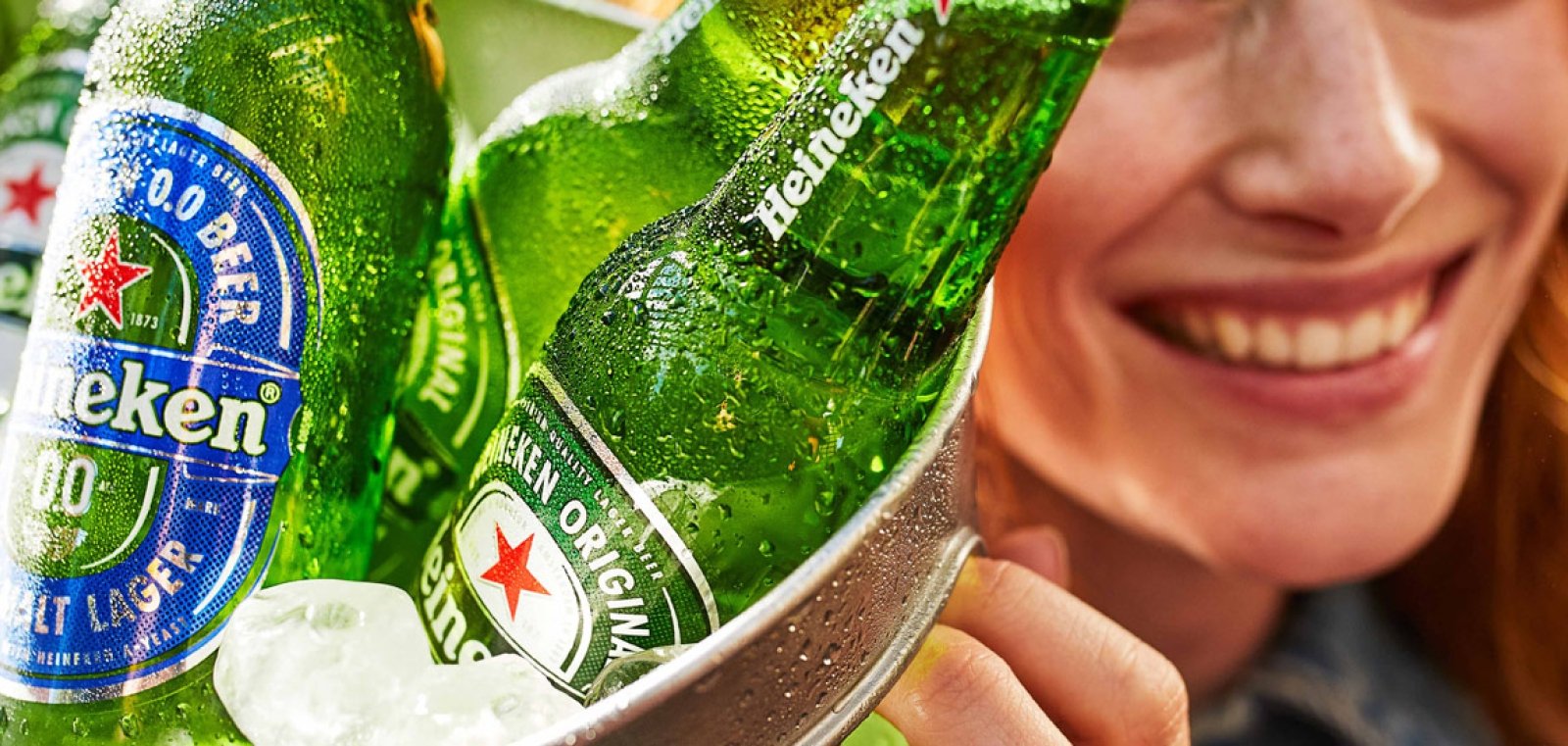
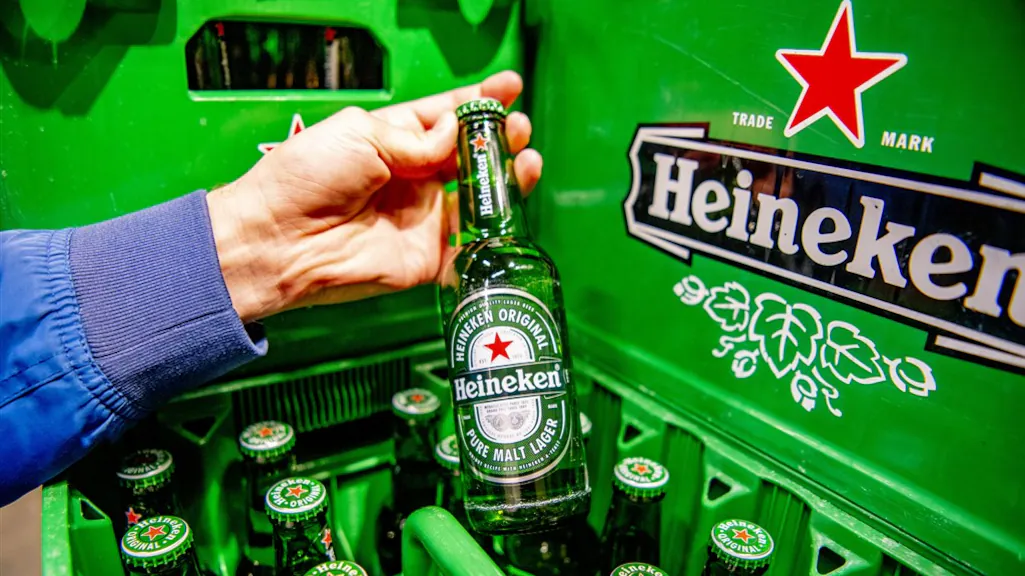
Heineken, one of the most recognizable and consumed beer brands globally, has carved out a distinctive place in the competitive world of brewing. Known for its signature green bottle, red star logo, and crisp, refreshing taste, Heineken’s flavor profile is a subject of fascination and admiration among beer aficionados and casual drinkers alike. The brewing giant, originating from Amsterdam, has cultivated a reputation for producing a beer that is both consistent and unique, combining centuries-old brewing tradition with modern innovation.

In this article, we will explore the nuances of Heineken’s flavor and characteristics, diving into its brewing process, the ingredients that define it, and the sensory experience it offers. Whether it’s the first sip or the thousandth, Heineken provides a universally recognizable taste that reflects its longstanding heritage and commitment to quality.


1. The Brewing Process: Crafting the Heineken Experience

The flavor and characteristics of Heineken are influenced by several critical factors in the brewing process. Heineken has consistently focused on quality, ensuring that every bottle meets the same high standards. Let’s break down how its process contributes to the beer’s iconic flavor:

a. The Role of Ingredients:

  • Water: Heineken uses water from a specific source known for its purity and consistency. The quality of water has a profound effect on the final taste of the beer.
  • Malt: Malted barley plays a significant role in Heineken’s flavor, providing the body, sweetness, and light-toasted flavors that form the foundation of the beer.
  • Hops: Heineken’s balanced hop bitterness is derived from a unique blend of hops. The brand has used its own proprietary “Heineken A-yeast” that enhances the hop flavors, allowing for a smooth yet crisp finish.
  • Yeast: Heineken’s famous yeast strain, the “A-yeast,” is an essential part of what makes Heineken taste like it does. This proprietary yeast strain is responsible for fermenting the beer and creating its signature fruity and floral aroma.

b. Fermentation & Maturation:

  • Fermentation: Heineken’s fermentation process is longer than many mass-market beers, which allows for greater complexity in flavor development. During fermentation, the A-yeast creates by-products like esters and phenols, which lend Heineken its subtle fruity and spicy notes.
  • Maturation: After fermentation, Heineken undergoes a maturation period in which it stabilizes, reducing harsh flavors and enabling its crisp and refreshing finish.

c. Consistency and Quality Control:

Heineken’s commitment to quality control ensures that every batch of beer tastes the same. Rigorous testing, from ingredient sourcing to final packaging, guarantees that Heineken’s signature flavor is consistent no matter where it’s brewed or consumed.


2. Heineken’s Flavor Profile: A Sensory Exploration

Heineken’s flavor profile is defined by a careful balance of sweetness, bitterness, and crispness. Below, we’ll break down the flavors and characteristics that make Heineken stand out from other lagers:

a. Appearance:

Heineken pours with a bright golden-yellow color and a crisp white head. The beer’s clarity reflects its high quality and fine filtration process, giving it an inviting and clean visual appeal.

b. Aroma:

The aroma of Heineken is delicate and balanced, with floral and slightly herbal hop notes. The beer’s mild malt sweetness is complemented by a faint hint of fruitiness from the yeast. There is also a subtle grassy scent, which contributes to its refreshing nature.

c. Taste:

Heineken’s flavor is marked by its balanced sweetness and hop bitterness. The malt provides a smooth, bready sweetness, which is quickly followed by a light bitterness from the hops. The bitterness is never overpowering but adds a layer of complexity to the beer’s flavor. This combination of malt sweetness and hop bitterness creates a clean, crisp taste that’s refreshingly drinkable.

d. Mouthfeel:

The mouthfeel of Heineken is light and medium-bodied, with a smooth texture that’s not too heavy. The carbonation is lively and effervescent, which enhances the refreshing quality of the beer. The finish is clean, dry, and slightly crisp, with a slight lingering hop bitterness.

e. Aftertaste:

The aftertaste of Heineken is light and crisp. There’s a subtle malt sweetness that fades quickly, leaving behind a refreshing, clean sensation. The hop bitterness lingers just enough to remind the drinker of the beer’s balance and craftsmanship.

3. Variants and Special Editions: Expanding the Flavor Spectrum

While Heineken’s flagship lager is the most well-known, the brand has also expanded its flavor offerings with various limited editions and variants that cater to different tastes and preferences. Some notable examples include:

a. Heineken 0.0:

This non-alcoholic variant delivers the same crisp, refreshing taste of Heineken but without the alcohol. The flavor is a bit lighter and less complex than the original, but it still captures the essence of Heineken’s signature profile.

b. Heineken Light:

This variant offers a lighter, lower-calorie version of Heineken, with a less pronounced malt sweetness and hop bitterness. It is brewed for those who enjoy a less filling, lighter beer while still maintaining a clean and crisp finish.

c. Heineken Special Editions:

Heineken often releases special-edition beers, such as the “Heineken Experience” and various seasonal brews, which may showcase different hop profiles, flavors, or even unique fermentation methods. These limited releases offer a chance to explore different facets of Heineken’s flavor character.


4. The Global Impact of Heineken’s Flavor

Heineken is enjoyed in over 190 countries, making it one of the most widely distributed beers in the world. Its universally appealing flavor profile is one of the reasons it has achieved such widespread recognition and success.

Heineken’s consistent flavor, quality, and brand identity have made it a symbol of international beer culture. Whether in a bustling city bar, a beachside resort, or a casual home setting, Heineken’s flavor remains a familiar, reliable companion for beer enthusiasts of all kinds.


5. Pairing Heineken with Food: Complementing its Flavor

Heineken’s balanced flavor profile makes it a versatile beer for pairing with a wide range of foods. Some great food pairings include:

  • Cheese: Heineken pairs wonderfully with rich cheeses such as Gouda, Brie, or cheddar. The beer’s light malt sweetness complements the creaminess of the cheese, while its hop bitterness cuts through heavier flavors.
  • Grilled Meats: Heineken’s crisp, dry finish makes it a perfect match for grilled meats like burgers, sausages, and steaks. The carbonation helps cleanse the palate, allowing for an enhanced flavor experience.
  • Spicy Dishes: The refreshing quality of Heineken works well with spicy foods, such as curries, tacos, or spicy barbecue. The beer’s subtle bitterness helps balance the heat of the spices.

6. Heineken’s Enduring Popularity and Global Recognition

The enduring popularity of Heineken can be attributed not only to its consistent flavor but also to the brand’s marketing, packaging, and cultural influence. Heineken’s green bottle, red star, and international presence have made it synonymous with quality and craftsmanship, while its flavor remains as fresh and vibrant as ever.

In addition to its flagship lager, Heineken’s commitment to sustainability, innovation, and global partnerships has further solidified its place as a leader in the beer industry. Whether it’s the original lager, a limited-edition brew, or a new flavor variant, Heineken continues to shape and redefine what beer can be on the global stage.


Conclusion: What Makes Heineken’s Flavor and Characteristics So Iconic?

Heineken’s flavor profile, marked by its balance of malt sweetness, hop bitterness, and crispness, has made it one of the most beloved beers worldwide. The brewery’s attention to detail in every step of the brewing process, from ingredient selection to fermentation and maturation, has resulted in a product that stands the test of time.

With its distinctive flavors and universal appeal, Heineken continues to embody the ideals of craftsmanship, consistency, and quality, making it a go-to choice for beer lovers across the globe. Whether enjoyed on its own or paired with food, Heineken’s iconic taste offers an experience that has been carefully honed over generations. As beer culture continues to evolve, Heineken’s timeless flavor profile remains a symbol of what it means to create an enduring, world-class beer.

Tags: beercharacteristicsCultureflavorHealthInnovation
ShareTweetShare

Related Posts

Malt Beer: Why Does Its Sweet Malty Aroma Always Bring Endless Satisfaction?
Beer

The Craft Beer Revolution: How Independent Breweries Changed the World of Beer

June 3, 2026
Beer: The World’s Oldest and Most Influential Beverage
Beer

Beer Styles of the World: A Complete Guide to Lager, Ale, Stout, IPA, and Beyond

June 3, 2026
Beer: The World’s Oldest and Most Influential Beverage
Beer

The Global Beer Industry: Markets, Brands, and Economic Impact

June 3, 2026
Beer: The World’s Oldest and Most Influential Beverage
Beer

The Science of Beer: Ingredients, Fermentation, and Flavor

June 3, 2026
Beer: The World’s Oldest and Most Influential Beverage
Beer

Beer: The World’s Oldest and Most Influential Beverage

June 3, 2026
Beer as a Cultural and Social Force: From Ancient Brew to Modern Identity
Beer

Women in Brewing: The Untold History and Modern Transformation of Beer Culture

May 23, 2026
Leave Comment
  • Trending
  • Comments
  • Latest
Role of Terroir in Champagne Production

Role of Terroir in Champagne Production

January 19, 2026
Champagne Can Be Aged in Wood?

Champagne Can Be Aged in Wood?

January 18, 2026
Is Organic Wine Healthier Than Conventional Wine?

Is Organic Wine Healthier Than Conventional Wine?

January 20, 2026
Why Do Some Champagnes Use a High Proportion of Pinot Meunier?

Why Do Some Champagnes Use a High Proportion of Pinot Meunier?

January 20, 2026
The Timeless Elegance of Wine: A Journey Through History and Culture

The Timeless Elegance of Wine: A Journey Through History and Culture

Why Is Château Lafite Rothschild the Pinnacle of Fine Wine?

Why Is Château Lafite Rothschild the Pinnacle of Fine Wine?

How Did Château Lafite Rothschild Become a Global Icon of Luxury?

How Did Château Lafite Rothschild Become a Global Icon of Luxury?

What Makes Chateau Lafite Rothschild the Pinnacle of Bordeaux Wines?

What Makes Chateau Lafite Rothschild the Pinnacle of Bordeaux Wines?

The History, Culture, and Global Influence of Humanity’s Most Celebrated Beverage

The Wine Revolution: How Modern Winemaking Transformed a Global Industry

June 3, 2026
The History, Culture, and Global Influence of Humanity’s Most Celebrated Beverage

Wine Styles of the World: A Complete Guide to Red, White, Rosé, Sparkling, and Fortified Wines

June 3, 2026
The History, Culture, and Global Influence of Humanity’s Most Celebrated Beverage

The Global Wine Industry: Markets, Trade, Tourism, and Economic Impact

June 3, 2026
The History, Culture, and Global Influence of Humanity’s Most Celebrated Beverage

The Science of Wine: Grapes, Fermentation, and Flavor Development

June 3, 2026
SipsavorLife

Welcome to our comprehensive beverage guide, where you can explore the fascinating world of alcoholic drinks. From exquisite wines and rich whiskeys to refreshing beers and sparkling champagnes, we provide insights, tips, and recommendations for enthusiasts and casual drinkers alike. Discover your next favorite libation with us!

© 2025 sipsavorlife.com. contacts:sipsavorlife-35376@gmail.com

No Result
View All Result
  • Home
  • Wine
  • Whiskey
  • Beer
  • Grain Spirits
  • Champagne
  • ALL

© 2025 sipsavorlife.com. contacts:sipsavorlife-35376@gmail.com

Welcome Back!

Login to your account below

Forgotten Password?

Retrieve your password

Please enter your username or email address to reset your password.

Log In