














SipsavorLife
  • Home
  • Wine
    Wine Pairings: Can They Change the Flavor Profile of a Dish?

    Wine Pairings: Can They Change the Flavor Profile of a Dish?

    How Do Wine Glasses Influence the Tasting Experience?

    How Do Wine Glasses Influence the Tasting Experience?

    Is Organic Wine Healthier Than Conventional Wine?

    Is Organic Wine Healthier Than Conventional Wine?

    Why Do Some Wines Taste Better from Specific Vintages?

    Why Do Some Wines Taste Better from Specific Vintages?

    Wine Tasting: Can It Truly Be an Art Form?

    Wine Tasting: Can It Truly Be an Art Form?

    What Does Terroir Actually Mean for Your Wine?

    What Does Terroir Actually Mean for Your Wine?

  • Whiskey
    Can Beer Be an Effective Ingredient in Culinary Cooking?

    Can Beer Be an Effective Ingredient in Culinary Cooking?

    Second Fermentation in Champagne: Is It Really That Crucial?

    Second Fermentation in Champagne: Is It Really That Crucial?

    How Do Different Grains Impact the Flavor Profile of Distilled Spirits?

    How Do Different Grains Impact the Flavor Profile of Distilled Spirits?

    How Do Whiskey Master Blenders Create Perfection?

    How Do Whiskey Master Blenders Create Perfection?

    Wine Pairings: Can They Change the Flavor Profile of a Dish?

    Wine Pairings: Can They Change the Flavor Profile of a Dish?

    Beer the Ultimate Beverage for Pairing with Spicy Food?

    Beer the Ultimate Beverage for Pairing with Spicy Food?

  • Beer
    Can Beer Be an Effective Ingredient in Culinary Cooking?

    Can Beer Be an Effective Ingredient in Culinary Cooking?

    Beer the Ultimate Beverage for Pairing with Spicy Food?

    Beer the Ultimate Beverage for Pairing with Spicy Food?

    How Did Ancient Civilizations Brew Beer Without Modern Technology?

    How Did Ancient Civilizations Brew Beer Without Modern Technology?

    Is It Possible to Brew a Beer with No Alcohol and No Compromise on Taste?

    Is It Possible to Brew a Beer with No Alcohol and No Compromise on Taste?

    Why Does Beer Taste Different at High Altitudes?

    Why Does Beer Taste Different at High Altitudes?

    Is Hops the Secret Ingredient Behind Beer’s Bold Flavor?

    Is Hops the Secret Ingredient Behind Beer’s Bold Flavor?

  • Grain Spirits
    How Do Different Grains Impact the Flavor Profile of Distilled Spirits?

    How Do Different Grains Impact the Flavor Profile of Distilled Spirits?

    Grain Spirits the Unsung Heroes of Modern Mixology

    Grain Spirits the Unsung Heroes of Modern Mixology

    What Makes Grain-Based Whiskey So Different from Its Peated Cousins?

    What Makes Grain-Based Whiskey So Different from Its Peated Cousins?

    Grain Spirits: Could They Be the Next Big Trend in Craft Cocktails?

    Grain Spirits: Could They Be the Next Big Trend in Craft Cocktails?

    Why Are Grain Spirits Often Overlooked in the World of Fine Liquor?

    Why Are Grain Spirits Often Overlooked in the World of Fine Liquor?

    Is There a Secret Art to Distilling Grain Spirits?

    Is There a Secret Art to Distilling Grain Spirits?

  • Champagne
    Second Fermentation in Champagne: Is It Really That Crucial?

    Second Fermentation in Champagne: Is It Really That Crucial?

    The Science Behind the ‘Bubble Size’ in Champagne

    The Science Behind the ‘Bubble Size’ in Champagne

    Why Do Some Champagnes Use a High Proportion of Pinot Meunier?

    Why Do Some Champagnes Use a High Proportion of Pinot Meunier?

    Role of Terroir in Champagne Production

    Role of Terroir in Champagne Production

    Champagne Can Be Aged in Wood?

    Champagne Can Be Aged in Wood?

    Is There a Difference Between Blanc de Blancs and Blanc de Noirs Champagne?

    Is There a Difference Between Blanc de Blancs and Blanc de Noirs Champagne?

  • ALL
    Can Beer Be an Effective Ingredient in Culinary Cooking?

    Can Beer Be an Effective Ingredient in Culinary Cooking?

    Second Fermentation in Champagne: Is It Really That Crucial?

    Second Fermentation in Champagne: Is It Really That Crucial?

    How Do Different Grains Impact the Flavor Profile of Distilled Spirits?

    How Do Different Grains Impact the Flavor Profile of Distilled Spirits?

    How Do Whiskey Master Blenders Create Perfection?

    How Do Whiskey Master Blenders Create Perfection?

    Wine Pairings: Can They Change the Flavor Profile of a Dish?

    Wine Pairings: Can They Change the Flavor Profile of a Dish?

    Beer the Ultimate Beverage for Pairing with Spicy Food?

    Beer the Ultimate Beverage for Pairing with Spicy Food?

SipsavorLife
  • Home
  • Wine
    Wine Pairings: Can They Change the Flavor Profile of a Dish?

    Wine Pairings: Can They Change the Flavor Profile of a Dish?

    How Do Wine Glasses Influence the Tasting Experience?

    How Do Wine Glasses Influence the Tasting Experience?

    Is Organic Wine Healthier Than Conventional Wine?

    Is Organic Wine Healthier Than Conventional Wine?

    Why Do Some Wines Taste Better from Specific Vintages?

    Why Do Some Wines Taste Better from Specific Vintages?

    Wine Tasting: Can It Truly Be an Art Form?

    Wine Tasting: Can It Truly Be an Art Form?

    What Does Terroir Actually Mean for Your Wine?

    What Does Terroir Actually Mean for Your Wine?

  • Whiskey
    Can Beer Be an Effective Ingredient in Culinary Cooking?

    Can Beer Be an Effective Ingredient in Culinary Cooking?

    Second Fermentation in Champagne: Is It Really That Crucial?

    Second Fermentation in Champagne: Is It Really That Crucial?

    How Do Different Grains Impact the Flavor Profile of Distilled Spirits?

    How Do Different Grains Impact the Flavor Profile of Distilled Spirits?

    How Do Whiskey Master Blenders Create Perfection?

    How Do Whiskey Master Blenders Create Perfection?

    Wine Pairings: Can They Change the Flavor Profile of a Dish?

    Wine Pairings: Can They Change the Flavor Profile of a Dish?

    Beer the Ultimate Beverage for Pairing with Spicy Food?

    Beer the Ultimate Beverage for Pairing with Spicy Food?

  • Beer
    Can Beer Be an Effective Ingredient in Culinary Cooking?

    Can Beer Be an Effective Ingredient in Culinary Cooking?

    Beer the Ultimate Beverage for Pairing with Spicy Food?

    Beer the Ultimate Beverage for Pairing with Spicy Food?

    How Did Ancient Civilizations Brew Beer Without Modern Technology?

    How Did Ancient Civilizations Brew Beer Without Modern Technology?

    Is It Possible to Brew a Beer with No Alcohol and No Compromise on Taste?

    Is It Possible to Brew a Beer with No Alcohol and No Compromise on Taste?

    Why Does Beer Taste Different at High Altitudes?

    Why Does Beer Taste Different at High Altitudes?

    Is Hops the Secret Ingredient Behind Beer’s Bold Flavor?

    Is Hops the Secret Ingredient Behind Beer’s Bold Flavor?

  • Grain Spirits
    How Do Different Grains Impact the Flavor Profile of Distilled Spirits?

    How Do Different Grains Impact the Flavor Profile of Distilled Spirits?

    Grain Spirits the Unsung Heroes of Modern Mixology

    Grain Spirits the Unsung Heroes of Modern Mixology

    What Makes Grain-Based Whiskey So Different from Its Peated Cousins?

    What Makes Grain-Based Whiskey So Different from Its Peated Cousins?

    Grain Spirits: Could They Be the Next Big Trend in Craft Cocktails?

    Grain Spirits: Could They Be the Next Big Trend in Craft Cocktails?

    Why Are Grain Spirits Often Overlooked in the World of Fine Liquor?

    Why Are Grain Spirits Often Overlooked in the World of Fine Liquor?

    Is There a Secret Art to Distilling Grain Spirits?

    Is There a Secret Art to Distilling Grain Spirits?

  • Champagne
    Second Fermentation in Champagne: Is It Really That Crucial?

    Second Fermentation in Champagne: Is It Really That Crucial?

    The Science Behind the ‘Bubble Size’ in Champagne

    The Science Behind the ‘Bubble Size’ in Champagne

    Why Do Some Champagnes Use a High Proportion of Pinot Meunier?

    Why Do Some Champagnes Use a High Proportion of Pinot Meunier?

    Role of Terroir in Champagne Production

    Role of Terroir in Champagne Production

    Champagne Can Be Aged in Wood?

    Champagne Can Be Aged in Wood?

    Is There a Difference Between Blanc de Blancs and Blanc de Noirs Champagne?

    Is There a Difference Between Blanc de Blancs and Blanc de Noirs Champagne?

  • ALL
    Can Beer Be an Effective Ingredient in Culinary Cooking?

    Can Beer Be an Effective Ingredient in Culinary Cooking?

    Second Fermentation in Champagne: Is It Really That Crucial?

    Second Fermentation in Champagne: Is It Really That Crucial?

    How Do Different Grains Impact the Flavor Profile of Distilled Spirits?

    How Do Different Grains Impact the Flavor Profile of Distilled Spirits?

    How Do Whiskey Master Blenders Create Perfection?

    How Do Whiskey Master Blenders Create Perfection?

    Wine Pairings: Can They Change the Flavor Profile of a Dish?

    Wine Pairings: Can They Change the Flavor Profile of a Dish?

    Beer the Ultimate Beverage for Pairing with Spicy Food?

    Beer the Ultimate Beverage for Pairing with Spicy Food?

SipsavorLife
No Result
View All Result
Home ALL

What Makes the Flavors and Characteristics of Johnnie Walker Whiskies Stand Out in the World of Scotch?

January 10, 2025
in ALL, Grain Spirits
What Makes the Flavors and Characteristics of Johnnie Walker Whiskies Stand Out in the World of Scotch?

Introduction: The Complexity Behind Johnnie Walker’s Flavor Profile

Johnnie Walker, one of the most recognizable and iconic Scotch whisky brands in the world, has crafted a legacy that spans over 200 years. Known for its blended whiskies, the brand has created a remarkable collection of flavors and characteristics that have earned it a place in the hearts and minds of whisky enthusiasts worldwide. But what exactly makes the flavors and characteristics of Johnnie Walker whiskies stand out in the competitive world of Scotch?

The question may seem simple, but the answer is anything but. Johnnie Walker’s exceptional reputation is built on a unique combination of blending artistry, rich heritage, and meticulous production processes that deliver a whisky with incredible depth and complexity. Whether it’s the bold and smoky flavor of the Johnnie Walker Blue Label, the smooth and accessible notes of Red Label, or the complex and refined character of Gold Label Reserve, every bottle tells a story of craftsmanship, tradition, and creativity.

In this article, we will take an in-depth look at the distinctive flavors and characteristics that define Johnnie Walker’s range of whiskies. From the art of blending multiple single malts to the influence of maturation, we will explore the elements that make Johnnie Walker one of the most beloved Scotch whisky brands in the world. We will also examine the key expressions within the Johnnie Walker lineup, analyzing their unique profiles and what sets them apart.


1. The Art of Blending: Crafting Flavor and Consistency

1.1 Understanding the Process of Blending

At the heart of Johnnie Walker’s flavor profile is its commitment to the art of blending. Blending Scotch whisky is both an art and a science, requiring an expert understanding of individual whisky characteristics and how they will work together to form a balanced and harmonious final product. The skillful blending of whisky from multiple distilleries is what sets Johnnie Walker apart, as the brand’s master blenders are able to combine different single malts and grain whiskies to create a distinctive and consistent flavor profile across its entire range.

One of the key factors behind the success of Johnnie Walker’s blended whiskies is its ability to combine the right balance of flavors from a wide variety of ingredients. By sourcing whiskies from over 30 distilleries across Scotland, Johnnie Walker’s blenders can create a product that combines the best elements of single malt whiskies with the smoothness and consistency of grain whisky. This unique blending process results in the brand’s signature balanced and layered flavor profiles.

1.2 The Role of Single Malt and Grain Whiskies in the Blend

Johnnie Walker whiskies are made from a combination of two main types of whisky: single malt whisky and grain whisky. Single malt whiskies are produced at one distillery using malted barley, while grain whiskies can be made from a mixture of grains, such as wheat, barley, and corn. The combination of these two types of whisky allows Johnnie Walker to create a flavor profile that is both rich and smooth, with a variety of layers and nuances.

The single malt whiskies in Johnnie Walker’s blends contribute a range of flavors, from the rich, smoky notes of Islay malts to the light and floral characteristics of Speyside malts. The grain whiskies, on the other hand, provide a smooth and light base, giving the final blend a refined texture and consistency. This combination of malt and grain whiskies allows Johnnie Walker to create a balanced and complex whisky, with a flavor profile that appeals to a wide variety of palates.


2. Johnnie Walker’s Core Range: Exploring the Flavors and Characteristics

2.1 Johnnie Walker Red Label: Bold and Robust

The Johnnie Walker Red Label is the entry-level whisky in the Johnnie Walker lineup and is one of the brand’s best-selling expressions. Despite its more affordable price point, Red Label is known for its bold and robust flavor profile, making it an excellent choice for mixing in cocktails or enjoying neat.

Flavor Profile: Johnnie Walker Red Label is characterized by its strong and fiery flavor. It has an initial burst of smoky and peaty notes, often attributed to the inclusion of malts from the Islay region, known for their distinctive smoky characteristics. There are hints of fresh fruit, such as apple and pear, alongside a touch of spicy black pepper and a slight sweetness from the grain whisky. The finish is smooth with a lingering warmth, providing an enjoyable balance between the smokiness and sweetness.

Key Characteristics:

  • Smoky and peaty: A signature feature of Red Label, with the smokiness coming from the Islay malts.
  • Spicy: A slight peppery note adds an extra dimension to the flavor.
  • Fruity: Subtle fruit notes balance out the smokiness.
  • Bold and full-bodied: The whisky is intense, making it ideal for mixed drinks.

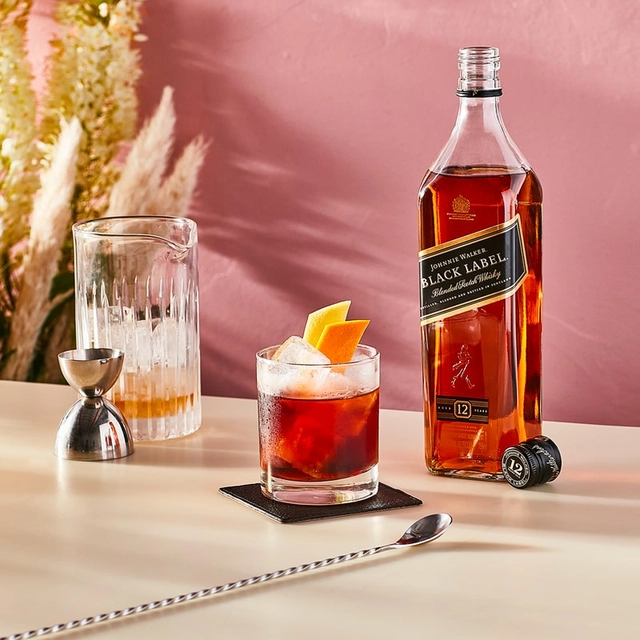
2.2 Johnnie Walker Black Label: Rich and Complex

The Johnnie Walker Black Label is one of the brand’s most iconic expressions and is known for its rich and complex flavor profile. It is a blend of approximately 40 different single malt and grain whiskies, with some of the whiskies being aged for up to 12 years. This complexity gives Black Label a refined and well-rounded flavor that appeals to both whisky novices and connoisseurs alike.

Flavor Profile: Johnnie Walker Black Label has a rich and smooth character, with a balanced combination of sweet and smoky flavors. The whisky opens with notes of dried fruit, toffee, and vanilla, followed by a subtle smokiness that becomes more pronounced as the whisky lingers on the palate. There is a hint of spice, with traces of cinnamon and nutmeg, adding to the overall complexity. The finish is long and warming, with the flavors evolving gradually.

Key Characteristics:

  • Rich and smooth: A full-bodied whisky with a well-rounded character.
  • Sweet and fruity: Notes of dried fruit and toffee provide sweetness.
  • Smoky: A balanced level of smokiness from the Islay malts.
  • Complex: Layers of flavors, including spice and vanilla, make Black Label a sophisticated blend.
2.3 Johnnie Walker Green Label: Fresh and Herbal

The Johnnie Walker Green Label is a 15-year-old blended malt Scotch whisky, meaning it is made entirely from single malts. Green Label offers a fresher and more herbal character compared to other expressions in the Johnnie Walker lineup, making it an appealing choice for those who enjoy a whisky with a lighter and more vibrant flavor profile.

Flavor Profile: Green Label opens with an invigorating burst of fresh fruit, such as green apple and citrus, combined with herbal and floral notes. The whisky then reveals a delicate maltiness, with hints of vanilla, honey, and oak. There is a gentle smokiness on the finish, but it is more subtle than in other Johnnie Walker expressions. The overall taste is clean, refreshing, and well-balanced.

Key Characteristics:

  • Fresh and herbal: The dominant flavors are bright and herbal, with green apple and citrus.
  • Malt-driven: The 15-year aging process brings out the natural malt flavors.
  • Subtle smoke: A light touch of smokiness provides balance without overwhelming the palate.
  • Complex yet delicate: The combination of malt, fruit, and smoke creates a refined taste experience.

2.4 Johnnie Walker Gold Label Reserve: Elegant and Refined

The Johnnie Walker Gold Label Reserve is a premium expression that is known for its luxurious and sophisticated flavor profile. It is crafted using a combination of rare and exclusive whiskies, some of which are aged for up to 18 years. Gold Label is often considered the epitome of luxury within the Johnnie Walker range and is designed to appeal to whisky connoisseurs looking for a refined and elegant experience.

Flavor Profile: Gold Label Reserve is rich and smooth, with a luxurious mouthfeel. It opens with notes of honey, vanilla, and soft fruits, followed by a subtle floral aroma. The whisky then develops layers of creamy toffee, oak, and a hint of spice. The finish is long, smooth, and satisfying, with a gentle warmth that lingers on the palate.

Key Characteristics:

  • Luxurious and smooth: The texture is silky and elegant.
  • Sweet and fruity: A combination of honey, vanilla, and fruitiness provides sweetness.
  • Complex: Layers of toffee, oak, and spice give depth and complexity.
  • Refined: The smooth finish and well-balanced flavors make it a premium whisky.

2.5 Johnnie Walker Blue Label: Exquisite and Complex

The Johnnie Walker Blue Label is the pinnacle of the brand’s whisky collection, known for its exceptional quality and complexity. It is a blend of some of the rarest and most exclusive whiskies, with many of the malts being aged for several decades. Blue Label is regarded as one of the finest blended Scotch whiskies in the world, with a flavor profile that offers unparalleled depth and sophistication.

Flavor Profile: Johnnie Walker Blue Label offers a truly exquisite experience. The whisky opens with a complex blend of dried fruit, nuts, and rich caramel, followed by notes of dark chocolate, spice, and a subtle smokiness. There is a beautiful balance between sweetness and dryness, with the whisky’s oak and honeyed flavors melding perfectly with the deep complexity of the malt. The finish is incredibly long and smooth, with a final note of smoke and spice that lingers delicately on the palate.

Key Characteristics:

  • Exquisite and complex: The flavor profile is intricate and layered.
  • Rich and smooth: A combination of dried fruit, caramel, and chocolate.
  • Subtle smoke: A refined smokiness adds depth without overpowering the whisky.
  • Luxurious and sophisticated: The overall experience is one of ultimate refinement.

3. Conclusion: Johnnie Walker’s Legacy of Flavor and Innovation

Johnnie Walker’s range of whiskies represents a celebration of both tradition and innovation, with each expression offering a unique and distinct flavor profile. The brand’s commitment to the art of blending, coupled with its rich heritage and dedication to quality, ensures that its whiskies remain a beloved choice for whisky lovers worldwide.

From the bold and smoky Red Label to the luxurious and complex Blue Label, Johnnie Walker offers a diverse array of flavors and characteristics that cater to a wide variety of tastes. Through its masterful blending, use of carefully selected single malts and grain whiskies, and ongoing commitment to excellence, Johnnie Walker has secured its place as one of the most iconic and influential whisky brands in the world.

In answering the question posed in the title, Johnnie Walker whiskies stand out because of their rich history, innovative blending techniques, and the ability to offer a range of flavor profiles that appeal to both casual drinkers and whisky connoisseurs alike. Whether you enjoy a vibrant and fresh Green Label or the luxurious experience of Blue Label, Johnnie Walker continues to create exceptional whiskies that leave a lasting impression.

Tags: CultureHealthHistoryInnovationluxury
ShareTweetShare

Related Posts

Can Beer Be an Effective Ingredient in Culinary Cooking?
ALL

Can Beer Be an Effective Ingredient in Culinary Cooking?

January 22, 2026
Second Fermentation in Champagne: Is It Really That Crucial?
ALL

Second Fermentation in Champagne: Is It Really That Crucial?

January 22, 2026
How Do Different Grains Impact the Flavor Profile of Distilled Spirits?
ALL

How Do Different Grains Impact the Flavor Profile of Distilled Spirits?

January 22, 2026
How Do Whiskey Master Blenders Create Perfection?
ALL

How Do Whiskey Master Blenders Create Perfection?

January 22, 2026
Wine Pairings: Can They Change the Flavor Profile of a Dish?
ALL

Wine Pairings: Can They Change the Flavor Profile of a Dish?

January 22, 2026
Beer the Ultimate Beverage for Pairing with Spicy Food?
ALL

Beer the Ultimate Beverage for Pairing with Spicy Food?

January 21, 2026
Leave Comment
  • Trending
  • Comments
  • Latest
What Hidden Craftsmanship Lies Behind a Bottle of Quality Grain Spirits?

What Hidden Craftsmanship Lies Behind a Bottle of Quality Grain Spirits?

July 3, 2025
How Is Champagne Made? The Secrets Behind the Sparkle

How Is Champagne Made? The Secrets Behind the Sparkle

April 15, 2025
Grain Spirits vs. Traditional Distilled Spirits: Which One Suits Your Taste?

Grain Spirits vs. Traditional Distilled Spirits: Which One Suits Your Taste?

July 3, 2025
Champagne Bubbles: How Do They Perfectly Convey Celebration, Joy, and Luxury?

Champagne Bubbles: How Do They Perfectly Convey Celebration, Joy, and Luxury?

July 2, 2025
The Timeless Elegance of Wine: A Journey Through History and Culture

The Timeless Elegance of Wine: A Journey Through History and Culture

Why Is Château Lafite Rothschild the Pinnacle of Fine Wine?

Why Is Château Lafite Rothschild the Pinnacle of Fine Wine?

How Did Château Lafite Rothschild Become a Global Icon of Luxury?

How Did Château Lafite Rothschild Become a Global Icon of Luxury?

What Makes Chateau Lafite Rothschild the Pinnacle of Bordeaux Wines?

What Makes Chateau Lafite Rothschild the Pinnacle of Bordeaux Wines?

Can Beer Be an Effective Ingredient in Culinary Cooking?

Can Beer Be an Effective Ingredient in Culinary Cooking?

January 22, 2026
Second Fermentation in Champagne: Is It Really That Crucial?

Second Fermentation in Champagne: Is It Really That Crucial?

January 22, 2026
How Do Different Grains Impact the Flavor Profile of Distilled Spirits?

How Do Different Grains Impact the Flavor Profile of Distilled Spirits?

January 22, 2026
How Do Whiskey Master Blenders Create Perfection?

How Do Whiskey Master Blenders Create Perfection?

January 22, 2026
SipsavorLife

Welcome to our comprehensive beverage guide, where you can explore the fascinating world of alcoholic drinks. From exquisite wines and rich whiskeys to refreshing beers and sparkling champagnes, we provide insights, tips, and recommendations for enthusiasts and casual drinkers alike. Discover your next favorite libation with us!

© 2025 sipsavorlife.com. contacts:sipsavorlife-35376@gmail.com

No Result
View All Result
  • Home
  • Wine
  • Whiskey
  • Beer
  • Grain Spirits
  • Champagne
  • ALL

© 2025 sipsavorlife.com. contacts:sipsavorlife-35376@gmail.com

Welcome Back!

Login to your account below

Forgotten Password?

Retrieve your password

Please enter your username or email address to reset your password.

Log In