













SipsavorLife
  • Home
  • Wine
    Wine as a Cultural Artifact: History, Identity, and the Evolution of Taste

    The Art and Science of Wine & Food Pairing: How to Create Perfect Matches Every Time

    Wine as a Cultural Artifact: History, Identity, and the Evolution of Taste

    A Complete Guide to Wine Styles and Grape Varieties: From Cabernet Sauvignon to Riesling

    Wine as a Cultural Artifact: History, Identity, and the Evolution of Taste

    The Global Wine Industry: Economics, Markets, and the Future of Consumption

    Wine as a Cultural Artifact: History, Identity, and the Evolution of Taste

    The Science of Wine Tasting: How Chemistry, Biology, and Perception Shape Flavor

    Wine as a Cultural Artifact: History, Identity, and the Evolution of Taste

    Wine as a Cultural Artifact: History, Identity, and the Evolution of Taste

    Red Wine — The Liquid Expression of Land, Time, and Human Intention

    The Future of Red Wine — Climate Change, Technology, and the Evolution of Taste

  • Whiskey
    Can Beer Be an Effective Ingredient in Culinary Cooking?

    Can Beer Be an Effective Ingredient in Culinary Cooking?

    Second Fermentation in Champagne: Is It Really That Crucial?

    Second Fermentation in Champagne: Is It Really That Crucial?

    How Do Different Grains Impact the Flavor Profile of Distilled Spirits?

    How Do Different Grains Impact the Flavor Profile of Distilled Spirits?

    How Do Whiskey Master Blenders Create Perfection?

    How Do Whiskey Master Blenders Create Perfection?

    Wine Pairings: Can They Change the Flavor Profile of a Dish?

    Wine Pairings: Can They Change the Flavor Profile of a Dish?

    Beer the Ultimate Beverage for Pairing with Spicy Food?

    Beer the Ultimate Beverage for Pairing with Spicy Food?

  • Beer
    Beer as a Cultural and Social Force: From Ancient Brew to Modern Identity

    The Art of Beer & Food Pairing: Unlocking Flavor Through Balance, Contrast, and Texture

    Beer as a Cultural and Social Force: From Ancient Brew to Modern Identity

    A Complete Guide to Beer Styles: From Lager to Stout, Understanding Flavor, Body, and Character

    Beer as a Cultural and Social Force: From Ancient Brew to Modern Identity

    The Global Beer Industry: Craft Revolution, Market Forces, and the Future of Brewing

    Beer as a Cultural and Social Force: From Ancient Brew to Modern Identity

    The Science of Beer: Brewing Process, Ingredients, and the Chemistry of Flavor

    Beer as a Cultural and Social Force: From Ancient Brew to Modern Identity

    Beer as a Cultural and Social Force: From Ancient Brew to Modern Identity

    The Evolution of Beer — From Ancient Brews to the Craft Revolution

    The Future of Beer — Innovation, Sustainability, and Emerging Trends

  • Grain Spirits
    Grain Spirits Explained — The Foundation of Global Distillation

    The Future of Grain Spirits — Technology, Sustainability, and the Next Era of Distillation

    Grain Spirits Explained — The Foundation of Global Distillation

    Grain Spirits Around the World — Vodka, Whisky Bases, and Industrial Applications

    Grain Spirits Explained — The Foundation of Global Distillation

    Distillation Systems — Pot Still vs Column Still, and the Balance Between Efficiency and Flavor

    Grain Spirits Explained — The Foundation of Global Distillation

    Grain Selection and Fermentation Science — How Raw Ingredients Shape Grain Spirits

    Grain Spirits Explained — The Foundation of Global Distillation

    Grain Spirits Explained — The Foundation of Global Distillation

    Grain Spirits and the Industrial Birth of Neutral Alcohol

    The Future of Grain Spirits — AI Distillation, Sustainability, and the Post-Flavor Alcohol Industry

  • Champagne
    The History of Champagne — From Accidental Sparkle to Global Luxury

    The Future of Champagne — Climate Change, Innovation, and Industry Evolution

    The History of Champagne — From Accidental Sparkle to Global Luxury

    The Culture of Champagne — Luxury, Celebration, and Global Influence

    The History of Champagne — From Accidental Sparkle to Global Luxury

    Champagne Styles Explained — Brut, Rosé, Vintage, and Beyond

    The History of Champagne — From Accidental Sparkle to Global Luxury

    The Craft of Champagne — Terroir, Grapes, and the Méthode Traditionnelle

    The History of Champagne — From Accidental Sparkle to Global Luxury

    The History of Champagne — From Accidental Sparkle to Global Luxury

    The Future of Champagne — Climate Change, Innovation, and the Evolution of Sparkling Wine

    The Future of Champagne — Climate Change, Innovation, and the Evolution of Sparkling Wine

  • ALL
    Can Beer Be an Effective Ingredient in Culinary Cooking?

    Can Beer Be an Effective Ingredient in Culinary Cooking?

    Second Fermentation in Champagne: Is It Really That Crucial?

    Second Fermentation in Champagne: Is It Really That Crucial?

    How Do Different Grains Impact the Flavor Profile of Distilled Spirits?

    How Do Different Grains Impact the Flavor Profile of Distilled Spirits?

    How Do Whiskey Master Blenders Create Perfection?

    How Do Whiskey Master Blenders Create Perfection?

    Wine Pairings: Can They Change the Flavor Profile of a Dish?

    Wine Pairings: Can They Change the Flavor Profile of a Dish?

    Beer the Ultimate Beverage for Pairing with Spicy Food?

    Beer the Ultimate Beverage for Pairing with Spicy Food?

SipsavorLife
  • Home
  • Wine
    Wine as a Cultural Artifact: History, Identity, and the Evolution of Taste

    The Art and Science of Wine & Food Pairing: How to Create Perfect Matches Every Time

    Wine as a Cultural Artifact: History, Identity, and the Evolution of Taste

    A Complete Guide to Wine Styles and Grape Varieties: From Cabernet Sauvignon to Riesling

    Wine as a Cultural Artifact: History, Identity, and the Evolution of Taste

    The Global Wine Industry: Economics, Markets, and the Future of Consumption

    Wine as a Cultural Artifact: History, Identity, and the Evolution of Taste

    The Science of Wine Tasting: How Chemistry, Biology, and Perception Shape Flavor

    Wine as a Cultural Artifact: History, Identity, and the Evolution of Taste

    Wine as a Cultural Artifact: History, Identity, and the Evolution of Taste

    Red Wine — The Liquid Expression of Land, Time, and Human Intention

    The Future of Red Wine — Climate Change, Technology, and the Evolution of Taste

  • Whiskey
    Can Beer Be an Effective Ingredient in Culinary Cooking?

    Can Beer Be an Effective Ingredient in Culinary Cooking?

    Second Fermentation in Champagne: Is It Really That Crucial?

    Second Fermentation in Champagne: Is It Really That Crucial?

    How Do Different Grains Impact the Flavor Profile of Distilled Spirits?

    How Do Different Grains Impact the Flavor Profile of Distilled Spirits?

    How Do Whiskey Master Blenders Create Perfection?

    How Do Whiskey Master Blenders Create Perfection?

    Wine Pairings: Can They Change the Flavor Profile of a Dish?

    Wine Pairings: Can They Change the Flavor Profile of a Dish?

    Beer the Ultimate Beverage for Pairing with Spicy Food?

    Beer the Ultimate Beverage for Pairing with Spicy Food?

  • Beer
    Beer as a Cultural and Social Force: From Ancient Brew to Modern Identity

    The Art of Beer & Food Pairing: Unlocking Flavor Through Balance, Contrast, and Texture

    Beer as a Cultural and Social Force: From Ancient Brew to Modern Identity

    A Complete Guide to Beer Styles: From Lager to Stout, Understanding Flavor, Body, and Character

    Beer as a Cultural and Social Force: From Ancient Brew to Modern Identity

    The Global Beer Industry: Craft Revolution, Market Forces, and the Future of Brewing

    Beer as a Cultural and Social Force: From Ancient Brew to Modern Identity

    The Science of Beer: Brewing Process, Ingredients, and the Chemistry of Flavor

    Beer as a Cultural and Social Force: From Ancient Brew to Modern Identity

    Beer as a Cultural and Social Force: From Ancient Brew to Modern Identity

    The Evolution of Beer — From Ancient Brews to the Craft Revolution

    The Future of Beer — Innovation, Sustainability, and Emerging Trends

  • Grain Spirits
    Grain Spirits Explained — The Foundation of Global Distillation

    The Future of Grain Spirits — Technology, Sustainability, and the Next Era of Distillation

    Grain Spirits Explained — The Foundation of Global Distillation

    Grain Spirits Around the World — Vodka, Whisky Bases, and Industrial Applications

    Grain Spirits Explained — The Foundation of Global Distillation

    Distillation Systems — Pot Still vs Column Still, and the Balance Between Efficiency and Flavor

    Grain Spirits Explained — The Foundation of Global Distillation

    Grain Selection and Fermentation Science — How Raw Ingredients Shape Grain Spirits

    Grain Spirits Explained — The Foundation of Global Distillation

    Grain Spirits Explained — The Foundation of Global Distillation

    Grain Spirits and the Industrial Birth of Neutral Alcohol

    The Future of Grain Spirits — AI Distillation, Sustainability, and the Post-Flavor Alcohol Industry

  • Champagne
    The History of Champagne — From Accidental Sparkle to Global Luxury

    The Future of Champagne — Climate Change, Innovation, and Industry Evolution

    The History of Champagne — From Accidental Sparkle to Global Luxury

    The Culture of Champagne — Luxury, Celebration, and Global Influence

    The History of Champagne — From Accidental Sparkle to Global Luxury

    Champagne Styles Explained — Brut, Rosé, Vintage, and Beyond

    The History of Champagne — From Accidental Sparkle to Global Luxury

    The Craft of Champagne — Terroir, Grapes, and the Méthode Traditionnelle

    The History of Champagne — From Accidental Sparkle to Global Luxury

    The History of Champagne — From Accidental Sparkle to Global Luxury

    The Future of Champagne — Climate Change, Innovation, and the Evolution of Sparkling Wine

    The Future of Champagne — Climate Change, Innovation, and the Evolution of Sparkling Wine

  • ALL
    Can Beer Be an Effective Ingredient in Culinary Cooking?

    Can Beer Be an Effective Ingredient in Culinary Cooking?

    Second Fermentation in Champagne: Is It Really That Crucial?

    Second Fermentation in Champagne: Is It Really That Crucial?

    How Do Different Grains Impact the Flavor Profile of Distilled Spirits?

    How Do Different Grains Impact the Flavor Profile of Distilled Spirits?

    How Do Whiskey Master Blenders Create Perfection?

    How Do Whiskey Master Blenders Create Perfection?

    Wine Pairings: Can They Change the Flavor Profile of a Dish?

    Wine Pairings: Can They Change the Flavor Profile of a Dish?

    Beer the Ultimate Beverage for Pairing with Spicy Food?

    Beer the Ultimate Beverage for Pairing with Spicy Food?

SipsavorLife
No Result
View All Result
Home ALL

How Did Jack Daniel’s Become a Global Whiskey Icon?

January 10, 2025
in ALL, Grain Spirits
How Did Jack Daniel’s Become a Global Whiskey Icon?

Introduction

When you think of whiskey, there’s one name that often comes to mind: Jack Daniel’s. This iconic brand, known for its smooth, mellow flavor and rich history, has transcended the world of spirits and become a symbol of Americana and global luxury. But what is it that has allowed Jack Daniel’s to maintain its position as one of the most recognized whiskey brands in the world? How has it positioned itself in a highly competitive market to not only endure but thrive?

In this article, we will delve deep into the market and positioning of Jack Daniel’s whiskey. We will explore the factors that have contributed to its success, including its history, branding strategies, target market, and the ways it has adapted to global trends in the alcoholic beverage industry. Through this exploration, we will see why Jack Daniel’s has earned its place as a whiskey of choice for millions of people worldwide.


The History and Legacy of Jack Daniel’s: Laying the Foundation for Market Success

Before diving into the marketing strategies and positioning of Jack Daniel’s today, it’s important to understand the brand’s history. Founded in 1866 by Jasper Newton “Jack” Daniel in Lynchburg, Tennessee, Jack Daniel’s whiskey has deep roots in American culture. This rich history not only sets the stage for the brand’s positioning but also plays a pivotal role in the way it is perceived by consumers around the world.

Jack Daniel’s began as a small distillery but quickly gained a reputation for high-quality whiskey. The brand’s big break came in the early 1900s when it became one of the first whiskey brands to be distributed nationally. By the 1950s, Jack Daniel’s had already earned an international following, making it one of the most recognizable American whiskey brands worldwide. This early success was based not just on the quality of the whiskey but also on the way the brand was marketed and its strong connection to American heritage.

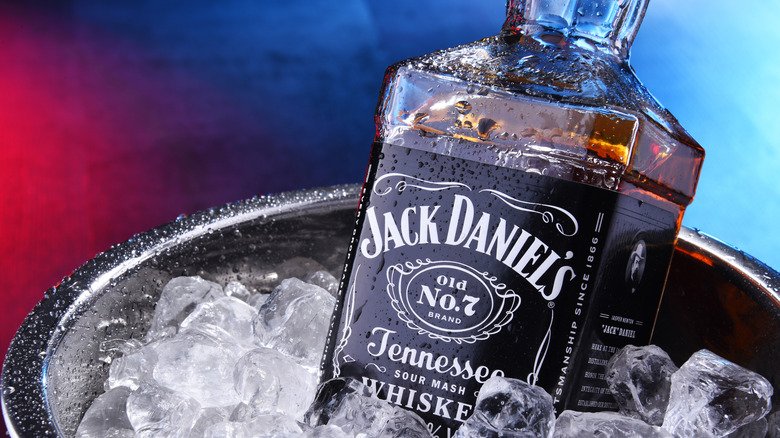
The most significant milestone in Jack Daniel’s history came in 1956, when the brand adopted the iconic square bottle with a black label that we recognize today. This distinctive packaging helped the whiskey stand out on shelves, and it quickly became a symbol of quality and craftsmanship. The unique label and packaging, combined with the whiskey’s smooth flavor, helped Jack Daniel’s solidify its market position and created a brand that resonated with both American and international audiences.


Jack Daniel’s Today: The Whiskey of Choice for a Global Audience

Fast forward to today, and Jack Daniel’s is not just a brand—it is an institution in the whiskey industry. It’s one of the best-selling whiskeys in the world, with its products available in over 170 countries. What’s even more impressive is that Jack Daniel’s continues to grow in both mature and emerging markets, adapting its strategies to the ever-changing landscape of global whiskey consumption.

Jack Daniel’s success can be attributed to a mix of factors: historical legacy, brand consistency, and continuous innovation. The brand has consistently stayed true to its roots while evolving with the times. The ability to maintain its heritage while remaining relevant to a modern, global audience has been a key factor in Jack Daniel’s ongoing market dominance.


Market Segmentation: Who Drinks Jack Daniel’s?

Understanding who Jack Daniel’s targets and how the brand positions itself within different market segments is crucial to understanding its market strategy. Jack Daniel’s is known for its broad appeal, catering to a wide range of consumer demographics. While its target audience is primarily male (and aged between 25 and 54), the brand also has a significant following among women, especially as the whiskey category continues to expand in global markets.

The brand has found success in appealing to both traditional whiskey drinkers and younger, more experimental consumers. Here’s a look at the primary consumer segments that Jack Daniel’s targets:

1. Whiskey Enthusiasts and Aficionados:
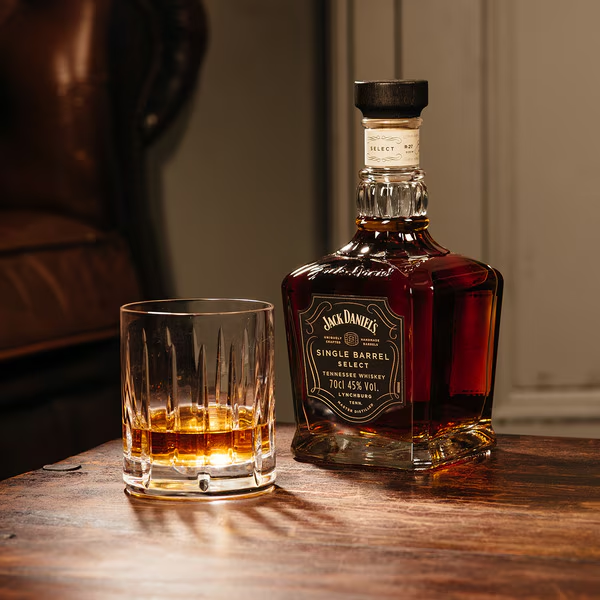
These consumers are looking for a high-quality product with a rich heritage. Jack Daniel’s appeals to them with its consistent, smooth flavor profile and craftsmanship. The brand’s premium offerings, such as the Jack Daniel’s Single Barrel and Jack Daniel’s Tennessee Honey, attract this group, providing an experience that is more refined and tailored.

2. Younger, Trend-Conscious Drinkers:
Jack Daniel’s has also successfully positioned itself to attract a younger demographic, especially in the 25-35 age range. These consumers tend to look for brands that offer an element of cool, authenticity, and rebelliousness, and Jack Daniel’s fits the bill perfectly. With marketing campaigns that emphasize the brand’s connection to music, pop culture, and American history, Jack Daniel’s speaks to a younger crowd that values authenticity and tradition in a modern context.

3. Global Consumers and International Markets:
Jack Daniel’s has made a conscious effort to broaden its reach globally. Emerging markets, particularly in Asia and Latin America, have become key areas of growth for the brand. As whiskey drinking culture spreads in countries where bourbon and Scotch have traditionally dominated, Jack Daniel’s has been at the forefront, positioning itself as an American whiskey that embodies quality, culture, and accessibility.

4. The Cocktail Enthusiast:
Another vital segment for Jack Daniel’s is the cocktail market. With its smooth profile and versatility, Jack Daniel’s is a preferred whiskey for mixologists. Its popularity in classic whiskey cocktails like the Old Fashioned, Whiskey Sour, and Lynchburg Lemonade, along with more modern mixes, has helped it stay relevant among cocktail drinkers worldwide. The brand’s marketing has successfully positioned Jack Daniel’s as the go-to whiskey for a wide range of beverages, extending its appeal beyond the traditional neat or on-the-rocks drinkers.

Branding Strategies: How Jack Daniel’s Positioning Appeals to Consumers

The success of Jack Daniel’s can be attributed to more than just its product. The brand has built a reputation over the years for its strong marketing strategies and the way it positions itself in the market. The following factors have been instrumental in Jack Daniel’s market positioning:

1. Consistency in Branding:
Jack Daniel’s has been remarkably consistent with its branding and messaging over the years. The black label, square bottle, and iconic logo have become synonymous with quality and tradition. This consistency has built consumer trust and loyalty. The look and feel of Jack Daniel’s haven’t changed much over the years, which gives it an authentic, timeless appeal. Despite this consistency, the brand has been able to adapt to contemporary tastes through product innovations and clever marketing strategies.

2. Emphasis on Tradition and Craftsmanship:
The brand’s marketing places heavy emphasis on its craftsmanship and heritage, elements that resonate with both new consumers and those who value tradition. Jack Daniel’s takes pride in its history as a small, family-owned distillery that grew into a global powerhouse, and this narrative is woven throughout its branding. The story of the brand’s founder, Jack Daniel, and the distillery’s long-standing legacy help to position Jack Daniel’s as a premium, authentic, and iconic whiskey.

3. Cultural Relevance through Music and Pop Culture:
Another key element of Jack Daniel’s market positioning has been its strong association with music and pop culture. From sponsoring music festivals to collaborating with musicians, Jack Daniel’s has positioned itself as the whiskey of choice for those who appreciate the connection between great whiskey and great music. Its connection with rock ‘n’ roll, in particular, has cemented its reputation as a whiskey for free spirits and rebels. The brand’s strong alignment with counterculture and music also appeals to younger generations who seek authenticity in their brands.

4. Luxury Marketing:
Jack Daniel’s has also positioned itself as a premium product through marketing campaigns that highlight the craftsmanship and quality behind the whiskey. The brand’s premium offerings, such as the Jack Daniel’s Single Barrel, further reinforce this positioning. Through selective distribution, high-end retail partnerships, and exclusive bottlings, Jack Daniel’s has been able to cater to high-net-worth individuals while maintaining its broader market presence.


Global Market Expansion: Breaking New Grounds

One of the most impressive aspects of Jack Daniel’s success is its ability to expand into international markets while still maintaining its American identity. The brand’s global strategy has been integral in making it the world’s top-selling American whiskey. As whiskey consumption in emerging markets like China, India, and South America grows, Jack Daniel’s has positioned itself as the go-to American whiskey for these regions.

The brand has invested heavily in local marketing campaigns tailored to specific regions. For example, Jack Daniel’s has positioned itself as a symbol of Americana in markets like Asia, where the allure of American culture is strong. By embracing local tastes and preferences while maintaining its distinct American roots, Jack Daniel’s has managed to create a global brand that resonates with consumers from all corners of the world.


Conclusion

Jack Daniel’s stands as a testament to how effective branding, consistent messaging, and strategic market positioning can elevate a product from a local distillery to a global icon. The brand’s focus on authenticity, tradition, and craftsmanship has allowed it to remain relevant across generations, while its innovative marketing strategies have kept it connected to contemporary culture.

Jack Daniel’s market success can be attributed to its ability to resonate with a wide range of consumers, from whiskey aficionados to younger, trend-conscious drinkers. By staying true to its heritage while adapting to the ever-changing global market, Jack Daniel’s has secured its place as a whiskey brand that embodies quality, tradition, and American pride.

Tags: CultureHealthHistoryInnovationluxurymarketpositioning
ShareTweetShare

Related Posts

Grain Spirits Explained — The Foundation of Global Distillation
Grain Spirits

The Future of Grain Spirits — Technology, Sustainability, and the Next Era of Distillation

April 25, 2026
Grain Spirits Explained — The Foundation of Global Distillation
Grain Spirits

Grain Spirits Around the World — Vodka, Whisky Bases, and Industrial Applications

April 25, 2026
Grain Spirits Explained — The Foundation of Global Distillation
Grain Spirits

Distillation Systems — Pot Still vs Column Still, and the Balance Between Efficiency and Flavor

April 25, 2026
Grain Spirits Explained — The Foundation of Global Distillation
Grain Spirits

Grain Selection and Fermentation Science — How Raw Ingredients Shape Grain Spirits

April 25, 2026
Grain Spirits Explained — The Foundation of Global Distillation
Grain Spirits

Grain Spirits Explained — The Foundation of Global Distillation

April 25, 2026
Grain Spirits and the Industrial Birth of Neutral Alcohol
Grain Spirits

The Future of Grain Spirits — AI Distillation, Sustainability, and the Post-Flavor Alcohol Industry

April 21, 2026
Leave Comment
  • Trending
  • Comments
  • Latest
Role of Terroir in Champagne Production

Role of Terroir in Champagne Production

January 19, 2026
Champagne Can Be Aged in Wood?

Champagne Can Be Aged in Wood?

January 18, 2026
Is Organic Wine Healthier Than Conventional Wine?

Is Organic Wine Healthier Than Conventional Wine?

January 20, 2026
Why Do Some Champagnes Use a High Proportion of Pinot Meunier?

Why Do Some Champagnes Use a High Proportion of Pinot Meunier?

January 20, 2026
The Timeless Elegance of Wine: A Journey Through History and Culture

The Timeless Elegance of Wine: A Journey Through History and Culture

Why Is Château Lafite Rothschild the Pinnacle of Fine Wine?

Why Is Château Lafite Rothschild the Pinnacle of Fine Wine?

How Did Château Lafite Rothschild Become a Global Icon of Luxury?

How Did Château Lafite Rothschild Become a Global Icon of Luxury?

What Makes Chateau Lafite Rothschild the Pinnacle of Bordeaux Wines?

What Makes Chateau Lafite Rothschild the Pinnacle of Bordeaux Wines?

Beer as a Cultural and Social Force: From Ancient Brew to Modern Identity

The Art of Beer & Food Pairing: Unlocking Flavor Through Balance, Contrast, and Texture

April 26, 2026
Beer as a Cultural and Social Force: From Ancient Brew to Modern Identity

A Complete Guide to Beer Styles: From Lager to Stout, Understanding Flavor, Body, and Character

April 26, 2026
Beer as a Cultural and Social Force: From Ancient Brew to Modern Identity

The Global Beer Industry: Craft Revolution, Market Forces, and the Future of Brewing

April 26, 2026
Beer as a Cultural and Social Force: From Ancient Brew to Modern Identity

The Science of Beer: Brewing Process, Ingredients, and the Chemistry of Flavor

April 26, 2026
SipsavorLife

Welcome to our comprehensive beverage guide, where you can explore the fascinating world of alcoholic drinks. From exquisite wines and rich whiskeys to refreshing beers and sparkling champagnes, we provide insights, tips, and recommendations for enthusiasts and casual drinkers alike. Discover your next favorite libation with us!

© 2025 sipsavorlife.com. contacts:sipsavorlife-35376@gmail.com

No Result
View All Result
  • Home
  • Wine
  • Whiskey
  • Beer
  • Grain Spirits
  • Champagne
  • ALL

© 2025 sipsavorlife.com. contacts:sipsavorlife-35376@gmail.com

Welcome Back!

Login to your account below

Forgotten Password?

Retrieve your password

Please enter your username or email address to reset your password.

Log In