









SipsavorLife
  • Home
  • Wine
    The History, Culture, and Global Influence of Humanity’s Most Celebrated Beverage

    The Wine Revolution: How Modern Winemaking Transformed a Global Industry

    The History, Culture, and Global Influence of Humanity’s Most Celebrated Beverage

    Wine Styles of the World: A Complete Guide to Red, White, Rosé, Sparkling, and Fortified Wines

    The History, Culture, and Global Influence of Humanity’s Most Celebrated Beverage

    The Global Wine Industry: Markets, Trade, Tourism, and Economic Impact

    The History, Culture, and Global Influence of Humanity’s Most Celebrated Beverage

    The Science of Wine: Grapes, Fermentation, and Flavor Development

    The History, Culture, and Global Influence of Humanity’s Most Celebrated Beverage

    The History, Culture, and Global Influence of Humanity’s Most Celebrated Beverage

    The Cultural History of Wine: From Ancient Rituals to Modern Luxury

    The Psychology of Wine: Why Humans Associate Wine with Emotion, Memory, and Identity

  • Whiskey
    Can Beer Be an Effective Ingredient in Culinary Cooking?

    Can Beer Be an Effective Ingredient in Culinary Cooking?

    Second Fermentation in Champagne: Is It Really That Crucial?

    Second Fermentation in Champagne: Is It Really That Crucial?

    How Do Different Grains Impact the Flavor Profile of Distilled Spirits?

    How Do Different Grains Impact the Flavor Profile of Distilled Spirits?

    How Do Whiskey Master Blenders Create Perfection?

    How Do Whiskey Master Blenders Create Perfection?

    Wine Pairings: Can They Change the Flavor Profile of a Dish?

    Wine Pairings: Can They Change the Flavor Profile of a Dish?

    Beer the Ultimate Beverage for Pairing with Spicy Food?

    Beer the Ultimate Beverage for Pairing with Spicy Food?

  • Beer
    Malt Beer: Why Does Its Sweet Malty Aroma Always Bring Endless Satisfaction?

    The Craft Beer Revolution: How Independent Breweries Changed the World of Beer

    Beer: The World’s Oldest and Most Influential Beverage

    Beer Styles of the World: A Complete Guide to Lager, Ale, Stout, IPA, and Beyond

    Beer: The World’s Oldest and Most Influential Beverage

    The Global Beer Industry: Markets, Brands, and Economic Impact

    Beer: The World’s Oldest and Most Influential Beverage

    The Science of Beer: Ingredients, Fermentation, and Flavor

    Beer: The World’s Oldest and Most Influential Beverage

    Beer: The World’s Oldest and Most Influential Beverage

    Beer as a Cultural and Social Force: From Ancient Brew to Modern Identity

    Women in Brewing: The Untold History and Modern Transformation of Beer Culture

  • Grain Spirits
    Grain Spirits: The Origins, Science, and Global Evolution of Distilled Grain Alcohol

    Bourbon: America’s Native Grain Spirit and the Global Story of Corn, Oak, Fire, and Time

    Grain Spirits: The Origins, Science, and Global Evolution of Distilled Grain Alcohol

    Gin: Botanicals, History, Cocktail Culture, and the Artistic Evolution of the World’s Most Aromatic Grain Spirit

    Grain Spirits: The Origins, Science, and Global Evolution of Distilled Grain Alcohol

    Vodka: The Global Rise of the World’s Most Versatile Grain Spirit

    Grain Spirits: The Origins, Science, and Global Evolution of Distilled Grain Alcohol

    Whiskey and the Soul of Grain Spirits: History, Craftsmanship, Culture, and the Global Rise of the World’s Most Iconic Distilled Grain Beverage

    Grain Spirits: The Origins, Science, and Global Evolution of Distilled Grain Alcohol

    Grain Spirits: The Origins, Science, and Global Evolution of Distilled Grain Alcohol

    Grain Spirits Explained — The Foundation of Global Distillation

    The Future of Grain Spirits — Technology, Sustainability, and the Next Era of Distillation

  • Champagne
    Champagne: The Sparkling Wine That Changed Global Celebration Culture

    Dom Pérignon, Cristal, Krug, and Beyond: The World’s Most Famous Champagne Houses and Their Legacy

    Champagne Beyond Celebration: The History, Craftsmanship, and Global Influence of the World’s Most Iconic Sparkling Wine

    The Future of Champagne: Climate Change, Innovation, Sustainability, and the Next Era of Sparkling Wine

    Champagne Beyond Celebration: The History, Craftsmanship, and Global Influence of the World’s Most Iconic Sparkling Wine

    Champagne and Luxury Culture: How Sparkling Wine Became a Global Symbol of Wealth, Celebration, and Prestige

    Champagne Beyond Celebration: The History, Craftsmanship, and Global Influence of the World’s Most Iconic Sparkling Wine

    The Art of Champagne Production: Inside the Science, Skill, and Tradition Behind Every Bottle

    Champagne Beyond Celebration: The History, Craftsmanship, and Global Influence of the World’s Most Iconic Sparkling Wine

    Champagne Beyond Celebration: The History, Craftsmanship, and Global Influence of the World’s Most Iconic Sparkling Wine

    Champagne: The Sparkling Wine That Changed Global Celebration Culture

    Champagne vs Prosecco vs Cava: How the World’s Sparkling Wines Reflect Culture, Geography, and Taste

  • ALL
    Can Beer Be an Effective Ingredient in Culinary Cooking?

    Can Beer Be an Effective Ingredient in Culinary Cooking?

    Second Fermentation in Champagne: Is It Really That Crucial?

    Second Fermentation in Champagne: Is It Really That Crucial?

    How Do Different Grains Impact the Flavor Profile of Distilled Spirits?

    How Do Different Grains Impact the Flavor Profile of Distilled Spirits?

    How Do Whiskey Master Blenders Create Perfection?

    How Do Whiskey Master Blenders Create Perfection?

    Wine Pairings: Can They Change the Flavor Profile of a Dish?

    Wine Pairings: Can They Change the Flavor Profile of a Dish?

    Beer the Ultimate Beverage for Pairing with Spicy Food?

    Beer the Ultimate Beverage for Pairing with Spicy Food?

SipsavorLife
  • Home
  • Wine
    The History, Culture, and Global Influence of Humanity’s Most Celebrated Beverage

    The Wine Revolution: How Modern Winemaking Transformed a Global Industry

    The History, Culture, and Global Influence of Humanity’s Most Celebrated Beverage

    Wine Styles of the World: A Complete Guide to Red, White, Rosé, Sparkling, and Fortified Wines

    The History, Culture, and Global Influence of Humanity’s Most Celebrated Beverage

    The Global Wine Industry: Markets, Trade, Tourism, and Economic Impact

    The History, Culture, and Global Influence of Humanity’s Most Celebrated Beverage

    The Science of Wine: Grapes, Fermentation, and Flavor Development

    The History, Culture, and Global Influence of Humanity’s Most Celebrated Beverage

    The History, Culture, and Global Influence of Humanity’s Most Celebrated Beverage

    The Cultural History of Wine: From Ancient Rituals to Modern Luxury

    The Psychology of Wine: Why Humans Associate Wine with Emotion, Memory, and Identity

  • Whiskey
    Can Beer Be an Effective Ingredient in Culinary Cooking?

    Can Beer Be an Effective Ingredient in Culinary Cooking?

    Second Fermentation in Champagne: Is It Really That Crucial?

    Second Fermentation in Champagne: Is It Really That Crucial?

    How Do Different Grains Impact the Flavor Profile of Distilled Spirits?

    How Do Different Grains Impact the Flavor Profile of Distilled Spirits?

    How Do Whiskey Master Blenders Create Perfection?

    How Do Whiskey Master Blenders Create Perfection?

    Wine Pairings: Can They Change the Flavor Profile of a Dish?

    Wine Pairings: Can They Change the Flavor Profile of a Dish?

    Beer the Ultimate Beverage for Pairing with Spicy Food?

    Beer the Ultimate Beverage for Pairing with Spicy Food?

  • Beer
    Malt Beer: Why Does Its Sweet Malty Aroma Always Bring Endless Satisfaction?

    The Craft Beer Revolution: How Independent Breweries Changed the World of Beer

    Beer: The World’s Oldest and Most Influential Beverage

    Beer Styles of the World: A Complete Guide to Lager, Ale, Stout, IPA, and Beyond

    Beer: The World’s Oldest and Most Influential Beverage

    The Global Beer Industry: Markets, Brands, and Economic Impact

    Beer: The World’s Oldest and Most Influential Beverage

    The Science of Beer: Ingredients, Fermentation, and Flavor

    Beer: The World’s Oldest and Most Influential Beverage

    Beer: The World’s Oldest and Most Influential Beverage

    Beer as a Cultural and Social Force: From Ancient Brew to Modern Identity

    Women in Brewing: The Untold History and Modern Transformation of Beer Culture

  • Grain Spirits
    Grain Spirits: The Origins, Science, and Global Evolution of Distilled Grain Alcohol

    Bourbon: America’s Native Grain Spirit and the Global Story of Corn, Oak, Fire, and Time

    Grain Spirits: The Origins, Science, and Global Evolution of Distilled Grain Alcohol

    Gin: Botanicals, History, Cocktail Culture, and the Artistic Evolution of the World’s Most Aromatic Grain Spirit

    Grain Spirits: The Origins, Science, and Global Evolution of Distilled Grain Alcohol

    Vodka: The Global Rise of the World’s Most Versatile Grain Spirit

    Grain Spirits: The Origins, Science, and Global Evolution of Distilled Grain Alcohol

    Whiskey and the Soul of Grain Spirits: History, Craftsmanship, Culture, and the Global Rise of the World’s Most Iconic Distilled Grain Beverage

    Grain Spirits: The Origins, Science, and Global Evolution of Distilled Grain Alcohol

    Grain Spirits: The Origins, Science, and Global Evolution of Distilled Grain Alcohol

    Grain Spirits Explained — The Foundation of Global Distillation

    The Future of Grain Spirits — Technology, Sustainability, and the Next Era of Distillation

  • Champagne
    Champagne: The Sparkling Wine That Changed Global Celebration Culture

    Dom Pérignon, Cristal, Krug, and Beyond: The World’s Most Famous Champagne Houses and Their Legacy

    Champagne Beyond Celebration: The History, Craftsmanship, and Global Influence of the World’s Most Iconic Sparkling Wine

    The Future of Champagne: Climate Change, Innovation, Sustainability, and the Next Era of Sparkling Wine

    Champagne Beyond Celebration: The History, Craftsmanship, and Global Influence of the World’s Most Iconic Sparkling Wine

    Champagne and Luxury Culture: How Sparkling Wine Became a Global Symbol of Wealth, Celebration, and Prestige

    Champagne Beyond Celebration: The History, Craftsmanship, and Global Influence of the World’s Most Iconic Sparkling Wine

    The Art of Champagne Production: Inside the Science, Skill, and Tradition Behind Every Bottle

    Champagne Beyond Celebration: The History, Craftsmanship, and Global Influence of the World’s Most Iconic Sparkling Wine

    Champagne Beyond Celebration: The History, Craftsmanship, and Global Influence of the World’s Most Iconic Sparkling Wine

    Champagne: The Sparkling Wine That Changed Global Celebration Culture

    Champagne vs Prosecco vs Cava: How the World’s Sparkling Wines Reflect Culture, Geography, and Taste

  • ALL
    Can Beer Be an Effective Ingredient in Culinary Cooking?

    Can Beer Be an Effective Ingredient in Culinary Cooking?

    Second Fermentation in Champagne: Is It Really That Crucial?

    Second Fermentation in Champagne: Is It Really That Crucial?

    How Do Different Grains Impact the Flavor Profile of Distilled Spirits?

    How Do Different Grains Impact the Flavor Profile of Distilled Spirits?

    How Do Whiskey Master Blenders Create Perfection?

    How Do Whiskey Master Blenders Create Perfection?

    Wine Pairings: Can They Change the Flavor Profile of a Dish?

    Wine Pairings: Can They Change the Flavor Profile of a Dish?

    Beer the Ultimate Beverage for Pairing with Spicy Food?

    Beer the Ultimate Beverage for Pairing with Spicy Food?

SipsavorLife
No Result
View All Result
Home ALL

What Makes Barbaresco One of Italy’s Most Esteemed Wines?

January 10, 2025
in ALL, Wine
What Makes Barbaresco One of Italy’s Most Esteemed Wines?

Introduction: The Origins and Prestige of Barbaresco

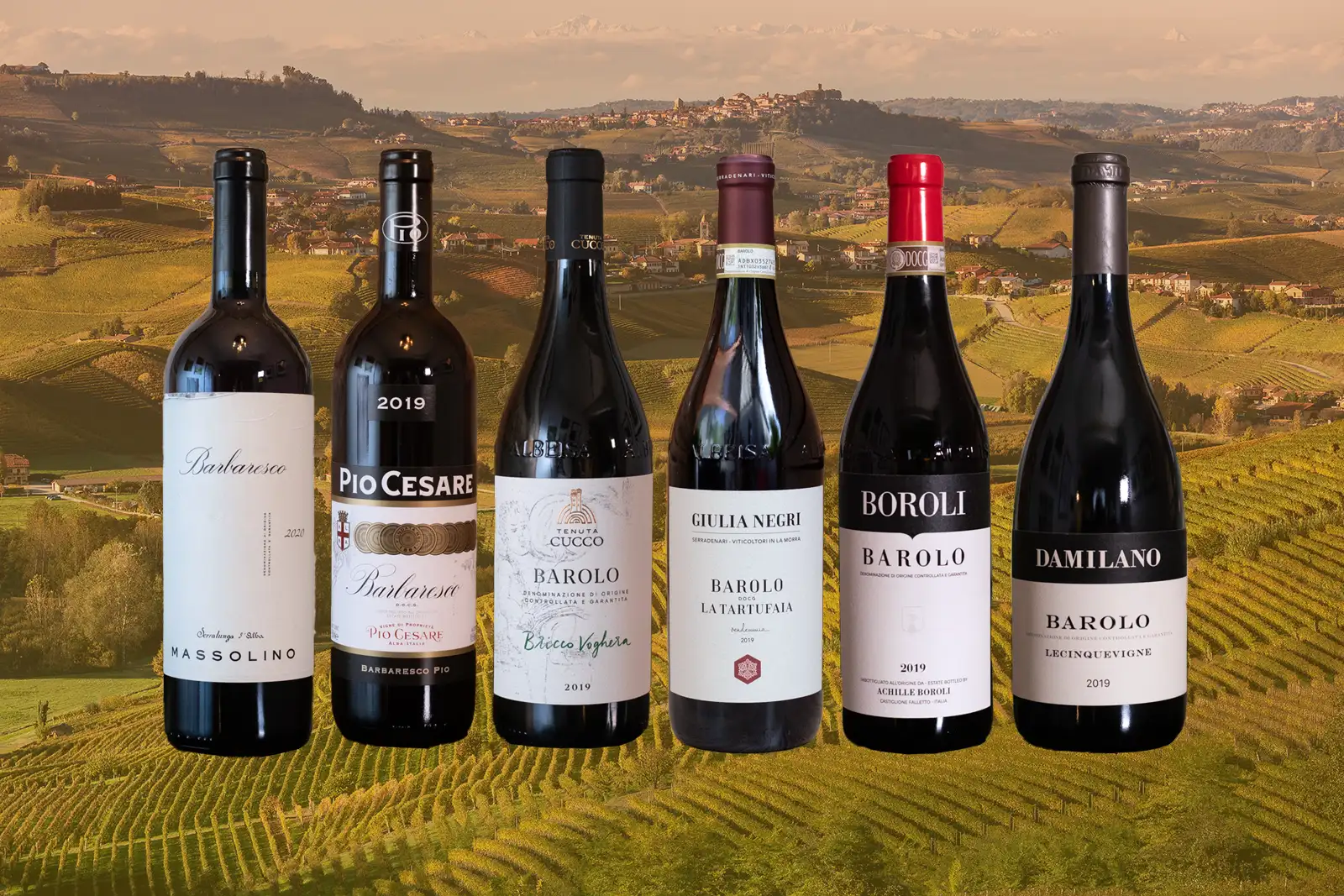
Barbaresco is a wine that, for many, epitomizes the essence of fine Italian winemaking. Known for its complex flavors, powerful aromas, and exceptional aging potential, it is one of the most revered wines in the world. While it shares a geographical region and grape variety with Barolo, Barbaresco has a distinct identity, characterized by its elegance, finesse, and ability to convey the unique terroir of the Langhe hills in Piedmont, Italy.

This article delves into the history, cultural significance, and evolution of Barbaresco as a wine brand, exploring the key milestones that have shaped its identity. From its origins in the small Piedmontese village of Barbaresco to its rise to international acclaim, we will examine the factors that have propelled Barbaresco to its place among the great wines of the world.


1. The Early History of Barbaresco: The Beginning of a Legend

The Ancient Roots of Nebbiolo

The story of Barbaresco is inextricably tied to the Nebbiolo grape, a variety that is as old as it is revered. Indigenous to the Langhe hills, Nebbiolo’s roots trace back to ancient times, though its widespread cultivation didn’t begin until the 19th century. Known for its late-ripening nature and tannic structure, Nebbiolo has long been celebrated for producing wines of great aging potential.

Historically, Nebbiolo was cultivated in the Barbaresco area alongside other grape varieties, but it was the winemakers of this small village who began to hone the skills and techniques that would define the wine. The first mention of Barbaresco as a distinct wine appears in the early 1800s, although it wasn’t until the mid-19th century that it began to gain recognition as a unique and high-quality product.

The Influence of Don Giacomo Fenoglio

The priest and winemaker Don Giacomo Fenoglio is considered one of the most important figures in the development of Barbaresco. He recognized the potential of the Nebbiolo grape and began experimenting with ways to improve the wine’s quality. Fenoglio’s work in refining the winemaking techniques of the region laid the groundwork for the wine’s future success. His dedication to producing a wine that reflected the land’s unique characteristics marked the beginning of Barbaresco’s journey from local wine to a globally respected brand.

Fenoglio’s work was pivotal in distinguishing Barbaresco from other regional wines, setting it on a path to being recognized for its elegance and structure. As the wine gained traction in local markets, it caught the attention of wine aficionados and became associated with the refined tastes of the Italian aristocracy.


2. The Modernization and Global Recognition of Barbaresco

Barbaresco’s Rise in the 20th Century

Despite its rich history, Barbaresco remained relatively obscure outside of Italy until the 20th century. It was often overshadowed by its more famous cousin, Barolo. However, with the advent of modern winemaking techniques and a growing interest in Italian wines, Barbaresco began to rise in prominence. The 1960s and 1970s saw a significant shift, as producers began to adopt more contemporary approaches to viticulture and winemaking.

The region’s fortunes changed dramatically thanks to the innovative efforts of producers such as Angelo Gaja. Gaja, a visionary winemaker, was instrumental in modernizing Barbaresco’s production methods. His decision to introduce barrique aging—a practice that was considered controversial at the time—helped to smooth the wine’s tannins and enhance its fruity flavors, leading to wines that were more accessible and enjoyable in their youth while still retaining the aging potential that made Barbaresco so special.

Gaja’s influence, combined with the establishment of Barbaresco as a Denominazione di Origine Controllata e Garantita (DOCG) wine in 1980, elevated the wine to a global stage. The DOCG classification provided official recognition of Barbaresco’s quality and heritage, ensuring that the wine would be protected from imitations and that its production would adhere to strict standards.

The Role of Barbaresco in the Global Wine Market

By the 1980s and 1990s, Barbaresco was no longer just a regional curiosity; it had firmly established itself as one of Italy’s most prestigious wines. International wine critics, particularly those from the United States and the United Kingdom, began to take notice, showering Barbaresco with high scores and praise. The wine became sought after by collectors and wine lovers worldwide, and its value steadily rose.

As Barbaresco’s profile grew, the producers of the region began to market their wines as premium, artisanal products. This helped to position Barbaresco as a luxury wine that reflected the craftsmanship and dedication of its makers. In turn, this increased demand for Barbaresco and helped the region’s wine industry flourish.

3. The Unique Characteristics of Barbaresco: A Wine of Elegance and Complexity

The Terroir of Barbaresco

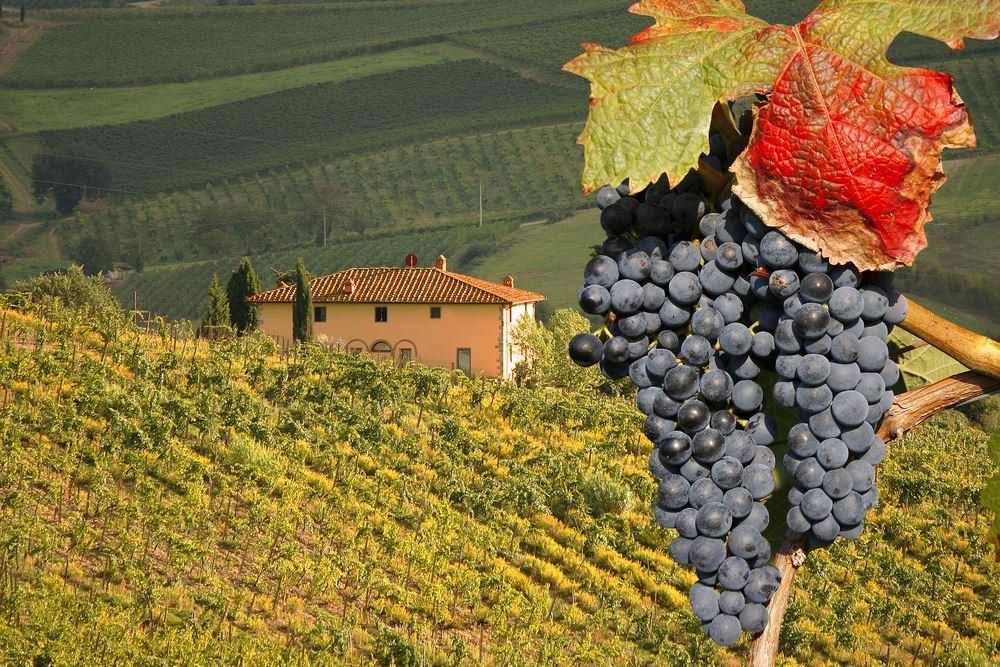
The terroir of Barbaresco is integral to the wine’s unique identity. The Langhe hills, where Barbaresco is produced, are characterized by their steep slopes, clay-limestone soils, and ideal climatic conditions for growing Nebbiolo. The region’s microclimates—created by the surrounding Alps and the Tanaro River—play a critical role in the development of the grape’s distinctive characteristics, which are reflected in the wine.

Barbaresco is known for its balanced acidity, firm tannins, and complex flavors. The wine’s color is typically a vibrant garnet, and its bouquet is often described as a rich mix of rose, cherry, and violet, with earthy undertones of tar, truffle, and tobacco. In the mouth, Barbaresco is elegant and structured, with the ability to evolve beautifully with age. Young Barbaresco wines can be tannic and intense, but with time, they soften and develop layers of complexity, revealing notes of dried fruit, leather, and spice.

The Influence of Nebbiolo

Nebbiolo is often referred to as the “king of Piedmontese grapes,” and its influence on Barbaresco is undeniable. Unlike other grape varieties, Nebbiolo is extremely sensitive to its environment. Its thin skin, high acidity, and complex tannin structure make it a challenging grape to grow and vinify, but when it is properly managed, it produces wines of great depth and character.

Nebbiolo’s distinctive aromas and flavors are what give Barbaresco its recognizable identity. The grape’s ability to reflect the nuances of its terroir is what makes Barbaresco so unique. Each vintage of Barbaresco tells the story of the land, the climate, and the winemaker’s skill. This connection between grape and place is what makes Barbaresco such a fascinating wine to study and appreciate.


4. Barbaresco’s Position in the World of Fine Wine

Barbaresco and the Super-Premium Wine Market

Today, Barbaresco occupies a prominent position in the global wine market. Along with Barolo, it is considered one of the finest expressions of Nebbiolo and one of Italy’s most important wines. While Barolo is often seen as more powerful and tannic, Barbaresco is celebrated for its finesse and elegance. This distinction has helped Barbaresco carve out its own identity and appeal to a different segment of wine lovers.

Barbaresco is often marketed as a wine of refinement and sophistication. It is a luxury product, with many of the top producers offering limited-edition wines that command high prices at auction. Collectors and connoisseurs eagerly seek out the best vintages, knowing that a well-cellared bottle of Barbaresco can develop into a wine of remarkable complexity and depth.

The demand for Barbaresco has only grown in recent years, as international markets have increasingly recognized its quality and prestige. The wine is now sold in key markets around the world, including the United States, the United Kingdom, and Japan, where it is appreciated by collectors and fine wine enthusiasts.


5. The Future of Barbaresco: Challenges and Opportunities

The Impact of Climate Change

Like many wine regions around the world, Barbaresco faces challenges related to climate change. Warmer temperatures, unpredictable weather patterns, and changing growing seasons pose risks to the delicate balance of the Nebbiolo grape. The region’s winemakers are adapting by exploring sustainable viticulture practices, such as using cover crops to retain moisture in the soil and reducing their reliance on chemical pesticides.

Maintaining Tradition While Embracing Innovation

As Barbaresco moves forward, it faces the challenge of maintaining its traditional winemaking practices while embracing innovation. While many producers in the region continue to prioritize classic methods, others are experimenting with new techniques to improve quality and adapt to changing conditions. This balance between tradition and modernity will play a crucial role in shaping the future of Barbaresco.


Conclusion: Barbaresco’s Enduring Legacy

Barbaresco is a wine that reflects the rich history, culture, and craftsmanship of Piedmont. From its humble beginnings in the 19th century to its current status as one of Italy’s most prestigious wines, Barbaresco has earned its place among the world’s great wines. With its distinctive flavors, elegant character, and strong connection to its terroir, Barbaresco is a wine that continues to inspire both collectors and casual drinkers alike.

As Barbaresco evolves, it will undoubtedly face new challenges, but its legacy of quality and tradition ensures that it will remain a symbol of excellence in the world of fine wine for generations to come.

Tags: CultureFamous brand wineHealthHistoryInnovationluxurytasteWine
ShareTweetShare

Related Posts

The History, Culture, and Global Influence of Humanity’s Most Celebrated Beverage
Wine

The Wine Revolution: How Modern Winemaking Transformed a Global Industry

June 3, 2026
The History, Culture, and Global Influence of Humanity’s Most Celebrated Beverage
Wine

Wine Styles of the World: A Complete Guide to Red, White, Rosé, Sparkling, and Fortified Wines

June 3, 2026
The History, Culture, and Global Influence of Humanity’s Most Celebrated Beverage
Wine

The Global Wine Industry: Markets, Trade, Tourism, and Economic Impact

June 3, 2026
The History, Culture, and Global Influence of Humanity’s Most Celebrated Beverage
Wine

The Science of Wine: Grapes, Fermentation, and Flavor Development

June 3, 2026
The History, Culture, and Global Influence of Humanity’s Most Celebrated Beverage
Wine

The History, Culture, and Global Influence of Humanity’s Most Celebrated Beverage

June 3, 2026
The Cultural History of Wine: From Ancient Rituals to Modern Luxury
Wine

The Psychology of Wine: Why Humans Associate Wine with Emotion, Memory, and Identity

May 23, 2026
Leave Comment
  • Trending
  • Comments
  • Latest
Role of Terroir in Champagne Production

Role of Terroir in Champagne Production

January 19, 2026
Champagne Can Be Aged in Wood?

Champagne Can Be Aged in Wood?

January 18, 2026
Is Organic Wine Healthier Than Conventional Wine?

Is Organic Wine Healthier Than Conventional Wine?

January 20, 2026
Why Do Some Champagnes Use a High Proportion of Pinot Meunier?

Why Do Some Champagnes Use a High Proportion of Pinot Meunier?

January 20, 2026
The Timeless Elegance of Wine: A Journey Through History and Culture

The Timeless Elegance of Wine: A Journey Through History and Culture

Why Is Château Lafite Rothschild the Pinnacle of Fine Wine?

Why Is Château Lafite Rothschild the Pinnacle of Fine Wine?

How Did Château Lafite Rothschild Become a Global Icon of Luxury?

How Did Château Lafite Rothschild Become a Global Icon of Luxury?

What Makes Chateau Lafite Rothschild the Pinnacle of Bordeaux Wines?

What Makes Chateau Lafite Rothschild the Pinnacle of Bordeaux Wines?

The History, Culture, and Global Influence of Humanity’s Most Celebrated Beverage

The Wine Revolution: How Modern Winemaking Transformed a Global Industry

June 3, 2026
The History, Culture, and Global Influence of Humanity’s Most Celebrated Beverage

Wine Styles of the World: A Complete Guide to Red, White, Rosé, Sparkling, and Fortified Wines

June 3, 2026
The History, Culture, and Global Influence of Humanity’s Most Celebrated Beverage

The Global Wine Industry: Markets, Trade, Tourism, and Economic Impact

June 3, 2026
The History, Culture, and Global Influence of Humanity’s Most Celebrated Beverage

The Science of Wine: Grapes, Fermentation, and Flavor Development

June 3, 2026
SipsavorLife

Welcome to our comprehensive beverage guide, where you can explore the fascinating world of alcoholic drinks. From exquisite wines and rich whiskeys to refreshing beers and sparkling champagnes, we provide insights, tips, and recommendations for enthusiasts and casual drinkers alike. Discover your next favorite libation with us!

© 2025 sipsavorlife.com. contacts:sipsavorlife-35376@gmail.com

No Result
View All Result
  • Home
  • Wine
  • Whiskey
  • Beer
  • Grain Spirits
  • Champagne
  • ALL

© 2025 sipsavorlife.com. contacts:sipsavorlife-35376@gmail.com

Welcome Back!

Login to your account below

Forgotten Password?

Retrieve your password

Please enter your username or email address to reset your password.

Log In