






















Whiskey is more than just a drink; it’s a story in a glass. From the rolling hills of Scotland to the sun-soaked valleys of Kentucky, every bottle holds a piece of the place where it was made. But can you taste that place? Can you actually experience the terroir—the unique flavors that come from the land, the climate, and the people who make the whiskey—when you sip your dram? The answer, as it turns out, is both yes and no. Let’s dive into how terroir plays a role in whiskey production and whether it truly makes its way into your glass.
What is Terroir, Anyway?
We’re all familiar with terroir in the context of wine. It’s that idea that the land, the weather, and even the local microorganisms influence the flavor profile of the wine. But when it comes to whiskey, the concept of terroir is often debated. Is it just a marketing tool, or is it genuinely a factor that affects the taste? In the most general sense, terroir is the environmental context—soil, water, air, and climate—that influences the ingredients and production methods of a particular spirit. It encompasses everything from the grains used, to the water source, the type of barrel, and even the aging conditions.
The Raw Ingredients: Grain and Water
One of the most fundamental aspects of terroir in whiskey is the ingredients used. Unlike wine, where the terroir mainly affects the grapes, whiskey has a wider range of base materials, such as barley, corn, rye, and wheat. The soil in which the grains are grown and the local climate conditions directly impact the crop’s quality and flavor.
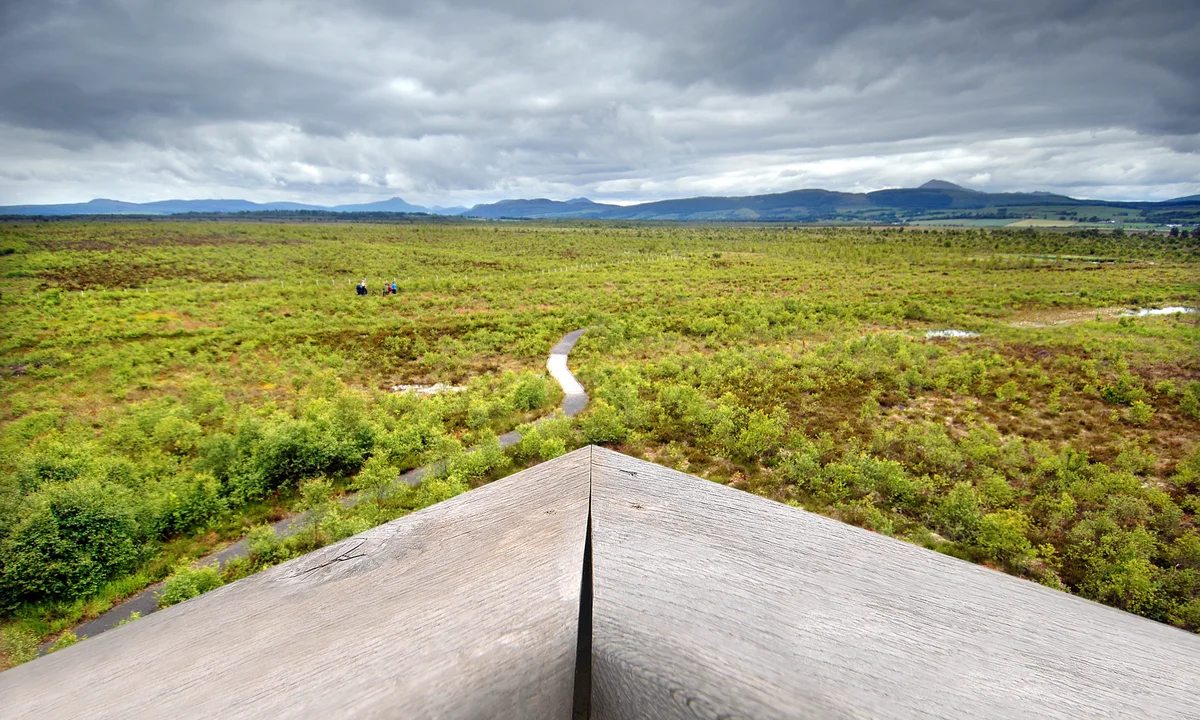
For instance, the barley used in Scotch whisky, particularly those from the Islay region, is grown in coastal soil that is rich in nutrients from the sea. This contributes to the distinctive briny, peaty notes that define Islay malts. The same barley grown in the heart of the Scottish Highlands, however, may not impart the same flavors, as the terroir—soil, weather, and the water source—are different.
Water is another key component in whiskey production. The famous distilleries of Scotland and Ireland often source water from local springs, which contain minerals that can alter the flavor profile of the final product. Even though water in whiskey-making is primarily used in mashing and dilution, its purity and mineral content can have a significant impact on the final spirit. For example, Kentucky’s limestone-filtered water is often credited with giving bourbon its soft, smooth mouthfeel.
The Impact of Climate: Aging Whiskey to Perfection
One of the most significant factors contributing to terroir in whiskey is climate. Aging whiskey in barrels is where the magic truly happens, as the spirit interacts with the wood, absorbing flavors and developing complexity over time. The climate in which the whiskey ages plays a crucial role in this process.
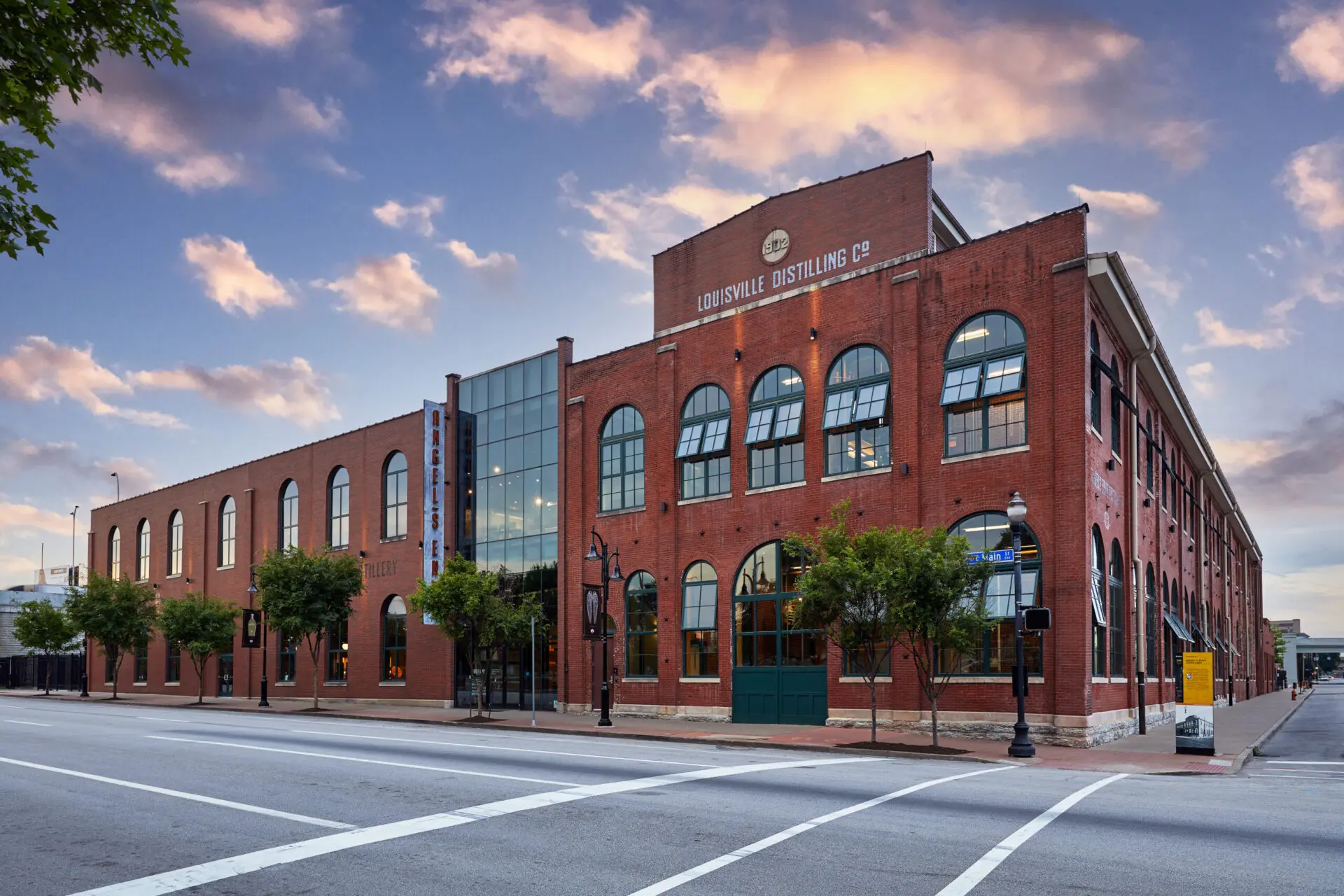
In warmer climates, like Kentucky or Tennessee, the heat causes the whiskey to expand and contract in and out of the barrel more frequently. This accelerates the aging process and leads to a whiskey that has a richer, more robust flavor profile. The hotter weather extracts more of the wood’s flavors—think vanilla, caramel, and oak—into the spirit. Conversely, cooler climates like Scotland and Ireland slow down the aging process, allowing the whiskey to mature more slowly, often resulting in a more delicate and nuanced flavor profile.
Whiskey that is aged in a hot climate will typically show bolder, more intense flavors of oak and spice, while whiskey aged in a cooler climate may have more subtle, earthy flavors with a greater emphasis on the grain itself.
The Role of the Barrel
The type of barrel used for aging is another component that contributes to terroir, although it’s more of a controlled factor than an environmental one. Most whiskeys are aged in oak barrels, but the provenance of those barrels and how they are treated can make a big difference.
The most iconic barrels for whiskey aging are made from American white oak, which imparts flavors of vanilla, caramel, and toasted wood to the spirit. European oak, which is more commonly used for aging sherry, can impart more complex flavors like dried fruit, nuts, and spices. In some cases, distilleries even use barrels that have been previously used for other beverages, such as wine, rum, or port. This creates a hybrid terroir, where the wood’s influence blends with the prior contents of the barrel.
For instance, the famous “bourbon finish” whiskeys often use barrels that have previously held sherry or wine, giving the whiskey a sweet, fruity profile. Conversely, Scotch whiskies, particularly those from regions like Speyside, often use barrels that have been aged in sherry or fortified wines, adding a distinctive richness to the flavor.
Distillation Techniques: Tradition and Innovation
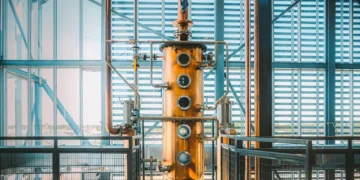
The terroir of whiskey isn’t just about the land and weather. The local distilling techniques—some passed down through generations and others constantly evolving—also play a role in the final flavor. In Scotland, for instance, many distilleries still use traditional copper pot stills, which have been in use for centuries. These stills impart a subtle, refined character to the spirit by allowing the distiller to control the distillation process more precisely.
In contrast, American bourbon distilleries often use continuous stills, which are more efficient but tend to produce a lighter, cleaner spirit. In places like Japan, the art of distillation has been combined with traditional craftsmanship, leading to whiskeys that are both innovative and deeply connected to their roots.
Can You Actually Taste the Terroir in Whiskey?
Now that we’ve explored how terroir influences whiskey production, let’s tackle the million-dollar question: can you actually taste it? The answer depends on your palate, your experience with whiskey, and how sensitive you are to the subtle differences in flavor that terroir imparts.
It’s important to note that whiskey is a complex spirit, and many factors influence its flavor. The age of the whiskey, the type of grains used, the distillation process, and even the skill of the distiller all come into play. That said, some of the terroir influences are more evident than others.
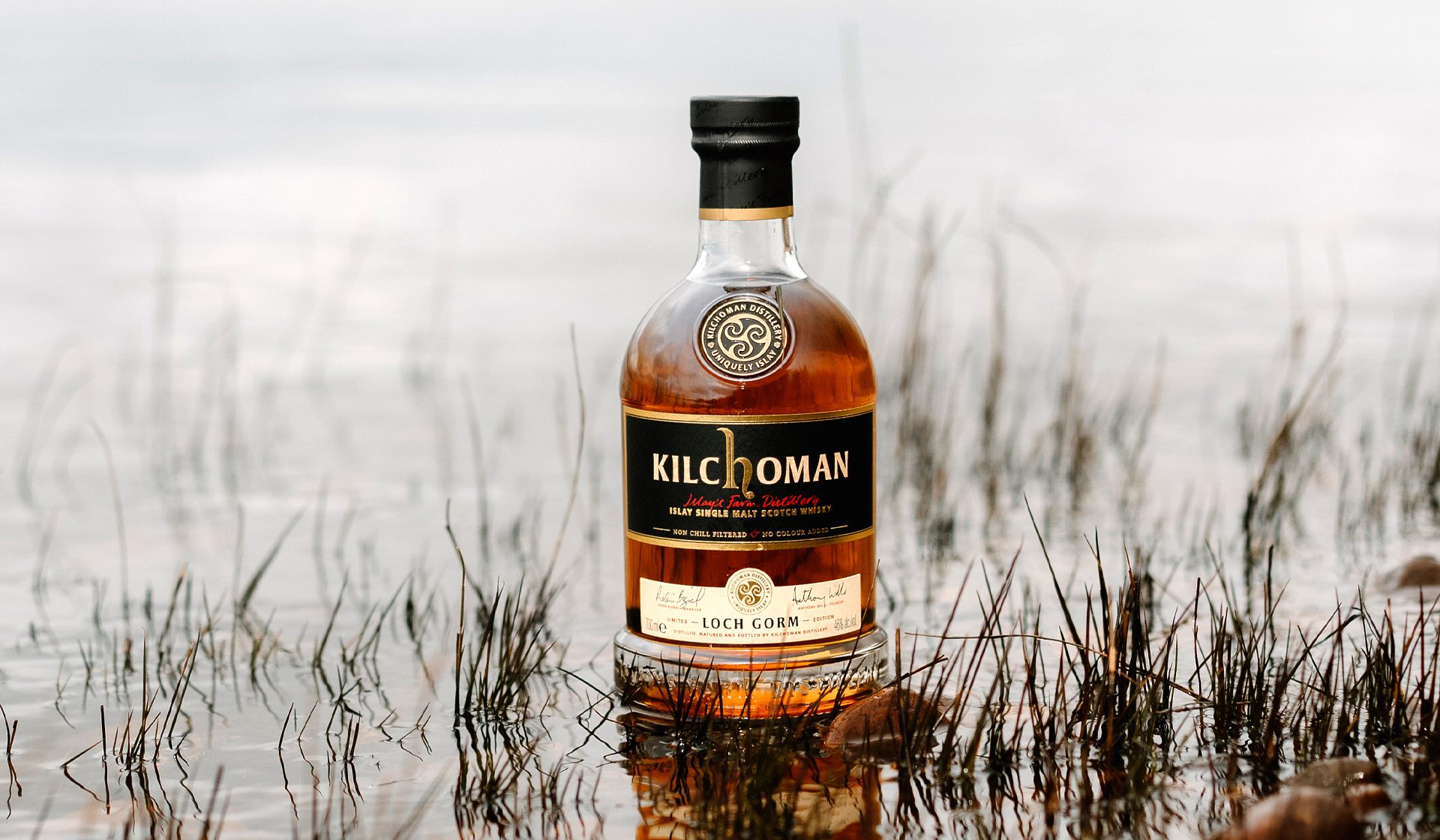
For example, in peated Scotch whiskies from Islay, the influence of the coastal terroir is unmistakable. The distinct seaweed, brine, and smokey flavors are directly tied to the land where the barley is grown and the peat is harvested. Similarly, in whiskeys aged in hot, humid climates like those in Kentucky, the intense wood flavors are often a clear marker of the region’s terroir.
On the other hand, some whiskey styles—like lighter American bourbons or blended Scotch whiskies—may not exhibit as clear of a terroir influence. This could be because they are blended from multiple sources or aged in more controlled environments, which minimizes the impact of the land and weather on the final product.
Terroir as a Marketing Tool
In recent years, many whiskey brands have leaned into the concept of terroir as part of their marketing strategy. Some distilleries tout the uniqueness of their location, suggesting that the “terroir” of their region makes their whiskey special. While there’s no doubt that terroir does influence flavor, it’s important to be aware that not every whiskey brand’s claim is rooted in reality.
Many distilleries, especially in regions where whiskey production is relatively new, may be trying to create a sense of place, even if the actual terroir influence isn’t as strong. In these cases, terroir may serve as a branding tool to differentiate a whiskey in a crowded market.
Conclusion: The Complexity of Terroir in Whiskey
So, can you taste the terroir in your whiskey? In some cases, absolutely. The climate, soil, water, and aging conditions all contribute to the flavor profile of whiskey, and in some regions, the terroir is a defining characteristic of the final product. However, the influence of terroir is just one piece of the puzzle. The distillation process, the aging method, and even the type of barrel used can all have a profound impact on the final flavor.
As you continue to explore the world of whiskey, take the time to learn about the regions and distilleries that interest you. Savor the flavors and notice how they evolve over time, and you may just discover the terroir within your favorite whiskey. The journey of tasting terroir is as much about personal experience as it is about understanding the technical factors behind whiskey production.