SipsavorLife
  • Home
  • Wine
    Wine Pairings: Can They Change the Flavor Profile of a Dish?

    Wine Pairings: Can They Change the Flavor Profile of a Dish?

    How Do Wine Glasses Influence the Tasting Experience?

    How Do Wine Glasses Influence the Tasting Experience?

    Is Organic Wine Healthier Than Conventional Wine?

    Is Organic Wine Healthier Than Conventional Wine?

    Why Do Some Wines Taste Better from Specific Vintages?

    Why Do Some Wines Taste Better from Specific Vintages?

    Wine Tasting: Can It Truly Be an Art Form?

    Wine Tasting: Can It Truly Be an Art Form?

    What Does Terroir Actually Mean for Your Wine?

    What Does Terroir Actually Mean for Your Wine?

  • Whiskey
    Can Beer Be an Effective Ingredient in Culinary Cooking?

    Can Beer Be an Effective Ingredient in Culinary Cooking?

    Second Fermentation in Champagne: Is It Really That Crucial?

    Second Fermentation in Champagne: Is It Really That Crucial?

    How Do Different Grains Impact the Flavor Profile of Distilled Spirits?

    How Do Different Grains Impact the Flavor Profile of Distilled Spirits?

    How Do Whiskey Master Blenders Create Perfection?

    How Do Whiskey Master Blenders Create Perfection?

    Wine Pairings: Can They Change the Flavor Profile of a Dish?

    Wine Pairings: Can They Change the Flavor Profile of a Dish?

    Beer the Ultimate Beverage for Pairing with Spicy Food?

    Beer the Ultimate Beverage for Pairing with Spicy Food?

  • Beer
    Can Beer Be an Effective Ingredient in Culinary Cooking?

    Can Beer Be an Effective Ingredient in Culinary Cooking?

    Beer the Ultimate Beverage for Pairing with Spicy Food?

    Beer the Ultimate Beverage for Pairing with Spicy Food?

    How Did Ancient Civilizations Brew Beer Without Modern Technology?

    How Did Ancient Civilizations Brew Beer Without Modern Technology?

    Is It Possible to Brew a Beer with No Alcohol and No Compromise on Taste?

    Is It Possible to Brew a Beer with No Alcohol and No Compromise on Taste?

    Why Does Beer Taste Different at High Altitudes?

    Why Does Beer Taste Different at High Altitudes?

    Is Hops the Secret Ingredient Behind Beer’s Bold Flavor?

    Is Hops the Secret Ingredient Behind Beer’s Bold Flavor?

  • Grain Spirits
    How Do Different Grains Impact the Flavor Profile of Distilled Spirits?

    How Do Different Grains Impact the Flavor Profile of Distilled Spirits?

    Grain Spirits the Unsung Heroes of Modern Mixology

    Grain Spirits the Unsung Heroes of Modern Mixology

    What Makes Grain-Based Whiskey So Different from Its Peated Cousins?

    What Makes Grain-Based Whiskey So Different from Its Peated Cousins?

    Grain Spirits: Could They Be the Next Big Trend in Craft Cocktails?

    Grain Spirits: Could They Be the Next Big Trend in Craft Cocktails?

    Why Are Grain Spirits Often Overlooked in the World of Fine Liquor?

    Why Are Grain Spirits Often Overlooked in the World of Fine Liquor?

    Is There a Secret Art to Distilling Grain Spirits?

    Is There a Secret Art to Distilling Grain Spirits?

  • Champagne
    Second Fermentation in Champagne: Is It Really That Crucial?

    Second Fermentation in Champagne: Is It Really That Crucial?

    The Science Behind the ‘Bubble Size’ in Champagne

    The Science Behind the ‘Bubble Size’ in Champagne

    Why Do Some Champagnes Use a High Proportion of Pinot Meunier?

    Why Do Some Champagnes Use a High Proportion of Pinot Meunier?

    Role of Terroir in Champagne Production

    Role of Terroir in Champagne Production

    Champagne Can Be Aged in Wood?

    Champagne Can Be Aged in Wood?

    Is There a Difference Between Blanc de Blancs and Blanc de Noirs Champagne?

    Is There a Difference Between Blanc de Blancs and Blanc de Noirs Champagne?

  • ALL
    Can Beer Be an Effective Ingredient in Culinary Cooking?

    Can Beer Be an Effective Ingredient in Culinary Cooking?

    Second Fermentation in Champagne: Is It Really That Crucial?

    Second Fermentation in Champagne: Is It Really That Crucial?

    How Do Different Grains Impact the Flavor Profile of Distilled Spirits?

    How Do Different Grains Impact the Flavor Profile of Distilled Spirits?

    How Do Whiskey Master Blenders Create Perfection?

    How Do Whiskey Master Blenders Create Perfection?

    Wine Pairings: Can They Change the Flavor Profile of a Dish?

    Wine Pairings: Can They Change the Flavor Profile of a Dish?

    Beer the Ultimate Beverage for Pairing with Spicy Food?

    Beer the Ultimate Beverage for Pairing with Spicy Food?

SipsavorLife
  • Home
  • Wine
    Wine Pairings: Can They Change the Flavor Profile of a Dish?

    Wine Pairings: Can They Change the Flavor Profile of a Dish?

    How Do Wine Glasses Influence the Tasting Experience?

    How Do Wine Glasses Influence the Tasting Experience?

    Is Organic Wine Healthier Than Conventional Wine?

    Is Organic Wine Healthier Than Conventional Wine?

    Why Do Some Wines Taste Better from Specific Vintages?

    Why Do Some Wines Taste Better from Specific Vintages?

    Wine Tasting: Can It Truly Be an Art Form?

    Wine Tasting: Can It Truly Be an Art Form?

    What Does Terroir Actually Mean for Your Wine?

    What Does Terroir Actually Mean for Your Wine?

  • Whiskey
    Can Beer Be an Effective Ingredient in Culinary Cooking?

    Can Beer Be an Effective Ingredient in Culinary Cooking?

    Second Fermentation in Champagne: Is It Really That Crucial?

    Second Fermentation in Champagne: Is It Really That Crucial?

    How Do Different Grains Impact the Flavor Profile of Distilled Spirits?

    How Do Different Grains Impact the Flavor Profile of Distilled Spirits?

    How Do Whiskey Master Blenders Create Perfection?

    How Do Whiskey Master Blenders Create Perfection?

    Wine Pairings: Can They Change the Flavor Profile of a Dish?

    Wine Pairings: Can They Change the Flavor Profile of a Dish?

    Beer the Ultimate Beverage for Pairing with Spicy Food?

    Beer the Ultimate Beverage for Pairing with Spicy Food?

  • Beer
    Can Beer Be an Effective Ingredient in Culinary Cooking?

    Can Beer Be an Effective Ingredient in Culinary Cooking?

    Beer the Ultimate Beverage for Pairing with Spicy Food?

    Beer the Ultimate Beverage for Pairing with Spicy Food?

    How Did Ancient Civilizations Brew Beer Without Modern Technology?

    How Did Ancient Civilizations Brew Beer Without Modern Technology?

    Is It Possible to Brew a Beer with No Alcohol and No Compromise on Taste?

    Is It Possible to Brew a Beer with No Alcohol and No Compromise on Taste?

    Why Does Beer Taste Different at High Altitudes?

    Why Does Beer Taste Different at High Altitudes?

    Is Hops the Secret Ingredient Behind Beer’s Bold Flavor?

    Is Hops the Secret Ingredient Behind Beer’s Bold Flavor?

  • Grain Spirits
    How Do Different Grains Impact the Flavor Profile of Distilled Spirits?

    How Do Different Grains Impact the Flavor Profile of Distilled Spirits?

    Grain Spirits the Unsung Heroes of Modern Mixology

    Grain Spirits the Unsung Heroes of Modern Mixology

    What Makes Grain-Based Whiskey So Different from Its Peated Cousins?

    What Makes Grain-Based Whiskey So Different from Its Peated Cousins?

    Grain Spirits: Could They Be the Next Big Trend in Craft Cocktails?

    Grain Spirits: Could They Be the Next Big Trend in Craft Cocktails?

    Why Are Grain Spirits Often Overlooked in the World of Fine Liquor?

    Why Are Grain Spirits Often Overlooked in the World of Fine Liquor?

    Is There a Secret Art to Distilling Grain Spirits?

    Is There a Secret Art to Distilling Grain Spirits?

  • Champagne
    Second Fermentation in Champagne: Is It Really That Crucial?

    Second Fermentation in Champagne: Is It Really That Crucial?

    The Science Behind the ‘Bubble Size’ in Champagne

    The Science Behind the ‘Bubble Size’ in Champagne

    Why Do Some Champagnes Use a High Proportion of Pinot Meunier?

    Why Do Some Champagnes Use a High Proportion of Pinot Meunier?

    Role of Terroir in Champagne Production

    Role of Terroir in Champagne Production

    Champagne Can Be Aged in Wood?

    Champagne Can Be Aged in Wood?

    Is There a Difference Between Blanc de Blancs and Blanc de Noirs Champagne?

    Is There a Difference Between Blanc de Blancs and Blanc de Noirs Champagne?

  • ALL
    Can Beer Be an Effective Ingredient in Culinary Cooking?

    Can Beer Be an Effective Ingredient in Culinary Cooking?

    Second Fermentation in Champagne: Is It Really That Crucial?

    Second Fermentation in Champagne: Is It Really That Crucial?

    How Do Different Grains Impact the Flavor Profile of Distilled Spirits?

    How Do Different Grains Impact the Flavor Profile of Distilled Spirits?

    How Do Whiskey Master Blenders Create Perfection?

    How Do Whiskey Master Blenders Create Perfection?

    Wine Pairings: Can They Change the Flavor Profile of a Dish?

    Wine Pairings: Can They Change the Flavor Profile of a Dish?

    Beer the Ultimate Beverage for Pairing with Spicy Food?

    Beer the Ultimate Beverage for Pairing with Spicy Food?

SipsavorLife
No Result
View All Result
Home ALL

What’s the Secret Behind Single Malt Whiskey’s Appeal?

January 17, 2026
in ALL, Whiskey
What’s the Secret Behind Single Malt Whiskey’s Appeal?

Single malt whiskey is more than just a drink; it is an experience, a ritual, and for many, an obsession. It has a mystique that few other spirits can match, blending centuries of craftsmanship, regional character, and sensory complexity into a glass. But what exactly gives single malt whiskey its unique allure? From the barley fields to the aging barrels, from the subtleties of aroma to the cultural significance, every aspect contributes to its irresistible charm. Let’s dive deep into the secret behind single malt whiskey’s appeal.


The Origins of Single Malt Whiskey

To understand single malt whiskey, we must start with its roots. Unlike blended whiskey, single malt is made from malted barley and distilled at a single distillery. The term “single” indicates that it originates from one location, while “malt” emphasizes the use of malted barley as the sole grain.

Historically, Scotland is the cradle of single malt production. Monks in the medieval period began distilling spirits not only for medicinal purposes but also as an art form. Over centuries, these early experiments evolved into the complex distillation techniques we know today. Each distillery developed its own character, influenced by local water, climate, and craftsmanship—a phenomenon that makes every single malt a story in a bottle.


Ingredients: More Than Just Barley and Water

At first glance, whiskey ingredients appear simple: barley, water, and yeast. However, the magic lies in their interplay.

  • Barley: The choice of barley affects sweetness, body, and flavor intensity. Some distilleries select specific strains, sometimes even harvesting from particular fields, to create a signature taste.
  • Water: Not all water is created equal. Scottish distillers often boast about the mineral content of local streams, claiming it subtly shapes the whiskey’s character. Soft water produces delicate notes, while hard water can enhance robustness.
  • Yeast: Yeast is a powerful flavor architect. Beyond converting sugars to alcohol, it contributes esters, phenols, and other compounds that influence fruity, floral, or smoky undertones.

Even with these three elements, every decision—from barley malting time to fermentation length—can radically transform the final spirit.


Distillation: The Craft of Refinement

Distillation is where raw ingredients become liquid gold. Most single malts are distilled in pot stills, a method renowned for producing rich, flavorful spirits.

  • Pot Stills vs. Column Stills: Pot stills allow subtle congeners to remain in the distillate, imparting layers of aroma and taste. Column stills, in contrast, yield cleaner but less characterful spirits.
  • Shape Matters: The shape of a pot still—its height, curvature, and neck length—directly impacts reflux and therefore flavor. Tall, narrow stills create lighter, floral notes, while shorter, broader stills yield heavier, oily textures.
  • Double or Triple Distillation: Some distilleries distill twice, others three times, further refining the alcohol and influencing mouthfeel and complexity.

This meticulous process is part science, part artistry, and crucial for a whiskey’s signature style.


Maturation: Time, Wood, and Patience

No discussion of single malt whiskey is complete without aging. Whiskey matures exclusively in oak barrels, where time, temperature, and previous contents of the cask transform the spirit.

  • Oak Barrels: The type of oak—American, European, or Japanese—affects flavor extraction. American oak lends vanilla and caramel, European oak imparts dried fruits and spice, while Japanese oak introduces subtle woody and floral nuances.
  • Cask History: Some distilleries use barrels previously holding sherry, port, or wine, introducing secondary flavors. These “finishing” casks can elevate complexity and add unique layers.
  • Climate Influence: Aging in cool, humid regions produces slow, nuanced maturation. In warmer climates, whiskey matures faster, often intensifying color and taste.

The result is a spirit where every sip carries hints of the barrel, the climate, and years of patient craft.
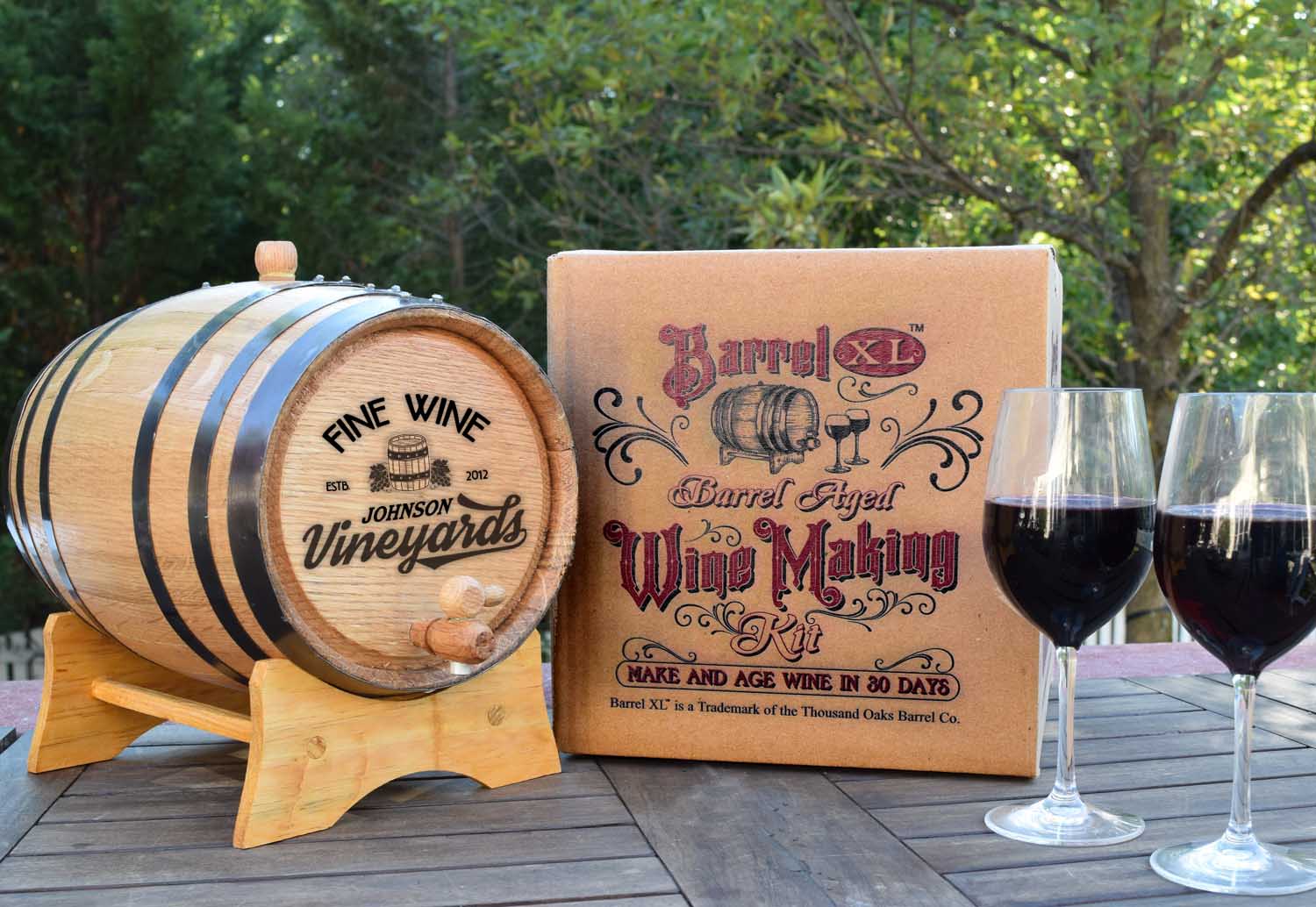

Barrel Aging Oak Barrel For Wine Making Distillery Series Steel Hoop Oak  Barrel

Terroir: The Subtle Influence of Place

Much like wine, single malt whiskey embodies a sense of place. This concept, often referred to as terroir, encompasses soil, water, air, and local flora.

  • Highland Whiskeys: Known for full-bodied, fruity, sometimes floral character.
  • Speyside Whiskeys: Typically sweeter, with honeyed notes and light spice.
  • Islay Whiskeys: Smoky, peaty, and intense, reflecting the island’s coastal environment.
  • Lowland Whiskeys: Delicate and soft, with gentle maltiness and citrus hints.

Terroir ensures that whiskey is not just an ingredient-driven product but a reflection of its origin, making each bottle a geographic signature.


Flavor Complexity: A Symphony in a Glass

One of the most seductive aspects of single malt whiskey is its flavor spectrum. Unlike mass-market spirits, which are often straightforward, single malts invite exploration.

  • Nose: Aroma opens the sensory experience. Expect vanilla, fruit, peat smoke, spice, floral notes, or even hints of chocolate and leather.
  • Palate: Tasting reveals layers of sweetness, maltiness, oak influence, and residual warmth. Some whiskies are creamy, others dry, smoky, or briny.
  • Finish: The lingering aftertaste is the final impression—long, short, smooth, or peppery.

Connoisseurs savor whiskey in stages, appreciating how flavors evolve from the first sip to the lingering finish.


The Role of Smoke and Peat

Peat is partially decomposed vegetation used as fuel during barley drying. It contributes one of the most iconic characteristics in single malts: smokiness.

  • Light Peat: Provides subtle earthy or herbal undertones, common in Speyside malts.
  • Heavy Peat: Dominates flavor with bold smoke, medicinal notes, and iodine hints, typical of Islay malts.

Smoke is polarizing—either a beloved signature or an acquired taste—but it undeniably adds mystique and depth.


Craftsmanship: The Human Touch

Beyond ingredients and process, human expertise shapes every drop. Distillers make countless decisions, often based on experience, intuition, and sensory judgment:

  • Choosing casks for aging
  • Adjusting fermentation time
  • Blending barrels to achieve consistency or create limited editions

This craftsmanship ensures that each bottle carries not only flavor but also a story of skill, dedication, and passion.


Whiskey and Ritual: Culture and Consumption

Single malt whiskey is more than taste; it is culture. The way it is consumed—neat, with water, or in tasting sessions—enhances its appeal.

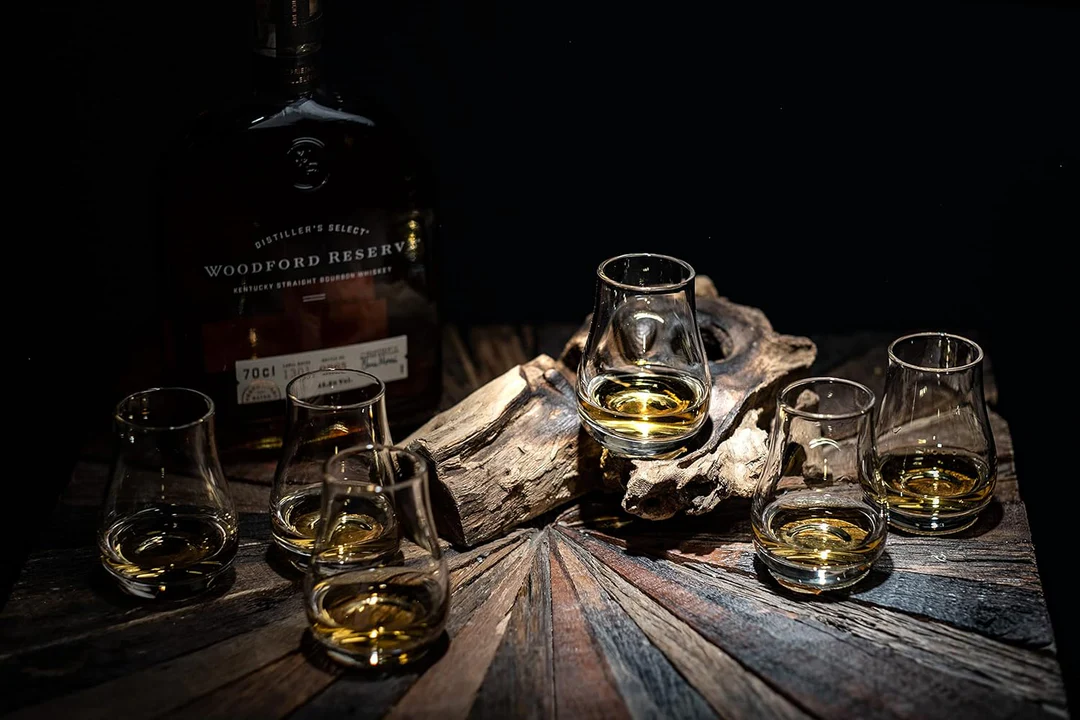
  • Tasting Rituals: Observing color, swirling for aroma, savoring sip progression.
  • Water or Ice: Adding water can unlock hidden aromas and soften alcohol heat, while ice subtly cools and dilutes the spirit.
  • Social and Symbolic Value: Whiskey often accompanies celebrations, intellectual discussions, and quiet reflection.
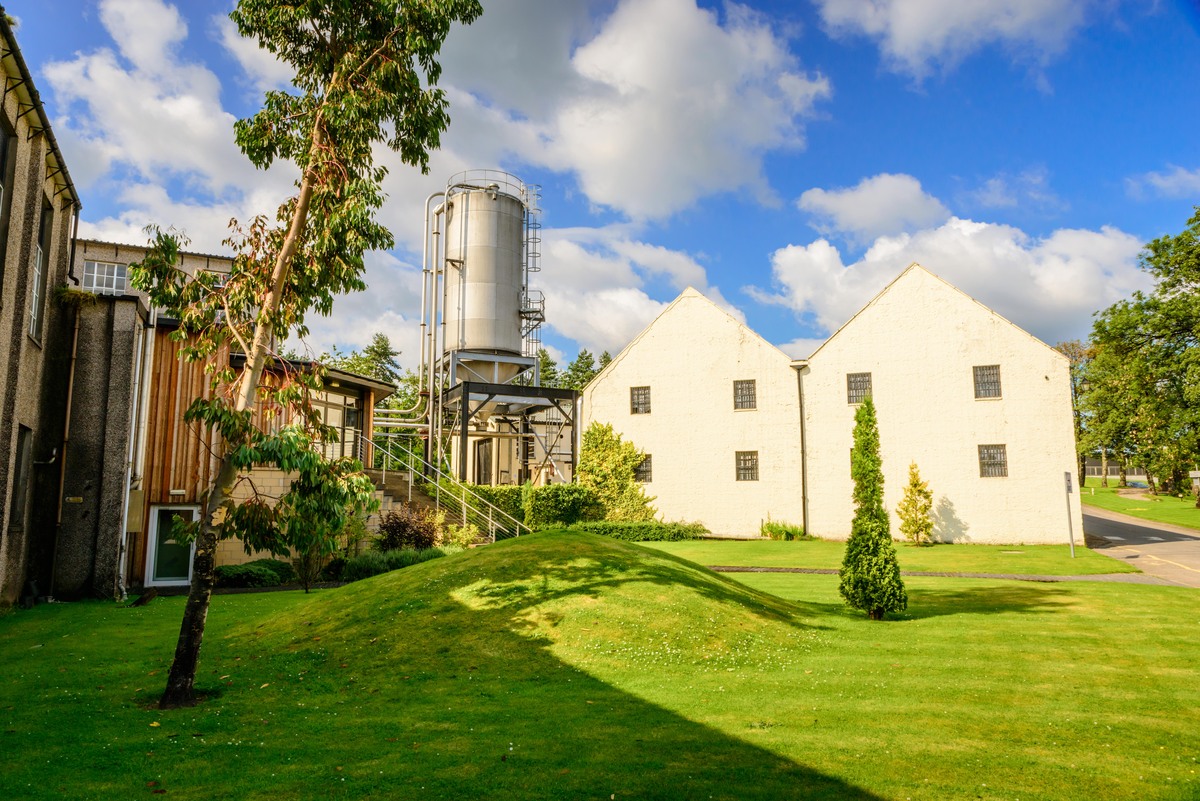
Highland Distilleries - Whisky Tours, Tasting & Information | VisitScotland

This ritualistic element elevates whiskey from a drink to a mindful experience.


Collectibility and Exclusivity

Part of single malt whiskey’s appeal lies in rarity and collectibility. Limited releases, special cask finishes, and age statements create a sense of exclusivity. Collectors enjoy not only tasting but also curating bottles as investments or conversation pieces.

  • Vintage Whiskey: Older bottlings often command high prices due to scarcity and complex aging profiles.
  • Distillery Exclusives: Small-batch or distillery-only releases foster loyalty and prestige.
  • Cultural Influence: Whiskey festivals, tasting clubs, and social media communities enhance its aspirational value.

The combination of scarcity, craftsmanship, and heritage ensures single malts remain highly desirable.


Health, Moderation, and Science

While primarily enjoyed for pleasure, moderate whiskey consumption has been linked to potential health benefits: antioxidants from barley, reduction in heart disease risk, and cognitive stimulation. Of course, moderation is key, and these benefits only emerge when drinking responsibly.


Innovation and Modern Trends

Single malt whiskey is steeped in tradition, yet innovation continues to redefine the category:

  • Experimentation with Casks: Rum, wine, and even craft beer barrels for finishing.
  • Alternative Grains: Some distillers experiment beyond barley, expanding flavor profiles.
  • Global Expansion: Beyond Scotland, Japan, Taiwan, and the US produce award-winning single malts, each reflecting local terroir and creativity.

Innovation ensures that while whiskey honors tradition, it never becomes stagnant.


The Psychology of Appeal

Why are single malts so captivating? Beyond taste, it touches on human psychology:

  • Sensory Engagement: Complex aromas and flavors stimulate curiosity and attention.
  • Narrative and Storytelling: Each bottle tells a story of origin, distillery, and craft.
  • Status and Identity: Drinking a refined single malt often conveys sophistication, taste, and discernment.

It’s a multidimensional appeal—intellectual, sensory, and emotional.


Conclusion: The Secret Is a Symphony

The secret behind single malt whiskey’s appeal is that there is no single secret. It is a symphony of factors:

  • Quality ingredients
  • Masterful distillation
  • Thoughtful maturation
  • Regional identity
  • Complex flavors
  • Cultural significance
  • Human artistry

Each bottle encapsulates centuries of heritage, dedication, and sensory delight. Savoring a single malt is not just tasting alcohol—it is experiencing history, science, nature, and craft in one extraordinary sip.

Single malt whiskey invites curiosity, contemplation, and conversation. Its appeal is timeless, continuously reinvented with each generation, and universally celebrated by those willing to slow down and enjoy life one sip at a time.
Tags: flavorScotch whiskywhiskey agingwhiskey tasting
ShareTweetShare

Related Posts

Can Beer Be an Effective Ingredient in Culinary Cooking?
ALL

Can Beer Be an Effective Ingredient in Culinary Cooking?

January 22, 2026
Second Fermentation in Champagne: Is It Really That Crucial?
ALL

Second Fermentation in Champagne: Is It Really That Crucial?

January 22, 2026
How Do Different Grains Impact the Flavor Profile of Distilled Spirits?
ALL

How Do Different Grains Impact the Flavor Profile of Distilled Spirits?

January 22, 2026
How Do Whiskey Master Blenders Create Perfection?
ALL

How Do Whiskey Master Blenders Create Perfection?

January 22, 2026
Wine Pairings: Can They Change the Flavor Profile of a Dish?
ALL

Wine Pairings: Can They Change the Flavor Profile of a Dish?

January 22, 2026
Beer the Ultimate Beverage for Pairing with Spicy Food?
ALL

Beer the Ultimate Beverage for Pairing with Spicy Food?

January 21, 2026
Leave Comment
  • Trending
  • Comments
  • Latest
What Hidden Craftsmanship Lies Behind a Bottle of Quality Grain Spirits?

What Hidden Craftsmanship Lies Behind a Bottle of Quality Grain Spirits?

July 3, 2025
How Is Champagne Made? The Secrets Behind the Sparkle

How Is Champagne Made? The Secrets Behind the Sparkle

April 15, 2025
Grain Spirits vs. Traditional Distilled Spirits: Which One Suits Your Taste?

Grain Spirits vs. Traditional Distilled Spirits: Which One Suits Your Taste?

July 3, 2025
Champagne Bubbles: How Do They Perfectly Convey Celebration, Joy, and Luxury?

Champagne Bubbles: How Do They Perfectly Convey Celebration, Joy, and Luxury?

July 2, 2025
The Timeless Elegance of Wine: A Journey Through History and Culture

The Timeless Elegance of Wine: A Journey Through History and Culture

Why Is Château Lafite Rothschild the Pinnacle of Fine Wine?

Why Is Château Lafite Rothschild the Pinnacle of Fine Wine?

How Did Château Lafite Rothschild Become a Global Icon of Luxury?

How Did Château Lafite Rothschild Become a Global Icon of Luxury?

What Makes Chateau Lafite Rothschild the Pinnacle of Bordeaux Wines?

What Makes Chateau Lafite Rothschild the Pinnacle of Bordeaux Wines?

Can Beer Be an Effective Ingredient in Culinary Cooking?

Can Beer Be an Effective Ingredient in Culinary Cooking?

January 22, 2026
Second Fermentation in Champagne: Is It Really That Crucial?

Second Fermentation in Champagne: Is It Really That Crucial?

January 22, 2026
How Do Different Grains Impact the Flavor Profile of Distilled Spirits?

How Do Different Grains Impact the Flavor Profile of Distilled Spirits?

January 22, 2026
How Do Whiskey Master Blenders Create Perfection?

How Do Whiskey Master Blenders Create Perfection?

January 22, 2026
SipsavorLife

Welcome to our comprehensive beverage guide, where you can explore the fascinating world of alcoholic drinks. From exquisite wines and rich whiskeys to refreshing beers and sparkling champagnes, we provide insights, tips, and recommendations for enthusiasts and casual drinkers alike. Discover your next favorite libation with us!

© 2025 sipsavorlife.com. contacts:sipsavorlife-35376@gmail.com

No Result
View All Result
  • Home
  • Wine
  • Whiskey
  • Beer
  • Grain Spirits
  • Champagne
  • ALL

© 2025 sipsavorlife.com. contacts:sipsavorlife-35376@gmail.com

Welcome Back!

Login to your account below

Forgotten Password?

Retrieve your password

Please enter your username or email address to reset your password.

Log In