







SipsavorLife
  • Home
  • Wine
    Do Wine Labels Signal Style More Than Region Today?

    Do Wine Labels Signal Style More Than Region Today?

    Is Serving Temperature the Most Ignored Quality Factor?

    Is Serving Temperature the Most Ignored Quality Factor?

    Can Smoke Taint Be Detected Before Fermentation?

    Can Smoke Taint Be Detected Before Fermentation?

    How Does Bottle Closure Control Oxygen Over Time?

    How Does Bottle Closure Control Oxygen Over Time?

    Which Yeast Strain Shapes Flavor More Than the Grape Itself?

    Which Yeast Strain Shapes Flavor More Than the Grape Itself?

    Do Old Vines Really Produce Better Wine—or Just Less?

    Do Old Vines Really Produce Better Wine—or Just Less?

  • Whiskey
    Do Wine Labels Signal Style More Than Region Today?

    Do Wine Labels Signal Style More Than Region Today?

    Can AI Truly Judge Whiskey Quality?

    Can AI Truly Judge Whiskey Quality?

    Could the Future of Spirits Start in the Grain Field?

    Could the Future of Spirits Start in the Grain Field?

    Is Champagne Better Understood as Wine First, Sparkle Second?

    Is Champagne Better Understood as Wine First, Sparkle Second?

    Why Do Some Beers Pair Better With Silence Than Food?

    Why Do Some Beers Pair Better With Silence Than Food?

    Can Low-ABV Beers Deliver High Complexity?

    Can Low-ABV Beers Deliver High Complexity?

  • Beer
    Why Do Some Beers Pair Better With Silence Than Food?

    Why Do Some Beers Pair Better With Silence Than Food?

    Can Low-ABV Beers Deliver High Complexity?

    Can Low-ABV Beers Deliver High Complexity?

    Is Alcohol Strength the Least Interesting Thing About Beer?

    Is Alcohol Strength the Least Interesting Thing About Beer?

    Does Glass Shape Alter How Beer Tastes?

    Does Glass Shape Alter How Beer Tastes?

    Spontaneously Fermented Beers: Controlled Chaos?

    Spontaneously Fermented Beers: Controlled Chaos?

    Why Does Temperature Change a Beer’s Flavor So Drastically?

    Why Does Temperature Change a Beer’s Flavor So Drastically?

  • Grain Spirits
    Could the Future of Spirits Start in the Grain Field?

    Could the Future of Spirits Start in the Grain Field?

    Is Grain Spirits’ Sustainability Story Being Overlooked?

    Is Grain Spirits’ Sustainability Story Being Overlooked?

    Do Blended Grains Create Complexity or Confusion?

    Do Blended Grains Create Complexity or Confusion?

    Why Are Heirloom Grains Becoming a Distiller’s Obsession?

    Why Are Heirloom Grains Becoming a Distiller’s Obsession?

    Can Grain Selection Predict Mouthfeel Before Distillation?

    Can Grain Selection Predict Mouthfeel Before Distillation?

    What Happens When Distillers Break Traditional Grain Rules?

    What Happens When Distillers Break Traditional Grain Rules?

  • Champagne
    Is Champagne Better Understood as Wine First, Sparkle Second?

    Is Champagne Better Understood as Wine First, Sparkle Second?

    Does Champagne’s Appellation System Limit or Protect Innovation?

    Does Champagne’s Appellation System Limit or Protect Innovation?

    Why Is Hand Harvesting Still Critical in Champagne Vineyards?

    Why Is Hand Harvesting Still Critical in Champagne Vineyards?

    Can Pressure Levels Influence Champagne’s Mouthfeel?

    Can Pressure Levels Influence Champagne’s Mouthfeel?

    Is Grower Champagne Redefining Prestige in the Region?

    Is Grower Champagne Redefining Prestige in the Region?

    Bottle Size Change Champagne’s Evolution Over Time?

    Bottle Size Change Champagne’s Evolution Over Time?

  • ALL
    Do Wine Labels Signal Style More Than Region Today?

    Do Wine Labels Signal Style More Than Region Today?

    Can AI Truly Judge Whiskey Quality?

    Can AI Truly Judge Whiskey Quality?

    Could the Future of Spirits Start in the Grain Field?

    Could the Future of Spirits Start in the Grain Field?

    Is Champagne Better Understood as Wine First, Sparkle Second?

    Is Champagne Better Understood as Wine First, Sparkle Second?

    Why Do Some Beers Pair Better With Silence Than Food?

    Why Do Some Beers Pair Better With Silence Than Food?

    Can Low-ABV Beers Deliver High Complexity?

    Can Low-ABV Beers Deliver High Complexity?

SipsavorLife
  • Home
  • Wine
    Do Wine Labels Signal Style More Than Region Today?

    Do Wine Labels Signal Style More Than Region Today?

    Is Serving Temperature the Most Ignored Quality Factor?

    Is Serving Temperature the Most Ignored Quality Factor?

    Can Smoke Taint Be Detected Before Fermentation?

    Can Smoke Taint Be Detected Before Fermentation?

    How Does Bottle Closure Control Oxygen Over Time?

    How Does Bottle Closure Control Oxygen Over Time?

    Which Yeast Strain Shapes Flavor More Than the Grape Itself?

    Which Yeast Strain Shapes Flavor More Than the Grape Itself?

    Do Old Vines Really Produce Better Wine—or Just Less?

    Do Old Vines Really Produce Better Wine—or Just Less?

  • Whiskey
    Do Wine Labels Signal Style More Than Region Today?

    Do Wine Labels Signal Style More Than Region Today?

    Can AI Truly Judge Whiskey Quality?

    Can AI Truly Judge Whiskey Quality?

    Could the Future of Spirits Start in the Grain Field?

    Could the Future of Spirits Start in the Grain Field?

    Is Champagne Better Understood as Wine First, Sparkle Second?

    Is Champagne Better Understood as Wine First, Sparkle Second?

    Why Do Some Beers Pair Better With Silence Than Food?

    Why Do Some Beers Pair Better With Silence Than Food?

    Can Low-ABV Beers Deliver High Complexity?

    Can Low-ABV Beers Deliver High Complexity?

  • Beer
    Why Do Some Beers Pair Better With Silence Than Food?

    Why Do Some Beers Pair Better With Silence Than Food?

    Can Low-ABV Beers Deliver High Complexity?

    Can Low-ABV Beers Deliver High Complexity?

    Is Alcohol Strength the Least Interesting Thing About Beer?

    Is Alcohol Strength the Least Interesting Thing About Beer?

    Does Glass Shape Alter How Beer Tastes?

    Does Glass Shape Alter How Beer Tastes?

    Spontaneously Fermented Beers: Controlled Chaos?

    Spontaneously Fermented Beers: Controlled Chaos?

    Why Does Temperature Change a Beer’s Flavor So Drastically?

    Why Does Temperature Change a Beer’s Flavor So Drastically?

  • Grain Spirits
    Could the Future of Spirits Start in the Grain Field?

    Could the Future of Spirits Start in the Grain Field?

    Is Grain Spirits’ Sustainability Story Being Overlooked?

    Is Grain Spirits’ Sustainability Story Being Overlooked?

    Do Blended Grains Create Complexity or Confusion?

    Do Blended Grains Create Complexity or Confusion?

    Why Are Heirloom Grains Becoming a Distiller’s Obsession?

    Why Are Heirloom Grains Becoming a Distiller’s Obsession?

    Can Grain Selection Predict Mouthfeel Before Distillation?

    Can Grain Selection Predict Mouthfeel Before Distillation?

    What Happens When Distillers Break Traditional Grain Rules?

    What Happens When Distillers Break Traditional Grain Rules?

  • Champagne
    Is Champagne Better Understood as Wine First, Sparkle Second?

    Is Champagne Better Understood as Wine First, Sparkle Second?

    Does Champagne’s Appellation System Limit or Protect Innovation?

    Does Champagne’s Appellation System Limit or Protect Innovation?

    Why Is Hand Harvesting Still Critical in Champagne Vineyards?

    Why Is Hand Harvesting Still Critical in Champagne Vineyards?

    Can Pressure Levels Influence Champagne’s Mouthfeel?

    Can Pressure Levels Influence Champagne’s Mouthfeel?

    Is Grower Champagne Redefining Prestige in the Region?

    Is Grower Champagne Redefining Prestige in the Region?

    Bottle Size Change Champagne’s Evolution Over Time?

    Bottle Size Change Champagne’s Evolution Over Time?

  • ALL
    Do Wine Labels Signal Style More Than Region Today?

    Do Wine Labels Signal Style More Than Region Today?

    Can AI Truly Judge Whiskey Quality?

    Can AI Truly Judge Whiskey Quality?

    Could the Future of Spirits Start in the Grain Field?

    Could the Future of Spirits Start in the Grain Field?

    Is Champagne Better Understood as Wine First, Sparkle Second?

    Is Champagne Better Understood as Wine First, Sparkle Second?

    Why Do Some Beers Pair Better With Silence Than Food?

    Why Do Some Beers Pair Better With Silence Than Food?

    Can Low-ABV Beers Deliver High Complexity?

    Can Low-ABV Beers Deliver High Complexity?

SipsavorLife
No Result
View All Result
Home ALL

Can AI Truly Judge Whiskey Quality?

January 15, 2026
in ALL, Whiskey
Can AI Truly Judge Whiskey Quality?

In recent years, artificial intelligence (AI) has woven itself into many aspects of our lives—from diagnosing diseases to assisting in financial predictions. Now, AI is even taking on a task that requires a high level of human sensory perception: evaluating the quality of whiskey. But can a machine really replicate the nuanced and sensory-driven experience of tasting a fine whiskey? This question isn’t just about the possibilities of technology; it’s about the intersection of tradition and innovation, art and science. In this article, we’ll explore how AI is being used to judge whiskey quality, its advantages, limitations, and what the future holds for the marriage of AI and whiskey tasting.

The Role of AI in Whiskey Tasting: An Overview

Traditionally, whiskey tasting has been a deeply personal and subjective experience. A whiskey critic or connoisseur relies on their senses—sight, smell, taste, and sometimes even the feel of the liquid in the mouth—to evaluate the drink’s quality. Factors such as aroma, texture, color, flavor complexity, and finish are assessed to determine how well the whiskey holds up to its brand identity, style, and price point.

However, AI technology is beginning to shift this paradigm. Machine learning, deep neural networks, and sophisticated sensory data collection methods allow AI to process vast amounts of data quickly and efficiently. This capability has led some distilleries, tech firms, and research organizations to experiment with AI as a tool for evaluating whiskey quality.

In essence, AI doesn’t taste whiskey in the traditional sense. Rather, it analyzes data points associated with whiskey characteristics—like chemical composition, historical production methods, aging processes, and tasting notes recorded by professionals—and compares them against established standards.

The Technology Behind AI Whiskey Evaluation

AI’s potential for whiskey evaluation lies primarily in machine learning and sensory analysis. Machine learning algorithms are designed to analyze and learn from data, adapting over time to improve their predictions. In the case of whiskey tasting, these algorithms rely on large datasets containing detailed information about whiskey profiles, including chemical analysis, sensory reviews, and even consumer preferences.

One notable example is the use of spectroscopy—a scientific method that analyzes light interaction with a sample. By collecting data on how whiskey reacts to light at different wavelengths, AI can derive information about the whiskey’s chemical composition. This data can reveal characteristics like the presence of specific phenols (which contribute to smokiness), sugars, or esters that indicate a whiskey’s age or flavor profile.

Once AI has access to enough data, it can start to make predictions about the whiskey’s quality. For example, based on previous ratings of whiskeys with similar profiles, AI can estimate the likely score that a whiskey would receive from a human expert. This prediction is grounded in thousands of tasting notes, sensory reports, and chemical compositions collected over years of research.

AI vs. Human Judges: A Clash of Perception and Precision

One of the most interesting aspects of using AI for whiskey evaluation is the contrast between human and machine perception. Whiskey tasting is inherently subjective. What one person describes as a “smoky, peat-laden delight” might be experienced by another as “too intense and overwhelming.” This subjective nature of whiskey tasting stems from differences in individual sensory systems, as well as personal preferences, cultural context, and life experiences.

On the other hand, AI operates purely on objective data. It processes information based on quantifiable factors like pH levels, alcohol content, and flavor molecules, free from the biases and mood swings that can affect human judges. In this sense, AI can provide a consistency that is difficult to achieve in human evaluations.

Aged Whiskey Isn't Always Better — Here Are 5 Other Factors to Consider

For example, AI can consistently spot patterns in whiskey aging or spot minute chemical changes that indicate flaws in the distillation process, such as oxidation or improper fermentation. This kind of precision can help distillers identify potential issues in their products and improve quality control.

However, there’s a fundamental limitation to AI’s approach: the machine lacks the ability to understand the emotional experience of tasting whiskey. A whiskey’s richness and complexity often rely on a deep emotional connection with the taster. The nuanced experience of savoring a dram—the interplay of different flavors, the warmth as it travels down your throat, and the lingering aftertaste—cannot be captured by data alone. It’s an experience that is deeply rooted in human perception.

The Strengths of AI in Whiskey Evaluation

Despite its limitations, AI offers several advantages that can significantly impact the whiskey industry, both for producers and consumers.

1. Consistency and Objectivity

One of the major benefits of using AI to assess whiskey quality is consistency. Human tasters may have good days and bad days; they may be influenced by external factors such as fatigue or personal biases. AI, on the other hand, provides an unbiased and consistent assessment based on the data it has been trained on.

This could be especially useful in situations where whiskey quality control is crucial—like large-scale production runs or during initial blending stages. Producers can ensure that each batch of whiskey adheres to a consistent standard, even if the production team is rotating or changes over time.

2. Data-Driven Insights for Improvement

AI has the power to identify correlations and patterns in whiskey production that would be difficult for humans to discern. For example, it can pinpoint exactly how variations in distillation time, fermentation conditions, or barrel types impact the flavor profile and overall quality of the whiskey. This allows distilleries to tweak their methods with a higher degree of precision, creating better products faster and with less trial and error.

3. Speed and Efficiency

AI can evaluate hundreds of whiskey samples in a fraction of the time it would take a human panel. For distilleries that produce large volumes of whiskey, this efficiency can be a game changer. AI can quickly identify anomalies in production and spot bottlenecks in the aging process, saving time and money.
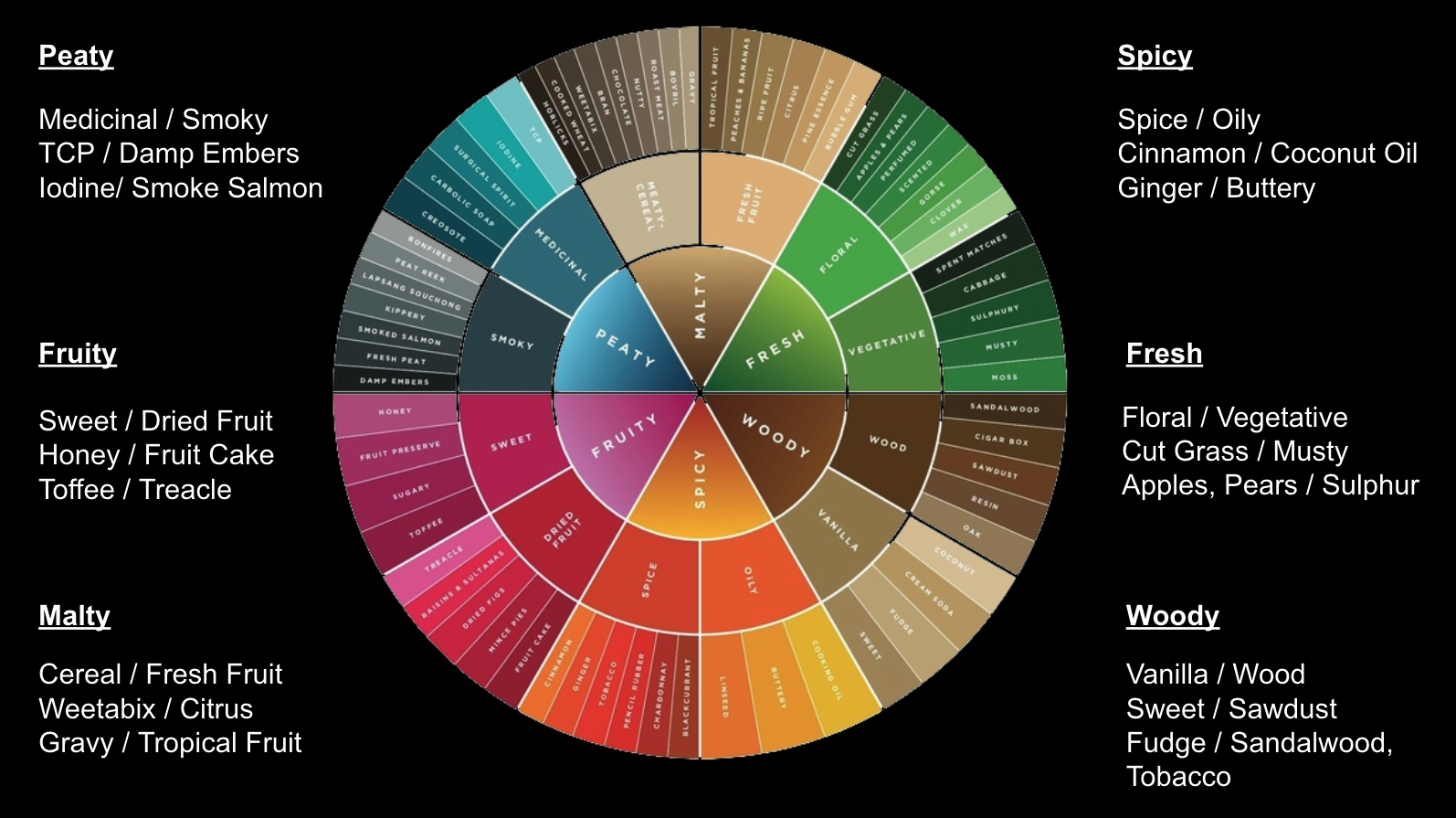
Becoming A Whiskey Connoisseur: An Idiot's Guide

4. Customization and Consumer Preferences

Another area where AI is making an impact is in customizing whiskey recommendations for consumers. AI can analyze a person’s taste preferences—whether they prefer smoky, spicy, or smooth whiskies—and recommend products that align with those tastes. This personalized approach can enhance the overall whiskey experience for consumers, helping them discover new bottles that align with their unique palates.

Limitations and Challenges

While AI has shown promise in whiskey evaluation, there are several challenges that must be addressed before it can fully replace human judges or become the go-to method for assessing whiskey quality.

1. The Complexity of Sensory Experience

The most significant challenge is the difficulty in translating the complexity of human sensory experience into data. While AI can analyze chemical compounds, it cannot fully capture the subtleties of how a whiskey interacts with a person’s taste buds, nostrils, or mouth. Sensory experiences are subjective, and nuances like a whiskey’s emotional appeal or the story behind its distillation process cannot be measured by a machine.

2. Lack of Context

AI often struggles with context, and whiskey tasting is no exception. A whiskey’s quality isn’t only defined by its chemical makeup or flavor profile. Factors like the distillery’s heritage, the distiller’s expertise, and the story behind the whiskey contribute significantly to its appeal. AI doesn’t have the ability to appreciate these intangible qualities.

3. The Need for Extensive Data

AI’s ability to make accurate predictions depends on access to vast amounts of high-quality data. The more data it receives, the better it becomes at making accurate assessments. However, collecting enough data to train an AI model is a time-consuming and expensive process. Distilleries need to ensure that their data is comprehensive and reflective of different whiskey types and production methods.

4. Consumer Skepticism

Finally, there’s the question of consumer trust. Many whiskey enthusiasts enjoy the tradition and ritual associated with tasting whiskey. The idea of machines evaluating whiskey quality may seem impersonal or even sacrilegious to some purists. Overcoming this skepticism and convincing consumers of the value of AI assessments will take time.

The Future of AI in Whiskey Tasting

Looking ahead, the future of AI in whiskey tasting seems bright, albeit with some challenges to overcome. AI can complement human tasting panels, providing valuable insights into the production process and enabling distilleries to perfect their products. It can also aid in quality control, help tailor recommendations for consumers, and speed up the production process.

However, it’s unlikely that AI will ever replace the human element of whiskey tasting entirely. As long as whiskey remains a product tied to tradition, craftsmanship, and personal experience, the human touch will remain integral to the art of tasting and judging whiskey.

At best, AI can be seen as a tool that enhances and refines human judgment rather than replacing it altogether. With that in mind, the future of whiskey may be a hybrid approach—where AI and human experts work side by side, creating whiskeys that are more consistent, personalized, and of higher quality than ever before.
Tags: whiskey agingwhiskey comparisonwhiskey productionwhiskey tasting
ShareTweetShare

Related Posts

Do Wine Labels Signal Style More Than Region Today?
ALL

Do Wine Labels Signal Style More Than Region Today?

January 15, 2026
Could the Future of Spirits Start in the Grain Field?
ALL

Could the Future of Spirits Start in the Grain Field?

January 15, 2026
Is Champagne Better Understood as Wine First, Sparkle Second?
ALL

Is Champagne Better Understood as Wine First, Sparkle Second?

January 15, 2026
Why Do Some Beers Pair Better With Silence Than Food?
ALL

Why Do Some Beers Pair Better With Silence Than Food?

January 15, 2026
Can Low-ABV Beers Deliver High Complexity?
ALL

Can Low-ABV Beers Deliver High Complexity?

January 14, 2026
Does Champagne’s Appellation System Limit or Protect Innovation?
ALL

Does Champagne’s Appellation System Limit or Protect Innovation?

January 14, 2026
Leave Comment
  • Trending
  • Comments
  • Latest
What Hidden Craftsmanship Lies Behind a Bottle of Quality Grain Spirits?

What Hidden Craftsmanship Lies Behind a Bottle of Quality Grain Spirits?

July 3, 2025
How Is Champagne Made? The Secrets Behind the Sparkle

How Is Champagne Made? The Secrets Behind the Sparkle

April 15, 2025
Grain Spirits vs. Traditional Distilled Spirits: Which One Suits Your Taste?

Grain Spirits vs. Traditional Distilled Spirits: Which One Suits Your Taste?

July 3, 2025
Champagne Bubbles: How Do They Perfectly Convey Celebration, Joy, and Luxury?

Champagne Bubbles: How Do They Perfectly Convey Celebration, Joy, and Luxury?

July 2, 2025
The Timeless Elegance of Wine: A Journey Through History and Culture

The Timeless Elegance of Wine: A Journey Through History and Culture

Why Is Château Lafite Rothschild the Pinnacle of Fine Wine?

Why Is Château Lafite Rothschild the Pinnacle of Fine Wine?

How Did Château Lafite Rothschild Become a Global Icon of Luxury?

How Did Château Lafite Rothschild Become a Global Icon of Luxury?

What Makes Chateau Lafite Rothschild the Pinnacle of Bordeaux Wines?

What Makes Chateau Lafite Rothschild the Pinnacle of Bordeaux Wines?

Do Wine Labels Signal Style More Than Region Today?

Do Wine Labels Signal Style More Than Region Today?

January 15, 2026
Can AI Truly Judge Whiskey Quality?

Can AI Truly Judge Whiskey Quality?

January 15, 2026
Could the Future of Spirits Start in the Grain Field?

Could the Future of Spirits Start in the Grain Field?

January 15, 2026
Is Champagne Better Understood as Wine First, Sparkle Second?

Is Champagne Better Understood as Wine First, Sparkle Second?

January 15, 2026
SipsavorLife

Welcome to our comprehensive beverage guide, where you can explore the fascinating world of alcoholic drinks. From exquisite wines and rich whiskeys to refreshing beers and sparkling champagnes, we provide insights, tips, and recommendations for enthusiasts and casual drinkers alike. Discover your next favorite libation with us!

© 2025 sipsavorlife.com. contacts:sipsavorlife-35376@gmail.com

No Result
View All Result
  • Home
  • Wine
  • Whiskey
  • Beer
  • Grain Spirits
  • Champagne
  • ALL

© 2025 sipsavorlife.com. contacts:sipsavorlife-35376@gmail.com

Welcome Back!

Login to your account below

Forgotten Password?

Retrieve your password

Please enter your username or email address to reset your password.

Log In