














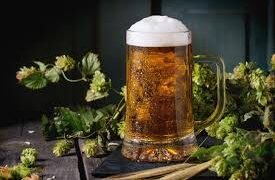















Beer, much like any good beverage, is something that calls for careful attention, deep contemplation, and a deep sensory connection with the present moment. As much as we all love pairing beers with food—think about those perfect pints with a juicy burger or crispy fries—some beers seem to ask for something different. They demand a moment of stillness, a pause in the hustle and bustle of life, urging us to experience their flavors without the distraction of a meal. But why does this happen? Why do some beers shine brighter in silence than when they are paired with food?
This paradoxical question invites a closer examination of the art of brewing, the nature of sensory experiences, and how our minds and bodies engage with flavor. To understand this, we need to first appreciate the relationship between beer and food pairing, the psychology of taste, and the unique qualities that certain beers bring to the table—or rather, to the quiet spaces of our minds.
The Complex World of Beer Flavors
Beer is a beverage with an incredibly diverse spectrum of flavors. Whether you’re savoring a crisp pilsner, an aromatic IPA, or a rich imperial stout, the flavors in beer are a blend of yeast, malt, hops, and water. The interplay of these ingredients is what makes beer such an exciting drink. It’s not just about bitter or sweet, but about the nuances that range from fruity esters to earthy tones, from caramel to roasted coffee, from citrus to pine.
Certain beers, especially craft varieties, take this complexity to the next level. These beers can be layered with flavors and aromas that evolve as the drink is consumed. Some have subtlety that invites you to slow down, appreciate the depth of flavor, and really pay attention. When paired with food, these beers can sometimes lose their delicate characteristics in the intensity of competing flavors.
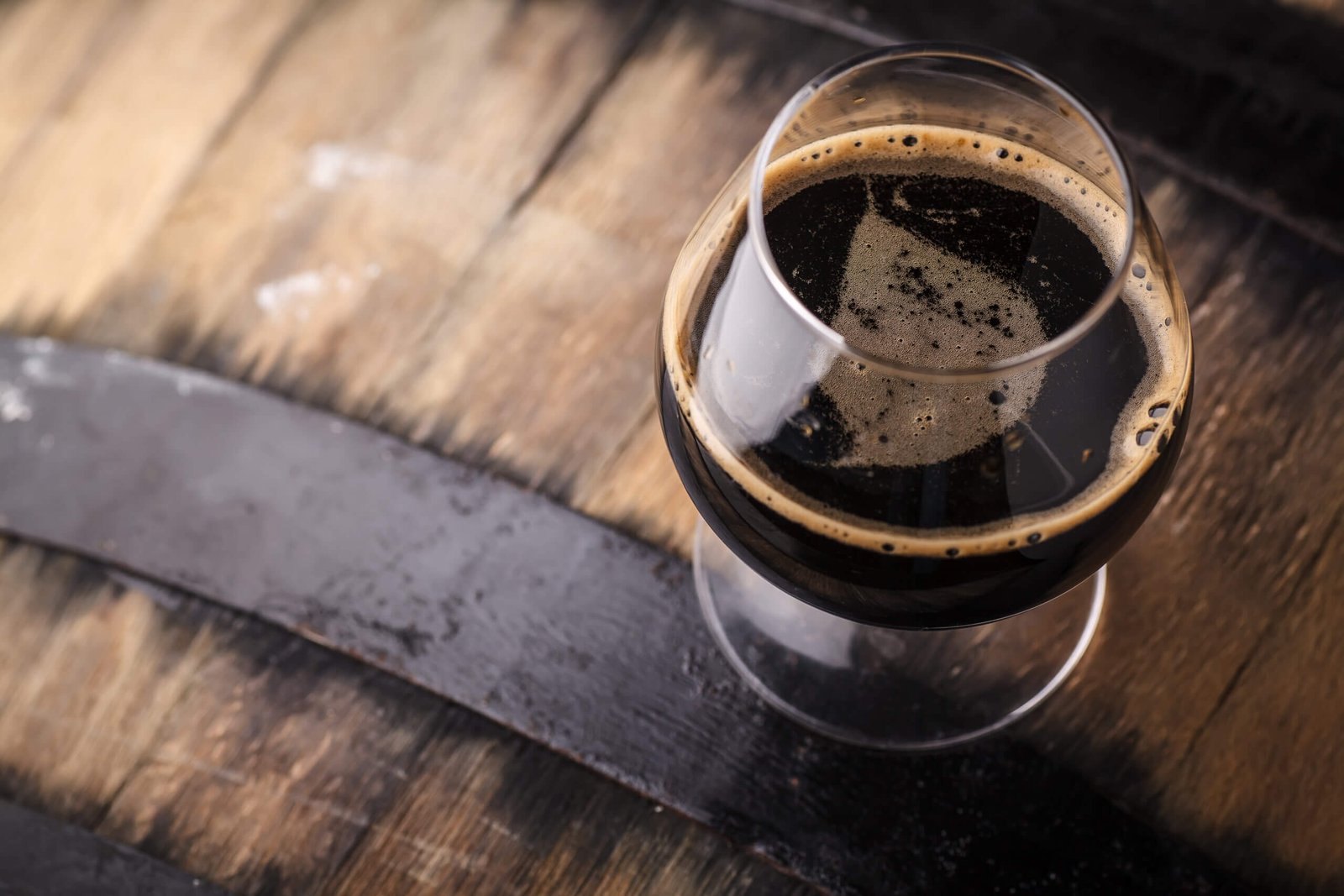
Take, for example, a barrel-aged stout or a triple IPA. These are beers with aggressive and complex flavors that demand all your attention. The tannins from the barrel-aging process can create a depth that begs to be noticed in the absence of the loud distraction of food. Similarly, a hop-heavy IPA can have such a distinct and bold flavor profile that even the simplest meal might overwhelm its delicate balance.
The Psychology of Taste and Distraction
The act of drinking beer involves more than just tasting—it engages your entire sensory system. When you’re eating food and drinking simultaneously, the focus tends to shift. Your attention is divided between the textures, tastes, and aromas of the food and the beer, but also between the act of chewing, swallowing, and speaking. The mind becomes a cocktail of different sensations, and while the beer is an important part of the experience, it can sometimes be overshadowed by the food or the conversation.
In contrast, when you drink beer in silence, you eliminate this sensory competition. There’s nothing to distract you from focusing solely on the drink. No plate of food to grab your attention, no chatter or background noise to interfere with your sensory connection to the beer. This is why many connoisseurs will recommend that you first try a new beer in isolation, without any food to cloud the flavor profile. You can get a true sense of the beer’s unique characteristics.
Moreover, the power of silence isn’t just about the absence of food. It’s also about reducing external distractions. Imagine sitting down with a craft beer after a long day, without the usual cacophony of sounds—just the quiet hum of your thoughts and the beer’s rich, evolving flavors. In this quiet environment, the beer reveals itself, slowly opening up its complexity and allowing you to tune into every nuanced note.
The Role of Time and Space in Beer Consumption
Certain beers are made for slow sipping. Barleywines, sours, and strong ales often require more than just a few quick gulps. These beers tend to evolve in the glass, changing their flavor profile over time as they warm up. Pairing them with food can interrupt this transformation, preventing you from experiencing the full journey the beer is offering.
This phenomenon happens because food can alter the temperature, acidity, and texture of the beer, which may mask some of the flavors that would have otherwise developed in the quiet, unhurried moments. When you drink these beers without food, you allow the temperature and the beer’s inherent flavors to breathe and evolve in their own time, creating a unique, multi-layered tasting experience that might not be possible if the focus is diverted to food.
The Beer Styles That Prefer Silence
Some beer styles seem to demand silence more than others. These beers are often robust, complex, and full of character. Barrel-aged stouts and imperial porters, for example, are rich with flavors like chocolate, coffee, vanilla, and oak. When these beers are sipped without distraction, the subtleties of the barrel-aging process can shine through, with the interplay of flavors being much more noticeable. Pairing such beers with food can sometimes overwhelm or mute their depth.
Likewise, Belgian tripels or quadrupels, with their fruity esters, clove-like spiciness, and sweet maltiness, demand a more thoughtful approach. When enjoyed alone, these beers give you the time and space to appreciate the complexity of the yeast-driven flavors. In contrast, food may suppress some of the yeast notes, especially if the dish is overly rich or strong-flavored.
Another category where beer shines in silence is the saison. This farmhouse ale, with its dry finish, peppery spice, and herbal notes, can be the perfect drink to reflect on and enjoy without the influence of a meal. It encourages mindfulness, allowing drinkers to focus on its refreshing complexity in a way that is difficult to achieve when the palate is busy with food.

The Cultural Importance of Silence in Beer Appreciation
In many beer cultures, the ritual of drinking a beer in quiet contemplation is valued just as much as the social aspect. Belgium, for example, has a long-standing tradition of savoring beer in peaceful moments. Belgian beer connoisseurs often take time to sit quietly with their beers, allowing the flavors to unfold without distractions. The slow enjoyment of beer, whether alone or in small, intimate gatherings, fosters a deeper connection with the craft.
The Germans, with their centuries-old brewing tradition, also place a significant emphasis on the purity and clarity of beer. Whether it’s in a quiet beer garden or at a solitary moment of reflection, German beer culture often encourages savoring the beer without unnecessary interruption.
This practice is also reflected in the Japanese beer culture, where the art of brewing is seen as a form of delicate craftsmanship. Many high-end Japanese beers, such as the sapporo premium or Asahi Super Dry, are often served in simple, quiet settings, encouraging patrons to appreciate the crisp, clean flavors without the distraction of a bustling atmosphere or food.
A Moment of Pause in a Fast-Paced World
In today’s fast-paced world, where everything seems to be happening at breakneck speed, sometimes the best way to appreciate something is by slowing down. Beer, when enjoyed in silence, becomes a tool for mindfulness, a reminder to take a pause and savor the moment. This stillness is not just for beer—it’s an approach to life that celebrates the present.
As beer lovers, we often find ourselves rushing through pints, eager to get to the next one or to pair our beers with food for the perfect Instagram shot. But there is something deeply satisfying about setting all that aside and simply enjoying a beer for what it is—a product of nature, time, and craftsmanship.
Conclusion: The Art of Silence and Beer
The next time you reach for a beer that feels special—one that demands your full attention—consider enjoying it in silence. Let the beer take you on a journey of flavors without the interference of food or external noise. In that moment, you’ll find that the beer reveals more than you ever expected, and that silence becomes not just a companion, but the perfect pairing.