






























SipsavorLife
  • Home
  • Wine
    The History, Culture, and Global Influence of Humanity’s Most Celebrated Beverage

    The Wine Revolution: How Modern Winemaking Transformed a Global Industry

    The History, Culture, and Global Influence of Humanity’s Most Celebrated Beverage

    Wine Styles of the World: A Complete Guide to Red, White, Rosé, Sparkling, and Fortified Wines

    The History, Culture, and Global Influence of Humanity’s Most Celebrated Beverage

    The Global Wine Industry: Markets, Trade, Tourism, and Economic Impact

    The History, Culture, and Global Influence of Humanity’s Most Celebrated Beverage

    The Science of Wine: Grapes, Fermentation, and Flavor Development

    The History, Culture, and Global Influence of Humanity’s Most Celebrated Beverage

    The History, Culture, and Global Influence of Humanity’s Most Celebrated Beverage

    The Cultural History of Wine: From Ancient Rituals to Modern Luxury

    The Psychology of Wine: Why Humans Associate Wine with Emotion, Memory, and Identity

  • Whiskey
    Can Beer Be an Effective Ingredient in Culinary Cooking?

    Can Beer Be an Effective Ingredient in Culinary Cooking?

    Second Fermentation in Champagne: Is It Really That Crucial?

    Second Fermentation in Champagne: Is It Really That Crucial?

    How Do Different Grains Impact the Flavor Profile of Distilled Spirits?

    How Do Different Grains Impact the Flavor Profile of Distilled Spirits?

    How Do Whiskey Master Blenders Create Perfection?

    How Do Whiskey Master Blenders Create Perfection?

    Wine Pairings: Can They Change the Flavor Profile of a Dish?

    Wine Pairings: Can They Change the Flavor Profile of a Dish?

    Beer the Ultimate Beverage for Pairing with Spicy Food?

    Beer the Ultimate Beverage for Pairing with Spicy Food?

  • Beer
    Malt Beer: Why Does Its Sweet Malty Aroma Always Bring Endless Satisfaction?

    The Craft Beer Revolution: How Independent Breweries Changed the World of Beer

    Beer: The World’s Oldest and Most Influential Beverage

    Beer Styles of the World: A Complete Guide to Lager, Ale, Stout, IPA, and Beyond

    Beer: The World’s Oldest and Most Influential Beverage

    The Global Beer Industry: Markets, Brands, and Economic Impact

    Beer: The World’s Oldest and Most Influential Beverage

    The Science of Beer: Ingredients, Fermentation, and Flavor

    Beer: The World’s Oldest and Most Influential Beverage

    Beer: The World’s Oldest and Most Influential Beverage

    Beer as a Cultural and Social Force: From Ancient Brew to Modern Identity

    Women in Brewing: The Untold History and Modern Transformation of Beer Culture

  • Grain Spirits
    Grain Spirits: The Origins, Science, and Global Evolution of Distilled Grain Alcohol

    Bourbon: America’s Native Grain Spirit and the Global Story of Corn, Oak, Fire, and Time

    Grain Spirits: The Origins, Science, and Global Evolution of Distilled Grain Alcohol

    Gin: Botanicals, History, Cocktail Culture, and the Artistic Evolution of the World’s Most Aromatic Grain Spirit

    Grain Spirits: The Origins, Science, and Global Evolution of Distilled Grain Alcohol

    Vodka: The Global Rise of the World’s Most Versatile Grain Spirit

    Grain Spirits: The Origins, Science, and Global Evolution of Distilled Grain Alcohol

    Whiskey and the Soul of Grain Spirits: History, Craftsmanship, Culture, and the Global Rise of the World’s Most Iconic Distilled Grain Beverage

    Grain Spirits: The Origins, Science, and Global Evolution of Distilled Grain Alcohol

    Grain Spirits: The Origins, Science, and Global Evolution of Distilled Grain Alcohol

    Grain Spirits Explained — The Foundation of Global Distillation

    The Future of Grain Spirits — Technology, Sustainability, and the Next Era of Distillation

  • Champagne
    Champagne: The Sparkling Wine That Changed Global Celebration Culture

    Dom Pérignon, Cristal, Krug, and Beyond: The World’s Most Famous Champagne Houses and Their Legacy

    Champagne Beyond Celebration: The History, Craftsmanship, and Global Influence of the World’s Most Iconic Sparkling Wine

    The Future of Champagne: Climate Change, Innovation, Sustainability, and the Next Era of Sparkling Wine

    Champagne Beyond Celebration: The History, Craftsmanship, and Global Influence of the World’s Most Iconic Sparkling Wine

    Champagne and Luxury Culture: How Sparkling Wine Became a Global Symbol of Wealth, Celebration, and Prestige

    Champagne Beyond Celebration: The History, Craftsmanship, and Global Influence of the World’s Most Iconic Sparkling Wine

    The Art of Champagne Production: Inside the Science, Skill, and Tradition Behind Every Bottle

    Champagne Beyond Celebration: The History, Craftsmanship, and Global Influence of the World’s Most Iconic Sparkling Wine

    Champagne Beyond Celebration: The History, Craftsmanship, and Global Influence of the World’s Most Iconic Sparkling Wine

    Champagne: The Sparkling Wine That Changed Global Celebration Culture

    Champagne vs Prosecco vs Cava: How the World’s Sparkling Wines Reflect Culture, Geography, and Taste

  • ALL
    Can Beer Be an Effective Ingredient in Culinary Cooking?

    Can Beer Be an Effective Ingredient in Culinary Cooking?

    Second Fermentation in Champagne: Is It Really That Crucial?

    Second Fermentation in Champagne: Is It Really That Crucial?

    How Do Different Grains Impact the Flavor Profile of Distilled Spirits?

    How Do Different Grains Impact the Flavor Profile of Distilled Spirits?

    How Do Whiskey Master Blenders Create Perfection?

    How Do Whiskey Master Blenders Create Perfection?

    Wine Pairings: Can They Change the Flavor Profile of a Dish?

    Wine Pairings: Can They Change the Flavor Profile of a Dish?

    Beer the Ultimate Beverage for Pairing with Spicy Food?

    Beer the Ultimate Beverage for Pairing with Spicy Food?

SipsavorLife
  • Home
  • Wine
    The History, Culture, and Global Influence of Humanity’s Most Celebrated Beverage

    The Wine Revolution: How Modern Winemaking Transformed a Global Industry

    The History, Culture, and Global Influence of Humanity’s Most Celebrated Beverage

    Wine Styles of the World: A Complete Guide to Red, White, Rosé, Sparkling, and Fortified Wines

    The History, Culture, and Global Influence of Humanity’s Most Celebrated Beverage

    The Global Wine Industry: Markets, Trade, Tourism, and Economic Impact

    The History, Culture, and Global Influence of Humanity’s Most Celebrated Beverage

    The Science of Wine: Grapes, Fermentation, and Flavor Development

    The History, Culture, and Global Influence of Humanity’s Most Celebrated Beverage

    The History, Culture, and Global Influence of Humanity’s Most Celebrated Beverage

    The Cultural History of Wine: From Ancient Rituals to Modern Luxury

    The Psychology of Wine: Why Humans Associate Wine with Emotion, Memory, and Identity

  • Whiskey
    Can Beer Be an Effective Ingredient in Culinary Cooking?

    Can Beer Be an Effective Ingredient in Culinary Cooking?

    Second Fermentation in Champagne: Is It Really That Crucial?

    Second Fermentation in Champagne: Is It Really That Crucial?

    How Do Different Grains Impact the Flavor Profile of Distilled Spirits?

    How Do Different Grains Impact the Flavor Profile of Distilled Spirits?

    How Do Whiskey Master Blenders Create Perfection?

    How Do Whiskey Master Blenders Create Perfection?

    Wine Pairings: Can They Change the Flavor Profile of a Dish?

    Wine Pairings: Can They Change the Flavor Profile of a Dish?

    Beer the Ultimate Beverage for Pairing with Spicy Food?

    Beer the Ultimate Beverage for Pairing with Spicy Food?

  • Beer
    Malt Beer: Why Does Its Sweet Malty Aroma Always Bring Endless Satisfaction?

    The Craft Beer Revolution: How Independent Breweries Changed the World of Beer

    Beer: The World’s Oldest and Most Influential Beverage

    Beer Styles of the World: A Complete Guide to Lager, Ale, Stout, IPA, and Beyond

    Beer: The World’s Oldest and Most Influential Beverage

    The Global Beer Industry: Markets, Brands, and Economic Impact

    Beer: The World’s Oldest and Most Influential Beverage

    The Science of Beer: Ingredients, Fermentation, and Flavor

    Beer: The World’s Oldest and Most Influential Beverage

    Beer: The World’s Oldest and Most Influential Beverage

    Beer as a Cultural and Social Force: From Ancient Brew to Modern Identity

    Women in Brewing: The Untold History and Modern Transformation of Beer Culture

  • Grain Spirits
    Grain Spirits: The Origins, Science, and Global Evolution of Distilled Grain Alcohol

    Bourbon: America’s Native Grain Spirit and the Global Story of Corn, Oak, Fire, and Time

    Grain Spirits: The Origins, Science, and Global Evolution of Distilled Grain Alcohol

    Gin: Botanicals, History, Cocktail Culture, and the Artistic Evolution of the World’s Most Aromatic Grain Spirit

    Grain Spirits: The Origins, Science, and Global Evolution of Distilled Grain Alcohol

    Vodka: The Global Rise of the World’s Most Versatile Grain Spirit

    Grain Spirits: The Origins, Science, and Global Evolution of Distilled Grain Alcohol

    Whiskey and the Soul of Grain Spirits: History, Craftsmanship, Culture, and the Global Rise of the World’s Most Iconic Distilled Grain Beverage

    Grain Spirits: The Origins, Science, and Global Evolution of Distilled Grain Alcohol

    Grain Spirits: The Origins, Science, and Global Evolution of Distilled Grain Alcohol

    Grain Spirits Explained — The Foundation of Global Distillation

    The Future of Grain Spirits — Technology, Sustainability, and the Next Era of Distillation

  • Champagne
    Champagne: The Sparkling Wine That Changed Global Celebration Culture

    Dom Pérignon, Cristal, Krug, and Beyond: The World’s Most Famous Champagne Houses and Their Legacy

    Champagne Beyond Celebration: The History, Craftsmanship, and Global Influence of the World’s Most Iconic Sparkling Wine

    The Future of Champagne: Climate Change, Innovation, Sustainability, and the Next Era of Sparkling Wine

    Champagne Beyond Celebration: The History, Craftsmanship, and Global Influence of the World’s Most Iconic Sparkling Wine

    Champagne and Luxury Culture: How Sparkling Wine Became a Global Symbol of Wealth, Celebration, and Prestige

    Champagne Beyond Celebration: The History, Craftsmanship, and Global Influence of the World’s Most Iconic Sparkling Wine

    The Art of Champagne Production: Inside the Science, Skill, and Tradition Behind Every Bottle

    Champagne Beyond Celebration: The History, Craftsmanship, and Global Influence of the World’s Most Iconic Sparkling Wine

    Champagne Beyond Celebration: The History, Craftsmanship, and Global Influence of the World’s Most Iconic Sparkling Wine

    Champagne: The Sparkling Wine That Changed Global Celebration Culture

    Champagne vs Prosecco vs Cava: How the World’s Sparkling Wines Reflect Culture, Geography, and Taste

  • ALL
    Can Beer Be an Effective Ingredient in Culinary Cooking?

    Can Beer Be an Effective Ingredient in Culinary Cooking?

    Second Fermentation in Champagne: Is It Really That Crucial?

    Second Fermentation in Champagne: Is It Really That Crucial?

    How Do Different Grains Impact the Flavor Profile of Distilled Spirits?

    How Do Different Grains Impact the Flavor Profile of Distilled Spirits?

    How Do Whiskey Master Blenders Create Perfection?

    How Do Whiskey Master Blenders Create Perfection?

    Wine Pairings: Can They Change the Flavor Profile of a Dish?

    Wine Pairings: Can They Change the Flavor Profile of a Dish?

    Beer the Ultimate Beverage for Pairing with Spicy Food?

    Beer the Ultimate Beverage for Pairing with Spicy Food?

SipsavorLife
No Result
View All Result
Home ALL

Is Alcohol Strength the Least Interesting Thing About Beer?

January 13, 2026
in ALL, Beer
Is Alcohol Strength the Least Interesting Thing About Beer?

Beer is a marvel of complexity, a drink that has evolved for millennia and yet remains one of the most popular and diverse beverages in the world. From the basic lagers to the extravagant barrel-aged stouts, beer offers an endless variety of flavors, textures, and experiences. Yet, despite this intricate tapestry of flavor, aroma, and texture, many beer enthusiasts and novices alike often focus on one single characteristic: alcohol strength. But does this one metric truly define a beer’s appeal? Is it the least interesting thing about beer? The answer may surprise you.

Alcohol Strength: The First Thing We Notice

When people talk about beer, alcohol content is often one of the first things that come up. It’s easy to see why. The percentage of alcohol by volume (ABV) is typically displayed on the label, and it’s an easy figure to latch onto when evaluating a beer. Higher ABV usually signals a stronger, more potent brew, while lower ABV tends to correspond to lighter, more sessionable beers.

At first glance, alcohol strength might seem like a natural point of focus. After all, it is directly tied to the intensity of the drink, and, for many, the higher the ABV, the better the beer. But this fixation on alcohol strength can obscure the more subtle, and often more important, qualities of beer.

The Real Depth of Beer Lies in Its Flavor

While alcohol content is an undeniable part of beer’s overall profile, it’s far from the most interesting element. The true beauty of beer lies in its flavors—the complex, nuanced notes that arise from the combination of ingredients, fermentation, and brewing techniques. Beer is an ever-evolving exploration of taste, with each style offering a new journey for your palate.

Take, for example, the world of hops. Hops, which are the flowers used to impart bitterness, flavor, and aroma to beer, can introduce a staggering array of tastes. From the citrusy burst of grapefruit and lemon in a West Coast IPA to the piney, resinous character of a traditional American Pale Ale, hops create some of the most distinctive profiles in beer. The range of hop varieties alone—each with its own flavor profile and potential for experimentation—offers far more intrigue than alcohol content.

Then, there are the malt-forward brews. Rich, roasted malts are responsible for the deep, caramel-like sweetness found in beers like stouts, porters, and some Belgian-style ales. The process of malting grains brings out a range of flavors, from biscuit-like notes to chocolate, coffee, and toffee. These malt-driven flavors provide a counterpoint to the bitterness of hops, creating a harmonious balance in many beer styles.
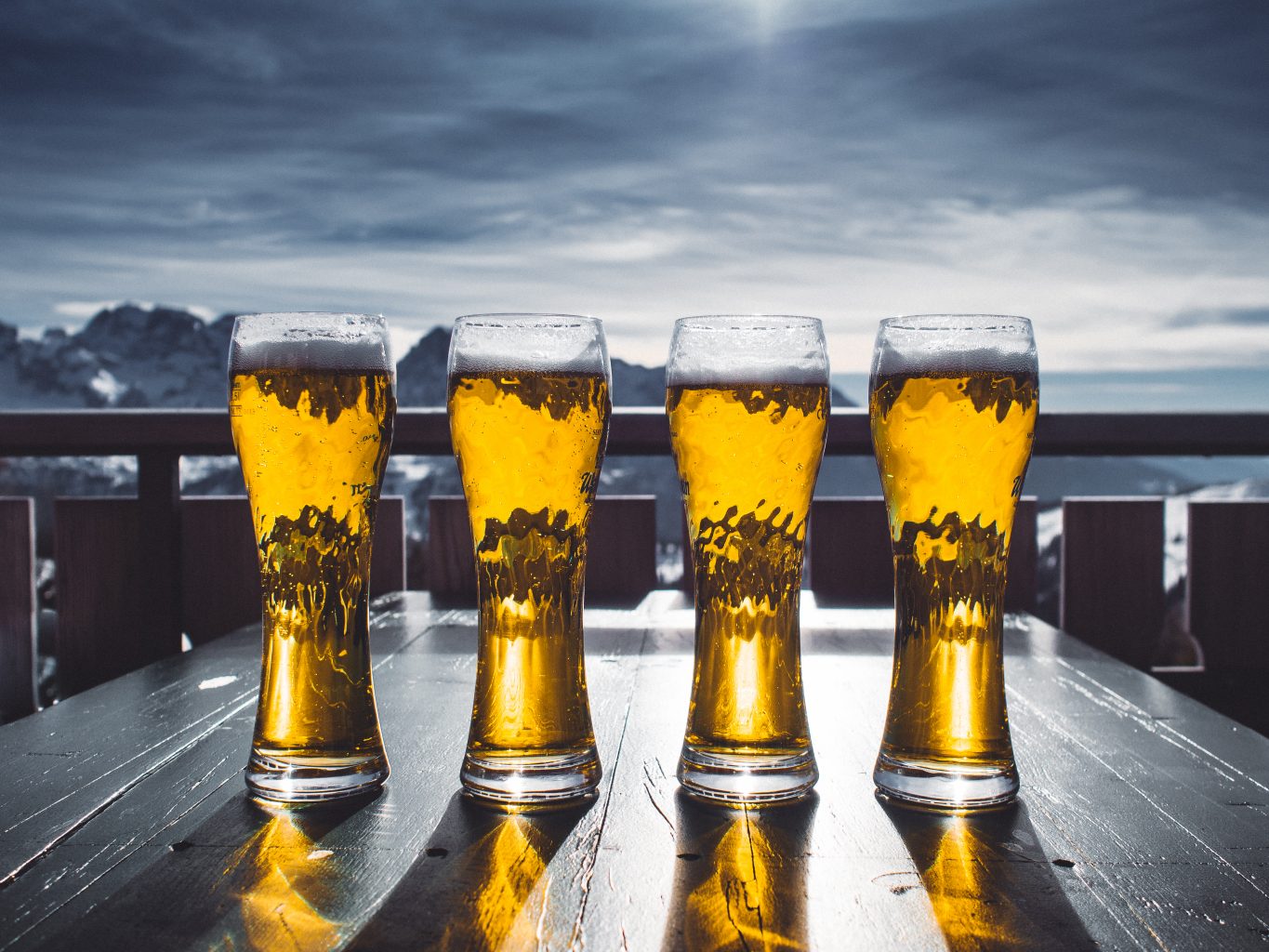
Craft Beer Innovation Turning Britain Into “Brewing Powerhouse” - London  Review

Fermentation also plays a crucial role in the development of beer’s flavor. Yeast, the microorganism responsible for fermentation, can contribute a surprising array of flavors to a beer. The fruity esters produced by ale yeast or the clean, crisp finish offered by lager yeast showcase just how much impact yeast can have. A saison, for example, can feature spicy and peppery notes from the yeast strain used, while a Belgian tripel might have fruity, estery flavors that stand in stark contrast to a more straightforward lager.

The Structure of Beer: Mouthfeel and Texture

In addition to flavor, mouthfeel—the tactile sensation of the beer in your mouth—is another essential component that often gets overlooked when discussing beer. The texture of beer can range from light and effervescent to thick and creamy, and it’s this characteristic that enhances the overall drinking experience.

Consider the difference between a fizzy, highly carbonated lager and a rich, velvety stout. The stout, with its dense, creamy body, coats the tongue and provides a smooth, indulgent sensation. The lager, on the other hand, feels crisp and refreshing, its effervescence tickling the taste buds. These contrasting mouthfeels significantly impact how we experience beer, yet alcohol strength often dominates the conversation while these textures go unnoticed.

The Art of Brewing: Innovation and Craftsmanship

Beer is not just a drink; it’s an art form. Brewers are constantly pushing the boundaries of what’s possible, experimenting with ingredients, techniques, and styles to create something new and exciting. The craft beer revolution, which began in the late 20th century, has introduced a staggering number of innovative beers, each with its own unique twist.

Brewers are now more willing than ever to incorporate a diverse range of ingredients into their beers, from exotic fruits and spices to rare grains and even coffee beans. Barrel aging has become a popular technique, where beers are aged in whiskey or wine barrels to develop rich, complex flavors. This innovation is one of the most exciting aspects of modern beer culture, and yet, alcohol content often overshadows the creative brilliance behind these beers.

For example, a barrel-aged imperial stout might have a high ABV, but it’s the flavors derived from the barrel itself—wood, vanilla, bourbon—that make the beer so intriguing. Similarly, a fruited sour beer might have a low ABV, but its complex interplay of sourness, fruitiness, and funk is what gives it its character.

Beer Styles: Diversity and Tradition

Another element that elevates beer beyond its alcohol strength is its diversity in style. Beer styles have developed over centuries, shaped by local traditions, available ingredients, and brewing innovations. The result is a rich array of beer styles, each with its own distinct characteristics.

A Brief History of Belgian Beers - Absolute Beer

Take the famous Belgian beer styles, for instance. Belgian ales are renowned for their depth of flavor and complexity. A classic example is the Belgian dubbel, a malty, dark beer with flavors of dark fruit, caramel, and a touch of spice. The Belgian tripel, a pale golden beer, offers a more delicate balance of malt sweetness and hop bitterness, with the yeast contributing fruity, estery notes.

Then there are the various styles from Germany, such as the crisp, clean Pilsner and the bready, malty Dunkel. Each region has its own beer traditions, which contribute to the incredible variety of styles available today. The alcohol strength in these beers can vary, but it’s the balance of flavors and adherence to tradition that make these beers so interesting.

Beer and Food Pairing: A Culinary Adventure

One of the most overlooked aspects of beer is its potential for pairing with food. Just like wine, beer can be a versatile companion to a wide variety of dishes, enhancing and complementing the flavors of food in ways that might surprise you. The bitterness of an IPA, for example, can cut through the richness of a fatty steak, while the sweetness of a Belgian Dubbel can bring out the flavors in roasted pork.

Alcohol strength does play a role in pairing, but it is by no means the determining factor. A high-ABV beer might pair wonderfully with a hearty, savory dish, while a lower-ABV beer might be perfect for a lighter fare. The real magic happens when the flavors of the beer and the food work together in harmony, creating a balanced and enjoyable experience.

The Beer Community: Culture and Connection

Finally, one of the most compelling reasons to appreciate beer is the culture and community that surrounds it. Beer is a social drink, and its role in bringing people together is perhaps its most fascinating aspect. Whether you’re attending a beer festival, visiting a local brewery, or sharing a pint with friends at a pub, beer creates a sense of connection. It’s about the people, the stories, and the shared experiences that come with each glass.

This sense of community is especially prominent within the craft beer movement, where brewers, drinkers, and industry professionals often form tight-knit networks based on shared values of creativity, sustainability, and quality. Alcohol strength, in this context, is a secondary concern to the bonds formed over a shared love of beer.

Conclusion: Alcohol Strength Isn’t the Whole Story

In conclusion, while alcohol strength is certainly an important aspect of beer, it’s far from the most interesting or important characteristic. Beer is an incredibly complex beverage with layers of flavor, aroma, texture, and culture. It’s a drink that transcends simple numbers and percentages, offering a rich experience that is shaped by tradition, innovation, and craftsmanship.

Next time you grab a beer, remember that there’s much more to appreciate than just the ABV. Explore the flavors, savor the textures, and immerse yourself in the culture of beer. You might just find that alcohol strength is the least interesting thing about beer after all.


Tags: beerbeer flavorbeer stylescraft beer
ShareTweetShare

Related Posts

Malt Beer: Why Does Its Sweet Malty Aroma Always Bring Endless Satisfaction?
Beer

The Craft Beer Revolution: How Independent Breweries Changed the World of Beer

June 3, 2026
Beer: The World’s Oldest and Most Influential Beverage
Beer

Beer Styles of the World: A Complete Guide to Lager, Ale, Stout, IPA, and Beyond

June 3, 2026
Beer: The World’s Oldest and Most Influential Beverage
Beer

The Global Beer Industry: Markets, Brands, and Economic Impact

June 3, 2026
Beer: The World’s Oldest and Most Influential Beverage
Beer

The Science of Beer: Ingredients, Fermentation, and Flavor

June 3, 2026
Beer: The World’s Oldest and Most Influential Beverage
Beer

Beer: The World’s Oldest and Most Influential Beverage

June 3, 2026
Beer as a Cultural and Social Force: From Ancient Brew to Modern Identity
Beer

Women in Brewing: The Untold History and Modern Transformation of Beer Culture

May 23, 2026
Leave Comment
  • Trending
  • Comments
  • Latest
Role of Terroir in Champagne Production

Role of Terroir in Champagne Production

January 19, 2026
Champagne Can Be Aged in Wood?

Champagne Can Be Aged in Wood?

January 18, 2026
Is Organic Wine Healthier Than Conventional Wine?

Is Organic Wine Healthier Than Conventional Wine?

January 20, 2026
Why Do Some Champagnes Use a High Proportion of Pinot Meunier?

Why Do Some Champagnes Use a High Proportion of Pinot Meunier?

January 20, 2026
The Timeless Elegance of Wine: A Journey Through History and Culture

The Timeless Elegance of Wine: A Journey Through History and Culture

Why Is Château Lafite Rothschild the Pinnacle of Fine Wine?

Why Is Château Lafite Rothschild the Pinnacle of Fine Wine?

How Did Château Lafite Rothschild Become a Global Icon of Luxury?

How Did Château Lafite Rothschild Become a Global Icon of Luxury?

What Makes Chateau Lafite Rothschild the Pinnacle of Bordeaux Wines?

What Makes Chateau Lafite Rothschild the Pinnacle of Bordeaux Wines?

The History, Culture, and Global Influence of Humanity’s Most Celebrated Beverage

The Wine Revolution: How Modern Winemaking Transformed a Global Industry

June 3, 2026
The History, Culture, and Global Influence of Humanity’s Most Celebrated Beverage

Wine Styles of the World: A Complete Guide to Red, White, Rosé, Sparkling, and Fortified Wines

June 3, 2026
The History, Culture, and Global Influence of Humanity’s Most Celebrated Beverage

The Global Wine Industry: Markets, Trade, Tourism, and Economic Impact

June 3, 2026
The History, Culture, and Global Influence of Humanity’s Most Celebrated Beverage

The Science of Wine: Grapes, Fermentation, and Flavor Development

June 3, 2026
SipsavorLife

Welcome to our comprehensive beverage guide, where you can explore the fascinating world of alcoholic drinks. From exquisite wines and rich whiskeys to refreshing beers and sparkling champagnes, we provide insights, tips, and recommendations for enthusiasts and casual drinkers alike. Discover your next favorite libation with us!

© 2025 sipsavorlife.com. contacts:sipsavorlife-35376@gmail.com

No Result
View All Result
  • Home
  • Wine
  • Whiskey
  • Beer
  • Grain Spirits
  • Champagne
  • ALL

© 2025 sipsavorlife.com. contacts:sipsavorlife-35376@gmail.com

Welcome Back!

Login to your account below

Forgotten Password?

Retrieve your password

Please enter your username or email address to reset your password.

Log In





