




SipsavorLife
  • Home
  • Wine
    Do Wine Labels Signal Style More Than Region Today?

    Do Wine Labels Signal Style More Than Region Today?

    Is Serving Temperature the Most Ignored Quality Factor?

    Is Serving Temperature the Most Ignored Quality Factor?

    Can Smoke Taint Be Detected Before Fermentation?

    Can Smoke Taint Be Detected Before Fermentation?

    How Does Bottle Closure Control Oxygen Over Time?

    How Does Bottle Closure Control Oxygen Over Time?

    Which Yeast Strain Shapes Flavor More Than the Grape Itself?

    Which Yeast Strain Shapes Flavor More Than the Grape Itself?

    Do Old Vines Really Produce Better Wine—or Just Less?

    Do Old Vines Really Produce Better Wine—or Just Less?

  • Whiskey
    Do Wine Labels Signal Style More Than Region Today?

    Do Wine Labels Signal Style More Than Region Today?

    Can AI Truly Judge Whiskey Quality?

    Can AI Truly Judge Whiskey Quality?

    Could the Future of Spirits Start in the Grain Field?

    Could the Future of Spirits Start in the Grain Field?

    Is Champagne Better Understood as Wine First, Sparkle Second?

    Is Champagne Better Understood as Wine First, Sparkle Second?

    Why Do Some Beers Pair Better With Silence Than Food?

    Why Do Some Beers Pair Better With Silence Than Food?

    Can Low-ABV Beers Deliver High Complexity?

    Can Low-ABV Beers Deliver High Complexity?

  • Beer
    Why Do Some Beers Pair Better With Silence Than Food?

    Why Do Some Beers Pair Better With Silence Than Food?

    Can Low-ABV Beers Deliver High Complexity?

    Can Low-ABV Beers Deliver High Complexity?

    Is Alcohol Strength the Least Interesting Thing About Beer?

    Is Alcohol Strength the Least Interesting Thing About Beer?

    Does Glass Shape Alter How Beer Tastes?

    Does Glass Shape Alter How Beer Tastes?

    Spontaneously Fermented Beers: Controlled Chaos?

    Spontaneously Fermented Beers: Controlled Chaos?

    Why Does Temperature Change a Beer’s Flavor So Drastically?

    Why Does Temperature Change a Beer’s Flavor So Drastically?

  • Grain Spirits
    Could the Future of Spirits Start in the Grain Field?

    Could the Future of Spirits Start in the Grain Field?

    Is Grain Spirits’ Sustainability Story Being Overlooked?

    Is Grain Spirits’ Sustainability Story Being Overlooked?

    Do Blended Grains Create Complexity or Confusion?

    Do Blended Grains Create Complexity or Confusion?

    Why Are Heirloom Grains Becoming a Distiller’s Obsession?

    Why Are Heirloom Grains Becoming a Distiller’s Obsession?

    Can Grain Selection Predict Mouthfeel Before Distillation?

    Can Grain Selection Predict Mouthfeel Before Distillation?

    What Happens When Distillers Break Traditional Grain Rules?

    What Happens When Distillers Break Traditional Grain Rules?

  • Champagne
    Is Champagne Better Understood as Wine First, Sparkle Second?

    Is Champagne Better Understood as Wine First, Sparkle Second?

    Does Champagne’s Appellation System Limit or Protect Innovation?

    Does Champagne’s Appellation System Limit or Protect Innovation?

    Why Is Hand Harvesting Still Critical in Champagne Vineyards?

    Why Is Hand Harvesting Still Critical in Champagne Vineyards?

    Can Pressure Levels Influence Champagne’s Mouthfeel?

    Can Pressure Levels Influence Champagne’s Mouthfeel?

    Is Grower Champagne Redefining Prestige in the Region?

    Is Grower Champagne Redefining Prestige in the Region?

    Bottle Size Change Champagne’s Evolution Over Time?

    Bottle Size Change Champagne’s Evolution Over Time?

  • ALL
    Do Wine Labels Signal Style More Than Region Today?

    Do Wine Labels Signal Style More Than Region Today?

    Can AI Truly Judge Whiskey Quality?

    Can AI Truly Judge Whiskey Quality?

    Could the Future of Spirits Start in the Grain Field?

    Could the Future of Spirits Start in the Grain Field?

    Is Champagne Better Understood as Wine First, Sparkle Second?

    Is Champagne Better Understood as Wine First, Sparkle Second?

    Why Do Some Beers Pair Better With Silence Than Food?

    Why Do Some Beers Pair Better With Silence Than Food?

    Can Low-ABV Beers Deliver High Complexity?

    Can Low-ABV Beers Deliver High Complexity?

SipsavorLife
  • Home
  • Wine
    Do Wine Labels Signal Style More Than Region Today?

    Do Wine Labels Signal Style More Than Region Today?

    Is Serving Temperature the Most Ignored Quality Factor?

    Is Serving Temperature the Most Ignored Quality Factor?

    Can Smoke Taint Be Detected Before Fermentation?

    Can Smoke Taint Be Detected Before Fermentation?

    How Does Bottle Closure Control Oxygen Over Time?

    How Does Bottle Closure Control Oxygen Over Time?

    Which Yeast Strain Shapes Flavor More Than the Grape Itself?

    Which Yeast Strain Shapes Flavor More Than the Grape Itself?

    Do Old Vines Really Produce Better Wine—or Just Less?

    Do Old Vines Really Produce Better Wine—or Just Less?

  • Whiskey
    Do Wine Labels Signal Style More Than Region Today?

    Do Wine Labels Signal Style More Than Region Today?

    Can AI Truly Judge Whiskey Quality?

    Can AI Truly Judge Whiskey Quality?

    Could the Future of Spirits Start in the Grain Field?

    Could the Future of Spirits Start in the Grain Field?

    Is Champagne Better Understood as Wine First, Sparkle Second?

    Is Champagne Better Understood as Wine First, Sparkle Second?

    Why Do Some Beers Pair Better With Silence Than Food?

    Why Do Some Beers Pair Better With Silence Than Food?

    Can Low-ABV Beers Deliver High Complexity?

    Can Low-ABV Beers Deliver High Complexity?

  • Beer
    Why Do Some Beers Pair Better With Silence Than Food?

    Why Do Some Beers Pair Better With Silence Than Food?

    Can Low-ABV Beers Deliver High Complexity?

    Can Low-ABV Beers Deliver High Complexity?

    Is Alcohol Strength the Least Interesting Thing About Beer?

    Is Alcohol Strength the Least Interesting Thing About Beer?

    Does Glass Shape Alter How Beer Tastes?

    Does Glass Shape Alter How Beer Tastes?

    Spontaneously Fermented Beers: Controlled Chaos?

    Spontaneously Fermented Beers: Controlled Chaos?

    Why Does Temperature Change a Beer’s Flavor So Drastically?

    Why Does Temperature Change a Beer’s Flavor So Drastically?

  • Grain Spirits
    Could the Future of Spirits Start in the Grain Field?

    Could the Future of Spirits Start in the Grain Field?

    Is Grain Spirits’ Sustainability Story Being Overlooked?

    Is Grain Spirits’ Sustainability Story Being Overlooked?

    Do Blended Grains Create Complexity or Confusion?

    Do Blended Grains Create Complexity or Confusion?

    Why Are Heirloom Grains Becoming a Distiller’s Obsession?

    Why Are Heirloom Grains Becoming a Distiller’s Obsession?

    Can Grain Selection Predict Mouthfeel Before Distillation?

    Can Grain Selection Predict Mouthfeel Before Distillation?

    What Happens When Distillers Break Traditional Grain Rules?

    What Happens When Distillers Break Traditional Grain Rules?

  • Champagne
    Is Champagne Better Understood as Wine First, Sparkle Second?

    Is Champagne Better Understood as Wine First, Sparkle Second?

    Does Champagne’s Appellation System Limit or Protect Innovation?

    Does Champagne’s Appellation System Limit or Protect Innovation?

    Why Is Hand Harvesting Still Critical in Champagne Vineyards?

    Why Is Hand Harvesting Still Critical in Champagne Vineyards?

    Can Pressure Levels Influence Champagne’s Mouthfeel?

    Can Pressure Levels Influence Champagne’s Mouthfeel?

    Is Grower Champagne Redefining Prestige in the Region?

    Is Grower Champagne Redefining Prestige in the Region?

    Bottle Size Change Champagne’s Evolution Over Time?

    Bottle Size Change Champagne’s Evolution Over Time?

  • ALL
    Do Wine Labels Signal Style More Than Region Today?

    Do Wine Labels Signal Style More Than Region Today?

    Can AI Truly Judge Whiskey Quality?

    Can AI Truly Judge Whiskey Quality?

    Could the Future of Spirits Start in the Grain Field?

    Could the Future of Spirits Start in the Grain Field?

    Is Champagne Better Understood as Wine First, Sparkle Second?

    Is Champagne Better Understood as Wine First, Sparkle Second?

    Why Do Some Beers Pair Better With Silence Than Food?

    Why Do Some Beers Pair Better With Silence Than Food?

    Can Low-ABV Beers Deliver High Complexity?

    Can Low-ABV Beers Deliver High Complexity?

SipsavorLife
No Result
View All Result
Home ALL

Does Glass Shape Alter How Beer Tastes?

January 12, 2026
in ALL, Beer
Does Glass Shape Alter How Beer Tastes?

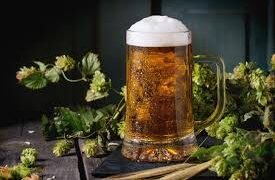
For many, beer is more than just a drink—it’s an experience. From the first sip to the final drop, it’s a sensory journey that involves not only taste but also smell, sight, and even touch. When it comes to savoring the perfect pint, we often focus on the beer itself: the style, the flavor profile, and the ingredients. But what if we told you that the shape of the glass you drink it from could influence how that beer tastes?

The idea that the vessel holding your beer can alter its taste may sound surprising to some, but it’s actually a topic that has generated a fair amount of discussion among beer enthusiasts, brewers, and even scientists. Over the years, researchers and connoisseurs alike have explored how glass shape impacts the perception of flavor, aroma, and overall drinking experience. Whether you’re sipping a crisp pilsner, a bold stout, or a hoppy IPA, the glass can play a crucial role in enhancing or diminishing certain qualities of the beer.

But is it just about the aesthetics? Or is there more to it than meets the eye (or the lips)? Let’s dive into the fascinating relationship between beer and the glassware it’s served in, and explore why your beer glass might just be as important as the beer itself.

The Science Behind Glass Shape and Beer Flavor

Before we get into the nitty-gritty of different glass shapes, it’s important to understand the science that ties glassware to flavor perception. Beer is a complex mixture of ingredients—hops, malt, yeast, and water—each contributing unique flavors, aromas, and textures. The shape of the glass plays an instrumental role in how these components are delivered to your senses.

Aroma: The Key to Taste

One of the most significant factors influenced by the shape of the glass is the beer’s aroma. In fact, most of what we “taste” is actually experienced through our sense of smell. As we sip, volatile compounds in the beer are released, and it’s the aroma that guides much of our perception of flavor.

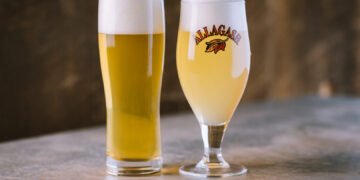
Certain glass shapes can trap and direct these aromas toward your nose more efficiently. A tulip-shaped glass, for example, with its flared opening, helps concentrate the aromas in the upper portion of the glass, making them easier to sniff. This is particularly important for beers like IPAs or Belgian ales, which rely heavily on aromatic hops or yeast strains to create their signature fragrances.

On the other hand, a straight-edged pint glass or a narrow, straight flute might let these aromas escape more quickly, reducing your ability to enjoy the beer’s full aromatic potential. When aromas are subdued, the beer can taste more one-dimensional, as you’re missing out on the complexity that comes from its fragrant components.

Carbonation and Mouthfeel

Glass shape also affects the carbonation of the beer. Different glasses provide different surface areas for bubbles to form, and this can impact the texture and mouthfeel of the beer. The mouthfeel, or the tactile sensation you experience in your mouth as you drink, is influenced by factors like the beer’s carbonation level and its body.

For beers with high carbonation, like a wheat beer or a pale ale, a glass with a narrower opening—such as a flute or a snifter—helps to contain the effervescence, allowing the bubbles to remain intact longer. This preserves the refreshing sensation of carbonation as it dances on your palate. A wide-mouthed glass, like a tumbler or stein, can cause the carbonation to dissipate more quickly, which might dull the refreshing effect and make the beer feel flat.
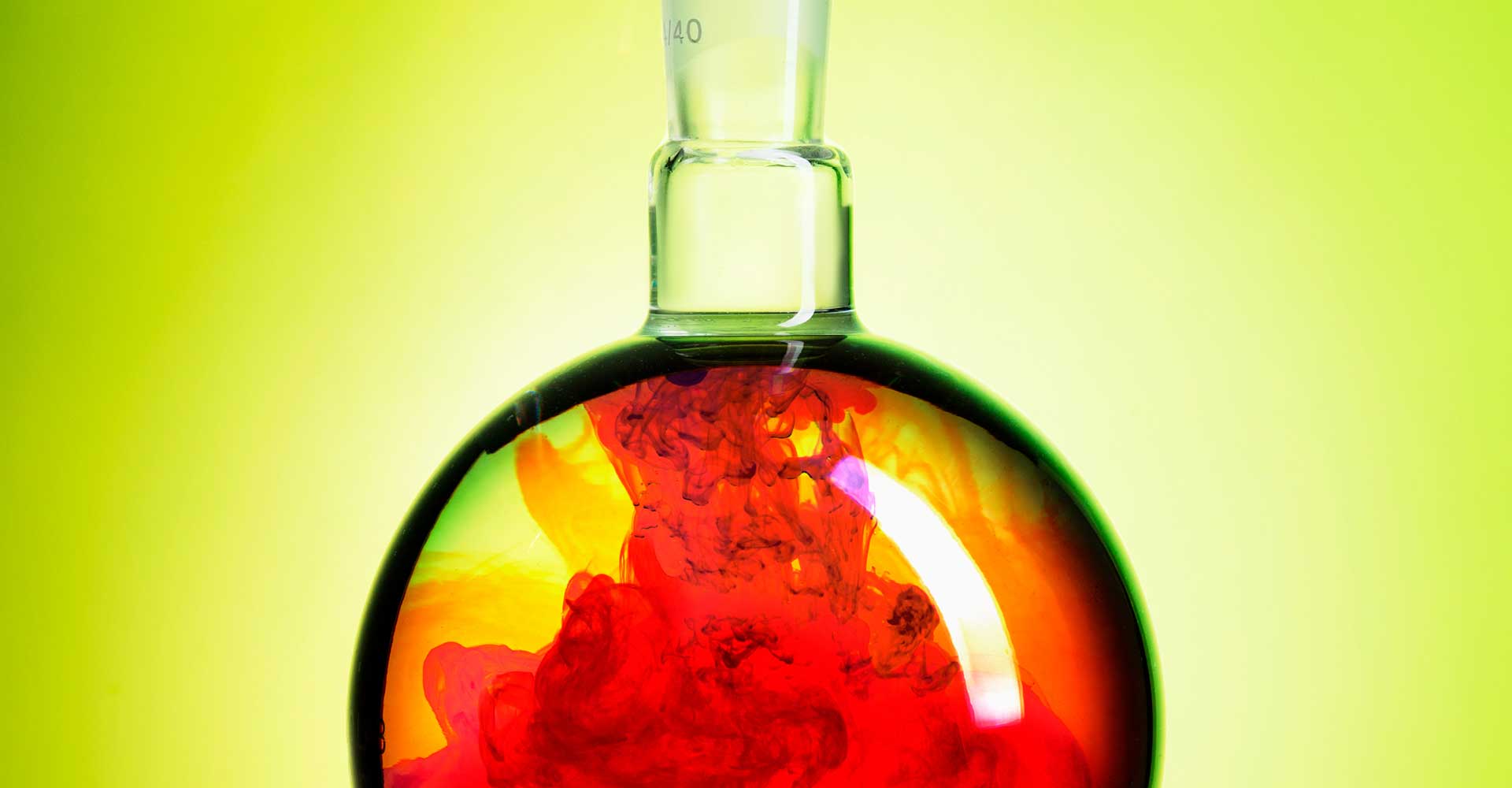
Diving Into Beer's Aroma Pools | Craft Beer & Brewing

Temperature and Volume of Beer

The temperature at which a beer is served also plays a role in flavor perception. Glass shape can influence how quickly the beer warms or cools in your hand. A narrow glass with a stem (like a tulip or a goblet) minimizes the amount of surface area exposed to your hand, keeping the beer cooler for longer. Conversely, a wider glass exposes more beer to your hand’s warmth, causing the beer to warm up more quickly.

In colder temperatures, many beers, especially lighter ones, will taste crisper and more refreshing. Conversely, beers served too warm can taste flat, dull, or overly sweet. Some styles, such as stouts or barleywines, actually benefit from being served a little warmer, as it allows the complex flavors to unfold.

The volume of beer that the glass can hold also matters. A pint glass, for example, typically holds 16 ounces, which might be great for casual drinking, but it doesn’t offer the ideal amount of space for some styles that thrive when allowed to breathe. For a Belgian tripel or a barleywine, a glass that holds 10 to 12 ounces is often preferred, as it allows for more surface area and space for the beer’s aromas to rise.

Different Glass Shapes for Different Beer Styles

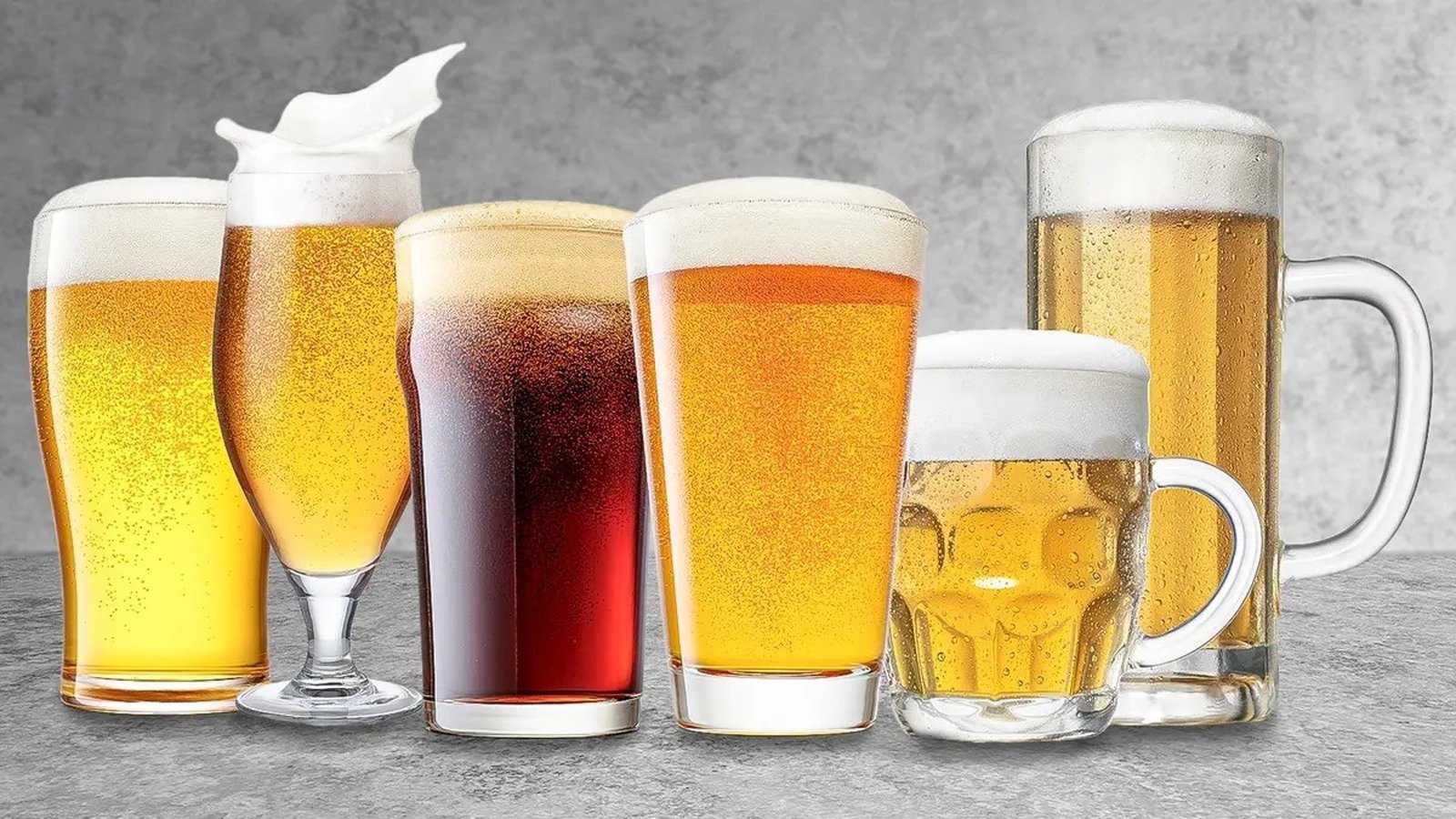
It’s not just about taste—glass shapes have evolved to complement specific beer styles, ensuring that each beer is presented in a way that maximizes its unique characteristics. Different shapes allow beer to shine by accentuating certain qualities and muting others. Here’s a look at some of the most common glass shapes and the beer styles that benefit from them.

Pint Glass (American and British Style)

The classic pint glass is the most common type of glassware used for serving beer, particularly in pubs and casual settings. Its straight sides and large volume make it a practical choice for many beers, particularly lagers and pale ales. However, while it’s versatile, it doesn’t do much to concentrate aromas or enhance carbonation.

Pint glasses are great for beers that are light and easy-drinking, like lagers, pilsners, or session IPAs. They are also used for beers that are served in larger quantities, such as some stouts or porters. However, they don’t do justice to more delicate styles, which is why many beer experts recommend using a glass designed for specific beer types.

Tulip Glass
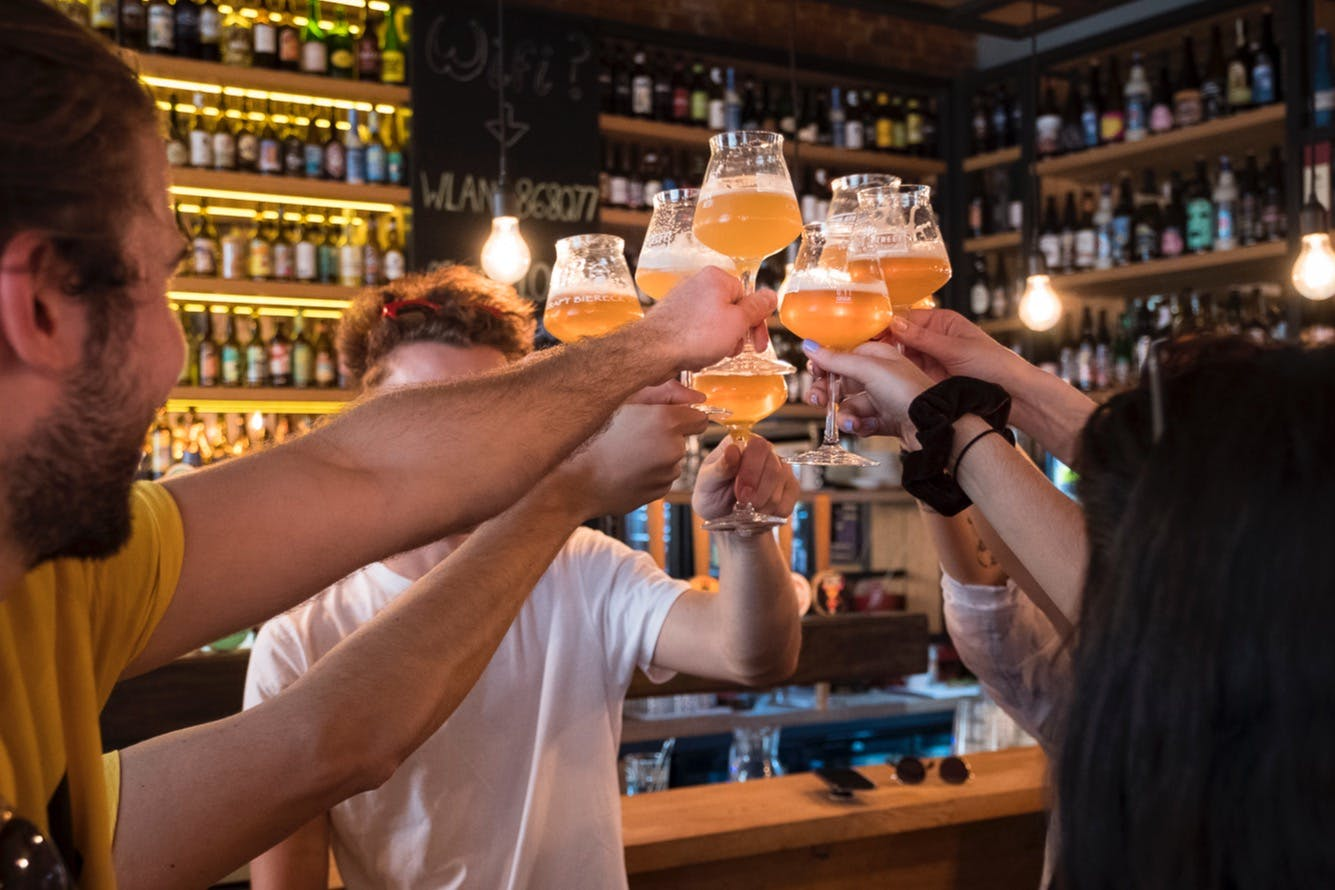
维也纳的Vienna: Craft Beer Tasting | Pelago

The tulip glass is a popular choice for Belgian-style beers, IPAs, and other aromatic brews. With its narrow base and flared lip, the tulip glass directs aromas toward your nose, intensifying the sensory experience. The slight curve of the glass allows the beer to “breathe,” which helps volatile compounds in the beer to evaporate slowly and be detected more easily.

Beers like Belgian tripels, saisons, and double IPAs are often served in tulip glasses. These beers rely heavily on hop aroma or yeast-driven flavors, and the tulip shape helps retain these qualities, ensuring that you get the full experience of their complexity.

Snifter Glass

The snifter is another glass that’s designed to concentrate aromas, but it’s most commonly used for stronger beers, such as barleywines, imperial stouts, or Belgian quadrupels. The wide bowl allows the beer to swirl, releasing its fragrances, while the narrow rim helps capture them and funnel them towards your nose.

This glass is also used for certain spirits like brandy or bourbon, and it is excellent for beers that are higher in alcohol, as the wide bowl provides ample space for the beer to aerate. The snifter’s design allows you to fully appreciate the intricate flavors of these complex, higher-alcohol beers.

Weizen Glass

The weizen glass is typically used for wheat beers, such as Hefeweizens, Witbiers, and other cloudy, unfiltered beers. This glass has a tall, curvy shape, which is designed to enhance carbonation and preserve the creamy head that wheat beers often have. The narrow top helps trap the aromas, which can often be fruity or spicy, while the wide body allows for the beer to breathe.

Pilsner Glass

For lighter, crisper beers like pilsners, lagers, and pale ales, the pilsner glass is the go-to option. Its tall, slender shape highlights the beer’s clarity and effervescence, allowing you to appreciate the bubbles and the golden color. The narrow mouth helps maintain carbonation, while the elongated body provides enough space to see the beer’s delicate layers of flavor.

Tulip vs. Pint: A Comparison

While both the tulip and pint glass are common, they serve very different purposes. A pint glass is perfect for a casual setting and for beers that don’t need to showcase delicate aromas or carbonation. It’s a practical choice, but it doesn’t always bring out the best in a beer.

The tulip glass, on the other hand, is crafted with the intention of enhancing aroma, carbonation, and the overall drinking experience. For beers like IPAs and Belgian ales, the tulip glass offers a more refined way to enjoy all the complexities the beer has to offer.

Conclusion: Glass Shape Matters

It’s clear that the shape of your beer glass can affect the overall drinking experience, from how the beer smells and tastes to how it feels on your palate. While a pint glass might be suitable for a casual pint of lager, more specialized glasses are designed to bring out the best in specific beer styles.

So, the next time you’re enjoying a craft beer, consider the glassware you’re using. If you want to get the most out of your brew, choose a glass that enhances the beer’s aromas, carbonation, and mouthfeel. After all, beer is a multi-sensory experience, and every little detail—from the ingredients to the glass—can make a difference in how you perceive it.

Tags: beerbeer flavorcraft beertaste
ShareTweetShare

Related Posts

Do Wine Labels Signal Style More Than Region Today?
ALL

Do Wine Labels Signal Style More Than Region Today?

January 15, 2026
Can AI Truly Judge Whiskey Quality?
ALL

Can AI Truly Judge Whiskey Quality?

January 15, 2026
Could the Future of Spirits Start in the Grain Field?
ALL

Could the Future of Spirits Start in the Grain Field?

January 15, 2026
Is Champagne Better Understood as Wine First, Sparkle Second?
ALL

Is Champagne Better Understood as Wine First, Sparkle Second?

January 15, 2026
Why Do Some Beers Pair Better With Silence Than Food?
ALL

Why Do Some Beers Pair Better With Silence Than Food?

January 15, 2026
Can Low-ABV Beers Deliver High Complexity?
ALL

Can Low-ABV Beers Deliver High Complexity?

January 14, 2026
Leave Comment
  • Trending
  • Comments
  • Latest
What Hidden Craftsmanship Lies Behind a Bottle of Quality Grain Spirits?

What Hidden Craftsmanship Lies Behind a Bottle of Quality Grain Spirits?

July 3, 2025
How Is Champagne Made? The Secrets Behind the Sparkle

How Is Champagne Made? The Secrets Behind the Sparkle

April 15, 2025
Grain Spirits vs. Traditional Distilled Spirits: Which One Suits Your Taste?

Grain Spirits vs. Traditional Distilled Spirits: Which One Suits Your Taste?

July 3, 2025
Champagne Bubbles: How Do They Perfectly Convey Celebration, Joy, and Luxury?

Champagne Bubbles: How Do They Perfectly Convey Celebration, Joy, and Luxury?

July 2, 2025
The Timeless Elegance of Wine: A Journey Through History and Culture

The Timeless Elegance of Wine: A Journey Through History and Culture

Why Is Château Lafite Rothschild the Pinnacle of Fine Wine?

Why Is Château Lafite Rothschild the Pinnacle of Fine Wine?

How Did Château Lafite Rothschild Become a Global Icon of Luxury?

How Did Château Lafite Rothschild Become a Global Icon of Luxury?

What Makes Chateau Lafite Rothschild the Pinnacle of Bordeaux Wines?

What Makes Chateau Lafite Rothschild the Pinnacle of Bordeaux Wines?

Do Wine Labels Signal Style More Than Region Today?

Do Wine Labels Signal Style More Than Region Today?

January 15, 2026
Can AI Truly Judge Whiskey Quality?

Can AI Truly Judge Whiskey Quality?

January 15, 2026
Could the Future of Spirits Start in the Grain Field?

Could the Future of Spirits Start in the Grain Field?

January 15, 2026
Is Champagne Better Understood as Wine First, Sparkle Second?

Is Champagne Better Understood as Wine First, Sparkle Second?

January 15, 2026
SipsavorLife

Welcome to our comprehensive beverage guide, where you can explore the fascinating world of alcoholic drinks. From exquisite wines and rich whiskeys to refreshing beers and sparkling champagnes, we provide insights, tips, and recommendations for enthusiasts and casual drinkers alike. Discover your next favorite libation with us!

© 2025 sipsavorlife.com. contacts:sipsavorlife-35376@gmail.com

No Result
View All Result
  • Home
  • Wine
  • Whiskey
  • Beer
  • Grain Spirits
  • Champagne
  • ALL

© 2025 sipsavorlife.com. contacts:sipsavorlife-35376@gmail.com

Welcome Back!

Login to your account below

Forgotten Password?

Retrieve your password

Please enter your username or email address to reset your password.

Log In