


















SipsavorLife
  • Home
  • Wine
    Wine Pairings: Can They Change the Flavor Profile of a Dish?

    Wine Pairings: Can They Change the Flavor Profile of a Dish?

    How Do Wine Glasses Influence the Tasting Experience?

    How Do Wine Glasses Influence the Tasting Experience?

    Is Organic Wine Healthier Than Conventional Wine?

    Is Organic Wine Healthier Than Conventional Wine?

    Why Do Some Wines Taste Better from Specific Vintages?

    Why Do Some Wines Taste Better from Specific Vintages?

    Wine Tasting: Can It Truly Be an Art Form?

    Wine Tasting: Can It Truly Be an Art Form?

    What Does Terroir Actually Mean for Your Wine?

    What Does Terroir Actually Mean for Your Wine?

  • Whiskey
    Can Beer Be an Effective Ingredient in Culinary Cooking?

    Can Beer Be an Effective Ingredient in Culinary Cooking?

    Second Fermentation in Champagne: Is It Really That Crucial?

    Second Fermentation in Champagne: Is It Really That Crucial?

    How Do Different Grains Impact the Flavor Profile of Distilled Spirits?

    How Do Different Grains Impact the Flavor Profile of Distilled Spirits?

    How Do Whiskey Master Blenders Create Perfection?

    How Do Whiskey Master Blenders Create Perfection?

    Wine Pairings: Can They Change the Flavor Profile of a Dish?

    Wine Pairings: Can They Change the Flavor Profile of a Dish?

    Beer the Ultimate Beverage for Pairing with Spicy Food?

    Beer the Ultimate Beverage for Pairing with Spicy Food?

  • Beer
    Can Beer Be an Effective Ingredient in Culinary Cooking?

    Can Beer Be an Effective Ingredient in Culinary Cooking?

    Beer the Ultimate Beverage for Pairing with Spicy Food?

    Beer the Ultimate Beverage for Pairing with Spicy Food?

    How Did Ancient Civilizations Brew Beer Without Modern Technology?

    How Did Ancient Civilizations Brew Beer Without Modern Technology?

    Is It Possible to Brew a Beer with No Alcohol and No Compromise on Taste?

    Is It Possible to Brew a Beer with No Alcohol and No Compromise on Taste?

    Why Does Beer Taste Different at High Altitudes?

    Why Does Beer Taste Different at High Altitudes?

    Is Hops the Secret Ingredient Behind Beer’s Bold Flavor?

    Is Hops the Secret Ingredient Behind Beer’s Bold Flavor?

  • Grain Spirits
    How Do Different Grains Impact the Flavor Profile of Distilled Spirits?

    How Do Different Grains Impact the Flavor Profile of Distilled Spirits?

    Grain Spirits the Unsung Heroes of Modern Mixology

    Grain Spirits the Unsung Heroes of Modern Mixology

    What Makes Grain-Based Whiskey So Different from Its Peated Cousins?

    What Makes Grain-Based Whiskey So Different from Its Peated Cousins?

    Grain Spirits: Could They Be the Next Big Trend in Craft Cocktails?

    Grain Spirits: Could They Be the Next Big Trend in Craft Cocktails?

    Why Are Grain Spirits Often Overlooked in the World of Fine Liquor?

    Why Are Grain Spirits Often Overlooked in the World of Fine Liquor?

    Is There a Secret Art to Distilling Grain Spirits?

    Is There a Secret Art to Distilling Grain Spirits?

  • Champagne
    Second Fermentation in Champagne: Is It Really That Crucial?

    Second Fermentation in Champagne: Is It Really That Crucial?

    The Science Behind the ‘Bubble Size’ in Champagne

    The Science Behind the ‘Bubble Size’ in Champagne

    Why Do Some Champagnes Use a High Proportion of Pinot Meunier?

    Why Do Some Champagnes Use a High Proportion of Pinot Meunier?

    Role of Terroir in Champagne Production

    Role of Terroir in Champagne Production

    Champagne Can Be Aged in Wood?

    Champagne Can Be Aged in Wood?

    Is There a Difference Between Blanc de Blancs and Blanc de Noirs Champagne?

    Is There a Difference Between Blanc de Blancs and Blanc de Noirs Champagne?

  • ALL
    Can Beer Be an Effective Ingredient in Culinary Cooking?

    Can Beer Be an Effective Ingredient in Culinary Cooking?

    Second Fermentation in Champagne: Is It Really That Crucial?

    Second Fermentation in Champagne: Is It Really That Crucial?

    How Do Different Grains Impact the Flavor Profile of Distilled Spirits?

    How Do Different Grains Impact the Flavor Profile of Distilled Spirits?

    How Do Whiskey Master Blenders Create Perfection?

    How Do Whiskey Master Blenders Create Perfection?

    Wine Pairings: Can They Change the Flavor Profile of a Dish?

    Wine Pairings: Can They Change the Flavor Profile of a Dish?

    Beer the Ultimate Beverage for Pairing with Spicy Food?

    Beer the Ultimate Beverage for Pairing with Spicy Food?

SipsavorLife
  • Home
  • Wine
    Wine Pairings: Can They Change the Flavor Profile of a Dish?

    Wine Pairings: Can They Change the Flavor Profile of a Dish?

    How Do Wine Glasses Influence the Tasting Experience?

    How Do Wine Glasses Influence the Tasting Experience?

    Is Organic Wine Healthier Than Conventional Wine?

    Is Organic Wine Healthier Than Conventional Wine?

    Why Do Some Wines Taste Better from Specific Vintages?

    Why Do Some Wines Taste Better from Specific Vintages?

    Wine Tasting: Can It Truly Be an Art Form?

    Wine Tasting: Can It Truly Be an Art Form?

    What Does Terroir Actually Mean for Your Wine?

    What Does Terroir Actually Mean for Your Wine?

  • Whiskey
    Can Beer Be an Effective Ingredient in Culinary Cooking?

    Can Beer Be an Effective Ingredient in Culinary Cooking?

    Second Fermentation in Champagne: Is It Really That Crucial?

    Second Fermentation in Champagne: Is It Really That Crucial?

    How Do Different Grains Impact the Flavor Profile of Distilled Spirits?

    How Do Different Grains Impact the Flavor Profile of Distilled Spirits?

    How Do Whiskey Master Blenders Create Perfection?

    How Do Whiskey Master Blenders Create Perfection?

    Wine Pairings: Can They Change the Flavor Profile of a Dish?

    Wine Pairings: Can They Change the Flavor Profile of a Dish?

    Beer the Ultimate Beverage for Pairing with Spicy Food?

    Beer the Ultimate Beverage for Pairing with Spicy Food?

  • Beer
    Can Beer Be an Effective Ingredient in Culinary Cooking?

    Can Beer Be an Effective Ingredient in Culinary Cooking?

    Beer the Ultimate Beverage for Pairing with Spicy Food?

    Beer the Ultimate Beverage for Pairing with Spicy Food?

    How Did Ancient Civilizations Brew Beer Without Modern Technology?

    How Did Ancient Civilizations Brew Beer Without Modern Technology?

    Is It Possible to Brew a Beer with No Alcohol and No Compromise on Taste?

    Is It Possible to Brew a Beer with No Alcohol and No Compromise on Taste?

    Why Does Beer Taste Different at High Altitudes?

    Why Does Beer Taste Different at High Altitudes?

    Is Hops the Secret Ingredient Behind Beer’s Bold Flavor?

    Is Hops the Secret Ingredient Behind Beer’s Bold Flavor?

  • Grain Spirits
    How Do Different Grains Impact the Flavor Profile of Distilled Spirits?

    How Do Different Grains Impact the Flavor Profile of Distilled Spirits?

    Grain Spirits the Unsung Heroes of Modern Mixology

    Grain Spirits the Unsung Heroes of Modern Mixology

    What Makes Grain-Based Whiskey So Different from Its Peated Cousins?

    What Makes Grain-Based Whiskey So Different from Its Peated Cousins?

    Grain Spirits: Could They Be the Next Big Trend in Craft Cocktails?

    Grain Spirits: Could They Be the Next Big Trend in Craft Cocktails?

    Why Are Grain Spirits Often Overlooked in the World of Fine Liquor?

    Why Are Grain Spirits Often Overlooked in the World of Fine Liquor?

    Is There a Secret Art to Distilling Grain Spirits?

    Is There a Secret Art to Distilling Grain Spirits?

  • Champagne
    Second Fermentation in Champagne: Is It Really That Crucial?

    Second Fermentation in Champagne: Is It Really That Crucial?

    The Science Behind the ‘Bubble Size’ in Champagne

    The Science Behind the ‘Bubble Size’ in Champagne

    Why Do Some Champagnes Use a High Proportion of Pinot Meunier?

    Why Do Some Champagnes Use a High Proportion of Pinot Meunier?

    Role of Terroir in Champagne Production

    Role of Terroir in Champagne Production

    Champagne Can Be Aged in Wood?

    Champagne Can Be Aged in Wood?

    Is There a Difference Between Blanc de Blancs and Blanc de Noirs Champagne?

    Is There a Difference Between Blanc de Blancs and Blanc de Noirs Champagne?

  • ALL
    Can Beer Be an Effective Ingredient in Culinary Cooking?

    Can Beer Be an Effective Ingredient in Culinary Cooking?

    Second Fermentation in Champagne: Is It Really That Crucial?

    Second Fermentation in Champagne: Is It Really That Crucial?

    How Do Different Grains Impact the Flavor Profile of Distilled Spirits?

    How Do Different Grains Impact the Flavor Profile of Distilled Spirits?

    How Do Whiskey Master Blenders Create Perfection?

    How Do Whiskey Master Blenders Create Perfection?

    Wine Pairings: Can They Change the Flavor Profile of a Dish?

    Wine Pairings: Can They Change the Flavor Profile of a Dish?

    Beer the Ultimate Beverage for Pairing with Spicy Food?

    Beer the Ultimate Beverage for Pairing with Spicy Food?

SipsavorLife
No Result
View All Result
Home ALL

Whiskey Laws: Protect Tradition or Limit Creativity?

January 11, 2026
in ALL, Whiskey
Whiskey Laws: Protect Tradition or Limit Creativity?

Whiskey, the beloved amber spirit, is more than just a drink; it’s a symbol of history, craftsmanship, and, for many, cultural heritage. From the rugged hills of Scotland to the rich fields of Kentucky, whiskey production is an art form rooted in age-old traditions. But in today’s world of craft cocktails and experimental blends, one must ask: Do the laws governing whiskey production protect tradition or limit creativity?

The Historical Backbone of Whiskey Laws

Whiskey laws have a long and storied history, evolving alongside the growth of the industry itself. Early regulations were often driven by the need to establish control over quality and taxation, but as the whiskey market flourished, legal frameworks began to crystallize in regions where whiskey production was central to the local economy.

For instance, in Scotland, the whisky laws are rooted in the Spirits Act of 1780, a set of regulations introduced to tackle the rampant production of illicit spirits and to help tax the growing industry. These laws laid the groundwork for what would later become the strict regulations around Scotch whisky, ensuring that only products meeting certain criteria could be labeled as such. Similarly, in the United States, the Bottled-in-Bond Act of 1897 was introduced, which aimed to ensure the quality and consistency of American whiskey, particularly bourbon.

These early laws had a clear intention: to protect consumers from substandard products and ensure that whiskey met certain standards. But as the years have passed, these regulations have often become a double-edged sword. While they preserve the integrity of traditional whiskey styles, they can also stifle innovation, preventing distillers from experimenting with new ingredients or production methods that might lead to groundbreaking flavors.

The Role of Whiskey Laws in Protecting Tradition

For many whiskey connoisseurs, tradition is everything. The charm of a well-aged Scotch or a finely crafted bourbon lies in the centuries-old methods and recipes passed down through generations. Whiskey laws, in this sense, are seen as guardians of authenticity.

In Scotland, the regulations that define Scotch whisky are particularly stringent. To be labeled as Scotch, the spirit must be distilled in Scotland, aged for at least three years in oak casks, and contain no additives except water and caramel coloring. These laws not only ensure the quality of Scotch whisky but also protect the reputation of one of the world’s most iconic beverages.

Similarly, American bourbon must meet specific criteria: it must be made from a mash of at least 51% corn, aged in new charred oak barrels, and distilled to no more than 160 proof. The result is a distinctive, rich spirit that has become synonymous with American whiskey. Such regulations create consistency, ensuring that bourbon maintains its classic, sweet flavor profile, which is beloved by many.
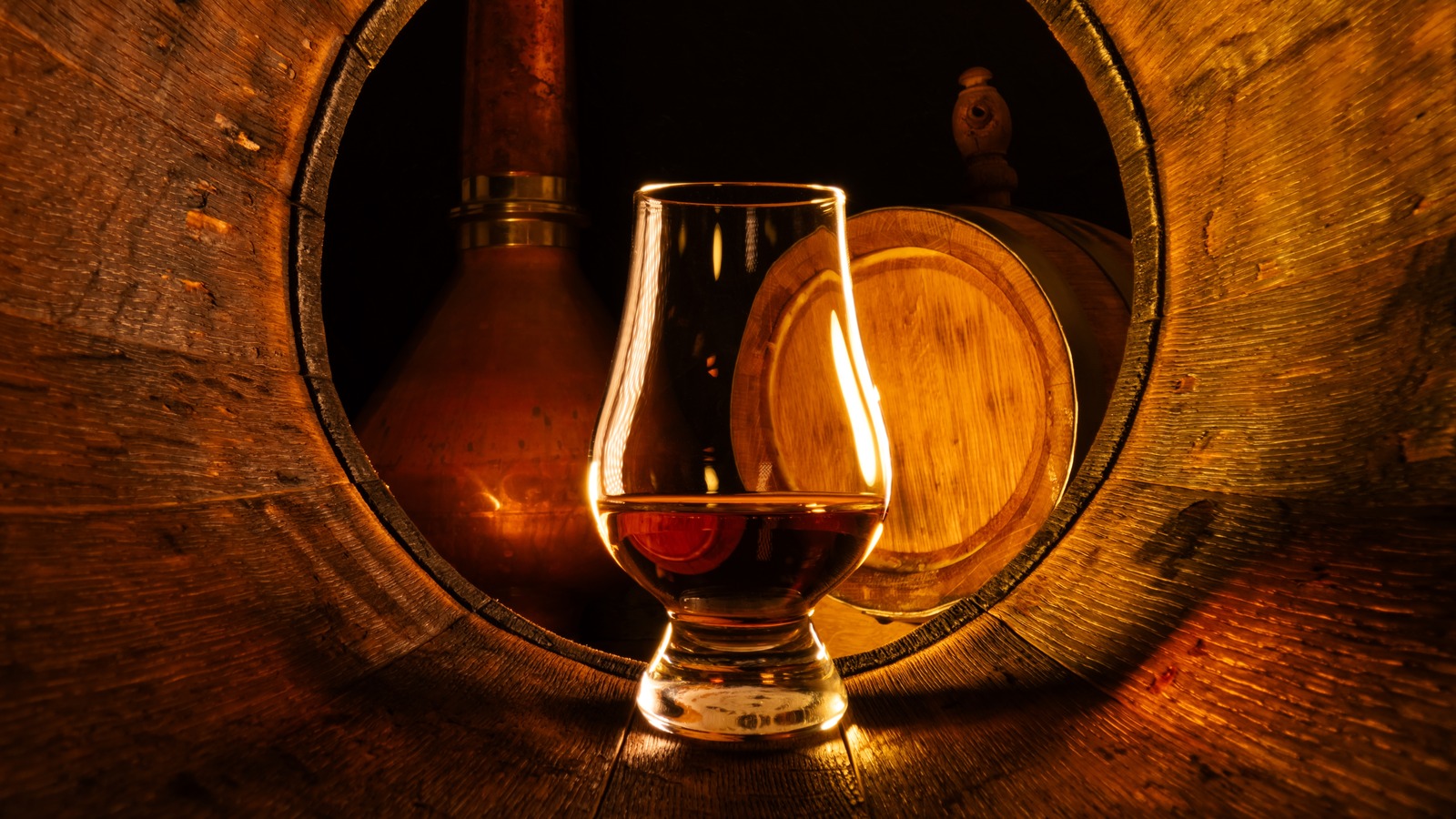
How Does Bourbon Aging Actually Work?

For the purists, these laws are essential. They ensure that whiskey retains its character, and they provide a benchmark for quality that consumers can trust. Without these laws, the whiskey industry might be flooded with inferior products, diluting the brand and legacy of these iconic spirits.

Limiting Creativity: The Constraints of Strict Regulations

While the preservation of tradition is a noble cause, it can also limit creativity. Many distillers and mixologists argue that the rigid laws surrounding whiskey production can be stifling. In an era where consumers are more adventurous than ever, there’s a growing demand for new, unique flavors and innovative production methods.

For instance, the aging process plays a central role in the flavor development of whiskey. While traditional methods call for long aging periods in oak barrels, some distillers are exploring different wood types or experimenting with shorter aging times in smaller barrels to create distinct flavors. However, in regions like Scotland, these types of experimental practices could be restricted by law, as certain regulations only permit the use of specific casks and aging techniques.

In the world of craft distilling, producers are looking for ways to differentiate themselves in a crowded market. Many smaller craft whiskey makers want to experiment with different grains, yeast strains, and barrel treatments. But in the case of bourbon, for instance, these innovations might be limited by the legal definition of what qualifies as “bourbon.” Anything that deviates too far from the prescribed method could face challenges when it comes to labeling and marketing.

The same goes for flavored whiskeys. Though there has been a surge in flavored spirits like honey, cinnamon, or even chocolate whiskey, many traditional whiskey laws prohibit additives that alter the core flavor profile of the spirit. While this preserves the “purity” of the product, it also creates a challenge for distillers hoping to experiment with new ideas to attract younger, more diverse consumers.

Regional Differences: Where Whiskey Laws Vary

Not all whiskey laws are created equal, and the varying regulations across countries can make for a fascinating study in contrasts. In addition to the well-known regulations of Scotch and American whiskey, other countries also have their own rules that define their local spirits.

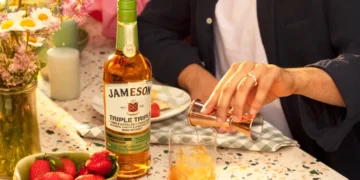
For example, Irish whiskey has its own set of legal requirements, which include a minimum aging period of three years in wooden casks. However, unlike Scotch whisky, Irish whiskey allows for the use of a wider range of production methods, including the use of both pot stills and column stills. This flexibility has allowed Irish whiskey to evolve more freely, with brands like Jameson and Teeling introducing new expressions that appeal to contemporary tastes.

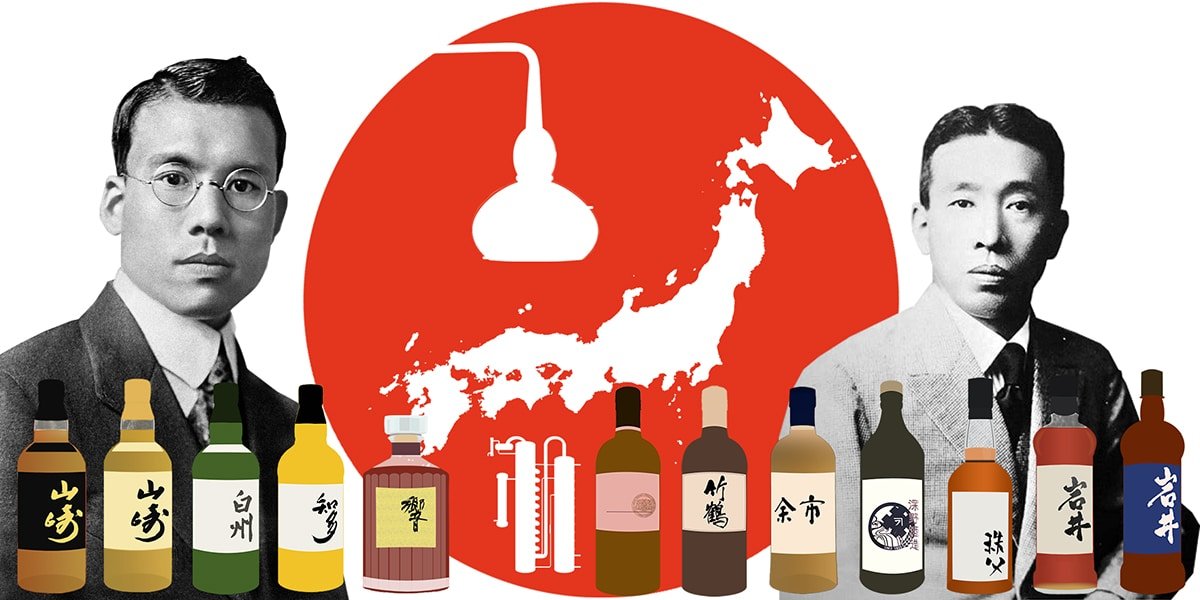
Similarly, Japanese whisky is a relatively recent phenomenon compared to its Western counterparts, and the country’s whiskey laws are more flexible. Japanese distillers often blend traditional Scottish methods with local techniques, creating unique, hybrid products that have garnered global acclaim. Japan’s less stringent regulations have fostered a spirit of innovation, allowing for a broader range of whiskey styles.

On the other hand, countries like Canada and India also produce whiskey but under different legal frameworks. Canadian whisky, often lighter and smoother, has regulations that differ in terms of aging and blending, while Indian whisky has gained attention in recent years for its bold flavors and unique production methods.

What Is A Craft Distillery? - The Henley Distillery

Is It Possible to Have Both Tradition and Creativity?

The tension between tradition and innovation is not new, and it doesn’t have to be mutually exclusive. It is possible for whiskey laws to protect traditional methods while also allowing room for creativity and experimentation. In fact, many distillers argue that innovation is what drives the industry forward and keeps whiskey relevant in an ever-changing market.

In recent years, several whiskey producers have begun to experiment with hybrid products that blend the best of both worlds. For example, some distilleries have introduced whiskey finishes—taking a whiskey that has aged in traditional oak casks and then finishing it in casks that previously held sherry, port, or even rum. This practice allows distillers to add complexity and new flavor profiles while still adhering to traditional aging methods.

Additionally, some whiskey producers are exploring new grains, such as quinoa or spelt, to create innovative expressions. These experiments are still rare but point to a growing desire among producers to push the boundaries of what whiskey can be.

As consumer preferences evolve, so too must the regulations. Rather than locking distillers into a narrow set of rules, whiskey laws could evolve to allow for greater flexibility, giving distillers the opportunity to explore new ingredients, techniques, and aging methods while still adhering to basic principles of quality and authenticity.

The Future of Whiskey Laws: Striking a Balance

As we look ahead, it is clear that the whiskey industry faces an interesting crossroads. The delicate balance between preserving tradition and fostering innovation will be key to the future of whiskey laws. If the laws become too rigid, they may stifle the creativity that has made the whiskey industry so dynamic in the first place. If they become too lax, there’s a risk that the very essence of what makes whiskey special—its history and craftsmanship—could be lost.

Perhaps the solution lies in a more nuanced approach. Whiskey laws could be adapted to allow for a wider range of experimentation, provided the quality of the spirit remains high. Regulations could focus on maintaining standards for labeling and authenticity while offering more room for distillers to explore new avenues of production. This would ensure that whiskey retains its character while also embracing the future.

Conclusion: Protecting Tradition While Embracing Innovation

The question of whether whiskey laws protect tradition or limit creativity is not an easy one to answer. It’s a complex issue with valid arguments on both sides. However, as the whiskey industry continues to grow and evolve, it’s clear that there is room for both. By striking a balance between tradition and innovation, whiskey laws can safeguard the heritage of this beloved spirit while allowing for the creative freedom that fuels the industry’s future.
Tags: Innovationwhiskeywhiskey agingwhiskey production
ShareTweetShare

Related Posts

Can Beer Be an Effective Ingredient in Culinary Cooking?
ALL

Can Beer Be an Effective Ingredient in Culinary Cooking?

January 22, 2026
Second Fermentation in Champagne: Is It Really That Crucial?
ALL

Second Fermentation in Champagne: Is It Really That Crucial?

January 22, 2026
How Do Different Grains Impact the Flavor Profile of Distilled Spirits?
ALL

How Do Different Grains Impact the Flavor Profile of Distilled Spirits?

January 22, 2026
How Do Whiskey Master Blenders Create Perfection?
ALL

How Do Whiskey Master Blenders Create Perfection?

January 22, 2026
Wine Pairings: Can They Change the Flavor Profile of a Dish?
ALL

Wine Pairings: Can They Change the Flavor Profile of a Dish?

January 22, 2026
Beer the Ultimate Beverage for Pairing with Spicy Food?
ALL

Beer the Ultimate Beverage for Pairing with Spicy Food?

January 21, 2026
Leave Comment
  • Trending
  • Comments
  • Latest
What Hidden Craftsmanship Lies Behind a Bottle of Quality Grain Spirits?

What Hidden Craftsmanship Lies Behind a Bottle of Quality Grain Spirits?

July 3, 2025
How Is Champagne Made? The Secrets Behind the Sparkle

How Is Champagne Made? The Secrets Behind the Sparkle

April 15, 2025
Grain Spirits vs. Traditional Distilled Spirits: Which One Suits Your Taste?

Grain Spirits vs. Traditional Distilled Spirits: Which One Suits Your Taste?

July 3, 2025
Champagne Bubbles: How Do They Perfectly Convey Celebration, Joy, and Luxury?

Champagne Bubbles: How Do They Perfectly Convey Celebration, Joy, and Luxury?

July 2, 2025
The Timeless Elegance of Wine: A Journey Through History and Culture

The Timeless Elegance of Wine: A Journey Through History and Culture

Why Is Château Lafite Rothschild the Pinnacle of Fine Wine?

Why Is Château Lafite Rothschild the Pinnacle of Fine Wine?

How Did Château Lafite Rothschild Become a Global Icon of Luxury?

How Did Château Lafite Rothschild Become a Global Icon of Luxury?

What Makes Chateau Lafite Rothschild the Pinnacle of Bordeaux Wines?

What Makes Chateau Lafite Rothschild the Pinnacle of Bordeaux Wines?

Can Beer Be an Effective Ingredient in Culinary Cooking?

Can Beer Be an Effective Ingredient in Culinary Cooking?

January 22, 2026
Second Fermentation in Champagne: Is It Really That Crucial?

Second Fermentation in Champagne: Is It Really That Crucial?

January 22, 2026
How Do Different Grains Impact the Flavor Profile of Distilled Spirits?

How Do Different Grains Impact the Flavor Profile of Distilled Spirits?

January 22, 2026
How Do Whiskey Master Blenders Create Perfection?

How Do Whiskey Master Blenders Create Perfection?

January 22, 2026
SipsavorLife

Welcome to our comprehensive beverage guide, where you can explore the fascinating world of alcoholic drinks. From exquisite wines and rich whiskeys to refreshing beers and sparkling champagnes, we provide insights, tips, and recommendations for enthusiasts and casual drinkers alike. Discover your next favorite libation with us!

© 2025 sipsavorlife.com. contacts:sipsavorlife-35376@gmail.com

No Result
View All Result
  • Home
  • Wine
  • Whiskey
  • Beer
  • Grain Spirits
  • Champagne
  • ALL

© 2025 sipsavorlife.com. contacts:sipsavorlife-35376@gmail.com

Welcome Back!

Login to your account below

Forgotten Password?

Retrieve your password

Please enter your username or email address to reset your password.

Log In