SipsavorLife
  • Home
  • Wine
    Wine Pairings: Can They Change the Flavor Profile of a Dish?

    Wine Pairings: Can They Change the Flavor Profile of a Dish?

    How Do Wine Glasses Influence the Tasting Experience?

    How Do Wine Glasses Influence the Tasting Experience?

    Is Organic Wine Healthier Than Conventional Wine?

    Is Organic Wine Healthier Than Conventional Wine?

    Why Do Some Wines Taste Better from Specific Vintages?

    Why Do Some Wines Taste Better from Specific Vintages?

    Wine Tasting: Can It Truly Be an Art Form?

    Wine Tasting: Can It Truly Be an Art Form?

    What Does Terroir Actually Mean for Your Wine?

    What Does Terroir Actually Mean for Your Wine?

  • Whiskey
    Can Beer Be an Effective Ingredient in Culinary Cooking?

    Can Beer Be an Effective Ingredient in Culinary Cooking?

    Second Fermentation in Champagne: Is It Really That Crucial?

    Second Fermentation in Champagne: Is It Really That Crucial?

    How Do Different Grains Impact the Flavor Profile of Distilled Spirits?

    How Do Different Grains Impact the Flavor Profile of Distilled Spirits?

    How Do Whiskey Master Blenders Create Perfection?

    How Do Whiskey Master Blenders Create Perfection?

    Wine Pairings: Can They Change the Flavor Profile of a Dish?

    Wine Pairings: Can They Change the Flavor Profile of a Dish?

    Beer the Ultimate Beverage for Pairing with Spicy Food?

    Beer the Ultimate Beverage for Pairing with Spicy Food?

  • Beer
    Can Beer Be an Effective Ingredient in Culinary Cooking?

    Can Beer Be an Effective Ingredient in Culinary Cooking?

    Beer the Ultimate Beverage for Pairing with Spicy Food?

    Beer the Ultimate Beverage for Pairing with Spicy Food?

    How Did Ancient Civilizations Brew Beer Without Modern Technology?

    How Did Ancient Civilizations Brew Beer Without Modern Technology?

    Is It Possible to Brew a Beer with No Alcohol and No Compromise on Taste?

    Is It Possible to Brew a Beer with No Alcohol and No Compromise on Taste?

    Why Does Beer Taste Different at High Altitudes?

    Why Does Beer Taste Different at High Altitudes?

    Is Hops the Secret Ingredient Behind Beer’s Bold Flavor?

    Is Hops the Secret Ingredient Behind Beer’s Bold Flavor?

  • Grain Spirits
    How Do Different Grains Impact the Flavor Profile of Distilled Spirits?

    How Do Different Grains Impact the Flavor Profile of Distilled Spirits?

    Grain Spirits the Unsung Heroes of Modern Mixology

    Grain Spirits the Unsung Heroes of Modern Mixology

    What Makes Grain-Based Whiskey So Different from Its Peated Cousins?

    What Makes Grain-Based Whiskey So Different from Its Peated Cousins?

    Grain Spirits: Could They Be the Next Big Trend in Craft Cocktails?

    Grain Spirits: Could They Be the Next Big Trend in Craft Cocktails?

    Why Are Grain Spirits Often Overlooked in the World of Fine Liquor?

    Why Are Grain Spirits Often Overlooked in the World of Fine Liquor?

    Is There a Secret Art to Distilling Grain Spirits?

    Is There a Secret Art to Distilling Grain Spirits?

  • Champagne
    Second Fermentation in Champagne: Is It Really That Crucial?

    Second Fermentation in Champagne: Is It Really That Crucial?

    The Science Behind the ‘Bubble Size’ in Champagne

    The Science Behind the ‘Bubble Size’ in Champagne

    Why Do Some Champagnes Use a High Proportion of Pinot Meunier?

    Why Do Some Champagnes Use a High Proportion of Pinot Meunier?

    Role of Terroir in Champagne Production

    Role of Terroir in Champagne Production

    Champagne Can Be Aged in Wood?

    Champagne Can Be Aged in Wood?

    Is There a Difference Between Blanc de Blancs and Blanc de Noirs Champagne?

    Is There a Difference Between Blanc de Blancs and Blanc de Noirs Champagne?

  • ALL
    Can Beer Be an Effective Ingredient in Culinary Cooking?

    Can Beer Be an Effective Ingredient in Culinary Cooking?

    Second Fermentation in Champagne: Is It Really That Crucial?

    Second Fermentation in Champagne: Is It Really That Crucial?

    How Do Different Grains Impact the Flavor Profile of Distilled Spirits?

    How Do Different Grains Impact the Flavor Profile of Distilled Spirits?

    How Do Whiskey Master Blenders Create Perfection?

    How Do Whiskey Master Blenders Create Perfection?

    Wine Pairings: Can They Change the Flavor Profile of a Dish?

    Wine Pairings: Can They Change the Flavor Profile of a Dish?

    Beer the Ultimate Beverage for Pairing with Spicy Food?

    Beer the Ultimate Beverage for Pairing with Spicy Food?

SipsavorLife
  • Home
  • Wine
    Wine Pairings: Can They Change the Flavor Profile of a Dish?

    Wine Pairings: Can They Change the Flavor Profile of a Dish?

    How Do Wine Glasses Influence the Tasting Experience?

    How Do Wine Glasses Influence the Tasting Experience?

    Is Organic Wine Healthier Than Conventional Wine?

    Is Organic Wine Healthier Than Conventional Wine?

    Why Do Some Wines Taste Better from Specific Vintages?

    Why Do Some Wines Taste Better from Specific Vintages?

    Wine Tasting: Can It Truly Be an Art Form?

    Wine Tasting: Can It Truly Be an Art Form?

    What Does Terroir Actually Mean for Your Wine?

    What Does Terroir Actually Mean for Your Wine?

  • Whiskey
    Can Beer Be an Effective Ingredient in Culinary Cooking?

    Can Beer Be an Effective Ingredient in Culinary Cooking?

    Second Fermentation in Champagne: Is It Really That Crucial?

    Second Fermentation in Champagne: Is It Really That Crucial?

    How Do Different Grains Impact the Flavor Profile of Distilled Spirits?

    How Do Different Grains Impact the Flavor Profile of Distilled Spirits?

    How Do Whiskey Master Blenders Create Perfection?

    How Do Whiskey Master Blenders Create Perfection?

    Wine Pairings: Can They Change the Flavor Profile of a Dish?

    Wine Pairings: Can They Change the Flavor Profile of a Dish?

    Beer the Ultimate Beverage for Pairing with Spicy Food?

    Beer the Ultimate Beverage for Pairing with Spicy Food?

  • Beer
    Can Beer Be an Effective Ingredient in Culinary Cooking?

    Can Beer Be an Effective Ingredient in Culinary Cooking?

    Beer the Ultimate Beverage for Pairing with Spicy Food?

    Beer the Ultimate Beverage for Pairing with Spicy Food?

    How Did Ancient Civilizations Brew Beer Without Modern Technology?

    How Did Ancient Civilizations Brew Beer Without Modern Technology?

    Is It Possible to Brew a Beer with No Alcohol and No Compromise on Taste?

    Is It Possible to Brew a Beer with No Alcohol and No Compromise on Taste?

    Why Does Beer Taste Different at High Altitudes?

    Why Does Beer Taste Different at High Altitudes?

    Is Hops the Secret Ingredient Behind Beer’s Bold Flavor?

    Is Hops the Secret Ingredient Behind Beer’s Bold Flavor?

  • Grain Spirits
    How Do Different Grains Impact the Flavor Profile of Distilled Spirits?

    How Do Different Grains Impact the Flavor Profile of Distilled Spirits?

    Grain Spirits the Unsung Heroes of Modern Mixology

    Grain Spirits the Unsung Heroes of Modern Mixology

    What Makes Grain-Based Whiskey So Different from Its Peated Cousins?

    What Makes Grain-Based Whiskey So Different from Its Peated Cousins?

    Grain Spirits: Could They Be the Next Big Trend in Craft Cocktails?

    Grain Spirits: Could They Be the Next Big Trend in Craft Cocktails?

    Why Are Grain Spirits Often Overlooked in the World of Fine Liquor?

    Why Are Grain Spirits Often Overlooked in the World of Fine Liquor?

    Is There a Secret Art to Distilling Grain Spirits?

    Is There a Secret Art to Distilling Grain Spirits?

  • Champagne
    Second Fermentation in Champagne: Is It Really That Crucial?

    Second Fermentation in Champagne: Is It Really That Crucial?

    The Science Behind the ‘Bubble Size’ in Champagne

    The Science Behind the ‘Bubble Size’ in Champagne

    Why Do Some Champagnes Use a High Proportion of Pinot Meunier?

    Why Do Some Champagnes Use a High Proportion of Pinot Meunier?

    Role of Terroir in Champagne Production

    Role of Terroir in Champagne Production

    Champagne Can Be Aged in Wood?

    Champagne Can Be Aged in Wood?

    Is There a Difference Between Blanc de Blancs and Blanc de Noirs Champagne?

    Is There a Difference Between Blanc de Blancs and Blanc de Noirs Champagne?

  • ALL
    Can Beer Be an Effective Ingredient in Culinary Cooking?

    Can Beer Be an Effective Ingredient in Culinary Cooking?

    Second Fermentation in Champagne: Is It Really That Crucial?

    Second Fermentation in Champagne: Is It Really That Crucial?

    How Do Different Grains Impact the Flavor Profile of Distilled Spirits?

    How Do Different Grains Impact the Flavor Profile of Distilled Spirits?

    How Do Whiskey Master Blenders Create Perfection?

    How Do Whiskey Master Blenders Create Perfection?

    Wine Pairings: Can They Change the Flavor Profile of a Dish?

    Wine Pairings: Can They Change the Flavor Profile of a Dish?

    Beer the Ultimate Beverage for Pairing with Spicy Food?

    Beer the Ultimate Beverage for Pairing with Spicy Food?

SipsavorLife
No Result
View All Result
Home ALL

Whiskey Aromas: Sensory Magic or Molecular Science?

January 10, 2026
in ALL, Whiskey
Whiskey Aromas: Sensory Magic or Molecular Science?

Whiskey, often regarded as a sophisticated spirit, is known for its complex aromas that can range from sweet vanilla to smoky peat, rich oak, and sometimes even hints of dried fruit or leather. But what exactly are these aromas, and how do they come to life in the glass? Are they the result of magical, mystical processes that defy explanation, or can they be broken down into clear molecular science? The answer lies in both: the aromas in whiskey are a fascinating blend of sensory magic and molecular science that converge to create an unforgettable olfactory experience.

The Magic of Whiskey Aromas

When you first approach a glass of whiskey, the aroma hits you before you even take a sip. This moment—the first impression—is an important one. It’s the magic of whiskey. The human sense of smell is closely connected to memory and emotion, which is why certain aromas can invoke nostalgic feelings, spark conversation, or even evoke an emotional response. This is where the “magic” of whiskey’s aromas comes into play.

In the world of whiskey tasting, the initial scent, often referred to as the “nose,” is key to unlocking the essence of the spirit. It is an integral part of the sensory experience, as it provides clues to the whiskey’s origin, maturation process, and ingredients. Whether it’s the sweet, caramelized scent of bourbon aged in new charred oak barrels or the peaty, earthy aroma of Scotch whisky, the nose is often where the magic happens.

This is due to a variety of factors that go beyond the raw ingredients used in the whiskey. The distillation process, aging, and interaction with the environment all contribute to a complex bouquet of aromas. The natural interaction between the alcohol and the wood in the barrel, the type of grains used, the water source, and even the climate all shape how the whiskey smells.

One of the most intriguing aspects of whiskey’s aroma is the way it evolves over time. As the whiskey oxidizes and “breathes” after being poured, new notes may emerge. The subtle transition from a slightly sharp, fresh scent to a smoother, more rounded fragrance is part of the sensory magic that whiskey lovers often cherish.

The Molecular Science Behind Whiskey Aromas

While the initial experience of whiskey aromas may feel like a magical journey, there is hard science behind the scent profile that we experience. Whiskey’s smell comes from a vast array of volatile compounds, which are released from the liquid into the air as it comes into contact with oxygen.

These compounds are the result of a complex series of chemical reactions that take place during fermentation, distillation, and aging. At the molecular level, these compounds interact with receptors in our nose, sending signals to the brain that we interpret as various scents. Understanding this process requires a deep dive into the science of fermentation, distillation, and maturation.

1. Fermentation: The Building Blocks of Aroma

Professional Aroma Kits to train your olfactory sense Whisky Aroma Kit – 24  aromas for whisky tasting

The first step in the whiskey-making process, fermentation, is where much of the aromatic complexity begins. During fermentation, yeast breaks down sugars in the grain to produce alcohol and carbon dioxide. However, this process also produces a range of volatile compounds, such as esters, aldehydes, and higher alcohols, all of which contribute to the aroma of the final product.

For example, esters are chemical compounds that give whiskey fruity and floral notes. These esters are produced when alcohol interacts with acids during fermentation, and they can impart scents reminiscent of apple, pear, or banana. Aldehydes, on the other hand, can add a green, grassy, or even nutty scent to whiskey, while higher alcohols may produce a more medicinal or solvent-like aroma.

2. Distillation: Concentrating Aromas

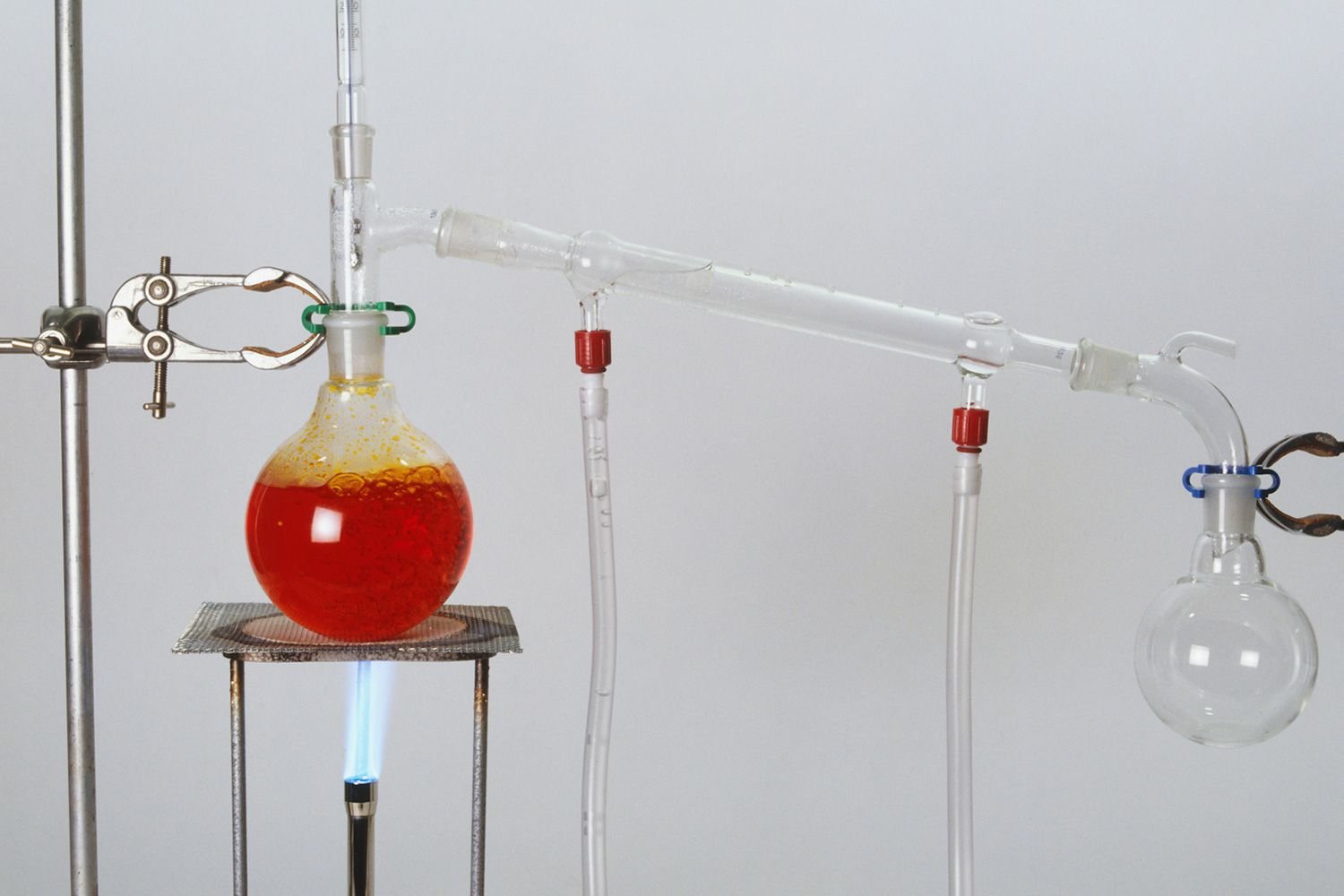
Once fermentation is complete, the next step is distillation, where the liquid is heated to separate alcohol from water and other impurities. Distillation is where the volatile compounds in whiskey are concentrated and separated into different fractions. Each fraction will contain specific aromatic compounds, with lighter, more volatile compounds being distilled first and heavier compounds coming later.

In the distillation process, both the temperature and the speed at which the whiskey is distilled play a significant role in shaping the aroma. Distilling at higher temperatures can lead to the creation of more pungent compounds, while lower temperatures can preserve more delicate aromas. The shape and size of the still also affect the final aroma, as the design of the still influences the flow of vapors and the separation of different compounds.

3. Aging: The Interaction with Oak

Aging is where the true magic (and science) of whiskey aromas really takes place. When whiskey is placed in oak barrels, it begins a process of chemical transformation that profoundly influences its aroma. The type of oak used—American oak, European oak, or Japanese Mizunara—can impart distinct characteristics. For instance, American oak often contributes vanilla, coconut, and caramel notes, while European oak can bring out dried fruit, spice, and tannic qualities.

The interaction between the whiskey and the wood is crucial to the formation of aroma. As the whiskey ages, it interacts with the charred interior of the barrel, absorbing compounds such as lignins and tannins. These compounds break down into aromatic substances that can lend the whiskey notes of smoke, spice, and even chocolate. Over time, the whiskey absorbs more oxygen through the porous wood, which helps to mellow harsh flavors and smooth out the aroma.

Types of Barrels Used for Aging Whiskey – Grizzly Liquor

The climate in which the whiskey ages also plays a critical role. In warmer climates, the whiskey may “breathe” in and out of the barrel more frequently, leading to a faster aging process and more pronounced aromas. In colder climates, the aging process is slower, which can result in more subtle and refined aromatic profiles.

4. The Role of Water and Ingredients

Water and the specific grains used in whiskey production also contribute to the aroma. While water itself is relatively neutral in terms of aroma, the minerals it contains can affect the overall flavor and scent of the whiskey. For instance, soft water may produce a smoother, more delicate whiskey, while hard water can lead to a more robust and fuller-bodied aroma.

The type of grain used in whiskey—whether it’s barley, corn, rye, or wheat—also impacts the aroma. Rye, for example, is known for imparting spicy and peppery notes, while corn tends to create a sweeter, smoother aroma. Barley, commonly used in Scotch whisky and Irish whiskey, brings out malty and nutty flavors.

The Human Sense of Smell: Unlocking Whiskey’s Magic

At this point, it’s important to acknowledge the crucial role the human sense of smell plays in our perception of whiskey’s aroma. The olfactory system, which is responsible for detecting odors, is highly sensitive and can distinguish thousands of different compounds. When you take a sniff of whiskey, molecules in the air bind to receptors in your nose, sending signals to the brain that allow you to identify specific smells.

Interestingly, our sense of smell is closely tied to memory and emotion, which is why the smell of whiskey can trigger memories of past experiences or evoke strong emotions. Whether it’s the earthy aroma of a smoky Scotch whisky or the warm, caramel fragrance of a bourbon, the human nose is particularly adept at picking up the nuances of whiskey’s scent.

This is where the magic of whiskey truly lies: it’s a sensory experience that combines the objective science of chemistry with the subjective, emotional responses of the individual taster. The molecular compounds that create whiskey’s aroma are the same for everyone, but the way we perceive those aromas is deeply personal and influenced by factors like culture, memory, and even mood.

Conclusion: A Dance Between Science and Sensory Experience

The aromas of whiskey are both an art and a science. While the science behind whiskey aromas—molecular interactions, fermentation, distillation, and aging—helps to explain why certain scents are present, it’s the subjective, emotional experience of smelling and tasting whiskey that gives it its magic. As whiskey evolves in the glass, it tells a story through its complex aromas, which are shaped by both the scientific processes behind its creation and the unique perceptions of the person tasting it.

In the end, whiskey’s aromas are a perfect blend of sensory magic and molecular science. Each glass of whiskey is a reflection of both the craftsmanship of the distiller and the personal experience of the taster. Whether you’re a seasoned whiskey connoisseur or a casual drinker, the aromas of whiskey will always continue to intrigue, delight, and inspire.

Tags: whiskeywhiskey agingwhiskey productionwhiskey tasting
ShareTweetShare

Related Posts

Can Beer Be an Effective Ingredient in Culinary Cooking?
ALL

Can Beer Be an Effective Ingredient in Culinary Cooking?

January 22, 2026
Second Fermentation in Champagne: Is It Really That Crucial?
ALL

Second Fermentation in Champagne: Is It Really That Crucial?

January 22, 2026
How Do Different Grains Impact the Flavor Profile of Distilled Spirits?
ALL

How Do Different Grains Impact the Flavor Profile of Distilled Spirits?

January 22, 2026
How Do Whiskey Master Blenders Create Perfection?
ALL

How Do Whiskey Master Blenders Create Perfection?

January 22, 2026
Wine Pairings: Can They Change the Flavor Profile of a Dish?
ALL

Wine Pairings: Can They Change the Flavor Profile of a Dish?

January 22, 2026
Beer the Ultimate Beverage for Pairing with Spicy Food?
ALL

Beer the Ultimate Beverage for Pairing with Spicy Food?

January 21, 2026
Leave Comment
  • Trending
  • Comments
  • Latest
What Hidden Craftsmanship Lies Behind a Bottle of Quality Grain Spirits?

What Hidden Craftsmanship Lies Behind a Bottle of Quality Grain Spirits?

July 3, 2025
How Is Champagne Made? The Secrets Behind the Sparkle

How Is Champagne Made? The Secrets Behind the Sparkle

April 15, 2025
Grain Spirits vs. Traditional Distilled Spirits: Which One Suits Your Taste?

Grain Spirits vs. Traditional Distilled Spirits: Which One Suits Your Taste?

July 3, 2025
Champagne Bubbles: How Do They Perfectly Convey Celebration, Joy, and Luxury?

Champagne Bubbles: How Do They Perfectly Convey Celebration, Joy, and Luxury?

July 2, 2025
The Timeless Elegance of Wine: A Journey Through History and Culture

The Timeless Elegance of Wine: A Journey Through History and Culture

Why Is Château Lafite Rothschild the Pinnacle of Fine Wine?

Why Is Château Lafite Rothschild the Pinnacle of Fine Wine?

How Did Château Lafite Rothschild Become a Global Icon of Luxury?

How Did Château Lafite Rothschild Become a Global Icon of Luxury?

What Makes Chateau Lafite Rothschild the Pinnacle of Bordeaux Wines?

What Makes Chateau Lafite Rothschild the Pinnacle of Bordeaux Wines?

Can Beer Be an Effective Ingredient in Culinary Cooking?

Can Beer Be an Effective Ingredient in Culinary Cooking?

January 22, 2026
Second Fermentation in Champagne: Is It Really That Crucial?

Second Fermentation in Champagne: Is It Really That Crucial?

January 22, 2026
How Do Different Grains Impact the Flavor Profile of Distilled Spirits?

How Do Different Grains Impact the Flavor Profile of Distilled Spirits?

January 22, 2026
How Do Whiskey Master Blenders Create Perfection?

How Do Whiskey Master Blenders Create Perfection?

January 22, 2026
SipsavorLife

Welcome to our comprehensive beverage guide, where you can explore the fascinating world of alcoholic drinks. From exquisite wines and rich whiskeys to refreshing beers and sparkling champagnes, we provide insights, tips, and recommendations for enthusiasts and casual drinkers alike. Discover your next favorite libation with us!

© 2025 sipsavorlife.com. contacts:sipsavorlife-35376@gmail.com

No Result
View All Result
  • Home
  • Wine
  • Whiskey
  • Beer
  • Grain Spirits
  • Champagne
  • ALL

© 2025 sipsavorlife.com. contacts:sipsavorlife-35376@gmail.com

Welcome Back!

Login to your account below

Forgotten Password?

Retrieve your password

Please enter your username or email address to reset your password.

Log In