






























SipsavorLife
  • Home
  • Wine
    Wine Pairings: Can They Change the Flavor Profile of a Dish?

    Wine Pairings: Can They Change the Flavor Profile of a Dish?

    How Do Wine Glasses Influence the Tasting Experience?

    How Do Wine Glasses Influence the Tasting Experience?

    Is Organic Wine Healthier Than Conventional Wine?

    Is Organic Wine Healthier Than Conventional Wine?

    Why Do Some Wines Taste Better from Specific Vintages?

    Why Do Some Wines Taste Better from Specific Vintages?

    Wine Tasting: Can It Truly Be an Art Form?

    Wine Tasting: Can It Truly Be an Art Form?

    What Does Terroir Actually Mean for Your Wine?

    What Does Terroir Actually Mean for Your Wine?

  • Whiskey
    Can Beer Be an Effective Ingredient in Culinary Cooking?

    Can Beer Be an Effective Ingredient in Culinary Cooking?

    Second Fermentation in Champagne: Is It Really That Crucial?

    Second Fermentation in Champagne: Is It Really That Crucial?

    How Do Different Grains Impact the Flavor Profile of Distilled Spirits?

    How Do Different Grains Impact the Flavor Profile of Distilled Spirits?

    How Do Whiskey Master Blenders Create Perfection?

    How Do Whiskey Master Blenders Create Perfection?

    Wine Pairings: Can They Change the Flavor Profile of a Dish?

    Wine Pairings: Can They Change the Flavor Profile of a Dish?

    Beer the Ultimate Beverage for Pairing with Spicy Food?

    Beer the Ultimate Beverage for Pairing with Spicy Food?

  • Beer
    Can Beer Be an Effective Ingredient in Culinary Cooking?

    Can Beer Be an Effective Ingredient in Culinary Cooking?

    Beer the Ultimate Beverage for Pairing with Spicy Food?

    Beer the Ultimate Beverage for Pairing with Spicy Food?

    How Did Ancient Civilizations Brew Beer Without Modern Technology?

    How Did Ancient Civilizations Brew Beer Without Modern Technology?

    Is It Possible to Brew a Beer with No Alcohol and No Compromise on Taste?

    Is It Possible to Brew a Beer with No Alcohol and No Compromise on Taste?

    Why Does Beer Taste Different at High Altitudes?

    Why Does Beer Taste Different at High Altitudes?

    Is Hops the Secret Ingredient Behind Beer’s Bold Flavor?

    Is Hops the Secret Ingredient Behind Beer’s Bold Flavor?

  • Grain Spirits
    How Do Different Grains Impact the Flavor Profile of Distilled Spirits?

    How Do Different Grains Impact the Flavor Profile of Distilled Spirits?

    Grain Spirits the Unsung Heroes of Modern Mixology

    Grain Spirits the Unsung Heroes of Modern Mixology

    What Makes Grain-Based Whiskey So Different from Its Peated Cousins?

    What Makes Grain-Based Whiskey So Different from Its Peated Cousins?

    Grain Spirits: Could They Be the Next Big Trend in Craft Cocktails?

    Grain Spirits: Could They Be the Next Big Trend in Craft Cocktails?

    Why Are Grain Spirits Often Overlooked in the World of Fine Liquor?

    Why Are Grain Spirits Often Overlooked in the World of Fine Liquor?

    Is There a Secret Art to Distilling Grain Spirits?

    Is There a Secret Art to Distilling Grain Spirits?

  • Champagne
    Second Fermentation in Champagne: Is It Really That Crucial?

    Second Fermentation in Champagne: Is It Really That Crucial?

    The Science Behind the ‘Bubble Size’ in Champagne

    The Science Behind the ‘Bubble Size’ in Champagne

    Why Do Some Champagnes Use a High Proportion of Pinot Meunier?

    Why Do Some Champagnes Use a High Proportion of Pinot Meunier?

    Role of Terroir in Champagne Production

    Role of Terroir in Champagne Production

    Champagne Can Be Aged in Wood?

    Champagne Can Be Aged in Wood?

    Is There a Difference Between Blanc de Blancs and Blanc de Noirs Champagne?

    Is There a Difference Between Blanc de Blancs and Blanc de Noirs Champagne?

  • ALL
    Can Beer Be an Effective Ingredient in Culinary Cooking?

    Can Beer Be an Effective Ingredient in Culinary Cooking?

    Second Fermentation in Champagne: Is It Really That Crucial?

    Second Fermentation in Champagne: Is It Really That Crucial?

    How Do Different Grains Impact the Flavor Profile of Distilled Spirits?

    How Do Different Grains Impact the Flavor Profile of Distilled Spirits?

    How Do Whiskey Master Blenders Create Perfection?

    How Do Whiskey Master Blenders Create Perfection?

    Wine Pairings: Can They Change the Flavor Profile of a Dish?

    Wine Pairings: Can They Change the Flavor Profile of a Dish?

    Beer the Ultimate Beverage for Pairing with Spicy Food?

    Beer the Ultimate Beverage for Pairing with Spicy Food?

SipsavorLife
  • Home
  • Wine
    Wine Pairings: Can They Change the Flavor Profile of a Dish?

    Wine Pairings: Can They Change the Flavor Profile of a Dish?

    How Do Wine Glasses Influence the Tasting Experience?

    How Do Wine Glasses Influence the Tasting Experience?

    Is Organic Wine Healthier Than Conventional Wine?

    Is Organic Wine Healthier Than Conventional Wine?

    Why Do Some Wines Taste Better from Specific Vintages?

    Why Do Some Wines Taste Better from Specific Vintages?

    Wine Tasting: Can It Truly Be an Art Form?

    Wine Tasting: Can It Truly Be an Art Form?

    What Does Terroir Actually Mean for Your Wine?

    What Does Terroir Actually Mean for Your Wine?

  • Whiskey
    Can Beer Be an Effective Ingredient in Culinary Cooking?

    Can Beer Be an Effective Ingredient in Culinary Cooking?

    Second Fermentation in Champagne: Is It Really That Crucial?

    Second Fermentation in Champagne: Is It Really That Crucial?

    How Do Different Grains Impact the Flavor Profile of Distilled Spirits?

    How Do Different Grains Impact the Flavor Profile of Distilled Spirits?

    How Do Whiskey Master Blenders Create Perfection?

    How Do Whiskey Master Blenders Create Perfection?

    Wine Pairings: Can They Change the Flavor Profile of a Dish?

    Wine Pairings: Can They Change the Flavor Profile of a Dish?

    Beer the Ultimate Beverage for Pairing with Spicy Food?

    Beer the Ultimate Beverage for Pairing with Spicy Food?

  • Beer
    Can Beer Be an Effective Ingredient in Culinary Cooking?

    Can Beer Be an Effective Ingredient in Culinary Cooking?

    Beer the Ultimate Beverage for Pairing with Spicy Food?

    Beer the Ultimate Beverage for Pairing with Spicy Food?

    How Did Ancient Civilizations Brew Beer Without Modern Technology?

    How Did Ancient Civilizations Brew Beer Without Modern Technology?

    Is It Possible to Brew a Beer with No Alcohol and No Compromise on Taste?

    Is It Possible to Brew a Beer with No Alcohol and No Compromise on Taste?

    Why Does Beer Taste Different at High Altitudes?

    Why Does Beer Taste Different at High Altitudes?

    Is Hops the Secret Ingredient Behind Beer’s Bold Flavor?

    Is Hops the Secret Ingredient Behind Beer’s Bold Flavor?

  • Grain Spirits
    How Do Different Grains Impact the Flavor Profile of Distilled Spirits?

    How Do Different Grains Impact the Flavor Profile of Distilled Spirits?

    Grain Spirits the Unsung Heroes of Modern Mixology

    Grain Spirits the Unsung Heroes of Modern Mixology

    What Makes Grain-Based Whiskey So Different from Its Peated Cousins?

    What Makes Grain-Based Whiskey So Different from Its Peated Cousins?

    Grain Spirits: Could They Be the Next Big Trend in Craft Cocktails?

    Grain Spirits: Could They Be the Next Big Trend in Craft Cocktails?

    Why Are Grain Spirits Often Overlooked in the World of Fine Liquor?

    Why Are Grain Spirits Often Overlooked in the World of Fine Liquor?

    Is There a Secret Art to Distilling Grain Spirits?

    Is There a Secret Art to Distilling Grain Spirits?

  • Champagne
    Second Fermentation in Champagne: Is It Really That Crucial?

    Second Fermentation in Champagne: Is It Really That Crucial?

    The Science Behind the ‘Bubble Size’ in Champagne

    The Science Behind the ‘Bubble Size’ in Champagne

    Why Do Some Champagnes Use a High Proportion of Pinot Meunier?

    Why Do Some Champagnes Use a High Proportion of Pinot Meunier?

    Role of Terroir in Champagne Production

    Role of Terroir in Champagne Production

    Champagne Can Be Aged in Wood?

    Champagne Can Be Aged in Wood?

    Is There a Difference Between Blanc de Blancs and Blanc de Noirs Champagne?

    Is There a Difference Between Blanc de Blancs and Blanc de Noirs Champagne?

  • ALL
    Can Beer Be an Effective Ingredient in Culinary Cooking?

    Can Beer Be an Effective Ingredient in Culinary Cooking?

    Second Fermentation in Champagne: Is It Really That Crucial?

    Second Fermentation in Champagne: Is It Really That Crucial?

    How Do Different Grains Impact the Flavor Profile of Distilled Spirits?

    How Do Different Grains Impact the Flavor Profile of Distilled Spirits?

    How Do Whiskey Master Blenders Create Perfection?

    How Do Whiskey Master Blenders Create Perfection?

    Wine Pairings: Can They Change the Flavor Profile of a Dish?

    Wine Pairings: Can They Change the Flavor Profile of a Dish?

    Beer the Ultimate Beverage for Pairing with Spicy Food?

    Beer the Ultimate Beverage for Pairing with Spicy Food?

SipsavorLife
No Result
View All Result
Home ALL

Underwater Ageing: A Gimmick or a Game Changer?

January 9, 2026
in ALL, Wine
Underwater Ageing: A Gimmick or a Game Changer?

The world of spirits, wine, and even craft beer has long been one of innovation and experimentation. Every so often, a new trend emerges that promises to revolutionize the way we perceive or produce our favorite drinks. One such trend that has recently captured the imagination of enthusiasts, producers, and the media alike is underwater ageing. But is this method of aging really a game changer or simply another marketing gimmick designed to attract attention? To answer this question, we must explore the science behind it, the results it has yielded so far, and whether it has the potential to make a lasting impact on the industry.

What is Underwater Ageing?

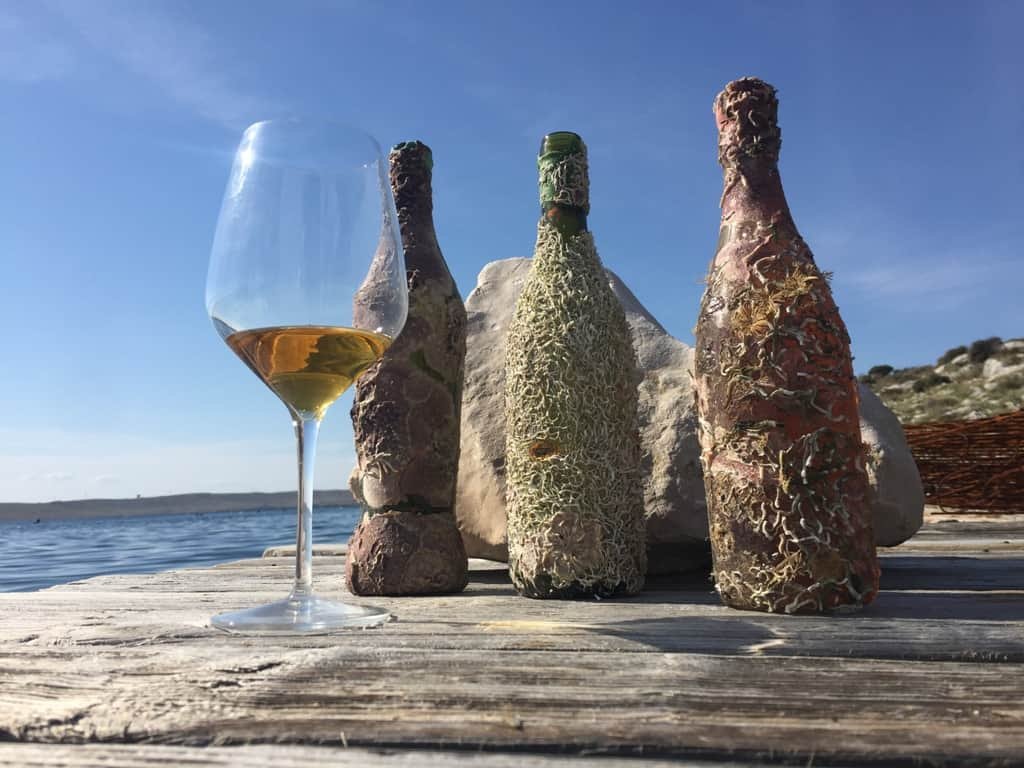
At its core, underwater ageing involves submerging bottles of wine, whiskey, or even other spirits beneath the water’s surface for an extended period. This process usually takes place in the deep waters of oceans, lakes, or specially designed tanks. The theory behind underwater ageing is that the unique conditions underwater—such as consistent temperature, pressure, and humidity—can influence the maturation process of alcoholic beverages in ways that traditional ageing methods cannot.

Some proponents of underwater ageing argue that it accelerates the chemical reactions that lead to the development of flavors in spirits and wines. The pressure of the water, coupled with the constant temperature and lack of light, supposedly creates a more stable environment for the aging process. As a result, these products may evolve differently compared to those aged in cellars or barrels on land.

The Science Behind Underwater Ageing

To understand whether underwater ageing can actually enhance the taste and quality of alcoholic beverages, we need to examine the scientific principles at play.

  1. Pressure and Temperature Stability: Underwater environments are known for their stable temperature and pressure conditions. At depths of around 30 meters, temperatures usually range from 4°C to 10°C (39°F to 50°F). This is cooler than the typical cellar temperature for wine or spirits, which can fluctuate with the seasons. Moreover, the pressure at these depths (around 3 atmospheres) is constant, preventing temperature fluctuations that can sometimes hinder the aging process.
  2. Absence of Light: Light, particularly UV rays, can break down the delicate compounds in alcohol. Traditional wine bottles, even those stored in dark cellars, are still exposed to light from time to time. Underwater aging, on the other hand, keeps the bottles completely in the dark, further minimizing the risk of photodegradation.
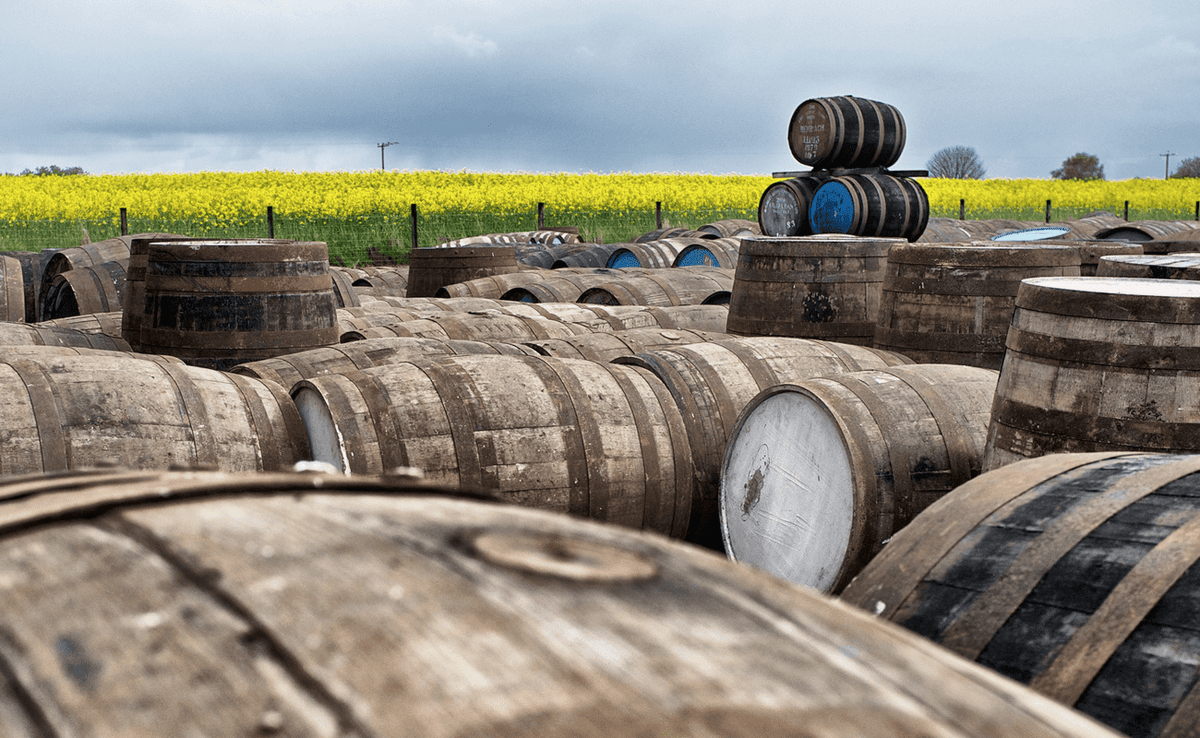
  3. Water’s Influence on Maturation: Water can subtly influence the chemical reactions in alcohol, particularly through the interaction between the alcohol and the surrounding environment. The movement of the water can create additional friction, potentially enhancing the extraction of flavors from the wood of barrels (if used). For wine, this could mean a smoother, more integrated taste profile, while spirits may develop richer and more complex flavors.
  4. Microbial Environment: The underwater environment may also introduce microorganisms that could influence the fermentation process. Some producers believe these microbes could help accelerate the development of certain flavors, although this remains speculative.
Maturation, Ageing, Finish – Flaviar

The Experimentation: Real-Life Examples

The concept of underwater aging is not purely theoretical. In recent years, several producers across different types of beverages have undertaken underwater aging experiments, with results ranging from groundbreaking to inconclusive.

Whiskey

One of the most famous cases of underwater aging comes from the whiskey world. The Kentucky-based company, Whiskey River, submerged barrels of bourbon in the waters of the Ohio River to see how the aging process would differ from the traditional land-based methods. The experiment, dubbed “Whiskey Underwater,” aimed to determine whether the pressure and cool temperatures of the river would enhance or change the whiskey’s flavor profile.

After several months, the company claimed that the submerged whiskey developed smoother, more complex flavors, with a distinct reduction in harshness. The whiskey appeared to be more “rounded,” with a richer mouthfeel. However, independent reviews of the underwater-aged whiskey were mixed. Some tasters noted a unique, almost briny note that might be attributed to the interaction between the spirit and the river water. Whether this is a desirable characteristic is still up for debate.

Wine

In the world of wine, the practice has been slightly more accepted, particularly among enthusiasts of vintage Champagne. One of the most prominent cases of underwater aging for wine involved the Ruinart Champagne house. In 2013, the company submerged a batch of their prized Ruinart Blanc de Blancs in the depths of the Mediterranean Sea for a period of three years. Upon retrieval, the Champagne was evaluated by both experts and connoisseurs. The results were intriguing. Many found the wine to have a rounder mouthfeel and more subtle, integrated flavors. The sea-aging process seemed to soften the acidity and allowed the wine to develop a more complex bouquet.

Undersea-Aged Champagne Is Starting to Surface | WIRED

Another notable example is the wine producer Pomerol in Bordeaux, who submerged several bottles of their high-end reds. After an extended period of underwater maturation, some claimed that the wines had developed more depth, with a noticeable improvement in smoothness and complexity.

Beer

While underwater aging has received more attention in wine and whiskey circles, beer producers have also dabbled in the technique. The Dogfish Head Brewery in Delaware conducted an experiment where they submerged kegs of their 120 Minute IPA in the Delaware Bay for a period of six months. The brewery’s findings were that the beer retained its character while gaining some nuanced notes from the water and the extended maturation period.

The key takeaway from these various experiments is that while some of the results are promising, they are far from conclusive. Aged whiskey, wine, or beer submerged in water may develop new characteristics, but it remains to be seen whether these qualities are universally superior to traditionally aged versions.

The Pros and Cons of Underwater Ageing

Pros:

  1. Stable Environment: The consistent temperature and pressure found underwater make it an ideal location for aging, as it reduces the risk of fluctuations that can disturb the maturation process.
  2. Unique Flavor Profiles: The interaction between the alcohol and the aquatic environment can yield novel and interesting flavor notes. Some of these flavors may be desirable to certain consumers, giving producers the ability to create distinctive products.
  3. Marketing Appeal: Underwater aging is a great marketing tool. The novelty of aging products underwater can attract attention, especially in an industry where consumers are always seeking new and exciting trends.
  4. Sustainability: Using natural bodies of water instead of climate-controlled warehouses could reduce energy consumption and environmental impact, though this remains a controversial point in terms of environmental responsibility.

Cons:

  1. Inconsistency: The underwater aging process can vary greatly depending on the specific body of water and depth used. For example, different regions have different microbial environments, and not all waters offer the same benefits. This can lead to inconsistent results.
  2. Lack of Scientific Evidence: While initial tests and experiments are promising, there is a lack of conclusive scientific evidence that proves underwater aging provides a superior product compared to traditional aging methods.
  3. Cost and Accessibility: Submerging alcohol in the depths of the ocean or a lake comes with significant logistical costs. It’s not a process that’s easily scalable for large production batches, which limits its potential in terms of mainstream adoption.
  4. Potential Contamination: Storing products underwater, particularly in natural bodies of water, raises concerns about contamination. While many companies use sealed containers or custom-made barrels to prevent direct exposure to the water, the risk remains a factor in the overall process.

Conclusion: Is Underwater Aging a Gimmick or a Game Changer?

At this point, underwater aging appears to be more of a gimmick than a game changer in the traditional sense. While it offers some intriguing potential for flavor development, consistency, and scalability remain major hurdles. The most notable benefits of underwater aging seem to be in the realm of novelty and marketing, with a few examples of improved product characteristics. However, without significant scientific backing and a proven track record of superior results, it is unlikely that underwater aging will replace traditional methods anytime soon.

For now, it remains a niche practice—one that may appeal to a small group of enthusiasts, but one that will likely coexist with more conventional techniques rather than revolutionize the industry. Whether it evolves into a mainstay in the future will depend on continued experimentation, refinement of the process, and a deeper understanding of the science behind it.


Tags: fermentationInnovationterroirwhiskey production
ShareTweetShare

Related Posts

Can Beer Be an Effective Ingredient in Culinary Cooking?
ALL

Can Beer Be an Effective Ingredient in Culinary Cooking?

January 22, 2026
Second Fermentation in Champagne: Is It Really That Crucial?
ALL

Second Fermentation in Champagne: Is It Really That Crucial?

January 22, 2026
How Do Different Grains Impact the Flavor Profile of Distilled Spirits?
ALL

How Do Different Grains Impact the Flavor Profile of Distilled Spirits?

January 22, 2026
How Do Whiskey Master Blenders Create Perfection?
ALL

How Do Whiskey Master Blenders Create Perfection?

January 22, 2026
Wine Pairings: Can They Change the Flavor Profile of a Dish?
ALL

Wine Pairings: Can They Change the Flavor Profile of a Dish?

January 22, 2026
Beer the Ultimate Beverage for Pairing with Spicy Food?
ALL

Beer the Ultimate Beverage for Pairing with Spicy Food?

January 21, 2026
Leave Comment
  • Trending
  • Comments
  • Latest
What Hidden Craftsmanship Lies Behind a Bottle of Quality Grain Spirits?

What Hidden Craftsmanship Lies Behind a Bottle of Quality Grain Spirits?

July 3, 2025
How Is Champagne Made? The Secrets Behind the Sparkle

How Is Champagne Made? The Secrets Behind the Sparkle

April 15, 2025
Grain Spirits vs. Traditional Distilled Spirits: Which One Suits Your Taste?

Grain Spirits vs. Traditional Distilled Spirits: Which One Suits Your Taste?

July 3, 2025
Champagne Bubbles: How Do They Perfectly Convey Celebration, Joy, and Luxury?

Champagne Bubbles: How Do They Perfectly Convey Celebration, Joy, and Luxury?

July 2, 2025
The Timeless Elegance of Wine: A Journey Through History and Culture

The Timeless Elegance of Wine: A Journey Through History and Culture

Why Is Château Lafite Rothschild the Pinnacle of Fine Wine?

Why Is Château Lafite Rothschild the Pinnacle of Fine Wine?

How Did Château Lafite Rothschild Become a Global Icon of Luxury?

How Did Château Lafite Rothschild Become a Global Icon of Luxury?

What Makes Chateau Lafite Rothschild the Pinnacle of Bordeaux Wines?

What Makes Chateau Lafite Rothschild the Pinnacle of Bordeaux Wines?

Can Beer Be an Effective Ingredient in Culinary Cooking?

Can Beer Be an Effective Ingredient in Culinary Cooking?

January 22, 2026
Second Fermentation in Champagne: Is It Really That Crucial?

Second Fermentation in Champagne: Is It Really That Crucial?

January 22, 2026
How Do Different Grains Impact the Flavor Profile of Distilled Spirits?

How Do Different Grains Impact the Flavor Profile of Distilled Spirits?

January 22, 2026
How Do Whiskey Master Blenders Create Perfection?

How Do Whiskey Master Blenders Create Perfection?

January 22, 2026
SipsavorLife

Welcome to our comprehensive beverage guide, where you can explore the fascinating world of alcoholic drinks. From exquisite wines and rich whiskeys to refreshing beers and sparkling champagnes, we provide insights, tips, and recommendations for enthusiasts and casual drinkers alike. Discover your next favorite libation with us!

© 2025 sipsavorlife.com. contacts:sipsavorlife-35376@gmail.com

No Result
View All Result
  • Home
  • Wine
  • Whiskey
  • Beer
  • Grain Spirits
  • Champagne
  • ALL

© 2025 sipsavorlife.com. contacts:sipsavorlife-35376@gmail.com

Welcome Back!

Login to your account below

Forgotten Password?

Retrieve your password

Please enter your username or email address to reset your password.

Log In





