


























When we think of the term terroir, we often associate it with wine. The concept refers to the unique characteristics of a region or environment that influence the flavor and aroma of a product, primarily grapes. But what about beer? Is terroir a factor in beer brewing, or is it just another buzzword?
In this article, we’ll explore whether the idea of terroir holds any weight in the world of beer brewing, delving into the environmental, cultural, and technical aspects that could shape the flavor of beer. From the soil where barley is grown to the water composition of a region, let’s see how terroir might influence your next pint.
Understanding Terroir
Before we dive into the brewing specifics, let’s first define what terroir actually means. Derived from the French word for “earth” or “land,” terroir refers to the sum of environmental factors that affect the production of a specific agricultural product. In wine, this includes the climate, soil, topography, and even the microflora (like yeast and bacteria) that inhabit the land where the grapes are grown.
It’s a term that embraces the idea that certain characteristics of a region, from the mineral content of the soil to the weather conditions, leave a mark on the plants that grow there. The concept assumes that the unique combination of these elements imparts a distinct quality to the final product.
The Beer Brewing Process and Terroir
At first glance, beer seems quite different from wine. It’s brewed from four main ingredients: malted barley, hops, yeast, and water. While terroir has been widely discussed in the context of wine production, is there a parallel for beer? Let’s break it down.
1. Barley and Grains
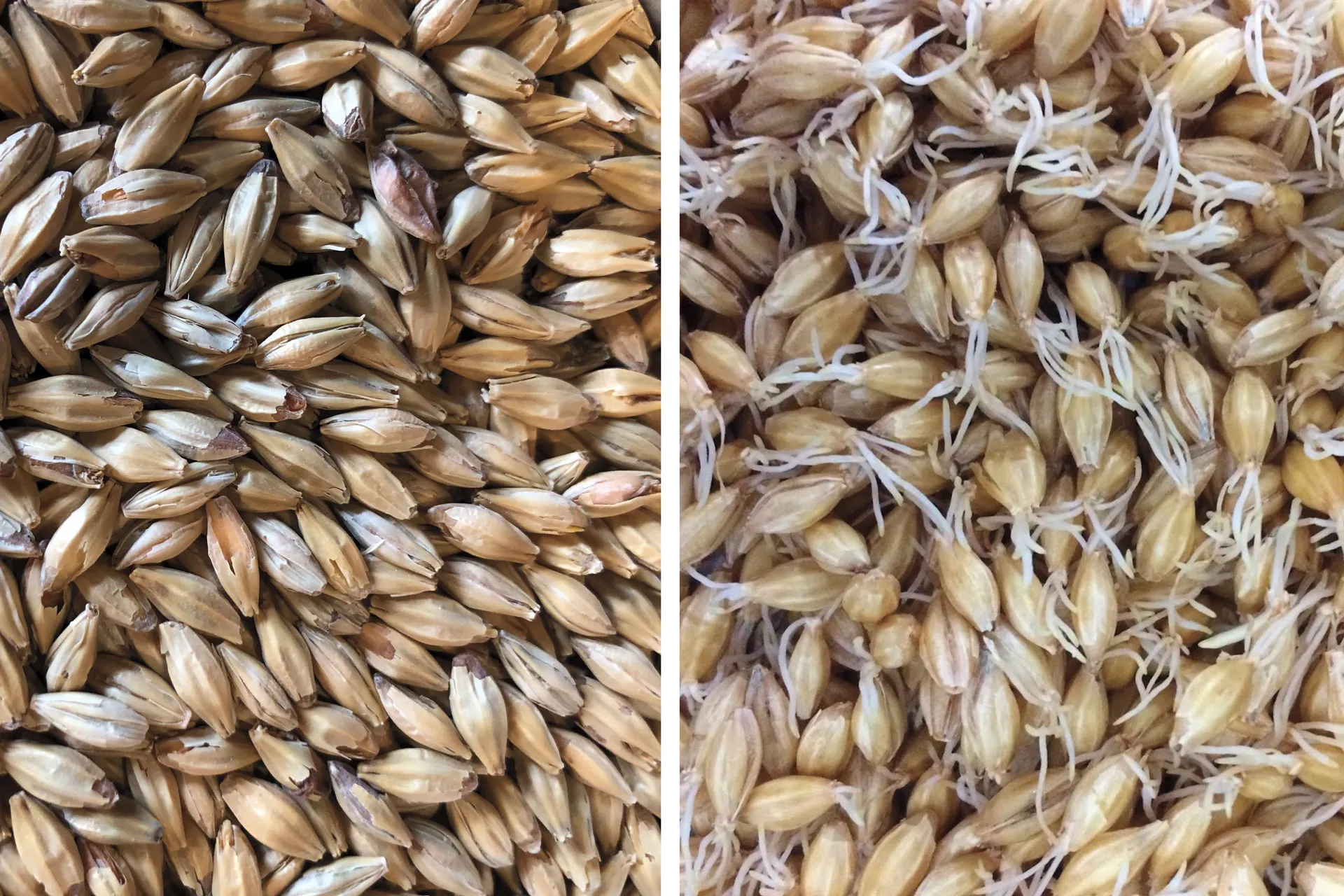
The most obvious link to terroir in beer brewing comes from the barley and other grains used to make beer. Just like grapes in winemaking, the variety, quality, and origin of the grain play a significant role in the beer’s flavor profile. The mineral composition of the soil, the temperature fluctuations during growing seasons, and the specific region where the barley is cultivated all have the potential to affect the flavor of the final product.

In regions like the Pacific Northwest of the U.S., where hops are known for their distinct piney, citrusy, or floral characteristics, the grains grown may also pick up unique nuances. Some barley varieties are also quite sensitive to soil conditions, and the way a crop is grown can impact its taste. In places with rich, volcanic soils—similar to vineyards in the Champagne region of France—barley may develop a more complex, earthy character.
2. Water
Water is the unsung hero of beer brewing. It’s often said that brewing is 90% water, and the mineral composition of water can drastically change the flavor of a beer. The famous “Burton water” used by brewers in Burton-on-Trent, England, for instance, is known to impart a certain flavor profile to beer due to its unique mineral content.
If you’ve ever had a lager in Munich and a pale ale in London, you may have noticed subtle differences in taste, despite similar recipes. These differences might be partly due to the distinct water profiles in these regions. The minerals in water affect the pH levels and how the hops and malt interact with each other during brewing. In this sense, water quality can contribute to a regional signature in beer.
3. Yeast and Microflora
When it comes to fermentation, yeast plays a pivotal role in determining the flavor of beer. Different strains of yeast can produce varying esters, phenols, and other compounds that contribute to the beer’s aroma and taste. In some ways, the terroir of a region might influence the types of yeast that thrive there. Wild yeasts, which are often found in specific regions, may impart unique characteristics to a beer brewed with them.
For example, Belgian-style beers like Lambics rely on wild fermentation, where ambient yeast and bacteria from the environment play a key role in the brewing process. Over time, the terroir of the environment in which the beer is brewed can create a distinct regional flavor.
4. Climate and Seasonal Variations
The climate of a region also impacts beer brewing. Weather conditions—like temperature fluctuations, humidity, and even the length of daylight—affect both the growing conditions of barley and the fermentation process. In warmer climates, malt may ripen more quickly, resulting in a different flavor profile than in cooler regions where the growing season is longer.
Moreover, changes in climate, such as global warming, may also influence the composition of barley and hops, potentially altering the flavors of beer over time. Just like the changing vintages of wine, the beer produced in different years can taste distinct, with subtle shifts in the aroma and flavor due to climatic factors.
5. Cultural Influence and Regional Style
Unlike wine, which has a more rigid historical connection to specific terroirs, beer has been brewed in diverse cultures around the world for centuries. Different regions have developed unique brewing traditions that are heavily influenced by local ingredients and brewing practices. These cultural factors might not be strictly “terroir,” but they contribute to a beer’s regional identity.
For instance, the beers of Belgium are renowned for their complexity and wild fermentation techniques, while German lagers are often celebrated for their crisp, clean profiles. These regional styles often reflect a deeper understanding of how local conditions shape brewing techniques, making beer a product of its environment—if not in the same way as wine, then in a distinctively cultural and historical sense.
6. Hops: The Other Regional Factor
Hops are often thought of as the most geographically variable ingredient in beer brewing. Different regions produce hops with unique flavors and aromas due to the local soil, climate, and even the specific variety of hop plants. For example, American hops are known for their bold, citrusy, and piney flavors, while European hops tend to have earthier, floral, and spicy profiles.
The terroir of hop-growing regions, like the Pacific Northwest, Kent in England, or Bavaria in Germany, significantly impacts the aroma and bitterness of the hops. The way these hops interact with the malt and yeast in the brewing process creates beers that carry the distinct mark of their geographical origin.
Can Terroir Be Measured in Beer?
While it’s clear that various elements of the brewing process are influenced by geography, measuring terroir in beer is more complex than in wine. Terroir in wine is easier to track because of the long, well-established tradition of wine regions and the direct relationship between the soil and the grape. In beer, however, many variables—including the brewing process itself—come into play, making it difficult to isolate terroir as a singular influencing factor.
Brewers can manipulate many aspects of the brewing process, from controlling fermentation temperatures to selecting specific hop varieties. Unlike winemakers, who often work with a more static crop, beer brewers have a greater degree of control over their final product, making it harder to definitively link the beer to a specific terroir.
That said, certain regional flavors and characteristics do emerge, particularly in beer styles that emphasize local ingredients or traditional brewing techniques. A pale ale from Oregon might carry a distinct piney bitterness from the local Cascade hops, while a Belgian Trappist beer brewed with yeast from a centuries-old monastery will have a signature complexity that speaks to the region’s long brewing history.
Is Terroir Important for Beer Drinkers?
For the casual beer drinker, the idea of terroir may seem abstract or irrelevant. After all, most people care more about taste and style than the geographic origin of the ingredients. But for beer enthusiasts and brewers, terroir can become an important part of the brewing process. It adds complexity and depth to the beer’s flavor and allows for a connection to the environment and culture from which the beer originates.
As craft beer continues to grow in popularity, more breweries are embracing the idea of terroir, experimenting with local ingredients, and celebrating regional flavors. Whether it’s using hops from a nearby farm or collaborating with local growers to create unique flavor profiles, many breweries are tapping into terroir as a way to create beers that feel deeply tied to a specific place.
Conclusion: Is Terroir Real in Beer Brewing?
The short answer is yes—terroir is real in beer brewing, but it’s not as straightforward or as easily defined as it is in wine. While beer brewing involves far more controlled processes than winemaking, the local ingredients, climate, water composition, and even the culture surrounding beer production all contribute to the uniqueness of a beer.
Beer’s connection to terroir is not just about the place it’s made; it’s also about the story behind it—the traditions, the people, and the environment. Just as wine enthusiasts appreciate the subtle nuances imparted by the vineyards and soils of a particular region, so too can beer drinkers develop a deeper appreciation for the unique flavors and characteristics that come from beers brewed with local ingredients and traditional methods.