






SipsavorLife
  • Home
  • Wine
    Wine Pairings: Can They Change the Flavor Profile of a Dish?

    Wine Pairings: Can They Change the Flavor Profile of a Dish?

    How Do Wine Glasses Influence the Tasting Experience?

    How Do Wine Glasses Influence the Tasting Experience?

    Is Organic Wine Healthier Than Conventional Wine?

    Is Organic Wine Healthier Than Conventional Wine?

    Why Do Some Wines Taste Better from Specific Vintages?

    Why Do Some Wines Taste Better from Specific Vintages?

    Wine Tasting: Can It Truly Be an Art Form?

    Wine Tasting: Can It Truly Be an Art Form?

    What Does Terroir Actually Mean for Your Wine?

    What Does Terroir Actually Mean for Your Wine?

  • Whiskey
    Can Beer Be an Effective Ingredient in Culinary Cooking?

    Can Beer Be an Effective Ingredient in Culinary Cooking?

    Second Fermentation in Champagne: Is It Really That Crucial?

    Second Fermentation in Champagne: Is It Really That Crucial?

    How Do Different Grains Impact the Flavor Profile of Distilled Spirits?

    How Do Different Grains Impact the Flavor Profile of Distilled Spirits?

    How Do Whiskey Master Blenders Create Perfection?

    How Do Whiskey Master Blenders Create Perfection?

    Wine Pairings: Can They Change the Flavor Profile of a Dish?

    Wine Pairings: Can They Change the Flavor Profile of a Dish?

    Beer the Ultimate Beverage for Pairing with Spicy Food?

    Beer the Ultimate Beverage for Pairing with Spicy Food?

  • Beer
    Can Beer Be an Effective Ingredient in Culinary Cooking?

    Can Beer Be an Effective Ingredient in Culinary Cooking?

    Beer the Ultimate Beverage for Pairing with Spicy Food?

    Beer the Ultimate Beverage for Pairing with Spicy Food?

    How Did Ancient Civilizations Brew Beer Without Modern Technology?

    How Did Ancient Civilizations Brew Beer Without Modern Technology?

    Is It Possible to Brew a Beer with No Alcohol and No Compromise on Taste?

    Is It Possible to Brew a Beer with No Alcohol and No Compromise on Taste?

    Why Does Beer Taste Different at High Altitudes?

    Why Does Beer Taste Different at High Altitudes?

    Is Hops the Secret Ingredient Behind Beer’s Bold Flavor?

    Is Hops the Secret Ingredient Behind Beer’s Bold Flavor?

  • Grain Spirits
    How Do Different Grains Impact the Flavor Profile of Distilled Spirits?

    How Do Different Grains Impact the Flavor Profile of Distilled Spirits?

    Grain Spirits the Unsung Heroes of Modern Mixology

    Grain Spirits the Unsung Heroes of Modern Mixology

    What Makes Grain-Based Whiskey So Different from Its Peated Cousins?

    What Makes Grain-Based Whiskey So Different from Its Peated Cousins?

    Grain Spirits: Could They Be the Next Big Trend in Craft Cocktails?

    Grain Spirits: Could They Be the Next Big Trend in Craft Cocktails?

    Why Are Grain Spirits Often Overlooked in the World of Fine Liquor?

    Why Are Grain Spirits Often Overlooked in the World of Fine Liquor?

    Is There a Secret Art to Distilling Grain Spirits?

    Is There a Secret Art to Distilling Grain Spirits?

  • Champagne
    Second Fermentation in Champagne: Is It Really That Crucial?

    Second Fermentation in Champagne: Is It Really That Crucial?

    The Science Behind the ‘Bubble Size’ in Champagne

    The Science Behind the ‘Bubble Size’ in Champagne

    Why Do Some Champagnes Use a High Proportion of Pinot Meunier?

    Why Do Some Champagnes Use a High Proportion of Pinot Meunier?

    Role of Terroir in Champagne Production

    Role of Terroir in Champagne Production

    Champagne Can Be Aged in Wood?

    Champagne Can Be Aged in Wood?

    Is There a Difference Between Blanc de Blancs and Blanc de Noirs Champagne?

    Is There a Difference Between Blanc de Blancs and Blanc de Noirs Champagne?

  • ALL
    Can Beer Be an Effective Ingredient in Culinary Cooking?

    Can Beer Be an Effective Ingredient in Culinary Cooking?

    Second Fermentation in Champagne: Is It Really That Crucial?

    Second Fermentation in Champagne: Is It Really That Crucial?

    How Do Different Grains Impact the Flavor Profile of Distilled Spirits?

    How Do Different Grains Impact the Flavor Profile of Distilled Spirits?

    How Do Whiskey Master Blenders Create Perfection?

    How Do Whiskey Master Blenders Create Perfection?

    Wine Pairings: Can They Change the Flavor Profile of a Dish?

    Wine Pairings: Can They Change the Flavor Profile of a Dish?

    Beer the Ultimate Beverage for Pairing with Spicy Food?

    Beer the Ultimate Beverage for Pairing with Spicy Food?

SipsavorLife
  • Home
  • Wine
    Wine Pairings: Can They Change the Flavor Profile of a Dish?

    Wine Pairings: Can They Change the Flavor Profile of a Dish?

    How Do Wine Glasses Influence the Tasting Experience?

    How Do Wine Glasses Influence the Tasting Experience?

    Is Organic Wine Healthier Than Conventional Wine?

    Is Organic Wine Healthier Than Conventional Wine?

    Why Do Some Wines Taste Better from Specific Vintages?

    Why Do Some Wines Taste Better from Specific Vintages?

    Wine Tasting: Can It Truly Be an Art Form?

    Wine Tasting: Can It Truly Be an Art Form?

    What Does Terroir Actually Mean for Your Wine?

    What Does Terroir Actually Mean for Your Wine?

  • Whiskey
    Can Beer Be an Effective Ingredient in Culinary Cooking?

    Can Beer Be an Effective Ingredient in Culinary Cooking?

    Second Fermentation in Champagne: Is It Really That Crucial?

    Second Fermentation in Champagne: Is It Really That Crucial?

    How Do Different Grains Impact the Flavor Profile of Distilled Spirits?

    How Do Different Grains Impact the Flavor Profile of Distilled Spirits?

    How Do Whiskey Master Blenders Create Perfection?

    How Do Whiskey Master Blenders Create Perfection?

    Wine Pairings: Can They Change the Flavor Profile of a Dish?

    Wine Pairings: Can They Change the Flavor Profile of a Dish?

    Beer the Ultimate Beverage for Pairing with Spicy Food?

    Beer the Ultimate Beverage for Pairing with Spicy Food?

  • Beer
    Can Beer Be an Effective Ingredient in Culinary Cooking?

    Can Beer Be an Effective Ingredient in Culinary Cooking?

    Beer the Ultimate Beverage for Pairing with Spicy Food?

    Beer the Ultimate Beverage for Pairing with Spicy Food?

    How Did Ancient Civilizations Brew Beer Without Modern Technology?

    How Did Ancient Civilizations Brew Beer Without Modern Technology?

    Is It Possible to Brew a Beer with No Alcohol and No Compromise on Taste?

    Is It Possible to Brew a Beer with No Alcohol and No Compromise on Taste?

    Why Does Beer Taste Different at High Altitudes?

    Why Does Beer Taste Different at High Altitudes?

    Is Hops the Secret Ingredient Behind Beer’s Bold Flavor?

    Is Hops the Secret Ingredient Behind Beer’s Bold Flavor?

  • Grain Spirits
    How Do Different Grains Impact the Flavor Profile of Distilled Spirits?

    How Do Different Grains Impact the Flavor Profile of Distilled Spirits?

    Grain Spirits the Unsung Heroes of Modern Mixology

    Grain Spirits the Unsung Heroes of Modern Mixology

    What Makes Grain-Based Whiskey So Different from Its Peated Cousins?

    What Makes Grain-Based Whiskey So Different from Its Peated Cousins?

    Grain Spirits: Could They Be the Next Big Trend in Craft Cocktails?

    Grain Spirits: Could They Be the Next Big Trend in Craft Cocktails?

    Why Are Grain Spirits Often Overlooked in the World of Fine Liquor?

    Why Are Grain Spirits Often Overlooked in the World of Fine Liquor?

    Is There a Secret Art to Distilling Grain Spirits?

    Is There a Secret Art to Distilling Grain Spirits?

  • Champagne
    Second Fermentation in Champagne: Is It Really That Crucial?

    Second Fermentation in Champagne: Is It Really That Crucial?

    The Science Behind the ‘Bubble Size’ in Champagne

    The Science Behind the ‘Bubble Size’ in Champagne

    Why Do Some Champagnes Use a High Proportion of Pinot Meunier?

    Why Do Some Champagnes Use a High Proportion of Pinot Meunier?

    Role of Terroir in Champagne Production

    Role of Terroir in Champagne Production

    Champagne Can Be Aged in Wood?

    Champagne Can Be Aged in Wood?

    Is There a Difference Between Blanc de Blancs and Blanc de Noirs Champagne?

    Is There a Difference Between Blanc de Blancs and Blanc de Noirs Champagne?

  • ALL
    Can Beer Be an Effective Ingredient in Culinary Cooking?

    Can Beer Be an Effective Ingredient in Culinary Cooking?

    Second Fermentation in Champagne: Is It Really That Crucial?

    Second Fermentation in Champagne: Is It Really That Crucial?

    How Do Different Grains Impact the Flavor Profile of Distilled Spirits?

    How Do Different Grains Impact the Flavor Profile of Distilled Spirits?

    How Do Whiskey Master Blenders Create Perfection?

    How Do Whiskey Master Blenders Create Perfection?

    Wine Pairings: Can They Change the Flavor Profile of a Dish?

    Wine Pairings: Can They Change the Flavor Profile of a Dish?

    Beer the Ultimate Beverage for Pairing with Spicy Food?

    Beer the Ultimate Beverage for Pairing with Spicy Food?

SipsavorLife
No Result
View All Result
Home ALL

Is Champagne More About Acidity Than Aromas?

January 8, 2026
in ALL, Champagne
Is Champagne More About Acidity Than Aromas?

Champagne is often seen as the epitome of luxury and celebration—a drink reserved for special occasions, marked by its distinct effervescence, elegance, and, of course, its iconic sparkling bubbles. But beyond the allure of this beloved beverage, there’s a much deeper conversation to be had about what truly defines its quality. While aromas play a significant role in champagne’s complexity, is it possible that acidity is even more central to its identity?

This question invites us to explore not just the sensory aspects of Champagne but also its production methods, its terroir, and its interaction with the food it’s paired with. In this exploration, we’ll take a closer look at the balance between acidity and aromas and how both come together to create that signature “Champagne experience.”

The Heart of Champagne: Acidity vs. Aromas

At the core of every bottle of Champagne is its acidic backbone. Whether it’s a crisp, mineral-driven bottle of Blanc de Blancs or a fruit-forward, rich Rosé, acidity defines Champagne’s overall structure and its capacity to age. It is this tangy freshness that makes Champagne so versatile when it comes to food pairing, and it’s this zing that helps cut through rich, fatty foods, such as oysters, caviar, or creamy cheeses.

Why Does Acidity Matter So Much?

Acidity in Champagne comes from the natural tartness of the grapes, the fermentation process, and the wine’s aging methods. The primary grape varieties used in Champagne production are Chardonnay, Pinot Noir, and Pinot Meunier. These grapes have a naturally high acidity, especially when harvested in the cooler climate of the Champagne region. This acidity gives the wine its refreshing taste and its ability to balance out the richness and sweetness of the wine.

The role of acidity in Champagne isn’t just a superficial characteristic. It’s an essential factor that influences the wine’s aging potential and its ability to evolve over time. As Champagne ages, its acidity helps preserve the wine, allowing it to develop complex flavors and textures while maintaining its freshness. This is why many vintage Champagnes have the capacity to improve with age, unlike many other wines that plateau or decline over time.

Acidity’s Interaction with Food Pairings

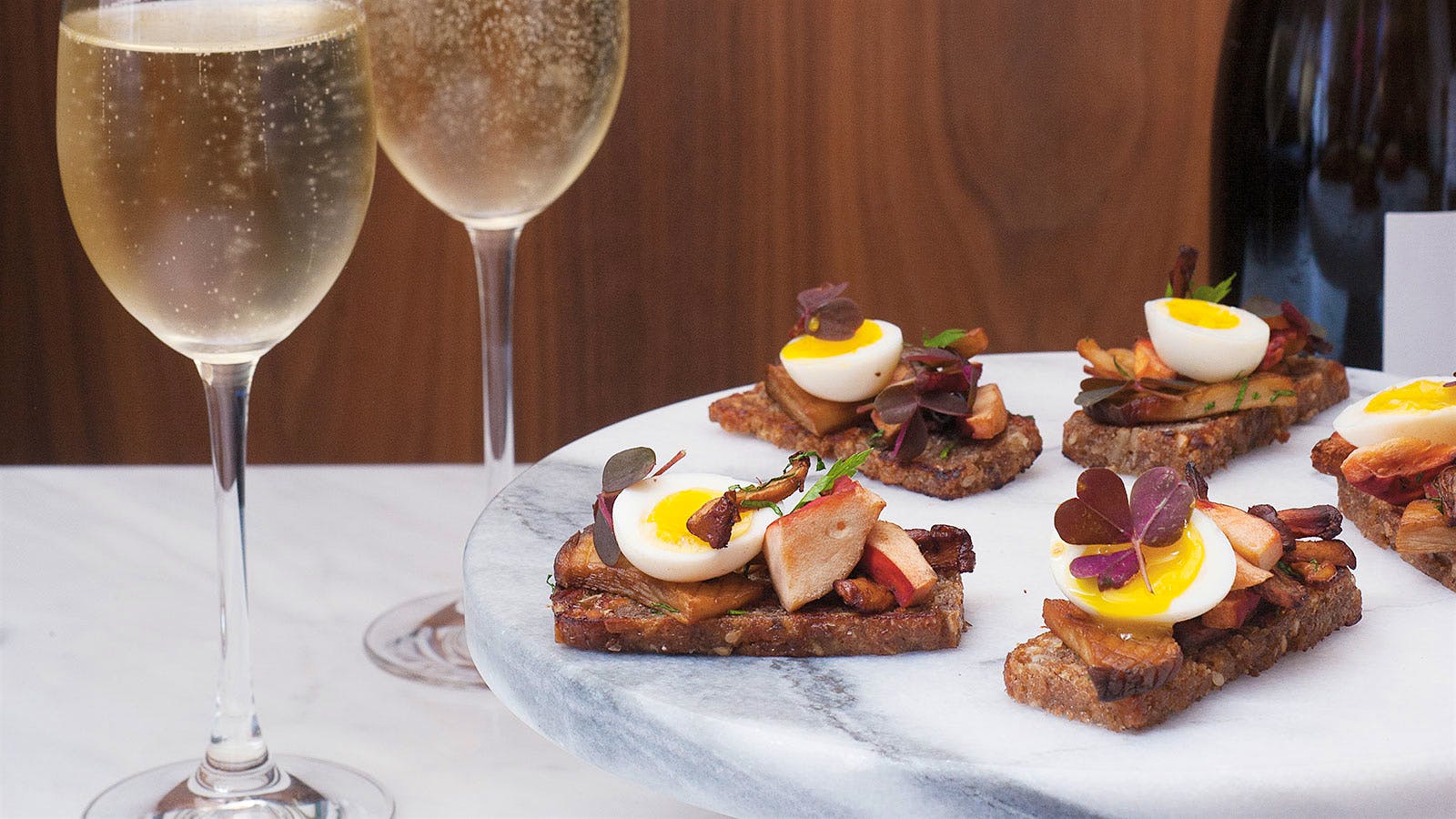
The high acidity in Champagne makes it an ideal companion for a wide range of dishes. One of the classic pairings is Champagne with oysters, where the wine’s zesty acidity complements the briny flavors of the shellfish. Similarly, Champagne’s acidity works wonders with creamy, buttery dishes like lobster bisque or a rich brie, cutting through the richness and providing balance.

Interestingly, the acidity also enhances Champagne’s adaptability when paired with different food types. While some wines may only pair well with specific dishes, Champagne, because of its balanced acidity, works well with everything from fried foods (think crispy fries or fried chicken) to more complex flavors such as truffles or sushi. This is one of the reasons Champagne is often seen as a “universal” wine—there’s almost nothing it can’t pair with.

The Role of Aromas in Champagne
The Chemistry of Champagne Aging Explained

While acidity is the backbone, aromas provide the finer details. When it comes to Champagne, aromas are incredibly complex and diverse, offering a wide spectrum of smells that can range from fruit-forward notes to more nuanced characteristics such as nuts, brioche, and even earthiness. But unlike acidity, aromas are less tangible—they are fleeting, subtle, and often depend on the age and storage conditions of the wine.

The Influence of Terroir on Aromas

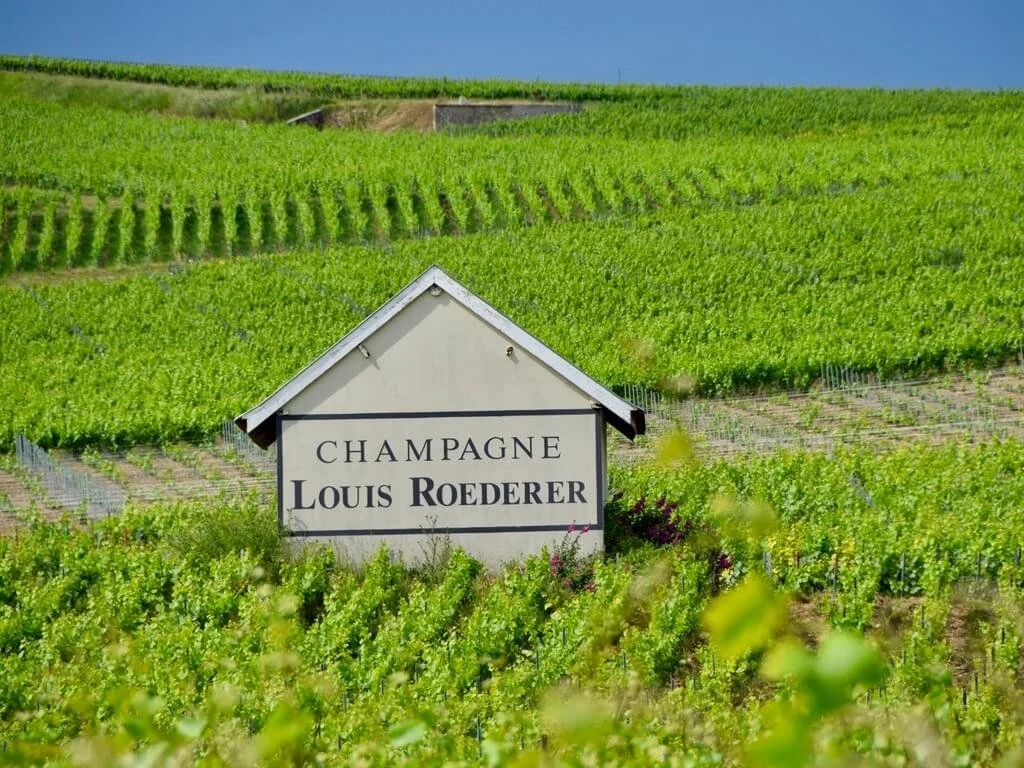
Aromas in Champagne are influenced heavily by the terroir of the region. Terroir refers to the unique combination of climate, soil, and grape varieties that come together to define the character of a wine. In Champagne, the cool climate and chalky soils contribute to its distinct minerality and fresh, crisp profile. The soils in Champagne, particularly the Côte des Blancs and Montagne de Reims, are rich in chalk, which is believed to impart a certain “flinty” quality to the wine, giving it a unique mineral edge.

The grape varieties themselves also influence the aroma profile of Champagne. For example, Chardonnay tends to produce wines with citrus and floral aromas, while Pinot Noir offers more red fruit notes such as strawberry and raspberry. Pinot Meunier, on the other hand, lends a more approachable, fruity character with hints of apple and pear. Blends of these three varieties are used to create the final champagne, and the balance between these aromas is key to the wine’s style and expression.

Aromas and Aging: How Time Changes Champagne

The aging process in Champagne also has a significant impact on the development of aromas. This is especially true when the wine undergoes “autolysis,” a process where the yeast cells used in fermentation break down, releasing compounds that add complexity to the wine. This creates characteristic aromas of bread, brioche, and even toasted nuts. Over time, these flavors develop into something more refined, making aged Champagne a sought-after delicacy.

This evolution of aromas, however, is often a delicate balance. While acidity provides structure and longevity, aromas give Champagne its character and individuality. Aged Champagne will show more developed aromas, but it will also lose some of its youthful freshness, making it a wine that evolves between a dynamic, fresh expression and a more mature, nuanced one.
5 Favorite Sparkling Wine–Pairing Recipes

The Champagne Making Process: The Interaction of Acidity and Aromas

Understanding the importance of both acidity and aromas requires us to delve into the process of Champagne production itself. Unlike still wines, Champagne undergoes a second fermentation in the bottle, which is what gives it its signature bubbles. This secondary fermentation not only influences the wine’s texture and effervescence but also plays a critical role in both acidity and aroma development.

The Primary Fermentation and Acidity

During the primary fermentation, yeast converts the sugar in the grapes into alcohol, but it also produces carbon dioxide (CO2), which helps to develop the wine’s acidic structure. It’s this initial fermentation that lays the foundation for Champagne’s high acidity. But what truly sets Champagne apart from other sparkling wines is the second fermentation that takes place inside the bottle.

The Secondary Fermentation and Autolysis

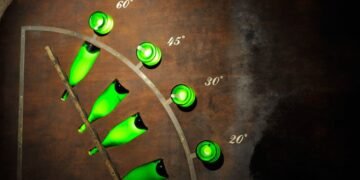
The secondary fermentation in Champagne is where the magic happens. After the primary fermentation, the wine is bottled with a small amount of sugar and yeast, which kick-starts the second fermentation. The wine remains in the bottle for months or even years, during which time the yeast cells slowly break down in a process known as autolysis.

Autolysis is responsible for the development of those savory, toasty, or biscuity aromas that Champagne is famous for. During this period, the yeast contributes a range of compounds that can influence the wine’s texture and flavor profile. This gives Champagne its signature roundness, richness, and complexity—qualities that balance the acidity and contribute to the wine’s overall appeal.

The Final Product: A Harmonious Balance

The goal of the Champagne maker is to create a wine that showcases both the bright, zesty acidity of the grapes and the complex, evolved aromas developed during fermentation. But what truly sets Champagne apart is its ability to combine these two elements into a harmonious whole. The acidity provides the foundation, while the aromas offer the richness and complexity. The interplay between these two elements creates the unique and highly coveted experience that Champagne offers.

Conclusion: Acidity or Aromas—A Matter of Balance

In the end, Champagne is defined by more than just its acidity or its aromas. It is the delicate balance between these two factors that creates the magic. While acidity offers structure, freshness, and the ability to age, aromas provide nuance, character, and the evolving complexity that makes Champagne such an intriguing and highly valued wine.

As Champagne continues to evolve and producers experiment with new techniques, it’s likely that both acidity and aromas will continue to play pivotal roles in the wine’s identity. For those who seek to understand Champagne more deeply, focusing on the relationship between these two aspects is the key to unlocking the wine’s full potential. But whether you’re drawn to the bright, crisp acidity or the complex, toasty aromas, the true beauty of Champagne lies in the way these elements work together to create something truly extraordinary.

Tags: champagneChampagne productionvintage Champagnewine pairing
ShareTweetShare

Related Posts

Can Beer Be an Effective Ingredient in Culinary Cooking?
ALL

Can Beer Be an Effective Ingredient in Culinary Cooking?

January 22, 2026
Second Fermentation in Champagne: Is It Really That Crucial?
ALL

Second Fermentation in Champagne: Is It Really That Crucial?

January 22, 2026
How Do Different Grains Impact the Flavor Profile of Distilled Spirits?
ALL

How Do Different Grains Impact the Flavor Profile of Distilled Spirits?

January 22, 2026
How Do Whiskey Master Blenders Create Perfection?
ALL

How Do Whiskey Master Blenders Create Perfection?

January 22, 2026
Wine Pairings: Can They Change the Flavor Profile of a Dish?
ALL

Wine Pairings: Can They Change the Flavor Profile of a Dish?

January 22, 2026
Beer the Ultimate Beverage for Pairing with Spicy Food?
ALL

Beer the Ultimate Beverage for Pairing with Spicy Food?

January 21, 2026
Leave Comment
  • Trending
  • Comments
  • Latest
What Hidden Craftsmanship Lies Behind a Bottle of Quality Grain Spirits?

What Hidden Craftsmanship Lies Behind a Bottle of Quality Grain Spirits?

July 3, 2025
How Is Champagne Made? The Secrets Behind the Sparkle

How Is Champagne Made? The Secrets Behind the Sparkle

April 15, 2025
Grain Spirits vs. Traditional Distilled Spirits: Which One Suits Your Taste?

Grain Spirits vs. Traditional Distilled Spirits: Which One Suits Your Taste?

July 3, 2025
Champagne Bubbles: How Do They Perfectly Convey Celebration, Joy, and Luxury?

Champagne Bubbles: How Do They Perfectly Convey Celebration, Joy, and Luxury?

July 2, 2025
The Timeless Elegance of Wine: A Journey Through History and Culture

The Timeless Elegance of Wine: A Journey Through History and Culture

Why Is Château Lafite Rothschild the Pinnacle of Fine Wine?

Why Is Château Lafite Rothschild the Pinnacle of Fine Wine?

How Did Château Lafite Rothschild Become a Global Icon of Luxury?

How Did Château Lafite Rothschild Become a Global Icon of Luxury?

What Makes Chateau Lafite Rothschild the Pinnacle of Bordeaux Wines?

What Makes Chateau Lafite Rothschild the Pinnacle of Bordeaux Wines?

Can Beer Be an Effective Ingredient in Culinary Cooking?

Can Beer Be an Effective Ingredient in Culinary Cooking?

January 22, 2026
Second Fermentation in Champagne: Is It Really That Crucial?

Second Fermentation in Champagne: Is It Really That Crucial?

January 22, 2026
How Do Different Grains Impact the Flavor Profile of Distilled Spirits?

How Do Different Grains Impact the Flavor Profile of Distilled Spirits?

January 22, 2026
How Do Whiskey Master Blenders Create Perfection?

How Do Whiskey Master Blenders Create Perfection?

January 22, 2026
SipsavorLife

Welcome to our comprehensive beverage guide, where you can explore the fascinating world of alcoholic drinks. From exquisite wines and rich whiskeys to refreshing beers and sparkling champagnes, we provide insights, tips, and recommendations for enthusiasts and casual drinkers alike. Discover your next favorite libation with us!

© 2025 sipsavorlife.com. contacts:sipsavorlife-35376@gmail.com

No Result
View All Result
  • Home
  • Wine
  • Whiskey
  • Beer
  • Grain Spirits
  • Champagne
  • ALL

© 2025 sipsavorlife.com. contacts:sipsavorlife-35376@gmail.com

Welcome Back!

Login to your account below

Forgotten Password?

Retrieve your password

Please enter your username or email address to reset your password.

Log In