






SipsavorLife
  • Home
  • Wine
    Wine Pairings: Can They Change the Flavor Profile of a Dish?

    Wine Pairings: Can They Change the Flavor Profile of a Dish?

    How Do Wine Glasses Influence the Tasting Experience?

    How Do Wine Glasses Influence the Tasting Experience?

    Is Organic Wine Healthier Than Conventional Wine?

    Is Organic Wine Healthier Than Conventional Wine?

    Why Do Some Wines Taste Better from Specific Vintages?

    Why Do Some Wines Taste Better from Specific Vintages?

    Wine Tasting: Can It Truly Be an Art Form?

    Wine Tasting: Can It Truly Be an Art Form?

    What Does Terroir Actually Mean for Your Wine?

    What Does Terroir Actually Mean for Your Wine?

  • Whiskey
    Can Beer Be an Effective Ingredient in Culinary Cooking?

    Can Beer Be an Effective Ingredient in Culinary Cooking?

    Second Fermentation in Champagne: Is It Really That Crucial?

    Second Fermentation in Champagne: Is It Really That Crucial?

    How Do Different Grains Impact the Flavor Profile of Distilled Spirits?

    How Do Different Grains Impact the Flavor Profile of Distilled Spirits?

    How Do Whiskey Master Blenders Create Perfection?

    How Do Whiskey Master Blenders Create Perfection?

    Wine Pairings: Can They Change the Flavor Profile of a Dish?

    Wine Pairings: Can They Change the Flavor Profile of a Dish?

    Beer the Ultimate Beverage for Pairing with Spicy Food?

    Beer the Ultimate Beverage for Pairing with Spicy Food?

  • Beer
    Can Beer Be an Effective Ingredient in Culinary Cooking?

    Can Beer Be an Effective Ingredient in Culinary Cooking?

    Beer the Ultimate Beverage for Pairing with Spicy Food?

    Beer the Ultimate Beverage for Pairing with Spicy Food?

    How Did Ancient Civilizations Brew Beer Without Modern Technology?

    How Did Ancient Civilizations Brew Beer Without Modern Technology?

    Is It Possible to Brew a Beer with No Alcohol and No Compromise on Taste?

    Is It Possible to Brew a Beer with No Alcohol and No Compromise on Taste?

    Why Does Beer Taste Different at High Altitudes?

    Why Does Beer Taste Different at High Altitudes?

    Is Hops the Secret Ingredient Behind Beer’s Bold Flavor?

    Is Hops the Secret Ingredient Behind Beer’s Bold Flavor?

  • Grain Spirits
    How Do Different Grains Impact the Flavor Profile of Distilled Spirits?

    How Do Different Grains Impact the Flavor Profile of Distilled Spirits?

    Grain Spirits the Unsung Heroes of Modern Mixology

    Grain Spirits the Unsung Heroes of Modern Mixology

    What Makes Grain-Based Whiskey So Different from Its Peated Cousins?

    What Makes Grain-Based Whiskey So Different from Its Peated Cousins?

    Grain Spirits: Could They Be the Next Big Trend in Craft Cocktails?

    Grain Spirits: Could They Be the Next Big Trend in Craft Cocktails?

    Why Are Grain Spirits Often Overlooked in the World of Fine Liquor?

    Why Are Grain Spirits Often Overlooked in the World of Fine Liquor?

    Is There a Secret Art to Distilling Grain Spirits?

    Is There a Secret Art to Distilling Grain Spirits?

  • Champagne
    Second Fermentation in Champagne: Is It Really That Crucial?

    Second Fermentation in Champagne: Is It Really That Crucial?

    The Science Behind the ‘Bubble Size’ in Champagne

    The Science Behind the ‘Bubble Size’ in Champagne

    Why Do Some Champagnes Use a High Proportion of Pinot Meunier?

    Why Do Some Champagnes Use a High Proportion of Pinot Meunier?

    Role of Terroir in Champagne Production

    Role of Terroir in Champagne Production

    Champagne Can Be Aged in Wood?

    Champagne Can Be Aged in Wood?

    Is There a Difference Between Blanc de Blancs and Blanc de Noirs Champagne?

    Is There a Difference Between Blanc de Blancs and Blanc de Noirs Champagne?

  • ALL
    Can Beer Be an Effective Ingredient in Culinary Cooking?

    Can Beer Be an Effective Ingredient in Culinary Cooking?

    Second Fermentation in Champagne: Is It Really That Crucial?

    Second Fermentation in Champagne: Is It Really That Crucial?

    How Do Different Grains Impact the Flavor Profile of Distilled Spirits?

    How Do Different Grains Impact the Flavor Profile of Distilled Spirits?

    How Do Whiskey Master Blenders Create Perfection?

    How Do Whiskey Master Blenders Create Perfection?

    Wine Pairings: Can They Change the Flavor Profile of a Dish?

    Wine Pairings: Can They Change the Flavor Profile of a Dish?

    Beer the Ultimate Beverage for Pairing with Spicy Food?

    Beer the Ultimate Beverage for Pairing with Spicy Food?

SipsavorLife
  • Home
  • Wine
    Wine Pairings: Can They Change the Flavor Profile of a Dish?

    Wine Pairings: Can They Change the Flavor Profile of a Dish?

    How Do Wine Glasses Influence the Tasting Experience?

    How Do Wine Glasses Influence the Tasting Experience?

    Is Organic Wine Healthier Than Conventional Wine?

    Is Organic Wine Healthier Than Conventional Wine?

    Why Do Some Wines Taste Better from Specific Vintages?

    Why Do Some Wines Taste Better from Specific Vintages?

    Wine Tasting: Can It Truly Be an Art Form?

    Wine Tasting: Can It Truly Be an Art Form?

    What Does Terroir Actually Mean for Your Wine?

    What Does Terroir Actually Mean for Your Wine?

  • Whiskey
    Can Beer Be an Effective Ingredient in Culinary Cooking?

    Can Beer Be an Effective Ingredient in Culinary Cooking?

    Second Fermentation in Champagne: Is It Really That Crucial?

    Second Fermentation in Champagne: Is It Really That Crucial?

    How Do Different Grains Impact the Flavor Profile of Distilled Spirits?

    How Do Different Grains Impact the Flavor Profile of Distilled Spirits?

    How Do Whiskey Master Blenders Create Perfection?

    How Do Whiskey Master Blenders Create Perfection?

    Wine Pairings: Can They Change the Flavor Profile of a Dish?

    Wine Pairings: Can They Change the Flavor Profile of a Dish?

    Beer the Ultimate Beverage for Pairing with Spicy Food?

    Beer the Ultimate Beverage for Pairing with Spicy Food?

  • Beer
    Can Beer Be an Effective Ingredient in Culinary Cooking?

    Can Beer Be an Effective Ingredient in Culinary Cooking?

    Beer the Ultimate Beverage for Pairing with Spicy Food?

    Beer the Ultimate Beverage for Pairing with Spicy Food?

    How Did Ancient Civilizations Brew Beer Without Modern Technology?

    How Did Ancient Civilizations Brew Beer Without Modern Technology?

    Is It Possible to Brew a Beer with No Alcohol and No Compromise on Taste?

    Is It Possible to Brew a Beer with No Alcohol and No Compromise on Taste?

    Why Does Beer Taste Different at High Altitudes?

    Why Does Beer Taste Different at High Altitudes?

    Is Hops the Secret Ingredient Behind Beer’s Bold Flavor?

    Is Hops the Secret Ingredient Behind Beer’s Bold Flavor?

  • Grain Spirits
    How Do Different Grains Impact the Flavor Profile of Distilled Spirits?

    How Do Different Grains Impact the Flavor Profile of Distilled Spirits?

    Grain Spirits the Unsung Heroes of Modern Mixology

    Grain Spirits the Unsung Heroes of Modern Mixology

    What Makes Grain-Based Whiskey So Different from Its Peated Cousins?

    What Makes Grain-Based Whiskey So Different from Its Peated Cousins?

    Grain Spirits: Could They Be the Next Big Trend in Craft Cocktails?

    Grain Spirits: Could They Be the Next Big Trend in Craft Cocktails?

    Why Are Grain Spirits Often Overlooked in the World of Fine Liquor?

    Why Are Grain Spirits Often Overlooked in the World of Fine Liquor?

    Is There a Secret Art to Distilling Grain Spirits?

    Is There a Secret Art to Distilling Grain Spirits?

  • Champagne
    Second Fermentation in Champagne: Is It Really That Crucial?

    Second Fermentation in Champagne: Is It Really That Crucial?

    The Science Behind the ‘Bubble Size’ in Champagne

    The Science Behind the ‘Bubble Size’ in Champagne

    Why Do Some Champagnes Use a High Proportion of Pinot Meunier?

    Why Do Some Champagnes Use a High Proportion of Pinot Meunier?

    Role of Terroir in Champagne Production

    Role of Terroir in Champagne Production

    Champagne Can Be Aged in Wood?

    Champagne Can Be Aged in Wood?

    Is There a Difference Between Blanc de Blancs and Blanc de Noirs Champagne?

    Is There a Difference Between Blanc de Blancs and Blanc de Noirs Champagne?

  • ALL
    Can Beer Be an Effective Ingredient in Culinary Cooking?

    Can Beer Be an Effective Ingredient in Culinary Cooking?

    Second Fermentation in Champagne: Is It Really That Crucial?

    Second Fermentation in Champagne: Is It Really That Crucial?

    How Do Different Grains Impact the Flavor Profile of Distilled Spirits?

    How Do Different Grains Impact the Flavor Profile of Distilled Spirits?

    How Do Whiskey Master Blenders Create Perfection?

    How Do Whiskey Master Blenders Create Perfection?

    Wine Pairings: Can They Change the Flavor Profile of a Dish?

    Wine Pairings: Can They Change the Flavor Profile of a Dish?

    Beer the Ultimate Beverage for Pairing with Spicy Food?

    Beer the Ultimate Beverage for Pairing with Spicy Food?

SipsavorLife
No Result
View All Result
Home ALL

How Much Does Dosage Actually Define Champagne Style?

January 6, 2026
in ALL, Champagne
How Much Does Dosage Actually Define Champagne Style?

Champagne, the sparkling jewel of the wine world, is loved for its effervescence, elegance, and complexity. Whether it’s the first sip of a chilled flute at a celebration or a glass paired with a special meal, Champagne holds a unique place in wine culture. But there’s a particular aspect of Champagne production that often sparks confusion among consumers and enthusiasts alike: dosage.

Dosage is a term used to describe the small amount of sugar added to Champagne after the second fermentation, just before it is corked and ready for sale. But how much does dosage really affect the Champagne’s style? Is it just a simple balancing act between sweetness and dryness, or is it a crucial factor in defining the complexity, mouthfeel, and overall experience of the drink? Let’s dive into the world of Champagne dosage and explore its role in shaping the style and flavor profile of this iconic sparkling wine.

What Is Dosage in Champagne?

Before we get into the specifics of dosage and its impact, it’s essential to understand what it actually is. Champagne undergoes a two-stage fermentation process. The first fermentation turns the base wine into a still wine, and the second fermentation, which happens in the bottle, creates the bubbles that give Champagne its signature effervescence. After this second fermentation, a small amount of sugar and sometimes a mix of wine (called the liqueur d’expédition) is added to the bottle. This is the dosage, and it can vary significantly in both quantity and composition.

The Role of Dosage: Sweetness and Balance

Dosage directly impacts the sweetness of Champagne, but it doesn’t just add sugar. The dosage helps balance the acidity of the wine, which is naturally high in Champagne due to the cool climate of the region. Champagne typically has a high level of acidity to maintain freshness, but without some form of sweetness, this acidity might be too sharp or austere for some palates.

However, the amount of sugar added in the dosage can be quite varied, ranging from the bone-dry Brut Nature (which has no added sugar) to the rich and sweet Doux (with a sugar level of over 50 grams per liter). Between these extremes, we have styles like Extra Brut, Brut, Extra Dry, and Sec, each with different sugar levels, offering a wide range of options for consumers to choose from. The Brut style, which is the most popular worldwide, typically has less than 12 grams of sugar per liter.
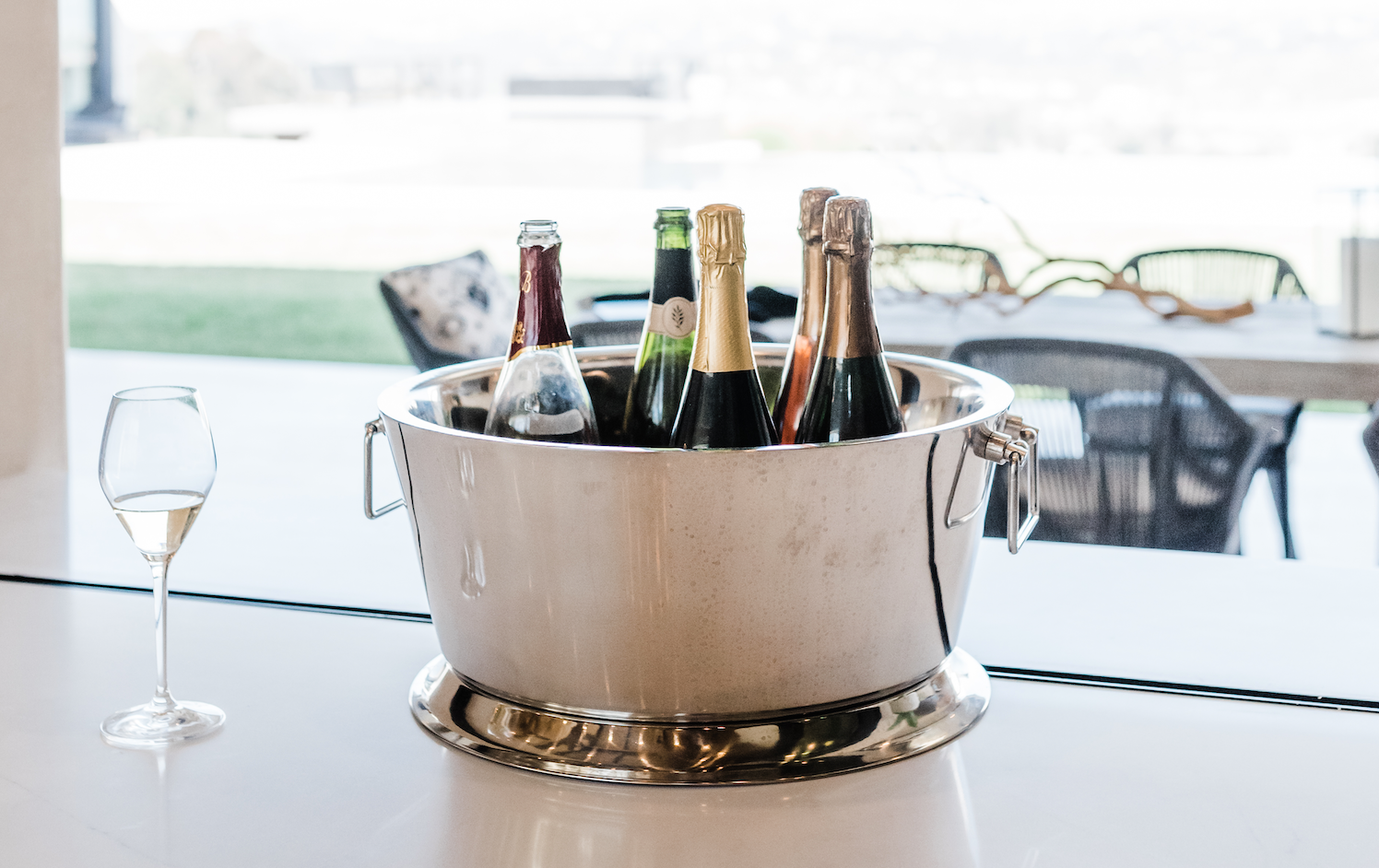
What Is Dosage? A Guide To Understanding Champagne Sweetness | We Drink  Bubbles

The key takeaway here is that dosage is not just about sweetness but also about the overall balance and mouthfeel of the Champagne. A well-dosed Champagne will feel harmonious on the palate, with the sugar softening the acidity without making the wine overly sweet. On the other hand, a Champagne with too little dosage can come across as too dry, while too much sugar can overwhelm the more delicate flavors.

Dosage and Champagne Styles: A Guide

Dosage has a profound effect on the style and perception of Champagne. Let’s look at the main categories and how dosage defines each style:

  1. Brut Nature (Zero Dosage)
    This is the driest style of Champagne, with no sugar added after the second fermentation. Brut Nature is highly prized for its purity and expression of the grape’s natural flavors, showing off the terroir and the winemaking process. The lack of dosage means that the wine has a sharper acidity and a more pronounced mineral profile. This style is often favored by purists and those who appreciate the more austere side of Champagne.
  2. Extra Brut
    Still very dry, but slightly more approachable than Brut Nature, Extra Brut typically has between 0 and 6 grams of sugar per liter. It’s a style that showcases both the freshness of the fruit and the complexity that comes with the aging process. The acidity is still present, but the small amount of sugar adds just enough balance to make it feel more rounded.
  3. Brut
    The most popular style of Champagne, Brut has a sugar content of less than 12 grams per liter. This style strikes a balance between dryness and a touch of sweetness, offering a more accessible experience for a wide range of palates. It’s a versatile choice for pairing with a variety of foods, and its popularity makes it the go-to style for most consumers.
  4. Extra Dry
    Despite the name, Extra Dry Champagne is actually sweeter than Brut. It typically contains between 12 and 17 grams of sugar per liter, making it a great option for those who prefer a slightly sweeter sparkling wine without it being cloying. This style often has a fruitier profile, with notes of ripe pear, apple, and citrus.
  5. Sec
    With sugar levels ranging from 17 to 32 grams per liter, Sec Champagne is noticeably sweeter than Brut and Extra Dry. It’s often chosen for sweeter food pairings or for those who enjoy a more luxurious, dessert-like experience. Its fruit-forward character makes it a delightful option for those with a sweeter tooth.
  6. Demi-Sec
    For those who enjoy a rich, sweet Champagne, Demi-Sec is the style to go for. With sugar levels between 32 and 50 grams per liter, it’s the perfect choice to pair with rich desserts like tarts, cakes, and creamy pastries.
  7. Doux
    The sweetest of all, Doux Champagne contains over 50 grams of sugar per liter. It’s a rare style today, typically found in very specific, dessert-oriented contexts.
The Race to Zero: The Story of Brut Nature Champagne — The Interior Review

How Does Dosage Influence Champagne’s Other Characteristics?

While dosage is primarily responsible for adjusting the sweetness, it can also have a subtle impact on the other characteristics of Champagne. The addition of sugar can influence:

  1. Mouthfeel:
    Champagne with a higher dosage tends to have a richer, fuller mouthfeel. The sugar adds roundness and a sensation of softness on the palate, which balances out the acidity. On the other hand, low-dosage Champagnes tend to have a leaner, crisper mouthfeel.
  2. Flavor Profile:
    Dosage affects the overall flavor profile of Champagne. A higher dosage can emphasize fruity flavors, especially in styles like Extra Dry and Sec, where the fruit notes (think ripe pear, peach, or citrus) become more pronounced. In contrast, Brut and Brut Nature styles highlight more mineral and bready flavors, allowing the character of the terroir and the extended aging process to shine.
  3. Aging Potential:
    Champagne with little or no dosage, like Brut Nature, tends to have a higher aging potential. The natural acidity, along with minimal intervention from sugar, allows these wines to age gracefully over time. On the other hand, sweeter Champagnes tend to be best enjoyed young, though they can also develop interesting secondary flavors with age.

The Influence of Terroir and Grape Variety

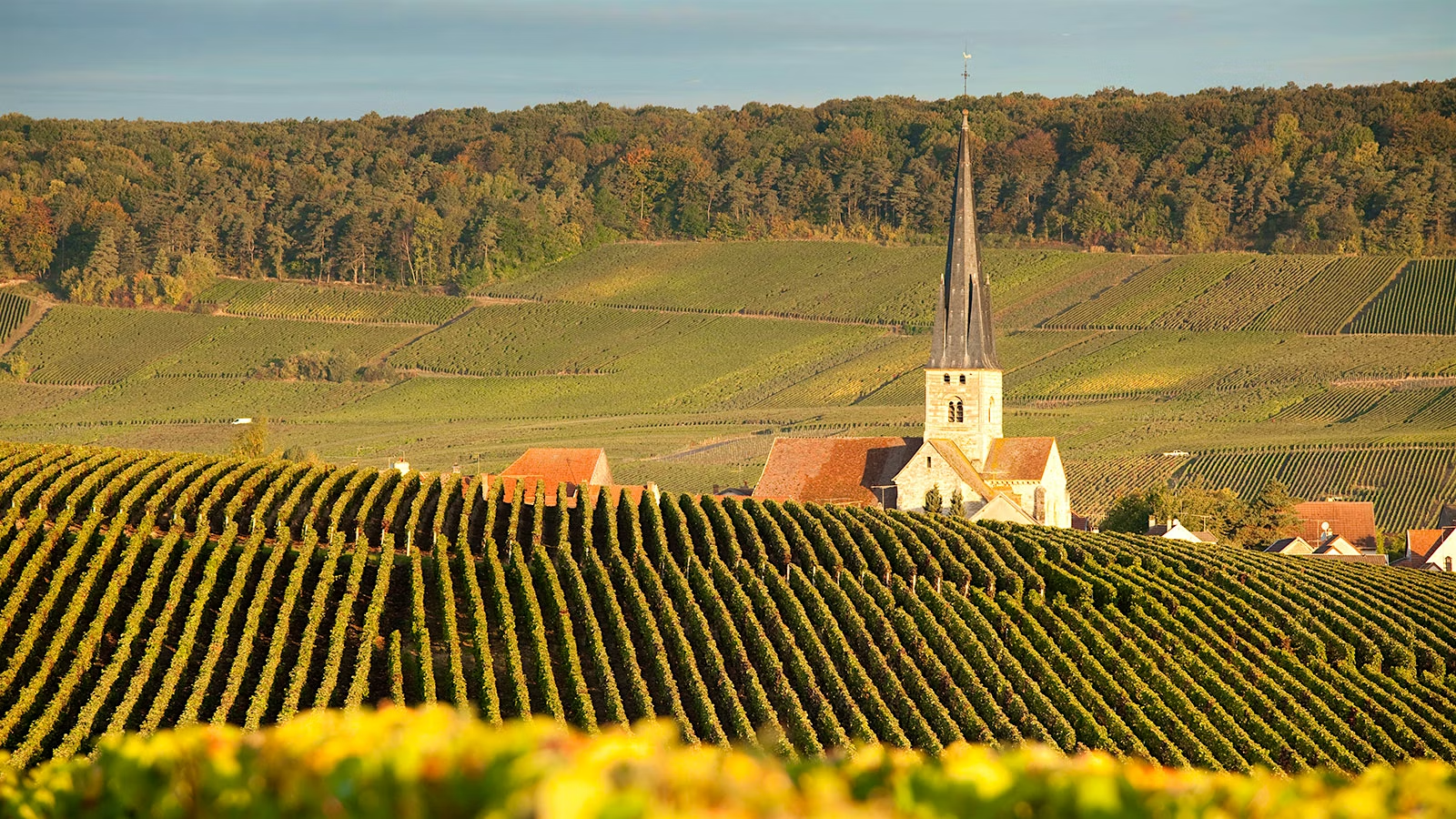
While dosage plays a significant role, it’s important to remember that Champagne’s character is also shaped by the terroir and grape varieties used in its production. Champagne is made primarily from three grape varieties: Chardonnay, Pinot Noir, and Pinot Meunier. Each grape contributes its unique flavor profile, which is further influenced by the climate, soil, and vineyard practices in the region.

For example, a Champagne made from predominantly Chardonnay (a grape known for its bright acidity and citrus flavors) may benefit from a slightly higher dosage to round out its sharpness. Meanwhile, a Pinot Noir-dominant Champagne (with its fuller body and red fruit flavors) might need less sugar to achieve a balanced taste.

The Bottom Line: Does Dosage Define Champagne Style?

In short, yes—dosage is a defining factor in Champagne’s style. It plays a significant role in balancing sweetness and acidity, influencing mouthfeel, flavor profile, and even aging potential. However, it’s not the only factor at play. Terroir, grape variety, and winemaking techniques all contribute to the overall expression of the Champagne. Dosage is, however, a crucial tool in the winemaker’s arsenal, allowing for the creation of diverse styles that cater to a wide range of tastes.

So next time you pick up a bottle of Champagne, consider not just the brand or the vintage but also the dosage. Whether you prefer a bone-dry Brut Nature or a rich Demi-Sec, understanding how dosage affects the wine’s overall profile can deepen your appreciation for this extraordinary sparkling wine.

Tags: champagneChampagne productionsparkling winewine pairing
ShareTweetShare

Related Posts

Can Beer Be an Effective Ingredient in Culinary Cooking?
ALL

Can Beer Be an Effective Ingredient in Culinary Cooking?

January 22, 2026
Second Fermentation in Champagne: Is It Really That Crucial?
ALL

Second Fermentation in Champagne: Is It Really That Crucial?

January 22, 2026
How Do Different Grains Impact the Flavor Profile of Distilled Spirits?
ALL

How Do Different Grains Impact the Flavor Profile of Distilled Spirits?

January 22, 2026
How Do Whiskey Master Blenders Create Perfection?
ALL

How Do Whiskey Master Blenders Create Perfection?

January 22, 2026
Wine Pairings: Can They Change the Flavor Profile of a Dish?
ALL

Wine Pairings: Can They Change the Flavor Profile of a Dish?

January 22, 2026
Beer the Ultimate Beverage for Pairing with Spicy Food?
ALL

Beer the Ultimate Beverage for Pairing with Spicy Food?

January 21, 2026
Leave Comment
  • Trending
  • Comments
  • Latest
What Hidden Craftsmanship Lies Behind a Bottle of Quality Grain Spirits?

What Hidden Craftsmanship Lies Behind a Bottle of Quality Grain Spirits?

July 3, 2025
How Is Champagne Made? The Secrets Behind the Sparkle

How Is Champagne Made? The Secrets Behind the Sparkle

April 15, 2025
Grain Spirits vs. Traditional Distilled Spirits: Which One Suits Your Taste?

Grain Spirits vs. Traditional Distilled Spirits: Which One Suits Your Taste?

July 3, 2025
Champagne Bubbles: How Do They Perfectly Convey Celebration, Joy, and Luxury?

Champagne Bubbles: How Do They Perfectly Convey Celebration, Joy, and Luxury?

July 2, 2025
The Timeless Elegance of Wine: A Journey Through History and Culture

The Timeless Elegance of Wine: A Journey Through History and Culture

Why Is Château Lafite Rothschild the Pinnacle of Fine Wine?

Why Is Château Lafite Rothschild the Pinnacle of Fine Wine?

How Did Château Lafite Rothschild Become a Global Icon of Luxury?

How Did Château Lafite Rothschild Become a Global Icon of Luxury?

What Makes Chateau Lafite Rothschild the Pinnacle of Bordeaux Wines?

What Makes Chateau Lafite Rothschild the Pinnacle of Bordeaux Wines?

Can Beer Be an Effective Ingredient in Culinary Cooking?

Can Beer Be an Effective Ingredient in Culinary Cooking?

January 22, 2026
Second Fermentation in Champagne: Is It Really That Crucial?

Second Fermentation in Champagne: Is It Really That Crucial?

January 22, 2026
How Do Different Grains Impact the Flavor Profile of Distilled Spirits?

How Do Different Grains Impact the Flavor Profile of Distilled Spirits?

January 22, 2026
How Do Whiskey Master Blenders Create Perfection?

How Do Whiskey Master Blenders Create Perfection?

January 22, 2026
SipsavorLife

Welcome to our comprehensive beverage guide, where you can explore the fascinating world of alcoholic drinks. From exquisite wines and rich whiskeys to refreshing beers and sparkling champagnes, we provide insights, tips, and recommendations for enthusiasts and casual drinkers alike. Discover your next favorite libation with us!

© 2025 sipsavorlife.com. contacts:sipsavorlife-35376@gmail.com

No Result
View All Result
  • Home
  • Wine
  • Whiskey
  • Beer
  • Grain Spirits
  • Champagne
  • ALL

© 2025 sipsavorlife.com. contacts:sipsavorlife-35376@gmail.com

Welcome Back!

Login to your account below

Forgotten Password?

Retrieve your password

Please enter your username or email address to reset your password.

Log In