











SipsavorLife
  • Home
  • Wine
    Wine Pairings: Can They Change the Flavor Profile of a Dish?

    Wine Pairings: Can They Change the Flavor Profile of a Dish?

    How Do Wine Glasses Influence the Tasting Experience?

    How Do Wine Glasses Influence the Tasting Experience?

    Is Organic Wine Healthier Than Conventional Wine?

    Is Organic Wine Healthier Than Conventional Wine?

    Why Do Some Wines Taste Better from Specific Vintages?

    Why Do Some Wines Taste Better from Specific Vintages?

    Wine Tasting: Can It Truly Be an Art Form?

    Wine Tasting: Can It Truly Be an Art Form?

    What Does Terroir Actually Mean for Your Wine?

    What Does Terroir Actually Mean for Your Wine?

  • Whiskey
    Can Beer Be an Effective Ingredient in Culinary Cooking?

    Can Beer Be an Effective Ingredient in Culinary Cooking?

    Second Fermentation in Champagne: Is It Really That Crucial?

    Second Fermentation in Champagne: Is It Really That Crucial?

    How Do Different Grains Impact the Flavor Profile of Distilled Spirits?

    How Do Different Grains Impact the Flavor Profile of Distilled Spirits?

    How Do Whiskey Master Blenders Create Perfection?

    How Do Whiskey Master Blenders Create Perfection?

    Wine Pairings: Can They Change the Flavor Profile of a Dish?

    Wine Pairings: Can They Change the Flavor Profile of a Dish?

    Beer the Ultimate Beverage for Pairing with Spicy Food?

    Beer the Ultimate Beverage for Pairing with Spicy Food?

  • Beer
    Can Beer Be an Effective Ingredient in Culinary Cooking?

    Can Beer Be an Effective Ingredient in Culinary Cooking?

    Beer the Ultimate Beverage for Pairing with Spicy Food?

    Beer the Ultimate Beverage for Pairing with Spicy Food?

    How Did Ancient Civilizations Brew Beer Without Modern Technology?

    How Did Ancient Civilizations Brew Beer Without Modern Technology?

    Is It Possible to Brew a Beer with No Alcohol and No Compromise on Taste?

    Is It Possible to Brew a Beer with No Alcohol and No Compromise on Taste?

    Why Does Beer Taste Different at High Altitudes?

    Why Does Beer Taste Different at High Altitudes?

    Is Hops the Secret Ingredient Behind Beer’s Bold Flavor?

    Is Hops the Secret Ingredient Behind Beer’s Bold Flavor?

  • Grain Spirits
    How Do Different Grains Impact the Flavor Profile of Distilled Spirits?

    How Do Different Grains Impact the Flavor Profile of Distilled Spirits?

    Grain Spirits the Unsung Heroes of Modern Mixology

    Grain Spirits the Unsung Heroes of Modern Mixology

    What Makes Grain-Based Whiskey So Different from Its Peated Cousins?

    What Makes Grain-Based Whiskey So Different from Its Peated Cousins?

    Grain Spirits: Could They Be the Next Big Trend in Craft Cocktails?

    Grain Spirits: Could They Be the Next Big Trend in Craft Cocktails?

    Why Are Grain Spirits Often Overlooked in the World of Fine Liquor?

    Why Are Grain Spirits Often Overlooked in the World of Fine Liquor?

    Is There a Secret Art to Distilling Grain Spirits?

    Is There a Secret Art to Distilling Grain Spirits?

  • Champagne
    Second Fermentation in Champagne: Is It Really That Crucial?

    Second Fermentation in Champagne: Is It Really That Crucial?

    The Science Behind the ‘Bubble Size’ in Champagne

    The Science Behind the ‘Bubble Size’ in Champagne

    Why Do Some Champagnes Use a High Proportion of Pinot Meunier?

    Why Do Some Champagnes Use a High Proportion of Pinot Meunier?

    Role of Terroir in Champagne Production

    Role of Terroir in Champagne Production

    Champagne Can Be Aged in Wood?

    Champagne Can Be Aged in Wood?

    Is There a Difference Between Blanc de Blancs and Blanc de Noirs Champagne?

    Is There a Difference Between Blanc de Blancs and Blanc de Noirs Champagne?

  • ALL
    Can Beer Be an Effective Ingredient in Culinary Cooking?

    Can Beer Be an Effective Ingredient in Culinary Cooking?

    Second Fermentation in Champagne: Is It Really That Crucial?

    Second Fermentation in Champagne: Is It Really That Crucial?

    How Do Different Grains Impact the Flavor Profile of Distilled Spirits?

    How Do Different Grains Impact the Flavor Profile of Distilled Spirits?

    How Do Whiskey Master Blenders Create Perfection?

    How Do Whiskey Master Blenders Create Perfection?

    Wine Pairings: Can They Change the Flavor Profile of a Dish?

    Wine Pairings: Can They Change the Flavor Profile of a Dish?

    Beer the Ultimate Beverage for Pairing with Spicy Food?

    Beer the Ultimate Beverage for Pairing with Spicy Food?

SipsavorLife
  • Home
  • Wine
    Wine Pairings: Can They Change the Flavor Profile of a Dish?

    Wine Pairings: Can They Change the Flavor Profile of a Dish?

    How Do Wine Glasses Influence the Tasting Experience?

    How Do Wine Glasses Influence the Tasting Experience?

    Is Organic Wine Healthier Than Conventional Wine?

    Is Organic Wine Healthier Than Conventional Wine?

    Why Do Some Wines Taste Better from Specific Vintages?

    Why Do Some Wines Taste Better from Specific Vintages?

    Wine Tasting: Can It Truly Be an Art Form?

    Wine Tasting: Can It Truly Be an Art Form?

    What Does Terroir Actually Mean for Your Wine?

    What Does Terroir Actually Mean for Your Wine?

  • Whiskey
    Can Beer Be an Effective Ingredient in Culinary Cooking?

    Can Beer Be an Effective Ingredient in Culinary Cooking?

    Second Fermentation in Champagne: Is It Really That Crucial?

    Second Fermentation in Champagne: Is It Really That Crucial?

    How Do Different Grains Impact the Flavor Profile of Distilled Spirits?

    How Do Different Grains Impact the Flavor Profile of Distilled Spirits?

    How Do Whiskey Master Blenders Create Perfection?

    How Do Whiskey Master Blenders Create Perfection?

    Wine Pairings: Can They Change the Flavor Profile of a Dish?

    Wine Pairings: Can They Change the Flavor Profile of a Dish?

    Beer the Ultimate Beverage for Pairing with Spicy Food?

    Beer the Ultimate Beverage for Pairing with Spicy Food?

  • Beer
    Can Beer Be an Effective Ingredient in Culinary Cooking?

    Can Beer Be an Effective Ingredient in Culinary Cooking?

    Beer the Ultimate Beverage for Pairing with Spicy Food?

    Beer the Ultimate Beverage for Pairing with Spicy Food?

    How Did Ancient Civilizations Brew Beer Without Modern Technology?

    How Did Ancient Civilizations Brew Beer Without Modern Technology?

    Is It Possible to Brew a Beer with No Alcohol and No Compromise on Taste?

    Is It Possible to Brew a Beer with No Alcohol and No Compromise on Taste?

    Why Does Beer Taste Different at High Altitudes?

    Why Does Beer Taste Different at High Altitudes?

    Is Hops the Secret Ingredient Behind Beer’s Bold Flavor?

    Is Hops the Secret Ingredient Behind Beer’s Bold Flavor?

  • Grain Spirits
    How Do Different Grains Impact the Flavor Profile of Distilled Spirits?

    How Do Different Grains Impact the Flavor Profile of Distilled Spirits?

    Grain Spirits the Unsung Heroes of Modern Mixology

    Grain Spirits the Unsung Heroes of Modern Mixology

    What Makes Grain-Based Whiskey So Different from Its Peated Cousins?

    What Makes Grain-Based Whiskey So Different from Its Peated Cousins?

    Grain Spirits: Could They Be the Next Big Trend in Craft Cocktails?

    Grain Spirits: Could They Be the Next Big Trend in Craft Cocktails?

    Why Are Grain Spirits Often Overlooked in the World of Fine Liquor?

    Why Are Grain Spirits Often Overlooked in the World of Fine Liquor?

    Is There a Secret Art to Distilling Grain Spirits?

    Is There a Secret Art to Distilling Grain Spirits?

  • Champagne
    Second Fermentation in Champagne: Is It Really That Crucial?

    Second Fermentation in Champagne: Is It Really That Crucial?

    The Science Behind the ‘Bubble Size’ in Champagne

    The Science Behind the ‘Bubble Size’ in Champagne

    Why Do Some Champagnes Use a High Proportion of Pinot Meunier?

    Why Do Some Champagnes Use a High Proportion of Pinot Meunier?

    Role of Terroir in Champagne Production

    Role of Terroir in Champagne Production

    Champagne Can Be Aged in Wood?

    Champagne Can Be Aged in Wood?

    Is There a Difference Between Blanc de Blancs and Blanc de Noirs Champagne?

    Is There a Difference Between Blanc de Blancs and Blanc de Noirs Champagne?

  • ALL
    Can Beer Be an Effective Ingredient in Culinary Cooking?

    Can Beer Be an Effective Ingredient in Culinary Cooking?

    Second Fermentation in Champagne: Is It Really That Crucial?

    Second Fermentation in Champagne: Is It Really That Crucial?

    How Do Different Grains Impact the Flavor Profile of Distilled Spirits?

    How Do Different Grains Impact the Flavor Profile of Distilled Spirits?

    How Do Whiskey Master Blenders Create Perfection?

    How Do Whiskey Master Blenders Create Perfection?

    Wine Pairings: Can They Change the Flavor Profile of a Dish?

    Wine Pairings: Can They Change the Flavor Profile of a Dish?

    Beer the Ultimate Beverage for Pairing with Spicy Food?

    Beer the Ultimate Beverage for Pairing with Spicy Food?

SipsavorLife
No Result
View All Result
Home ALL

How Does Climate Change Alter Grain-Driven Flavor Profiles?

January 6, 2026
in ALL, Grain Spirits
How Does Climate Change Alter Grain-Driven Flavor Profiles?

Climate change is an undeniable force that is reshaping industries across the globe, and one of the most interesting effects is its influence on agriculture and the flavors we experience from grains. From the beers we drink to the whiskeys we savor, the changing climate is altering not only the growing conditions of the grains that fuel these beverages but also the flavor profiles that characterize them. In this exploration, we will examine how climate change impacts the flavor development of grain-based products, its long-term implications for producers and consumers alike, and what the future holds for our favorite grain-driven drinks.

The Interplay Between Climate and Flavor Development

Grain-based drinks—such as beer, whiskey, and even certain wines and spirits—rely heavily on the characteristics of the grains used in production. Barley, rye, corn, and wheat are the cornerstone ingredients in many of the world’s most beloved beverages. For brewers and distillers, the selection and quality of these grains can influence everything from the taste to the mouthfeel, aroma, and aftertaste of the final product. However, these grain characteristics are intimately tied to environmental factors like temperature, precipitation, soil composition, and sunlight exposure.

Climate change affects all of these variables, often in unpredictable ways. While some shifts in the climate may bring potential benefits—such as a longer growing season or less frost risk—others can lead to less desirable consequences, such as extreme heat, droughts, or excessive rainfall. Each of these factors can drastically alter the physical and chemical properties of grains, resulting in noticeable differences in flavor.

The Role of Terroir in Grain Flavors

Similar to the concept of terroir in wine, the idea that a grain’s environment significantly influences its flavor is gaining traction in the world of craft beer and whiskey. Terroir refers to the combination of natural factors that impact the flavor profile of a product, including soil quality, climate, and local biodiversity. As the climate continues to evolve, the terroir of grain-producing regions is being redefined.

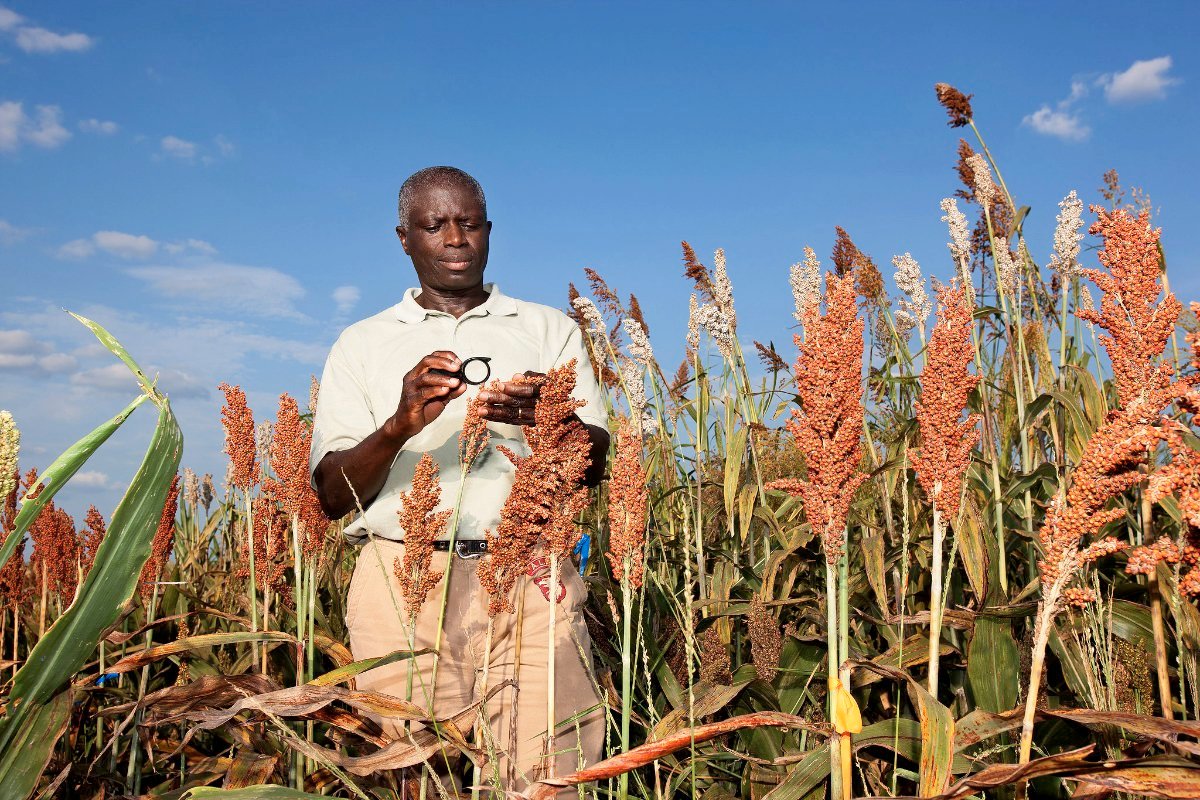
In regions where barley or rye has historically thrived, we are seeing a shift in both the consistency and quality of the grains. For example, as temperatures rise, grains like barley may ripen earlier or experience stress due to prolonged periods of high heat. This stress can result in crops with higher sugar content and more intense flavors, but also a greater likelihood of producing grains with imbalances in their chemical makeup. These imbalances can lead to off-flavors in the final product, such as overly sweet or overly bitter notes.

Conversely, excessive rainfall or moisture can lead to the growth of mold and fungi on grains, which not only reduces the overall quality of the harvest but also changes the way grains ferment. When fermentation is altered by spoiled grains, it can lead to unexpected or undesirable flavor compounds in beer or whiskey, such as sourness or musty aromas.
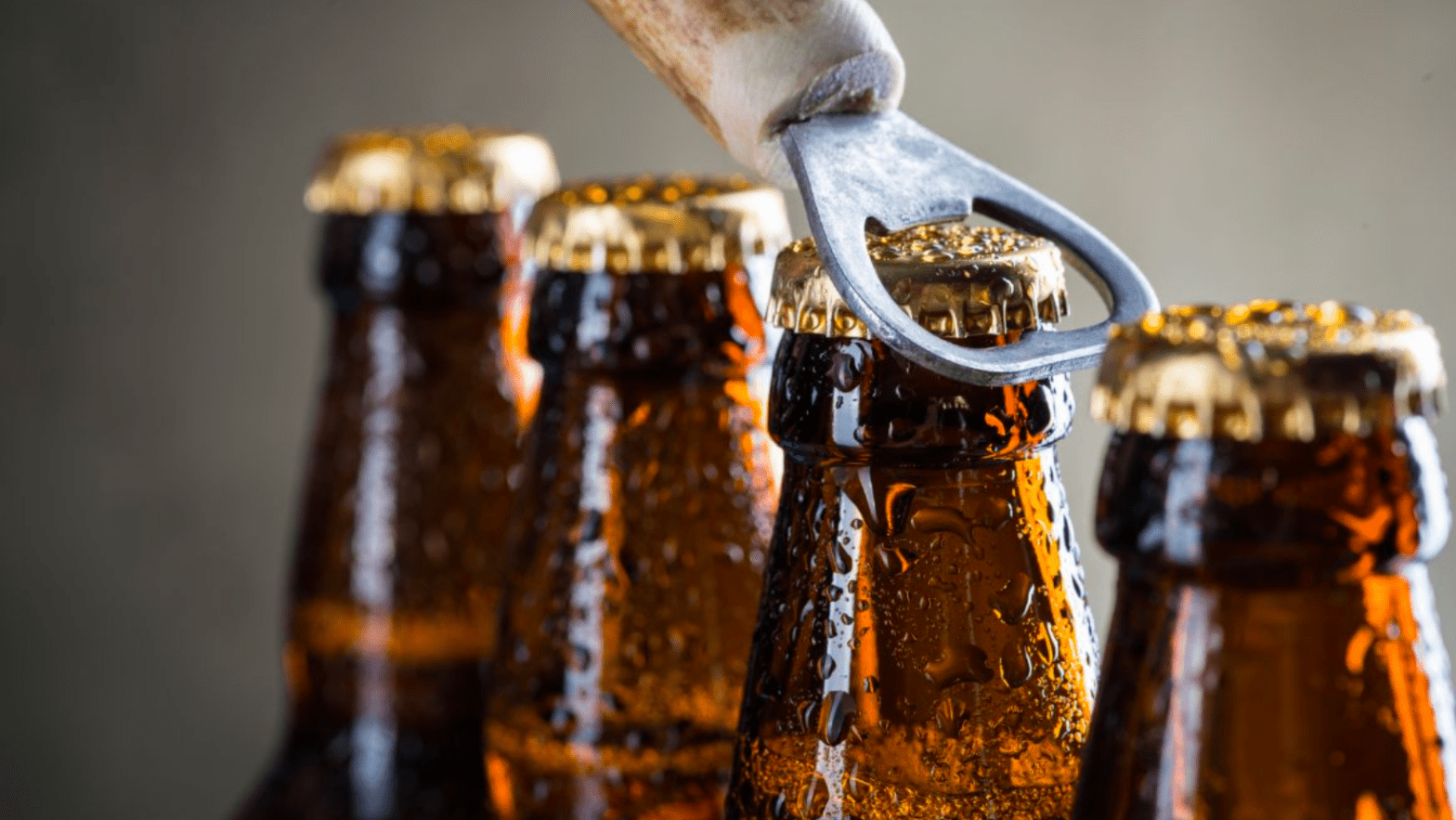
Unlock the Mysteries of Bottle Fermentation: Embrace the Power Within 2023!

Rising Temperatures and the Impact on Grain Composition

Higher global temperatures are one of the most evident effects of climate change. This increase in temperature can influence the biochemical processes within grains, impacting their starch and sugar content, proteins, and overall moisture levels. Barley, for example, is particularly sensitive to temperature changes. In warmer climates, barley may produce more sugars, which can result in higher alcohol content in beverages like beer or whiskey. However, the excess sugars can also distort the balance of the final product’s flavor, often resulting in overly sweet or cloying notes.

Moreover, elevated temperatures can also affect the protein structure in grains. Proteins play a significant role in the brewing and distilling processes, contributing to both the texture and the flavor of the final product. As proteins break down or form new compounds under higher temperatures, the end result can be a smoother, more refined mouthfeel, or conversely, a harsh and bitter aftertaste. This could be a challenge for distillers and brewers who are accustomed to achieving a specific taste profile through careful control over their ingredients.

The Role of Water Availability in Grain Flavor Profiles

Water is an essential component of any agricultural process, and its availability has a direct impact on the growth and flavor development of grains. In regions experiencing drought conditions due to climate change, water scarcity is becoming a pressing issue for farmers. Without sufficient water, grains may not mature fully, leading to a lack of balance in their composition. Underwatered grains can be smaller, more concentrated, and higher in sugars. While this might result in a more potent flavor in some cases, it could also cause a lack of complexity and depth in the final product.
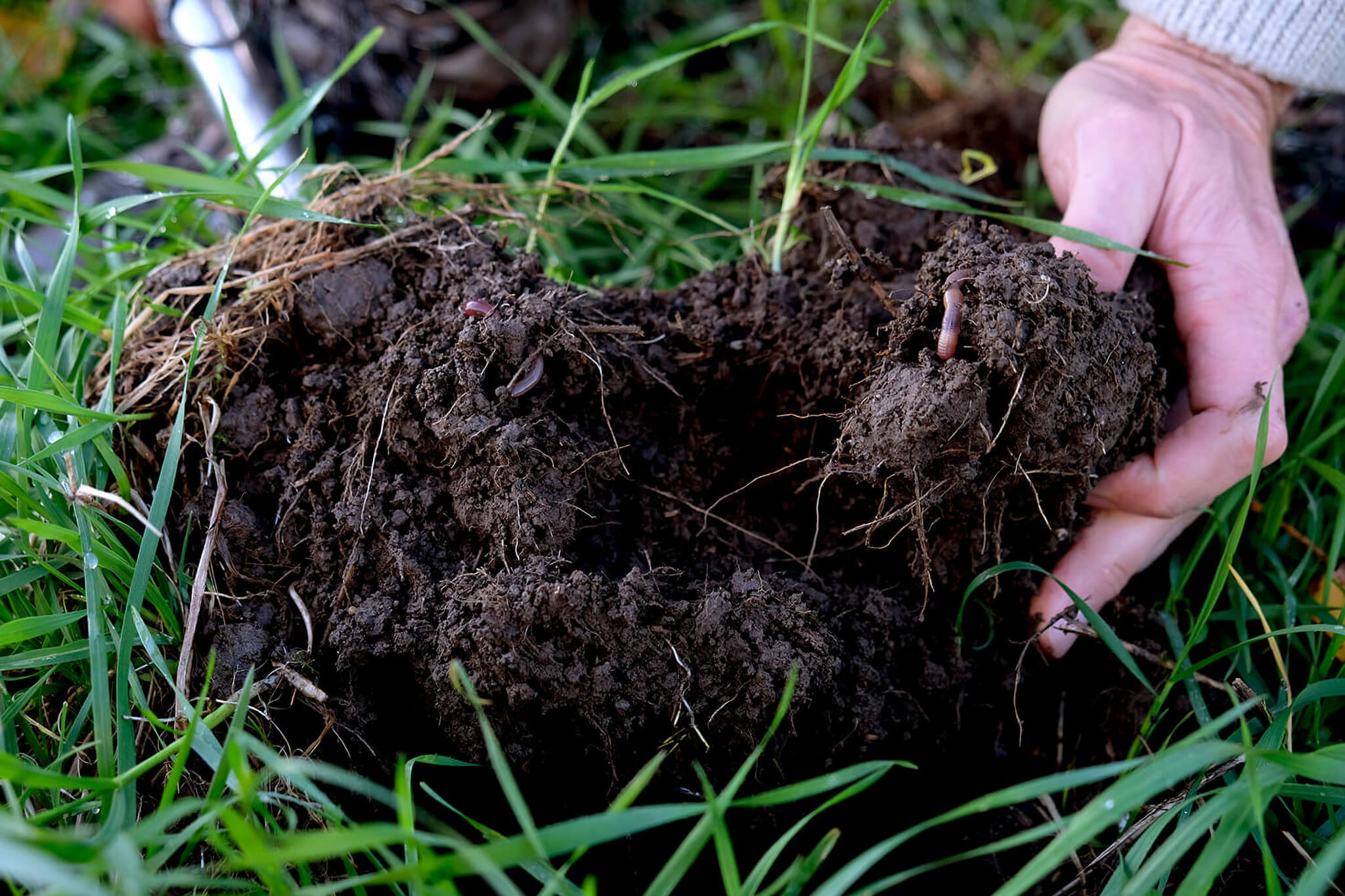
Terroir - Bruichladdich Distillery

In extreme cases, prolonged droughts can decimate crops entirely, forcing producers to seek alternative sources of grains. This could lead to the introduction of grains that are less suited to specific flavor profiles or produce more unstable fermentation results. As water availability becomes an increasingly unpredictable factor, brewers and distillers must adapt to new techniques and resources to maintain flavor consistency.

The Future of Grain-Based Products: Innovation and Adaptation

As climate change continues to transform grain-growing regions, the future of grain-based beverages may lie in innovation and adaptation. Some producers are already experimenting with drought-resistant grain varieties, crossbreeding different species to enhance flavor stability and ensure consistent yields. For example, some distilleries are testing hybrid barley strains that can withstand higher temperatures and are more resistant to disease. These new strains may offer a way to maintain flavor quality in the face of shifting environmental conditions.

Another potential solution is the use of climate-controlled environments to mitigate the effects of extreme weather. For example, some breweries have begun experimenting with indoor vertical farming, where temperature, humidity, and light can be carefully regulated to ensure optimal grain growth. This controlled farming method allows for more predictable and consistent grain quality, which is crucial for maintaining flavor profiles that consumers expect.

The craft beer and whiskey industries, in particular, are focusing on ways to incorporate sustainability practices into their processes. By focusing on regenerative agriculture, soil health, and water management, producers can not only help combat the negative effects of climate change but also create more resilient and flavorful products. These efforts may lead to the development of new, innovative grains that bring fresh flavors to the table, allowing the industry to stay ahead of the curve.

Conclusion: A New Era of Flavor

Climate change is an inescapable force that is altering the landscape of grain-driven beverages. From the warm, sun-kissed barley fields of Europe to the wild rye-growing regions of North America, the changing climate is impacting every stage of the grain production process. While some of these changes may introduce unexpected flavors, challenges, or opportunities, they are pushing producers to innovate and adapt in new ways.

For consumers, the changes in flavor profiles might be subtle at first, but over time, they will become more noticeable. Whether it’s a richer, more complex beer or a whiskey with a unique twist, the future of grain-driven flavors is bound to be fascinating and diverse. As we continue to explore the relationship between climate, terroir, and flavor, one thing is clear: the world of grain-based beverages is evolving, and its future holds exciting possibilities.

Tags: beer flavorterroirwhiskey production
ShareTweetShare

Related Posts

Can Beer Be an Effective Ingredient in Culinary Cooking?
ALL

Can Beer Be an Effective Ingredient in Culinary Cooking?

January 22, 2026
Second Fermentation in Champagne: Is It Really That Crucial?
ALL

Second Fermentation in Champagne: Is It Really That Crucial?

January 22, 2026
How Do Different Grains Impact the Flavor Profile of Distilled Spirits?
ALL

How Do Different Grains Impact the Flavor Profile of Distilled Spirits?

January 22, 2026
How Do Whiskey Master Blenders Create Perfection?
ALL

How Do Whiskey Master Blenders Create Perfection?

January 22, 2026
Wine Pairings: Can They Change the Flavor Profile of a Dish?
ALL

Wine Pairings: Can They Change the Flavor Profile of a Dish?

January 22, 2026
Beer the Ultimate Beverage for Pairing with Spicy Food?
ALL

Beer the Ultimate Beverage for Pairing with Spicy Food?

January 21, 2026
Leave Comment
  • Trending
  • Comments
  • Latest
What Hidden Craftsmanship Lies Behind a Bottle of Quality Grain Spirits?

What Hidden Craftsmanship Lies Behind a Bottle of Quality Grain Spirits?

July 3, 2025
How Is Champagne Made? The Secrets Behind the Sparkle

How Is Champagne Made? The Secrets Behind the Sparkle

April 15, 2025
Grain Spirits vs. Traditional Distilled Spirits: Which One Suits Your Taste?

Grain Spirits vs. Traditional Distilled Spirits: Which One Suits Your Taste?

July 3, 2025
Champagne Bubbles: How Do They Perfectly Convey Celebration, Joy, and Luxury?

Champagne Bubbles: How Do They Perfectly Convey Celebration, Joy, and Luxury?

July 2, 2025
The Timeless Elegance of Wine: A Journey Through History and Culture

The Timeless Elegance of Wine: A Journey Through History and Culture

Why Is Château Lafite Rothschild the Pinnacle of Fine Wine?

Why Is Château Lafite Rothschild the Pinnacle of Fine Wine?

How Did Château Lafite Rothschild Become a Global Icon of Luxury?

How Did Château Lafite Rothschild Become a Global Icon of Luxury?

What Makes Chateau Lafite Rothschild the Pinnacle of Bordeaux Wines?

What Makes Chateau Lafite Rothschild the Pinnacle of Bordeaux Wines?

Can Beer Be an Effective Ingredient in Culinary Cooking?

Can Beer Be an Effective Ingredient in Culinary Cooking?

January 22, 2026
Second Fermentation in Champagne: Is It Really That Crucial?

Second Fermentation in Champagne: Is It Really That Crucial?

January 22, 2026
How Do Different Grains Impact the Flavor Profile of Distilled Spirits?

How Do Different Grains Impact the Flavor Profile of Distilled Spirits?

January 22, 2026
How Do Whiskey Master Blenders Create Perfection?

How Do Whiskey Master Blenders Create Perfection?

January 22, 2026
SipsavorLife

Welcome to our comprehensive beverage guide, where you can explore the fascinating world of alcoholic drinks. From exquisite wines and rich whiskeys to refreshing beers and sparkling champagnes, we provide insights, tips, and recommendations for enthusiasts and casual drinkers alike. Discover your next favorite libation with us!

© 2025 sipsavorlife.com. contacts:sipsavorlife-35376@gmail.com

No Result
View All Result
  • Home
  • Wine
  • Whiskey
  • Beer
  • Grain Spirits
  • Champagne
  • ALL

© 2025 sipsavorlife.com. contacts:sipsavorlife-35376@gmail.com

Welcome Back!

Login to your account below

Forgotten Password?

Retrieve your password

Please enter your username or email address to reset your password.

Log In