




SipsavorLife
  • Home
  • Wine
    Wine Pairings: Can They Change the Flavor Profile of a Dish?

    Wine Pairings: Can They Change the Flavor Profile of a Dish?

    How Do Wine Glasses Influence the Tasting Experience?

    How Do Wine Glasses Influence the Tasting Experience?

    Is Organic Wine Healthier Than Conventional Wine?

    Is Organic Wine Healthier Than Conventional Wine?

    Why Do Some Wines Taste Better from Specific Vintages?

    Why Do Some Wines Taste Better from Specific Vintages?

    Wine Tasting: Can It Truly Be an Art Form?

    Wine Tasting: Can It Truly Be an Art Form?

    What Does Terroir Actually Mean for Your Wine?

    What Does Terroir Actually Mean for Your Wine?

  • Whiskey
    Can Beer Be an Effective Ingredient in Culinary Cooking?

    Can Beer Be an Effective Ingredient in Culinary Cooking?

    Second Fermentation in Champagne: Is It Really That Crucial?

    Second Fermentation in Champagne: Is It Really That Crucial?

    How Do Different Grains Impact the Flavor Profile of Distilled Spirits?

    How Do Different Grains Impact the Flavor Profile of Distilled Spirits?

    How Do Whiskey Master Blenders Create Perfection?

    How Do Whiskey Master Blenders Create Perfection?

    Wine Pairings: Can They Change the Flavor Profile of a Dish?

    Wine Pairings: Can They Change the Flavor Profile of a Dish?

    Beer the Ultimate Beverage for Pairing with Spicy Food?

    Beer the Ultimate Beverage for Pairing with Spicy Food?

  • Beer
    Can Beer Be an Effective Ingredient in Culinary Cooking?

    Can Beer Be an Effective Ingredient in Culinary Cooking?

    Beer the Ultimate Beverage for Pairing with Spicy Food?

    Beer the Ultimate Beverage for Pairing with Spicy Food?

    How Did Ancient Civilizations Brew Beer Without Modern Technology?

    How Did Ancient Civilizations Brew Beer Without Modern Technology?

    Is It Possible to Brew a Beer with No Alcohol and No Compromise on Taste?

    Is It Possible to Brew a Beer with No Alcohol and No Compromise on Taste?

    Why Does Beer Taste Different at High Altitudes?

    Why Does Beer Taste Different at High Altitudes?

    Is Hops the Secret Ingredient Behind Beer’s Bold Flavor?

    Is Hops the Secret Ingredient Behind Beer’s Bold Flavor?

  • Grain Spirits
    How Do Different Grains Impact the Flavor Profile of Distilled Spirits?

    How Do Different Grains Impact the Flavor Profile of Distilled Spirits?

    Grain Spirits the Unsung Heroes of Modern Mixology

    Grain Spirits the Unsung Heroes of Modern Mixology

    What Makes Grain-Based Whiskey So Different from Its Peated Cousins?

    What Makes Grain-Based Whiskey So Different from Its Peated Cousins?

    Grain Spirits: Could They Be the Next Big Trend in Craft Cocktails?

    Grain Spirits: Could They Be the Next Big Trend in Craft Cocktails?

    Why Are Grain Spirits Often Overlooked in the World of Fine Liquor?

    Why Are Grain Spirits Often Overlooked in the World of Fine Liquor?

    Is There a Secret Art to Distilling Grain Spirits?

    Is There a Secret Art to Distilling Grain Spirits?

  • Champagne
    Second Fermentation in Champagne: Is It Really That Crucial?

    Second Fermentation in Champagne: Is It Really That Crucial?

    The Science Behind the ‘Bubble Size’ in Champagne

    The Science Behind the ‘Bubble Size’ in Champagne

    Why Do Some Champagnes Use a High Proportion of Pinot Meunier?

    Why Do Some Champagnes Use a High Proportion of Pinot Meunier?

    Role of Terroir in Champagne Production

    Role of Terroir in Champagne Production

    Champagne Can Be Aged in Wood?

    Champagne Can Be Aged in Wood?

    Is There a Difference Between Blanc de Blancs and Blanc de Noirs Champagne?

    Is There a Difference Between Blanc de Blancs and Blanc de Noirs Champagne?

  • ALL
    Can Beer Be an Effective Ingredient in Culinary Cooking?

    Can Beer Be an Effective Ingredient in Culinary Cooking?

    Second Fermentation in Champagne: Is It Really That Crucial?

    Second Fermentation in Champagne: Is It Really That Crucial?

    How Do Different Grains Impact the Flavor Profile of Distilled Spirits?

    How Do Different Grains Impact the Flavor Profile of Distilled Spirits?

    How Do Whiskey Master Blenders Create Perfection?

    How Do Whiskey Master Blenders Create Perfection?

    Wine Pairings: Can They Change the Flavor Profile of a Dish?

    Wine Pairings: Can They Change the Flavor Profile of a Dish?

    Beer the Ultimate Beverage for Pairing with Spicy Food?

    Beer the Ultimate Beverage for Pairing with Spicy Food?

SipsavorLife
  • Home
  • Wine
    Wine Pairings: Can They Change the Flavor Profile of a Dish?

    Wine Pairings: Can They Change the Flavor Profile of a Dish?

    How Do Wine Glasses Influence the Tasting Experience?

    How Do Wine Glasses Influence the Tasting Experience?

    Is Organic Wine Healthier Than Conventional Wine?

    Is Organic Wine Healthier Than Conventional Wine?

    Why Do Some Wines Taste Better from Specific Vintages?

    Why Do Some Wines Taste Better from Specific Vintages?

    Wine Tasting: Can It Truly Be an Art Form?

    Wine Tasting: Can It Truly Be an Art Form?

    What Does Terroir Actually Mean for Your Wine?

    What Does Terroir Actually Mean for Your Wine?

  • Whiskey
    Can Beer Be an Effective Ingredient in Culinary Cooking?

    Can Beer Be an Effective Ingredient in Culinary Cooking?

    Second Fermentation in Champagne: Is It Really That Crucial?

    Second Fermentation in Champagne: Is It Really That Crucial?

    How Do Different Grains Impact the Flavor Profile of Distilled Spirits?

    How Do Different Grains Impact the Flavor Profile of Distilled Spirits?

    How Do Whiskey Master Blenders Create Perfection?

    How Do Whiskey Master Blenders Create Perfection?

    Wine Pairings: Can They Change the Flavor Profile of a Dish?

    Wine Pairings: Can They Change the Flavor Profile of a Dish?

    Beer the Ultimate Beverage for Pairing with Spicy Food?

    Beer the Ultimate Beverage for Pairing with Spicy Food?

  • Beer
    Can Beer Be an Effective Ingredient in Culinary Cooking?

    Can Beer Be an Effective Ingredient in Culinary Cooking?

    Beer the Ultimate Beverage for Pairing with Spicy Food?

    Beer the Ultimate Beverage for Pairing with Spicy Food?

    How Did Ancient Civilizations Brew Beer Without Modern Technology?

    How Did Ancient Civilizations Brew Beer Without Modern Technology?

    Is It Possible to Brew a Beer with No Alcohol and No Compromise on Taste?

    Is It Possible to Brew a Beer with No Alcohol and No Compromise on Taste?

    Why Does Beer Taste Different at High Altitudes?

    Why Does Beer Taste Different at High Altitudes?

    Is Hops the Secret Ingredient Behind Beer’s Bold Flavor?

    Is Hops the Secret Ingredient Behind Beer’s Bold Flavor?

  • Grain Spirits
    How Do Different Grains Impact the Flavor Profile of Distilled Spirits?

    How Do Different Grains Impact the Flavor Profile of Distilled Spirits?

    Grain Spirits the Unsung Heroes of Modern Mixology

    Grain Spirits the Unsung Heroes of Modern Mixology

    What Makes Grain-Based Whiskey So Different from Its Peated Cousins?

    What Makes Grain-Based Whiskey So Different from Its Peated Cousins?

    Grain Spirits: Could They Be the Next Big Trend in Craft Cocktails?

    Grain Spirits: Could They Be the Next Big Trend in Craft Cocktails?

    Why Are Grain Spirits Often Overlooked in the World of Fine Liquor?

    Why Are Grain Spirits Often Overlooked in the World of Fine Liquor?

    Is There a Secret Art to Distilling Grain Spirits?

    Is There a Secret Art to Distilling Grain Spirits?

  • Champagne
    Second Fermentation in Champagne: Is It Really That Crucial?

    Second Fermentation in Champagne: Is It Really That Crucial?

    The Science Behind the ‘Bubble Size’ in Champagne

    The Science Behind the ‘Bubble Size’ in Champagne

    Why Do Some Champagnes Use a High Proportion of Pinot Meunier?

    Why Do Some Champagnes Use a High Proportion of Pinot Meunier?

    Role of Terroir in Champagne Production

    Role of Terroir in Champagne Production

    Champagne Can Be Aged in Wood?

    Champagne Can Be Aged in Wood?

    Is There a Difference Between Blanc de Blancs and Blanc de Noirs Champagne?

    Is There a Difference Between Blanc de Blancs and Blanc de Noirs Champagne?

  • ALL
    Can Beer Be an Effective Ingredient in Culinary Cooking?

    Can Beer Be an Effective Ingredient in Culinary Cooking?

    Second Fermentation in Champagne: Is It Really That Crucial?

    Second Fermentation in Champagne: Is It Really That Crucial?

    How Do Different Grains Impact the Flavor Profile of Distilled Spirits?

    How Do Different Grains Impact the Flavor Profile of Distilled Spirits?

    How Do Whiskey Master Blenders Create Perfection?

    How Do Whiskey Master Blenders Create Perfection?

    Wine Pairings: Can They Change the Flavor Profile of a Dish?

    Wine Pairings: Can They Change the Flavor Profile of a Dish?

    Beer the Ultimate Beverage for Pairing with Spicy Food?

    Beer the Ultimate Beverage for Pairing with Spicy Food?

SipsavorLife
No Result
View All Result
Home ALL

Is the Angel’s Share Poetry—or Pure Physics?

January 6, 2026
in ALL, Whiskey
Is the Angel’s Share Poetry—or Pure Physics?

Whiskey, wine, and other spirits have long been revered for their ability to enchant the senses, evoke memories, and, in some cases, even spark the philosophical question: What is the essence of this drink? This question deepens when you consider the age-old phrase: the “Angel’s Share.” A term used in the world of whiskey and wine-making to describe the portion of spirit lost to evaporation during aging, the Angel’s Share symbolizes both the art and the science of crafting an exceptional beverage. But is it just a poetic metaphor—or is there a deeper, scientifically grounded phenomenon at play? To answer this, we need to delve into both the artistic process of distillation and the pure physics that governs evaporation.

The Angel’s Share: A Historical and Artistic Metaphor

The phrase “Angel’s Share” is rich in romantic imagery. It evokes the image of ethereal beings gently claiming their share of the aging liquid as it sits in oak barrels or casks, deep within the cellars of distilleries or wineries. However, like many things in the world of spirits, this poetic image isn’t just for flair. It encapsulates a process rooted in centuries of tradition, where master distillers and winemakers work to balance the right amount of evaporation with the right environmental conditions.

This idea of a “gift” from the barrels or casks, often romanticized in literature and films, plays a crucial role in the development of flavors. As the liquid evaporates, volatile compounds, primarily alcohol and water, leave the barrel. But in doing so, they create space for oxygen to enter, facilitating slow oxidation and the mellowing of harsher, more youthful flavors. This is the process that helps produce the smooth, complex profiles that whiskey drinkers crave, and the balanced bouquet of aromas found in wines.

But behind the romanticism lies the cold, hard science that turns this seemingly mystical process into a practical and measurable phenomenon.

The Science Behind the Angel’s Share

At its core, the loss of liquid in the barrel is driven by evaporation, which is governed by the principles of thermodynamics. When a liquid sits in an environment with fluctuating temperatures and humidity—like a distillery cellar—the molecules within the liquid become agitated. The lighter molecules, such as ethanol (alcohol), have a lower boiling point than water. As the liquid sits in the barrel and the temperature rises, these molecules gain enough energy to overcome the surface tension of the liquid and evaporate into the surrounding air.

This is where the physics come into play. The rate at which a liquid evaporates is influenced by factors like:
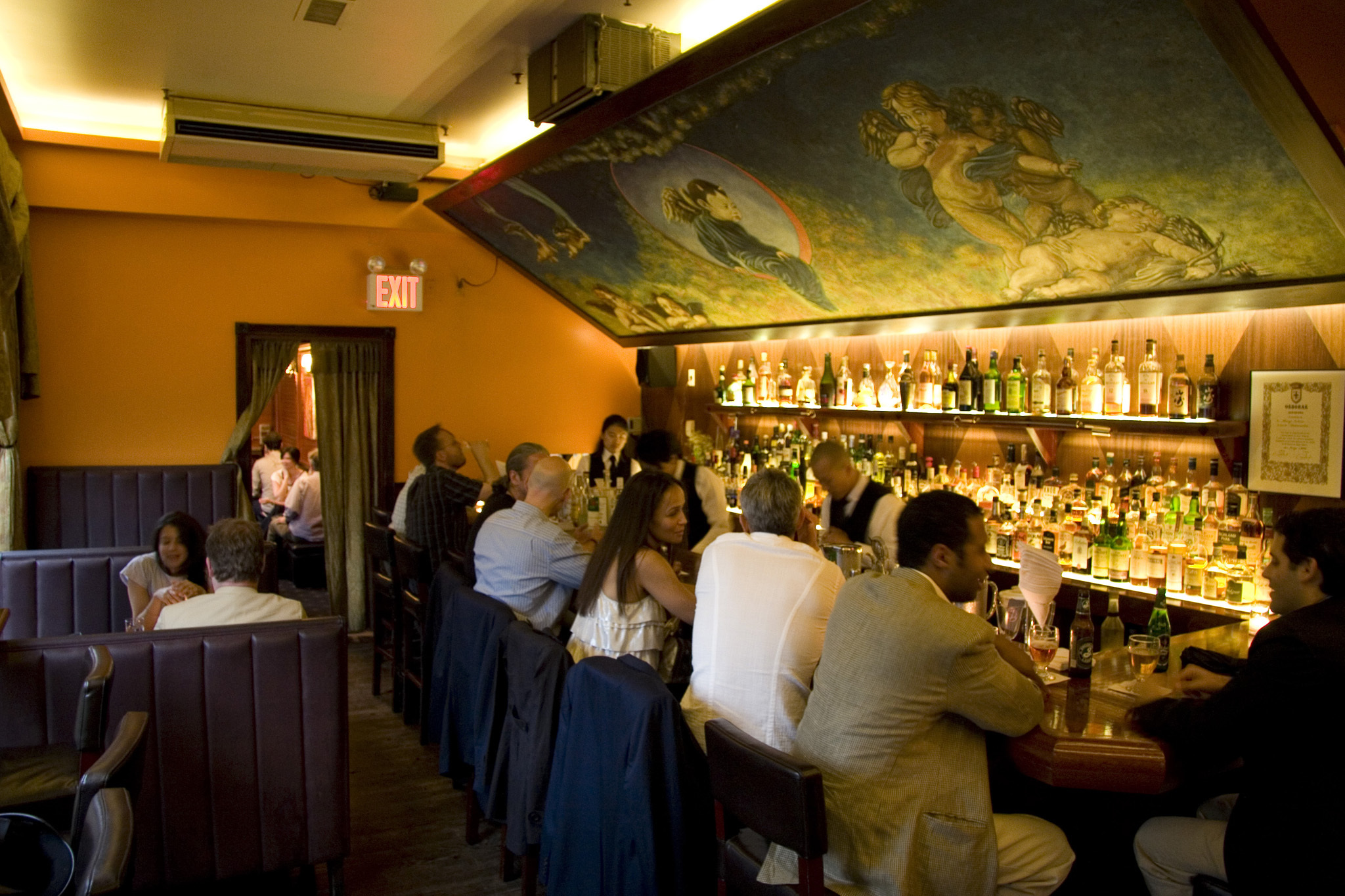
Angel's Share Returns to the West Village, Still a Temple to Patience and  Precision
  • Temperature: Higher temperatures cause more molecules to gain enough energy to escape the liquid phase.
  • Airflow: Increased airflow around the barrel can cause more rapid evaporation.
  • Barrel Size: The surface area of the liquid in contact with the air affects how quickly evaporation can occur. Larger barrels generally result in greater evaporation due to increased surface area.
  • Humidity: In a drier environment, the evaporation process is quicker because the air can absorb more moisture.

How Much of the Spirit is Lost?

Typically, distillers can expect anywhere from 2% to 5% of the contents of a barrel to evaporate annually. Over a decade of aging, this can result in a significant reduction in the total volume of the spirit. While much of this loss is ethanol, it also includes other volatile compounds that influence the aroma and flavor of the final product. In essence, the “angels” are not just taking away alcohol—they are stealing the very essence of the drink, leaving behind a more complex, concentrated character.

This natural evaporation process is most noticeable in hotter, drier climates. For example, whiskey aged in Kentucky’s humid climate will lose a greater proportion of alcohol to evaporation than whiskey aged in Scotland’s cooler, wetter environment. In places like Kentucky, the loss could reach 7% or more per year, while Scotch whisky might lose only 2% annually. This difference can affect not only the flavor profile but also the concentration of certain compounds, such as tannins from the oak, which contribute to the drink’s final taste.

The Barrel’s Role in the Angel’s Share

While evaporation is key to the Angel’s Share, the barrel in which the liquid is aged also plays a significant role. Most spirits are aged in wooden barrels, often oak, which is known for its porous nature. This allows air to flow in and out, facilitating oxidation and evaporation. The interaction between the spirit and the wood also contributes essential flavors—vanilla, caramel, spice, and smoke are all derived from the wood’s chemical composition.

Moreover, the process of “oak extraction”—where compounds from the wood are absorbed into the liquid—is an ongoing one. This interaction with the oak will change over time, enhancing the drink’s richness. However, the longer a spirit ages, the more likely the concentration of certain flavors will shift or even become unbalanced. This is where the delicate equilibrium between art and science comes into play. The loss of liquid over time, while diminishing the volume, is also concentrating the flavors, which is why aging plays such an important role in the development of a complex drink.

Ultrasound Ages Liquor Two Years in Just Three Days | NOVA | PBS

The Chemical Composition of the Angel’s Share

The evaporation of alcohol and water is just the tip of the iceberg when it comes to the science of the Angel’s Share. As the liquid ages, complex chemical reactions occur between the alcohol and the compounds within the barrel. Esters, for example, are formed when acids in the wood combine with alcohol. These esters contribute to fruity and floral aromas, which can lend a sense of depth and elegance to the spirit.

Other compounds, such as phenols and lignins from the oak, are also absorbed into the liquid during the aging process, adding smoky, spicy, or even savory notes. This is why a well-aged whiskey can develop such a complex profile—its flavors evolve as the spirit interacts with both the wood and the air inside the barrel. However, if the aging process is too long, these flavors can become overpowering or unbalanced, which is why distillers are often careful to monitor the conditions of aging.

Interestingly, not all of the Angel’s Share evaporates equally. The higher alcohols (often referred to as congeners), which contribute to the complexity and body of the spirit, are less volatile than ethanol and therefore evaporate more slowly. As a result, they remain in the barrel longer, which is why well-aged spirits tend to have a fuller, more rounded mouthfeel compared to younger counterparts.

The Poetic Side of the Angel’s Share

While much of the process of evaporation and aging can be explained through the lens of physics and chemistry, there is something undeniably poetic about the Angel’s Share. For centuries, distillers have embraced the mystery of this phenomenon, recognizing that nature, more than human craftsmanship, often determines the final character of a spirit. The evaporation of the Angel’s Share reflects the passage of time, which is itself a form of artistry.

The idea that an invisible force—whether angelic or scientific—could shape the flavor and character of a spirit is a testament to the connection between the maker and the natural world. In fact, the loss of the Angel’s Share is not seen as a misfortune but rather as an essential element of the maturation process. It’s the delicate dance between physics and artistry, where precise measurements and conditions interact with the timelessness of nature.

Conclusion: A Dance Between Poetry and Physics

In the end, the Angel’s Share is both poetry and physics. The poetic imagery of spirits evaporating into the ether is an elegant way to describe the scientific process of evaporation, oxidation, and concentration that shapes the final product. The loss of liquid, while steeped in romantic symbolism, can be fully explained by the principles of chemistry and thermodynamics. Yet, the result is a drink that feels almost magical, as though the very essence of time, wood, and air have imbued the liquid with a unique character.

So, the next time you sip on a finely aged whiskey, take a moment to consider both the science and the art behind it. The Angel’s Share, whether you see it as a tribute to the divine or a testament to the natural world, serves as a reminder that both poetry and physics are at work in the creation of something extraordinary.
Tags: bourbonwhiskey agingwhiskey production
ShareTweetShare

Related Posts

Can Beer Be an Effective Ingredient in Culinary Cooking?
ALL

Can Beer Be an Effective Ingredient in Culinary Cooking?

January 22, 2026
Second Fermentation in Champagne: Is It Really That Crucial?
ALL

Second Fermentation in Champagne: Is It Really That Crucial?

January 22, 2026
How Do Different Grains Impact the Flavor Profile of Distilled Spirits?
ALL

How Do Different Grains Impact the Flavor Profile of Distilled Spirits?

January 22, 2026
How Do Whiskey Master Blenders Create Perfection?
ALL

How Do Whiskey Master Blenders Create Perfection?

January 22, 2026
Wine Pairings: Can They Change the Flavor Profile of a Dish?
ALL

Wine Pairings: Can They Change the Flavor Profile of a Dish?

January 22, 2026
Beer the Ultimate Beverage for Pairing with Spicy Food?
ALL

Beer the Ultimate Beverage for Pairing with Spicy Food?

January 21, 2026
Leave Comment
  • Trending
  • Comments
  • Latest
What Hidden Craftsmanship Lies Behind a Bottle of Quality Grain Spirits?

What Hidden Craftsmanship Lies Behind a Bottle of Quality Grain Spirits?

July 3, 2025
How Is Champagne Made? The Secrets Behind the Sparkle

How Is Champagne Made? The Secrets Behind the Sparkle

April 15, 2025
Grain Spirits vs. Traditional Distilled Spirits: Which One Suits Your Taste?

Grain Spirits vs. Traditional Distilled Spirits: Which One Suits Your Taste?

July 3, 2025
Champagne Bubbles: How Do They Perfectly Convey Celebration, Joy, and Luxury?

Champagne Bubbles: How Do They Perfectly Convey Celebration, Joy, and Luxury?

July 2, 2025
The Timeless Elegance of Wine: A Journey Through History and Culture

The Timeless Elegance of Wine: A Journey Through History and Culture

Why Is Château Lafite Rothschild the Pinnacle of Fine Wine?

Why Is Château Lafite Rothschild the Pinnacle of Fine Wine?

How Did Château Lafite Rothschild Become a Global Icon of Luxury?

How Did Château Lafite Rothschild Become a Global Icon of Luxury?

What Makes Chateau Lafite Rothschild the Pinnacle of Bordeaux Wines?

What Makes Chateau Lafite Rothschild the Pinnacle of Bordeaux Wines?

Can Beer Be an Effective Ingredient in Culinary Cooking?

Can Beer Be an Effective Ingredient in Culinary Cooking?

January 22, 2026
Second Fermentation in Champagne: Is It Really That Crucial?

Second Fermentation in Champagne: Is It Really That Crucial?

January 22, 2026
How Do Different Grains Impact the Flavor Profile of Distilled Spirits?

How Do Different Grains Impact the Flavor Profile of Distilled Spirits?

January 22, 2026
How Do Whiskey Master Blenders Create Perfection?

How Do Whiskey Master Blenders Create Perfection?

January 22, 2026
SipsavorLife

Welcome to our comprehensive beverage guide, where you can explore the fascinating world of alcoholic drinks. From exquisite wines and rich whiskeys to refreshing beers and sparkling champagnes, we provide insights, tips, and recommendations for enthusiasts and casual drinkers alike. Discover your next favorite libation with us!

© 2025 sipsavorlife.com. contacts:sipsavorlife-35376@gmail.com

No Result
View All Result
  • Home
  • Wine
  • Whiskey
  • Beer
  • Grain Spirits
  • Champagne
  • ALL

© 2025 sipsavorlife.com. contacts:sipsavorlife-35376@gmail.com

Welcome Back!

Login to your account below

Forgotten Password?

Retrieve your password

Please enter your username or email address to reset your password.

Log In