






























Beer and wine are siblings in the world of alcoholic beverages, sharing a rich heritage rooted in agriculture, fermentation, and human creativity. Wine has long been celebrated for its ability to age gracefully, developing depth, complexity, and nuance over decades. Beer, on the other hand, has traditionally been viewed as a drink to be consumed fresh, prized for its hop aroma, carbonation, and crispness. But the question arises: can beer age like fine wine—or should it? The answer is not a simple yes or no. It depends on beer style, ingredients, storage conditions, and the drinker’s palate.
The Fundamentals of Beer and Wine Aging
To understand beer aging, it helps to compare it with wine. Both beer and wine undergo fermentation, converting sugars into alcohol through yeast activity. However, the starting materials differ: wine is typically made from grape juice, a relatively simple sugar-rich solution, whereas beer is brewed from malted grains, hops, water, and yeast. This fundamental difference impacts how the beverages respond to time.
Wine aging relies heavily on tannins, acids, and alcohol to preserve and evolve the liquid. Tannins act as antioxidants, slowing oxidation and allowing flavors to develop complexity. Beer has its own protective compounds—hops, alcohol, melanoidins, and phenols—but these are often less potent than the tannins found in wine. Additionally, beer styles vary widely in alcohol content and bitterness, both of which influence aging potential.
Oxidation and Its Role
Oxidation is the double-edged sword of aging. Controlled, slow oxidation can enrich flavors, adding notes of dried fruit, caramel, or toffee. Uncontrolled oxidation, however, produces stale, cardboard-like flavors. In wine, the presence of tannins, sugar, and higher alcohol helps manage oxidation. In beer, the same process occurs but with a smaller margin for error. Styles with higher alcohol—imperial stouts, barleywines, and Belgian quads—handle oxidation well and can develop beautiful aged profiles over years.
Yeast and Residual Sugars
Beer yeast continues to influence flavor after fermentation, particularly in bottle-conditioned or live beers. Residual sugars serve as a fuel for this ongoing process, leading to subtle changes over time. Wine yeast usually becomes inactive once fermentation finishes, leaving aging primarily in the hands of chemistry rather than microbiology. This difference explains why some beers can develop “bottle-aged” complexity, while others stagnate quickly.
Which Beers Age Well?
Not all beers are suitable for aging. Factors like alcohol content, hop bitterness, malt body, and bottle conditioning determine how well a beer can evolve. Here’s a breakdown of styles known to improve with time:
High-Alcohol Beers
- Imperial Stouts: Often 9–12% ABV or higher, these beers are rich in roasted malt, chocolate, coffee, and dark fruit flavors. Aging softens their initial harshness, allowing flavors to integrate. Over 3–10 years, a well-stored imperial stout can develop notes of leather, tobacco, and molasses.
- Barleywines: With ABV ranging from 8–12%, barleywines age similarly to wine. Over time, their caramel, toffee, and fruity esters become more pronounced, creating a smooth, complex drinking experience.
- Belgian Strong Dark Ales: These beers combine high alcohol with a medley of esters and spices. Aging can deepen fruity notes, mellow spice, and add a subtle oxidative character reminiscent of sherry.
Sour and Wild Beers
- Lambics and Gueuze: These spontaneously fermented beers rely on wild yeast and bacteria. Aging for several years develops layers of tartness, funk, and complexity that are highly prized by enthusiasts.
- Flanders Red Ale and Oud Bruin: These mixed fermentation beers benefit from oxidative aging in barrels, creating a harmonious balance between acidity, sweetness, and wood-derived flavors.

Other Candidates
- Certain Porters: While standard porters are best fresh, some robust versions with higher alcohol and malt content can age gracefully for 2–5 years.
- Bottle-Conditioned Beers: Beers with live yeast in the bottle can evolve over time, especially if they are well-sealed and stored correctly.
Beers That Should Not Age
Not every beer benefits from aging. Fresh hop character, delicate aromatics, and low alcohol make many beers best enjoyed young:
- Pale Ales and IPAs: The hoppy freshness is the core appeal. Over time, hop aromas fade and bitterness softens, often leaving a dull, flat beer.
- Wheat Beers: Beers like Hefeweizen or Witbier are prized for their yeast-driven fruit and spice aromas, which diminish quickly.
- Session Beers: Lower-alcohol beers designed for immediate refreshment rarely improve with time.
In essence, if a beer’s identity depends on freshness, aging will likely harm it. If the beer is robust, high in alcohol, or intentionally complex, aging can enhance it.
Storage Conditions Matter
Aging beer successfully requires attention to environmental factors:
Temperature
- Ideal: 50–60°F (10–15°C). Cooler temperatures slow chemical reactions, while warmer temperatures accelerate undesirable oxidation.
- Avoid: Fluctuating temperatures, which stress the beer and can produce off-flavors.
Light Exposure
- Light, especially sunlight or fluorescent light, interacts with hops to produce “skunky” compounds. Beer should always be stored in dark conditions or in brown bottles.
Position
- Unlike wine, beer is usually stored upright. This keeps yeast sediment settled at the bottom, minimizing off-flavors from autolysis.
Time
- Patience is essential. While some high-alcohol beers can age for decades, most beers benefit from a 1–5 year aging window. Beyond that, flavors can plateau or deteriorate.

Flavor Evolution Over Time
Aging beer changes flavor in complex ways:
- Sweetness and Maltiness: Caramel, toffee, and chocolate notes often intensify.
- Bitterness: Hops degrade, reducing sharp bitterness but sometimes leaving a soft, earthy character.
- Fruitiness and Esters: Belgian-style beers often develop richer fruit esters, reminiscent of raisins, figs, or dark cherries.
- Oxidation Notes: Notes like sherry, leather, or tobacco can emerge if controlled carefully.
Unlike wine, beer rarely develops the same structured tannic backbone, meaning aging works best for specific, robust styles rather than delicate ones.
The Role of Brewing Innovation
Modern craft breweries have embraced aging as an art form. Barrel-aging programs, blending, and experimental fermentation have created beers that can rival fine wine in complexity. Consider:
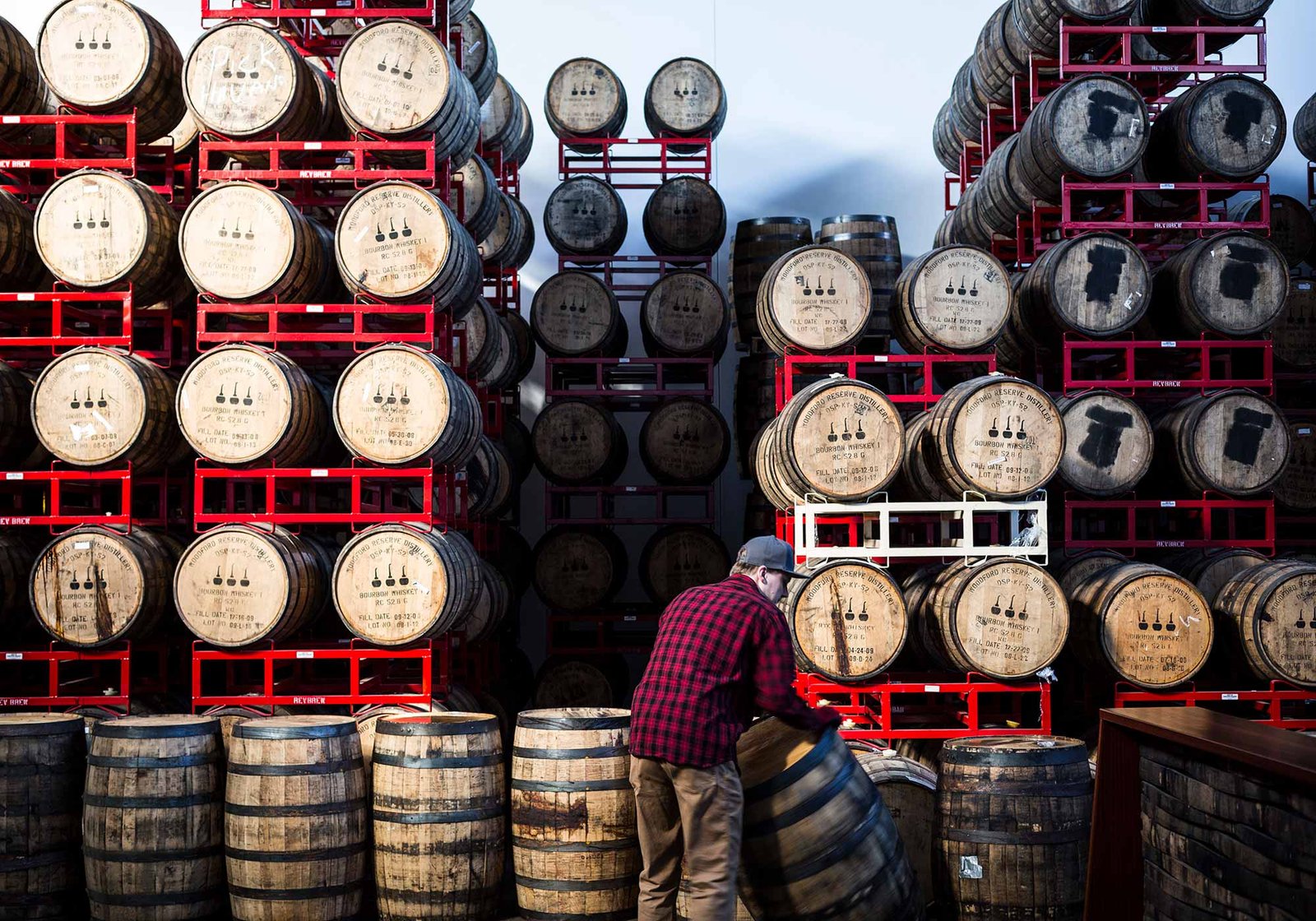
- Barrel-Aged Beers: Aging in bourbon, wine, or rum barrels imparts wood tannins, residual spirits, and subtle oxidation—flavors that develop further over years.
- Blending: Just as winemakers blend vintages for complexity, some brewers mix fresh and aged beer to create nuanced profiles.
- Experimental Fermentation: Wild yeasts, mixed cultures, and spontaneous fermentation introduce layers of flavor that evolve uniquely over time.
These innovations show that beer aging is not just about letting time pass; it’s about understanding chemistry, microbiology, and artistry.
Pairing Aged Beer
Aged beers can be paired like fine wines, with food enhancing or complementing flavors:
- Imperial Stouts: Pair with chocolate desserts, smoked meats, or strong cheeses.
- Barleywines: Excellent with roasted nuts, blue cheese, or rich stews.
- Sour Beers: Complement with creamy cheeses, cured meats, or fruit-based dishes.
The key is to balance intensity: aged beer often has bold flavors that can overwhelm delicate dishes.
The Collector’s Perspective
Beer aging has sparked a niche collector’s market, where enthusiasts carefully curate bottles like wine connoisseurs. Factors affecting collectible value include:
- Brewery Reputation: Limited-release or critically acclaimed beers often appreciate in desirability over time.
- Style Suitability: Robust, complex, and high-alcohol beers are preferred.
- Packaging Integrity: Wax seals, sturdy bottles, and minimal headspace reduce spoilage risk.
- Storage History: Consistent, controlled storage maintains flavor and value.
While beer rarely reaches the astronomical price points of fine wine, rare aged bottles can become prized possessions in the craft beer community.
Should You Age Beer?
The decision to age beer depends on both science and personal preference:
- Experiment: Start with small quantities of high-alcohol or barrel-aged beers to see how your palate reacts over months or years.
- Understand Style: Avoid aging delicate, hop-forward beers; embrace robust, complex styles.
- Monitor Storage: Keep temperature, light, and position consistent.
- Enjoy the Journey: Aging beer is as much about the anticipation and observation as the final tasting.
In essence, beer aging is a selective art. Not every beer will improve with time, but the right beer in the right conditions can develop a richness and complexity that rivals fine wine.
Conclusion
Beer may never fully emulate wine in aging potential due to differences in composition and preservation mechanisms, but that does not mean it cannot evolve beautifully. For styles designed to age—imperial stouts, barleywines, Belgian strong ales, and select sours—the passage of time transforms flavor, aroma, and mouthfeel into something deeper, more nuanced, and uniquely rewarding.
Rather than asking whether beer can age like fine wine, the better question may be: which beers are meant to tell their stories over years, and how can we best listen? With knowledge, care, and curiosity, beer aging can be an adventure, offering flavors that are as rich and varied as the craft beer movement itself.










