



















SipsavorLife
  • Home
  • Wine
    The History, Culture, and Global Influence of Humanity’s Most Celebrated Beverage

    The Wine Revolution: How Modern Winemaking Transformed a Global Industry

    The History, Culture, and Global Influence of Humanity’s Most Celebrated Beverage

    Wine Styles of the World: A Complete Guide to Red, White, Rosé, Sparkling, and Fortified Wines

    The History, Culture, and Global Influence of Humanity’s Most Celebrated Beverage

    The Global Wine Industry: Markets, Trade, Tourism, and Economic Impact

    The History, Culture, and Global Influence of Humanity’s Most Celebrated Beverage

    The Science of Wine: Grapes, Fermentation, and Flavor Development

    The History, Culture, and Global Influence of Humanity’s Most Celebrated Beverage

    The History, Culture, and Global Influence of Humanity’s Most Celebrated Beverage

    The Cultural History of Wine: From Ancient Rituals to Modern Luxury

    The Psychology of Wine: Why Humans Associate Wine with Emotion, Memory, and Identity

  • Whiskey
    Can Beer Be an Effective Ingredient in Culinary Cooking?

    Can Beer Be an Effective Ingredient in Culinary Cooking?

    Second Fermentation in Champagne: Is It Really That Crucial?

    Second Fermentation in Champagne: Is It Really That Crucial?

    How Do Different Grains Impact the Flavor Profile of Distilled Spirits?

    How Do Different Grains Impact the Flavor Profile of Distilled Spirits?

    How Do Whiskey Master Blenders Create Perfection?

    How Do Whiskey Master Blenders Create Perfection?

    Wine Pairings: Can They Change the Flavor Profile of a Dish?

    Wine Pairings: Can They Change the Flavor Profile of a Dish?

    Beer the Ultimate Beverage for Pairing with Spicy Food?

    Beer the Ultimate Beverage for Pairing with Spicy Food?

  • Beer
    Malt Beer: Why Does Its Sweet Malty Aroma Always Bring Endless Satisfaction?

    The Craft Beer Revolution: How Independent Breweries Changed the World of Beer

    Beer: The World’s Oldest and Most Influential Beverage

    Beer Styles of the World: A Complete Guide to Lager, Ale, Stout, IPA, and Beyond

    Beer: The World’s Oldest and Most Influential Beverage

    The Global Beer Industry: Markets, Brands, and Economic Impact

    Beer: The World’s Oldest and Most Influential Beverage

    The Science of Beer: Ingredients, Fermentation, and Flavor

    Beer: The World’s Oldest and Most Influential Beverage

    Beer: The World’s Oldest and Most Influential Beverage

    Beer as a Cultural and Social Force: From Ancient Brew to Modern Identity

    Women in Brewing: The Untold History and Modern Transformation of Beer Culture

  • Grain Spirits
    Grain Spirits: The Origins, Science, and Global Evolution of Distilled Grain Alcohol

    Bourbon: America’s Native Grain Spirit and the Global Story of Corn, Oak, Fire, and Time

    Grain Spirits: The Origins, Science, and Global Evolution of Distilled Grain Alcohol

    Gin: Botanicals, History, Cocktail Culture, and the Artistic Evolution of the World’s Most Aromatic Grain Spirit

    Grain Spirits: The Origins, Science, and Global Evolution of Distilled Grain Alcohol

    Vodka: The Global Rise of the World’s Most Versatile Grain Spirit

    Grain Spirits: The Origins, Science, and Global Evolution of Distilled Grain Alcohol

    Whiskey and the Soul of Grain Spirits: History, Craftsmanship, Culture, and the Global Rise of the World’s Most Iconic Distilled Grain Beverage

    Grain Spirits: The Origins, Science, and Global Evolution of Distilled Grain Alcohol

    Grain Spirits: The Origins, Science, and Global Evolution of Distilled Grain Alcohol

    Grain Spirits Explained — The Foundation of Global Distillation

    The Future of Grain Spirits — Technology, Sustainability, and the Next Era of Distillation

  • Champagne
    Champagne: The Sparkling Wine That Changed Global Celebration Culture

    Dom Pérignon, Cristal, Krug, and Beyond: The World’s Most Famous Champagne Houses and Their Legacy

    Champagne Beyond Celebration: The History, Craftsmanship, and Global Influence of the World’s Most Iconic Sparkling Wine

    The Future of Champagne: Climate Change, Innovation, Sustainability, and the Next Era of Sparkling Wine

    Champagne Beyond Celebration: The History, Craftsmanship, and Global Influence of the World’s Most Iconic Sparkling Wine

    Champagne and Luxury Culture: How Sparkling Wine Became a Global Symbol of Wealth, Celebration, and Prestige

    Champagne Beyond Celebration: The History, Craftsmanship, and Global Influence of the World’s Most Iconic Sparkling Wine

    The Art of Champagne Production: Inside the Science, Skill, and Tradition Behind Every Bottle

    Champagne Beyond Celebration: The History, Craftsmanship, and Global Influence of the World’s Most Iconic Sparkling Wine

    Champagne Beyond Celebration: The History, Craftsmanship, and Global Influence of the World’s Most Iconic Sparkling Wine

    Champagne: The Sparkling Wine That Changed Global Celebration Culture

    Champagne vs Prosecco vs Cava: How the World’s Sparkling Wines Reflect Culture, Geography, and Taste

  • ALL
    Can Beer Be an Effective Ingredient in Culinary Cooking?

    Can Beer Be an Effective Ingredient in Culinary Cooking?

    Second Fermentation in Champagne: Is It Really That Crucial?

    Second Fermentation in Champagne: Is It Really That Crucial?

    How Do Different Grains Impact the Flavor Profile of Distilled Spirits?

    How Do Different Grains Impact the Flavor Profile of Distilled Spirits?

    How Do Whiskey Master Blenders Create Perfection?

    How Do Whiskey Master Blenders Create Perfection?

    Wine Pairings: Can They Change the Flavor Profile of a Dish?

    Wine Pairings: Can They Change the Flavor Profile of a Dish?

    Beer the Ultimate Beverage for Pairing with Spicy Food?

    Beer the Ultimate Beverage for Pairing with Spicy Food?

SipsavorLife
  • Home
  • Wine
    The History, Culture, and Global Influence of Humanity’s Most Celebrated Beverage

    The Wine Revolution: How Modern Winemaking Transformed a Global Industry

    The History, Culture, and Global Influence of Humanity’s Most Celebrated Beverage

    Wine Styles of the World: A Complete Guide to Red, White, Rosé, Sparkling, and Fortified Wines

    The History, Culture, and Global Influence of Humanity’s Most Celebrated Beverage

    The Global Wine Industry: Markets, Trade, Tourism, and Economic Impact

    The History, Culture, and Global Influence of Humanity’s Most Celebrated Beverage

    The Science of Wine: Grapes, Fermentation, and Flavor Development

    The History, Culture, and Global Influence of Humanity’s Most Celebrated Beverage

    The History, Culture, and Global Influence of Humanity’s Most Celebrated Beverage

    The Cultural History of Wine: From Ancient Rituals to Modern Luxury

    The Psychology of Wine: Why Humans Associate Wine with Emotion, Memory, and Identity

  • Whiskey
    Can Beer Be an Effective Ingredient in Culinary Cooking?

    Can Beer Be an Effective Ingredient in Culinary Cooking?

    Second Fermentation in Champagne: Is It Really That Crucial?

    Second Fermentation in Champagne: Is It Really That Crucial?

    How Do Different Grains Impact the Flavor Profile of Distilled Spirits?

    How Do Different Grains Impact the Flavor Profile of Distilled Spirits?

    How Do Whiskey Master Blenders Create Perfection?

    How Do Whiskey Master Blenders Create Perfection?

    Wine Pairings: Can They Change the Flavor Profile of a Dish?

    Wine Pairings: Can They Change the Flavor Profile of a Dish?

    Beer the Ultimate Beverage for Pairing with Spicy Food?

    Beer the Ultimate Beverage for Pairing with Spicy Food?

  • Beer
    Malt Beer: Why Does Its Sweet Malty Aroma Always Bring Endless Satisfaction?

    The Craft Beer Revolution: How Independent Breweries Changed the World of Beer

    Beer: The World’s Oldest and Most Influential Beverage

    Beer Styles of the World: A Complete Guide to Lager, Ale, Stout, IPA, and Beyond

    Beer: The World’s Oldest and Most Influential Beverage

    The Global Beer Industry: Markets, Brands, and Economic Impact

    Beer: The World’s Oldest and Most Influential Beverage

    The Science of Beer: Ingredients, Fermentation, and Flavor

    Beer: The World’s Oldest and Most Influential Beverage

    Beer: The World’s Oldest and Most Influential Beverage

    Beer as a Cultural and Social Force: From Ancient Brew to Modern Identity

    Women in Brewing: The Untold History and Modern Transformation of Beer Culture

  • Grain Spirits
    Grain Spirits: The Origins, Science, and Global Evolution of Distilled Grain Alcohol

    Bourbon: America’s Native Grain Spirit and the Global Story of Corn, Oak, Fire, and Time

    Grain Spirits: The Origins, Science, and Global Evolution of Distilled Grain Alcohol

    Gin: Botanicals, History, Cocktail Culture, and the Artistic Evolution of the World’s Most Aromatic Grain Spirit

    Grain Spirits: The Origins, Science, and Global Evolution of Distilled Grain Alcohol

    Vodka: The Global Rise of the World’s Most Versatile Grain Spirit

    Grain Spirits: The Origins, Science, and Global Evolution of Distilled Grain Alcohol

    Whiskey and the Soul of Grain Spirits: History, Craftsmanship, Culture, and the Global Rise of the World’s Most Iconic Distilled Grain Beverage

    Grain Spirits: The Origins, Science, and Global Evolution of Distilled Grain Alcohol

    Grain Spirits: The Origins, Science, and Global Evolution of Distilled Grain Alcohol

    Grain Spirits Explained — The Foundation of Global Distillation

    The Future of Grain Spirits — Technology, Sustainability, and the Next Era of Distillation

  • Champagne
    Champagne: The Sparkling Wine That Changed Global Celebration Culture

    Dom Pérignon, Cristal, Krug, and Beyond: The World’s Most Famous Champagne Houses and Their Legacy

    Champagne Beyond Celebration: The History, Craftsmanship, and Global Influence of the World’s Most Iconic Sparkling Wine

    The Future of Champagne: Climate Change, Innovation, Sustainability, and the Next Era of Sparkling Wine

    Champagne Beyond Celebration: The History, Craftsmanship, and Global Influence of the World’s Most Iconic Sparkling Wine

    Champagne and Luxury Culture: How Sparkling Wine Became a Global Symbol of Wealth, Celebration, and Prestige

    Champagne Beyond Celebration: The History, Craftsmanship, and Global Influence of the World’s Most Iconic Sparkling Wine

    The Art of Champagne Production: Inside the Science, Skill, and Tradition Behind Every Bottle

    Champagne Beyond Celebration: The History, Craftsmanship, and Global Influence of the World’s Most Iconic Sparkling Wine

    Champagne Beyond Celebration: The History, Craftsmanship, and Global Influence of the World’s Most Iconic Sparkling Wine

    Champagne: The Sparkling Wine That Changed Global Celebration Culture

    Champagne vs Prosecco vs Cava: How the World’s Sparkling Wines Reflect Culture, Geography, and Taste

  • ALL
    Can Beer Be an Effective Ingredient in Culinary Cooking?

    Can Beer Be an Effective Ingredient in Culinary Cooking?

    Second Fermentation in Champagne: Is It Really That Crucial?

    Second Fermentation in Champagne: Is It Really That Crucial?

    How Do Different Grains Impact the Flavor Profile of Distilled Spirits?

    How Do Different Grains Impact the Flavor Profile of Distilled Spirits?

    How Do Whiskey Master Blenders Create Perfection?

    How Do Whiskey Master Blenders Create Perfection?

    Wine Pairings: Can They Change the Flavor Profile of a Dish?

    Wine Pairings: Can They Change the Flavor Profile of a Dish?

    Beer the Ultimate Beverage for Pairing with Spicy Food?

    Beer the Ultimate Beverage for Pairing with Spicy Food?

SipsavorLife
No Result
View All Result
Home ALL

Are We Underestimating Corn’s Role in Premium Spirits?

January 6, 2026
in ALL, Grain Spirits
Are We Underestimating Corn’s Role in Premium Spirits?

Corn—maize, golden grain, or simply the humble kernel—has long been a cornerstone of agricultural economies, animal feed, and breakfast tables. Yet, in the world of premium spirits, its role is often overshadowed by more “glamorous” grains like barley, rye, or wheat. Bourbon enthusiasts might nod in agreement, but outside of the United States, corn’s potential in luxury spirits is frequently underestimated. Today, we’re taking a deep dive into why corn deserves a spotlight, examining its chemistry, versatility, flavor contribution, and future in premium spirits.


The Basics: Corn as a Spirit Grain

Corn is a C4 grass, meaning it follows a specialized photosynthetic process that makes it highly efficient at converting sunlight into sugars. These sugars—primarily starches—are the foundation for fermentable sugars, which yeasts transform into alcohol. This biochemical property makes corn uniquely suitable for distillation.

Unlike barley, which contains malt enzymes to break down starches naturally, corn must often rely on external enzymes or malted grains to convert its starch into fermentable sugars. This technical nuance is why corn-based spirits often involve additional craftsmanship in their production. However, when managed carefully, corn offers a rich canvas for flavor development, producing spirits with creamy textures, subtle sweetness, and soft, approachable mouthfeel.


Historical Context: Corn in the Spirit World

Corn’s prominence in spirits is not a new phenomenon. Bourbon, the quintessential American whiskey, mandates a mash bill of at least 51% corn. This legal requirement highlights corn’s deep cultural and historical significance in U.S. distillation traditions. Historically, corn was abundant, inexpensive, and easy to store, making it a natural choice for frontier distillers. Its inherent sweetness helped mask the rough edges of early distillation techniques, creating palatable spirits for a growing market.

Globally, corn has had a quieter but notable presence. In Mexico, corn has long been integral to traditional distilled spirits, especially in regional expressions of aguardiente and certain artisanal liquors. Its adaptability across climates and mash styles proves that corn’s potential is not limited to bourbon alone.


Corn vs. Other Grains: Flavor Profiles and Perceptions

One reason corn may be underestimated is perception. Whisky purists often exalt barley and rye for their complexity and historical prestige. Barley lends maltiness and body, while rye contributes spice and bite. Corn, by contrast, is sometimes dismissed as “simple” or “sweet.” Yet, simplicity is misleading. Corn’s flavor profile is more subtle but deeply versatile:

  • Sweetness and Creaminess: Corn provides a naturally sweet, almost vanilla-like undertone that interacts harmoniously with oak aging.
  • Soft Mouthfeel: High starch content translates to a silky, smooth texture, particularly appealing in spirits aged for extended periods.
  • Neutral Backbone: Corn’s relatively neutral profile allows distillers to experiment with cask types, finishing techniques, and blends without overpowering delicate nuances.

This neutral yet pliable character is why premium brands are increasingly experimenting with high-corn mash bills, sometimes exceeding 70–80% corn, creating expressions that challenge the traditional “bourbon style” while maintaining luxury appeal.


Distillation Dynamics: Corn’s Technical Advantages

From a distillation standpoint, corn offers unique opportunities and challenges. Its high starch content can yield a robust fermentable base, resulting in higher alcohol potential. However, achieving this requires careful mashing and enzymatic conversion:

5 Corn Whiskeys to Try, Beyond Mellow Corn | PUNCH
  1. Cooking the Starch: Corn’s starch granules are dense and require gelatinization through heat. Traditional methods involve cooking corn slurry at precise temperatures to ensure complete conversion.
  2. Enzyme Assistance: Since corn lacks the necessary amylase enzymes for self-conversion, malted barley or commercial enzymes are often added. This step can influence flavor subtly, introducing nutty or malty undertones.
  3. Fermentation Behavior: Corn’s sugars ferment differently from rye or barley, often yielding slightly lower ester production. This translates to a softer, less fruity spirit, allowing wood aging to play a dominant flavor role.

In other words, corn’s technical profile makes it a dream canvas for distillers who want control over sweetness, body, and aging potential.


Aging Potential: How Corn Interacts with Wood

Aging is where corn really shines. Its sweetness and creamy texture interact with oak in ways that amplify complexity:

  • Vanilla and Caramel: Corn-based distillates readily absorb oak’s vanillin compounds, enhancing natural sweetness without masking the base spirit.
  • Silkiness: High corn content produces a viscous mouthfeel, which carries the wood flavors elegantly across the palate.
  • Blending Flexibility: Corn’s neutral yet rich backbone allows distillers to blend aged and young spirits seamlessly, crafting layered profiles that appeal to sophisticated consumers.

Interestingly, modern innovations in oak treatment—like toasted barrels, char levels, and hybrid woods—have expanded the flavor possibilities for corn spirits beyond traditional bourbon notes. Distillers are increasingly experimenting with European oak, Japanese Mizunara, and even wine casks, producing expressions that challenge old stereotypes about corn being “one-dimensional.”


Corn in the Global Premium Market

Bourbon has long been the poster child for corn-based spirits, but the global landscape is shifting:

  • Asia: Premium whiskey markets in Japan and Taiwan are experimenting with corn-rich mash bills to create softer, more approachable spirits that appeal to international palates.
  • Europe: Artisan distillers in Germany and Scotland are incorporating corn into experimental blends, pushing flavor boundaries and demonstrating corn’s versatility outside American traditions.
  • Latin America: Corn-based aguardientes and chichas distilled into spirits are finding international recognition, revealing cultural nuances and terroir expressions.

This globalization indicates that corn’s potential is not limited to one type of spirit or region. Its adaptability makes it a prime candidate for innovation in premium categories.


Innovation and Future Directions

The premium spirits industry is increasingly embracing experimentation, and corn is at the forefront:

  1. Single-Origin Corn Spirits: Distillers are sourcing heritage corn varieties to emphasize terroir. Color, sweetness, and texture vary significantly across varieties, allowing for more expressive spirits.
  2. High-Tech Fermentation: Controlled yeast strains and fermentation parameters optimize ester and alcohol production, unlocking subtle fruity or floral notes previously unseen in corn spirits.
  3. Sustainability Angle: Corn is highly productive and requires less input than some other grains, making it an attractive choice for eco-conscious distillers.
  4. Hybrid Styles: Corn is being blended with rye, barley, or wheat to create complex, layered spirits, appealing to adventurous consumers looking for both tradition and innovation.
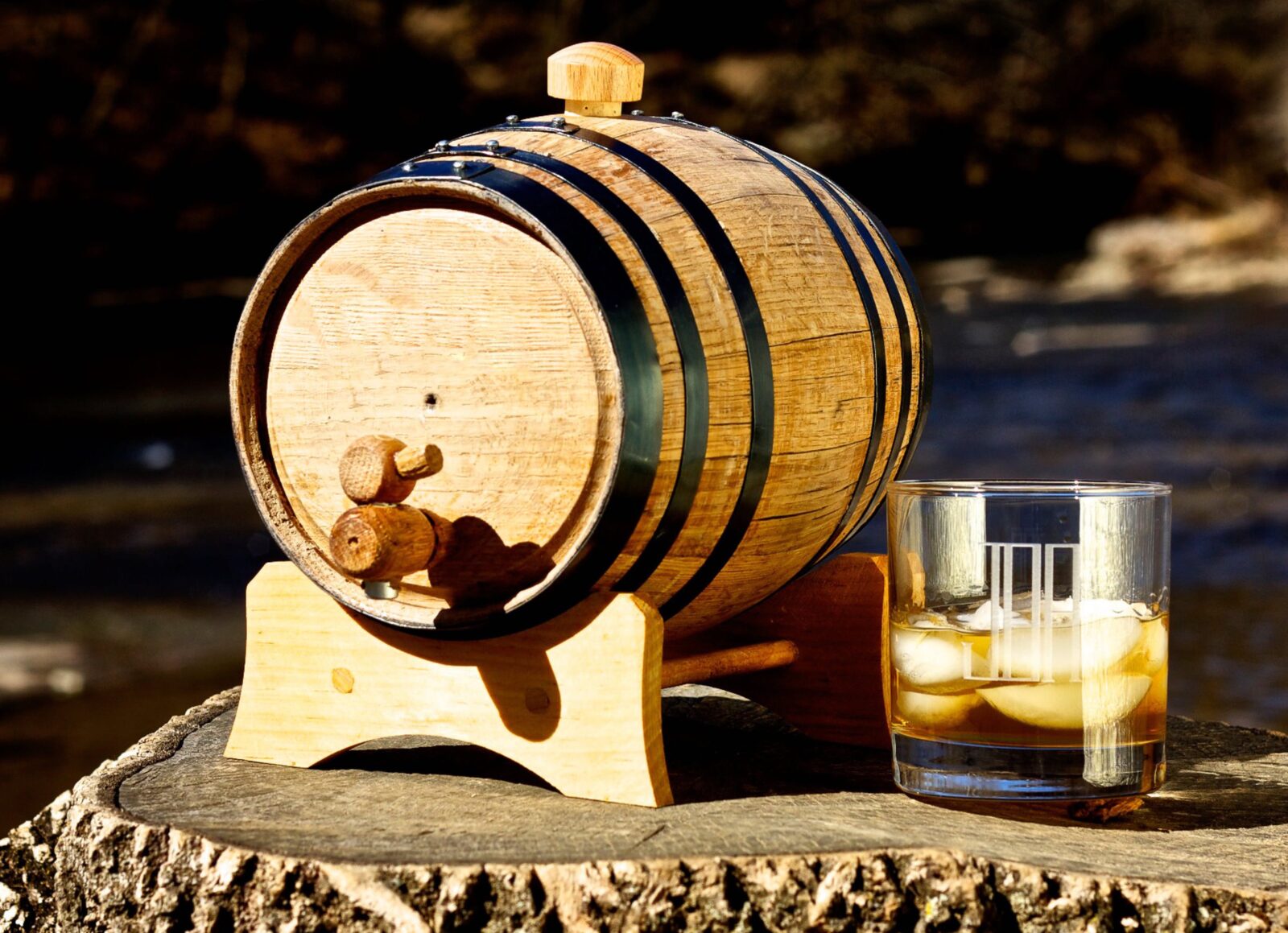
Age Your Own Whisky: The Bluegrass Barrels 2 Litre Mini Oak Barrel

These directions suggest that corn’s role is only growing, especially as consumers seek both approachable and sophisticated flavor profiles.


Flavor Complexity: Breaking the “Simple” Stereotype

One of the most underestimated aspects of corn is its ability to carry complexity. While corn itself may seem straightforward, its interaction with fermentation, distillation, and aging opens myriad flavor pathways:

  • Maillard Reactions: During barrel aging, the sugars from corn engage in Maillard reactions, producing nutty, toasted, and slightly caramelized notes.
  • Cask Experimentation: High corn distillates can take on bold characteristics from wine, rum, or sherry casks without losing their identity.
  • Blending Subtlety: Corn’s neutrality allows nuanced blending with more assertive grains or spirits, creating intricate profiles that surprise the palate.

In short, corn doesn’t compete with complexity—it supports it. Its role is subtle, like a skilled orchestra conductor ensuring harmony without drawing attention to itself.


Corn and Consumer Perception

Consumer education is a challenge. Many premium whiskey drinkers still equate “complexity” with barley or rye content. Marketing often emphasizes age statements, cask finishes, or heritage grains, downplaying corn’s contribution. Yet, savvy brands are now highlighting corn’s nuances:

  • Flavor Storytelling: Describing corn as a canvas for oak, caramel, and vanilla helps consumers appreciate its subtlety.
  • Heritage Branding: Showcasing heirloom corn varieties or regional sourcing taps into consumer desire for authenticity and craftsmanship.
  • Tasting Experiences: Guided tastings that emphasize mouthfeel, creaminess, and texture help shift perceptions from “sweet” to “luxury.”

As premium spirits education grows, corn is likely to be seen not as a humble base, but as a sophisticated contributor to high-end flavor profiles.


Pairing Corn Spirits with Food

Corn’s versatility extends beyond the glass. Its creamy sweetness makes it a surprisingly adaptable partner in gastronomy:

  • Savory Pairings: Corn’s sweetness balances smoky BBQ, roasted meats, or aged cheeses.
  • Desserts: Vanilla, caramel, and butterscotch notes complement desserts like flan, chocolate torte, or fruit tarts.
  • Cocktails: Corn-based spirits provide a soft, approachable base for cocktails that emphasize aromatic ingredients rather than intense spice.

Understanding corn’s culinary potential strengthens its premium positioning, turning a once-underestimated grain into a star ingredient in multi-sensory experiences.


Misconceptions About Corn in Luxury Spirits

There are a few lingering misconceptions that limit corn’s prestige:

  1. “Sweet = Simple”: Sweetness does not preclude sophistication. Many complex spirits, including aged rums and cognacs, exhibit sweetness alongside depth.
  2. “Bourbon Only”: Corn’s adaptability extends far beyond bourbon; global innovators are demonstrating this repeatedly.
  3. “Cheap Grain”: While corn is economical in bulk, premium single-origin varieties or heirloom strains command high prices and contribute to luxury positioning.

Dispelling these myths is key for corn to receive its deserved recognition in high-end spirit circles.


Conclusion: Corn’s Underrated Role in Premium Spirits

Corn is more than a cheap filler grain—it is a versatile, expressive, and technically fascinating component of premium spirits. Its sweetness, creamy mouthfeel, and adaptive character make it ideal for modern experimentation, global blending, and luxury positioning. By appreciating corn not just as a foundation, but as a dynamic flavor contributor, the spirits industry—and discerning consumers—can unlock new possibilities in taste, texture, and innovation.

The next time you sip a corn-forward bourbon, an experimental corn whisky, or an artisanal corn distillate, consider the journey from kernel to cask. Corn may have been underestimated for centuries, but in the premium spirits world, its star is rising—quietly, elegantly, and deliciously.

Tags: bourbongrain spiritswhiskey production
ShareTweetShare

Related Posts

Grain Spirits: The Origins, Science, and Global Evolution of Distilled Grain Alcohol
Grain Spirits

Bourbon: America’s Native Grain Spirit and the Global Story of Corn, Oak, Fire, and Time

May 27, 2026
Grain Spirits: The Origins, Science, and Global Evolution of Distilled Grain Alcohol
Grain Spirits

Gin: Botanicals, History, Cocktail Culture, and the Artistic Evolution of the World’s Most Aromatic Grain Spirit

May 27, 2026
Grain Spirits: The Origins, Science, and Global Evolution of Distilled Grain Alcohol
Grain Spirits

Vodka: The Global Rise of the World’s Most Versatile Grain Spirit

May 27, 2026
Grain Spirits: The Origins, Science, and Global Evolution of Distilled Grain Alcohol
Grain Spirits

Whiskey and the Soul of Grain Spirits: History, Craftsmanship, Culture, and the Global Rise of the World’s Most Iconic Distilled Grain Beverage

May 27, 2026
Grain Spirits: The Origins, Science, and Global Evolution of Distilled Grain Alcohol
Grain Spirits

Grain Spirits: The Origins, Science, and Global Evolution of Distilled Grain Alcohol

May 27, 2026
Grain Spirits Explained — The Foundation of Global Distillation
Grain Spirits

The Future of Grain Spirits — Technology, Sustainability, and the Next Era of Distillation

April 25, 2026
Leave Comment
  • Trending
  • Comments
  • Latest
Role of Terroir in Champagne Production

Role of Terroir in Champagne Production

January 19, 2026
Champagne Can Be Aged in Wood?

Champagne Can Be Aged in Wood?

January 18, 2026
Is Organic Wine Healthier Than Conventional Wine?

Is Organic Wine Healthier Than Conventional Wine?

January 20, 2026
Why Do Some Champagnes Use a High Proportion of Pinot Meunier?

Why Do Some Champagnes Use a High Proportion of Pinot Meunier?

January 20, 2026
The Timeless Elegance of Wine: A Journey Through History and Culture

The Timeless Elegance of Wine: A Journey Through History and Culture

Why Is Château Lafite Rothschild the Pinnacle of Fine Wine?

Why Is Château Lafite Rothschild the Pinnacle of Fine Wine?

How Did Château Lafite Rothschild Become a Global Icon of Luxury?

How Did Château Lafite Rothschild Become a Global Icon of Luxury?

What Makes Chateau Lafite Rothschild the Pinnacle of Bordeaux Wines?

What Makes Chateau Lafite Rothschild the Pinnacle of Bordeaux Wines?

The History, Culture, and Global Influence of Humanity’s Most Celebrated Beverage

The Wine Revolution: How Modern Winemaking Transformed a Global Industry

June 3, 2026
The History, Culture, and Global Influence of Humanity’s Most Celebrated Beverage

Wine Styles of the World: A Complete Guide to Red, White, Rosé, Sparkling, and Fortified Wines

June 3, 2026
The History, Culture, and Global Influence of Humanity’s Most Celebrated Beverage

The Global Wine Industry: Markets, Trade, Tourism, and Economic Impact

June 3, 2026
The History, Culture, and Global Influence of Humanity’s Most Celebrated Beverage

The Science of Wine: Grapes, Fermentation, and Flavor Development

June 3, 2026
SipsavorLife

Welcome to our comprehensive beverage guide, where you can explore the fascinating world of alcoholic drinks. From exquisite wines and rich whiskeys to refreshing beers and sparkling champagnes, we provide insights, tips, and recommendations for enthusiasts and casual drinkers alike. Discover your next favorite libation with us!

© 2025 sipsavorlife.com. contacts:sipsavorlife-35376@gmail.com

No Result
View All Result
  • Home
  • Wine
  • Whiskey
  • Beer
  • Grain Spirits
  • Champagne
  • ALL

© 2025 sipsavorlife.com. contacts:sipsavorlife-35376@gmail.com

Welcome Back!

Login to your account below

Forgotten Password?

Retrieve your password

Please enter your username or email address to reset your password.

Log In