






























SipsavorLife
  • Home
  • Wine
    Wine Pairings: Can They Change the Flavor Profile of a Dish?

    Wine Pairings: Can They Change the Flavor Profile of a Dish?

    How Do Wine Glasses Influence the Tasting Experience?

    How Do Wine Glasses Influence the Tasting Experience?

    Is Organic Wine Healthier Than Conventional Wine?

    Is Organic Wine Healthier Than Conventional Wine?

    Why Do Some Wines Taste Better from Specific Vintages?

    Why Do Some Wines Taste Better from Specific Vintages?

    Wine Tasting: Can It Truly Be an Art Form?

    Wine Tasting: Can It Truly Be an Art Form?

    What Does Terroir Actually Mean for Your Wine?

    What Does Terroir Actually Mean for Your Wine?

  • Whiskey
    Can Beer Be an Effective Ingredient in Culinary Cooking?

    Can Beer Be an Effective Ingredient in Culinary Cooking?

    Second Fermentation in Champagne: Is It Really That Crucial?

    Second Fermentation in Champagne: Is It Really That Crucial?

    How Do Different Grains Impact the Flavor Profile of Distilled Spirits?

    How Do Different Grains Impact the Flavor Profile of Distilled Spirits?

    How Do Whiskey Master Blenders Create Perfection?

    How Do Whiskey Master Blenders Create Perfection?

    Wine Pairings: Can They Change the Flavor Profile of a Dish?

    Wine Pairings: Can They Change the Flavor Profile of a Dish?

    Beer the Ultimate Beverage for Pairing with Spicy Food?

    Beer the Ultimate Beverage for Pairing with Spicy Food?

  • Beer
    Can Beer Be an Effective Ingredient in Culinary Cooking?

    Can Beer Be an Effective Ingredient in Culinary Cooking?

    Beer the Ultimate Beverage for Pairing with Spicy Food?

    Beer the Ultimate Beverage for Pairing with Spicy Food?

    How Did Ancient Civilizations Brew Beer Without Modern Technology?

    How Did Ancient Civilizations Brew Beer Without Modern Technology?

    Is It Possible to Brew a Beer with No Alcohol and No Compromise on Taste?

    Is It Possible to Brew a Beer with No Alcohol and No Compromise on Taste?

    Why Does Beer Taste Different at High Altitudes?

    Why Does Beer Taste Different at High Altitudes?

    Is Hops the Secret Ingredient Behind Beer’s Bold Flavor?

    Is Hops the Secret Ingredient Behind Beer’s Bold Flavor?

  • Grain Spirits
    How Do Different Grains Impact the Flavor Profile of Distilled Spirits?

    How Do Different Grains Impact the Flavor Profile of Distilled Spirits?

    Grain Spirits the Unsung Heroes of Modern Mixology

    Grain Spirits the Unsung Heroes of Modern Mixology

    What Makes Grain-Based Whiskey So Different from Its Peated Cousins?

    What Makes Grain-Based Whiskey So Different from Its Peated Cousins?

    Grain Spirits: Could They Be the Next Big Trend in Craft Cocktails?

    Grain Spirits: Could They Be the Next Big Trend in Craft Cocktails?

    Why Are Grain Spirits Often Overlooked in the World of Fine Liquor?

    Why Are Grain Spirits Often Overlooked in the World of Fine Liquor?

    Is There a Secret Art to Distilling Grain Spirits?

    Is There a Secret Art to Distilling Grain Spirits?

  • Champagne
    Second Fermentation in Champagne: Is It Really That Crucial?

    Second Fermentation in Champagne: Is It Really That Crucial?

    The Science Behind the ‘Bubble Size’ in Champagne

    The Science Behind the ‘Bubble Size’ in Champagne

    Why Do Some Champagnes Use a High Proportion of Pinot Meunier?

    Why Do Some Champagnes Use a High Proportion of Pinot Meunier?

    Role of Terroir in Champagne Production

    Role of Terroir in Champagne Production

    Champagne Can Be Aged in Wood?

    Champagne Can Be Aged in Wood?

    Is There a Difference Between Blanc de Blancs and Blanc de Noirs Champagne?

    Is There a Difference Between Blanc de Blancs and Blanc de Noirs Champagne?

  • ALL
    Can Beer Be an Effective Ingredient in Culinary Cooking?

    Can Beer Be an Effective Ingredient in Culinary Cooking?

    Second Fermentation in Champagne: Is It Really That Crucial?

    Second Fermentation in Champagne: Is It Really That Crucial?

    How Do Different Grains Impact the Flavor Profile of Distilled Spirits?

    How Do Different Grains Impact the Flavor Profile of Distilled Spirits?

    How Do Whiskey Master Blenders Create Perfection?

    How Do Whiskey Master Blenders Create Perfection?

    Wine Pairings: Can They Change the Flavor Profile of a Dish?

    Wine Pairings: Can They Change the Flavor Profile of a Dish?

    Beer the Ultimate Beverage for Pairing with Spicy Food?

    Beer the Ultimate Beverage for Pairing with Spicy Food?

SipsavorLife
  • Home
  • Wine
    Wine Pairings: Can They Change the Flavor Profile of a Dish?

    Wine Pairings: Can They Change the Flavor Profile of a Dish?

    How Do Wine Glasses Influence the Tasting Experience?

    How Do Wine Glasses Influence the Tasting Experience?

    Is Organic Wine Healthier Than Conventional Wine?

    Is Organic Wine Healthier Than Conventional Wine?

    Why Do Some Wines Taste Better from Specific Vintages?

    Why Do Some Wines Taste Better from Specific Vintages?

    Wine Tasting: Can It Truly Be an Art Form?

    Wine Tasting: Can It Truly Be an Art Form?

    What Does Terroir Actually Mean for Your Wine?

    What Does Terroir Actually Mean for Your Wine?

  • Whiskey
    Can Beer Be an Effective Ingredient in Culinary Cooking?

    Can Beer Be an Effective Ingredient in Culinary Cooking?

    Second Fermentation in Champagne: Is It Really That Crucial?

    Second Fermentation in Champagne: Is It Really That Crucial?

    How Do Different Grains Impact the Flavor Profile of Distilled Spirits?

    How Do Different Grains Impact the Flavor Profile of Distilled Spirits?

    How Do Whiskey Master Blenders Create Perfection?

    How Do Whiskey Master Blenders Create Perfection?

    Wine Pairings: Can They Change the Flavor Profile of a Dish?

    Wine Pairings: Can They Change the Flavor Profile of a Dish?

    Beer the Ultimate Beverage for Pairing with Spicy Food?

    Beer the Ultimate Beverage for Pairing with Spicy Food?

  • Beer
    Can Beer Be an Effective Ingredient in Culinary Cooking?

    Can Beer Be an Effective Ingredient in Culinary Cooking?

    Beer the Ultimate Beverage for Pairing with Spicy Food?

    Beer the Ultimate Beverage for Pairing with Spicy Food?

    How Did Ancient Civilizations Brew Beer Without Modern Technology?

    How Did Ancient Civilizations Brew Beer Without Modern Technology?

    Is It Possible to Brew a Beer with No Alcohol and No Compromise on Taste?

    Is It Possible to Brew a Beer with No Alcohol and No Compromise on Taste?

    Why Does Beer Taste Different at High Altitudes?

    Why Does Beer Taste Different at High Altitudes?

    Is Hops the Secret Ingredient Behind Beer’s Bold Flavor?

    Is Hops the Secret Ingredient Behind Beer’s Bold Flavor?

  • Grain Spirits
    How Do Different Grains Impact the Flavor Profile of Distilled Spirits?

    How Do Different Grains Impact the Flavor Profile of Distilled Spirits?

    Grain Spirits the Unsung Heroes of Modern Mixology

    Grain Spirits the Unsung Heroes of Modern Mixology

    What Makes Grain-Based Whiskey So Different from Its Peated Cousins?

    What Makes Grain-Based Whiskey So Different from Its Peated Cousins?

    Grain Spirits: Could They Be the Next Big Trend in Craft Cocktails?

    Grain Spirits: Could They Be the Next Big Trend in Craft Cocktails?

    Why Are Grain Spirits Often Overlooked in the World of Fine Liquor?

    Why Are Grain Spirits Often Overlooked in the World of Fine Liquor?

    Is There a Secret Art to Distilling Grain Spirits?

    Is There a Secret Art to Distilling Grain Spirits?

  • Champagne
    Second Fermentation in Champagne: Is It Really That Crucial?

    Second Fermentation in Champagne: Is It Really That Crucial?

    The Science Behind the ‘Bubble Size’ in Champagne

    The Science Behind the ‘Bubble Size’ in Champagne

    Why Do Some Champagnes Use a High Proportion of Pinot Meunier?

    Why Do Some Champagnes Use a High Proportion of Pinot Meunier?

    Role of Terroir in Champagne Production

    Role of Terroir in Champagne Production

    Champagne Can Be Aged in Wood?

    Champagne Can Be Aged in Wood?

    Is There a Difference Between Blanc de Blancs and Blanc de Noirs Champagne?

    Is There a Difference Between Blanc de Blancs and Blanc de Noirs Champagne?

  • ALL
    Can Beer Be an Effective Ingredient in Culinary Cooking?

    Can Beer Be an Effective Ingredient in Culinary Cooking?

    Second Fermentation in Champagne: Is It Really That Crucial?

    Second Fermentation in Champagne: Is It Really That Crucial?

    How Do Different Grains Impact the Flavor Profile of Distilled Spirits?

    How Do Different Grains Impact the Flavor Profile of Distilled Spirits?

    How Do Whiskey Master Blenders Create Perfection?

    How Do Whiskey Master Blenders Create Perfection?

    Wine Pairings: Can They Change the Flavor Profile of a Dish?

    Wine Pairings: Can They Change the Flavor Profile of a Dish?

    Beer the Ultimate Beverage for Pairing with Spicy Food?

    Beer the Ultimate Beverage for Pairing with Spicy Food?

SipsavorLife
No Result
View All Result
Home ALL

Is Freshness Overrated in Certain Beer Styles?

January 6, 2026
in ALL, Beer
Is Freshness Overrated in Certain Beer Styles?

When it comes to beer, the word “freshness” often carries a near-religious weight. Many enthusiasts insist that a beer, particularly hop-forward ones like IPAs, must be consumed as close to the bottling date as possible to capture its intended aroma, flavor, and texture. Yet, the truth is far more nuanced, especially when we consider the vast spectrum of beer styles that populate the global brewing landscape. Freshness is crucial in some beers, yet in others, time transforms flavors in ways that are not only acceptable but desirable. In this article, we’ll explore the complex relationship between beer and time, why freshness isn’t always king, and how different beer styles age—or evolve—with grace.


Understanding Freshness: What Does It Really Mean?

Freshness in beer is generally associated with the idea that a beer tastes “alive” or “vibrant,” often emphasizing hop aroma, carbonation, and the absence of stale or oxidized flavors. For highly aromatic and bitter beers, particularly American-style IPAs and Pale Ales, the volatile compounds in hops degrade quickly, causing the beer to lose its intended punch within weeks, if not days. Freshness here is critical because those flavors are transient.

However, freshness is not a universal benchmark. Not all beers are designed for immediate consumption. Some beer styles—like many Belgian Ales, Barleywines, Imperial Stouts, and Lambics—benefit from cellaring. In these cases, aging allows complex chemical reactions to develop nuanced flavors, producing profiles that could not exist in the “fresh” version. Here, freshness might even mask the beer’s full potential.


The Chemistry of Aging in Beer

To understand why freshness can sometimes be overrated, we must peek behind the curtain of chemistry. Beer is a living matrix of water, alcohol, carbohydrates, proteins, hop compounds, and yeast byproducts. Over time, these components undergo various chemical transformations:

  1. Oxidation: Traditionally feared in most beers, oxidation can introduce sherry-like or caramelized flavors. In high-alcohol, malt-heavy beers, controlled oxidation over months or years can enrich flavor complexity rather than degrade it.
  2. Yeast activity: In bottle-conditioned beers, yeast continues to interact with residual sugars and proteins. This activity can enhance mouthfeel and smooth out harsh edges over time.
  3. Hop degradation: Alpha acids in hops, responsible for bitterness, and essential oils, responsible for aroma, break down quickly. This is why hop-forward styles demand freshness. Conversely, beers with moderate hop profiles or aged sour beers are less impacted.
  4. Maillard reactions: Proteins and sugars slowly interact, producing subtle caramel, toffee, and nutty notes, particularly in darker ales and stouts.

The result is that certain beers, rather than diminishing, can evolve into entirely new sensory experiences, turning the concept of “freshness” into something relative rather than absolute.


Hop-Forward Beers: Freshness Is Critical

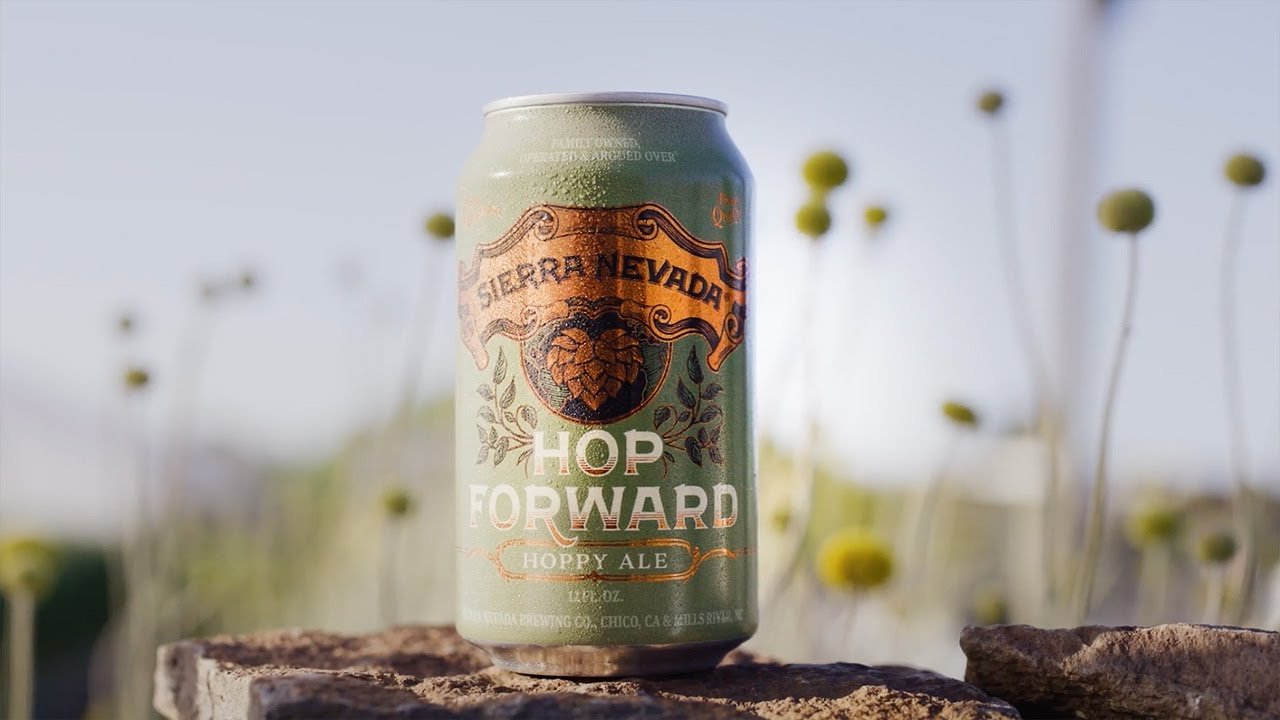
Let’s begin with beers where freshness is undeniably paramount. Modern craft culture is dominated by hop-forward styles, especially IPAs. These beers are engineered to showcase volatile hop compounds—citrus, pine, resin, tropical fruit—which degrade rapidly. Within two to three weeks of packaging, an IPA can lose its signature aroma.

For these beers:

Whiskey Barrel-Aged Barleywine – Lamplighter Brewing Co.
  • Storage conditions matter: Refrigeration slows chemical degradation, but cannot prevent it entirely.
  • Hops dominate the narrative: Even slight staling can dull the vibrant punch, making an IPA taste flat or “wet cardboard-like.”
  • Drink timelines are tight: Ideally, these beers are consumed within weeks, not months, of release.

Here, freshness is more than a preference; it is an essential criterion for experiencing the beer as the brewer intended.


Malt-Forward and High-Alcohol Styles: Aging Enhances Complexity

Contrast this with malt-heavy beers, where sweetness, roasted notes, and higher alcohol content play the starring role. Styles such as Barleywines, Imperial Stouts, and Belgian Quadruples benefit significantly from aging.

  • Barleywines develop smooth caramel, toffee, and dried fruit notes over months. Fresh versions may be overly aggressive, with harsh alcohol burn and sharp sweetness.
  • Imperial Stouts undergo flavor rounding, where roastiness becomes more integrated, and subtle chocolate, coffee, and liquor notes emerge.
  • Belgian strong ales often see yeast-driven ester complexity increase with time, creating nuanced fruit and spice profiles that are impossible to capture when fresh.

In these cases, the initial “fresh” profile is merely the raw canvas; aging allows layers to develop that elevate the beer to its full potential.


Sour and Wild Beers: Patience Rewards the Palate

Sour beers and spontaneously fermented styles like Gueuze, Lambic, and Flanders Red Ale defy conventional timelines. These beers are designed for long maturation. Fresh versions often taste sharp, acetic, or aggressively tart. Over months or even years:

  • The sourness mellows and integrates with malt, fruit, and oak flavors.
  • Funky, Brettanomyces-driven notes evolve, producing complexity that fresh beers cannot deliver.
  • Carbonation levels can stabilize, allowing the effervescence to complement the beer’s rich texture rather than overpower it.

In this context, the concept of freshness is almost irrelevant—the beer’s essence thrives in its development over time.


Packaging, Storage, and the Myth of “Instant Obsolescence”
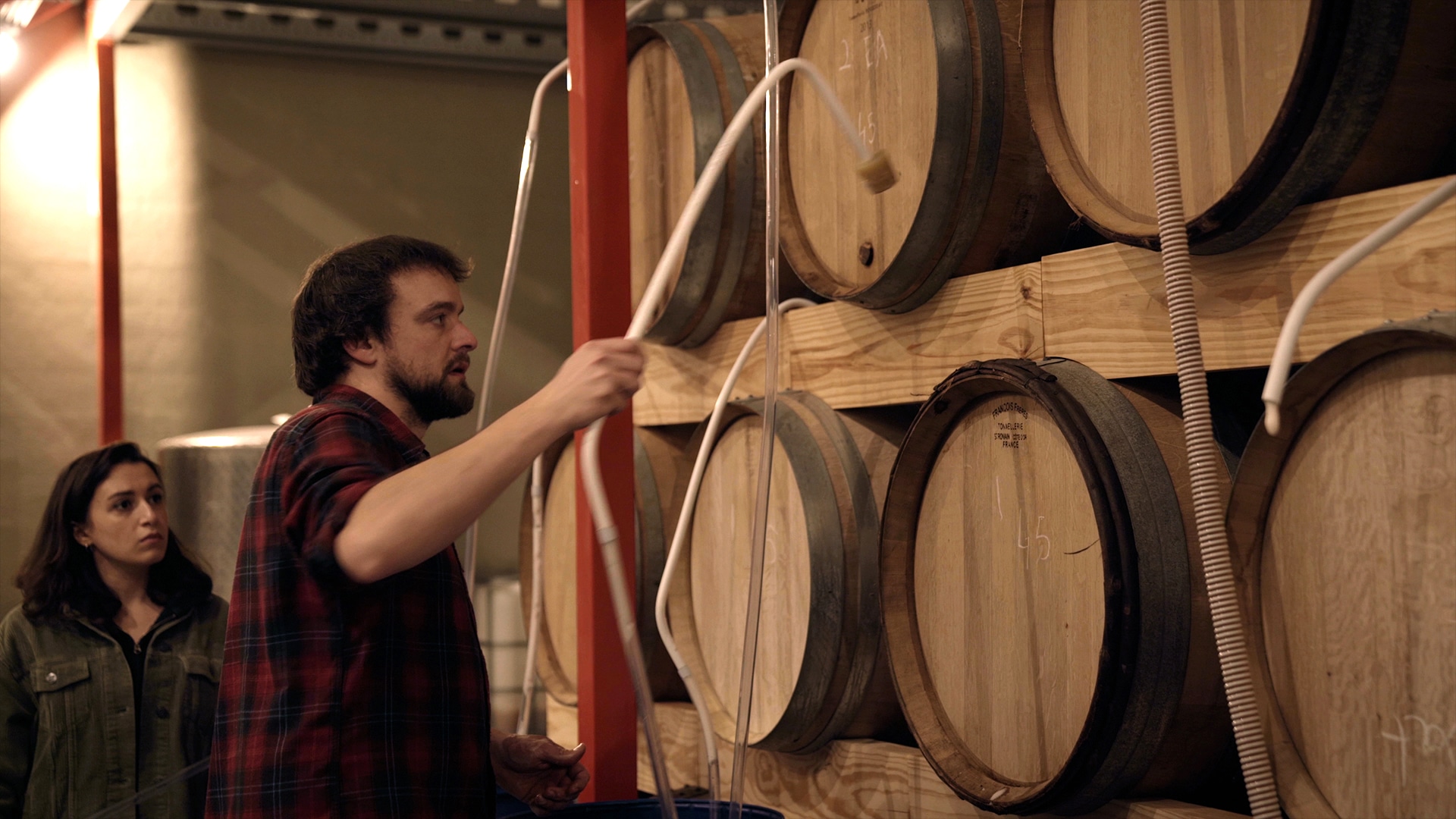
Jerry Franck—Director of Lambic Documentary 'Bottle Conditioned'

Beer freshness is also a story of logistics and storage. Factors influencing perceived freshness include:

  • Packaging type: Cans are superior at preventing light and oxygen exposure, preserving freshness longer than clear or brown bottles.
  • Temperature control: Cool storage slows chemical reactions, extending freshness, especially for hop-forward beers.
  • Transport and handling: Rough transit, heat, and light exposure accelerate staling.

Yet, these factors affect beers differently. Malt-forward and high-alcohol beers are far more resilient to environmental factors, which makes the urgency of freshness less critical.


Carbonation: Freshness vs. Maturation

Carbonation plays a subtle yet impactful role in our perception of freshness. In freshly packaged beers, carbonation is often sharper, delivering a lively mouthfeel. Over time, bottle-conditioned beers may develop softer carbonation as yeast continues to work on residual sugars.

  • In hop-forward beers, the crisp carbonation accentuates hop aromatics; hence freshness is critical.
  • In stouts, barleywines, and Belgian strong ales, a slightly softer carbonation enhances drinkability and complexity, demonstrating that freshness is not always desirable.

Cultural and Psychological Dimensions

Freshness obsession is partially cultural. In regions where IPAs and other hop-centric beers dominate, drinkers often prioritize freshness above all else. Marketing strategies, seasonal releases, and limited editions reinforce this.

Yet, globally, many traditional beer cultures embrace aging. Belgian brewers, for example, design beers with long maturation in mind. Similarly, British strong ales or Scandinavian barleywines often improve over months.

The takeaway? Freshness is not an objective virtue—it is style-dependent and culturally contextual.


How to Determine if Freshness Matters for a Beer

Given the diversity of styles, how can one judge whether a beer should be consumed fresh or cellared? Consider the following framework:

  1. Check the style: Hoppy beers need freshness; high-alcohol and sour beers may improve with age.
  2. Assess alcohol content: Higher ABV often indicates greater aging potential.
  3. Look for residual sugar and malt intensity: Beers with complex malt profiles tend to benefit from aging.
  4. Research yeast involvement: Bottle-conditioned beers may evolve in interesting ways over time.
  5. Trust sensory cues: Aroma and flavor complexity, rather than the freshness date, often indicate readiness.

Notable Examples of Beers That Benefit from Aging

  • Russian Imperial Stout: Time softens alcohol burn, integrates roast flavors, and reveals nuanced notes of chocolate and dried fruit.
  • Barleywine: Fresh versions are fiery and sweet; aged versions are smooth and complex.
  • Flanders Red Ale: Acidity becomes harmonious; oak and fruit flavors deepen.
  • Gueuze: Fresh tartness evolves into a sophisticated, layered profile.

Even within these categories, individual brewer intentions and specific batches may vary—but these styles consistently reward patience.


When Freshness Is Overrated: The Conclusion

Freshness is a crucial concept, but it is not universally applicable. Hop-forward beers require near-immediate consumption to capture the fleeting nature of volatile aromatics. Conversely, malt-heavy, high-alcohol, sour, and wild beers benefit from aging, sometimes dramatically improving over months or years. Understanding beer freshness is about knowing the style, recognizing the chemistry at work, and embracing that some flavors unfold with time.

In short: freshness is a tool, not a rule. For every IPA that demands immediacy, there’s a stout, a Barleywine, or a sour waiting to prove that time is its ally, not its enemy.

The next time someone insists that “all beer must be fresh,” consider the full spectrum of styles and flavors. You might be missing out on some of beer’s most rewarding experiences. After all, sometimes patience is the ultimate craft in craft beer.


Tags: beerbeer stylesfermentationflavor
ShareTweetShare

Related Posts

Can Beer Be an Effective Ingredient in Culinary Cooking?
ALL

Can Beer Be an Effective Ingredient in Culinary Cooking?

January 22, 2026
Second Fermentation in Champagne: Is It Really That Crucial?
ALL

Second Fermentation in Champagne: Is It Really That Crucial?

January 22, 2026
How Do Different Grains Impact the Flavor Profile of Distilled Spirits?
ALL

How Do Different Grains Impact the Flavor Profile of Distilled Spirits?

January 22, 2026
How Do Whiskey Master Blenders Create Perfection?
ALL

How Do Whiskey Master Blenders Create Perfection?

January 22, 2026
Wine Pairings: Can They Change the Flavor Profile of a Dish?
ALL

Wine Pairings: Can They Change the Flavor Profile of a Dish?

January 22, 2026
Beer the Ultimate Beverage for Pairing with Spicy Food?
ALL

Beer the Ultimate Beverage for Pairing with Spicy Food?

January 21, 2026
Leave Comment
  • Trending
  • Comments
  • Latest
What Hidden Craftsmanship Lies Behind a Bottle of Quality Grain Spirits?

What Hidden Craftsmanship Lies Behind a Bottle of Quality Grain Spirits?

July 3, 2025
How Is Champagne Made? The Secrets Behind the Sparkle

How Is Champagne Made? The Secrets Behind the Sparkle

April 15, 2025
Grain Spirits vs. Traditional Distilled Spirits: Which One Suits Your Taste?

Grain Spirits vs. Traditional Distilled Spirits: Which One Suits Your Taste?

July 3, 2025
Champagne Bubbles: How Do They Perfectly Convey Celebration, Joy, and Luxury?

Champagne Bubbles: How Do They Perfectly Convey Celebration, Joy, and Luxury?

July 2, 2025
The Timeless Elegance of Wine: A Journey Through History and Culture

The Timeless Elegance of Wine: A Journey Through History and Culture

Why Is Château Lafite Rothschild the Pinnacle of Fine Wine?

Why Is Château Lafite Rothschild the Pinnacle of Fine Wine?

How Did Château Lafite Rothschild Become a Global Icon of Luxury?

How Did Château Lafite Rothschild Become a Global Icon of Luxury?

What Makes Chateau Lafite Rothschild the Pinnacle of Bordeaux Wines?

What Makes Chateau Lafite Rothschild the Pinnacle of Bordeaux Wines?

Can Beer Be an Effective Ingredient in Culinary Cooking?

Can Beer Be an Effective Ingredient in Culinary Cooking?

January 22, 2026
Second Fermentation in Champagne: Is It Really That Crucial?

Second Fermentation in Champagne: Is It Really That Crucial?

January 22, 2026
How Do Different Grains Impact the Flavor Profile of Distilled Spirits?

How Do Different Grains Impact the Flavor Profile of Distilled Spirits?

January 22, 2026
How Do Whiskey Master Blenders Create Perfection?

How Do Whiskey Master Blenders Create Perfection?

January 22, 2026
SipsavorLife

Welcome to our comprehensive beverage guide, where you can explore the fascinating world of alcoholic drinks. From exquisite wines and rich whiskeys to refreshing beers and sparkling champagnes, we provide insights, tips, and recommendations for enthusiasts and casual drinkers alike. Discover your next favorite libation with us!

© 2025 sipsavorlife.com. contacts:sipsavorlife-35376@gmail.com

No Result
View All Result
  • Home
  • Wine
  • Whiskey
  • Beer
  • Grain Spirits
  • Champagne
  • ALL

© 2025 sipsavorlife.com. contacts:sipsavorlife-35376@gmail.com

Welcome Back!

Login to your account below

Forgotten Password?

Retrieve your password

Please enter your username or email address to reset your password.

Log In





