


























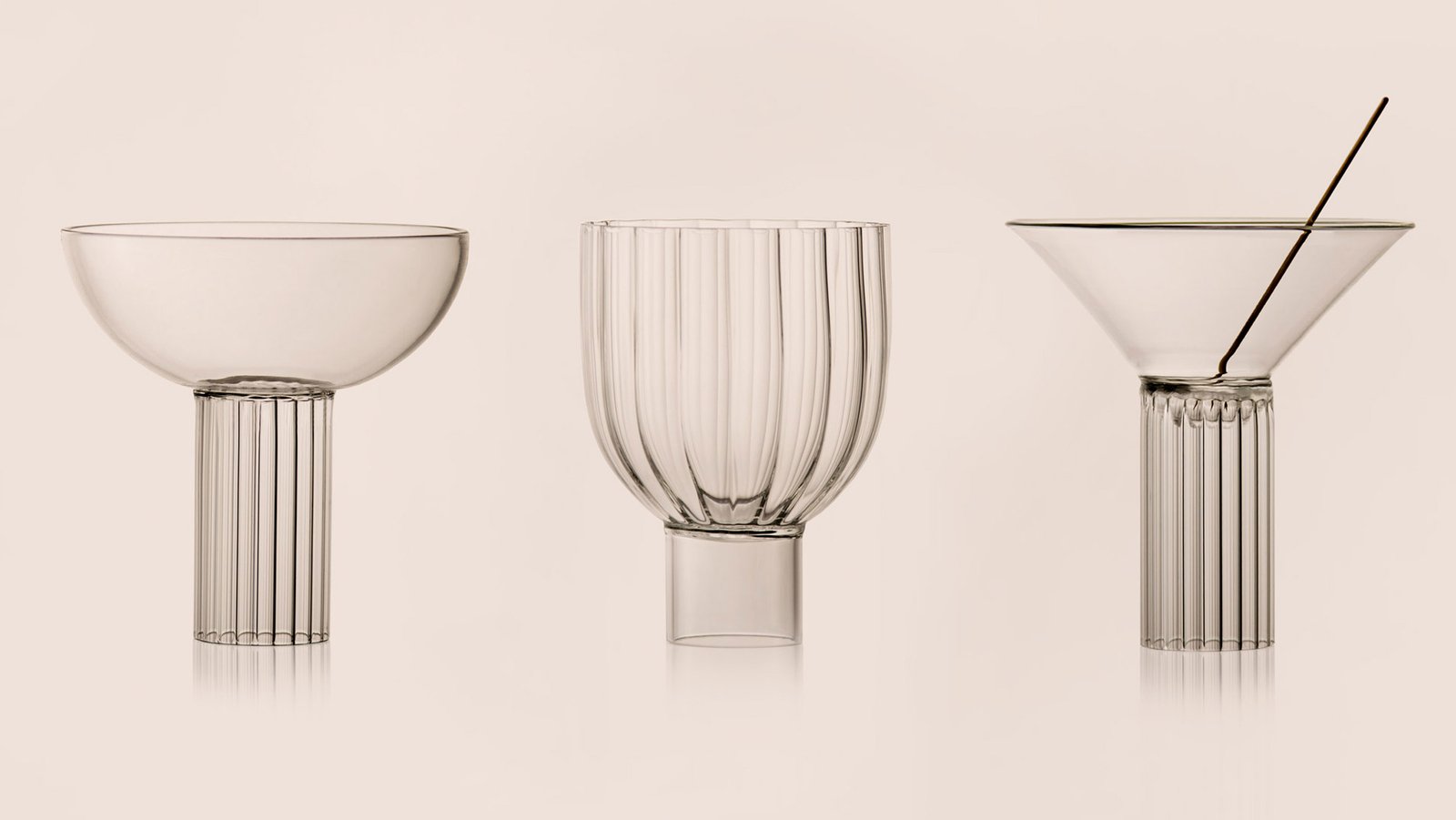
The first sip of a beverage can be transformative. It can evoke memories, excite your senses, and even make you pause for a moment just to appreciate the harmony of aromas and flavors. Yet, while most drinkers focus on the liquid itself—the grape, the malt, the distillate—the vessel holding that liquid is often overlooked. The shape of a glass might seem trivial, but mounting evidence from sensory science, hospitality research, and even physics suggests that it profoundly influences what we taste, how we perceive it, and the pleasure we derive from it. In other words, glass shape doesn’t just carry your drink; it carries your experience.
The Science of Taste and Smell
To understand why glass shape matters, we need to dive into the biology of taste. Taste is not just a function of your tongue. While the tongue can detect the five basic tastes—sweet, sour, salty, bitter, and umami—aroma plays an equally important role in flavor perception. According to research in sensory science, up to 80% of what we perceive as taste comes from smell. When you sip a drink, volatile compounds rise from the liquid and reach your olfactory receptors in the nose. These compounds are heavily influenced by the shape of the glass because the glass determines how the liquid interacts with air, how it reaches your nose, and how your tongue contacts it.
For example, a narrow glass concentrates volatile compounds toward your nose, intensifying aromas. A wide, shallow glass allows the drink to spread out on your tongue, increasing contact with taste buds and altering the perception of body, sweetness, or bitterness. In short, the shape of a glass can literally change what you taste.
Glass Shape and the Dynamics of Drinking
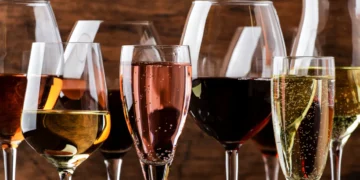
When we think about glass design, it’s easy to assume aesthetics are the main factor. But designers consider fluid dynamics, surface area, evaporation, and aeration when shaping a glass. Take wine glasses, for example. Burgundy glasses have a large, rounded bowl that exposes more surface area to oxygen, allowing the wine to “breathe” and release complex aromas. Conversely, a classic flute used for sparkling wine narrows toward the top, preserving bubbles and concentrating delicate fruity notes.
It’s not just wine that benefits from thoughtful glass design. Whiskey tasting, beer flights, and even gin and tonic presentations are affected by how a glass channels aroma, alters carbonation, or directs liquid to specific parts of the mouth. Professional tasters often describe how subtle changes in glass shape influence perceived sweetness, bitterness, acidity, and even warmth or astringency.
Lip Placement and Flow
Another overlooked factor is how the glass touches your lips. The thickness of the rim, the angle of the pour, and the contour of the opening all dictate how liquid enters the mouth. A wide rim allows the drink to spread across the tongue, activating more taste buds at once. A narrow rim funnels the liquid to the center, potentially emphasizing sweetness or alcohol. Even slight curvature can direct sips to the front, sides, or back of the tongue, subtly shaping your flavor perception.
Temperature and Insulation
Glass shape can also influence temperature perception. A narrow, tall glass limits surface area exposed to air, keeping drinks cooler longer. Conversely, a shallow bowl warms quickly, which can enhance aromatic volatility in wines or spirits. Even if the liquid’s actual temperature doesn’t change much, the sensory experience of perceived warmth or chill can alter perceived flavor intensity.
The Role of Aroma Capture
The olfactory experience is inseparable from taste, and glass shape dictates how aromas are captured and delivered. A glass that narrows toward the top traps volatile compounds near your nose. A wide-open bowl disperses aromas more broadly, creating a subtler but richer olfactory experience. Some modern whiskey glasses are designed with deep bowls and inward-curving rims specifically to capture nuanced aromas, while traditional beer mugs with wide openings let hops and malt aromas dissipate more gradually, emphasizing mouthfeel over scent.
A simple analogy helps: imagine a flower in a vase. A narrow-neck vase keeps the fragrance concentrated around your nose; a wide vase lets the aroma spread across the room. Your glass is essentially a miniature vase for your beverage’s aroma molecules.
Influence on Carbonation
For carbonated beverages, glass shape profoundly affects fizz and effervescence. A tall flute preserves carbonation, allowing bubbles to travel further and carry aroma compounds upward. Wide beer mugs or tulip glasses, on the other hand, promote head formation and rapid bubble release, influencing both aroma and tactile mouthfeel. Interestingly, the size of bubbles affects perceived sweetness: smaller, persistent bubbles often make drinks seem sweeter and smoother, while larger, faster-rising bubbles can emphasize bitterness and dryness.

Visual Appeal and Expectation Bias
Humans are visual creatures, and perception is intertwined with expectation. A study in sensory psychology shows that the shape of the glass can influence perceived flavor even before a sip touches your lips. If a beverage is served in a sleek, elegant glass, people may report it as more refined, sweeter, or smoother. If poured into a heavy mug, the same drink might feel coarser or bolder. This isn’t just placebo—our brains integrate visual cues, tactile sensations, and smell to construct taste.
Even color perception matters. Clear glasses allow us to assess the hue and clarity of a drink, subtly affecting expectations of flavor. Frosted or colored glass can mask these visual cues, leading tasters to rely more heavily on smell and mouthfeel.
Experimental Evidence
Laboratory experiments confirm what sommeliers, bartenders, and beer aficionados have known intuitively. In blind taste tests, participants can reliably distinguish the same wine served in differently shaped glasses. Flavors such as fruitiness, floral notes, or alcohol warmth can be enhanced or muted depending on the glass design. One study comparing standard wine glasses with ISO-standard tasting glasses found that fruit aromas were more pronounced in wide-bowled glasses, while acidity and tannin were more noticeable in narrower glasses.
Whiskey studies show similar results: glasses with inward-curving rims concentrate volatile esters, amplifying sweetness and spice, whereas straight-sided glasses spread aromas, highlighting smokiness and bitterness. Even coffee and tea show measurable differences when served in cups of varying rim thickness and diameter.
Crafting the Perfect Sip
If glass shape can alter perception so significantly, how should a consumer approach it? Here are a few practical takeaways:

- Match shape to beverage type: Sparkling wines benefit from flutes; aromatic white wines from narrow-bowled glasses; bold reds from large, rounded bowls; malts and bourbons from inward-curving tumblers.
- Consider rim thickness: Thin rims deliver more precise flavors and aromas; thick rims can blunt subtleties.
- Mind the mouthfeel: The flow of liquid and lip contact influence perceived sweetness and bitterness.
- Experiment: Personal preference trumps “rules.” Some tasters prefer the tactile sensation of a certain glass over any scientifically ideal shape.
Glass Material Matters Too
While shape dominates, material plays a supporting role. Crystal glasses, due to their thin walls and slight porosity, can enhance aromatic volatility and tactile sensitivity. Ordinary soda-lime glass may dull some aromatics but offers durability. Tempered glass is practical for casual settings but may interfere slightly with perceived aroma and temperature. Even tiny etchings or imperfections can influence bubble formation in carbonated beverages, altering mouthfeel and perception.
Cultural and Historical Perspective
Throughout history, glass design has evolved alongside drinking culture. The delicate wine glasses of 17th-century Europe reflected both social prestige and a growing understanding of aroma and aeration. German beer steins with lids were designed for practicality, but their wide openings also shaped how carbonation and aroma were experienced. In Japan, sake cups were traditionally small and simple, concentrating aroma in a way that suits subtle flavor profiles. In each case, glass design was never purely aesthetic—it shaped taste, often unconsciously.
The Future of Sensory Glassware
Today, designers and scientists are pushing boundaries. Some glasses are now engineered using 3D printing and fluid dynamics simulations to optimize how aromas and liquid flow reach the mouth. Others incorporate subtle texture cues inside the bowl or at the rim to guide how liquid spreads across the tongue. Experimental gastronomy even combines aroma delivery with glass curvature to enhance or suppress specific flavor notes. As understanding of multisensory perception grows, glassware is evolving from passive container to active flavor enhancer.
Practical Takeaways for Everyday Drinking
For enthusiasts, knowing that glass shape matters can enhance daily enjoyment:
- Wine: Use large, rounded bowls for reds, and narrower glasses for whites. Let the glass shape amplify aromas.
- Beer: Tulip glasses are ideal for aromatic ales; flutes for sparkling beers. Mugs are for casual, smooth drinking.
- Whiskey: Inward-curving tumblers for aroma concentration; wider tumblers for more tactile, bold sips.
- Coffee/Tea: Slightly tapered cups direct aroma toward the nose; rim thickness affects perceived sweetness.
- Cocktails: Highball glasses emphasize carbonation; coupe glasses highlight aromas and reduce dilution.
Understanding glass influence empowers you to choose consciously, rather than relying on random mug or wineglass availability.
Conclusion
In the end, glass shape is far from a trivial concern. It interacts with physics, chemistry, biology, and psychology to shape the entire drinking experience. From aroma capture to carbonation dynamics, lip placement to visual expectation, the vessel itself is an active participant in flavor perception. Next time you pour a drink, consider more than just the liquid—it’s not just what’s inside the glass that matters, but the glass itself.
Whether you’re a casual drinker or a professional taster, appreciating how glass shape changes what you taste can elevate your experience from ordinary to extraordinary. Cheers to science, design, and the subtle power of glass.