





























Whiskey. Just the word evokes images of amber liquid swirling in a glass, the warmth of a cozy evening, or the sophistication of a dimly lit bar. But beyond the surface of aroma and age statements lies a subtler, almost mysterious question for whiskey lovers: Can you actually taste the minerals in whiskey water?
It’s a question that has puzzled enthusiasts, sommeliers, and curious beginners alike. The idea is tantalizing: a few drops of water unlock the hidden flavors of a whiskey, and among them, the whisper of minerals. But is it really there? Or is it just our brains playing tricks with suggestion and expectation?
Let’s dive deep, from the science of water to the art of tasting, and find out whether minerals are just a concept in whiskey lore—or a genuine sensory experience.
Understanding Whiskey Water
The Role of Water in Whiskey
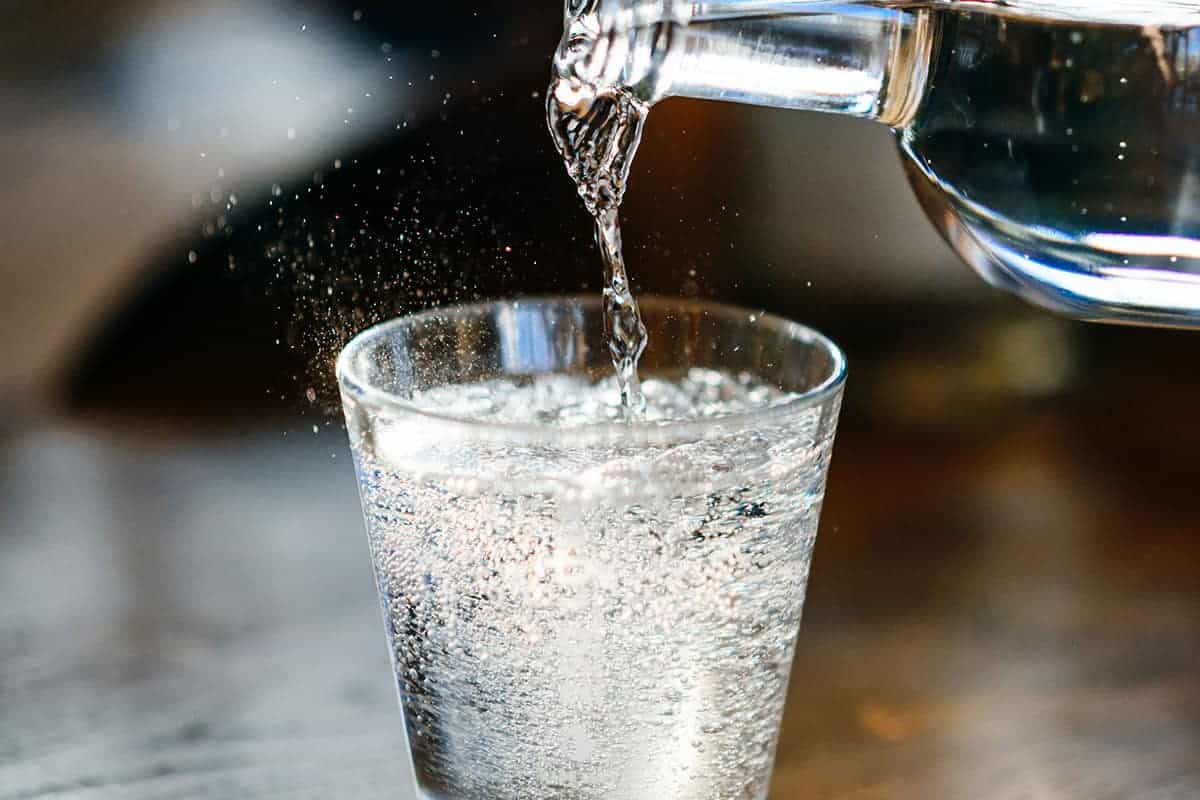
Adding water to whiskey is a ritual as old as the drink itself. But why do it? Whiskey is typically bottled at high proof, often 40%–60% alcohol by volume (ABV). At these levels, alcohol dominates the palate, masking subtler flavors. A splash of water dilutes the alcohol, softening its bite and opening up aromatic compounds that were previously hidden.
The effects of water aren’t just chemical—they’re perceptual. A small addition can transform a whiskey from harsh and sharp to smooth, rich, and layered. But the magic isn’t just in the dilution. It’s also in how water interacts with whiskey on a molecular level, affecting flavor release and aroma volatility.
Water Chemistry: Why Minerals Matter
When talking about “tasting minerals,” we’re really talking about water chemistry. Natural water contains dissolved ions—calcium, magnesium, potassium, bicarbonate, and sometimes iron. Collectively, these are often referred to as total dissolved solids (TDS).
Minerals in water aren’t just background players—they influence how a whiskey tastes. Hard water (high in calcium and magnesium) tends to soften perceived acidity and emphasize sweet or creamy notes. Soft water (low in minerals) may leave whiskey tasting more crisp or sharp.
However, here’s the twist: the minerals in the water you add are often dwarfed by the whiskey itself. Distillation removes most impurities, so a whiskey already contains trace minerals carried over from the water used in fermentation and distillation. This makes the perception of “minerals” more subtle and highly dependent on a taster’s sensitivity.
Can You Actually Taste Minerals?
The Science of Mineral Perception
Humans are equipped with a taste system designed to detect five primary flavors: sweet, sour, salty, bitter, and umami. “Mineral” isn’t technically one of them. What people interpret as “mineral” usually comes from a combination of metallic notes, saline hints, and subtle earthy flavors.
When you sip whiskey with water, minerals may influence flavor indirectly. Calcium and magnesium, for instance, can enhance sweetness or roundness, while certain trace metals can accentuate bitterness or astringency. So when a taster says they “taste minerals,” they’re actually experiencing a complex interplay of flavor perception, rather than literally tasting rocks.
How Water Alters Flavor Extraction
Adding water to whiskey doesn’t just dilute—it changes chemistry. Alcohol interacts with flavor compounds, particularly esters and phenols, which contribute fruity, floral, and smoky notes. When you reduce alcohol concentration with water, these compounds volatilize differently, enhancing aroma and perceived flavor complexity.
Interestingly, minerals in water can slightly shift this balance. A higher mineral content can buffer acidity, making whiskey feel smoother, while softer water might allow sharper, spicier notes to shine. The effect is subtle—detectable only to experienced palates—but it’s real.
Psychological Factors: Expectation and Suggestion
Flavor perception isn’t purely chemical—it’s psychological. Studies in sensory science show that expectations strongly shape taste. If you’re told a whiskey has a “mineral finish,” your brain is primed to detect it, even if the concentration of minerals is minuscule.
This is why tasting notes can vary wildly between experts. One taster might detect a “chalky, mineral edge,” while another finds only sweetness and smoke. Your brain fills in gaps, creating an experience that feels authentic even if it’s partly imagined.
Tasting Whiskey Water Like a Pro
Step 1: Choose Your Whiskey
Not all whiskeys react the same way to water. Peated Scotch, for example, tends to release smoky phenols when diluted, while bourbon may highlight caramel and vanilla notes. Single malts are often more sensitive to mineral effects because they contain nuanced trace compounds.
Step 2: Use the Right Water
If you want to explore minerals, water choice matters. Tap water varies widely in mineral content; filtered water is more neutral. Spring water with moderate mineral levels can subtly influence flavor, but avoid highly chlorinated or artificially softened water, as it may distort the taste.
Pro tip: the “sweet spot” for dilution is often 5–15% water by volume. Too little, and the whiskey remains harsh; too much, and flavors flatten.
Step 3: Focus on Aroma and Mouthfeel
True mineral perception is more about mouthfeel than taste. Feel the texture—some whiskeys develop a softer, silkier feel with water. Smell for subtle earthy or metallic notes. These hints are your brain’s best clue that minerals might be influencing the experience.
Step 4: Experiment Systematically
Serious tasters often conduct mini-experiments:
- Pour two glasses of the same whiskey.
- Add different water types or quantities to each.
- Note differences in aroma, mouthfeel, sweetness, bitterness, and any “mineral” sensations.
Over time, this method trains your palate to detect subtle influences, including mineral effects.

The Role of Distillery Water
Interestingly, the water used during whiskey production may matter more than the water added later. Distilleries carefully select water sources for its mineral profile because it affects fermentation and distillation. For example:
- High-calcium water can boost yeast activity, producing more fruity esters.
- Low-mineral water produces cleaner, crisper profiles, often favored in lighter styles.
- Peaty water sources contribute unique earthy, smoky compounds to the final spirit.
So when you taste a whiskey, some of the minerals you perceive might actually come from its original water source, not the water you add at home.
The Science of Taste Sensitivity
Not everyone can taste minerals in whiskey water. Individual sensitivity varies due to genetics, age, and experience. Some people are “supertasters,” extremely sensitive to bitter or metallic compounds, while others may detect nothing.
This explains why tasting notes are so subjective. Two people can sip the same whiskey with the same water and have completely different impressions. The minerals are there, but perception depends on your palate, not just your glass.
Myths and Misconceptions
Myth 1: Water Always Enhances Minerals
Adding water doesn’t guarantee you’ll taste more minerals. In many cases, it simply softens alcohol and emphasizes sweetness or aroma. The mineral component is subtle, sometimes imperceptible, especially in young or heavily filtered whiskeys.
Myth 2: Mineral Taste Equals Quality
Some believe that a “mineral” flavor indicates superior whiskey. Not true. Mineral perception is just one dimension among many—balance, complexity, finish, and aroma often matter more than subtle trace flavors.
Myth 3: Any Water Works
Tap water, bottled water, filtered water—they all taste different. Some may clash with whiskey, masking flavors or introducing off-notes. If you want to explore minerals, water choice should be deliberate.
Global Perspectives on Whiskey Water
Different cultures approach water in whiskey differently:
- Scotland: Adding a drop or two of spring water is traditional, often called “releasing the serpent” because it opens the whiskey’s hidden character.
- Ireland: Water is used sparingly, highlighting smoothness rather than minerals.
- USA: Bourbon enthusiasts often prefer ice over water, but purists may use local spring water to subtly alter mouthfeel.
These traditions reflect both taste preferences and the mineral content of local water sources.
Tasting Experiment: A Step-by-Step Guide
- Select three whiskeys: a peated Scotch, a single malt, and a bourbon.
- Pour neat samples for baseline tasting.
- Add 5% distilled water to each and taste.
- Add 5% spring water with moderate minerals and taste.
- Compare aroma, mouthfeel, and perceived mineral notes.
- Record your observations—subtle differences may surprise you.
This experiment illustrates that “tasting minerals” is as much about careful observation as chemistry.
Conclusion: Can You Really Taste Minerals?
The short answer: sometimes, yes—but often indirectly.
Minerals in whiskey water are subtle influencers rather than bold flavors. They affect mouthfeel, aroma, and balance, and our brains interpret these cues as “mineral taste.” Your perception depends on water choice, whiskey style, individual sensitivity, and context.
So next time you add a splash of water to your whiskey, think of it as a small but powerful tool. You may not literally taste calcium or magnesium, but you will experience a shift in complexity and enjoyment—a nuanced reminder that whiskey is as much science as art.