











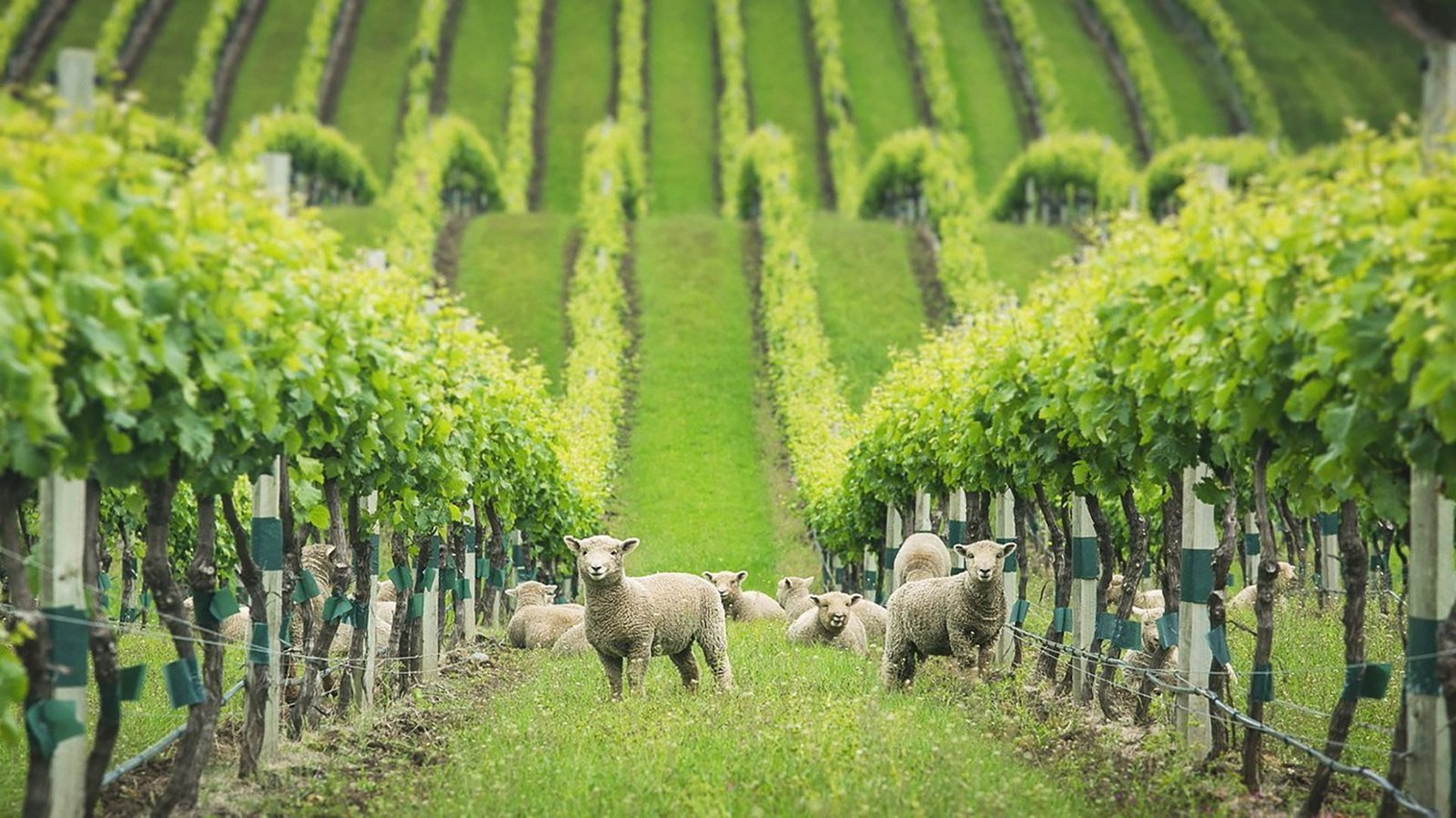
Wine has long been a beverage wrapped in mystique, a drink that invites exploration not only of flavors but also of philosophy, culture, and science. Among the many practices that attempt to influence the character of wine, biodynamic viticulture stands out for its unusual, almost poetic connection to the cosmos. It’s an approach that asks growers to consider the moon, the planets, and their cycles—not just the weather and soil—as key ingredients in shaping the final product. But the central question remains: do lunar cycles actually influence biodynamic wine, or is it merely a romantic notion dressed up in celestial lore? To answer this, we need to dive into the principles of biodynamics, examine lunar rhythms, explore scientific evidence, and uncover the nuanced ways these cosmic influences might—or might not—manifest in your glass.
Biodynamics: More Than Just Organic
Before exploring lunar influence, we must understand what biodynamics entails. Biodynamic farming, initially developed by Austrian philosopher Rudolf Steiner in the early 20th century, is an advanced form of organic agriculture with a spiritual and holistic dimension. Unlike conventional or even standard organic viticulture, biodynamics treats the vineyard as a self-contained ecosystem. It considers not only soil, plants, and weather but also cosmic rhythms, seasonal changes, and even planetary influences.
Key biodynamic practices include:
- Preparations: Special herbal and mineral concoctions are applied to soil or compost to enhance vitality. For instance, preparations numbered 500 through 508 in Steiner’s system include fermented cow manure, silica, chamomile, and yarrow, all intended to strengthen soil, plants, and microbial life.
- Cosmic Calendars: Biodynamic farmers often schedule planting, pruning, harvesting, and bottling according to lunar and planetary cycles, believing that certain days are more favorable for specific activities.
- Closed Systems: The vineyard is treated as a living organism, with an emphasis on recycling nutrients, composting organic matter, and minimizing external inputs.
In essence, biodynamics is an attempt to synchronize agricultural activity with natural and cosmic rhythms, aiming for healthier soils, more resilient vines, and, ultimately, more expressive wine.
The Moon and Its Cycles: A Brief Overview
The moon’s influence on Earth is most commonly associated with tides. Its gravitational pull affects the oceans, rivers, and even soil moisture. Biodynamic viticulturists extend this concept to vines, reasoning that if the moon can move massive bodies of water, it might also subtly affect the water inside plants.
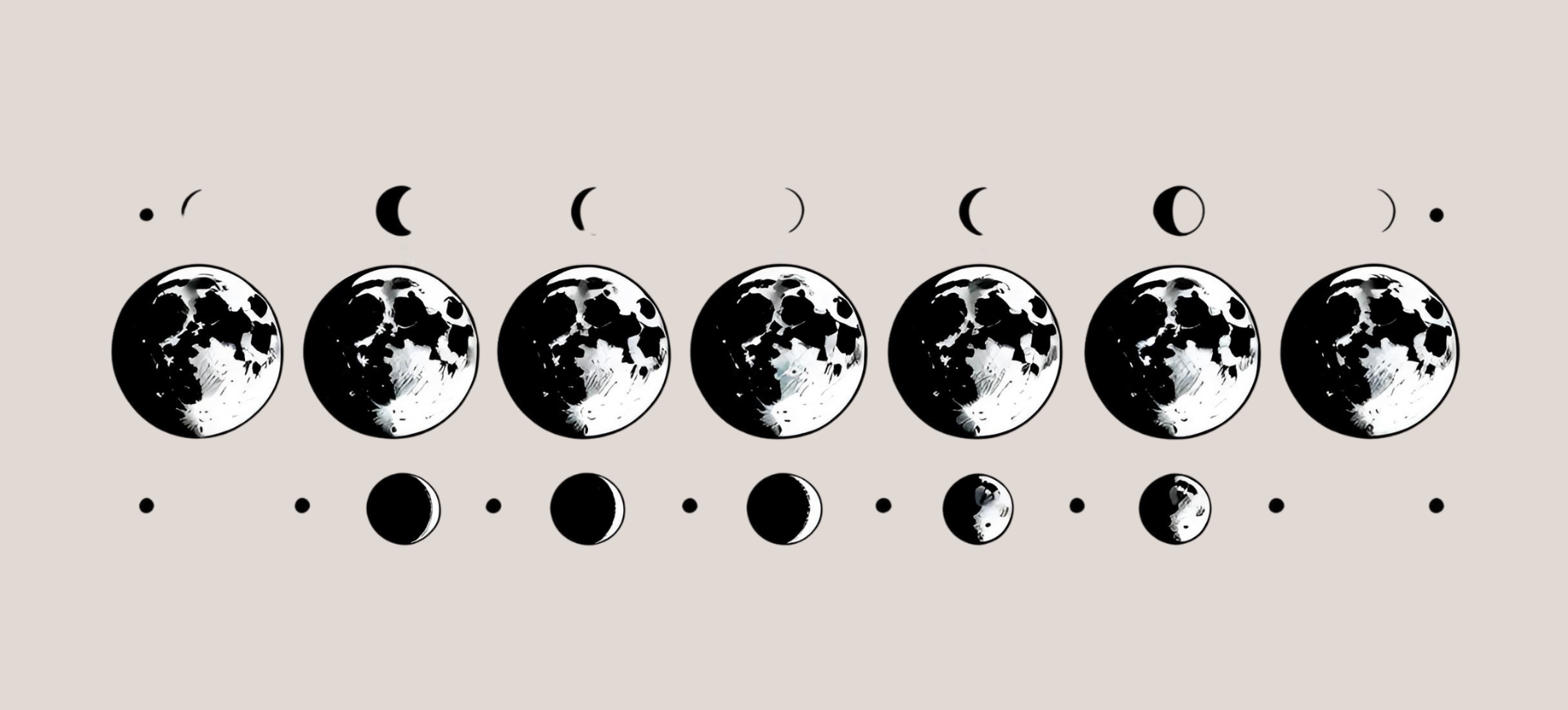
The lunar cycle has four primary phases:
- New Moon: Often considered a period of rest and introspection. Some biodynamic traditions suggest minimal vineyard intervention during this phase.
- Waxing Moon: The moon grows toward fullness, and energy is thought to move upward. Many biodynamic farmers believe this is a good time for planting above-ground parts of vines.
- Full Moon: Energy is at its peak. Some traditions suggest this is ideal for harvesting grapes for maximum vitality.
- Waning Moon: As the moon diminishes, energy is thought to move downward. This is considered optimal for root-related activities, such as soil enrichment and pruning.
Beyond these phases, biodynamic calendars sometimes also take into account the position of the moon relative to zodiac constellations, with specific signs thought to favor leafy growth, flowering, fruiting, or root development.
Moon and Vine: The Proposed Mechanisms
The theory that lunar cycles affect wine rests on several proposed mechanisms:
- Sap Flow: Some viticulturists believe the moon’s gravitational pull affects sap movement within the vine, similar to its effect on tides. During waxing phases, sap is thought to rise, promoting growth in leaves and fruit; during waning phases, sap retreats toward the roots.
- Microbial Activity: Soil microbes respond to moisture, temperature, and subtle gravitational changes. Biodynamic claims suggest lunar rhythms might influence microbial activity, thereby affecting nutrient uptake and fermentation potential.
- Phenolic Development: Phenolic compounds—responsible for color, flavor, and tannin structure—may theoretically be influenced by sap movement and nutrient availability, aligning harvest timing with lunar peaks for optimal grape chemistry.
- Fermentation Timing: Some winemakers schedule bottling and fermentation according to lunar phases, claiming that doing so enhances yeast activity and stabilizes flavors.
It’s important to note that most of these mechanisms remain speculative. Scientific confirmation is limited, and many researchers argue that any effects are likely subtle and often masked by more dominant factors such as climate, soil composition, grape variety, and winemaking technique.
Evidence From the Vine
Despite the lack of mainstream scientific validation, some anecdotal evidence and preliminary studies suggest there might be measurable effects:
- Yield and Growth Patterns: Several vineyards practicing biodynamic schedules report subtle differences in growth, such as timing of bud break or leaf expansion correlating with lunar phases.
- Flavor Profiles: Winemakers sometimes report that grapes harvested on “fruit days” according to lunar calendars produce wines with brighter fruit notes, while root days tend to produce more earthy, structured wines.
- Fermentation Behavior: Some biodynamic winemakers claim that wine fermented according to lunar calendars has more consistent fermentation kinetics and improved stability.
However, these observations are rarely isolated from other biodynamic practices. It’s difficult to parse whether benefits come from lunar timing, compost preparations, reduced chemical interventions, or simply greater attention to vineyard management. A controlled, double-blind study demonstrating a direct lunar effect on grape chemistry or fermentation has yet to be conclusively produced.
Scientific Skepticism and Critiques
Skeptics of lunar viticulture argue that any observed effects are more likely due to chance, placebo, or the broader benefits of attentive care inherent in biodynamic farming rather than the moon itself.
Key criticisms include:
- Lack of Mechanistic Evidence: While the moon clearly influences tides, its gravitational pull on sap or small-scale water movement in soil is negligible. Critics argue that any “lunar effect” is too small to reliably affect vine physiology.
- Confounding Variables: Weather, soil quality, vine age, pruning techniques, and even human attention can all influence grape quality far more than lunar cycles.
- Anecdotal Nature: Many studies cited by biodynamic advocates rely on subjective tasting notes or self-reported vineyard observations, which are inherently prone to bias.
- Placebo Effect in Winemaking: When growers and winemakers believe in a particular schedule, they may unconsciously adjust practices in ways that positively affect the outcome, creating the illusion of lunar influence.
Nonetheless, some argue that the moon’s role is less about physical causation and more about fostering holistic awareness. Following lunar cycles encourages careful observation, disciplined schedules, and alignment with natural rhythms—practices that arguably improve wine quality regardless of the moon’s gravitational pull.
The Role of Attention and Ritual
Whether or not the moon physically affects grape chemistry, there is evidence that ritualized attention improves agricultural outcomes. In biodynamic vineyards:
- Pruning, composting, and planting are performed with precise timing and deliberate intention.
- Vines receive closer monitoring, reducing disease risk and improving canopy management.
- Vineyard workers engage more deeply with the growth cycles, noticing subtle environmental cues that might otherwise be overlooked.
This increased attention may explain why biodynamic wines often exhibit vibrant expression, consistent quality, and complex flavor profiles. It’s less about magic and more about mindfulness—the winemaker’s cosmic calendar serves as a structured framework for rigorous care.
Comparing Lunar and Conventional Practices
To understand potential lunar impacts, it helps to contrast biodynamic timing with conventional viticulture:
- Conventional Harvesting: Usually scheduled based on sugar levels (Brix), acidity, and phenolic ripeness, rather than lunar phase. Harvest may be adjusted for weather or logistical convenience.
- Biodynamic Harvesting: Often considers “fruit days” or “root days,” aligning with waxing or waning moons to theoretically optimize flavor and structure.
Interestingly, blind tastings of biodynamic wines vs. conventionally produced wines sometimes show measurable sensory differences, though these differences may stem from overall vineyard care rather than lunar timing alone. Some studies suggest that wines from biodynamic vineyards score slightly higher in fruit expression, aromatic complexity, and balance—but establishing causation remains elusive.
Wine Tasting and Lunar Influence
Some sommeliers and biodynamic advocates report that wine tastes differently depending on the lunar calendar, even after bottling. The “day of the moon” concept categorizes days into fruit, flower, leaf, or root days, with the following claims:
- Fruit Days: Best for tasting and serving wine, as flavors are said to peak.
- Leaf Days: Wines may taste more astringent, vegetal, or less balanced.
- Root Days: Focused on structure, tannins, and earthy elements.
- Flower Days: Aromatic complexity may dominate, with subtle nuances more perceptible.
While these effects are debated, they underscore the interplay of perception, expectation, and sensory experience. Human taste is highly susceptible to suggestion, so if a taster knows it’s a “fruit day,” subtle differences may be amplified psychologically.
Case Studies: Biodynamic Vineyards and Lunar Practices
Several well-known biodynamic wineries actively follow lunar calendars:
- Domaine Leflaive (Burgundy, France): Practices biodynamics with careful attention to lunar planting and harvest schedules. Wines from this estate often exhibit refined minerality and layered aromatics.
- Château Maris (Languedoc, France): Follows full biodynamic protocols, including lunar-guided soil preparations. Reported differences in fruit expression are cited as evidence of subtle cosmic influence.
- Frog’s Leap Winery (California, USA): While certified organic and practicing holistic farming, they occasionally follow lunar-inspired schedules, noting perceived improvements in fermentation consistency.
Across these examples, a common thread emerges: lunar cycles are integrated into broader practices emphasizing observation, minimal intervention, and ecosystem health. The lunar influence is rarely isolated from other biodynamic methods, reinforcing the challenge of proving causation scientifically.
The Psychological Dimension: Belief and Sensory Experience
There’s an intriguing psychological component to lunar-based winemaking. Expectation, mindfulness, and storytelling all shape wine perception. Studies in sensory science show that labeling, narrative, and ritual can subtly enhance or alter perceived flavors. In this context:
- Belief in lunar timing may sharpen attention during vineyard work, indirectly improving vine care.
- Wine drinkers aware of lunar practices may experience enhanced sensory pleasure due to narrative framing.
- Ritualized bottling or tasting events can heighten focus and appreciation, reinforcing perceived differences.
In other words, lunar cycles might influence wine more through human behavior and perception than through gravitational physics.

A Scientific Perspective: Limits and Possibilities
From a strictly scientific perspective, the moon’s gravitational pull is likely too weak to exert a measurable effect on grape physiology. Soil moisture changes due to the moon are minuscule compared to rainfall, irrigation, and transpiration. Phenolic development, sugar accumulation, and acid balance are overwhelmingly influenced by sunlight, temperature, water availability, and vine genetics.
However, subtle timing effects could theoretically interact with these factors. For instance:
- Harvesting at the peak of sugar development coinciding with a full moon may create optimal conditions, though it is likely coincidence rather than lunar causation.
- Certain microbial processes in compost or fermentation may respond to slight environmental rhythms, though research here is preliminary and inconclusive.
In short, while the moon’s physical effect on vines is likely negligible, its integration into biodynamic philosophy contributes to structured attention, consistent schedules, and ecosystem mindfulness—practices that are scientifically linked to improved vineyard outcomes.
Practical Implications for Winemakers
For those considering lunar cycles in winemaking, practical advice includes:
- Integrate, Don’t Obsess: Use lunar calendars as a guiding framework rather than a strict rule. Combine lunar awareness with careful observation of vine health, weather, and ripeness.
- Document Everything: Track growth stages, harvest dates, fermentation behavior, and tasting notes. Over time, patterns may emerge that validate or refute lunar scheduling in your specific vineyard.
- Combine With Biodynamic Preparations: Compost, cover crops, and herbal sprays are likely to have more tangible impacts on vine vitality than lunar timing alone.
- Engage the Senses: Harvesting, pruning, and tasting with mindfulness enhances human perception, which may improve both vineyard care and wine enjoyment.
Ultimately, lunar calendars serve as a philosophical and operational tool, fostering disciplined attention and holistic observation rather than guaranteeing miraculous gravitational effects.
Conclusion: Poetry Meets Practice
Do lunar cycles actually influence biodynamic wine? The answer is nuanced. From a strict scientific standpoint, the moon’s physical impact on grape growth is likely minimal. However, the practice of aligning vineyard activities with lunar rhythms fosters heightened attention, structured scheduling, and mindful engagement with the land—factors that undeniably improve viticultural outcomes.
In this sense, lunar influence exists more in the realm of human perception and care than in physics alone. Biodynamic wines are expressive, balanced, and vibrant not because the moon whispers to the vines, but because the philosophy of lunar awareness encourages meticulous, thoughtful, and ecologically integrated farming.
Whether one views it as mysticism, tradition, or pragmatic horticulture, biodynamics—and the moon cycles that guide it—offers a fascinating lens through which to consider the interplay between human intention, natural rhythms, and the complex alchemy that transforms grapes into wine.
At the end of the day, whether or not the moon actually moves your grapes, it certainly moves winemakers to pay closer attention, to celebrate cycles, and to elevate both vineyard practice and wine appreciation to an art form.