
















SipsavorLife
  • Home
  • Wine
    Wine Pairings: Can They Change the Flavor Profile of a Dish?

    Wine Pairings: Can They Change the Flavor Profile of a Dish?

    How Do Wine Glasses Influence the Tasting Experience?

    How Do Wine Glasses Influence the Tasting Experience?

    Is Organic Wine Healthier Than Conventional Wine?

    Is Organic Wine Healthier Than Conventional Wine?

    Why Do Some Wines Taste Better from Specific Vintages?

    Why Do Some Wines Taste Better from Specific Vintages?

    Wine Tasting: Can It Truly Be an Art Form?

    Wine Tasting: Can It Truly Be an Art Form?

    What Does Terroir Actually Mean for Your Wine?

    What Does Terroir Actually Mean for Your Wine?

  • Whiskey
    Can Beer Be an Effective Ingredient in Culinary Cooking?

    Can Beer Be an Effective Ingredient in Culinary Cooking?

    Second Fermentation in Champagne: Is It Really That Crucial?

    Second Fermentation in Champagne: Is It Really That Crucial?

    How Do Different Grains Impact the Flavor Profile of Distilled Spirits?

    How Do Different Grains Impact the Flavor Profile of Distilled Spirits?

    How Do Whiskey Master Blenders Create Perfection?

    How Do Whiskey Master Blenders Create Perfection?

    Wine Pairings: Can They Change the Flavor Profile of a Dish?

    Wine Pairings: Can They Change the Flavor Profile of a Dish?

    Beer the Ultimate Beverage for Pairing with Spicy Food?

    Beer the Ultimate Beverage for Pairing with Spicy Food?

  • Beer
    Can Beer Be an Effective Ingredient in Culinary Cooking?

    Can Beer Be an Effective Ingredient in Culinary Cooking?

    Beer the Ultimate Beverage for Pairing with Spicy Food?

    Beer the Ultimate Beverage for Pairing with Spicy Food?

    How Did Ancient Civilizations Brew Beer Without Modern Technology?

    How Did Ancient Civilizations Brew Beer Without Modern Technology?

    Is It Possible to Brew a Beer with No Alcohol and No Compromise on Taste?

    Is It Possible to Brew a Beer with No Alcohol and No Compromise on Taste?

    Why Does Beer Taste Different at High Altitudes?

    Why Does Beer Taste Different at High Altitudes?

    Is Hops the Secret Ingredient Behind Beer’s Bold Flavor?

    Is Hops the Secret Ingredient Behind Beer’s Bold Flavor?

  • Grain Spirits
    How Do Different Grains Impact the Flavor Profile of Distilled Spirits?

    How Do Different Grains Impact the Flavor Profile of Distilled Spirits?

    Grain Spirits the Unsung Heroes of Modern Mixology

    Grain Spirits the Unsung Heroes of Modern Mixology

    What Makes Grain-Based Whiskey So Different from Its Peated Cousins?

    What Makes Grain-Based Whiskey So Different from Its Peated Cousins?

    Grain Spirits: Could They Be the Next Big Trend in Craft Cocktails?

    Grain Spirits: Could They Be the Next Big Trend in Craft Cocktails?

    Why Are Grain Spirits Often Overlooked in the World of Fine Liquor?

    Why Are Grain Spirits Often Overlooked in the World of Fine Liquor?

    Is There a Secret Art to Distilling Grain Spirits?

    Is There a Secret Art to Distilling Grain Spirits?

  • Champagne
    Second Fermentation in Champagne: Is It Really That Crucial?

    Second Fermentation in Champagne: Is It Really That Crucial?

    The Science Behind the ‘Bubble Size’ in Champagne

    The Science Behind the ‘Bubble Size’ in Champagne

    Why Do Some Champagnes Use a High Proportion of Pinot Meunier?

    Why Do Some Champagnes Use a High Proportion of Pinot Meunier?

    Role of Terroir in Champagne Production

    Role of Terroir in Champagne Production

    Champagne Can Be Aged in Wood?

    Champagne Can Be Aged in Wood?

    Is There a Difference Between Blanc de Blancs and Blanc de Noirs Champagne?

    Is There a Difference Between Blanc de Blancs and Blanc de Noirs Champagne?

  • ALL
    Can Beer Be an Effective Ingredient in Culinary Cooking?

    Can Beer Be an Effective Ingredient in Culinary Cooking?

    Second Fermentation in Champagne: Is It Really That Crucial?

    Second Fermentation in Champagne: Is It Really That Crucial?

    How Do Different Grains Impact the Flavor Profile of Distilled Spirits?

    How Do Different Grains Impact the Flavor Profile of Distilled Spirits?

    How Do Whiskey Master Blenders Create Perfection?

    How Do Whiskey Master Blenders Create Perfection?

    Wine Pairings: Can They Change the Flavor Profile of a Dish?

    Wine Pairings: Can They Change the Flavor Profile of a Dish?

    Beer the Ultimate Beverage for Pairing with Spicy Food?

    Beer the Ultimate Beverage for Pairing with Spicy Food?

SipsavorLife
  • Home
  • Wine
    Wine Pairings: Can They Change the Flavor Profile of a Dish?

    Wine Pairings: Can They Change the Flavor Profile of a Dish?

    How Do Wine Glasses Influence the Tasting Experience?

    How Do Wine Glasses Influence the Tasting Experience?

    Is Organic Wine Healthier Than Conventional Wine?

    Is Organic Wine Healthier Than Conventional Wine?

    Why Do Some Wines Taste Better from Specific Vintages?

    Why Do Some Wines Taste Better from Specific Vintages?

    Wine Tasting: Can It Truly Be an Art Form?

    Wine Tasting: Can It Truly Be an Art Form?

    What Does Terroir Actually Mean for Your Wine?

    What Does Terroir Actually Mean for Your Wine?

  • Whiskey
    Can Beer Be an Effective Ingredient in Culinary Cooking?

    Can Beer Be an Effective Ingredient in Culinary Cooking?

    Second Fermentation in Champagne: Is It Really That Crucial?

    Second Fermentation in Champagne: Is It Really That Crucial?

    How Do Different Grains Impact the Flavor Profile of Distilled Spirits?

    How Do Different Grains Impact the Flavor Profile of Distilled Spirits?

    How Do Whiskey Master Blenders Create Perfection?

    How Do Whiskey Master Blenders Create Perfection?

    Wine Pairings: Can They Change the Flavor Profile of a Dish?

    Wine Pairings: Can They Change the Flavor Profile of a Dish?

    Beer the Ultimate Beverage for Pairing with Spicy Food?

    Beer the Ultimate Beverage for Pairing with Spicy Food?

  • Beer
    Can Beer Be an Effective Ingredient in Culinary Cooking?

    Can Beer Be an Effective Ingredient in Culinary Cooking?

    Beer the Ultimate Beverage for Pairing with Spicy Food?

    Beer the Ultimate Beverage for Pairing with Spicy Food?

    How Did Ancient Civilizations Brew Beer Without Modern Technology?

    How Did Ancient Civilizations Brew Beer Without Modern Technology?

    Is It Possible to Brew a Beer with No Alcohol and No Compromise on Taste?

    Is It Possible to Brew a Beer with No Alcohol and No Compromise on Taste?

    Why Does Beer Taste Different at High Altitudes?

    Why Does Beer Taste Different at High Altitudes?

    Is Hops the Secret Ingredient Behind Beer’s Bold Flavor?

    Is Hops the Secret Ingredient Behind Beer’s Bold Flavor?

  • Grain Spirits
    How Do Different Grains Impact the Flavor Profile of Distilled Spirits?

    How Do Different Grains Impact the Flavor Profile of Distilled Spirits?

    Grain Spirits the Unsung Heroes of Modern Mixology

    Grain Spirits the Unsung Heroes of Modern Mixology

    What Makes Grain-Based Whiskey So Different from Its Peated Cousins?

    What Makes Grain-Based Whiskey So Different from Its Peated Cousins?

    Grain Spirits: Could They Be the Next Big Trend in Craft Cocktails?

    Grain Spirits: Could They Be the Next Big Trend in Craft Cocktails?

    Why Are Grain Spirits Often Overlooked in the World of Fine Liquor?

    Why Are Grain Spirits Often Overlooked in the World of Fine Liquor?

    Is There a Secret Art to Distilling Grain Spirits?

    Is There a Secret Art to Distilling Grain Spirits?

  • Champagne
    Second Fermentation in Champagne: Is It Really That Crucial?

    Second Fermentation in Champagne: Is It Really That Crucial?

    The Science Behind the ‘Bubble Size’ in Champagne

    The Science Behind the ‘Bubble Size’ in Champagne

    Why Do Some Champagnes Use a High Proportion of Pinot Meunier?

    Why Do Some Champagnes Use a High Proportion of Pinot Meunier?

    Role of Terroir in Champagne Production

    Role of Terroir in Champagne Production

    Champagne Can Be Aged in Wood?

    Champagne Can Be Aged in Wood?

    Is There a Difference Between Blanc de Blancs and Blanc de Noirs Champagne?

    Is There a Difference Between Blanc de Blancs and Blanc de Noirs Champagne?

  • ALL
    Can Beer Be an Effective Ingredient in Culinary Cooking?

    Can Beer Be an Effective Ingredient in Culinary Cooking?

    Second Fermentation in Champagne: Is It Really That Crucial?

    Second Fermentation in Champagne: Is It Really That Crucial?

    How Do Different Grains Impact the Flavor Profile of Distilled Spirits?

    How Do Different Grains Impact the Flavor Profile of Distilled Spirits?

    How Do Whiskey Master Blenders Create Perfection?

    How Do Whiskey Master Blenders Create Perfection?

    Wine Pairings: Can They Change the Flavor Profile of a Dish?

    Wine Pairings: Can They Change the Flavor Profile of a Dish?

    Beer the Ultimate Beverage for Pairing with Spicy Food?

    Beer the Ultimate Beverage for Pairing with Spicy Food?

SipsavorLife
No Result
View All Result
Home ALL

Why Do Ancient Grains Keep Reappearing in Modern Spirits?

January 6, 2026
in ALL, Grain Spirits
Why Do Ancient Grains Keep Reappearing in Modern Spirits?

In the past decade, the spirits world has witnessed a quiet revolution. It isn’t in the flashy labeling, nor the towering bottle displays, but rather in the grains themselves. Ancient grains—barley varieties lost to time, heritage wheats, spelt, einkorn, emmer, and even forgotten rye—are reclaiming a spotlight in modern distillation. From the smooth caramel notes of a small-batch bourbon to the crisp, floral layers in craft gin, distillers are turning to these grains with a fervor that blends nostalgia, science, and a touch of culinary artistry. But why? And why now? The answer lies in a confluence of flavor, sustainability, and storytelling that modern spirits enthusiasts can’t resist.

The Allure of Ancient Grains

Ancient grains are, by definition, varieties of cereals that have remained relatively unchanged over the centuries. Unlike modern grains that have been selectively bred for yield, disease resistance, and industrial adaptability, ancient grains retain their genetic diversity and complex chemical makeup. This isn’t just a botanical curiosity—it directly influences the character and quality of spirits.

When a distiller chooses a heritage barley over a modern hybrid, for example, the fermentation behaves differently. Ancient grains often contain higher levels of protein, amino acids, and other precursors that interact with yeast to create richer esters, aldehydes, and other flavor compounds. This can lead to unexpected floral, nutty, or earthy notes in the final spirit—notes that a standard modern grain might simply not provide.

Take rye, for example. Modern rye varieties often yield a sharp, spicy backbone—perfect for consistent, large-scale whiskey production. But heirloom rye, like Rosen or Dankowskie, can add hints of caramel, dark chocolate, or toasted bread, providing a complexity that both bartenders and connoisseurs love to explore. In gin, the choice of base grain can subtly affect how botanicals express themselves. A spelt-based gin might carry its juniper in a lighter, airier way, whereas a barley-based gin may feel rounder and more grounded.

A Heritage of Taste and Tradition

Distillers have always respected history, but modern consumers crave stories almost as much as flavor. Using ancient grains connects the spirit to a lineage, a cultural memory, or even a specific region. This narrative power is hard to overstate. Whiskey lovers, for instance, are often drawn to expressions that promise a connection to pre-industrial methods, echoing traditions that date back centuries. When a distillery labels a bottle as using “heritage barley from a single Scottish farm,” it doesn’t just sell a drink—it sells a journey.

Moreover, ancient grains resonate with the farm-to-bottle ethos that has taken root in craft spirits. These grains often come from small-scale, regenerative farms, and they thrive in diverse ecosystems. Unlike high-yield industrial cereals, ancient grains support biodiversity and soil health, making their cultivation a subtle form of environmental activism. For modern consumers who are increasingly aware of sustainability, this story enhances the perceived value of the spirit.

Science Behind the Flavor

There’s a rigorous scientific side to this trend. The chemical makeup of ancient grains—particularly their starches, proteins, and lipids—interacts with yeast during fermentation in unique ways. For whiskey, this means a more complex mash bill, resulting in layered aromas and nuanced textures. In vodka, often thought of as a “neutral” spirit, even slight differences in grain chemistry can affect mouthfeel, sweetness, and aftertaste.

Fermentation is a living process. Yeast strains metabolize sugars differently depending on the grain substrate. Heirloom wheats might encourage the growth of certain esters, giving a subtle honeyed or floral note. Einkorn or emmer can yield a slightly nuttier, richer spirit. This interplay is not something easily replicated with modern grains, which have been optimized for predictability rather than character. Distillers now often treat these grains as co-creators in the flavor profile, not just raw material.

Crafting Complexity

Modern spirits have increasingly moved beyond single-note purity. Consumers, particularly millennials and Gen Z, seek layered experiences in their drinks. The explosion of craft whiskey, gin, and vodka over the past 15 years reflects this. Ancient grains are particularly suited to this environment because their flavors are naturally multidimensional.

Simple Avocado Toast

Imagine a small-batch bourbon made with heritage barley. In the first sip, you might notice the warmth of caramel and vanilla—a classic bourbon signature—but underneath, there could be a faint hint of almond or dried fruit, a subtle earthiness, or even a whisper of floral tones. These are not artificial flavors—they are born from the grain itself. Bartenders and mixologists often find that these subtle differences allow for new cocktail constructions, where the spirit interacts with bitters, citrus, and syrups in more nuanced ways.

The Revival of Forgotten Grains

Some grains have been almost completely forgotten in mainstream agriculture. Quinoa, once primarily a staple in the Andes, has become a global health trend; similarly, wheat strains like spelt, einkorn, and emmer were largely replaced by high-yield modern wheat. Distillers have rediscovered these ancient cereals, sometimes partnering with small farms that specialize in their cultivation.

This revival is not merely about nostalgia. It’s about flavor chemistry, adaptability to climate stress, and marketing potential. Heirloom grains often require less chemical intervention, are more resilient to harsh weather, and retain flavors that modern grains have lost through genetic homogenization. For a distillery, this can mean a spirit that is not only unique but also more environmentally responsible.

Market Positioning and Consumer Desire

Part of the appeal of ancient grains in modern spirits is clearly commercial. Premium spirits are not just beverages; they are cultural artifacts. A bottle that boasts “crafted from heritage rye” signals craftsmanship, tradition, and exclusivity. It differentiates the brand in a crowded marketplace dominated by industrial-scale vodka, whiskey, and gin.

Consumers today are not only looking for flavor—they want authenticity. Social media amplifies this trend: a striking story of rediscovered grains, combined with limited releases, can create a sense of urgency and desirability. Ancient grains provide a bridge between artisanal credibility and scientific intrigue, satisfying both storytelling and experiential cravings.

Sustainability and Agricultural Resilience

Modern distillers are increasingly aware of their environmental footprint. Ancient grains are naturally suited to regenerative agricultural practices. Unlike heavily modified industrial cereals, they often thrive without intensive fertilizers or chemical interventions, are more tolerant of poor soil conditions, and support crop rotation diversity. By sourcing heritage grains, distilleries contribute to agricultural biodiversity and help preserve rare varieties from extinction.

This commitment also resonates with consumers. There’s a growing preference for spirits that are environmentally responsible, and marketing campaigns increasingly highlight the farm-to-bottle story. By reviving ancient grains, distillers can position themselves at the intersection of heritage, sustainability, and high-quality craftsmanship.

Ancient Grains Across Spirit Categories

Whiskey

Whiskey, perhaps more than any other spirit, has embraced ancient grains. Bourbon, rye, and single-malt Scotch have all seen heritage-grain editions in the past decade. These expressions are celebrated for their complexity: nuttiness, subtle floral hints, and lingering spice that modern high-yield grains often fail to deliver. Distillers often blend ancient and modern grains to balance accessibility with depth, creating products that appeal to both casual drinkers and connoisseurs.

Gin

Gin is another beneficiary of ancient grains. While botanicals often dominate flavor perception, the base spirit shapes how these botanicals express themselves. Spelt or barley-based gins often carry botanicals in a lighter, more ethereal way, enhancing floral or citrus notes. Distillers seeking novelty use ancient grains to create gins that stand out in a saturated market.
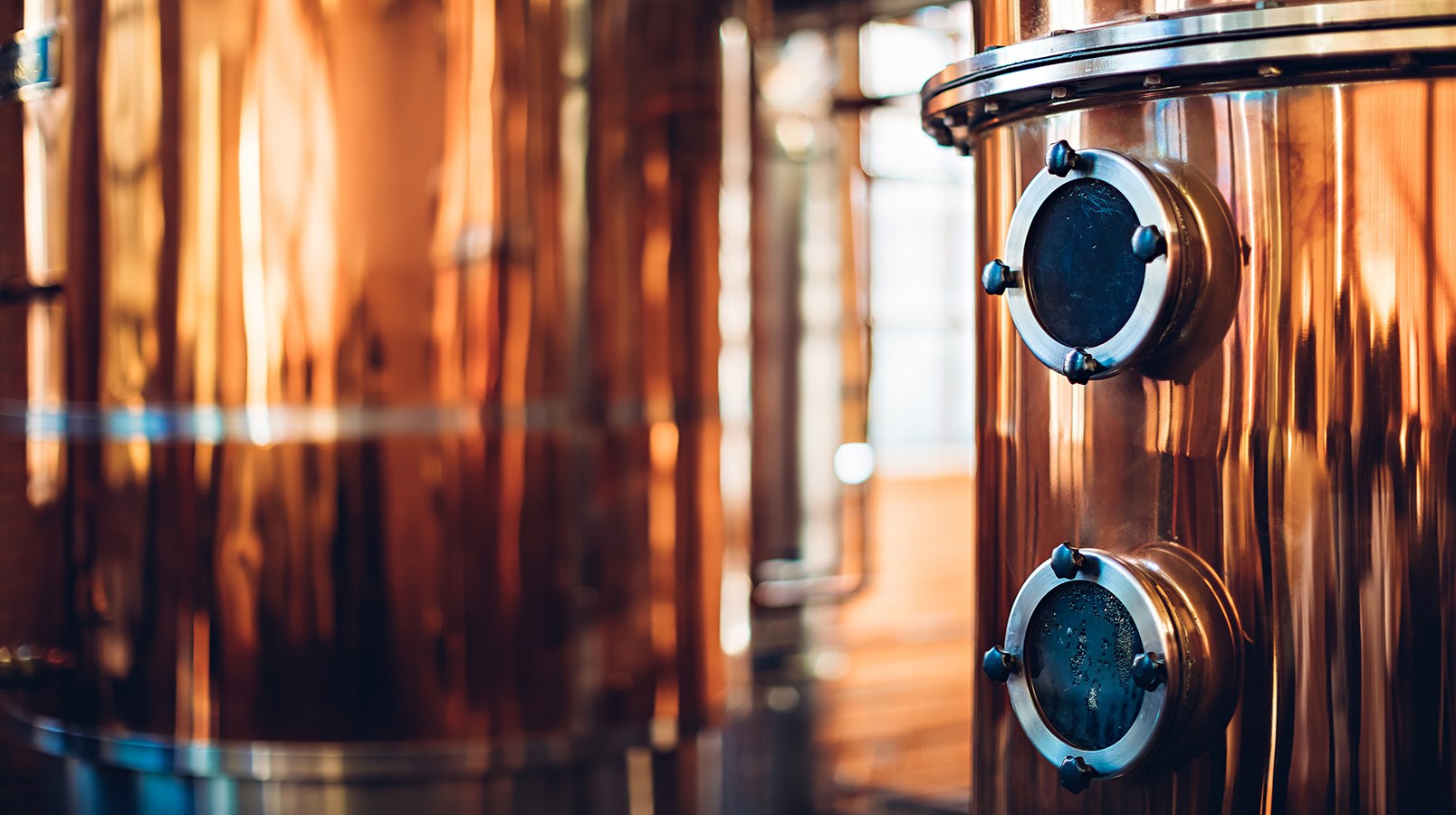
What is distillation? Learn about the distillation process | Wine & Spirit  Education Trust

Vodka

Even vodka, historically considered a neutral spirit, benefits from ancient grains. Small-batch vodkas distilled from einkorn, rye, or heritage wheat exhibit subtle sweetness, creaminess, or a delicate nuttiness. These spirits often appeal to premium consumers who value mouthfeel and elegance over sheer neutrality.

Beer and Beyond

While this discussion focuses on distilled spirits, the resurgence of ancient grains is mirrored in craft beer and specialty fermentation. Breweries experiment with spelt, emmer, and heirloom barley, often producing beers with richer malt character, unexpected aromas, and a connection to agrarian heritage. The techniques and grains often cross-pollinate between brewing and distilling, enriching both worlds.

Flavor Innovation Through Blending

One of the most exciting developments in modern spirits is blending ancient grains with more familiar varieties. This approach allows distillers to experiment with flavor without compromising consistency. For example, blending a small percentage of heritage rye with modern corn in bourbon production can create a surprisingly complex profile that balances spice, sweetness, and roundness. Similarly, pairing einkorn with modern wheat in vodka distillation can yield a creamy texture with delicate floral undertones.

These blends are often framed as “limited editions” or “experimental batches,” reinforcing their uniqueness. This marketing strategy not only attracts enthusiasts but also encourages experimentation and consumer education.

Cultural Resonance

Beyond flavor, ancient grains resonate culturally. They evoke a pre-industrial world where agriculture was diverse, terroir mattered, and food and drink were intimately connected to the land. For urban consumers, this nostalgia is powerful. A sip of a rye whiskey crafted from 100% heritage rye can feel like a tactile link to centuries of agrarian craft.

This connection is amplified in global markets where authenticity is prized. European distillers, for example, often highlight heirloom barley or wheat varieties indigenous to their regions. American craft distillers may emphasize local farms growing spelt or ancient rye. The result is a narrative that transcends mere marketing—it creates an emotional bond with the consumer.

Challenges and Limitations

Despite the allure, ancient grains pose challenges. They are often less consistent than modern grains, which can complicate fermentation and distillation. Yields are lower, and prices are higher. Additionally, sourcing sufficient quantities for large-scale production can be difficult, making these grains more suitable for craft or premium spirits rather than mass-market products.

However, these challenges are also part of the appeal. They reinforce the narrative of artisanal craftsmanship and limited production. Each batch carries a story of effort, care, and connection to the land—a story that modern consumers increasingly value.

The Future of Ancient Grains in Spirits

The trajectory of ancient grains in spirits is upward. Consumers are becoming more educated and adventurous, and distillers are eager to innovate without losing authenticity. Expect to see more hybrids, more experimental distillates, and a deeper exploration of forgotten grains.

As sustainability pressures mount, ancient grains may become not just a luxury or niche feature, but a necessity. Their resilience to changing climates and minimal input requirements make them a compelling choice for future-proofing agriculture—and, by extension, the spirits that depend on it.

In short, ancient grains are not a fleeting trend. They are a response to a convergence of taste, sustainability, storytelling, and market evolution. By embracing these grains, modern spirits are reconnecting with tradition, enriching flavor profiles, and meeting the ethical and aesthetic expectations of a new generation of consumers.

Conclusion

Ancient grains in modern spirits are more than a stylistic choice—they are a movement. They bring complexity, sustainability, and narrative power to spirits, appealing to both palate and conscience. As the spirits industry continues to evolve, these grains offer a bridge between past and present, science and art, tradition and innovation. They remind us that sometimes, looking backward can move us forward in the most flavorful way imaginable.


Tags: flavorgrain spiritsInnovationwhiskey production
ShareTweetShare

Related Posts

Can Beer Be an Effective Ingredient in Culinary Cooking?
ALL

Can Beer Be an Effective Ingredient in Culinary Cooking?

January 22, 2026
Second Fermentation in Champagne: Is It Really That Crucial?
ALL

Second Fermentation in Champagne: Is It Really That Crucial?

January 22, 2026
How Do Different Grains Impact the Flavor Profile of Distilled Spirits?
ALL

How Do Different Grains Impact the Flavor Profile of Distilled Spirits?

January 22, 2026
How Do Whiskey Master Blenders Create Perfection?
ALL

How Do Whiskey Master Blenders Create Perfection?

January 22, 2026
Wine Pairings: Can They Change the Flavor Profile of a Dish?
ALL

Wine Pairings: Can They Change the Flavor Profile of a Dish?

January 22, 2026
Beer the Ultimate Beverage for Pairing with Spicy Food?
ALL

Beer the Ultimate Beverage for Pairing with Spicy Food?

January 21, 2026
Leave Comment
  • Trending
  • Comments
  • Latest
What Hidden Craftsmanship Lies Behind a Bottle of Quality Grain Spirits?

What Hidden Craftsmanship Lies Behind a Bottle of Quality Grain Spirits?

July 3, 2025
How Is Champagne Made? The Secrets Behind the Sparkle

How Is Champagne Made? The Secrets Behind the Sparkle

April 15, 2025
Grain Spirits vs. Traditional Distilled Spirits: Which One Suits Your Taste?

Grain Spirits vs. Traditional Distilled Spirits: Which One Suits Your Taste?

July 3, 2025
Champagne Bubbles: How Do They Perfectly Convey Celebration, Joy, and Luxury?

Champagne Bubbles: How Do They Perfectly Convey Celebration, Joy, and Luxury?

July 2, 2025
The Timeless Elegance of Wine: A Journey Through History and Culture

The Timeless Elegance of Wine: A Journey Through History and Culture

Why Is Château Lafite Rothschild the Pinnacle of Fine Wine?

Why Is Château Lafite Rothschild the Pinnacle of Fine Wine?

How Did Château Lafite Rothschild Become a Global Icon of Luxury?

How Did Château Lafite Rothschild Become a Global Icon of Luxury?

What Makes Chateau Lafite Rothschild the Pinnacle of Bordeaux Wines?

What Makes Chateau Lafite Rothschild the Pinnacle of Bordeaux Wines?

Can Beer Be an Effective Ingredient in Culinary Cooking?

Can Beer Be an Effective Ingredient in Culinary Cooking?

January 22, 2026
Second Fermentation in Champagne: Is It Really That Crucial?

Second Fermentation in Champagne: Is It Really That Crucial?

January 22, 2026
How Do Different Grains Impact the Flavor Profile of Distilled Spirits?

How Do Different Grains Impact the Flavor Profile of Distilled Spirits?

January 22, 2026
How Do Whiskey Master Blenders Create Perfection?

How Do Whiskey Master Blenders Create Perfection?

January 22, 2026
SipsavorLife

Welcome to our comprehensive beverage guide, where you can explore the fascinating world of alcoholic drinks. From exquisite wines and rich whiskeys to refreshing beers and sparkling champagnes, we provide insights, tips, and recommendations for enthusiasts and casual drinkers alike. Discover your next favorite libation with us!

© 2025 sipsavorlife.com. contacts:sipsavorlife-35376@gmail.com

No Result
View All Result
  • Home
  • Wine
  • Whiskey
  • Beer
  • Grain Spirits
  • Champagne
  • ALL

© 2025 sipsavorlife.com. contacts:sipsavorlife-35376@gmail.com

Welcome Back!

Login to your account below

Forgotten Password?

Retrieve your password

Please enter your username or email address to reset your password.

Log In