



























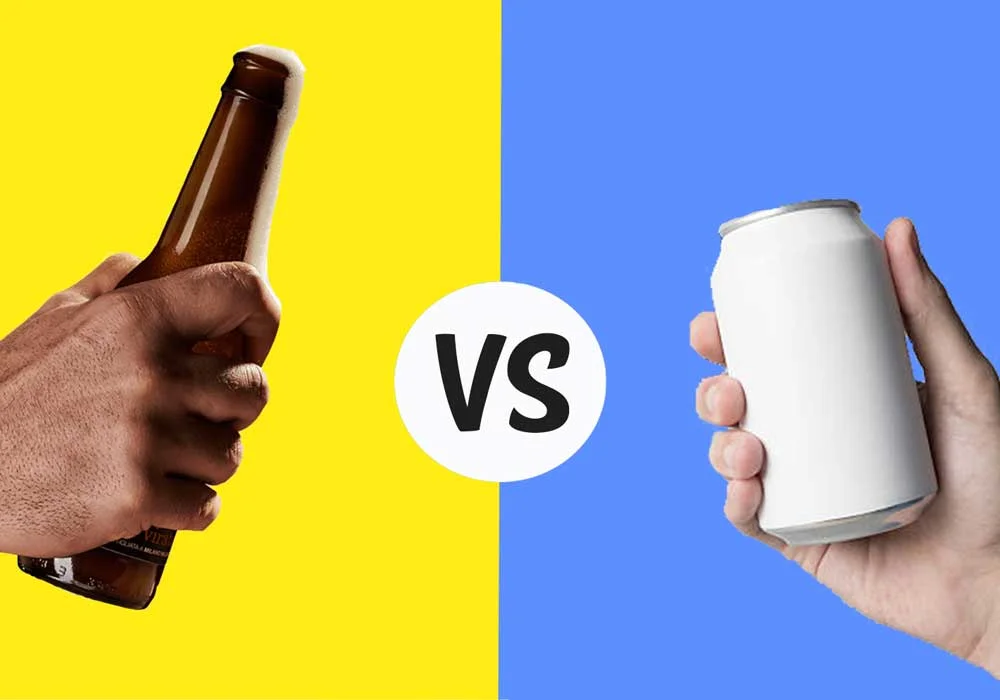
Beer is a timeless beverage that has been enjoyed for thousands of years, evolving alongside human culture, technology, and tastes. Yet, even with centuries of brewing expertise, one of the most surprisingly contentious debates among beer enthusiasts today is whether beer tastes better in a can or a bottle. The debate is surprisingly nuanced, involving chemistry, packaging technology, sensory perception, and even psychology. This article dives deep into the science, history, and sensory experience behind why some beers taste better in a can than a bottle—and why the answer might not be as simple as you think.
The Rise of the Can: More Than Just a Trend
Cans have long been associated with convenience, especially for outdoor events and casual drinking. Historically, bottles were seen as the premium choice, while cans were often dismissed as cheap or low-quality. However, over the past decade, craft breweries have embraced cans for their practical advantages and their surprisingly positive impact on beer flavor.
Cans are lightweight, portable, and virtually unbreakable, making them ideal for transport. Beyond logistics, though, cans offer a crucial technical advantage: they provide a complete barrier against light and oxygen. These two factors are the main culprits behind beer spoilage and off-flavors. This is why many breweries now prefer cans for hop-forward styles like IPAs, which are particularly sensitive to degradation.
How Light Affects Beer Flavor
One of the biggest differences between beer in a bottle versus a can is light exposure. Bottles, even brown ones, let in some light. When ultraviolet (UV) light penetrates beer, it interacts with hop compounds and proteins, producing a chemical reaction that results in a distinct “skunky” aroma. This is scientifically known as lightstruck flavor.
While green or clear bottles may look elegant and are often used for specialty beers, they offer almost no protection against UV light. Even brown bottles only partially protect against light exposure. Aluminum cans, on the other hand, are completely opaque, ensuring the beer inside remains untouched by light and preserving its intended flavor.
For beers with delicate hop profiles or subtle malt nuances, this difference can be significant. Hazy IPAs, citrusy Pale Ales, and even some stouts maintain fresher, more accurate flavors in cans than bottles.
Oxygen: The Invisible Enemy
Another major factor that affects beer taste is oxygen. Oxidation occurs when beer interacts with oxygen, leading to stale, cardboard-like flavors. While bottling technology has improved dramatically, some oxygen can still sneak into a bottle during the filling process.
Cans, however, offer a tighter seal and lower risk of oxygen exposure. Modern canning lines are equipped with nitrogen or carbon dioxide purging systems that displace oxygen before sealing, helping beer maintain its fresh, intended flavor. Even small amounts of oxygen can degrade hop aroma in a few weeks, making canned beer a better choice for hoppy, aromatic styles.
For lagers, ales, and craft beers with subtle aromas, this oxygen barrier can make the difference between a vibrant, flavorful sip and a muted, flat experience.
The Chemistry of Metal and Taste
Some beer enthusiasts worry that cans might impart a metallic taste. In reality, modern cans are lined with a food-safe polymer coating that prevents direct contact between beer and aluminum. This lining ensures that the beer’s flavors remain intact, neutral, and unaffected by the metal itself.
Interestingly, some tasters even report that beer in a can tastes “crisper” or “cleaner.” While this might involve subjective perception, it could also relate to how cans chill more quickly and evenly in a refrigerator. Cooler beer can subtly alter taste perception, enhancing certain flavors while suppressing unwanted notes.

Aroma Retention: The Unsung Advantage
Aroma is a critical part of the beer-drinking experience. The first whiff can influence your perception of taste even before the beer touches your lips. Cans, by limiting light and oxygen exposure, also protect volatile aromatic compounds.
Hop-forward beers, Belgian ales, and experimental craft brews with complex aromatics benefit the most. When poured from a can, the beer retains the bright, fresh aromas that brewers intended. Bottled beer, especially if it has been exposed to light or oxygen, often loses some of these delicate aromatic notes.
Some breweries even recommend “cracking the can” and pouring slowly to release aromatics optimally. The result can be a more pronounced nose compared to the same beer from a bottle.
Psychological Perception: How Packaging Shapes Taste
Believe it or not, the container can influence perception on a psychological level. Studies have shown that people often expect canned beer to be less flavorful, associating bottles with premium quality. However, when blinded, tasters sometimes prefer canned beer, noting a fresher taste.
This suggests that marketing and preconceived notions play a subtle role in how we experience beer. Once freed from these biases, the inherent advantages of cans—protection from light and oxygen, aroma retention—become more apparent.
Even the tactile experience of drinking from a cold can, with its refreshing metal chill against the lips, can enhance perceived crispness and refreshment.
The Role of Beer Style
Not all beers benefit equally from being canned. Some styles, like barrel-aged stouts, traditional lagers, or sour beers, are less sensitive to light and oxidation and may taste virtually identical in a bottle.
Hop-forward styles, however, including:
- IPAs (India Pale Ales)
- Pale Ales
- Hazy or New England IPAs
- Session Ales
tend to perform better in cans due to their delicate aromatic hop compounds. These compounds are highly reactive to light and oxygen, and cans give them the best chance of surviving intact from brewery to glass.
Similarly, beers with intense citrus, tropical fruit, or herbal notes benefit from canning because the full flavor spectrum is preserved until opening.
Temperature and Chilling
Cans have an unexpected advantage in terms of thermal properties. Aluminum conducts heat more efficiently than glass, which means cans chill faster in a refrigerator or cooler. Faster chilling not only makes the beer more refreshing but can subtly influence taste perception.
Colder beer can suppress minor off-flavors while highlighting crisp, clean notes. This is especially relevant for pale lagers, pilsners, and IPAs, where the hop or malt balance is delicate. Bottled beer takes longer to reach optimal drinking temperature, and uneven cooling can affect consistency across servings.

Environmental Impact and Quality Control
Brewing is not just about taste—it’s also about sustainability. Cans are lighter than glass bottles, reducing transportation costs and carbon emissions. Additionally, cans are almost infinitely recyclable, often more so than glass, which can have logistical and environmental limitations.
From a quality control standpoint, cans offer breweries a more reliable packaging option. Fewer broken containers, less light exposure, and consistent sealing all contribute to delivering a fresher product to consumers.
The Evolution of Craft Beer Packaging
The craft beer movement has accelerated the adoption of cans. Early on, small breweries were hesitant to use cans due to stigma and lack of access to high-quality canning lines. Today, canning has become a mark of modernity and innovation. Some breweries even embrace the can as part of the beer’s aesthetic, using creative artwork and limited-edition releases.
The adoption of cans is no longer just practical—it’s strategic. By prioritizing flavor preservation and aroma retention, breweries ensure that consumers experience their beer as intended, straight from the source.
Debunking Common Myths
Some lingering myths about beer in cans include:
- “Cans taste metallic.” – Modern can linings prevent any metallic transfer, so the taste comes purely from the beer itself.
- “Bottles are always premium.” – Bottle vs. can perception is largely cultural and marketing-driven. Blind taste tests often favor cans for freshness.
- “Cans spoil beer faster.” – Quite the opposite. Light and oxygen exposure is minimized, protecting delicate flavors.
Understanding these myths helps consumers make informed choices, appreciating the technical benefits behind modern packaging.
Expert Opinions and Blind Tastings
Blind tasting panels have increasingly validated the preference for cans, especially with IPA styles. Tasters frequently note that canned beers exhibit:
- Brighter hop aroma
- Cleaner malt profile
- Reduced off-flavors
- Enhanced perception of freshness
This is consistent with what brewers observe in their quality control processes. The takeaway? For certain beers, the can is not just a container—it’s an integral part of flavor preservation.
Serving Tips for Canned Beer
To maximize the enjoyment of canned beer:
- Chill quickly: Use ice or a refrigerator to reach optimal temperature.
- Pour carefully: A slow pour preserves carbonation and aroma.
- Avoid shaking: Excessive agitation can cause foaming.
- Consume fresh: Hoppy beers taste best within a few weeks of canning.
These small practices ensure that the advantages of cans are fully realized in every sip.
Conclusion
The debate between cans and bottles has evolved beyond nostalgia and aesthetics into science and sensory experience. While bottles carry cultural weight and a sense of tradition, cans offer tangible advantages in flavor preservation, aroma retention, and freshness. Light exposure, oxygen intrusion, and temperature control all favor canned beer, especially for delicate, hop-forward styles.
In the end, the container is more than just a vessel—it can make or break the beer experience. For breweries, cans are a tool to protect flavor and deliver beer as intended. For consumers, understanding these factors can elevate the way they taste, appreciate, and enjoy one of humanity’s oldest and most beloved beverages.
So, the next time you pop open a can of craft IPA or a fresh Pale Ale, take a moment to savor the science behind that first sip. You might just find that some beers really do taste better in a can than a bottle.