
























Champagne—just the word alone conjures images of golden bubbles, glittering flutes, and celebrations that stretch from weddings to new year’s eve. But beyond the glamour, the magic of Champagne begins far below the surface, buried deep in the soils of the Champagne region of northeastern France. Among the many factors that sculpt its famed elegance, one element consistently receives almost mythical status: chalky soil. Can it really shape Champagne’s signature finesse, or is it just another romantic notion whispered by sommeliers and marketers? Let’s dig deeper—quite literally—into the limestone-laden heart of Champagne’s vineyards.
The Anatomy of Chalk: More Than Just Dirt
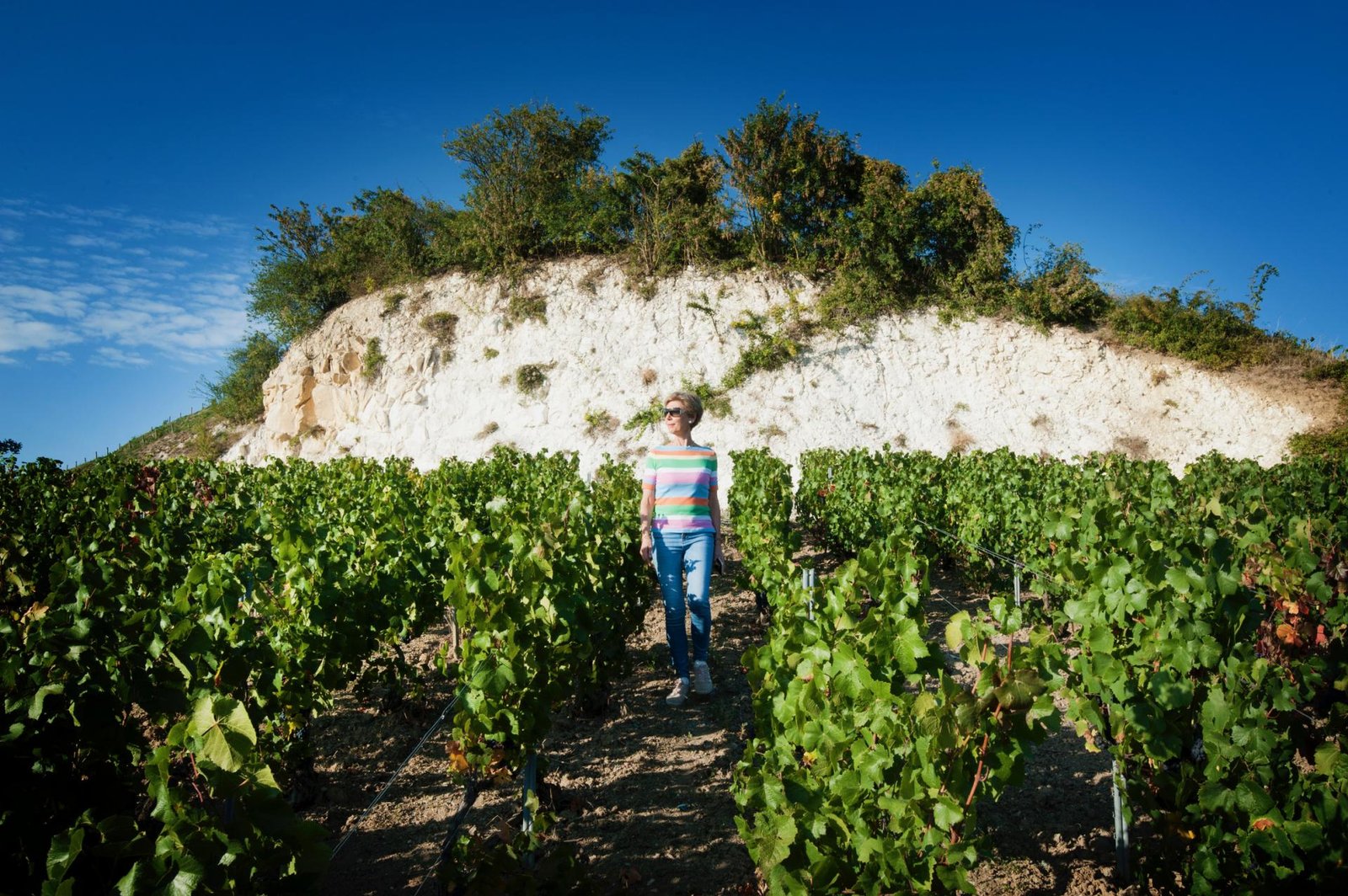
At first glance, chalk seems unremarkable: a soft, white, porous rock composed mainly of calcium carbonate. But beneath its humble exterior lies a geological marvel. Chalk is a sedimentary rock formed over millions of years from the skeletal remains of microscopic marine organisms. Its physical properties—porosity, mineral richness, and ability to retain and reflect heat—play an outsized role in the vineyards above.
Unlike clay or sand, chalk has excellent drainage. Water infiltrates easily but is also retained in microscopic pores, creating a subtle moisture reserve for vines during dry periods. This combination prevents water stress while forcing roots to dig deep for nutrients. In Champagne, where the climate is temperate but often chilly, this encourages slow, steady ripening of grapes—a key factor in maintaining high acidity and delicate aromatics, the hallmark of fine sparkling wine.
Terroir: Where Chalk Meets Climate
Chalk alone does not make Champagne. It is the synergy between soil and climate, the essence of what French vintners call terroir, that creates the region’s unique expression. Champagne’s cool climate allows grapes to ripen slowly, preserving high acidity. When paired with chalky soil, which moderates water supply and reflects sunlight back onto the vines, the result is grapes with a balance of ripeness and freshness, a structural tension that translates into finesse in the finished wine.
Think of chalk as an orchestra conductor. The soil doesn’t produce flavors directly but shapes the conditions under which vines express their potential. Grapes grown in chalky soils tend to produce wines with precise mineral notes, taut acidity, and a clean, elegant structure. These characteristics are especially prized in sparkling wine, where the delicate bubbles amplify every nuance.
Root Architecture: Digging Deep for Finesse
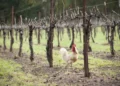
One of the most fascinating ways chalk influences Champagne is through the vines’ roots. Unlike superficial soils, chalk encourages roots to penetrate deeply, sometimes extending over 10 meters underground. Deep roots access stable water reserves and a broader spectrum of minerals, allowing vines to withstand climatic fluctuations while developing subtle flavor complexity.
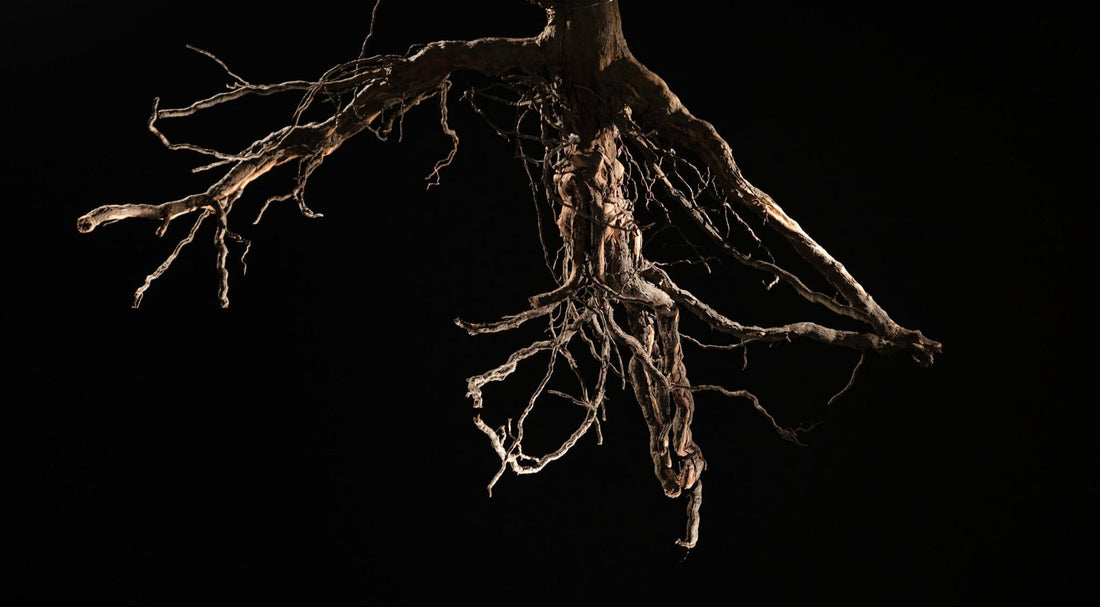
Moreover, this root depth contributes to the mouthfeel of Champagne. Wines from deep-rooted vines often display a tension between brightness and richness—think zesty lemon notes balanced with a creamy, almost tactile texture. This interplay is central to the region’s signature finesse, the delicate yet persistent structure that makes Champagne so revered.
Mineral Impressions or Psychological Bias?
One of the great debates in oenology revolves around the term “minerality.” Critics often debate whether mineral flavors in wine reflect the soil directly or are merely a product of the wine’s chemistry. In Champagne, chalky soils are often credited with imparting chalky or flinty notes. Chemically, these impressions may derive from low nutrient stress and high acidity rather than literal calcium carbonate taste. Nonetheless, the perception of minerality contributes to the wine’s overall elegance, suggesting a purity and precision that seems almost tactile.
In practical terms, chalk ensures a slow, measured ripening process and steady hydration, which produce grapes that express their varietal character without the masking effects of excessive sugar or overripe fruit. So while chalk might not literally flavor the wine, it creates the conditions that allow finesse to emerge naturally.
Regional Variations Within Champagne
Not all chalk is equal. The Champagne region’s vineyards are spread across three main areas: the Montagne de Reims, the Vallée de la Marne, and the Côte des Blancs. Each presents a slightly different chalk composition, which, combined with microclimate variations, affects grape expression.
- Montagne de Reims: Heavier, clay-infused chalk produces Pinot Noir with structure and depth, often forming the backbone of blends.
- Vallée de la Marne: Chalk mixed with marl delivers Pinot Meunier that ripens earlier, adding fruitiness and softness.
- Côte des Blancs: Pure, bright chalk dominates, perfectly suited for Chardonnay, yielding wines of precision, elegance, and an almost electric freshness.
This interplay between chalk type, grape variety, and microclimate highlights why Champagne achieves its complexity and finesse. It’s not magic—it’s geology meeting meticulous viticulture.
Chalk, Climate Change, and Modern Challenges
As the climate warms, the interaction between chalk soils and grape ripening is becoming even more critical. Higher temperatures can accelerate sugar accumulation and reduce acidity, risking the delicate balance that defines Champagne. Chalk’s ability to store water and moderate soil temperature offers a natural buffer, helping vines maintain slow, even ripening in a changing climate. In this sense, chalk is not only a historical advantage but also a modern shield against environmental volatility.
Vintners are experimenting with different vineyard practices—cover crops, reduced pruning, and canopy management—to amplify chalk’s moderating influence. By optimizing root health and soil exposure, they aim to preserve acidity and finesse even as summers grow hotter.
Winemaking Meets Geology
Once grapes are harvested, chalk continues to play a subtle role. High-acid, well-structured grapes from chalk soils lend themselves beautifully to traditional Champagne production, including secondary fermentation in the bottle. The natural tension in the grape translates into crisp bubbles, lingering aromatics, and a palate that balances brightness with texture.
Moreover, chalky soils often produce lower yields, concentrating flavors and enhancing complexity. In Champagne, finesse is about restraint and balance, and chalk-enforced lower yields help achieve this naturally.
Beyond the Glass: Cultural Resonance
Chalk has also shaped Champagne culturally. The famous underground chalk cellars, or crayères, carved over centuries, offer ideal conditions for aging: stable temperature, humidity, and absence of light. Here, Champagne develops its mousse, aromas, and subtle tertiary notes. These man-made structures, derived directly from chalk mining, link geology to culture in a uniquely Champagne way.
In marketing and storytelling, chalk has become synonymous with elegance, purity, and authenticity. Champagne houses often highlight their vineyards’ chalky soils as proof of heritage and terroir-driven quality. The romance of chalk, intertwined with rigorous science, creates a narrative that complements the wine’s sensory experience.
Synthesis: Finesse as a Product of Soil
So, can chalk really shape Champagne’s signature finesse? The answer is both simple and nuanced. Chalk doesn’t inject flavor molecules directly into grapes, but it structures the vineyard environment in ways that consistently encourage balance, precision, and subtlety. From water regulation and root architecture to temperature moderation and long-term mineral access, chalk sets the stage for grapes that naturally express elegance and refinement.
In the end, finesse in Champagne is a collaboration: soil, climate, vine, and human intervention. Chalk is a foundational element, a silent sculptor beneath the vineyard, guiding the vines toward their fullest potential. Without it, Champagne might still sparkle, but it would lack the ethereal tension and crystalline purity that make it the wine of celebration, artistry, and timeless sophistication.