




SipsavorLife
  • Home
  • Wine
    The History, Culture, and Global Influence of Humanity’s Most Celebrated Beverage

    The Wine Revolution: How Modern Winemaking Transformed a Global Industry

    The History, Culture, and Global Influence of Humanity’s Most Celebrated Beverage

    Wine Styles of the World: A Complete Guide to Red, White, Rosé, Sparkling, and Fortified Wines

    The History, Culture, and Global Influence of Humanity’s Most Celebrated Beverage

    The Global Wine Industry: Markets, Trade, Tourism, and Economic Impact

    The History, Culture, and Global Influence of Humanity’s Most Celebrated Beverage

    The Science of Wine: Grapes, Fermentation, and Flavor Development

    The History, Culture, and Global Influence of Humanity’s Most Celebrated Beverage

    The History, Culture, and Global Influence of Humanity’s Most Celebrated Beverage

    The Cultural History of Wine: From Ancient Rituals to Modern Luxury

    The Psychology of Wine: Why Humans Associate Wine with Emotion, Memory, and Identity

  • Whiskey
    Can Beer Be an Effective Ingredient in Culinary Cooking?

    Can Beer Be an Effective Ingredient in Culinary Cooking?

    Second Fermentation in Champagne: Is It Really That Crucial?

    Second Fermentation in Champagne: Is It Really That Crucial?

    How Do Different Grains Impact the Flavor Profile of Distilled Spirits?

    How Do Different Grains Impact the Flavor Profile of Distilled Spirits?

    How Do Whiskey Master Blenders Create Perfection?

    How Do Whiskey Master Blenders Create Perfection?

    Wine Pairings: Can They Change the Flavor Profile of a Dish?

    Wine Pairings: Can They Change the Flavor Profile of a Dish?

    Beer the Ultimate Beverage for Pairing with Spicy Food?

    Beer the Ultimate Beverage for Pairing with Spicy Food?

  • Beer
    Malt Beer: Why Does Its Sweet Malty Aroma Always Bring Endless Satisfaction?

    The Craft Beer Revolution: How Independent Breweries Changed the World of Beer

    Beer: The World’s Oldest and Most Influential Beverage

    Beer Styles of the World: A Complete Guide to Lager, Ale, Stout, IPA, and Beyond

    Beer: The World’s Oldest and Most Influential Beverage

    The Global Beer Industry: Markets, Brands, and Economic Impact

    Beer: The World’s Oldest and Most Influential Beverage

    The Science of Beer: Ingredients, Fermentation, and Flavor

    Beer: The World’s Oldest and Most Influential Beverage

    Beer: The World’s Oldest and Most Influential Beverage

    Beer as a Cultural and Social Force: From Ancient Brew to Modern Identity

    Women in Brewing: The Untold History and Modern Transformation of Beer Culture

  • Grain Spirits
    Grain Spirits: The Origins, Science, and Global Evolution of Distilled Grain Alcohol

    Bourbon: America’s Native Grain Spirit and the Global Story of Corn, Oak, Fire, and Time

    Grain Spirits: The Origins, Science, and Global Evolution of Distilled Grain Alcohol

    Gin: Botanicals, History, Cocktail Culture, and the Artistic Evolution of the World’s Most Aromatic Grain Spirit

    Grain Spirits: The Origins, Science, and Global Evolution of Distilled Grain Alcohol

    Vodka: The Global Rise of the World’s Most Versatile Grain Spirit

    Grain Spirits: The Origins, Science, and Global Evolution of Distilled Grain Alcohol

    Whiskey and the Soul of Grain Spirits: History, Craftsmanship, Culture, and the Global Rise of the World’s Most Iconic Distilled Grain Beverage

    Grain Spirits: The Origins, Science, and Global Evolution of Distilled Grain Alcohol

    Grain Spirits: The Origins, Science, and Global Evolution of Distilled Grain Alcohol

    Grain Spirits Explained — The Foundation of Global Distillation

    The Future of Grain Spirits — Technology, Sustainability, and the Next Era of Distillation

  • Champagne
    Champagne: The Sparkling Wine That Changed Global Celebration Culture

    Dom Pérignon, Cristal, Krug, and Beyond: The World’s Most Famous Champagne Houses and Their Legacy

    Champagne Beyond Celebration: The History, Craftsmanship, and Global Influence of the World’s Most Iconic Sparkling Wine

    The Future of Champagne: Climate Change, Innovation, Sustainability, and the Next Era of Sparkling Wine

    Champagne Beyond Celebration: The History, Craftsmanship, and Global Influence of the World’s Most Iconic Sparkling Wine

    Champagne and Luxury Culture: How Sparkling Wine Became a Global Symbol of Wealth, Celebration, and Prestige

    Champagne Beyond Celebration: The History, Craftsmanship, and Global Influence of the World’s Most Iconic Sparkling Wine

    The Art of Champagne Production: Inside the Science, Skill, and Tradition Behind Every Bottle

    Champagne Beyond Celebration: The History, Craftsmanship, and Global Influence of the World’s Most Iconic Sparkling Wine

    Champagne Beyond Celebration: The History, Craftsmanship, and Global Influence of the World’s Most Iconic Sparkling Wine

    Champagne: The Sparkling Wine That Changed Global Celebration Culture

    Champagne vs Prosecco vs Cava: How the World’s Sparkling Wines Reflect Culture, Geography, and Taste

  • ALL
    Can Beer Be an Effective Ingredient in Culinary Cooking?

    Can Beer Be an Effective Ingredient in Culinary Cooking?

    Second Fermentation in Champagne: Is It Really That Crucial?

    Second Fermentation in Champagne: Is It Really That Crucial?

    How Do Different Grains Impact the Flavor Profile of Distilled Spirits?

    How Do Different Grains Impact the Flavor Profile of Distilled Spirits?

    How Do Whiskey Master Blenders Create Perfection?

    How Do Whiskey Master Blenders Create Perfection?

    Wine Pairings: Can They Change the Flavor Profile of a Dish?

    Wine Pairings: Can They Change the Flavor Profile of a Dish?

    Beer the Ultimate Beverage for Pairing with Spicy Food?

    Beer the Ultimate Beverage for Pairing with Spicy Food?

SipsavorLife
  • Home
  • Wine
    The History, Culture, and Global Influence of Humanity’s Most Celebrated Beverage

    The Wine Revolution: How Modern Winemaking Transformed a Global Industry

    The History, Culture, and Global Influence of Humanity’s Most Celebrated Beverage

    Wine Styles of the World: A Complete Guide to Red, White, Rosé, Sparkling, and Fortified Wines

    The History, Culture, and Global Influence of Humanity’s Most Celebrated Beverage

    The Global Wine Industry: Markets, Trade, Tourism, and Economic Impact

    The History, Culture, and Global Influence of Humanity’s Most Celebrated Beverage

    The Science of Wine: Grapes, Fermentation, and Flavor Development

    The History, Culture, and Global Influence of Humanity’s Most Celebrated Beverage

    The History, Culture, and Global Influence of Humanity’s Most Celebrated Beverage

    The Cultural History of Wine: From Ancient Rituals to Modern Luxury

    The Psychology of Wine: Why Humans Associate Wine with Emotion, Memory, and Identity

  • Whiskey
    Can Beer Be an Effective Ingredient in Culinary Cooking?

    Can Beer Be an Effective Ingredient in Culinary Cooking?

    Second Fermentation in Champagne: Is It Really That Crucial?

    Second Fermentation in Champagne: Is It Really That Crucial?

    How Do Different Grains Impact the Flavor Profile of Distilled Spirits?

    How Do Different Grains Impact the Flavor Profile of Distilled Spirits?

    How Do Whiskey Master Blenders Create Perfection?

    How Do Whiskey Master Blenders Create Perfection?

    Wine Pairings: Can They Change the Flavor Profile of a Dish?

    Wine Pairings: Can They Change the Flavor Profile of a Dish?

    Beer the Ultimate Beverage for Pairing with Spicy Food?

    Beer the Ultimate Beverage for Pairing with Spicy Food?

  • Beer
    Malt Beer: Why Does Its Sweet Malty Aroma Always Bring Endless Satisfaction?

    The Craft Beer Revolution: How Independent Breweries Changed the World of Beer

    Beer: The World’s Oldest and Most Influential Beverage

    Beer Styles of the World: A Complete Guide to Lager, Ale, Stout, IPA, and Beyond

    Beer: The World’s Oldest and Most Influential Beverage

    The Global Beer Industry: Markets, Brands, and Economic Impact

    Beer: The World’s Oldest and Most Influential Beverage

    The Science of Beer: Ingredients, Fermentation, and Flavor

    Beer: The World’s Oldest and Most Influential Beverage

    Beer: The World’s Oldest and Most Influential Beverage

    Beer as a Cultural and Social Force: From Ancient Brew to Modern Identity

    Women in Brewing: The Untold History and Modern Transformation of Beer Culture

  • Grain Spirits
    Grain Spirits: The Origins, Science, and Global Evolution of Distilled Grain Alcohol

    Bourbon: America’s Native Grain Spirit and the Global Story of Corn, Oak, Fire, and Time

    Grain Spirits: The Origins, Science, and Global Evolution of Distilled Grain Alcohol

    Gin: Botanicals, History, Cocktail Culture, and the Artistic Evolution of the World’s Most Aromatic Grain Spirit

    Grain Spirits: The Origins, Science, and Global Evolution of Distilled Grain Alcohol

    Vodka: The Global Rise of the World’s Most Versatile Grain Spirit

    Grain Spirits: The Origins, Science, and Global Evolution of Distilled Grain Alcohol

    Whiskey and the Soul of Grain Spirits: History, Craftsmanship, Culture, and the Global Rise of the World’s Most Iconic Distilled Grain Beverage

    Grain Spirits: The Origins, Science, and Global Evolution of Distilled Grain Alcohol

    Grain Spirits: The Origins, Science, and Global Evolution of Distilled Grain Alcohol

    Grain Spirits Explained — The Foundation of Global Distillation

    The Future of Grain Spirits — Technology, Sustainability, and the Next Era of Distillation

  • Champagne
    Champagne: The Sparkling Wine That Changed Global Celebration Culture

    Dom Pérignon, Cristal, Krug, and Beyond: The World’s Most Famous Champagne Houses and Their Legacy

    Champagne Beyond Celebration: The History, Craftsmanship, and Global Influence of the World’s Most Iconic Sparkling Wine

    The Future of Champagne: Climate Change, Innovation, Sustainability, and the Next Era of Sparkling Wine

    Champagne Beyond Celebration: The History, Craftsmanship, and Global Influence of the World’s Most Iconic Sparkling Wine

    Champagne and Luxury Culture: How Sparkling Wine Became a Global Symbol of Wealth, Celebration, and Prestige

    Champagne Beyond Celebration: The History, Craftsmanship, and Global Influence of the World’s Most Iconic Sparkling Wine

    The Art of Champagne Production: Inside the Science, Skill, and Tradition Behind Every Bottle

    Champagne Beyond Celebration: The History, Craftsmanship, and Global Influence of the World’s Most Iconic Sparkling Wine

    Champagne Beyond Celebration: The History, Craftsmanship, and Global Influence of the World’s Most Iconic Sparkling Wine

    Champagne: The Sparkling Wine That Changed Global Celebration Culture

    Champagne vs Prosecco vs Cava: How the World’s Sparkling Wines Reflect Culture, Geography, and Taste

  • ALL
    Can Beer Be an Effective Ingredient in Culinary Cooking?

    Can Beer Be an Effective Ingredient in Culinary Cooking?

    Second Fermentation in Champagne: Is It Really That Crucial?

    Second Fermentation in Champagne: Is It Really That Crucial?

    How Do Different Grains Impact the Flavor Profile of Distilled Spirits?

    How Do Different Grains Impact the Flavor Profile of Distilled Spirits?

    How Do Whiskey Master Blenders Create Perfection?

    How Do Whiskey Master Blenders Create Perfection?

    Wine Pairings: Can They Change the Flavor Profile of a Dish?

    Wine Pairings: Can They Change the Flavor Profile of a Dish?

    Beer the Ultimate Beverage for Pairing with Spicy Food?

    Beer the Ultimate Beverage for Pairing with Spicy Food?

SipsavorLife
No Result
View All Result
Home ALL

What Is the “Minerality” in Wine, and How Does It Affect Flavor?

June 29, 2025
in ALL, Wine
What Is the “Minerality” in Wine, and How Does It Affect Flavor?

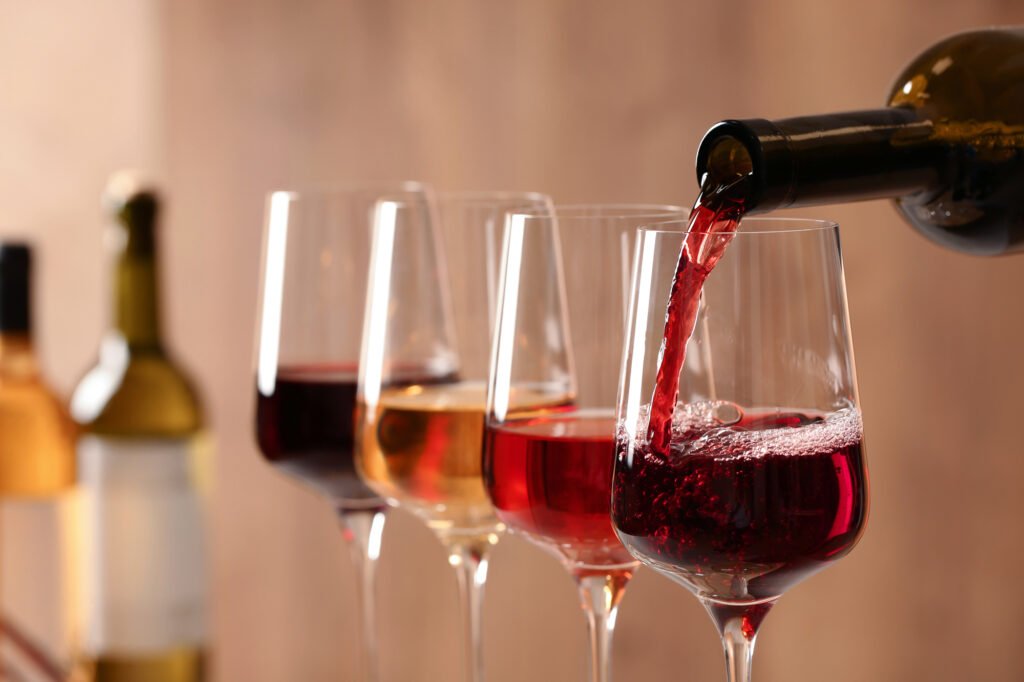
When tasting wine, many enthusiasts describe certain wines as having a “mineral” or “minerality” character. For some, it might be a subtle note of flint, wet stone, or even a distinct chalkiness, while for others it may evoke the feeling of tasting the earth itself. But what does “minerality” really mean, and how does it affect the overall flavor and experience of wine?

In this article, we will explore the concept of “minerality” in wine, how it manifests in the wine’s flavor profile, and the factors that contribute to it. We’ll also discuss how minerality interacts with other elements in wine to create a complex, nuanced tasting experience.


1. What Is Minerality in Wine?

Minerality in wine is a term that describes certain flavors and aromas that are thought to come from the soil in which the grapes are grown, or from the winemaking process itself. The exact definition of minerality is a topic of much debate in the wine world, as it isn’t a singular, easy-to-pinpoint flavor like cherry or vanilla. Instead, minerality is an overarching term that can encompass a variety of sensations and flavors.

Common descriptors for minerality include:

  • Flint or gunpowder (which can evoke the smell of struck matches or wet stone)
  • Chalk or limestone (often describing a dry, powdery texture)
  • Salty or saline (suggesting a sea-like or oceanic character)
  • Earthy (a deeper, more grounded flavor that may remind someone of wet soil or clay)
  • Wet stone or crushed rocks (sometimes described as a “sharp” or “crisp” mineral sensation)

It’s important to note that minerality doesn’t refer to an actual mineral being present in the wine. Instead, it refers to the impression that certain wines give of a mineral character, typically associated with dry, crisp, and fresh wines.


2. How Does Minerality Affect Wine Flavor?

Minerality in wine primarily influences its texture, mouthfeel, and overall balance rather than being a specific taste that can be easily pinpointed. It typically adds an element of freshness, crispness, and complexity to the wine, often enhancing the perception of acidity and brightness. Wines that are described as “mineral” tend to have:

  • Crispness: Minerality often complements the acidity of the wine, enhancing its crispness and giving it a refreshing quality. This makes mineral wines particularly enjoyable when paired with food.
  • Balance: Minerality can help to counteract the richness of fruit flavors, providing balance and preventing a wine from feeling too sweet or overly fruity.
  • Length: Some wines with high levels of minerality are described as having a long finish, where the mineral flavors linger in the mouth after swallowing. This extended finish adds a layer of complexity and allure to the overall tasting experience.
  • Texture: Minerality often contributes to a slightly dry, chalky, or powdery texture on the palate, which can make a wine feel more structured and less “oily.”

3. The Origins of Minerality in Wine: Vineyards and Terroir

The concept of minerality in wine is most often linked to the terroir—the unique combination of soil, climate, and geography—that influences how grapes are grown. The soil composition, particularly the type of rock, clay, or minerals in the vineyard, is thought to impact the flavor profile of the wine. However, the direct relationship between soil minerals and flavor is still not entirely understood and remains a point of contention in the wine community.

Here’s how different aspects of terroir can influence the minerality of wine:

Soil Composition and Mineral Richness

The soil in which grapevines grow is often cited as a key factor in imparting mineral characteristics to the wine. Soils that are rich in limestone, schist, granite, or volcanic ash are commonly associated with wines that display mineral qualities. These soil types often drain well and retain less moisture, forcing the vines to struggle and produce smaller, more concentrated grapes.

  • Limestone: Often associated with wines that have a sharp, crisp acidity and a clean, mineral finish. Regions like Chablis (in Burgundy) are known for wines with distinct mineral flavors due to the high levels of limestone in the soil.
  • Schist and Slate: Common in regions like Mosel (Germany), schist soils contribute to wines with flavors that evoke wet stones or slate, and they often add a certain angularity and freshness to the wine.
  • Volcanic Soils: Wines from volcanic soils, such as those from Sicily or Hawaii, tend to have a distinct minerality, sometimes described as a smoky or earthy character.

Climate Influence on Minerality

The climate plays an important role in how minerality is expressed in wine. Cooler climates, such as Chablis or Alpine regions, often produce wines with high acidity and heightened minerality. The cooler temperatures help preserve the grapes’ natural freshness and promote more crisp, structured wines with mineral characteristics.

  • Cool Climates: In cooler regions, the slower ripening of grapes allows them to retain high levels of acidity, which enhances the perception of minerality. The freshness and sharpness in the wine, combined with a dry texture, often lead to a mineral sensation.
  • Moderate Climates: In moderate climates like Bordeaux or Napa Valley, the wines tend to have a more fruit-forward profile but still maintain a subtle touch of minerality due to a balanced climate that encourages moderate acidity and complexity.

Vineyard Location and Elevation

The location and elevation of the vineyard also play an essential role in determining minerality. Vines grown at higher altitudes often experience larger diurnal temperature swings (a significant difference between daytime and nighttime temperatures), which can lead to wines with enhanced acidity and more pronounced mineral qualities.

  • Higher Elevation Vineyards: Vineyards that are located at higher elevations, such as those in Sancerre or Rhone Valley, often produce wines with heightened minerality due to the cooler nights and moderate daytime temperatures.
4. Winemaking Techniques and Minerality

While terroir and vineyard conditions are significant factors, winemaking techniques can also impact the minerality of a wine. Some methods preserve or enhance the mineral characteristics of the wine, while others may diminish it.

Fermentation and Aging

  • Stainless Steel Fermentation: Wines fermented and aged in stainless steel tanks (as opposed to oak barrels) tend to preserve the natural freshness and minerality of the wine. This method is often used for crisp, mineral-driven whites like Sancerre (Sauvignon Blanc) or Riesling.
  • Lees Contact: Some winemakers allow the wine to age on its lees (the spent yeast cells left after fermentation), which can add richness and texture to the wine, softening the sharpness of the minerality. However, wines that undergo lees aging still maintain their mineral freshness, albeit in a slightly rounder, more integrated form.
  • Malolactic Fermentation: This secondary fermentation can soften the acidity of a wine, reducing its minerality. Wines that go through malolactic fermentation, such as some Chardonnay wines, may lose the crisp, sharp mineral flavors in favor of a creamier mouthfeel.

5. The Influence of Minerality in Wine Pairing

Wines with strong mineral characteristics are often excellent food pairings. Their high acidity, crispness, and unique flavor profile make them ideal companions for dishes that feature fresh, clean flavors, as well as those with a touch of salt or brininess.

  • Seafood: Wines with minerality—like Chablis or Muscadet—are particularly effective with seafood, especially shellfish, oysters, and other delicacies from the sea. The salty, briny flavors of these dishes complement the minerality in the wine.
  • Cheese: Mineral wines also pair well with cheeses, particularly goat cheese (like Chablis with fresh chèvre) or hard cheeses such as Parmigiano-Reggiano.
  • Vegetables: The crisp acidity and mineral backbone of wines like Sauvignon Blanc or Riesling make them excellent matches for vegetable dishes, especially those with fresh herbs, citrus, or tangy vinaigrettes.

6. Conclusion: The Subtle Magic of Minerality

Minerality in wine is a complex and multifaceted characteristic that transcends a single flavor or aroma. It’s an impression that brings freshness, crispness, and complexity to the wine, enhancing its acidity, texture, and overall balance. While it is closely linked to terroir, minerality can be influenced by winemaking techniques, vineyard location, and climate.

For wine enthusiasts, the experience of minerality is part of what makes wine tasting so fascinating. It’s a quality that adds depth and intrigue, encouraging exploration and appreciation for the subtle, nuanced character of different wines. Whether it’s the sensation of wet stone, the chalky texture, or the salty notes, minerality is an essential ingredient in what makes wine so captivating, offering an ever-changing and rewarding sensory experience.

Tags: CultureFamous brand wineHealthHistoryInnovationluxurytasteWine
ShareTweetShare

Related Posts

The History, Culture, and Global Influence of Humanity’s Most Celebrated Beverage
Wine

The Wine Revolution: How Modern Winemaking Transformed a Global Industry

June 3, 2026
The History, Culture, and Global Influence of Humanity’s Most Celebrated Beverage
Wine

Wine Styles of the World: A Complete Guide to Red, White, Rosé, Sparkling, and Fortified Wines

June 3, 2026
The History, Culture, and Global Influence of Humanity’s Most Celebrated Beverage
Wine

The Global Wine Industry: Markets, Trade, Tourism, and Economic Impact

June 3, 2026
The History, Culture, and Global Influence of Humanity’s Most Celebrated Beverage
Wine

The Science of Wine: Grapes, Fermentation, and Flavor Development

June 3, 2026
The History, Culture, and Global Influence of Humanity’s Most Celebrated Beverage
Wine

The History, Culture, and Global Influence of Humanity’s Most Celebrated Beverage

June 3, 2026
The Cultural History of Wine: From Ancient Rituals to Modern Luxury
Wine

The Psychology of Wine: Why Humans Associate Wine with Emotion, Memory, and Identity

May 23, 2026
Leave Comment
  • Trending
  • Comments
  • Latest
Role of Terroir in Champagne Production

Role of Terroir in Champagne Production

January 19, 2026
Champagne Can Be Aged in Wood?

Champagne Can Be Aged in Wood?

January 18, 2026
Is Organic Wine Healthier Than Conventional Wine?

Is Organic Wine Healthier Than Conventional Wine?

January 20, 2026
Why Do Some Champagnes Use a High Proportion of Pinot Meunier?

Why Do Some Champagnes Use a High Proportion of Pinot Meunier?

January 20, 2026
The Timeless Elegance of Wine: A Journey Through History and Culture

The Timeless Elegance of Wine: A Journey Through History and Culture

Why Is Château Lafite Rothschild the Pinnacle of Fine Wine?

Why Is Château Lafite Rothschild the Pinnacle of Fine Wine?

How Did Château Lafite Rothschild Become a Global Icon of Luxury?

How Did Château Lafite Rothschild Become a Global Icon of Luxury?

What Makes Chateau Lafite Rothschild the Pinnacle of Bordeaux Wines?

What Makes Chateau Lafite Rothschild the Pinnacle of Bordeaux Wines?

The History, Culture, and Global Influence of Humanity’s Most Celebrated Beverage

The Wine Revolution: How Modern Winemaking Transformed a Global Industry

June 3, 2026
The History, Culture, and Global Influence of Humanity’s Most Celebrated Beverage

Wine Styles of the World: A Complete Guide to Red, White, Rosé, Sparkling, and Fortified Wines

June 3, 2026
The History, Culture, and Global Influence of Humanity’s Most Celebrated Beverage

The Global Wine Industry: Markets, Trade, Tourism, and Economic Impact

June 3, 2026
The History, Culture, and Global Influence of Humanity’s Most Celebrated Beverage

The Science of Wine: Grapes, Fermentation, and Flavor Development

June 3, 2026
SipsavorLife

Welcome to our comprehensive beverage guide, where you can explore the fascinating world of alcoholic drinks. From exquisite wines and rich whiskeys to refreshing beers and sparkling champagnes, we provide insights, tips, and recommendations for enthusiasts and casual drinkers alike. Discover your next favorite libation with us!

© 2025 sipsavorlife.com. contacts:sipsavorlife-35376@gmail.com

No Result
View All Result
  • Home
  • Wine
  • Whiskey
  • Beer
  • Grain Spirits
  • Champagne
  • ALL

© 2025 sipsavorlife.com. contacts:sipsavorlife-35376@gmail.com

Welcome Back!

Login to your account below

Forgotten Password?

Retrieve your password

Please enter your username or email address to reset your password.

Log In