






























SipsavorLife
  • Home
  • Wine
    Wine Pairings: Can They Change the Flavor Profile of a Dish?

    Wine Pairings: Can They Change the Flavor Profile of a Dish?

    How Do Wine Glasses Influence the Tasting Experience?

    How Do Wine Glasses Influence the Tasting Experience?

    Is Organic Wine Healthier Than Conventional Wine?

    Is Organic Wine Healthier Than Conventional Wine?

    Why Do Some Wines Taste Better from Specific Vintages?

    Why Do Some Wines Taste Better from Specific Vintages?

    Wine Tasting: Can It Truly Be an Art Form?

    Wine Tasting: Can It Truly Be an Art Form?

    What Does Terroir Actually Mean for Your Wine?

    What Does Terroir Actually Mean for Your Wine?

  • Whiskey
    Can Beer Be an Effective Ingredient in Culinary Cooking?

    Can Beer Be an Effective Ingredient in Culinary Cooking?

    Second Fermentation in Champagne: Is It Really That Crucial?

    Second Fermentation in Champagne: Is It Really That Crucial?

    How Do Different Grains Impact the Flavor Profile of Distilled Spirits?

    How Do Different Grains Impact the Flavor Profile of Distilled Spirits?

    How Do Whiskey Master Blenders Create Perfection?

    How Do Whiskey Master Blenders Create Perfection?

    Wine Pairings: Can They Change the Flavor Profile of a Dish?

    Wine Pairings: Can They Change the Flavor Profile of a Dish?

    Beer the Ultimate Beverage for Pairing with Spicy Food?

    Beer the Ultimate Beverage for Pairing with Spicy Food?

  • Beer
    Can Beer Be an Effective Ingredient in Culinary Cooking?

    Can Beer Be an Effective Ingredient in Culinary Cooking?

    Beer the Ultimate Beverage for Pairing with Spicy Food?

    Beer the Ultimate Beverage for Pairing with Spicy Food?

    How Did Ancient Civilizations Brew Beer Without Modern Technology?

    How Did Ancient Civilizations Brew Beer Without Modern Technology?

    Is It Possible to Brew a Beer with No Alcohol and No Compromise on Taste?

    Is It Possible to Brew a Beer with No Alcohol and No Compromise on Taste?

    Why Does Beer Taste Different at High Altitudes?

    Why Does Beer Taste Different at High Altitudes?

    Is Hops the Secret Ingredient Behind Beer’s Bold Flavor?

    Is Hops the Secret Ingredient Behind Beer’s Bold Flavor?

  • Grain Spirits
    How Do Different Grains Impact the Flavor Profile of Distilled Spirits?

    How Do Different Grains Impact the Flavor Profile of Distilled Spirits?

    Grain Spirits the Unsung Heroes of Modern Mixology

    Grain Spirits the Unsung Heroes of Modern Mixology

    What Makes Grain-Based Whiskey So Different from Its Peated Cousins?

    What Makes Grain-Based Whiskey So Different from Its Peated Cousins?

    Grain Spirits: Could They Be the Next Big Trend in Craft Cocktails?

    Grain Spirits: Could They Be the Next Big Trend in Craft Cocktails?

    Why Are Grain Spirits Often Overlooked in the World of Fine Liquor?

    Why Are Grain Spirits Often Overlooked in the World of Fine Liquor?

    Is There a Secret Art to Distilling Grain Spirits?

    Is There a Secret Art to Distilling Grain Spirits?

  • Champagne
    Second Fermentation in Champagne: Is It Really That Crucial?

    Second Fermentation in Champagne: Is It Really That Crucial?

    The Science Behind the ‘Bubble Size’ in Champagne

    The Science Behind the ‘Bubble Size’ in Champagne

    Why Do Some Champagnes Use a High Proportion of Pinot Meunier?

    Why Do Some Champagnes Use a High Proportion of Pinot Meunier?

    Role of Terroir in Champagne Production

    Role of Terroir in Champagne Production

    Champagne Can Be Aged in Wood?

    Champagne Can Be Aged in Wood?

    Is There a Difference Between Blanc de Blancs and Blanc de Noirs Champagne?

    Is There a Difference Between Blanc de Blancs and Blanc de Noirs Champagne?

  • ALL
    Can Beer Be an Effective Ingredient in Culinary Cooking?

    Can Beer Be an Effective Ingredient in Culinary Cooking?

    Second Fermentation in Champagne: Is It Really That Crucial?

    Second Fermentation in Champagne: Is It Really That Crucial?

    How Do Different Grains Impact the Flavor Profile of Distilled Spirits?

    How Do Different Grains Impact the Flavor Profile of Distilled Spirits?

    How Do Whiskey Master Blenders Create Perfection?

    How Do Whiskey Master Blenders Create Perfection?

    Wine Pairings: Can They Change the Flavor Profile of a Dish?

    Wine Pairings: Can They Change the Flavor Profile of a Dish?

    Beer the Ultimate Beverage for Pairing with Spicy Food?

    Beer the Ultimate Beverage for Pairing with Spicy Food?

SipsavorLife
  • Home
  • Wine
    Wine Pairings: Can They Change the Flavor Profile of a Dish?

    Wine Pairings: Can They Change the Flavor Profile of a Dish?

    How Do Wine Glasses Influence the Tasting Experience?

    How Do Wine Glasses Influence the Tasting Experience?

    Is Organic Wine Healthier Than Conventional Wine?

    Is Organic Wine Healthier Than Conventional Wine?

    Why Do Some Wines Taste Better from Specific Vintages?

    Why Do Some Wines Taste Better from Specific Vintages?

    Wine Tasting: Can It Truly Be an Art Form?

    Wine Tasting: Can It Truly Be an Art Form?

    What Does Terroir Actually Mean for Your Wine?

    What Does Terroir Actually Mean for Your Wine?

  • Whiskey
    Can Beer Be an Effective Ingredient in Culinary Cooking?

    Can Beer Be an Effective Ingredient in Culinary Cooking?

    Second Fermentation in Champagne: Is It Really That Crucial?

    Second Fermentation in Champagne: Is It Really That Crucial?

    How Do Different Grains Impact the Flavor Profile of Distilled Spirits?

    How Do Different Grains Impact the Flavor Profile of Distilled Spirits?

    How Do Whiskey Master Blenders Create Perfection?

    How Do Whiskey Master Blenders Create Perfection?

    Wine Pairings: Can They Change the Flavor Profile of a Dish?

    Wine Pairings: Can They Change the Flavor Profile of a Dish?

    Beer the Ultimate Beverage for Pairing with Spicy Food?

    Beer the Ultimate Beverage for Pairing with Spicy Food?

  • Beer
    Can Beer Be an Effective Ingredient in Culinary Cooking?

    Can Beer Be an Effective Ingredient in Culinary Cooking?

    Beer the Ultimate Beverage for Pairing with Spicy Food?

    Beer the Ultimate Beverage for Pairing with Spicy Food?

    How Did Ancient Civilizations Brew Beer Without Modern Technology?

    How Did Ancient Civilizations Brew Beer Without Modern Technology?

    Is It Possible to Brew a Beer with No Alcohol and No Compromise on Taste?

    Is It Possible to Brew a Beer with No Alcohol and No Compromise on Taste?

    Why Does Beer Taste Different at High Altitudes?

    Why Does Beer Taste Different at High Altitudes?

    Is Hops the Secret Ingredient Behind Beer’s Bold Flavor?

    Is Hops the Secret Ingredient Behind Beer’s Bold Flavor?

  • Grain Spirits
    How Do Different Grains Impact the Flavor Profile of Distilled Spirits?

    How Do Different Grains Impact the Flavor Profile of Distilled Spirits?

    Grain Spirits the Unsung Heroes of Modern Mixology

    Grain Spirits the Unsung Heroes of Modern Mixology

    What Makes Grain-Based Whiskey So Different from Its Peated Cousins?

    What Makes Grain-Based Whiskey So Different from Its Peated Cousins?

    Grain Spirits: Could They Be the Next Big Trend in Craft Cocktails?

    Grain Spirits: Could They Be the Next Big Trend in Craft Cocktails?

    Why Are Grain Spirits Often Overlooked in the World of Fine Liquor?

    Why Are Grain Spirits Often Overlooked in the World of Fine Liquor?

    Is There a Secret Art to Distilling Grain Spirits?

    Is There a Secret Art to Distilling Grain Spirits?

  • Champagne
    Second Fermentation in Champagne: Is It Really That Crucial?

    Second Fermentation in Champagne: Is It Really That Crucial?

    The Science Behind the ‘Bubble Size’ in Champagne

    The Science Behind the ‘Bubble Size’ in Champagne

    Why Do Some Champagnes Use a High Proportion of Pinot Meunier?

    Why Do Some Champagnes Use a High Proportion of Pinot Meunier?

    Role of Terroir in Champagne Production

    Role of Terroir in Champagne Production

    Champagne Can Be Aged in Wood?

    Champagne Can Be Aged in Wood?

    Is There a Difference Between Blanc de Blancs and Blanc de Noirs Champagne?

    Is There a Difference Between Blanc de Blancs and Blanc de Noirs Champagne?

  • ALL
    Can Beer Be an Effective Ingredient in Culinary Cooking?

    Can Beer Be an Effective Ingredient in Culinary Cooking?

    Second Fermentation in Champagne: Is It Really That Crucial?

    Second Fermentation in Champagne: Is It Really That Crucial?

    How Do Different Grains Impact the Flavor Profile of Distilled Spirits?

    How Do Different Grains Impact the Flavor Profile of Distilled Spirits?

    How Do Whiskey Master Blenders Create Perfection?

    How Do Whiskey Master Blenders Create Perfection?

    Wine Pairings: Can They Change the Flavor Profile of a Dish?

    Wine Pairings: Can They Change the Flavor Profile of a Dish?

    Beer the Ultimate Beverage for Pairing with Spicy Food?

    Beer the Ultimate Beverage for Pairing with Spicy Food?

SipsavorLife
No Result
View All Result
Home ALL

Champagne: How Did It Become the World’s Most Symbolic Drink of Celebration?

July 3, 2025
in ALL, Champagne
Champagne: How Did It Become the World’s Most Symbolic Drink of Celebration?

Champagne, the sparkling wine originating from the Champagne region of France, has long been synonymous with celebration, luxury, and elegance. Its connection to moments of joy and milestones—from weddings to New Year’s Eve parties—has solidified its place as the most iconic celebratory drink in the world. But how did a regional product, born from the rolling vineyards of northeastern France, rise to become the universal symbol of festivity?

In this article, we will explore the history, cultural significance, and unique characteristics of champagne, examining how it became the drink of choice for celebrating life’s most important moments and why it continues to be the epitome of luxury and elegance.


The Birth of Champagne: From the Vineyards of Champagne to Global Fame

The Historical Origins of Champagne

Champagne’s roots trace back to the Champagne region of France, where the cool climate and chalky soil have long been ideal for cultivating grapes. However, it was not until the 17th century that champagne, as we know it today, began to take form.

  • Early Beginnings: The history of sparkling wine in Champagne goes back to Roman times, but it wasn’t until the 17th century that the wine began to sparkle naturally. This was due to the fermentation process, where carbon dioxide was trapped in the bottle, creating bubbles.
  • Dom Pérignon: The name most closely associated with the birth of champagne is Dom Pérignon, a Benedictine monk who lived in the late 17th century. While he did not invent champagne, he contributed greatly to improving the winemaking process. His work in refining the technique of blending different grapes and perfecting the fermentation process helped lay the foundation for what we now recognize as champagne.
  • The Rise of Bubbles: The addition of a second fermentation in the bottle—now known as the Méthode Champenoise—was a key innovation that led to the signature effervescence of champagne. Over the next few centuries, the demand for sparkling wine grew, particularly among royalty and the aristocracy, giving birth to its association with luxury.

Champagne’s Role in French Royalty and Aristocracy

The French monarchy played a crucial role in cementing champagne’s status as the drink of the elite. By the late 17th century, champagne had become a favorite drink of the French royal court, most notably among Louis XIV and Louis XV, who both played significant roles in popularizing the drink.

  • Louis XIV: Known as the Sun King, Louis XIV was instrumental in promoting French culture, and champagne became his drink of choice. His court at the Palace of Versailles was a center for extravagance, and the lavish parties and celebrations held there featured champagne as the drink of the moment.
  • Marie Antoinette: The association of champagne with royalty continued into the 18th century, with Marie Antoinette, the queen consort of Louis XVI, famously indulging in the sparkling wine. This only helped solidify champagne’s image as a drink for the affluent and prestigious.
  • Symbol of Wealth and Power: By the 19th century, champagne had firmly established itself as a drink of luxury, typically reserved for special occasions. Its association with the French aristocracy and the royal courts made it an aspirational beverage for the world’s elite.

Champagne’s Global Symbolism: From Royal Courts to Popular Culture

The 19th Century: Champagne’s International Rise

As trade routes expanded and global exploration increased in the 19th century, champagne’s reputation spread across the world. The aristocratic class in other European countries and the New World soon adopted champagne as their drink of choice for moments of celebration.

  • Export to England: Champagne quickly became a favorite in England, where it was embraced by both the royal family and the aristocracy. The English were instrumental in developing the lighter, drier style of champagne, which is now considered the standard. By the Victorian era, champagne had firmly established itself as the drink of choice for elite gatherings and celebrations.
  • Champagne in America: In the United States, champagne gained popularity in the late 19th century as it became associated with wealth and success. It was favored at lavish social gatherings, and the champagne toast at events like New Year’s celebrations and weddings became an enduring tradition.
  • Champagne and Hollywood: In the 20th century, the film industry—particularly Hollywood—played a massive role in perpetuating champagne’s glamorous image. Champagne was often featured in films as a symbol of luxury, romance, and opulence. Movies from the Golden Age of Hollywood featured champagne being poured at parties, weddings, and romantic scenes, further embedding it in the cultural psyche as the drink of celebration.

Cultural Significance: A Drink for Every Celebration

Today, champagne is firmly associated with a wide range of celebratory occasions—birthdays, weddings, New Year’s Eve, and milestones such as promotions and achievements. But how did it become universally linked to these happy occasions?

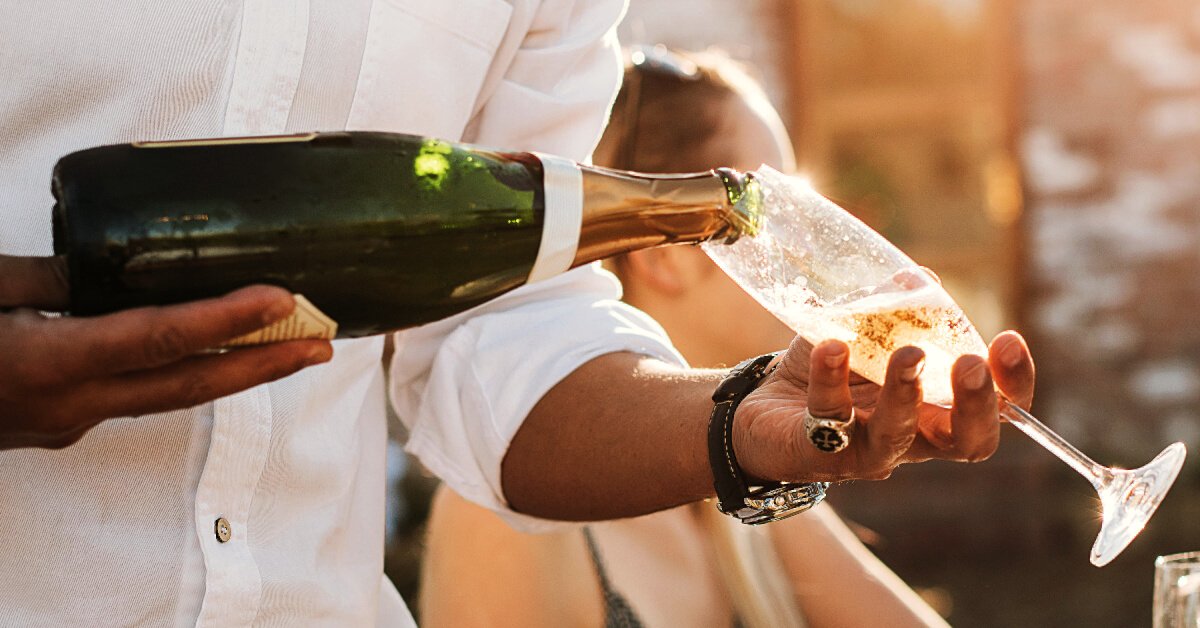
  • The Sound of the Pop: One of the most iconic features of champagne is the sound of the cork popping. This simple but dramatic noise is an immediate cue for celebration, marking the beginning of a joyful moment. It signals success, happiness, and the start of something special.
  • A Symbol of Achievement: Whether it’s winning a sports championship, securing a business deal, or celebrating a personal milestone, popping open a bottle of champagne has become a ritual of achievement. Its presence is often a public marker of success and recognition.
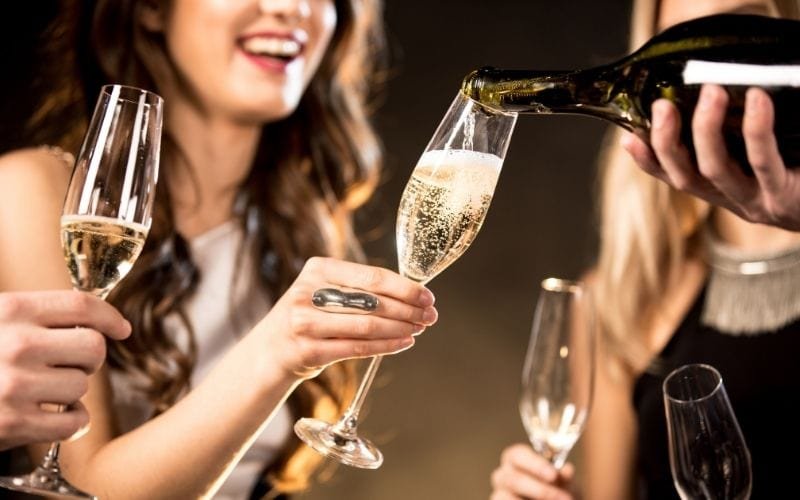
  • Cultural Rituals: Champagne is also deeply embedded in various cultural rituals. It’s the drink of choice for weddings, where it’s shared with loved ones to toast the couple’s future. On New Year’s Eve, it’s opened in moments of reflection and hope, with the bubbles symbolizing the passing of time and the promise of new beginnings.
What Makes Champagne So Special? The Unique Characteristics of the Drink

The allure of champagne is not just in its association with luxury and celebration—it’s also in the craftsmanship and complexity of the drink itself. Several unique characteristics make champagne stand out from other sparkling wines.

1. The Traditional Method (Méthode Champenoise)

Champagne’s distinctiveness comes from the traditional method of production, known as the Méthode Champenoise. This process involves secondary fermentation in the bottle, where the wine undergoes a second fermentation to create the bubbles. This method is more labor-intensive than the Charmat method used in other sparkling wines like Prosecco and results in a more refined and complex flavor profile.

  • Aging on Lees: After fermentation, champagne is aged on lees (the dead yeast cells) for a minimum period. This process imparts flavors of bread, toast, and hazelnut, contributing to the complexity and elegance of the wine.
  • Quality Control: The rigorous standards and aging processes that champagne undergoes make it one of the most prestigious wines in the world. The wine’s flavor profile evolves during its long maturation, giving it depth and character that can’t be matched by simpler sparkling wines.

2. The Terroir of Champagne

The unique terroir of the Champagne region—a combination of chalky soils, cool climate, and long daylight hours—creates ideal conditions for cultivating the grapes used in champagne production. The region’s geology and climate help produce grapes that have a high acidity and balanced sugars, resulting in the signature freshness and elegance of champagne.

  • Chardonnay, Pinot Noir, and Pinot Meunier: These three grape varieties are the backbone of champagne. Chardonnay contributes freshness and minerality, while Pinot Noir and Pinot Meunier add structure and fruitiness. This combination of grapes produces champagne with a remarkable balance of acidity, richness, and flavor complexity.

Why Champagne Remains the Ultimate Celebration Drink

In conclusion, champagne’s reputation as the ultimate celebration drink is the result of centuries of history, cultural significance, and refined craftsmanship. From its humble beginnings in the vineyards of Champagne to its status as a symbol of luxury, joy, and achievement, champagne has transcended time and geography to become the drink of choice for life’s most important moments.

The bubbles, the pop of the cork, the shimmering glass—these sensory experiences have come to represent much more than just a drink. Champagne encapsulates the feeling of celebration itself: a moment of happiness, triumph, and togetherness. Whether at a wedding, birthday, or new year’s eve, opening a bottle of champagne marks a moment of joy, and it will continue to do so for generations to come.


Tags: champagneFamous brand wineHealthHistoryInnovationluxurymarkettaste
ShareTweetShare

Related Posts

Can Beer Be an Effective Ingredient in Culinary Cooking?
ALL

Can Beer Be an Effective Ingredient in Culinary Cooking?

January 22, 2026
Second Fermentation in Champagne: Is It Really That Crucial?
ALL

Second Fermentation in Champagne: Is It Really That Crucial?

January 22, 2026
How Do Different Grains Impact the Flavor Profile of Distilled Spirits?
ALL

How Do Different Grains Impact the Flavor Profile of Distilled Spirits?

January 22, 2026
How Do Whiskey Master Blenders Create Perfection?
ALL

How Do Whiskey Master Blenders Create Perfection?

January 22, 2026
Wine Pairings: Can They Change the Flavor Profile of a Dish?
ALL

Wine Pairings: Can They Change the Flavor Profile of a Dish?

January 22, 2026
Beer the Ultimate Beverage for Pairing with Spicy Food?
ALL

Beer the Ultimate Beverage for Pairing with Spicy Food?

January 21, 2026
Leave Comment
  • Trending
  • Comments
  • Latest
What Hidden Craftsmanship Lies Behind a Bottle of Quality Grain Spirits?

What Hidden Craftsmanship Lies Behind a Bottle of Quality Grain Spirits?

July 3, 2025
How Is Champagne Made? The Secrets Behind the Sparkle

How Is Champagne Made? The Secrets Behind the Sparkle

April 15, 2025
Grain Spirits vs. Traditional Distilled Spirits: Which One Suits Your Taste?

Grain Spirits vs. Traditional Distilled Spirits: Which One Suits Your Taste?

July 3, 2025
Champagne Bubbles: How Do They Perfectly Convey Celebration, Joy, and Luxury?

Champagne Bubbles: How Do They Perfectly Convey Celebration, Joy, and Luxury?

July 2, 2025
The Timeless Elegance of Wine: A Journey Through History and Culture

The Timeless Elegance of Wine: A Journey Through History and Culture

Why Is Château Lafite Rothschild the Pinnacle of Fine Wine?

Why Is Château Lafite Rothschild the Pinnacle of Fine Wine?

How Did Château Lafite Rothschild Become a Global Icon of Luxury?

How Did Château Lafite Rothschild Become a Global Icon of Luxury?

What Makes Chateau Lafite Rothschild the Pinnacle of Bordeaux Wines?

What Makes Chateau Lafite Rothschild the Pinnacle of Bordeaux Wines?

Can Beer Be an Effective Ingredient in Culinary Cooking?

Can Beer Be an Effective Ingredient in Culinary Cooking?

January 22, 2026
Second Fermentation in Champagne: Is It Really That Crucial?

Second Fermentation in Champagne: Is It Really That Crucial?

January 22, 2026
How Do Different Grains Impact the Flavor Profile of Distilled Spirits?

How Do Different Grains Impact the Flavor Profile of Distilled Spirits?

January 22, 2026
How Do Whiskey Master Blenders Create Perfection?

How Do Whiskey Master Blenders Create Perfection?

January 22, 2026
SipsavorLife

Welcome to our comprehensive beverage guide, where you can explore the fascinating world of alcoholic drinks. From exquisite wines and rich whiskeys to refreshing beers and sparkling champagnes, we provide insights, tips, and recommendations for enthusiasts and casual drinkers alike. Discover your next favorite libation with us!

© 2025 sipsavorlife.com. contacts:sipsavorlife-35376@gmail.com

No Result
View All Result
  • Home
  • Wine
  • Whiskey
  • Beer
  • Grain Spirits
  • Champagne
  • ALL

© 2025 sipsavorlife.com. contacts:sipsavorlife-35376@gmail.com

Welcome Back!

Login to your account below

Forgotten Password?

Retrieve your password

Please enter your username or email address to reset your password.

Log In





