







SipsavorLife
  • Home
  • Wine
    Wine as a Cultural Artifact: History, Identity, and the Evolution of Taste

    The Art and Science of Wine & Food Pairing: How to Create Perfect Matches Every Time

    Wine as a Cultural Artifact: History, Identity, and the Evolution of Taste

    A Complete Guide to Wine Styles and Grape Varieties: From Cabernet Sauvignon to Riesling

    Wine as a Cultural Artifact: History, Identity, and the Evolution of Taste

    The Global Wine Industry: Economics, Markets, and the Future of Consumption

    Wine as a Cultural Artifact: History, Identity, and the Evolution of Taste

    The Science of Wine Tasting: How Chemistry, Biology, and Perception Shape Flavor

    Wine as a Cultural Artifact: History, Identity, and the Evolution of Taste

    Wine as a Cultural Artifact: History, Identity, and the Evolution of Taste

    Red Wine — The Liquid Expression of Land, Time, and Human Intention

    The Future of Red Wine — Climate Change, Technology, and the Evolution of Taste

  • Whiskey
    Can Beer Be an Effective Ingredient in Culinary Cooking?

    Can Beer Be an Effective Ingredient in Culinary Cooking?

    Second Fermentation in Champagne: Is It Really That Crucial?

    Second Fermentation in Champagne: Is It Really That Crucial?

    How Do Different Grains Impact the Flavor Profile of Distilled Spirits?

    How Do Different Grains Impact the Flavor Profile of Distilled Spirits?

    How Do Whiskey Master Blenders Create Perfection?

    How Do Whiskey Master Blenders Create Perfection?

    Wine Pairings: Can They Change the Flavor Profile of a Dish?

    Wine Pairings: Can They Change the Flavor Profile of a Dish?

    Beer the Ultimate Beverage for Pairing with Spicy Food?

    Beer the Ultimate Beverage for Pairing with Spicy Food?

  • Beer
    Beer as a Cultural and Social Force: From Ancient Brew to Modern Identity

    The Art of Beer & Food Pairing: Unlocking Flavor Through Balance, Contrast, and Texture

    Beer as a Cultural and Social Force: From Ancient Brew to Modern Identity

    A Complete Guide to Beer Styles: From Lager to Stout, Understanding Flavor, Body, and Character

    Beer as a Cultural and Social Force: From Ancient Brew to Modern Identity

    The Global Beer Industry: Craft Revolution, Market Forces, and the Future of Brewing

    Beer as a Cultural and Social Force: From Ancient Brew to Modern Identity

    The Science of Beer: Brewing Process, Ingredients, and the Chemistry of Flavor

    Beer as a Cultural and Social Force: From Ancient Brew to Modern Identity

    Beer as a Cultural and Social Force: From Ancient Brew to Modern Identity

    The Evolution of Beer — From Ancient Brews to the Craft Revolution

    The Future of Beer — Innovation, Sustainability, and Emerging Trends

  • Grain Spirits
    Grain Spirits Explained — The Foundation of Global Distillation

    The Future of Grain Spirits — Technology, Sustainability, and the Next Era of Distillation

    Grain Spirits Explained — The Foundation of Global Distillation

    Grain Spirits Around the World — Vodka, Whisky Bases, and Industrial Applications

    Grain Spirits Explained — The Foundation of Global Distillation

    Distillation Systems — Pot Still vs Column Still, and the Balance Between Efficiency and Flavor

    Grain Spirits Explained — The Foundation of Global Distillation

    Grain Selection and Fermentation Science — How Raw Ingredients Shape Grain Spirits

    Grain Spirits Explained — The Foundation of Global Distillation

    Grain Spirits Explained — The Foundation of Global Distillation

    Grain Spirits and the Industrial Birth of Neutral Alcohol

    The Future of Grain Spirits — AI Distillation, Sustainability, and the Post-Flavor Alcohol Industry

  • Champagne
    The History of Champagne — From Accidental Sparkle to Global Luxury

    The Future of Champagne — Climate Change, Innovation, and Industry Evolution

    The History of Champagne — From Accidental Sparkle to Global Luxury

    The Culture of Champagne — Luxury, Celebration, and Global Influence

    The History of Champagne — From Accidental Sparkle to Global Luxury

    Champagne Styles Explained — Brut, Rosé, Vintage, and Beyond

    The History of Champagne — From Accidental Sparkle to Global Luxury

    The Craft of Champagne — Terroir, Grapes, and the Méthode Traditionnelle

    The History of Champagne — From Accidental Sparkle to Global Luxury

    The History of Champagne — From Accidental Sparkle to Global Luxury

    The Future of Champagne — Climate Change, Innovation, and the Evolution of Sparkling Wine

    The Future of Champagne — Climate Change, Innovation, and the Evolution of Sparkling Wine

  • ALL
    Can Beer Be an Effective Ingredient in Culinary Cooking?

    Can Beer Be an Effective Ingredient in Culinary Cooking?

    Second Fermentation in Champagne: Is It Really That Crucial?

    Second Fermentation in Champagne: Is It Really That Crucial?

    How Do Different Grains Impact the Flavor Profile of Distilled Spirits?

    How Do Different Grains Impact the Flavor Profile of Distilled Spirits?

    How Do Whiskey Master Blenders Create Perfection?

    How Do Whiskey Master Blenders Create Perfection?

    Wine Pairings: Can They Change the Flavor Profile of a Dish?

    Wine Pairings: Can They Change the Flavor Profile of a Dish?

    Beer the Ultimate Beverage for Pairing with Spicy Food?

    Beer the Ultimate Beverage for Pairing with Spicy Food?

SipsavorLife
  • Home
  • Wine
    Wine as a Cultural Artifact: History, Identity, and the Evolution of Taste

    The Art and Science of Wine & Food Pairing: How to Create Perfect Matches Every Time

    Wine as a Cultural Artifact: History, Identity, and the Evolution of Taste

    A Complete Guide to Wine Styles and Grape Varieties: From Cabernet Sauvignon to Riesling

    Wine as a Cultural Artifact: History, Identity, and the Evolution of Taste

    The Global Wine Industry: Economics, Markets, and the Future of Consumption

    Wine as a Cultural Artifact: History, Identity, and the Evolution of Taste

    The Science of Wine Tasting: How Chemistry, Biology, and Perception Shape Flavor

    Wine as a Cultural Artifact: History, Identity, and the Evolution of Taste

    Wine as a Cultural Artifact: History, Identity, and the Evolution of Taste

    Red Wine — The Liquid Expression of Land, Time, and Human Intention

    The Future of Red Wine — Climate Change, Technology, and the Evolution of Taste

  • Whiskey
    Can Beer Be an Effective Ingredient in Culinary Cooking?

    Can Beer Be an Effective Ingredient in Culinary Cooking?

    Second Fermentation in Champagne: Is It Really That Crucial?

    Second Fermentation in Champagne: Is It Really That Crucial?

    How Do Different Grains Impact the Flavor Profile of Distilled Spirits?

    How Do Different Grains Impact the Flavor Profile of Distilled Spirits?

    How Do Whiskey Master Blenders Create Perfection?

    How Do Whiskey Master Blenders Create Perfection?

    Wine Pairings: Can They Change the Flavor Profile of a Dish?

    Wine Pairings: Can They Change the Flavor Profile of a Dish?

    Beer the Ultimate Beverage for Pairing with Spicy Food?

    Beer the Ultimate Beverage for Pairing with Spicy Food?

  • Beer
    Beer as a Cultural and Social Force: From Ancient Brew to Modern Identity

    The Art of Beer & Food Pairing: Unlocking Flavor Through Balance, Contrast, and Texture

    Beer as a Cultural and Social Force: From Ancient Brew to Modern Identity

    A Complete Guide to Beer Styles: From Lager to Stout, Understanding Flavor, Body, and Character

    Beer as a Cultural and Social Force: From Ancient Brew to Modern Identity

    The Global Beer Industry: Craft Revolution, Market Forces, and the Future of Brewing

    Beer as a Cultural and Social Force: From Ancient Brew to Modern Identity

    The Science of Beer: Brewing Process, Ingredients, and the Chemistry of Flavor

    Beer as a Cultural and Social Force: From Ancient Brew to Modern Identity

    Beer as a Cultural and Social Force: From Ancient Brew to Modern Identity

    The Evolution of Beer — From Ancient Brews to the Craft Revolution

    The Future of Beer — Innovation, Sustainability, and Emerging Trends

  • Grain Spirits
    Grain Spirits Explained — The Foundation of Global Distillation

    The Future of Grain Spirits — Technology, Sustainability, and the Next Era of Distillation

    Grain Spirits Explained — The Foundation of Global Distillation

    Grain Spirits Around the World — Vodka, Whisky Bases, and Industrial Applications

    Grain Spirits Explained — The Foundation of Global Distillation

    Distillation Systems — Pot Still vs Column Still, and the Balance Between Efficiency and Flavor

    Grain Spirits Explained — The Foundation of Global Distillation

    Grain Selection and Fermentation Science — How Raw Ingredients Shape Grain Spirits

    Grain Spirits Explained — The Foundation of Global Distillation

    Grain Spirits Explained — The Foundation of Global Distillation

    Grain Spirits and the Industrial Birth of Neutral Alcohol

    The Future of Grain Spirits — AI Distillation, Sustainability, and the Post-Flavor Alcohol Industry

  • Champagne
    The History of Champagne — From Accidental Sparkle to Global Luxury

    The Future of Champagne — Climate Change, Innovation, and Industry Evolution

    The History of Champagne — From Accidental Sparkle to Global Luxury

    The Culture of Champagne — Luxury, Celebration, and Global Influence

    The History of Champagne — From Accidental Sparkle to Global Luxury

    Champagne Styles Explained — Brut, Rosé, Vintage, and Beyond

    The History of Champagne — From Accidental Sparkle to Global Luxury

    The Craft of Champagne — Terroir, Grapes, and the Méthode Traditionnelle

    The History of Champagne — From Accidental Sparkle to Global Luxury

    The History of Champagne — From Accidental Sparkle to Global Luxury

    The Future of Champagne — Climate Change, Innovation, and the Evolution of Sparkling Wine

    The Future of Champagne — Climate Change, Innovation, and the Evolution of Sparkling Wine

  • ALL
    Can Beer Be an Effective Ingredient in Culinary Cooking?

    Can Beer Be an Effective Ingredient in Culinary Cooking?

    Second Fermentation in Champagne: Is It Really That Crucial?

    Second Fermentation in Champagne: Is It Really That Crucial?

    How Do Different Grains Impact the Flavor Profile of Distilled Spirits?

    How Do Different Grains Impact the Flavor Profile of Distilled Spirits?

    How Do Whiskey Master Blenders Create Perfection?

    How Do Whiskey Master Blenders Create Perfection?

    Wine Pairings: Can They Change the Flavor Profile of a Dish?

    Wine Pairings: Can They Change the Flavor Profile of a Dish?

    Beer the Ultimate Beverage for Pairing with Spicy Food?

    Beer the Ultimate Beverage for Pairing with Spicy Food?

SipsavorLife
No Result
View All Result
Home ALL

Is the Prestige of Champagne Still Relevant Today?

April 13, 2025
in ALL, Champagne
Is the Prestige of Champagne Still Relevant Today?

Champagne has long been the epitome of luxury, celebration, and exclusivity. Its bubbles symbolize the joys of life, and its name is synonymous with life’s most important milestones—from weddings and anniversaries to New Year’s Eve parties and global sporting victories. For centuries, Champagne has been considered the ultimate symbol of prestige and refinement. But in today’s fast-paced, increasingly democratized world, one must ask: Is the prestige of Champagne still relevant today?

This article explores whether Champagne still maintains its cultural significance in modern society. We’ll analyze the historical role of Champagne, its evolving place in the luxury market, the democratization of luxury goods, the rise of other sparkling wines, and how contemporary consumer preferences are reshaping the landscape of sparkling wine consumption.

The Historical Prestige of Champagne

To understand whether Champagne’s prestige still holds weight today, it’s important to first consider its history. Champagne’s rise to fame dates back to the 17th century, when the Champagne region of France began to develop techniques for producing sparkling wines. The region’s unique terroir—combining chalky soil, cool climate, and geographical location—proved ideal for growing grapes that could produce high-quality sparkling wines.

The Birth of Champagne as a Symbol of Prestige

The association of Champagne with luxury began in earnest with the French aristocracy. In the 17th and 18th centuries, Champagne became a drink of choice for the elite, thanks to its association with refinement and its relative scarcity. The powerful and wealthy nobility, including kings, queens, and noblemen, quickly adopted Champagne as a symbol of their social status. Louis XIV, the “Sun King,” is often credited with championing the wine, elevating it to royal circles and making it a symbol of the French monarchy’s wealth and grandeur.

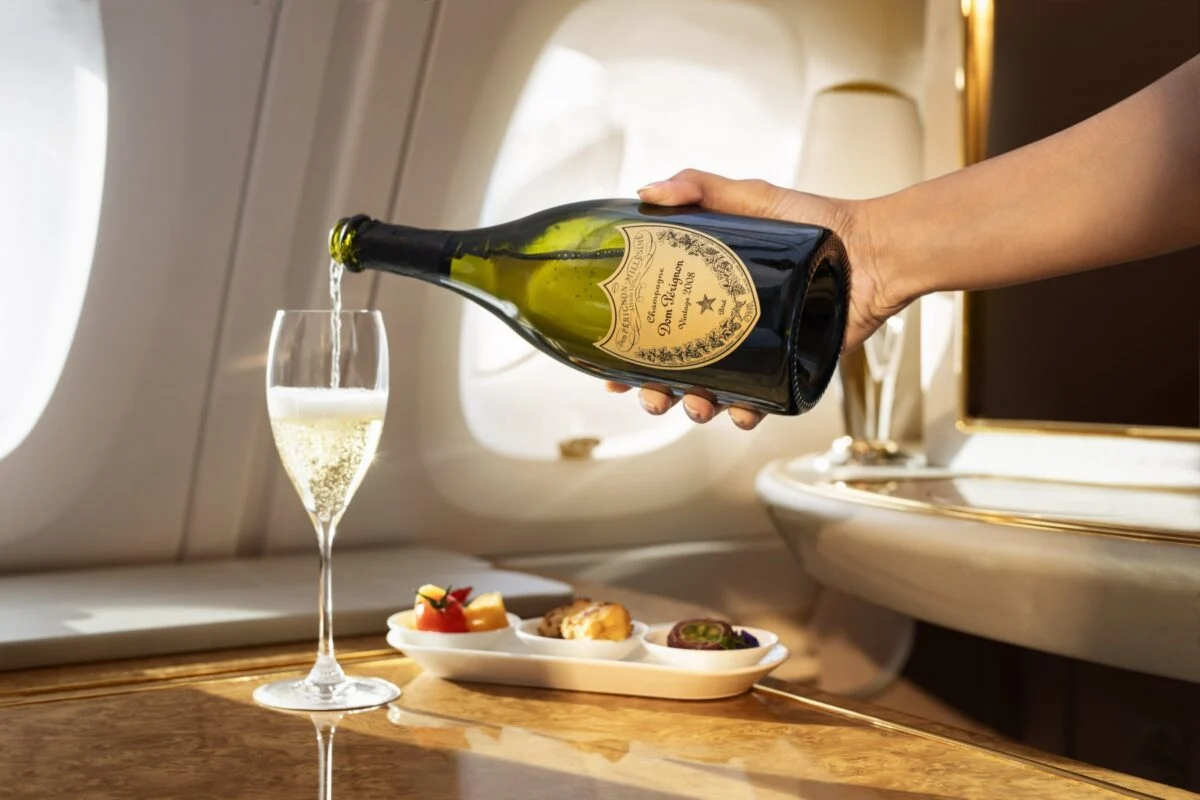
During this period, the iconic Champagne houses were established, such as Veuve Clicquot, Moët & Chandon, and Dom Pérignon. These houses developed elaborate marketing techniques that linked their Champagne to royalty, success, and celebration, which only further cemented the wine’s association with social prestige. Over time, Champagne became intrinsically tied to celebrations of victory, wealth, and importance, and it began to be regarded as the most prestigious of all wines.

The Evolution of Champagne’s Role in Society

As the centuries passed, Champagne’s role as a symbol of wealth and distinction spread beyond European royal courts to become ingrained in Western culture at large. By the 19th century, Champagne had entered the celebrations of the emerging middle class. As industrialization progressed and more people found themselves with disposable income, the desire for luxury goods like Champagne grew, albeit on a more selective scale. The elite still maintained a certain exclusivity over the finest bottles, but the masses were no longer entirely excluded from the experience of sipping bubbly.

The Rise of the “Champagne Lifestyle”

By the 20th century, Champagne had cemented its position as a cultural symbol of prosperity, celebration, and achievement. The concept of the “Champagne lifestyle” took hold. This was the image of a life marked by refinement, indulgence, and wealth—where to drink Champagne was to live in a world of luxury. Champagne became the drink of the Hollywood elite, global business magnates, and celebrities, reinforcing its association with high-status living.

As the 21st century dawned, Champagne remained a fixture in celebratory moments around the globe. It was the drink of choice for those who wanted to mark a special occasion with elegance, whether it was popping a bottle at a wedding or toasting the arrival of a new year. But in recent years, shifts in society have led some to question whether Champagne’s place at the top of the luxury beverage hierarchy is still guaranteed.

The Democratization of Luxury Goods

In modern times, the landscape of luxury has shifted significantly. The democratization of luxury goods—fueled by globalization, the rise of new technologies, and changing cultural norms—has allowed people across the world to access items that were once reserved for the elite. More people are able to purchase luxury products at lower price points, thanks to mass production, improved distribution, and the growth of the global middle class.

The Influence of Social Media and Digital Marketing

The rise of social media and influencer culture has also played a significant role in changing the way people interact with luxury products like Champagne. In the past, Champagne was reserved for grand events and exclusive venues. Today, it’s not uncommon to see influencers or celebrities sipping Champagne in their everyday lives, showcasing it on platforms like Instagram, Twitter, and TikTok. This democratization of luxury goods has had a profound effect on the cultural perception of Champagne.

While this has expanded Champagne’s audience, it has also somewhat diluted its exclusive aura. Champagne is now not only a symbol of affluence but also a drink enjoyed casually by people of various social strata. In many ways, the modern image of Champagne is less about exclusivity and more about enjoyment and celebration, which, for some, has diminished its prestige.

The Rise of Other Sparkling Wines

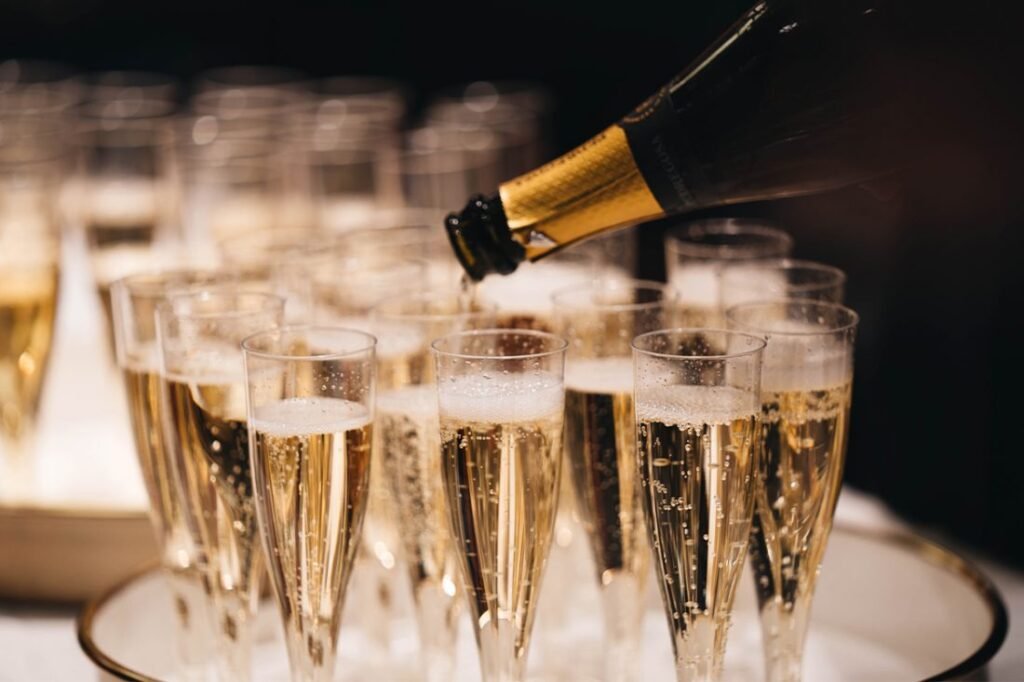
Another significant factor that challenges the relevance of Champagne’s prestige today is the growing popularity of other sparkling wines, which offer similar effervescence and quality at lower price points. While Champagne remains a luxury item, there are numerous other sparkling wines that deliver excellent quality and flavor without the high price tag. Prosecco, Cava, and Crémant have emerged as major competitors to Champagne, each offering their own distinctive flavors and characteristics.

Prosecco’s Global Popularity

Prosecco, a sparkling wine from Italy, has seen explosive growth in global sales over the past decade. Known for its approachable price and fresh, fruity flavors, Prosecco has become a favorite of wine drinkers worldwide. While Prosecco may not carry the same historical weight or prestige as Champagne, its affordability and drinkability have made it a popular choice for casual celebrations and everyday occasions.

In many ways, Prosecco’s rise represents a shift away from the traditional idea of Champagne as the exclusive wine of the elite. Today, many people choose Prosecco over Champagne because of its versatility and affordability. Its success highlights a cultural trend where consumers are less concerned with the prestige of a product and more focused on value, taste, and accessibility.
Cava and Crémant: Affordable Alternatives

Cava, Spain’s flagship sparkling wine, and Crémant, a sparkling wine from various regions in France (outside of Champagne), are also becoming more widely available and popular. These wines are often made using the same traditional methods as Champagne, yet their price points are significantly lower. Cava, in particular, is recognized for its crisp, dry character and is a favorite in Spain, while Crémant has been gaining traction in both European and international markets due to its excellent quality and reasonable cost.

The rise of these sparkling wines presents a challenge to Champagne’s dominance in the luxury sparkling wine market. While these wines may not have the same cachet as Champagne, their quality and affordability have made them a serious contender in the sparkling wine space.

Changing Attitudes Towards Luxury and Exclusivity

Today’s consumers are more value-driven than ever before. The younger generation, in particular, has shown less interest in traditional markers of status and prestige. This shift in mindset has led to a reevaluation of what truly defines luxury. The exclusivity once associated with Champagne may no longer resonate with modern consumers who prefer experiences over material possessions.

Experience Over Material Goods

Many contemporary consumers are choosing experiences over owning expensive items. Instead of spending thousands of dollars on a bottle of Champagne, people might opt for a memorable vacation, a unique experience, or a meal at a Michelin-starred restaurant. The idea of luxury is evolving from ownership of high-end products to the pursuit of unique, authentic, and transformative experiences.

This shift is also reflected in the wine industry. Many drinkers now prioritize discovering new, exciting wines from lesser-known regions, rather than sticking with long-established luxury labels. As a result, Champagne’s prestige has been somewhat diminished in favor of more accessible, experiential luxury.

Sustainability and Ethical Considerations

Another factor impacting Champagne’s relevance in the modern world is the increasing consumer focus on sustainability and ethical production. Today’s consumers are more conscientious about the environmental impact of their purchases, and many are gravitating toward brands that demonstrate a commitment to sustainability.

In this context, Champagne has been slow to embrace sustainable practices compared to some of its competitors. While certain Champagne houses are making strides towards environmentally friendly production methods, Champagne as a whole is still playing catch-up in terms of its environmental credentials. In contrast, alternative sparkling wine regions such as Prosecco and Cava are more actively engaged in sustainable viticulture, which could influence consumer preference in the long run.

Is Champagne’s Prestige Still Relevant?

In conclusion, Champagne’s prestige is facing significant challenges in modern society. The changing cultural landscape, the rise of affordable alternatives, the impact of social media, and a shift towards experiential luxury have all contributed to a reevaluation of Champagne’s status as the definitive luxury sparkling wine. While Champagne still holds considerable cultural significance as a celebratory drink and a status symbol, its exclusivity is no longer as sacrosanct as it once was.

However, this doesn’t mean that Champagne is irrelevant. Champagne still embodies elegance, history, and craftsmanship, and it continues to be a cherished part of life’s special moments. Its place in the luxury market may have evolved, but Champagne remains a powerful symbol of sophistication and celebration. The question is not whether Champagne is still relevant, but rather how its relevance will continue to adapt to the changing tastes and preferences of a modern, diverse global consumer base.

Tags: Cavachampagneluxury wineProseccosparkling wine
ShareTweetShare

Related Posts

The History of Champagne — From Accidental Sparkle to Global Luxury
Champagne

The Future of Champagne — Climate Change, Innovation, and Industry Evolution

April 25, 2026
The History of Champagne — From Accidental Sparkle to Global Luxury
Champagne

The Culture of Champagne — Luxury, Celebration, and Global Influence

April 25, 2026
The History of Champagne — From Accidental Sparkle to Global Luxury
Champagne

Champagne Styles Explained — Brut, Rosé, Vintage, and Beyond

April 25, 2026
The History of Champagne — From Accidental Sparkle to Global Luxury
Champagne

The Craft of Champagne — Terroir, Grapes, and the Méthode Traditionnelle

April 25, 2026
The History of Champagne — From Accidental Sparkle to Global Luxury
Champagne

The History of Champagne — From Accidental Sparkle to Global Luxury

April 25, 2026
The Future of Champagne — Climate Change, Innovation, and the Evolution of Sparkling Wine
Champagne

The Future of Champagne — Climate Change, Innovation, and the Evolution of Sparkling Wine

April 22, 2026
Leave Comment
  • Trending
  • Comments
  • Latest
Role of Terroir in Champagne Production

Role of Terroir in Champagne Production

January 19, 2026
Champagne Can Be Aged in Wood?

Champagne Can Be Aged in Wood?

January 18, 2026
Is Organic Wine Healthier Than Conventional Wine?

Is Organic Wine Healthier Than Conventional Wine?

January 20, 2026
Why Do Some Champagnes Use a High Proportion of Pinot Meunier?

Why Do Some Champagnes Use a High Proportion of Pinot Meunier?

January 20, 2026
The Timeless Elegance of Wine: A Journey Through History and Culture

The Timeless Elegance of Wine: A Journey Through History and Culture

Why Is Château Lafite Rothschild the Pinnacle of Fine Wine?

Why Is Château Lafite Rothschild the Pinnacle of Fine Wine?

How Did Château Lafite Rothschild Become a Global Icon of Luxury?

How Did Château Lafite Rothschild Become a Global Icon of Luxury?

What Makes Chateau Lafite Rothschild the Pinnacle of Bordeaux Wines?

What Makes Chateau Lafite Rothschild the Pinnacle of Bordeaux Wines?

Beer as a Cultural and Social Force: From Ancient Brew to Modern Identity

The Art of Beer & Food Pairing: Unlocking Flavor Through Balance, Contrast, and Texture

April 26, 2026
Beer as a Cultural and Social Force: From Ancient Brew to Modern Identity

A Complete Guide to Beer Styles: From Lager to Stout, Understanding Flavor, Body, and Character

April 26, 2026
Beer as a Cultural and Social Force: From Ancient Brew to Modern Identity

The Global Beer Industry: Craft Revolution, Market Forces, and the Future of Brewing

April 26, 2026
Beer as a Cultural and Social Force: From Ancient Brew to Modern Identity

The Science of Beer: Brewing Process, Ingredients, and the Chemistry of Flavor

April 26, 2026
SipsavorLife

Welcome to our comprehensive beverage guide, where you can explore the fascinating world of alcoholic drinks. From exquisite wines and rich whiskeys to refreshing beers and sparkling champagnes, we provide insights, tips, and recommendations for enthusiasts and casual drinkers alike. Discover your next favorite libation with us!

© 2025 sipsavorlife.com. contacts:sipsavorlife-35376@gmail.com

No Result
View All Result
  • Home
  • Wine
  • Whiskey
  • Beer
  • Grain Spirits
  • Champagne
  • ALL

© 2025 sipsavorlife.com. contacts:sipsavorlife-35376@gmail.com

Welcome Back!

Login to your account below

Forgotten Password?

Retrieve your password

Please enter your username or email address to reset your password.

Log In