










SipsavorLife
  • Home
  • Wine
    Wine Pairings: Can They Change the Flavor Profile of a Dish?

    Wine Pairings: Can They Change the Flavor Profile of a Dish?

    How Do Wine Glasses Influence the Tasting Experience?

    How Do Wine Glasses Influence the Tasting Experience?

    Is Organic Wine Healthier Than Conventional Wine?

    Is Organic Wine Healthier Than Conventional Wine?

    Why Do Some Wines Taste Better from Specific Vintages?

    Why Do Some Wines Taste Better from Specific Vintages?

    Wine Tasting: Can It Truly Be an Art Form?

    Wine Tasting: Can It Truly Be an Art Form?

    What Does Terroir Actually Mean for Your Wine?

    What Does Terroir Actually Mean for Your Wine?

  • Whiskey
    Can Beer Be an Effective Ingredient in Culinary Cooking?

    Can Beer Be an Effective Ingredient in Culinary Cooking?

    Second Fermentation in Champagne: Is It Really That Crucial?

    Second Fermentation in Champagne: Is It Really That Crucial?

    How Do Different Grains Impact the Flavor Profile of Distilled Spirits?

    How Do Different Grains Impact the Flavor Profile of Distilled Spirits?

    How Do Whiskey Master Blenders Create Perfection?

    How Do Whiskey Master Blenders Create Perfection?

    Wine Pairings: Can They Change the Flavor Profile of a Dish?

    Wine Pairings: Can They Change the Flavor Profile of a Dish?

    Beer the Ultimate Beverage for Pairing with Spicy Food?

    Beer the Ultimate Beverage for Pairing with Spicy Food?

  • Beer
    Can Beer Be an Effective Ingredient in Culinary Cooking?

    Can Beer Be an Effective Ingredient in Culinary Cooking?

    Beer the Ultimate Beverage for Pairing with Spicy Food?

    Beer the Ultimate Beverage for Pairing with Spicy Food?

    How Did Ancient Civilizations Brew Beer Without Modern Technology?

    How Did Ancient Civilizations Brew Beer Without Modern Technology?

    Is It Possible to Brew a Beer with No Alcohol and No Compromise on Taste?

    Is It Possible to Brew a Beer with No Alcohol and No Compromise on Taste?

    Why Does Beer Taste Different at High Altitudes?

    Why Does Beer Taste Different at High Altitudes?

    Is Hops the Secret Ingredient Behind Beer’s Bold Flavor?

    Is Hops the Secret Ingredient Behind Beer’s Bold Flavor?

  • Grain Spirits
    How Do Different Grains Impact the Flavor Profile of Distilled Spirits?

    How Do Different Grains Impact the Flavor Profile of Distilled Spirits?

    Grain Spirits the Unsung Heroes of Modern Mixology

    Grain Spirits the Unsung Heroes of Modern Mixology

    What Makes Grain-Based Whiskey So Different from Its Peated Cousins?

    What Makes Grain-Based Whiskey So Different from Its Peated Cousins?

    Grain Spirits: Could They Be the Next Big Trend in Craft Cocktails?

    Grain Spirits: Could They Be the Next Big Trend in Craft Cocktails?

    Why Are Grain Spirits Often Overlooked in the World of Fine Liquor?

    Why Are Grain Spirits Often Overlooked in the World of Fine Liquor?

    Is There a Secret Art to Distilling Grain Spirits?

    Is There a Secret Art to Distilling Grain Spirits?

  • Champagne
    Second Fermentation in Champagne: Is It Really That Crucial?

    Second Fermentation in Champagne: Is It Really That Crucial?

    The Science Behind the ‘Bubble Size’ in Champagne

    The Science Behind the ‘Bubble Size’ in Champagne

    Why Do Some Champagnes Use a High Proportion of Pinot Meunier?

    Why Do Some Champagnes Use a High Proportion of Pinot Meunier?

    Role of Terroir in Champagne Production

    Role of Terroir in Champagne Production

    Champagne Can Be Aged in Wood?

    Champagne Can Be Aged in Wood?

    Is There a Difference Between Blanc de Blancs and Blanc de Noirs Champagne?

    Is There a Difference Between Blanc de Blancs and Blanc de Noirs Champagne?

  • ALL
    Can Beer Be an Effective Ingredient in Culinary Cooking?

    Can Beer Be an Effective Ingredient in Culinary Cooking?

    Second Fermentation in Champagne: Is It Really That Crucial?

    Second Fermentation in Champagne: Is It Really That Crucial?

    How Do Different Grains Impact the Flavor Profile of Distilled Spirits?

    How Do Different Grains Impact the Flavor Profile of Distilled Spirits?

    How Do Whiskey Master Blenders Create Perfection?

    How Do Whiskey Master Blenders Create Perfection?

    Wine Pairings: Can They Change the Flavor Profile of a Dish?

    Wine Pairings: Can They Change the Flavor Profile of a Dish?

    Beer the Ultimate Beverage for Pairing with Spicy Food?

    Beer the Ultimate Beverage for Pairing with Spicy Food?

SipsavorLife
  • Home
  • Wine
    Wine Pairings: Can They Change the Flavor Profile of a Dish?

    Wine Pairings: Can They Change the Flavor Profile of a Dish?

    How Do Wine Glasses Influence the Tasting Experience?

    How Do Wine Glasses Influence the Tasting Experience?

    Is Organic Wine Healthier Than Conventional Wine?

    Is Organic Wine Healthier Than Conventional Wine?

    Why Do Some Wines Taste Better from Specific Vintages?

    Why Do Some Wines Taste Better from Specific Vintages?

    Wine Tasting: Can It Truly Be an Art Form?

    Wine Tasting: Can It Truly Be an Art Form?

    What Does Terroir Actually Mean for Your Wine?

    What Does Terroir Actually Mean for Your Wine?

  • Whiskey
    Can Beer Be an Effective Ingredient in Culinary Cooking?

    Can Beer Be an Effective Ingredient in Culinary Cooking?

    Second Fermentation in Champagne: Is It Really That Crucial?

    Second Fermentation in Champagne: Is It Really That Crucial?

    How Do Different Grains Impact the Flavor Profile of Distilled Spirits?

    How Do Different Grains Impact the Flavor Profile of Distilled Spirits?

    How Do Whiskey Master Blenders Create Perfection?

    How Do Whiskey Master Blenders Create Perfection?

    Wine Pairings: Can They Change the Flavor Profile of a Dish?

    Wine Pairings: Can They Change the Flavor Profile of a Dish?

    Beer the Ultimate Beverage for Pairing with Spicy Food?

    Beer the Ultimate Beverage for Pairing with Spicy Food?

  • Beer
    Can Beer Be an Effective Ingredient in Culinary Cooking?

    Can Beer Be an Effective Ingredient in Culinary Cooking?

    Beer the Ultimate Beverage for Pairing with Spicy Food?

    Beer the Ultimate Beverage for Pairing with Spicy Food?

    How Did Ancient Civilizations Brew Beer Without Modern Technology?

    How Did Ancient Civilizations Brew Beer Without Modern Technology?

    Is It Possible to Brew a Beer with No Alcohol and No Compromise on Taste?

    Is It Possible to Brew a Beer with No Alcohol and No Compromise on Taste?

    Why Does Beer Taste Different at High Altitudes?

    Why Does Beer Taste Different at High Altitudes?

    Is Hops the Secret Ingredient Behind Beer’s Bold Flavor?

    Is Hops the Secret Ingredient Behind Beer’s Bold Flavor?

  • Grain Spirits
    How Do Different Grains Impact the Flavor Profile of Distilled Spirits?

    How Do Different Grains Impact the Flavor Profile of Distilled Spirits?

    Grain Spirits the Unsung Heroes of Modern Mixology

    Grain Spirits the Unsung Heroes of Modern Mixology

    What Makes Grain-Based Whiskey So Different from Its Peated Cousins?

    What Makes Grain-Based Whiskey So Different from Its Peated Cousins?

    Grain Spirits: Could They Be the Next Big Trend in Craft Cocktails?

    Grain Spirits: Could They Be the Next Big Trend in Craft Cocktails?

    Why Are Grain Spirits Often Overlooked in the World of Fine Liquor?

    Why Are Grain Spirits Often Overlooked in the World of Fine Liquor?

    Is There a Secret Art to Distilling Grain Spirits?

    Is There a Secret Art to Distilling Grain Spirits?

  • Champagne
    Second Fermentation in Champagne: Is It Really That Crucial?

    Second Fermentation in Champagne: Is It Really That Crucial?

    The Science Behind the ‘Bubble Size’ in Champagne

    The Science Behind the ‘Bubble Size’ in Champagne

    Why Do Some Champagnes Use a High Proportion of Pinot Meunier?

    Why Do Some Champagnes Use a High Proportion of Pinot Meunier?

    Role of Terroir in Champagne Production

    Role of Terroir in Champagne Production

    Champagne Can Be Aged in Wood?

    Champagne Can Be Aged in Wood?

    Is There a Difference Between Blanc de Blancs and Blanc de Noirs Champagne?

    Is There a Difference Between Blanc de Blancs and Blanc de Noirs Champagne?

  • ALL
    Can Beer Be an Effective Ingredient in Culinary Cooking?

    Can Beer Be an Effective Ingredient in Culinary Cooking?

    Second Fermentation in Champagne: Is It Really That Crucial?

    Second Fermentation in Champagne: Is It Really That Crucial?

    How Do Different Grains Impact the Flavor Profile of Distilled Spirits?

    How Do Different Grains Impact the Flavor Profile of Distilled Spirits?

    How Do Whiskey Master Blenders Create Perfection?

    How Do Whiskey Master Blenders Create Perfection?

    Wine Pairings: Can They Change the Flavor Profile of a Dish?

    Wine Pairings: Can They Change the Flavor Profile of a Dish?

    Beer the Ultimate Beverage for Pairing with Spicy Food?

    Beer the Ultimate Beverage for Pairing with Spicy Food?

SipsavorLife
No Result
View All Result
Home ALL

What’s the History and Legacy of Single Malt Scotch Whisky?

March 30, 2025
in ALL, Whiskey
What’s the History and Legacy of Single Malt Scotch Whisky?

Single malt Scotch whisky is one of the most revered and celebrated spirits in the world. Its complex flavors, deep history, and meticulous production methods have made it a symbol of craftsmanship and tradition. For many, a glass of single malt is more than just a drink—it’s an experience, a connection to centuries of Scottish heritage, and a testament to the art of distillation. In this article, we will explore the origins of single malt Scotch whisky, its unique production processes, and the impact of regional distilleries on its flavor variations.

The Origins of Single Malt Scotch Whisky

The history of single malt Scotch whisky is deeply rooted in the culture and traditions of Scotland. Although whisky (spelled “whiskey” in Ireland and the United States) likely dates back to at least the 15th century, it wasn’t until the 18th century that the concept of single malt Scotch whisky, as we know it today, truly began to take shape.

The Early Beginnings of Whisky Distillation in Scotland

The art of distillation likely arrived in Scotland from the Mediterranean region, brought by the monks during the medieval period. The earliest evidence of whisky production comes from a record in 1494, which mentions a grant of malt to a friar named John Cor. This grant was likely intended for distillation, and it is widely considered to be one of the earliest references to whisky in Scotland. Over the following centuries, whisky-making techniques were refined and developed by both monks and secular distillers.

Whisky in early Scotland was often produced by small, local distilleries for personal use or to be sold at local markets. It wasn’t until the 17th century, with the rise of larger distilleries and more refined techniques, that whisky began to be produced on a larger scale.

The Emergence of Single Malt Scotch

Before the 19th century, most Scotch whisky was produced as a blend of different distillates from various distilleries. This blending process allowed producers to create a more consistent product but was not particularly focused on the qualities of any single distillery. In contrast, single malt Scotch whisky was designed to be a product of a single distillery, using only malted barley, and was intended to showcase the unique characteristics of the distillery’s individual methods and location.

The modern idea of single malt Scotch really began to emerge in the late 19th and early 20th centuries, thanks in part to pioneers like Johnnie Walker, who began to popularize blended Scotch whisky, which brought attention to the need for distinct single malts. However, it wasn’t until the post-World War II period that single malts gained substantial recognition both domestically and internationally.

The Role of Regulation and Scotch Whisky Laws

The rise of single malt Scotch whisky can be attributed not only to its distinct and high-quality production but also to the laws and regulations that govern Scotch whisky production. The Scotch Whisky Association (SWA), founded in 1909, was crucial in establishing and protecting the quality standards for Scotch whisky production. These regulations, enshrined in both Scottish law and international trade agreements, helped cement the reputation of Scotch whisky as a premium product.

By the time the 20th century rolled around, the Scotch whisky industry was firmly established, and the production of single malts became a point of pride for many distilleries. It was during this time that the legendary distilleries of Speyside, Islay, and the Highlands began to establish themselves as key players in the world of whisky.

The Unique Production Methods of Single Malt Scotch Whisky

The production of single malt Scotch whisky is a precise and intricate process, with each step carefully controlled to ensure the final product is of the highest quality. From the selection of ingredients to the aging process, every aspect of the whisky-making process plays a significant role in shaping the flavor profile and character of the final product.

1. The Ingredients: Malted Barley and Water

The primary ingredient in single malt Scotch whisky is malted barley. Barley is germinated by soaking it in water, allowing it to sprout, and then dried in a kiln to stop the germination process. This creates malted barley, which provides the sugars needed for fermentation. The specific varieties of barley and the way they are malted can affect the flavor of the whisky, with some distilleries using traditional methods of malting, while others employ more modern techniques.

Water is also a key ingredient, and many distilleries use water from local springs or rivers. The purity and mineral content of the water can influence the flavor of the whisky. For example, some distilleries in Islay use water from peat bogs, which imparts a unique earthy character to the whisky.

2. Mashing and Fermentation

Once the malted barley is prepared, it is mashed, which involves grinding the barley into a coarse powder and mixing it with hot water to extract the fermentable sugars. The mash is then cooled, and yeast is added to begin the fermentation process. During fermentation, the yeast converts the sugars in the mash into alcohol. This process typically takes a few days and results in a liquid known as “wash,” which has a low alcohol content but is the precursor to whisky.
3. Distillation

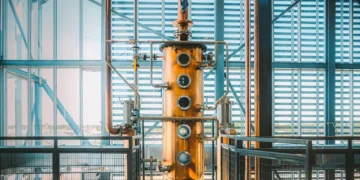
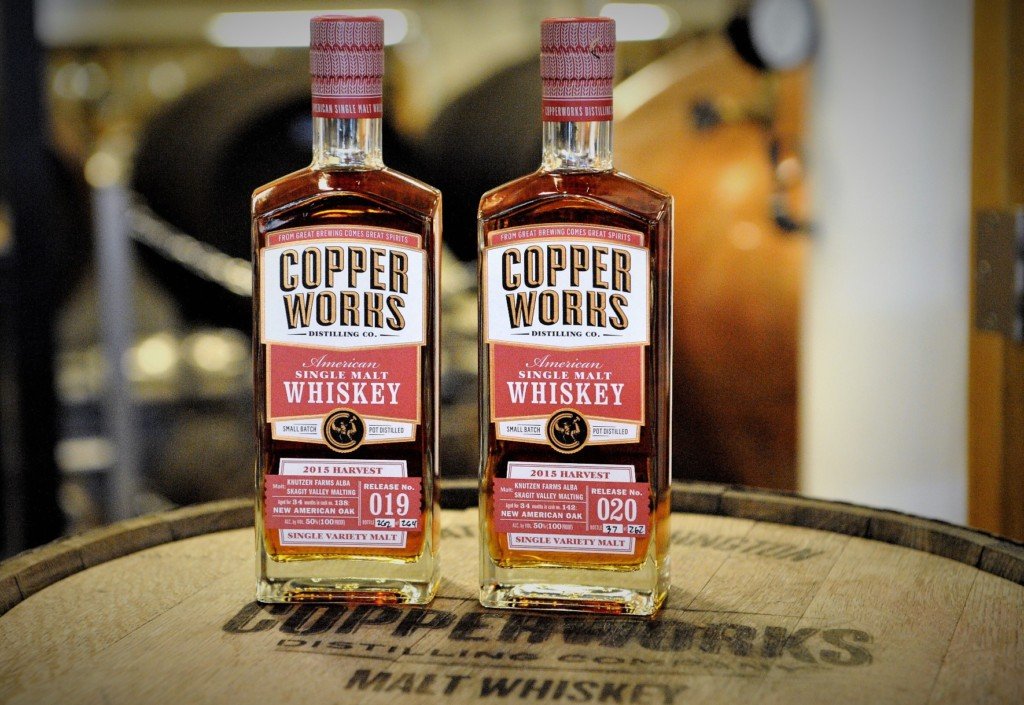
The wash is then distilled in copper pot stills. The distillation process is where the magic truly happens. The wash is heated in a large pot still, causing the alcohol to evaporate and rise through the neck of the still. As the vapor condenses, it forms a liquid known as “new make spirit,” which has a much higher alcohol content than the original wash.

The distillation process is typically done twice, though some distilleries in Scotland, such as those in Islay, may distill the spirit three times. The distillation process helps to refine the flavors of the whisky, separating the “heart” (the desired part of the distillation) from the “heads” and “tails” (the undesirable parts). The heart is then collected and aged in barrels.

4. Aging

The aging process is one of the most critical steps in creating a single malt Scotch whisky. By law, Scotch whisky must be aged for at least three years in oak barrels, though many single malts are aged for much longer to develop more complex flavors. The type of oak barrel used for aging—often American oak or European oak—can influence the final flavor, with American oak imparting sweeter vanilla and caramel notes, while European oak adds a spicier, more tannic character.

Over the years of aging, the whisky undergoes a chemical transformation, absorbing flavors from the wood and evaporating some of the alcohol and water. This evaporation creates the “angel’s share,” a portion of the whisky that is lost to the air but contributes to the whisky’s final complexity and depth.

The Impact of Regional Distilleries on Flavor Variations Within Single Malts

One of the most fascinating aspects of single malt Scotch whisky is the impact of regional distilleries on flavor profiles. Scotland’s varied geography—ranging from the rugged, coastal islands to the fertile valleys—has a profound influence on the flavors of the whisky produced there. Each whisky-producing region in Scotland has its own unique characteristics, shaped by factors like climate, geography, and production techniques.

1. Islay Whiskies: Smoky and Peaty

Islay, an island off the west coast of Scotland, is famous for its smoky, peaty single malts. The island’s abundant peat bogs, which are used to dry the malted barley, impart a distinctive earthy, smoky flavor to the whisky. This peaty character is one of the defining traits of Islay whiskies, and distilleries such as Laphroaig, Lagavulin, and Ardbeg are renowned for their bold, smoky whiskies.

The climate of Islay, with its salty sea air and damp conditions, also plays a role in shaping the whisky’s flavor. The briny, maritime influence is a signature of many Islay single malts, contributing to their complexity and unique appeal.

2. Speyside Whiskies: Fruity and Elegant

Speyside, located in the northeastern part of Scotland, is often considered the heart of Scotch whisky production. This region is home to more than half of Scotland’s distilleries, and the whiskies produced here are known for their smooth, elegant, and fruity profiles. Speyside whiskies tend to be lighter and sweeter than those from Islay, with notes of apple, pear, honey, and vanilla.

Famous distilleries from Speyside include Glenfiddich, Glenlivet, and Macallan. The region’s cooler, more temperate climate and the abundance of pure water from the River Spey contribute to the delicate character of these whiskies.

3. Highlands Whiskies: Rich and Full-bodied

The Highlands, Scotland’s largest whisky-producing region, is known for its rich, full-bodied single malts. The diverse landscape—ranging from mountainous terrain to rolling hills—creates a wide variety of flavor profiles. Highland whiskies can range from light and floral to rich and robust, with flavors like heather, spices, and dark fruits.

Some of the most iconic distilleries from the Highlands include Glenmorangie and Oban, each offering distinctive expressions that showcase the region’s diverse terroir.

4. Lowland Whiskies: Light and Floral

The Lowlands, located in the southern part of Scotland, produce some of the lightest and most delicate single malts. These whiskies often have floral, grassy, and citrusy notes, with a gentle sweetness. Lowland whiskies, such as Auchentoshan and Glenkinchie, are often triple distilled, which contributes to their smoothness and subtlety.

Conclusion

The history and legacy of single malt Scotch whisky are intertwined with centuries of tradition, innovation, and craftsmanship. From its early origins in Scotland to its status as a global symbol of quality and luxury, single malt Scotch has evolved into a product that reflects both the artistry of the distillers and the terroir of the Scottish regions. The production methods, with their attention to detail and focus on natural ingredients, help to create a spirit that is complex, refined, and ever-changing. With its rich history and regional diversity, single malt Scotch whisky will continue to be cherished for generations to come.
Tags: history of Scotch whiskyScotch whisky productionsingle malt Scotch whisky
ShareTweetShare

Related Posts

Can Beer Be an Effective Ingredient in Culinary Cooking?
ALL

Can Beer Be an Effective Ingredient in Culinary Cooking?

January 22, 2026
Second Fermentation in Champagne: Is It Really That Crucial?
ALL

Second Fermentation in Champagne: Is It Really That Crucial?

January 22, 2026
How Do Different Grains Impact the Flavor Profile of Distilled Spirits?
ALL

How Do Different Grains Impact the Flavor Profile of Distilled Spirits?

January 22, 2026
How Do Whiskey Master Blenders Create Perfection?
ALL

How Do Whiskey Master Blenders Create Perfection?

January 22, 2026
Wine Pairings: Can They Change the Flavor Profile of a Dish?
ALL

Wine Pairings: Can They Change the Flavor Profile of a Dish?

January 22, 2026
Beer the Ultimate Beverage for Pairing with Spicy Food?
ALL

Beer the Ultimate Beverage for Pairing with Spicy Food?

January 21, 2026
Leave Comment
  • Trending
  • Comments
  • Latest
What Hidden Craftsmanship Lies Behind a Bottle of Quality Grain Spirits?

What Hidden Craftsmanship Lies Behind a Bottle of Quality Grain Spirits?

July 3, 2025
How Is Champagne Made? The Secrets Behind the Sparkle

How Is Champagne Made? The Secrets Behind the Sparkle

April 15, 2025
Grain Spirits vs. Traditional Distilled Spirits: Which One Suits Your Taste?

Grain Spirits vs. Traditional Distilled Spirits: Which One Suits Your Taste?

July 3, 2025
Champagne Bubbles: How Do They Perfectly Convey Celebration, Joy, and Luxury?

Champagne Bubbles: How Do They Perfectly Convey Celebration, Joy, and Luxury?

July 2, 2025
The Timeless Elegance of Wine: A Journey Through History and Culture

The Timeless Elegance of Wine: A Journey Through History and Culture

Why Is Château Lafite Rothschild the Pinnacle of Fine Wine?

Why Is Château Lafite Rothschild the Pinnacle of Fine Wine?

How Did Château Lafite Rothschild Become a Global Icon of Luxury?

How Did Château Lafite Rothschild Become a Global Icon of Luxury?

What Makes Chateau Lafite Rothschild the Pinnacle of Bordeaux Wines?

What Makes Chateau Lafite Rothschild the Pinnacle of Bordeaux Wines?

Can Beer Be an Effective Ingredient in Culinary Cooking?

Can Beer Be an Effective Ingredient in Culinary Cooking?

January 22, 2026
Second Fermentation in Champagne: Is It Really That Crucial?

Second Fermentation in Champagne: Is It Really That Crucial?

January 22, 2026
How Do Different Grains Impact the Flavor Profile of Distilled Spirits?

How Do Different Grains Impact the Flavor Profile of Distilled Spirits?

January 22, 2026
How Do Whiskey Master Blenders Create Perfection?

How Do Whiskey Master Blenders Create Perfection?

January 22, 2026
SipsavorLife

Welcome to our comprehensive beverage guide, where you can explore the fascinating world of alcoholic drinks. From exquisite wines and rich whiskeys to refreshing beers and sparkling champagnes, we provide insights, tips, and recommendations for enthusiasts and casual drinkers alike. Discover your next favorite libation with us!

© 2025 sipsavorlife.com. contacts:sipsavorlife-35376@gmail.com

No Result
View All Result
  • Home
  • Wine
  • Whiskey
  • Beer
  • Grain Spirits
  • Champagne
  • ALL

© 2025 sipsavorlife.com. contacts:sipsavorlife-35376@gmail.com

Welcome Back!

Login to your account below

Forgotten Password?

Retrieve your password

Please enter your username or email address to reset your password.

Log In