






























SipsavorLife
  • Home
  • Wine
    The History, Culture, and Global Influence of Humanity’s Most Celebrated Beverage

    The Wine Revolution: How Modern Winemaking Transformed a Global Industry

    The History, Culture, and Global Influence of Humanity’s Most Celebrated Beverage

    Wine Styles of the World: A Complete Guide to Red, White, Rosé, Sparkling, and Fortified Wines

    The History, Culture, and Global Influence of Humanity’s Most Celebrated Beverage

    The Global Wine Industry: Markets, Trade, Tourism, and Economic Impact

    The History, Culture, and Global Influence of Humanity’s Most Celebrated Beverage

    The Science of Wine: Grapes, Fermentation, and Flavor Development

    The History, Culture, and Global Influence of Humanity’s Most Celebrated Beverage

    The History, Culture, and Global Influence of Humanity’s Most Celebrated Beverage

    The Cultural History of Wine: From Ancient Rituals to Modern Luxury

    The Psychology of Wine: Why Humans Associate Wine with Emotion, Memory, and Identity

  • Whiskey
    Can Beer Be an Effective Ingredient in Culinary Cooking?

    Can Beer Be an Effective Ingredient in Culinary Cooking?

    Second Fermentation in Champagne: Is It Really That Crucial?

    Second Fermentation in Champagne: Is It Really That Crucial?

    How Do Different Grains Impact the Flavor Profile of Distilled Spirits?

    How Do Different Grains Impact the Flavor Profile of Distilled Spirits?

    How Do Whiskey Master Blenders Create Perfection?

    How Do Whiskey Master Blenders Create Perfection?

    Wine Pairings: Can They Change the Flavor Profile of a Dish?

    Wine Pairings: Can They Change the Flavor Profile of a Dish?

    Beer the Ultimate Beverage for Pairing with Spicy Food?

    Beer the Ultimate Beverage for Pairing with Spicy Food?

  • Beer
    Malt Beer: Why Does Its Sweet Malty Aroma Always Bring Endless Satisfaction?

    The Craft Beer Revolution: How Independent Breweries Changed the World of Beer

    Beer: The World’s Oldest and Most Influential Beverage

    Beer Styles of the World: A Complete Guide to Lager, Ale, Stout, IPA, and Beyond

    Beer: The World’s Oldest and Most Influential Beverage

    The Global Beer Industry: Markets, Brands, and Economic Impact

    Beer: The World’s Oldest and Most Influential Beverage

    The Science of Beer: Ingredients, Fermentation, and Flavor

    Beer: The World’s Oldest and Most Influential Beverage

    Beer: The World’s Oldest and Most Influential Beverage

    Beer as a Cultural and Social Force: From Ancient Brew to Modern Identity

    Women in Brewing: The Untold History and Modern Transformation of Beer Culture

  • Grain Spirits
    Grain Spirits: The Origins, Science, and Global Evolution of Distilled Grain Alcohol

    Bourbon: America’s Native Grain Spirit and the Global Story of Corn, Oak, Fire, and Time

    Grain Spirits: The Origins, Science, and Global Evolution of Distilled Grain Alcohol

    Gin: Botanicals, History, Cocktail Culture, and the Artistic Evolution of the World’s Most Aromatic Grain Spirit

    Grain Spirits: The Origins, Science, and Global Evolution of Distilled Grain Alcohol

    Vodka: The Global Rise of the World’s Most Versatile Grain Spirit

    Grain Spirits: The Origins, Science, and Global Evolution of Distilled Grain Alcohol

    Whiskey and the Soul of Grain Spirits: History, Craftsmanship, Culture, and the Global Rise of the World’s Most Iconic Distilled Grain Beverage

    Grain Spirits: The Origins, Science, and Global Evolution of Distilled Grain Alcohol

    Grain Spirits: The Origins, Science, and Global Evolution of Distilled Grain Alcohol

    Grain Spirits Explained — The Foundation of Global Distillation

    The Future of Grain Spirits — Technology, Sustainability, and the Next Era of Distillation

  • Champagne
    Champagne: The Sparkling Wine That Changed Global Celebration Culture

    Dom Pérignon, Cristal, Krug, and Beyond: The World’s Most Famous Champagne Houses and Their Legacy

    Champagne Beyond Celebration: The History, Craftsmanship, and Global Influence of the World’s Most Iconic Sparkling Wine

    The Future of Champagne: Climate Change, Innovation, Sustainability, and the Next Era of Sparkling Wine

    Champagne Beyond Celebration: The History, Craftsmanship, and Global Influence of the World’s Most Iconic Sparkling Wine

    Champagne and Luxury Culture: How Sparkling Wine Became a Global Symbol of Wealth, Celebration, and Prestige

    Champagne Beyond Celebration: The History, Craftsmanship, and Global Influence of the World’s Most Iconic Sparkling Wine

    The Art of Champagne Production: Inside the Science, Skill, and Tradition Behind Every Bottle

    Champagne Beyond Celebration: The History, Craftsmanship, and Global Influence of the World’s Most Iconic Sparkling Wine

    Champagne Beyond Celebration: The History, Craftsmanship, and Global Influence of the World’s Most Iconic Sparkling Wine

    Champagne: The Sparkling Wine That Changed Global Celebration Culture

    Champagne vs Prosecco vs Cava: How the World’s Sparkling Wines Reflect Culture, Geography, and Taste

  • ALL
    Can Beer Be an Effective Ingredient in Culinary Cooking?

    Can Beer Be an Effective Ingredient in Culinary Cooking?

    Second Fermentation in Champagne: Is It Really That Crucial?

    Second Fermentation in Champagne: Is It Really That Crucial?

    How Do Different Grains Impact the Flavor Profile of Distilled Spirits?

    How Do Different Grains Impact the Flavor Profile of Distilled Spirits?

    How Do Whiskey Master Blenders Create Perfection?

    How Do Whiskey Master Blenders Create Perfection?

    Wine Pairings: Can They Change the Flavor Profile of a Dish?

    Wine Pairings: Can They Change the Flavor Profile of a Dish?

    Beer the Ultimate Beverage for Pairing with Spicy Food?

    Beer the Ultimate Beverage for Pairing with Spicy Food?

SipsavorLife
  • Home
  • Wine
    The History, Culture, and Global Influence of Humanity’s Most Celebrated Beverage

    The Wine Revolution: How Modern Winemaking Transformed a Global Industry

    The History, Culture, and Global Influence of Humanity’s Most Celebrated Beverage

    Wine Styles of the World: A Complete Guide to Red, White, Rosé, Sparkling, and Fortified Wines

    The History, Culture, and Global Influence of Humanity’s Most Celebrated Beverage

    The Global Wine Industry: Markets, Trade, Tourism, and Economic Impact

    The History, Culture, and Global Influence of Humanity’s Most Celebrated Beverage

    The Science of Wine: Grapes, Fermentation, and Flavor Development

    The History, Culture, and Global Influence of Humanity’s Most Celebrated Beverage

    The History, Culture, and Global Influence of Humanity’s Most Celebrated Beverage

    The Cultural History of Wine: From Ancient Rituals to Modern Luxury

    The Psychology of Wine: Why Humans Associate Wine with Emotion, Memory, and Identity

  • Whiskey
    Can Beer Be an Effective Ingredient in Culinary Cooking?

    Can Beer Be an Effective Ingredient in Culinary Cooking?

    Second Fermentation in Champagne: Is It Really That Crucial?

    Second Fermentation in Champagne: Is It Really That Crucial?

    How Do Different Grains Impact the Flavor Profile of Distilled Spirits?

    How Do Different Grains Impact the Flavor Profile of Distilled Spirits?

    How Do Whiskey Master Blenders Create Perfection?

    How Do Whiskey Master Blenders Create Perfection?

    Wine Pairings: Can They Change the Flavor Profile of a Dish?

    Wine Pairings: Can They Change the Flavor Profile of a Dish?

    Beer the Ultimate Beverage for Pairing with Spicy Food?

    Beer the Ultimate Beverage for Pairing with Spicy Food?

  • Beer
    Malt Beer: Why Does Its Sweet Malty Aroma Always Bring Endless Satisfaction?

    The Craft Beer Revolution: How Independent Breweries Changed the World of Beer

    Beer: The World’s Oldest and Most Influential Beverage

    Beer Styles of the World: A Complete Guide to Lager, Ale, Stout, IPA, and Beyond

    Beer: The World’s Oldest and Most Influential Beverage

    The Global Beer Industry: Markets, Brands, and Economic Impact

    Beer: The World’s Oldest and Most Influential Beverage

    The Science of Beer: Ingredients, Fermentation, and Flavor

    Beer: The World’s Oldest and Most Influential Beverage

    Beer: The World’s Oldest and Most Influential Beverage

    Beer as a Cultural and Social Force: From Ancient Brew to Modern Identity

    Women in Brewing: The Untold History and Modern Transformation of Beer Culture

  • Grain Spirits
    Grain Spirits: The Origins, Science, and Global Evolution of Distilled Grain Alcohol

    Bourbon: America’s Native Grain Spirit and the Global Story of Corn, Oak, Fire, and Time

    Grain Spirits: The Origins, Science, and Global Evolution of Distilled Grain Alcohol

    Gin: Botanicals, History, Cocktail Culture, and the Artistic Evolution of the World’s Most Aromatic Grain Spirit

    Grain Spirits: The Origins, Science, and Global Evolution of Distilled Grain Alcohol

    Vodka: The Global Rise of the World’s Most Versatile Grain Spirit

    Grain Spirits: The Origins, Science, and Global Evolution of Distilled Grain Alcohol

    Whiskey and the Soul of Grain Spirits: History, Craftsmanship, Culture, and the Global Rise of the World’s Most Iconic Distilled Grain Beverage

    Grain Spirits: The Origins, Science, and Global Evolution of Distilled Grain Alcohol

    Grain Spirits: The Origins, Science, and Global Evolution of Distilled Grain Alcohol

    Grain Spirits Explained — The Foundation of Global Distillation

    The Future of Grain Spirits — Technology, Sustainability, and the Next Era of Distillation

  • Champagne
    Champagne: The Sparkling Wine That Changed Global Celebration Culture

    Dom Pérignon, Cristal, Krug, and Beyond: The World’s Most Famous Champagne Houses and Their Legacy

    Champagne Beyond Celebration: The History, Craftsmanship, and Global Influence of the World’s Most Iconic Sparkling Wine

    The Future of Champagne: Climate Change, Innovation, Sustainability, and the Next Era of Sparkling Wine

    Champagne Beyond Celebration: The History, Craftsmanship, and Global Influence of the World’s Most Iconic Sparkling Wine

    Champagne and Luxury Culture: How Sparkling Wine Became a Global Symbol of Wealth, Celebration, and Prestige

    Champagne Beyond Celebration: The History, Craftsmanship, and Global Influence of the World’s Most Iconic Sparkling Wine

    The Art of Champagne Production: Inside the Science, Skill, and Tradition Behind Every Bottle

    Champagne Beyond Celebration: The History, Craftsmanship, and Global Influence of the World’s Most Iconic Sparkling Wine

    Champagne Beyond Celebration: The History, Craftsmanship, and Global Influence of the World’s Most Iconic Sparkling Wine

    Champagne: The Sparkling Wine That Changed Global Celebration Culture

    Champagne vs Prosecco vs Cava: How the World’s Sparkling Wines Reflect Culture, Geography, and Taste

  • ALL
    Can Beer Be an Effective Ingredient in Culinary Cooking?

    Can Beer Be an Effective Ingredient in Culinary Cooking?

    Second Fermentation in Champagne: Is It Really That Crucial?

    Second Fermentation in Champagne: Is It Really That Crucial?

    How Do Different Grains Impact the Flavor Profile of Distilled Spirits?

    How Do Different Grains Impact the Flavor Profile of Distilled Spirits?

    How Do Whiskey Master Blenders Create Perfection?

    How Do Whiskey Master Blenders Create Perfection?

    Wine Pairings: Can They Change the Flavor Profile of a Dish?

    Wine Pairings: Can They Change the Flavor Profile of a Dish?

    Beer the Ultimate Beverage for Pairing with Spicy Food?

    Beer the Ultimate Beverage for Pairing with Spicy Food?

SipsavorLife
No Result
View All Result
Home ALL

What’s the Difference Between Grain Spirits and Other Distilled Beverages?

April 1, 2025
in ALL, Grain Spirits
What’s the Difference Between Grain Spirits and Other Distilled Beverages?

When it comes to distilled beverages, the world is full of variety. From the smooth, neutral taste of vodka to the robust and earthy flavors of whiskey, the landscape of spirits offers a vast array of choices. Among these, grain spirits hold a distinct place, with their characteristic use of grains like barley, rye, corn, and wheat. But what sets grain spirits apart from other types of distilled beverages, such as rum, brandy, tequila, and fruit-based spirits?

In this comprehensive guide, we’ll dive into the key differences between grain spirits and other popular distilled drinks, looking at their ingredients, production processes, flavor profiles, and unique characteristics.

1. What Are Grain Spirits?

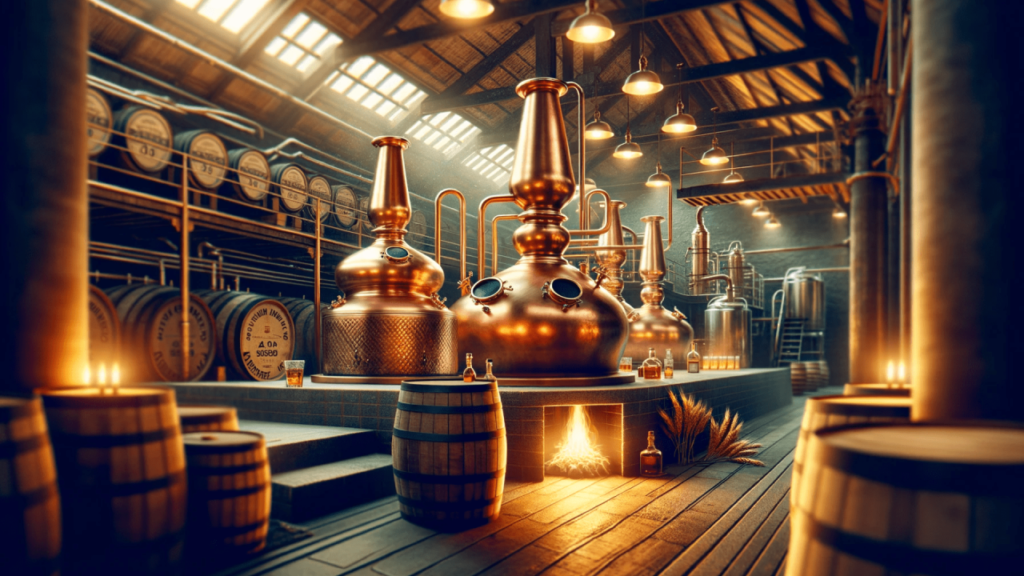
Before we can effectively compare grain spirits to other distilled beverages, it’s important to first understand what grain spirits are. Grain spirits are alcoholic beverages that are distilled from fermented cereal grains. These grains may include barley, corn, wheat, rye, and sometimes sorghum.

Grain spirits are made through a process of fermentation, where starches in the grains are converted into sugars and then into alcohol by yeast. The fermented liquid, or wash, is then distilled to concentrate the alcohol and flavors.

Common types of grain spirits include:

  • Whiskey (including Scotch, Bourbon, and Rye)
  • Vodka
  • Gin
  • Grain neutral spirits

Each of these types of grain spirits has its own distinctive taste profile, largely influenced by the type of grain used and the distillation process. The major characteristic that binds them together is their reliance on grains as the primary raw ingredient.

2. What Makes Grain Spirits Unique?

Grain spirits are unique in several ways, with the key differentiating factor being the grain base. Let’s break down the most prominent characteristics that make grain spirits stand out:

A Base of Starch-Rich Grains

Grain spirits are primarily made from starches found in grains. The type of grain used directly influences the taste, texture, and quality of the spirit. For example, corn tends to create a sweeter, smoother spirit, which is why it is commonly used in bourbon. Rye provides a spicier, more robust flavor, which is why it’s favored in rye whiskey.

Neutral or Complex Flavors

Grain spirits, especially those that are distilled multiple times, like vodka, can have a very neutral flavor profile, allowing for smoothness and versatility in cocktails. In contrast, whiskeys and gins, which are less filtered, have more complex and rich flavors due to the specific grains used, the fermentation process, and the aging process (in the case of whiskey).

Versatility in Distillation and Use

Grain spirits are incredibly versatile. For example, vodka can be distilled to be virtually tasteless, making it a favorite for mixed drinks, while gin incorporates various botanicals (such as juniper berries) into the distillation process, giving it a fresh, aromatic quality. On the other hand, whiskey is often aged in wooden barrels, imparting deeper, woody flavors that evolve over time.

3. Grain Spirits vs. Rum: A Comparison

Rum, like grain spirits, is a distilled beverage, but it has a very different base ingredient. Rum is primarily made from sugarcane byproducts, such as molasses or sugarcane juice. The key differences between grain spirits and rum include:

Ingredients:

  • Grain Spirits: Made from starch-rich grains like barley, corn, rye, and wheat.
  • Rum: Made from sugarcane-derived products (molasses or sugarcane juice).

Fermentation:

  • Grain Spirits: Fermented using grains, which are processed with enzymes to convert starches into sugars before fermentation.
  • Rum: Fermented from sugarcane, which is already rich in sugars, so it doesn’t require as much processing to convert starches to fermentable sugars.

Flavor Profile:

  • Grain Spirits: Typically have a neutral flavor (vodka), a rich malty flavor (whiskey), or complex botanical notes (gin).
  • Rum: Has sweet, molasses-based flavors that can range from light and fruity (in white rums) to deep, caramelized, and rich (in aged or dark rums).

Aging Process:

  • Grain Spirits: Whiskey and other grain spirits can undergo aging in wooden barrels, which gives them distinct flavors like vanilla, caramel, and spice. Vodka and gin are typically not aged.
  • Rum: Can also be aged, especially dark rums, which develop a rich, complex flavor from barrel aging.

Cultural Differences:

  • Grain Spirits: Commonly produced in Europe, North America, and Russia, with notable spirits like whiskey (USA, Scotland), vodka (Russia, Poland), and gin (UK).
  • Rum: Predominantly produced in the Caribbean and Latin America, with historical ties to colonial sugar plantations.
4. Grain Spirits vs. Brandy: A Comparison

While both grain spirits and brandy are distilled beverages, the base ingredients and resulting flavors set them apart.

Ingredients:

  • Grain Spirits: Made from various grains like barley, corn, and rye.
  • Brandy: Made from fermented fruit, typically grapes. Other fruits like apples, pears, and peaches are sometimes used.

Fermentation:

  • Grain Spirits: The grain mash is fermented before being distilled to create alcohol.
  • Brandy: The fruit is fermented into wine before being distilled.

Flavor Profile:

  • Grain Spirits: Generally have a neutral or malty flavor, with spiced or smoky notes in whiskey and botanicals in gin.
  • Brandy: Known for its fruity and floral flavors, brandy often has a smoother, sweeter taste compared to grain spirits.

Aging Process:

  • Grain Spirits: Whiskey and other aged grain spirits undergo barrel aging to develop deeper, wood-infused flavors.
  • Brandy: Often aged in oak barrels, where it absorbs flavors and takes on notes of caramel, vanilla, and dried fruit.

Alcohol Content:

  • Grain Spirits: Typically range from 40-50% ABV for whiskeys and vodkas, while gin tends to have a slightly lower ABV.
  • Brandy: Typically around 35-45% ABV, although some can be higher.

5. Grain Spirits vs. Tequila: A Comparison

Tequila, a distilled spirit made from agave, is quite different from grain-based spirits, and it boasts its own unique set of characteristics:

Ingredients:

  • Grain Spirits: Derived from various grains such as barley, corn, and rye.
  • Tequila: Made from the blue agave plant, which is native to Mexico.

Fermentation:

  • Grain Spirits: Fermented from grains that are first converted into sugars through mashing and enzymatic processes.
  • Tequila: The agave hearts (piñas) are baked, then crushed to extract their sugars, which are fermented.

Flavor Profile:

  • Grain Spirits: Vodka is known for its neutrality, gin for its botanicals, and whiskey for its malty and smoky notes.
  • Tequila: Has a distinctive earthy and slightly sweet flavor with herbal and citrusy notes. The flavor profile depends heavily on the production process and aging.

Aging Process:

  • Grain Spirits: Many grain spirits, like whiskey, undergo aging in wooden barrels, while vodka and gin are generally not aged.
  • Tequila: Can be aged as well, resulting in blanco (unaged), reposado (aged for a few months), or añejo (aged for over a year) tequila, each with a different flavor complexity.

Cultural Differences:

  • Grain Spirits: Primarily produced in regions like the United States, Canada, and Europe.
  • Tequila: Exclusively produced in Mexico, with regulations governing its production.

6. Conclusion: What Makes Grain Spirits Stand Out

Grain spirits distinguish themselves from other distilled beverages through their use of grains as the base ingredient, as well as their broad variety of flavors and production processes. From the neutral and versatile nature of vodka to the rich complexity of whiskey, grain spirits offer a diverse range of drinking experiences. In contrast, other distilled beverages like rum, brandy, and tequila utilize different base ingredients, such as sugarcane, fruit, and agave, which create distinctive taste profiles.

The beauty of distilled beverages lies in their diversity, and grain spirits are no exception. Whether you prefer the sweetness of bourbon, the spice of rye, or the smoothness of vodka, grain spirits provide endless possibilities for exploration and enjoyment.


Tags: BrandyDistilled Beveragesgrain spiritsWhiskey vs Rum
ShareTweetShare

Related Posts

Grain Spirits: The Origins, Science, and Global Evolution of Distilled Grain Alcohol
Grain Spirits

Bourbon: America’s Native Grain Spirit and the Global Story of Corn, Oak, Fire, and Time

May 27, 2026
Grain Spirits: The Origins, Science, and Global Evolution of Distilled Grain Alcohol
Grain Spirits

Gin: Botanicals, History, Cocktail Culture, and the Artistic Evolution of the World’s Most Aromatic Grain Spirit

May 27, 2026
Grain Spirits: The Origins, Science, and Global Evolution of Distilled Grain Alcohol
Grain Spirits

Vodka: The Global Rise of the World’s Most Versatile Grain Spirit

May 27, 2026
Grain Spirits: The Origins, Science, and Global Evolution of Distilled Grain Alcohol
Grain Spirits

Whiskey and the Soul of Grain Spirits: History, Craftsmanship, Culture, and the Global Rise of the World’s Most Iconic Distilled Grain Beverage

May 27, 2026
Grain Spirits: The Origins, Science, and Global Evolution of Distilled Grain Alcohol
Grain Spirits

Grain Spirits: The Origins, Science, and Global Evolution of Distilled Grain Alcohol

May 27, 2026
Grain Spirits Explained — The Foundation of Global Distillation
Grain Spirits

The Future of Grain Spirits — Technology, Sustainability, and the Next Era of Distillation

April 25, 2026
Leave Comment
  • Trending
  • Comments
  • Latest
Role of Terroir in Champagne Production

Role of Terroir in Champagne Production

January 19, 2026
Champagne Can Be Aged in Wood?

Champagne Can Be Aged in Wood?

January 18, 2026
Is Organic Wine Healthier Than Conventional Wine?

Is Organic Wine Healthier Than Conventional Wine?

January 20, 2026
Why Do Some Champagnes Use a High Proportion of Pinot Meunier?

Why Do Some Champagnes Use a High Proportion of Pinot Meunier?

January 20, 2026
The Timeless Elegance of Wine: A Journey Through History and Culture

The Timeless Elegance of Wine: A Journey Through History and Culture

Why Is Château Lafite Rothschild the Pinnacle of Fine Wine?

Why Is Château Lafite Rothschild the Pinnacle of Fine Wine?

How Did Château Lafite Rothschild Become a Global Icon of Luxury?

How Did Château Lafite Rothschild Become a Global Icon of Luxury?

What Makes Chateau Lafite Rothschild the Pinnacle of Bordeaux Wines?

What Makes Chateau Lafite Rothschild the Pinnacle of Bordeaux Wines?

The History, Culture, and Global Influence of Humanity’s Most Celebrated Beverage

The Wine Revolution: How Modern Winemaking Transformed a Global Industry

June 3, 2026
The History, Culture, and Global Influence of Humanity’s Most Celebrated Beverage

Wine Styles of the World: A Complete Guide to Red, White, Rosé, Sparkling, and Fortified Wines

June 3, 2026
The History, Culture, and Global Influence of Humanity’s Most Celebrated Beverage

The Global Wine Industry: Markets, Trade, Tourism, and Economic Impact

June 3, 2026
The History, Culture, and Global Influence of Humanity’s Most Celebrated Beverage

The Science of Wine: Grapes, Fermentation, and Flavor Development

June 3, 2026
SipsavorLife

Welcome to our comprehensive beverage guide, where you can explore the fascinating world of alcoholic drinks. From exquisite wines and rich whiskeys to refreshing beers and sparkling champagnes, we provide insights, tips, and recommendations for enthusiasts and casual drinkers alike. Discover your next favorite libation with us!

© 2025 sipsavorlife.com. contacts:sipsavorlife-35376@gmail.com

No Result
View All Result
  • Home
  • Wine
  • Whiskey
  • Beer
  • Grain Spirits
  • Champagne
  • ALL

© 2025 sipsavorlife.com. contacts:sipsavorlife-35376@gmail.com

Welcome Back!

Login to your account below

Forgotten Password?

Retrieve your password

Please enter your username or email address to reset your password.

Log In





