








SipsavorLife
  • Home
  • Wine
    Wine Pairings: Can They Change the Flavor Profile of a Dish?

    Wine Pairings: Can They Change the Flavor Profile of a Dish?

    How Do Wine Glasses Influence the Tasting Experience?

    How Do Wine Glasses Influence the Tasting Experience?

    Is Organic Wine Healthier Than Conventional Wine?

    Is Organic Wine Healthier Than Conventional Wine?

    Why Do Some Wines Taste Better from Specific Vintages?

    Why Do Some Wines Taste Better from Specific Vintages?

    Wine Tasting: Can It Truly Be an Art Form?

    Wine Tasting: Can It Truly Be an Art Form?

    What Does Terroir Actually Mean for Your Wine?

    What Does Terroir Actually Mean for Your Wine?

  • Whiskey
    Can Beer Be an Effective Ingredient in Culinary Cooking?

    Can Beer Be an Effective Ingredient in Culinary Cooking?

    Second Fermentation in Champagne: Is It Really That Crucial?

    Second Fermentation in Champagne: Is It Really That Crucial?

    How Do Different Grains Impact the Flavor Profile of Distilled Spirits?

    How Do Different Grains Impact the Flavor Profile of Distilled Spirits?

    How Do Whiskey Master Blenders Create Perfection?

    How Do Whiskey Master Blenders Create Perfection?

    Wine Pairings: Can They Change the Flavor Profile of a Dish?

    Wine Pairings: Can They Change the Flavor Profile of a Dish?

    Beer the Ultimate Beverage for Pairing with Spicy Food?

    Beer the Ultimate Beverage for Pairing with Spicy Food?

  • Beer
    Can Beer Be an Effective Ingredient in Culinary Cooking?

    Can Beer Be an Effective Ingredient in Culinary Cooking?

    Beer the Ultimate Beverage for Pairing with Spicy Food?

    Beer the Ultimate Beverage for Pairing with Spicy Food?

    How Did Ancient Civilizations Brew Beer Without Modern Technology?

    How Did Ancient Civilizations Brew Beer Without Modern Technology?

    Is It Possible to Brew a Beer with No Alcohol and No Compromise on Taste?

    Is It Possible to Brew a Beer with No Alcohol and No Compromise on Taste?

    Why Does Beer Taste Different at High Altitudes?

    Why Does Beer Taste Different at High Altitudes?

    Is Hops the Secret Ingredient Behind Beer’s Bold Flavor?

    Is Hops the Secret Ingredient Behind Beer’s Bold Flavor?

  • Grain Spirits
    How Do Different Grains Impact the Flavor Profile of Distilled Spirits?

    How Do Different Grains Impact the Flavor Profile of Distilled Spirits?

    Grain Spirits the Unsung Heroes of Modern Mixology

    Grain Spirits the Unsung Heroes of Modern Mixology

    What Makes Grain-Based Whiskey So Different from Its Peated Cousins?

    What Makes Grain-Based Whiskey So Different from Its Peated Cousins?

    Grain Spirits: Could They Be the Next Big Trend in Craft Cocktails?

    Grain Spirits: Could They Be the Next Big Trend in Craft Cocktails?

    Why Are Grain Spirits Often Overlooked in the World of Fine Liquor?

    Why Are Grain Spirits Often Overlooked in the World of Fine Liquor?

    Is There a Secret Art to Distilling Grain Spirits?

    Is There a Secret Art to Distilling Grain Spirits?

  • Champagne
    Second Fermentation in Champagne: Is It Really That Crucial?

    Second Fermentation in Champagne: Is It Really That Crucial?

    The Science Behind the ‘Bubble Size’ in Champagne

    The Science Behind the ‘Bubble Size’ in Champagne

    Why Do Some Champagnes Use a High Proportion of Pinot Meunier?

    Why Do Some Champagnes Use a High Proportion of Pinot Meunier?

    Role of Terroir in Champagne Production

    Role of Terroir in Champagne Production

    Champagne Can Be Aged in Wood?

    Champagne Can Be Aged in Wood?

    Is There a Difference Between Blanc de Blancs and Blanc de Noirs Champagne?

    Is There a Difference Between Blanc de Blancs and Blanc de Noirs Champagne?

  • ALL
    Can Beer Be an Effective Ingredient in Culinary Cooking?

    Can Beer Be an Effective Ingredient in Culinary Cooking?

    Second Fermentation in Champagne: Is It Really That Crucial?

    Second Fermentation in Champagne: Is It Really That Crucial?

    How Do Different Grains Impact the Flavor Profile of Distilled Spirits?

    How Do Different Grains Impact the Flavor Profile of Distilled Spirits?

    How Do Whiskey Master Blenders Create Perfection?

    How Do Whiskey Master Blenders Create Perfection?

    Wine Pairings: Can They Change the Flavor Profile of a Dish?

    Wine Pairings: Can They Change the Flavor Profile of a Dish?

    Beer the Ultimate Beverage for Pairing with Spicy Food?

    Beer the Ultimate Beverage for Pairing with Spicy Food?

SipsavorLife
  • Home
  • Wine
    Wine Pairings: Can They Change the Flavor Profile of a Dish?

    Wine Pairings: Can They Change the Flavor Profile of a Dish?

    How Do Wine Glasses Influence the Tasting Experience?

    How Do Wine Glasses Influence the Tasting Experience?

    Is Organic Wine Healthier Than Conventional Wine?

    Is Organic Wine Healthier Than Conventional Wine?

    Why Do Some Wines Taste Better from Specific Vintages?

    Why Do Some Wines Taste Better from Specific Vintages?

    Wine Tasting: Can It Truly Be an Art Form?

    Wine Tasting: Can It Truly Be an Art Form?

    What Does Terroir Actually Mean for Your Wine?

    What Does Terroir Actually Mean for Your Wine?

  • Whiskey
    Can Beer Be an Effective Ingredient in Culinary Cooking?

    Can Beer Be an Effective Ingredient in Culinary Cooking?

    Second Fermentation in Champagne: Is It Really That Crucial?

    Second Fermentation in Champagne: Is It Really That Crucial?

    How Do Different Grains Impact the Flavor Profile of Distilled Spirits?

    How Do Different Grains Impact the Flavor Profile of Distilled Spirits?

    How Do Whiskey Master Blenders Create Perfection?

    How Do Whiskey Master Blenders Create Perfection?

    Wine Pairings: Can They Change the Flavor Profile of a Dish?

    Wine Pairings: Can They Change the Flavor Profile of a Dish?

    Beer the Ultimate Beverage for Pairing with Spicy Food?

    Beer the Ultimate Beverage for Pairing with Spicy Food?

  • Beer
    Can Beer Be an Effective Ingredient in Culinary Cooking?

    Can Beer Be an Effective Ingredient in Culinary Cooking?

    Beer the Ultimate Beverage for Pairing with Spicy Food?

    Beer the Ultimate Beverage for Pairing with Spicy Food?

    How Did Ancient Civilizations Brew Beer Without Modern Technology?

    How Did Ancient Civilizations Brew Beer Without Modern Technology?

    Is It Possible to Brew a Beer with No Alcohol and No Compromise on Taste?

    Is It Possible to Brew a Beer with No Alcohol and No Compromise on Taste?

    Why Does Beer Taste Different at High Altitudes?

    Why Does Beer Taste Different at High Altitudes?

    Is Hops the Secret Ingredient Behind Beer’s Bold Flavor?

    Is Hops the Secret Ingredient Behind Beer’s Bold Flavor?

  • Grain Spirits
    How Do Different Grains Impact the Flavor Profile of Distilled Spirits?

    How Do Different Grains Impact the Flavor Profile of Distilled Spirits?

    Grain Spirits the Unsung Heroes of Modern Mixology

    Grain Spirits the Unsung Heroes of Modern Mixology

    What Makes Grain-Based Whiskey So Different from Its Peated Cousins?

    What Makes Grain-Based Whiskey So Different from Its Peated Cousins?

    Grain Spirits: Could They Be the Next Big Trend in Craft Cocktails?

    Grain Spirits: Could They Be the Next Big Trend in Craft Cocktails?

    Why Are Grain Spirits Often Overlooked in the World of Fine Liquor?

    Why Are Grain Spirits Often Overlooked in the World of Fine Liquor?

    Is There a Secret Art to Distilling Grain Spirits?

    Is There a Secret Art to Distilling Grain Spirits?

  • Champagne
    Second Fermentation in Champagne: Is It Really That Crucial?

    Second Fermentation in Champagne: Is It Really That Crucial?

    The Science Behind the ‘Bubble Size’ in Champagne

    The Science Behind the ‘Bubble Size’ in Champagne

    Why Do Some Champagnes Use a High Proportion of Pinot Meunier?

    Why Do Some Champagnes Use a High Proportion of Pinot Meunier?

    Role of Terroir in Champagne Production

    Role of Terroir in Champagne Production

    Champagne Can Be Aged in Wood?

    Champagne Can Be Aged in Wood?

    Is There a Difference Between Blanc de Blancs and Blanc de Noirs Champagne?

    Is There a Difference Between Blanc de Blancs and Blanc de Noirs Champagne?

  • ALL
    Can Beer Be an Effective Ingredient in Culinary Cooking?

    Can Beer Be an Effective Ingredient in Culinary Cooking?

    Second Fermentation in Champagne: Is It Really That Crucial?

    Second Fermentation in Champagne: Is It Really That Crucial?

    How Do Different Grains Impact the Flavor Profile of Distilled Spirits?

    How Do Different Grains Impact the Flavor Profile of Distilled Spirits?

    How Do Whiskey Master Blenders Create Perfection?

    How Do Whiskey Master Blenders Create Perfection?

    Wine Pairings: Can They Change the Flavor Profile of a Dish?

    Wine Pairings: Can They Change the Flavor Profile of a Dish?

    Beer the Ultimate Beverage for Pairing with Spicy Food?

    Beer the Ultimate Beverage for Pairing with Spicy Food?

SipsavorLife
No Result
View All Result
Home ALL

Can You Really Taste the Difference Between Old and New World Wines?

February 24, 2025
in ALL, Wine
Can You Really Taste the Difference Between Old and New World Wines?

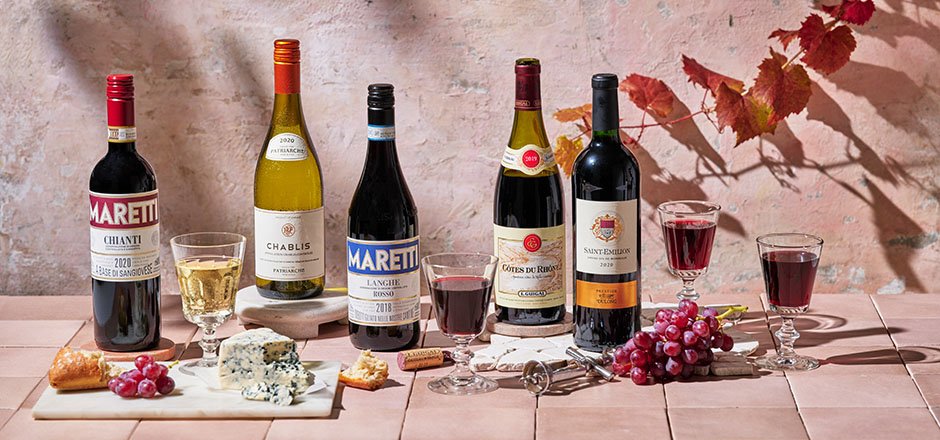
When it comes to wine, the debate between Old World and New World wines has been ongoing for centuries. But what truly sets these two wine regions apart? While they share common grape varieties, the approach to winemaking, climate, and soil conditions can create drastically different tasting experiences. In this article, we will explore the key distinctions between Old World and New World wines, delve into how terroir and winemaking methods influence their flavors, and offer guidance on how to choose between the two based on your personal preferences.

Key Distinctions Between Old and New World Wines

The primary difference between Old World and New World wines lies in their origin. Old World wines come from countries with a long history of wine production, such as France, Italy, Spain, and Germany. These regions are renowned for their centuries-old winemaking traditions. New World wines, on the other hand, originate from countries like the United States (California), Australia, Argentina, Chile, and South Africa, where winemaking has become more modern and innovative over the past few centuries.

1. Old World Wines: Tradition, Subtlety, and Elegance
Old World wines are typically more restrained and subtle in flavor. These wines are often described as more earthy, acidic, and mineral-driven, with an emphasis on balance and complexity. Old World winemakers often work with traditional methods, including hand-harvesting grapes and using indigenous yeast for fermentation. Their vineyards are usually smaller and more focused on the terroir, which refers to the unique combination of soil, climate, and other environmental factors that influence the wine’s taste.

In Old World regions like Bordeaux and Burgundy, wine classification systems exist to regulate the quality and style of the wine, ensuring that producers follow established guidelines. Old World wines are often characterized by a sense of place — a reflection of the specific vineyard or region where they are grown.

2. New World Wines: Bold, Fruit-Forward, and Innovative
New World wines tend to be bolder, fruitier, and more approachable than their Old World counterparts. With less stringent regulations and more modern winemaking techniques, New World producers have greater freedom to experiment with different methods, including new oak barrels, machine harvesting, and a focus on maximizing ripeness and alcohol content. As a result, New World wines are often more concentrated, with pronounced fruit flavors such as ripe berries, tropical fruit, and even jammy notes.

In regions like California, Australia, and Argentina, New World winemakers frequently prioritize the expression of fruit flavors and are less concerned with the concept of terroir than their Old World peers. This results in wines that can have a richer mouthfeel, higher alcohol content, and more intense fruit-driven aromas.

How Terroir and Winemaking Methods Shape the Taste

The most significant factor that shapes the flavor profile of Old and New World wines is terroir — the environmental conditions of the vineyard that influence how grapes grow and ripen. In both Old and New World regions, terroir plays a critical role, but the approaches to viticulture and winemaking differ, leading to distinct tasting experiences.

1. Terroir in Old World Wines
In Old World wine regions, the concept of terroir is deeply ingrained in the winemaking tradition. The focus is on capturing the essence of the land and creating wines that reflect the unique characteristics of the region. The climate in Old World regions tends to be cooler, with longer growing seasons that allow grapes to ripen slowly. This slow ripening process results in wines with higher acidity, lower alcohol content, and more subtle fruit flavors. The mineral-rich soils of places like Bordeaux, Burgundy, and the Rhône Valley contribute to the wines’ earthy, spicy, and sometimes floral aromas.

Old World winemakers are also more likely to use neutral oak or stainless steel for aging, which preserves the natural characteristics of the grapes and the influence of terroir. As a result, Old World wines often exhibit more complexity, with flavors that evolve and change over time. For example, a red Burgundy might display earthy, red berry flavors with hints of mushroom and forest floor, while a Bordeaux wine could show notes of tobacco, leather, and black currant.
2. Terroir in New World Wines
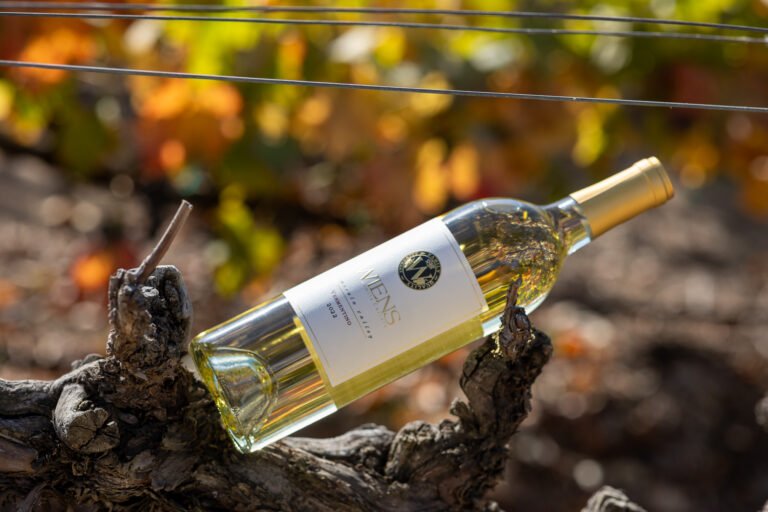
New World wine regions, with their warmer climates and more consistent weather patterns, offer a different kind of terroir. Grapes in these regions ripen faster and more fully, leading to wines with richer fruit flavors and softer acidity. The soils in New World regions tend to be more varied, and in some areas, like California and Australia, vineyards are often planted in more controlled environments, such as irrigated areas or vineyards situated on flatter terrain. This gives winemakers greater control over the growing process and allows for more uniformity in grape production.

New World winemakers are more likely to emphasize fruit-driven flavors, and their wines often have a stronger presence of oak, which adds vanilla, spice, and toasted notes to the wine. For instance, a New World Chardonnay from California may be characterized by tropical fruit aromas like pineapple or mango, along with buttery richness from oak aging. A New World Cabernet Sauvignon might have a bold blackberry flavor with a touch of spice and a higher alcohol content than its Old World counterpart.

3. Winemaking Methods in Old World vs. New World Wines
The difference in winemaking techniques between Old and New World wines is a key factor in shaping their overall taste. In Old World regions, the winemaking process tends to be more traditional, with less intervention and a focus on natural fermentation and aging. Winemakers often use native yeast strains to ferment the grapes, which can lead to more complex, terroir-driven flavors. The goal is to create wines that reflect the vineyard’s unique characteristics, with subtlety and finesse.

In contrast, New World winemakers have more flexibility in their approach, often using modern technology and techniques to influence the final product. They may use commercial yeasts to control fermentation, adjust the temperature to accelerate ripening, and employ a variety of oak treatments to enhance flavors. This results in wines that are generally more fruit-forward, approachable, and ready to drink at a younger age.

What You Need to Know When Choosing Between the Two

So, how do you decide between Old World and New World wines? The choice ultimately depends on your personal taste preferences and what you’re looking for in a wine experience. Here are a few tips to help guide your decision:

1. Flavor Profile Preference

  • Old World: If you prefer wines with subtlety, complexity, and earthy or mineral-driven notes, you may gravitate toward Old World wines. These wines often have higher acidity, which makes them excellent for pairing with food.
  • New World: If you enjoy bolder, fruitier wines with a more approachable style and softer acidity, you may find New World wines more to your liking. These wines tend to be more exuberant in flavor and often have a more opulent mouthfeel.

2. Food Pairing

  • Old World: Old World wines often pair better with traditional and rustic food due to their acidity and food-friendly profiles. Think of pairing a classic Bordeaux with a steak or a Burgundy with roasted chicken or mushrooms.
  • New World: New World wines are great for pairing with hearty or rich dishes like barbecued meats, grilled steaks, or creamy pasta dishes. Their fruit-forward nature can complement bold flavors and provide a fuller mouthfeel.

3. Ageability

  • Old World: If you’re interested in aging wine, Old World wines, particularly those from regions like Bordeaux, Burgundy, and Barolo, offer fantastic aging potential due to their high acidity and complex structure. These wines can develop beautifully over time, offering new flavors with each passing year.
  • New World: While many New World wines are made to be enjoyed young, some, such as high-quality Napa Valley Cabernet Sauvignon or Barossa Valley Shiraz, can age well and develop deeper flavors over time.

Conclusion

The debate between Old World and New World wines is not about which is better, but rather about what suits your individual taste preferences. Old World wines tend to be more restrained, complex, and reflective of their terroir, while New World wines are bolder, fruitier, and more approachable. Understanding the key distinctions between the two regions, how terroir influences flavor, and the different winemaking techniques used will help you choose the perfect bottle for any occasion. Whether you’re sipping a crisp, mineral-driven Burgundy or a rich, fruit-forward Napa Valley Cabernet, both Old and New World wines have something special to offer.

Tags: BordeauxNew World winesOld World winesterroirwine tastingwinemaking methods
ShareTweetShare

Related Posts

Can Beer Be an Effective Ingredient in Culinary Cooking?
ALL

Can Beer Be an Effective Ingredient in Culinary Cooking?

January 22, 2026
Second Fermentation in Champagne: Is It Really That Crucial?
ALL

Second Fermentation in Champagne: Is It Really That Crucial?

January 22, 2026
How Do Different Grains Impact the Flavor Profile of Distilled Spirits?
ALL

How Do Different Grains Impact the Flavor Profile of Distilled Spirits?

January 22, 2026
How Do Whiskey Master Blenders Create Perfection?
ALL

How Do Whiskey Master Blenders Create Perfection?

January 22, 2026
Wine Pairings: Can They Change the Flavor Profile of a Dish?
ALL

Wine Pairings: Can They Change the Flavor Profile of a Dish?

January 22, 2026
Beer the Ultimate Beverage for Pairing with Spicy Food?
ALL

Beer the Ultimate Beverage for Pairing with Spicy Food?

January 21, 2026
Leave Comment
  • Trending
  • Comments
  • Latest
What Hidden Craftsmanship Lies Behind a Bottle of Quality Grain Spirits?

What Hidden Craftsmanship Lies Behind a Bottle of Quality Grain Spirits?

July 3, 2025
How Is Champagne Made? The Secrets Behind the Sparkle

How Is Champagne Made? The Secrets Behind the Sparkle

April 15, 2025
Grain Spirits vs. Traditional Distilled Spirits: Which One Suits Your Taste?

Grain Spirits vs. Traditional Distilled Spirits: Which One Suits Your Taste?

July 3, 2025
Champagne Bubbles: How Do They Perfectly Convey Celebration, Joy, and Luxury?

Champagne Bubbles: How Do They Perfectly Convey Celebration, Joy, and Luxury?

July 2, 2025
The Timeless Elegance of Wine: A Journey Through History and Culture

The Timeless Elegance of Wine: A Journey Through History and Culture

Why Is Château Lafite Rothschild the Pinnacle of Fine Wine?

Why Is Château Lafite Rothschild the Pinnacle of Fine Wine?

How Did Château Lafite Rothschild Become a Global Icon of Luxury?

How Did Château Lafite Rothschild Become a Global Icon of Luxury?

What Makes Chateau Lafite Rothschild the Pinnacle of Bordeaux Wines?

What Makes Chateau Lafite Rothschild the Pinnacle of Bordeaux Wines?

Can Beer Be an Effective Ingredient in Culinary Cooking?

Can Beer Be an Effective Ingredient in Culinary Cooking?

January 22, 2026
Second Fermentation in Champagne: Is It Really That Crucial?

Second Fermentation in Champagne: Is It Really That Crucial?

January 22, 2026
How Do Different Grains Impact the Flavor Profile of Distilled Spirits?

How Do Different Grains Impact the Flavor Profile of Distilled Spirits?

January 22, 2026
How Do Whiskey Master Blenders Create Perfection?

How Do Whiskey Master Blenders Create Perfection?

January 22, 2026
SipsavorLife

Welcome to our comprehensive beverage guide, where you can explore the fascinating world of alcoholic drinks. From exquisite wines and rich whiskeys to refreshing beers and sparkling champagnes, we provide insights, tips, and recommendations for enthusiasts and casual drinkers alike. Discover your next favorite libation with us!

© 2025 sipsavorlife.com. contacts:sipsavorlife-35376@gmail.com

No Result
View All Result
  • Home
  • Wine
  • Whiskey
  • Beer
  • Grain Spirits
  • Champagne
  • ALL

© 2025 sipsavorlife.com. contacts:sipsavorlife-35376@gmail.com

Welcome Back!

Login to your account below

Forgotten Password?

Retrieve your password

Please enter your username or email address to reset your password.

Log In