SipsavorLife
  • Home
  • Wine
    Wine as a Cultural Artifact: History, Identity, and the Evolution of Taste

    The Art and Science of Wine & Food Pairing: How to Create Perfect Matches Every Time

    Wine as a Cultural Artifact: History, Identity, and the Evolution of Taste

    A Complete Guide to Wine Styles and Grape Varieties: From Cabernet Sauvignon to Riesling

    Wine as a Cultural Artifact: History, Identity, and the Evolution of Taste

    The Global Wine Industry: Economics, Markets, and the Future of Consumption

    Wine as a Cultural Artifact: History, Identity, and the Evolution of Taste

    The Science of Wine Tasting: How Chemistry, Biology, and Perception Shape Flavor

    Wine as a Cultural Artifact: History, Identity, and the Evolution of Taste

    Wine as a Cultural Artifact: History, Identity, and the Evolution of Taste

    Red Wine — The Liquid Expression of Land, Time, and Human Intention

    The Future of Red Wine — Climate Change, Technology, and the Evolution of Taste

  • Whiskey
    Can Beer Be an Effective Ingredient in Culinary Cooking?

    Can Beer Be an Effective Ingredient in Culinary Cooking?

    Second Fermentation in Champagne: Is It Really That Crucial?

    Second Fermentation in Champagne: Is It Really That Crucial?

    How Do Different Grains Impact the Flavor Profile of Distilled Spirits?

    How Do Different Grains Impact the Flavor Profile of Distilled Spirits?

    How Do Whiskey Master Blenders Create Perfection?

    How Do Whiskey Master Blenders Create Perfection?

    Wine Pairings: Can They Change the Flavor Profile of a Dish?

    Wine Pairings: Can They Change the Flavor Profile of a Dish?

    Beer the Ultimate Beverage for Pairing with Spicy Food?

    Beer the Ultimate Beverage for Pairing with Spicy Food?

  • Beer
    Beer as a Cultural and Social Force: From Ancient Brew to Modern Identity

    The Art of Beer & Food Pairing: Unlocking Flavor Through Balance, Contrast, and Texture

    Beer as a Cultural and Social Force: From Ancient Brew to Modern Identity

    A Complete Guide to Beer Styles: From Lager to Stout, Understanding Flavor, Body, and Character

    Beer as a Cultural and Social Force: From Ancient Brew to Modern Identity

    The Global Beer Industry: Craft Revolution, Market Forces, and the Future of Brewing

    Beer as a Cultural and Social Force: From Ancient Brew to Modern Identity

    The Science of Beer: Brewing Process, Ingredients, and the Chemistry of Flavor

    Beer as a Cultural and Social Force: From Ancient Brew to Modern Identity

    Beer as a Cultural and Social Force: From Ancient Brew to Modern Identity

    The Evolution of Beer — From Ancient Brews to the Craft Revolution

    The Future of Beer — Innovation, Sustainability, and Emerging Trends

  • Grain Spirits
    Grain Spirits Explained — The Foundation of Global Distillation

    The Future of Grain Spirits — Technology, Sustainability, and the Next Era of Distillation

    Grain Spirits Explained — The Foundation of Global Distillation

    Grain Spirits Around the World — Vodka, Whisky Bases, and Industrial Applications

    Grain Spirits Explained — The Foundation of Global Distillation

    Distillation Systems — Pot Still vs Column Still, and the Balance Between Efficiency and Flavor

    Grain Spirits Explained — The Foundation of Global Distillation

    Grain Selection and Fermentation Science — How Raw Ingredients Shape Grain Spirits

    Grain Spirits Explained — The Foundation of Global Distillation

    Grain Spirits Explained — The Foundation of Global Distillation

    Grain Spirits and the Industrial Birth of Neutral Alcohol

    The Future of Grain Spirits — AI Distillation, Sustainability, and the Post-Flavor Alcohol Industry

  • Champagne
    The History of Champagne — From Accidental Sparkle to Global Luxury

    The Future of Champagne — Climate Change, Innovation, and Industry Evolution

    The History of Champagne — From Accidental Sparkle to Global Luxury

    The Culture of Champagne — Luxury, Celebration, and Global Influence

    The History of Champagne — From Accidental Sparkle to Global Luxury

    Champagne Styles Explained — Brut, Rosé, Vintage, and Beyond

    The History of Champagne — From Accidental Sparkle to Global Luxury

    The Craft of Champagne — Terroir, Grapes, and the Méthode Traditionnelle

    The History of Champagne — From Accidental Sparkle to Global Luxury

    The History of Champagne — From Accidental Sparkle to Global Luxury

    The Future of Champagne — Climate Change, Innovation, and the Evolution of Sparkling Wine

    The Future of Champagne — Climate Change, Innovation, and the Evolution of Sparkling Wine

  • ALL
    Can Beer Be an Effective Ingredient in Culinary Cooking?

    Can Beer Be an Effective Ingredient in Culinary Cooking?

    Second Fermentation in Champagne: Is It Really That Crucial?

    Second Fermentation in Champagne: Is It Really That Crucial?

    How Do Different Grains Impact the Flavor Profile of Distilled Spirits?

    How Do Different Grains Impact the Flavor Profile of Distilled Spirits?

    How Do Whiskey Master Blenders Create Perfection?

    How Do Whiskey Master Blenders Create Perfection?

    Wine Pairings: Can They Change the Flavor Profile of a Dish?

    Wine Pairings: Can They Change the Flavor Profile of a Dish?

    Beer the Ultimate Beverage for Pairing with Spicy Food?

    Beer the Ultimate Beverage for Pairing with Spicy Food?

SipsavorLife
  • Home
  • Wine
    Wine as a Cultural Artifact: History, Identity, and the Evolution of Taste

    The Art and Science of Wine & Food Pairing: How to Create Perfect Matches Every Time

    Wine as a Cultural Artifact: History, Identity, and the Evolution of Taste

    A Complete Guide to Wine Styles and Grape Varieties: From Cabernet Sauvignon to Riesling

    Wine as a Cultural Artifact: History, Identity, and the Evolution of Taste

    The Global Wine Industry: Economics, Markets, and the Future of Consumption

    Wine as a Cultural Artifact: History, Identity, and the Evolution of Taste

    The Science of Wine Tasting: How Chemistry, Biology, and Perception Shape Flavor

    Wine as a Cultural Artifact: History, Identity, and the Evolution of Taste

    Wine as a Cultural Artifact: History, Identity, and the Evolution of Taste

    Red Wine — The Liquid Expression of Land, Time, and Human Intention

    The Future of Red Wine — Climate Change, Technology, and the Evolution of Taste

  • Whiskey
    Can Beer Be an Effective Ingredient in Culinary Cooking?

    Can Beer Be an Effective Ingredient in Culinary Cooking?

    Second Fermentation in Champagne: Is It Really That Crucial?

    Second Fermentation in Champagne: Is It Really That Crucial?

    How Do Different Grains Impact the Flavor Profile of Distilled Spirits?

    How Do Different Grains Impact the Flavor Profile of Distilled Spirits?

    How Do Whiskey Master Blenders Create Perfection?

    How Do Whiskey Master Blenders Create Perfection?

    Wine Pairings: Can They Change the Flavor Profile of a Dish?

    Wine Pairings: Can They Change the Flavor Profile of a Dish?

    Beer the Ultimate Beverage for Pairing with Spicy Food?

    Beer the Ultimate Beverage for Pairing with Spicy Food?

  • Beer
    Beer as a Cultural and Social Force: From Ancient Brew to Modern Identity

    The Art of Beer & Food Pairing: Unlocking Flavor Through Balance, Contrast, and Texture

    Beer as a Cultural and Social Force: From Ancient Brew to Modern Identity

    A Complete Guide to Beer Styles: From Lager to Stout, Understanding Flavor, Body, and Character

    Beer as a Cultural and Social Force: From Ancient Brew to Modern Identity

    The Global Beer Industry: Craft Revolution, Market Forces, and the Future of Brewing

    Beer as a Cultural and Social Force: From Ancient Brew to Modern Identity

    The Science of Beer: Brewing Process, Ingredients, and the Chemistry of Flavor

    Beer as a Cultural and Social Force: From Ancient Brew to Modern Identity

    Beer as a Cultural and Social Force: From Ancient Brew to Modern Identity

    The Evolution of Beer — From Ancient Brews to the Craft Revolution

    The Future of Beer — Innovation, Sustainability, and Emerging Trends

  • Grain Spirits
    Grain Spirits Explained — The Foundation of Global Distillation

    The Future of Grain Spirits — Technology, Sustainability, and the Next Era of Distillation

    Grain Spirits Explained — The Foundation of Global Distillation

    Grain Spirits Around the World — Vodka, Whisky Bases, and Industrial Applications

    Grain Spirits Explained — The Foundation of Global Distillation

    Distillation Systems — Pot Still vs Column Still, and the Balance Between Efficiency and Flavor

    Grain Spirits Explained — The Foundation of Global Distillation

    Grain Selection and Fermentation Science — How Raw Ingredients Shape Grain Spirits

    Grain Spirits Explained — The Foundation of Global Distillation

    Grain Spirits Explained — The Foundation of Global Distillation

    Grain Spirits and the Industrial Birth of Neutral Alcohol

    The Future of Grain Spirits — AI Distillation, Sustainability, and the Post-Flavor Alcohol Industry

  • Champagne
    The History of Champagne — From Accidental Sparkle to Global Luxury

    The Future of Champagne — Climate Change, Innovation, and Industry Evolution

    The History of Champagne — From Accidental Sparkle to Global Luxury

    The Culture of Champagne — Luxury, Celebration, and Global Influence

    The History of Champagne — From Accidental Sparkle to Global Luxury

    Champagne Styles Explained — Brut, Rosé, Vintage, and Beyond

    The History of Champagne — From Accidental Sparkle to Global Luxury

    The Craft of Champagne — Terroir, Grapes, and the Méthode Traditionnelle

    The History of Champagne — From Accidental Sparkle to Global Luxury

    The History of Champagne — From Accidental Sparkle to Global Luxury

    The Future of Champagne — Climate Change, Innovation, and the Evolution of Sparkling Wine

    The Future of Champagne — Climate Change, Innovation, and the Evolution of Sparkling Wine

  • ALL
    Can Beer Be an Effective Ingredient in Culinary Cooking?

    Can Beer Be an Effective Ingredient in Culinary Cooking?

    Second Fermentation in Champagne: Is It Really That Crucial?

    Second Fermentation in Champagne: Is It Really That Crucial?

    How Do Different Grains Impact the Flavor Profile of Distilled Spirits?

    How Do Different Grains Impact the Flavor Profile of Distilled Spirits?

    How Do Whiskey Master Blenders Create Perfection?

    How Do Whiskey Master Blenders Create Perfection?

    Wine Pairings: Can They Change the Flavor Profile of a Dish?

    Wine Pairings: Can They Change the Flavor Profile of a Dish?

    Beer the Ultimate Beverage for Pairing with Spicy Food?

    Beer the Ultimate Beverage for Pairing with Spicy Food?

SipsavorLife
No Result
View All Result
Home ALL

Why Are Wine Enthusiasts Obsessed with Bordeaux? Unraveling Its Magic!

February 23, 2025
in ALL, Wine
Why Are Wine Enthusiasts Obsessed with Bordeaux? Unraveling Its Magic!

Bordeaux, a name that stirs the imagination of wine lovers around the world, has long been regarded as one of the premier wine regions. But what exactly is it about Bordeaux that captivates so many wine enthusiasts and collectors? From its unique blend of tradition, terroir, and craftsmanship, Bordeaux wine has achieved legendary status. In this article, we’ll uncover what makes Bordeaux wines so magical, explore their global impact, and offer tips on how to spot the perfect Bordeaux bottle to add to your collection.

The Unique Characteristics of Bordeaux Wine

At the heart of Bordeaux’s magic lies its distinct characteristics—flavors, aromas, and styles that are hard to replicate elsewhere. The region is known for producing both red and white wines, each with its own signature traits. Let’s take a deeper dive into what makes Bordeaux wine so extraordinary.

1. Red Bordeaux Wines: A Symphony of Blends
Red Bordeaux wines are typically made from a blend of several grape varieties, with Merlot and Cabernet Sauvignon being the dominant ones. This blending tradition is a hallmark of Bordeaux, offering wines with complexity, depth, and balance. Here’s what you can expect from Bordeaux reds:

  • Merlot adds softness, roundness, and fruit-forward flavors, including notes of blackberries, plums, and cherries. It’s often the dominant grape in Bordeaux blends, particularly in the Right Bank regions like Pomerol and Saint-Émilion.
  • Cabernet Sauvignon brings structure, tannin, and the potential for aging, with flavors like black currant, green bell pepper, and tobacco. The Left Bank of Bordeaux, especially the Médoc region, is known for its Cabernet Sauvignon-dominant blends.
  • Cabernet Franc, Petit Verdot, and Malbec also play important roles in the Bordeaux blend, contributing additional complexity and flavor dimensions.

Red Bordeaux wines often have a rich, deep color and a harmonious profile that balances fruit, acidity, and tannin. These wines are renowned for their aging potential, with some of the best vintages able to improve for decades.

2. White Bordeaux Wines: Fresh and Elegant
Bordeaux isn’t just about red wines; its white wines are also highly regarded. Typically made from Sauvignon Blanc, Sémillon, and Muscadelle, white Bordeaux wines are known for their refreshing acidity and aromatic profiles. Sauvignon Blanc imparts crisp citrus and herbaceous notes, while Sémillon adds richness and texture with flavors of honey, stone fruit, and floral notes. Together, these grapes create wines that range from light and zesty to rich and complex.

The sweet wines of Bordeaux, such as Sauternes, are another shining example of the region’s versatility. Made primarily from Sémillon and Sauvignon Blanc, Sauternes wines are luscious, with flavors of ripe apricot, honey, and botrytis (noble rot), which gives them an unparalleled depth of sweetness and complexity.

Exploring Bordeaux’s Impact on the Global Wine Market

Bordeaux has not only shaped the landscape of wine but also exerted a significant influence on the global wine market. The region’s legacy as one of the oldest and most prestigious wine-producing areas means that its wines are often used as benchmarks for quality, craftsmanship, and value.

1. A Symbol of Prestige
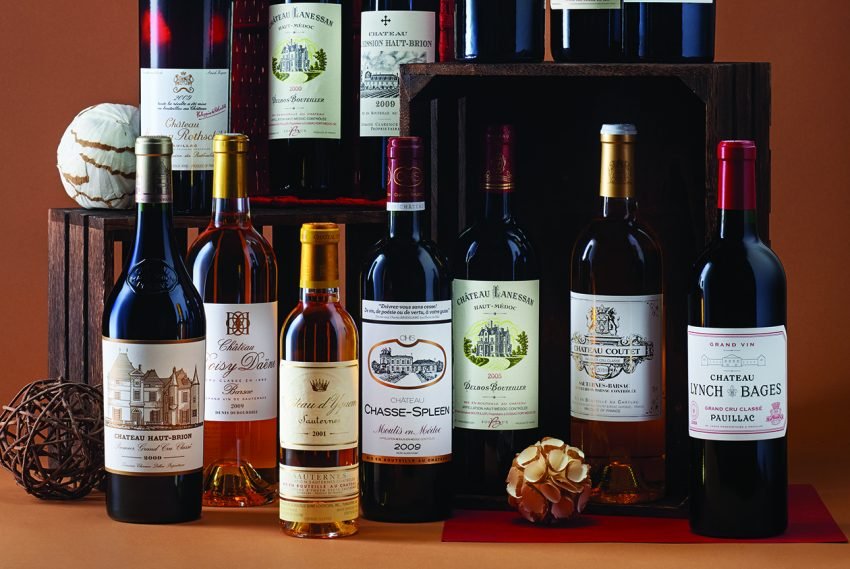
Bordeaux wines have long been associated with luxury, wealth, and status. Iconic estates like Château Lafite Rothschild, Château Margaux, and Château Latour produce some of the world’s most expensive and sought-after wines. These wines are considered status symbols and are often featured in prestigious auctions around the world.

The Bordeaux classification system, which was established in 1855, further cements the region’s dominance. The 1855 classification ranked estates based on their reputation and quality, and many of these châteaux remain highly regarded today. While there have been some changes and additions to the classification, the top estates still command the highest prices on the market.

2. Bordeaux’s Influence on Wine Regions Worldwide
Bordeaux’s influence extends far beyond its own borders. The art of blending, the concept of terroir, and the use of oak barrels for aging are all practices that Bordeaux has perfected and shared with other wine regions. Many countries around the world, including the United States, Argentina, Chile, and Australia, have adopted Bordeaux-style blends, and the Bordeaux classification system has served as a model for establishing wine rankings in other regions.

Furthermore, Bordeaux wines are highly influential in the fine wine investment market. Many collectors and investors look to Bordeaux wines as a cornerstone of their portfolios, knowing that bottles from top estates are likely to appreciate in value over time.

3. The Bordeaux En Primeur System
One of the most unique aspects of Bordeaux’s global impact is its “En Primeur” system. This is a method by which Bordeaux wine is sold while it is still in the barrel, months before it is bottled and released to the public. Wine critics, collectors, and investors flock to Bordeaux each spring to taste and purchase En Primeur wines, hoping to secure bottles of exceptional quality at a discounted price. The system allows producers to generate cash flow and gives consumers the opportunity to buy wines that have not yet been released to the broader market.
How to Spot the Perfect Bordeaux Bottle

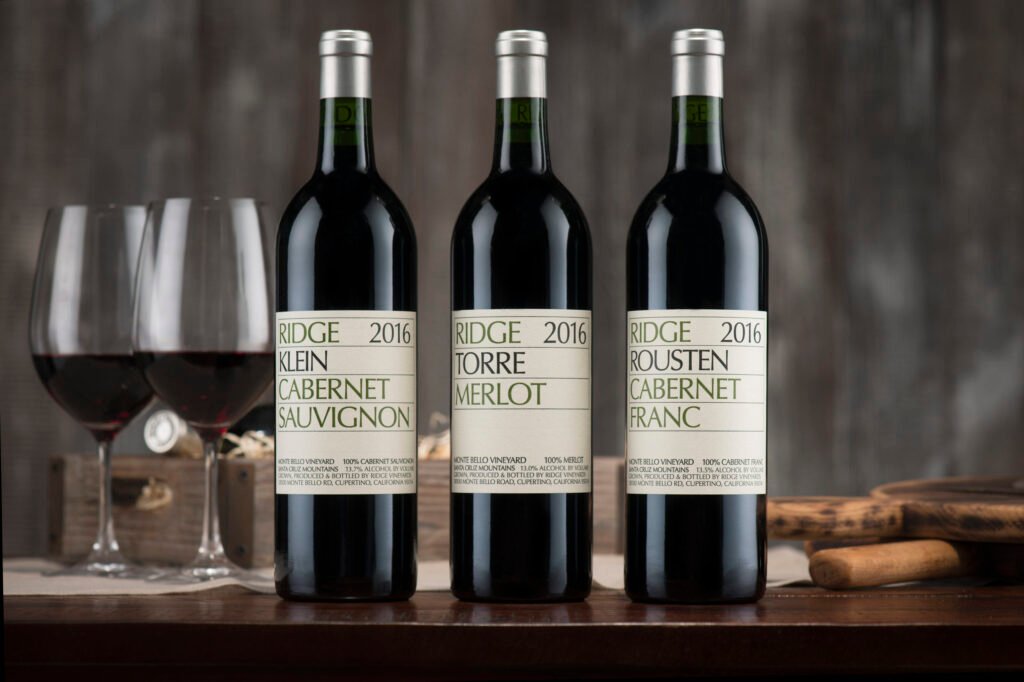
Now that we’ve uncovered the magic of Bordeaux wine and its global influence, how can you spot the perfect Bordeaux bottle to add to your collection? Here are a few tips to guide you in your quest for the ultimate Bordeaux wine.

1. Look for Trusted Producers and Vintages
When searching for the perfect Bordeaux wine, it’s essential to focus on producers with a long history of excellence. Estates like Château Lafite Rothschild, Château Mouton Rothschild, Château Haut-Brion, and Château Cheval Blanc are known for producing consistently high-quality wines. Additionally, keep an eye on vintage reports, as some years are better for Bordeaux than others. Vintages like 2000, 2005, 2009, and 2010 are considered outstanding, with many wines from these years expected to age beautifully.

2. Consider the Region and Blend
Bordeaux wines are classified into different regions, each with its own unique characteristics. Wines from the Left Bank (Médoc, Haut-Médoc) tend to be more Cabernet Sauvignon-dominant and offer bold, structured wines with aging potential. The Right Bank (Pomerol, Saint-Émilion) is known for producing more Merlot-forward wines, which tend to be fruitier and more approachable in their youth. Understanding the region and grape blend can help you choose a wine that matches your personal preferences.

3. Assess the Wine’s Aging Potential
Aging is a key characteristic of many Bordeaux wines. The best Bordeaux wines have the ability to evolve and improve over time, developing more complex aromas and flavors as they age. If you’re seeking a wine to age in your cellar, opt for wines with a higher proportion of Cabernet Sauvignon, as they tend to have better aging potential due to their structure and tannin levels. However, if you’re looking for a wine to enjoy sooner rather than later, you might prefer a wine that is more Merlot-dominant and approachable in its youth.

4. Seek Out Expert Advice
If you’re new to Bordeaux wines or unsure about which bottle to choose, seek out expert advice from sommeliers, wine merchants, or online wine critics. There are also plenty of online resources, including wine rating websites and wine tasting notes, which can provide valuable insights into the quality and characteristics of different Bordeaux wines.

Conclusion

Bordeaux wines have captured the hearts and palates of wine enthusiasts around the world for centuries, thanks to their unique blend of tradition, terroir, and craftsmanship. Whether you’re drawn to the deep, structured reds or the crisp, elegant whites, Bordeaux wines offer something for every type of wine lover. Their global impact and legacy as a symbol of luxury, quality, and fine winemaking have ensured that Bordeaux will remain a beloved name in the world of wine for generations to come.

Next time you’re perusing the wine shop or browsing online, remember to look out for the perfect Bordeaux bottle that suits your taste preferences and elevates your collection. Whether you’re seeking a bottle to enjoy today or one to age for years, Bordeaux has something magical waiting for you.
Tags: Bordeaux wineBordeaux wine characteristicsBordeaux wineswine enthusiastswine market
ShareTweetShare

Related Posts

Wine as a Cultural Artifact: History, Identity, and the Evolution of Taste
Wine

The Art and Science of Wine & Food Pairing: How to Create Perfect Matches Every Time

April 26, 2026
Wine as a Cultural Artifact: History, Identity, and the Evolution of Taste
Wine

A Complete Guide to Wine Styles and Grape Varieties: From Cabernet Sauvignon to Riesling

April 26, 2026
Wine as a Cultural Artifact: History, Identity, and the Evolution of Taste
Wine

The Global Wine Industry: Economics, Markets, and the Future of Consumption

April 26, 2026
Wine as a Cultural Artifact: History, Identity, and the Evolution of Taste
Wine

The Science of Wine Tasting: How Chemistry, Biology, and Perception Shape Flavor

April 26, 2026
Wine as a Cultural Artifact: History, Identity, and the Evolution of Taste
Wine

Wine as a Cultural Artifact: History, Identity, and the Evolution of Taste

April 26, 2026
Red Wine — The Liquid Expression of Land, Time, and Human Intention
Wine

The Future of Red Wine — Climate Change, Technology, and the Evolution of Taste

April 22, 2026
Leave Comment
  • Trending
  • Comments
  • Latest
Role of Terroir in Champagne Production

Role of Terroir in Champagne Production

January 19, 2026
Champagne Can Be Aged in Wood?

Champagne Can Be Aged in Wood?

January 18, 2026
Is Organic Wine Healthier Than Conventional Wine?

Is Organic Wine Healthier Than Conventional Wine?

January 20, 2026
Why Do Some Champagnes Use a High Proportion of Pinot Meunier?

Why Do Some Champagnes Use a High Proportion of Pinot Meunier?

January 20, 2026
The Timeless Elegance of Wine: A Journey Through History and Culture

The Timeless Elegance of Wine: A Journey Through History and Culture

Why Is Château Lafite Rothschild the Pinnacle of Fine Wine?

Why Is Château Lafite Rothschild the Pinnacle of Fine Wine?

How Did Château Lafite Rothschild Become a Global Icon of Luxury?

How Did Château Lafite Rothschild Become a Global Icon of Luxury?

What Makes Chateau Lafite Rothschild the Pinnacle of Bordeaux Wines?

What Makes Chateau Lafite Rothschild the Pinnacle of Bordeaux Wines?

Beer as a Cultural and Social Force: From Ancient Brew to Modern Identity

The Art of Beer & Food Pairing: Unlocking Flavor Through Balance, Contrast, and Texture

April 26, 2026
Beer as a Cultural and Social Force: From Ancient Brew to Modern Identity

A Complete Guide to Beer Styles: From Lager to Stout, Understanding Flavor, Body, and Character

April 26, 2026
Beer as a Cultural and Social Force: From Ancient Brew to Modern Identity

The Global Beer Industry: Craft Revolution, Market Forces, and the Future of Brewing

April 26, 2026
Beer as a Cultural and Social Force: From Ancient Brew to Modern Identity

The Science of Beer: Brewing Process, Ingredients, and the Chemistry of Flavor

April 26, 2026
SipsavorLife

Welcome to our comprehensive beverage guide, where you can explore the fascinating world of alcoholic drinks. From exquisite wines and rich whiskeys to refreshing beers and sparkling champagnes, we provide insights, tips, and recommendations for enthusiasts and casual drinkers alike. Discover your next favorite libation with us!

© 2025 sipsavorlife.com. contacts:sipsavorlife-35376@gmail.com

No Result
View All Result
  • Home
  • Wine
  • Whiskey
  • Beer
  • Grain Spirits
  • Champagne
  • ALL

© 2025 sipsavorlife.com. contacts:sipsavorlife-35376@gmail.com

Welcome Back!

Login to your account below

Forgotten Password?

Retrieve your password

Please enter your username or email address to reset your password.

Log In